绿色转型

Search documents
世界经济论坛执行董事梁锦慧:中国是推动全球增长的关键力量
Zhong Guo Xin Wen Wang· 2026-01-19 06:24
世界经济论坛执行董事梁锦慧:中国是推动全球增长的关键力量 中新社瑞士达沃斯1月19日电 题:世界经济论坛执行董事梁锦慧:中国是推动全球增长的关键力量 中新社记者 马秀秀 世界经济论坛2026年年会即将在瑞士达沃斯启幕,世界经济论坛执行董事、管理委员会成员兼大中华区 主席梁锦慧(Gim Huay Neo)近日接受中新社记者专访时表示,中国在全球经济中发挥着重要作用,近年 来对全球经济增长的贡献率约占三分之一。依托其经济规模、在贸易和供应链中的关键作用,以及在实 体经济中推动技术创新与应用的能力,中国是推动全球增长与提升经济韧性的主导性、关键力量。 今年论坛聚焦"对话的精神"。梁锦慧表示,在当今地缘政治格局持续演变、技术变革不断加速、极端天 气事件等全球性风险频发背景下,对话、协调与合作对于实现持续的和平与繁荣至关重要。今年,来自 中国的参会代表涵盖政府、企业、创新领域和学术界,充分反映了中国经济与全球价值链、技术发展以 及绿色转型之间的深度联结。 她表示,当前国际社会对中国创新生态系统的关注日益增强,包括技术如何融入产业转型进程,以及如 何通过加大对人力、技能和就业的投入,加快绿色转型、实现更具韧性的增长。20 ...
国纪平:“今天的中国,明天的世界”缘何出现
Ren Min Ri Bao· 2026-01-19 06:20
迈入"十五五",中国式现代化接续推进,不仅为全球发展贡献动能和机遇,也拓展了世界现代化的 发展空间。 消除贫困、绿色转型等领域的深刻变革,提供了观察切入口。在这两大关乎人类未来的重要领 域,"今天的中国,明天的世界"日益成为广受关注的现象。从思想启示、经验分享到合作引领,"中国 可以成功,其他发展中国家同样可以成功"的信心不断传递,中国发展赋能全球的效应日益显现。 思考"今天的中国,明天的世界"缘何出现,为读懂中国之治、读懂中国式现代化的世界意义打开了 一扇窗。 (一)思想之光:点亮前行明灯 现代化是各国的共同追求。中国式现代化为解决现代化进程中各国面临的共性难题,提供了新思 路、新范式。 先看减贫领域。 贫困是千年顽疾,在全世界消除一切形式的贫困是联合国2030年可持续发展议程的首要目标。在现 代化视野下,减贫不仅需要经济发展,更要将发展成果转化为全民福祉,处理好发展与公平的关系。环 顾全球,现在全球仍有7亿多人面临饥饿威胁,超过8亿人处在绝对贫困状态。许多发展中国家发展基础 薄弱,仍在苦苦探索有效减贫路径。即使在发达国家,贫富分化日益严重,贫困问题也在加剧。 中国如何破题? "我先后在中国的村、县、市、省 ...
国网计划“十五五”投资固定资产4万亿元,多省明确天然气关键战略能源定位 | 投研报告
Zhong Guo Neng Yuan Wang· 2026-01-19 04:03
Market Performance - The public utility sector increased by 0.1% as of January 16, outperforming the broader market, with the electricity sector rising by 0.20% and the gas sector declining by 1.17% [2][8]. Electricity Industry Data Tracking - The price of thermal coal at Qinhuangdao Port rose by 1 CNY/ton week-on-week, reaching 697 CNY/ton as of January 16. Meanwhile, Indonesian coal prices fell by 5.71 CNY/ton to 735.71 CNY/ton, and Australian coal prices decreased by 6.53 CNY/ton to 740.51 CNY/ton [3]. - Coal inventory at Qinhuangdao Port increased by 150,000 tons week-on-week, totaling 5.5 million tons as of January 16. Inland power plants' daily coal consumption rose by 96,000 tons/day to 4.147 million tons, a week-on-week increase of 2.37% [3]. - The outflow from the Three Gorges Dam increased by 19.22% year-on-year and 23.55% week-on-week, reaching 9,180 cubic meters/second as of January 16 [4]. Natural Gas Industry Data Tracking - The LNG ex-factory price index in Shanghai was 3,854 CNY/ton as of January 15, showing a week-on-week increase of 1.29% but a year-on-year decrease of 13.53% [5]. - The European TTF spot price rose by 18.6% week-on-week to 11.4 USD/million BTU, while the US HH spot price increased by 2.8% to 2.95 USD/million BTU [5]. - Domestic natural gas consumption in November was 36.280 billion cubic meters, a year-on-year increase of 4.1%, with production at 21.880 billion cubic meters, up 5.9% year-on-year [6]. Key Industry News - The State Grid Corporation plans to invest 4 trillion CNY in fixed assets during the 14th Five-Year Plan, a 40% increase from the previous plan, focusing on green transformation and enhancing grid functionality [7]. - Multiple provinces have highlighted natural gas as a key strategic energy source in their 14th Five-Year Plans, emphasizing its role in connecting traditional and new energy systems without setting consumption caps [7]. Investment Recommendations - The electricity sector is expected to see profit improvements and value reassessment due to ongoing supply-demand tensions, with a focus on coal power companies like Guodian Power and Huaneng International [8]. - The natural gas sector is anticipated to benefit from stable margins in city gas businesses and opportunities for traders with low-cost long-term gas sources [8].



美铜关税预期降温,铜牛回头蓄力:沪铜周报-20260119
Zhong Hui Qi Huo· 2026-01-19 03:30
沪铜周报 美铜关税预期降温,铜牛回头蓄力 【核心观点】铜高位波动放大,建议铜短期多单继续持有,移动逢高止盈,充分回调后仍是布局 良机,长期依旧看好铜 【策略展望】 4 本周宏观多空交织,特朗普铜关税预期降温和英伟达澄清铜需求量级,两大"神话"被戳破,铜 价急刹车冲高回落。短期看,利好"变脸"叠加传统消费淡季,铜价高位大幅震荡在所难免,这 是对前期过快上涨的修正。但中长期看,驱动铜市的底层逻辑并未逆转,全球资源博弈、供 应链扭曲、绿色转型带来的刚性需求,这三大引擎依然在轰鸣。所以,铜的牛市并非结束, 而是进入了更加波动、以高位盘整消化情绪、等待下一个驱动信号的中场休息阶段。 建议前期铜多单移动止盈,关注10万关键心理关口,20日均线(96926)以及30日均线 (94679)支撑。熊市多暴涨牛市多暴跌,守正出奇,顺势而为。中长期看,铜作为中美博弈 的重要战略资源和贵金属平替资产配置,在铜精矿紧张和绿色铜需求爆发背景下,对铜依旧 看好。 短期沪铜关注区间【95000,105000】元/吨,伦铜关注区间【12500,13500】风险关注:中 美关系,铜矿干扰,需求不足 工作计划安排 WORK SCHEDULE 研究 ...
联合国副秘书长徐浩良:破解全球发展困局需加强多边合作
Xin Lang Cai Jing· 2026-01-19 01:59
Group 1 - The core discussion revolves around the theme of "uncertainty" in global governance, highlighting issues such as debt pressure in developing countries, funding gaps in climate governance, and geopolitical tensions [1][15] - China proposed a global governance initiative during the UN General Assembly in September 2025, aiming to establish a Global Sustainable Development Center in Shanghai to share experiences in green transition, digitalization, and trade with developing countries [1][15] Group 2 - Xu Haoliang, a senior UN official, emphasized that the world is facing multiple overlapping risks, including a widening development financing gap and insufficient funding for climate and energy transitions [2][16] - He stressed the importance of restoring the effectiveness of multilateral cooperation and maintaining pragmatic collaboration space among key economies like China and the US [2][16] Group 3 - The global economic landscape is characterized by challenges such as economic slowdown, geopolitical conflicts, and climate crises, necessitating a renewed confidence in multilateral cooperation [4][18] - Developing countries are projected to have an economic growth rate of approximately 3.2% by 2025, which is insufficient to meet the expectations of their populations [5][18] Group 4 - There is a significant annual funding gap of approximately $430 billion for developing countries to meet sustainable development goals, while global official development assistance totals around $200 billion [6][20] - The reliance on government revenue, which is often below 15% of GDP in developing countries compared to over 30% in developed countries, limits their ability to invest in infrastructure and social services [5][19] Group 5 - The UNDP is working to improve the financing capabilities of developing countries by leveraging private capital and creating investment maps to guide potential investors [7][21] - The organization is involved in analyzing key sectors for sustainable development, such as urban wastewater treatment, to identify opportunities for private sector participation [7][21] Group 6 - Achieving sustainable development goals does not have to conflict with economic growth; investments in renewable energy and green technologies can drive both objectives [8][22] - The integration of sustainable development principles into investment decisions is crucial for long-term viability and environmental protection [8][22] Group 7 - China’s experience in sustainable development, characterized by clear long-term goals and effective governance, serves as a valuable reference for other developing countries [12][27] - Key factors for success include strong financing capabilities, a stable policy environment, and effective governance mechanisms [12][26]

香港电商快递包裹回收 海外退到香港的快递库存回收处理公司
Sou Hu Cai Jing· 2026-01-19 01:48
Core Insights - The article discusses the importance of standardized recycling of e-commerce packaging in Hong Kong, highlighting its dual benefits of reducing inventory burdens and promoting a circular economy [1][3]. Group 1: Inventory Management - E-commerce and logistics companies face hidden costs from accumulated waste packaging and idle materials, which occupy storage space and increase management expenses [3]. - Systematic recycling and inventory clearance can quickly activate idle space, allowing reusable materials to be repurposed, thus reducing procurement costs and accelerating inventory turnover [3]. - The initiative helps mitigate the risk of asset depreciation due to inventory backlog [3]. Group 2: Environmental Impact - Improper disposal of packaging materials can significantly strain Hong Kong's limited land resources, with paper and plastic waste contributing to environmental pollution [3]. - Recycling initiatives can substantially reduce deforestation, with the production of one ton of recycled paper saving approximately 17 trees and about 100 cubic meters of water [3]. - Circular processing of plastic packaging can decrease petroleum consumption and prevent soil and water contamination [3]. Group 3: Industry Innovation - The recycling of e-commerce packaging is a comprehensive system involving businesses, consumers, and recycling organizations, with innovative models like "order reduction" and "recycling rewards" being explored [5]. - Logistics companies are implementing dedicated recycling zones in sorting centers to facilitate immediate collection and sorting of packaging materials [5]. - The establishment of a standardized recycling industry chain can connect with the Greater Bay Area's recycling resource processing bases, creating a cross-regional circular network [5].

人民日报国纪平:“今天的中国,明天的世界”缘何出现
Bei Jing Ri Bao Ke Hu Duan· 2026-01-18 22:45
Core Insights - China's modernization is contributing to global development and expanding the space for modernization worldwide, particularly in poverty alleviation and green transformation [1][4][5] - The phrase "Today's China, Tomorrow's World" reflects the growing recognition of China's role in global development and the belief that other developing countries can also succeed [1][4] Group 1: Poverty Alleviation - Poverty is a long-standing issue, with over 700 million people facing hunger and more than 800 million in absolute poverty globally [3] - China's approach to poverty alleviation has evolved from theoretical discussions to practical implementations, achieving the largest poverty reduction in history by lifting nearly 100 million people out of poverty in eight years [4][10] - The concept of "targeted poverty alleviation" has been recognized internationally, with countries like Thailand adopting similar strategies based on China's experience [10][11] Group 2: Green Transformation - Balancing development and environmental protection is a significant challenge in modernization, with traditional paths often leading to pollution before remediation [5][6] - China's green development philosophy emphasizes that ecological protection is integral to productivity, advocating for high-quality development alongside environmental sustainability [6][7] - The success of China's green initiatives, such as eco-tourism and sustainable practices, serves as a model for other countries seeking to achieve similar transformations [7][12] Group 3: Global Perspective on China - The international perception of China is shifting from skepticism to recognition of its successful development model, with a growing interest in learning from China's experiences [8][9] - The narrative that poverty is a fate for developing countries is being challenged by China's success, which demonstrates that poverty can be overcome through resilience and strategic planning [10][11] - China's modernization offers a new path for developing countries, emphasizing that there is no one-size-fits-all approach to development [13][14] Group 4: Collaborative Modernization - China's modernization is characterized as "open-source," aiming for shared opportunities and mutual benefits with other developing countries [15][16] - Practical cooperation projects, such as microgrid initiatives and water supply solutions, illustrate China's commitment to global development and its role as a facilitator of progress [16][17] - The ongoing development of China's economy is expected to contribute positively to global economic growth, benefiting both China and the world [16][18]
绿色转型跑出“加速度”
Xin Lang Cai Jing· 2026-01-18 18:29
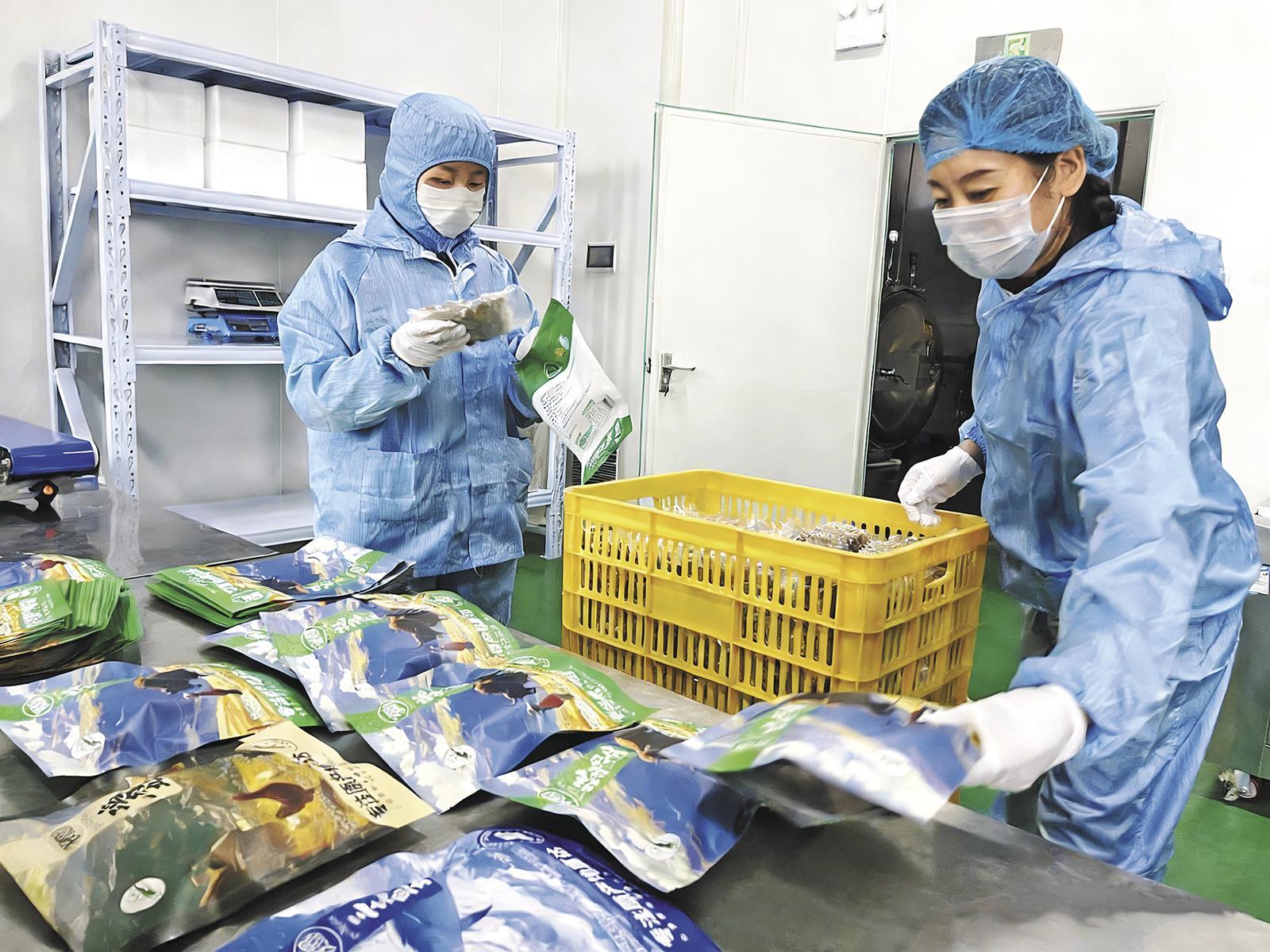
Core Viewpoint - The article highlights the development of the Hainan Tibetan Autonomous Prefecture's Gonghe County Industrial Integration Development Demonstration Park, which leverages local resources to create a green and organic agricultural and livestock product output area [2] Group 1: Resource Utilization - The park utilizes abundant local resources such as Tibetan sheep, yaks, Qingke barley, and cold-water fish to explore integrated development models for agricultural and livestock products [2] - The focus is on transforming from "initial product processing" to becoming a "new highland for industries" [2] Group 2: Economic Impact - Through comprehensive chain upgrades and the integration of primary, secondary, and tertiary industries, Gonghe County has accelerated its green transformation [2] - The added value and competitiveness of specialty industries have significantly improved [2] Group 3: Industry Development - The article mentions the Qinghai Xuemuzhenxiang Food Processing Co., Ltd., which is packaging yak meatballs and salmon balls, showcasing a path of deep processing for livestock products [2]
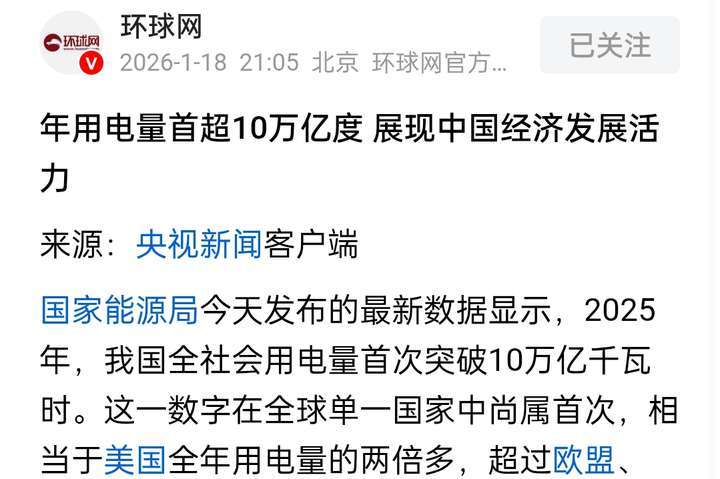
去年全球用电量28.6万亿度,我国独占36.4%,是欧盟27国的2.7倍!还在猛增中
Sou Hu Cai Jing· 2026-01-18 18:25
作为全球电力第一大国,我国的电力生产和使用有多强?来看看下面的数据:2025年全球全社会用电量达28.6万亿千瓦时,我国以10.4万亿千瓦时的用电量 占据全球36.4%的份额。不仅是美国的2.5倍,更是欧盟27国的2.7倍,且同比增长5.0%,新增用电量占全球新增量的一半。这些核心数据均来自国际能源署 (IEA)《Electricity 2025》年终报告、中国国家能源局官方发布及新华社、人民网等权威媒体报道,真实反映了我国能源消费与经济发展的强劲态势。 从全球维度看,这个数字更具冲击力。2025年美国全社会用电量4.22万亿度,我国相当于其2.5倍;欧盟27国合计用电3.8万亿度,我国是其2.7倍;其实连欧 盟、俄罗斯、印度、日本四个经济体的总用电量加起来,都不及我国的用电量更多。 但更值得关注的是,我国工业用电量超6.6万亿度,是美国工业用电量的6倍多,要是放到全球的话,那基本就占了全球工业用电量的一半,——要知道工业 用电是"中国制造"的"生命线",机床运转、芯片生产、汽车组装都离不开稳定电力,澎湃的工业电能,正是我国作为全球制造业中心的硬实力。 很多人会好奇:10.4万亿度电从何而来?会不会"用得慌" ...
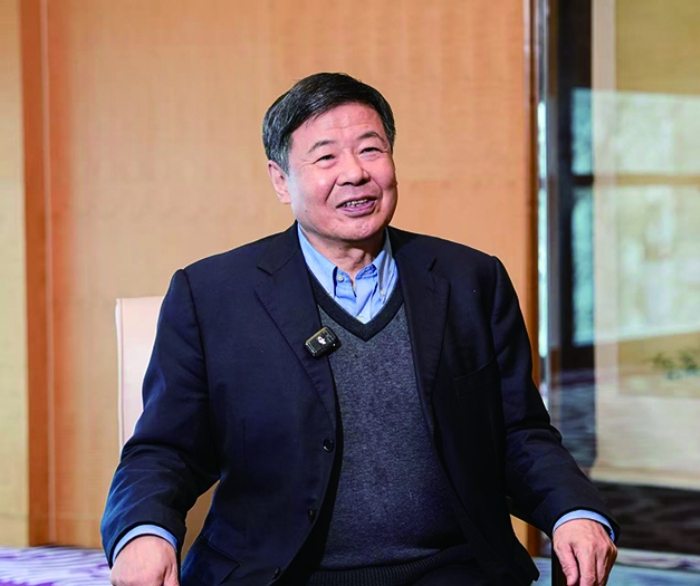
财政部原副部长朱光耀:创新驱动和绿色转型是中国经济实现质升量长的关键
Shang Hai Zheng Quan Bao· 2026-01-18 18:15
Group 1 - The core viewpoint emphasizes that China should leverage its development certainty to overcome external uncertainties, with innovation and green transformation being key to achieving qualitative and reasonable quantitative growth in the economy [1][8]. - During the "14th Five-Year Plan" period, China's GDP growth averaged 5.5%, with an expected economic increment of over 35 trillion yuan, and a target of achieving a GDP exceeding 200 trillion yuan by 2035 [2][4]. - The fiscal policy is set to support economic development actively, with a fiscal deficit rate of around 4% and a special local government debt limit of 4.4 trillion yuan by 2025 [6]. Group 2 - The importance of expanding domestic demand is highlighted, as it relates to the entire production, distribution, circulation, and consumption chain, requiring a balance between income support for consumption and reasonable returns on investment [6]. - The application of artificial intelligence is expected to see breakthroughs this year, supported by China's strong manufacturing base and data resources, positioning the country at the forefront of the global industrial revolution [7]. - China has maintained its position as the world's largest goods trading nation, with expectations for the total value of goods trade to reach 45.47 trillion yuan by 2025, despite a challenging international economic environment [8].