单边主义

Search documents
日本做了一个明智决定,拒绝对中国大幅加征关税,日财务大臣给出的理由很给力!
Sou Hu Cai Jing· 2025-09-17 14:42
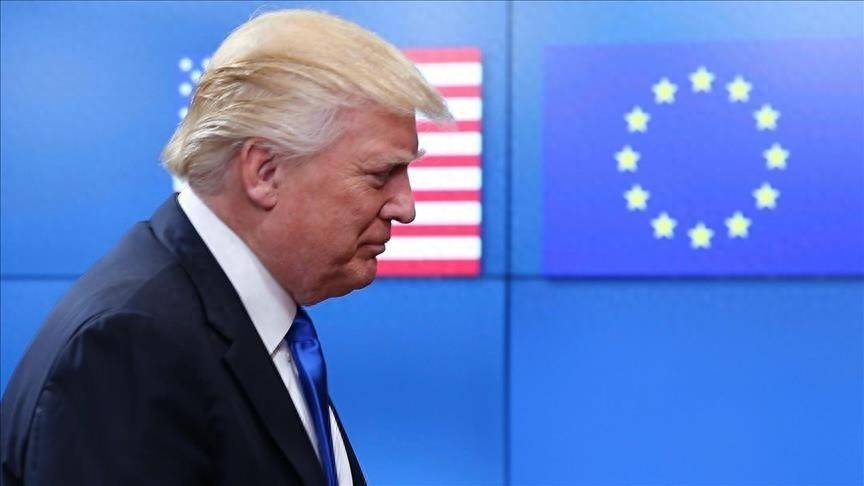
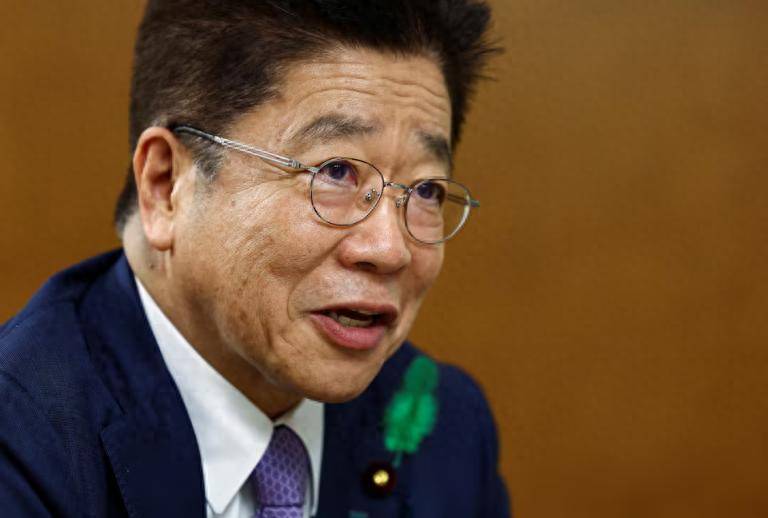
9月16日,日本财政大臣加藤胜信对美国施压的一次有力回应,引发了广泛关注,尤其是在当前地缘政治形势变动频繁的情况下。这一事件不仅关乎日本自 身的国际地位,还深刻影响着其与中国、印度等国的关系,从而在全球经济和地缘政治中投下了一个重要的阴影。 众所周知,特朗普对俄罗斯实施严厉的制裁,并希望其他国家也跟随其步伐。特别是,对于那些依然在进口俄罗斯能源的国家,特朗普显然不遗余力地要求 他们采取更严厉的措施。然而,加藤的表态则把这种期望潇潇洒洒地击回了美国的脸上。他明确表示,日本不会对与俄罗斯有贸易往来的中国和印度征收额 外关税,因为这不仅不符合世界贸易组织(WTO)的原则,也是不现实的。 这一决定表面上看似是一个简单的拒绝,但实际上背后却隐藏着深厚的考虑。首先,正如加藤所言,WTO的基本原则是公平与互惠。如果单独针对某个国 家提高关税,那么对于整个国际贸易体系来说,无疑是一个巨大的漏洞。其次,日本自身也在与俄罗斯进行有限的贸易,尤其是在能源方面。根据日本商务 部门的数据,6月份日本进口的石油中,仅约1%来自俄罗斯,这个比例几乎可以忽略不计。因此,完全停止与俄罗斯的经贸往来,无异于自断后路。 不仅是日本经济考虑到与中国 ...

中国—保加利亚经济联委会第18次会议召开
Zheng Quan Shi Bao Wang· 2025-09-17 09:17
Core Viewpoint - The 18th meeting of the China-Bulgaria Economic Joint Committee was held, highlighting the steady development of economic and trade cooperation between China and Bulgaria, with a focus on enhancing bilateral trade and investment cooperation in various sectors [1] Group 1: Economic Cooperation - The Chinese side expressed willingness to expand imports from Bulgaria and enhance investment cooperation in agriculture, infrastructure, new energy, and high technology [1] - The Bulgarian side acknowledged China as one of its most important economic partners and expressed a desire to strengthen mutually beneficial cooperation [1] Group 2: Trade Environment - The Chinese side urged Bulgaria to create a fair, just, and non-discriminatory business environment for Chinese enterprises [1] - Both parties emphasized the importance of maintaining a multilateral trade system centered around the World Trade Organization (WTO) and opposing unilateralism and protectionism [1] Group 3: Sectoral Focus - Bulgaria aims to increase agricultural exports to China and welcomes Chinese enterprises to leverage Bulgaria's geographical, industrial, and policy advantages for investment in agriculture, automotive manufacturing, new energy, infrastructure, and artificial intelligence [1]
欧盟作出明智选择,拒绝跟随特朗普对华加税,美国手上已无筹码
Sou Hu Cai Jing· 2025-09-17 04:20
Group 1 - The article highlights the rapid countermeasures taken by China in response to U.S. sanctions, while the EU has explicitly refused to follow the Trump administration's approach of imposing tariffs on China [1][3] - The U.S. has added 23 Chinese entities to its entity list, particularly targeting high-tech sectors like semiconductors and integrated circuits, indicating a continuation of its strategy to maintain dominance in high-tech fields [1][4] - China's Ministry of Commerce has criticized the U.S. for abusing the concept of national security and has initiated two counter-investigations against U.S. chip products, demonstrating a precise retaliatory action [1][3] Group 2 - The EU's refusal to impose tariffs on China and India stems from the potential harm to its own economic interests, as it is currently negotiating a free trade agreement with India and has established strong trade ties with China [3][4] - The article notes that the EU's position is increasingly based on World Trade Organization rules and its own economic considerations, emphasizing the irreplaceable nature of the Chinese market for Europe [4][5] - The contrasting responses of China and the EU to U.S. unilateralism indicate a growing resistance to the U.S.'s attempts to dominate international rules, with both parties demonstrating firm stances based on their respective interests [5]
美国怂恿盟友加关税后续:这次日本第一个站出来:做不到!
Sou Hu Cai Jing· 2025-09-17 03:26
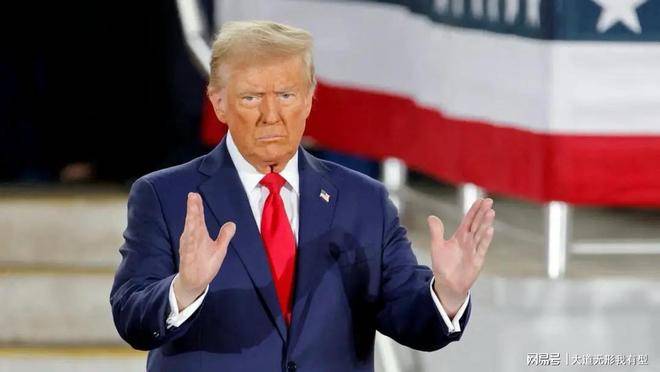
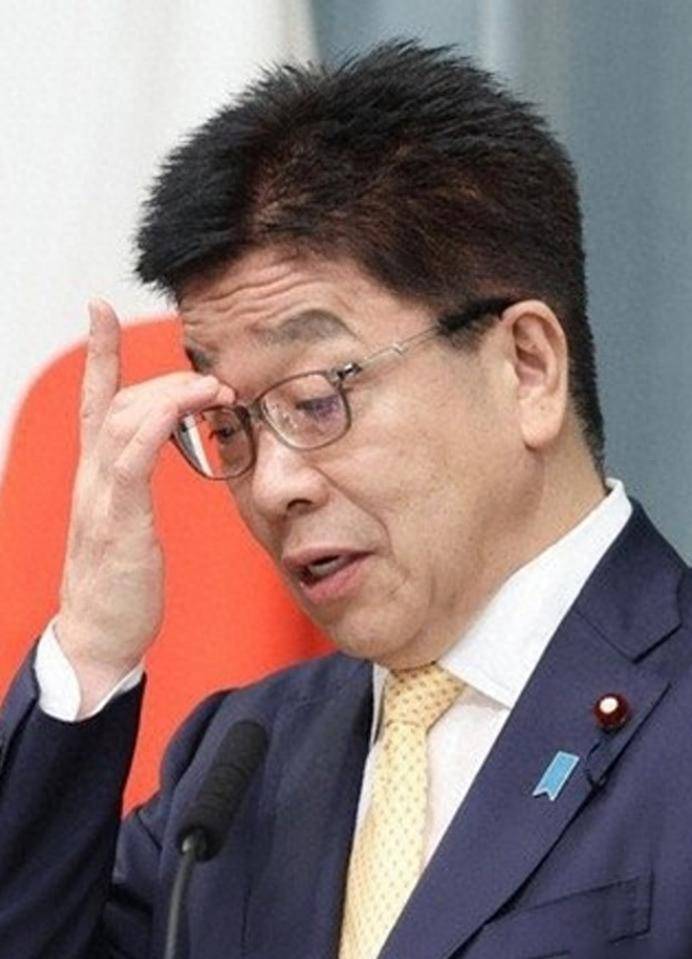
Group 1 - Japan's Finance Minister Kato Katsunobu stated that imposing high tariffs on China and India for purchasing Russian oil is practically difficult [1][3] - Japan imported approximately 1% of its oil and 9% of its liquefied natural gas from Russia as of June, indicating a cautious approach to sanctions due to its own energy needs [3] - Japan's call for fair treatment of WTO members is influenced by concerns over potential retaliatory measures from China, which accounts for 23% of Japan's total exports [5] Group 2 - Kato's statement reflects Japan's first public rejection of the US-led economic sanctions since the Russia-Ukraine conflict, highlighting dissatisfaction with US unilateralism [6] - Japan's energy security and economic challenges compel it to maintain an independent stance on sanctions to avoid self-harm [8]
崔东树:1-8月汽车生产同比增11% 新能源汽车生产同比增31% 渗透率45%
Zhi Tong Cai Jing· 2025-09-15 12:46
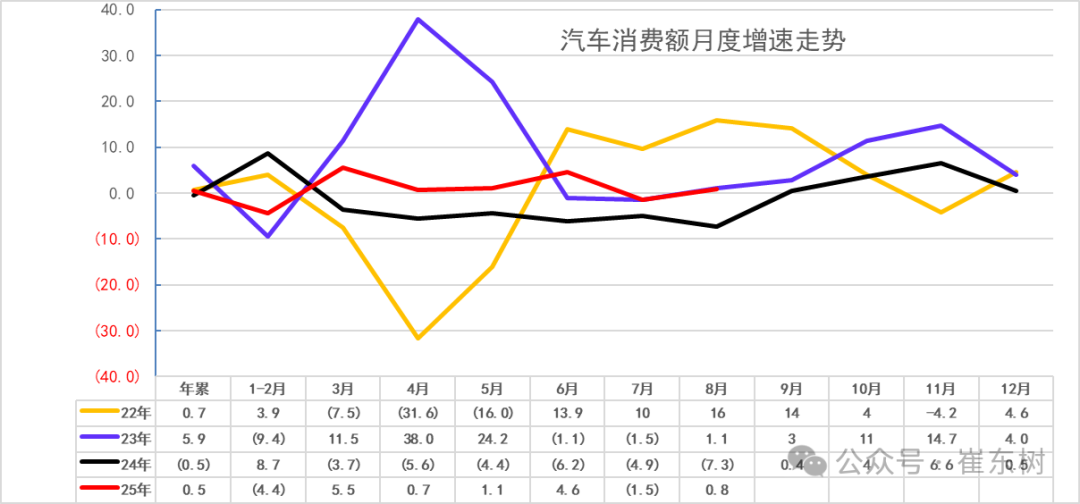
Core Insights - The automotive industry in China is experiencing significant growth, particularly in the production and sales of new energy vehicles (NEVs), driven by government policies and changing consumer preferences [1][2][20]. Group 1: Automotive Production and Sales - In August 2025, automotive production reached 2.75 million units, an 11% year-on-year increase, with NEVs accounting for 1.33 million units produced, up 23% [1][18]. - For the first eight months of 2025, total automotive production was 20.83 million units, also reflecting an 11% increase year-on-year, with NEVs at 938,000 units, a 31% increase [1][18]. - The penetration rate of NEVs in the automotive market reached 48% in August 2025, indicating a strong shift towards electric vehicles [1][18]. Group 2: Consumer Spending and Economic Impact - The total retail sales of consumer goods in August 2025 amounted to 39,668 billion yuan, with automotive consumption contributing 4,093 billion yuan, a 1% increase year-on-year [1][27]. - The overall retail sales for the first eight months of 2025 were 323,906 billion yuan, growing by 4.6%, with automotive consumption at 31,263 billion yuan, reflecting a modest 0.5% increase [1][27]. - The decline in the real estate market since 2021 has positively impacted automotive consumption, which rose from 3.94 trillion yuan in 2020 to an expected 5.03 trillion yuan in 2024 [4][22]. Group 3: Investment Trends - Fixed asset investment in the automotive sector grew by 20.2% in the first eight months of 2025, significantly outpacing overall manufacturing investment [20][21]. - The automotive investment growth is attributed to the rising demand for NEVs, indicating a recovery in the sector after previous downturns [20][21]. Group 4: Industry Challenges and Future Outlook - The automotive industry faces challenges from a complex external environment, including unilateralism and protectionism, which threaten supply chain stability [2]. - Despite a strong performance in the first half of 2025, the industry anticipates a slowdown in growth rates in the latter half of the year, necessitating supportive policies to sustain consumer demand [2][8].
外交部:坚决反对在他人胁迫下以各种名目对华设限
Zhong Guo Xin Wen Wang· 2025-09-15 08:56
Core Viewpoint - The Chinese Ministry of Foreign Affairs firmly opposes any restrictions imposed on China under coercion, regardless of the justification, and emphasizes the importance of mutual benefit in China-Mexico economic cooperation [1] Group 1: Economic Globalization - China advocates for inclusive and beneficial economic globalization and opposes unilateralism, protectionism, and discriminatory measures [1] - The Ministry stresses the need to protect China's legitimate rights and interests based on actual circumstances [1] Group 2: China-Mexico Relations - Both China and Mexico are significant global southern countries, and their economic cooperation is characterized by mutual benefit and win-win outcomes [1] - China places high importance on the development of China-Mexico relations and hopes for Mexico to work together to maintain a favorable international economic environment [1]
美国公布加税名单,五国被征高税,拒绝牺牲中国利益,越南被算计了
Sou Hu Cai Jing· 2025-09-15 08:45
2025 年,一则来自光明网的报道搅动全球贸易格局 —— 美国总统特朗普于 7 日突然抛出贸易领域的 "重磅炸弹":宣布从 8 月 1 日起,对日本、韩国等 14 个国家的进口商品分别征收 25% 至 40% 的高额 关税。这位美国前总统还在自己创办的 "真实社交" 平台上,如同分发宴会邀请函般,公开了写给 14 国 领导人的信函。信中罗列的征税理由看似冠冕堂皇,诸如 "平衡贸易逆差""保护本土产业",实则藏着 单边主义的锋利獠牙。 在这场突如其来的关税风暴中,日本与韩国的反应堪称 "镜像对照",截然不同的态度背后,是两国对 自身利益的精准权衡。特朗普给这两个长期盟友开出的税率清单里,韩国被维持 25% 的 "老朋友价", 日本却多了 1% 的 "特别待遇",看似微小的数字差异,在东京政坛激起轩然大波。日本首相石破茂在参 院预算委员会上罕见拍案而起,语气强硬地表示:"美国这种单方面提税的做法,我们深表遗憾,日本 绝不会在贸易主权问题上屈膝让步。" 反观首尔,其反应则像被暴雨打蔫的花朵,满是妥协与退让。韩国新政府发言人在记者会上,用 "将推 进国内改革以减少对美贸易顺差" 的温和表态,把 "妥协" 二字写得明明 ...
外交部:坚决反对以各种名目对华设限 损害中方正当权益
Yang Shi Xin Wen· 2025-09-15 08:27
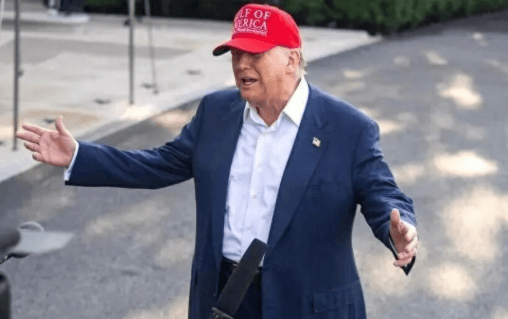
9月15日,外交部发言人林剑主持例行记者会。有记者提问,墨西哥总统克上周表示,本周将与中国进 行会谈,讨论对中国商品征收最高达50%关税的事情,外交部是否有关于会谈的最新信息? 林剑表示,中方始终倡导普惠包容的经济全球化,反对各种形式的单边主义、保护主义以及歧视性、排 他性措施,坚决反对在他人胁迫下,以各种名目对华设限,损害中方的正当权益。中方将根据实际情况 坚决维护自身权益。 中墨两国都是重要的全球南方国家,互利共赢是中墨经贸合作的本质特征。中方高度重视中墨关系发 展,希望墨方相向而行,共同维护良好的国际经贸环境。 (文章来源:央视新闻) ...
美制裁两家中国芯片设备企业!因涉嫌向中芯国际提供设备
是说芯语· 2025-09-15 00:25
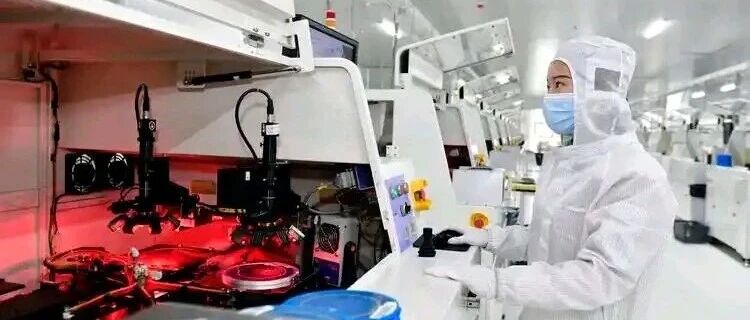
Core Viewpoint - The U.S. Department of Commerce has added two Chinese semiconductor equipment companies to the Entity List, accusing them of providing regulated chip manufacturing equipment to SMIC, which is seen as a move to strengthen export controls on Chinese chips, potentially impacting the global semiconductor supply chain [1][3]. Group 1: Companies Involved - The two companies added to the Entity List are GMC Semiconductor Technology (Wuxi) Co., Ltd. and Jicun Semiconductor Technology (Shanghai) Co., Ltd., which are accused of violating export control regulations by supplying equipment to SMIC [2][4]. - These companies focus on the research and manufacturing of front-end semiconductor equipment, including etching and thin film deposition equipment [3]. Group 2: Impact of U.S. Measures - The U.S. claims that these companies provided equipment that can be used for advanced chip processes, and as a result, U.S. companies are now prohibited from exporting related technologies and products to them [3]. - The Chinese semiconductor industry association has condemned the U.S. actions as unilateralism and protectionism, asserting that they will defend the legitimate rights of Chinese enterprises [4]. - In 2023, the Chinese semiconductor equipment market reached a scale of $30 billion, with domestic equipment market share increasing to 20%, indicating progress in technology fields such as etching, cleaning, and thin film deposition [4].

美国换了新打法?纠集28国对华加税,中方摊牌:敢加将考虑反制
Sou Hu Cai Jing· 2025-09-14 04:43
Group 1 - The Trump administration's unilateral tariff policy has faced widespread international opposition, particularly in the context of US-China trade relations, leading to a prolonged negotiation period [1] - The US has shifted to a more covert strategy, encouraging EU member states to impose tariffs on Chinese goods, with a recent proposal to impose punitive tariffs of up to 100% on Russian energy imports, indirectly targeting China [1][3] - Many European countries recognize that blindly following US policies could jeopardize their energy security, as evidenced by the significant trade volume between China and the EU, which reached 3.88 trillion yuan in the first eight months of 2025, a 4.3% year-on-year increase [3] Group 2 - The US's actions have caused significant internal divisions within the EU, potentially leading to a trade war that would primarily benefit the US [4] - Major European nations, such as Germany and France, have expressed concerns that imposing tariffs on China would harm their national interests and manufacturing sectors [6] - Mexico's recent decision to raise tariffs on over 1,400 products from China, with rates up to 50%, has sparked domestic backlash, as local businesses fear increased production costs and diminished international competitiveness [6]