智能体

Search documents
全面拥抱鸿蒙!东方财富PC版首登手机,共创投资理财新体验
Cai Fu Zai Xian· 2025-09-16 04:31
Core Insights - Huawei's Mate XTs, the first foldable phone pre-installed with HarmonyOS 5.1, has officially launched, marking a significant breakthrough by integrating PC-level financial applications into mobile devices [1][3] Group 1: Product Features - The Mate XTs features a 10.2-inch large screen that allows users to interact with professional financial information in a PC-level experience [3] - The HarmonyOS version of the Oriental Fortune PC application supports real-time global market data, enabling users to quickly grasp market movements and investment trends [3] - The application offers comprehensive data modules, including financing, annual reports, and dividend information, allowing users to develop precise investment strategies [3][5] - It includes unique trading features such as night market orders and comprehensive account analysis, providing full support from stock selection to investment management [3] - Users can engage in discussions within a stock community and receive continuous updates on financial news, keeping them informed about market developments [3] Group 2: Service Innovations - Oriental Fortune has introduced new service forms such as intelligent agents and meta-services, enhancing user experience within the Harmony ecosystem [6] - The first financial intelligent agent, "Miaoxiang," is designed to respond to user inquiries around the clock with accurate and professional answers [6] - Users can add "Oriental Fortune Lite" service cards to their interface for quick access to real-time data, stock information, and financial news, as well as expedited account opening [6] Group 3: Strategic Collaboration - The ongoing collaboration between Oriental Fortune and HarmonyOS demonstrates a commitment to innovation, with frequent updates and comprehensive device compatibility [7] - The partnership is expected to yield further breakthroughs and innovations, making investment and financial services more accessible and efficient [7]



腾讯汤道生:每天向腾讯元宝的提问量,已达到年初一个月的总量
Xin Lang Ke Ji· 2025-09-16 02:49
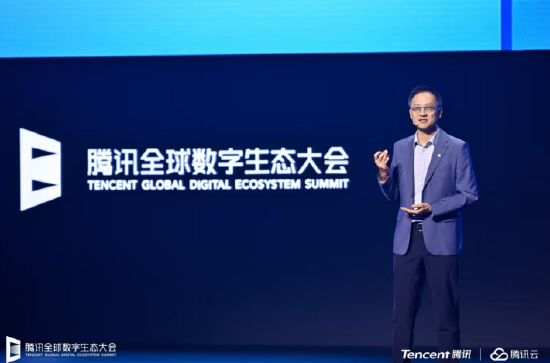
Core Viewpoint - The core viewpoint of the news is that Tencent aims to enhance industrial efficiency through intelligence and expand revenue scale through globalization, positioning these as the two main drivers for enterprise growth [5]. Group 1: Intelligentization - Tencent Cloud has launched a comprehensive AI strategy, focusing on open AI capabilities and enhancing both C-end and B-end scenarios to stimulate innovation potential in enterprises [3][4]. - AI has become a new business gene for Tencent, with the Tencent Yuanbao application ranking among the top three AI native applications in China, and user inquiries reaching the total volume of the previous month within a year [6][7]. - The IMA knowledge base has surpassed 100 million documents, and the monthly active users of QQ Browser's AI feature have increased by 17.8 times since April [6][7]. - AI has significantly contributed to double-digit growth in Tencent's advertising and gaming sectors, with marketing service revenue growing by 20% in Q2 [7]. Group 2: Globalization - Tencent Cloud is enhancing its international strategy by focusing on infrastructure, technology products, and service capabilities to help enterprises establish a local presence and expand globally [4][15]. - The speed of overseas infrastructure development is among the fastest among domestic cloud providers, with international business experiencing high double-digit growth over the past three years [4][16]. - Over 90% of Chinese internet companies and 95% of leading gaming companies have chosen Tencent Cloud for their international expansion [4][15]. Group 3: AI Application and Development - Tencent is committed to continuously upgrading its intelligent agent solutions, which are seen as the main application carrier in the AI era, and has released the ADP 3.0 version to enhance enterprise efficiency [8][9]. - The company has established a complete suite for intelligent agent development, providing capabilities such as security sandbox environments and long-term memory management [9]. - A recent collaboration with Juewei Food demonstrated that AI marketing efficiency can reach 2-3 times that of manual operations, with significant improvements in content click-through rates and transaction amounts [10]. Group 4: Infrastructure and Service Enhancement - Tencent Cloud is building a "global network" to support globalization, with significant investments in infrastructure, including a $150 million investment in Saudi Arabia [16][17]. - The company emphasizes the importance of a deep understanding of industry needs and long-term partnerships with clients, providing localized technical support and services [18][19]. - Tencent Cloud's products, such as CodeBuddy and ADP, have been successfully internationalized, showcasing strong competitiveness in the global market [17].

智能生命科学:以人工智能驱动转型并创造价值
KPMG· 2025-09-16 02:40
Investment Rating - The report indicates a positive outlook for the life sciences industry, emphasizing the competitive advantage gained through artificial intelligence (AI) adoption [10][11]. Core Insights - The life sciences sector is leading in AI application, with 86% of companies believing they can embrace AI for competitive advantage, and 97% have already improved operations through AI [10][11]. - Despite the potential, many companies face challenges in achieving high returns on AI investments, with a significant portion only reaching break-even or low returns [7][8]. - The report outlines a structured framework for AI transformation in three phases: empowering employees, integrating AI into workflows, and evolving operational models [21][59]. Summary by Sections Introduction - The introduction highlights the transformative potential of AI in the life sciences industry, emphasizing the need for innovation in operations and value creation [16][17]. Overview - AI is recognized as a significant competitive advantage, with initial implementation results being encouraging [10][11]. - A well-adapted organizational structure is linked to higher investment returns [10]. Research Findings - The report reveals that 73% of companies have improved efficiency through AI, while 39% have enhanced financial performance [67]. - Data issues, including silos and quality concerns, are identified as major challenges in AI implementation [32][40]. Building Intelligent Life Sciences Enterprises - The report discusses the importance of integrating AI into daily operations and the need for a mixed organizational structure to drive innovation [24][41]. - Companies are encouraged to develop a culture that supports continuous learning and collaboration to maximize AI's potential [48]. Phase One: Empowering Employees - In this phase, companies focus on identifying areas where AI can automate tasks and improve workflows [66]. - Nearly three-quarters of respondents reported efficiency gains from AI, with a significant number also noting improvements in financial health [67]. Phase Two: Integrating AI into Workflows - Companies are advised to embed AI into various functions, enhancing operational efficiency and decision-making processes [61][64]. - The integration of AI should be aligned with business objectives to ensure strategic relevance [73]. Phase Three: Evolving Operational Models - The final phase emphasizes the need for companies to adapt their business models and ecosystems to leverage AI effectively [61][62]. - Organizations should focus on building trust in AI systems and ensuring compliance with ethical standards [48]. Key Recommendations - The report suggests that life sciences companies should prioritize developing a comprehensive AI strategy that aligns with business goals and stakeholder needs [48]. - Establishing a flexible and scalable technology infrastructure is crucial for maximizing AI's long-term value [48]. Conclusion - The life sciences industry is positioned to harness AI for significant advancements, but companies must address data challenges and cultivate a supportive culture to fully realize AI's benefits [42][43].
让大湾区成为数据安全使用典范
Nan Fang Du Shi Bao· 2025-09-15 23:10
Core Insights - The most critical aspect of artificial intelligence development is data quality, as emphasized by the Director of the Information Hub at Hong Kong University of Science and Technology (Guangzhou) [2][10] - The establishment of a collaborative laboratory in the Guangdong-Hong Kong-Macao Greater Bay Area aims to integrate research capabilities from various universities to enhance the safe development of generative AI [2][4][10] Data Quality - Data quality is essential for effective AI applications, and the laboratory aims to create a big data platform for testing large models and improving their performance [4][10] - The laboratory will explore new methods to ensure data quality, including collaboration with industry to accumulate high-quality data for practical applications [4][9] Data Security - Data security poses significant challenges, requiring a balance between data integration and safety, with suggestions for using techniques like homomorphic encryption and privacy computing [5][9] - The laboratory is expected to establish a data security governance framework that includes both technical solutions and policy guidance to ensure proper data usage [5][8] AI Model Development - The successful application of large models in industries depends on their practical use, with examples provided from the insurance sector where large models can streamline claims processing [6][10] - The laboratory is tasked with addressing the security of AI models, particularly concerning the protection of sensitive information and the prevention of data poisoning attacks [9][10] Collaborative Efforts - The laboratory aims to form alliances through agreements that promote data security and encourage participants to prioritize data safety and privacy [8] - By fostering collaboration among universities and industries, the laboratory seeks to create a virtuous cycle of data sharing and usage, positioning the Greater Bay Area as a model for data security practices [8][9]

周鸿祎:智能体时代不懂AI就会被淘汰
Xin Lang Ke Ji· 2025-09-15 10:44
Group 1 - The core value of large models in work and life is highlighted, with the analogy that they can be consulted for both internal and external matters [1] - The emergence of intelligent agents transforms AI from a mere chat assistant to a digital employee capable of executing tasks, with large models serving as the brain and intelligent agents as the hands [1] - The proliferation of intelligent agents will shift human roles to that of AI managers, leading to a division in capabilities among individuals, where those who ignore or do not understand AI will be eliminated [1] Group 2 - Several domestic open-source large models have reached a world-class level, with minimal software differences, and China's talent pool has allowed it to catch up with international standards in AI [2] - The ecological advantage of China's AI industry is emphasized, with many large model vendors adopting open-source and free models to attract global developers, creating a concentrated effort to achieve significant results [2] - The action guideline for individuals in the AI era is to embrace change and actively participate in learning and using AI, as execution is deemed more important than ideas [2]
一场贯穿AI与算力全景生态的“数字开物·奇点π对”亮相2025服贸会!
Huan Qiu Wang· 2025-09-15 03:17
Core Insights - The event focused on the evolution of large model technology and its applications, including AI companionship and AI office solutions, as well as innovations in intelligent computing infrastructure and management [3][5][9]. Group 1: Large Model Technology and Applications - Large models have become the core direction of AI development, with rapid improvements in capabilities over recent years [5]. - The shift in data focus from public to private and specialized domains is necessary due to the impending exhaustion of public data [5]. - Intelligent agents are emerging as the core application model for large models, with three active product innovations: general intelligent agent development platforms, general intelligent agent applications, and task-specific intelligent agents [5]. Group 2: AI Application Revolution - AI applications are significantly enhancing office system efficiency, with companies like Sibiqi leveraging AI voice algorithms for clearer communication [9]. - Laihua Technology is creating AI companions and communication bridges, utilizing open-source models combined with industry-specific data [7]. - The integration of AI hardware and software is enabling comprehensive management from meeting execution to minutes generation [9]. Group 3: Intelligent Computing Infrastructure - The rise of large models is driving changes in server hardware and intelligent computing center infrastructure, necessitating solutions to overcome communication and memory bottlenecks [11]. - The industry is moving towards "super node" solutions that require higher physical load and advanced cooling technologies [11]. - Companies like UCloud are focusing on standardized construction and high-standard operations to support the growth of intelligent computing centers [13]. Group 4: Cooling Technology Evolution - The AI industry is evolving towards ultra-high-density clusters, making traditional cooling methods inadequate, thus liquid cooling is becoming essential [18][20]. - Innovations in liquid cooling technologies, such as immersion cooling, are being explored to meet the demands of high-power density computing [18][20]. Group 5: Industry Dialogue and Future Outlook - The roundtable discussion highlighted the potential of AI companionship applications, predicting a market value exceeding $100 billion by 2030 [23]. - The AI industry is characterized by a new "open innovation" model, with significant interconnections across the application and infrastructure layers [23]. - Challenges in global deployment of liquid cooling technology include the lack of unified standards and the need for skilled professionals [24].

一线投资人热议AI:三大赛道仍处风口,不完美创业者受青睐
证券时报· 2025-09-14 07:48
Core Insights - The AI industry is at a pivotal moment, transitioning from large models to multimodal systems, agents, and embodied intelligence, indicating a potential commercial explosion and technological singularity [1] Investment Trends - Three key investment areas are currently highlighted: computing power, agents, and "AI + industry" applications [3] - Ant Group has focused on computing power companies, emphasizing the need to address token consumption and energy support for future personalized agents [3] - Investment in agents is growing, with a focus on those that can achieve a score of 50-60 in their respective fields, indicating a willingness to pay from users [3] - The integration of AI with various industries, such as consumer electronics and robotics, is a primary concern for investors [3] Investment Strategies - Investors are adopting different strategies for agent investments, with a focus on either general or vertical agents, balancing potential returns against risks [4] - Ant Group primarily invests in vertical agents due to their larger market space and stronger willingness to pay [4] - A "dumbbell strategy" is suggested, investing in both high-risk general agents and more stable business-to-business applications to mitigate technological risks [4] Entrepreneurial Landscape - China is leading in AI applications, particularly in agent deployment, due to its strong background in internet and mobile internet development [5] - The current generation of entrepreneurs is younger and more technically adept, with a higher barrier to entry compared to previous generations [6] - Investors favor entrepreneurs who possess unique insights into technology and business, as well as the ability to iterate quickly [6] Entrepreneurial Characteristics - Imperfect founders are seen as capable of creating great products, with a preference for passionate individuals over overly rational ones [7] - Investors are cautious about entrepreneurs with more than three years of AI experience, as the field has rapidly evolved [7] - There is a call for patience and tolerance towards younger founders, who are expected to drive the next generation of intelligent agents [7] Future Outlook - The AI innovation landscape presents significant opportunities, with predictions that two-thirds of the world's top intelligent agents will emerge from Chinese entrepreneurial teams [7]
李开复:智能体才是未来AI的核心形态
母基金研究中心· 2025-09-13 09:04
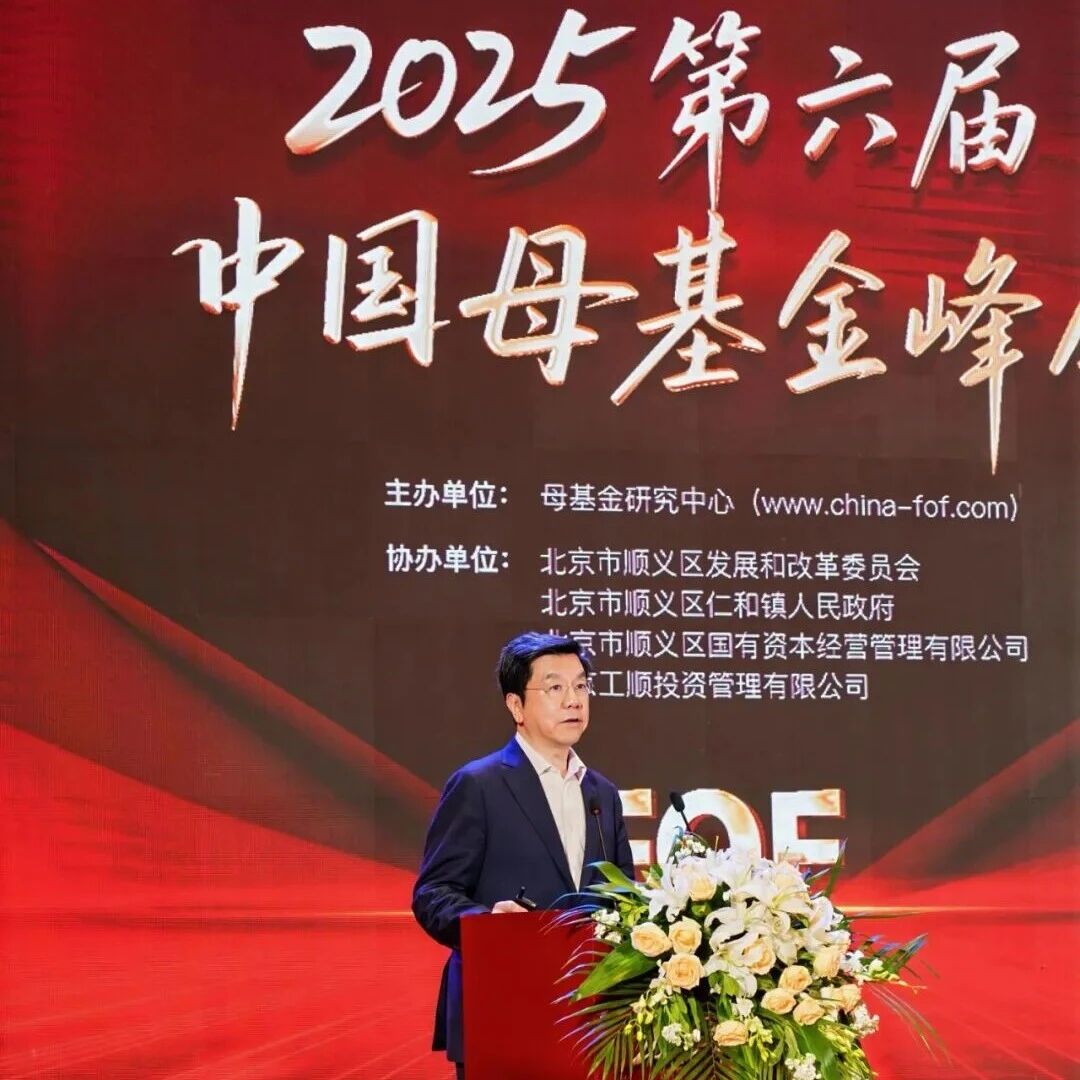
Core Viewpoint - The 2025 Sixth China Fund of Funds Summit highlighted the rapid advancements in AI, particularly the transition from traditional models to intelligent agents, which are expected to significantly enhance business efficiency and create new value in various industries [2][3][4]. Group 1: AI Development Trends - The development of large models has evolved from relying solely on data and computing power to incorporating "slow thinking" capabilities, allowing for deeper reasoning and self-training [3][4]. - The significance of Chinese models, such as Alibaba's Tongyi Qianwen and DeepSeek, lies in their open-source nature, which facilitates easier training and innovation compared to the closed-source models prevalent in the U.S. [3][4]. Group 2: Importance of Intelligent Agents - Intelligent agents are identified as the core future form of AI, possessing memory and execution capabilities that enable them to understand and fulfill business needs, thus acting as "super employees" [4][5]. - The advancement from workflow intelligent agents to reasoning intelligent agents allows for the autonomous breakdown and execution of complex tasks, potentially replacing human labor over hours to days [4][5]. Group 3: Challenges and Strategic Implementation - Traditional enterprises face challenges in deploying intelligent agents, often only replicating past AI capabilities without a clear future strategy [5]. - Successful deployment requires top-level management involvement to align with strategic goals, leading to business restructuring and value redefinition [5]. Group 4: Practical Applications and Value Creation - The company has implemented practical strategies by recruiting experienced consultants to help businesses develop transformation strategies and create quantifiable commercial value through intelligent agents [5]. - Applications in various sectors, such as energy, patent writing, game optimization, and supply chain management, have demonstrated both cost reduction and revenue enhancement [5].
不担心智能体热度很快过去
Bei Jing Shang Bao· 2025-09-12 16:20
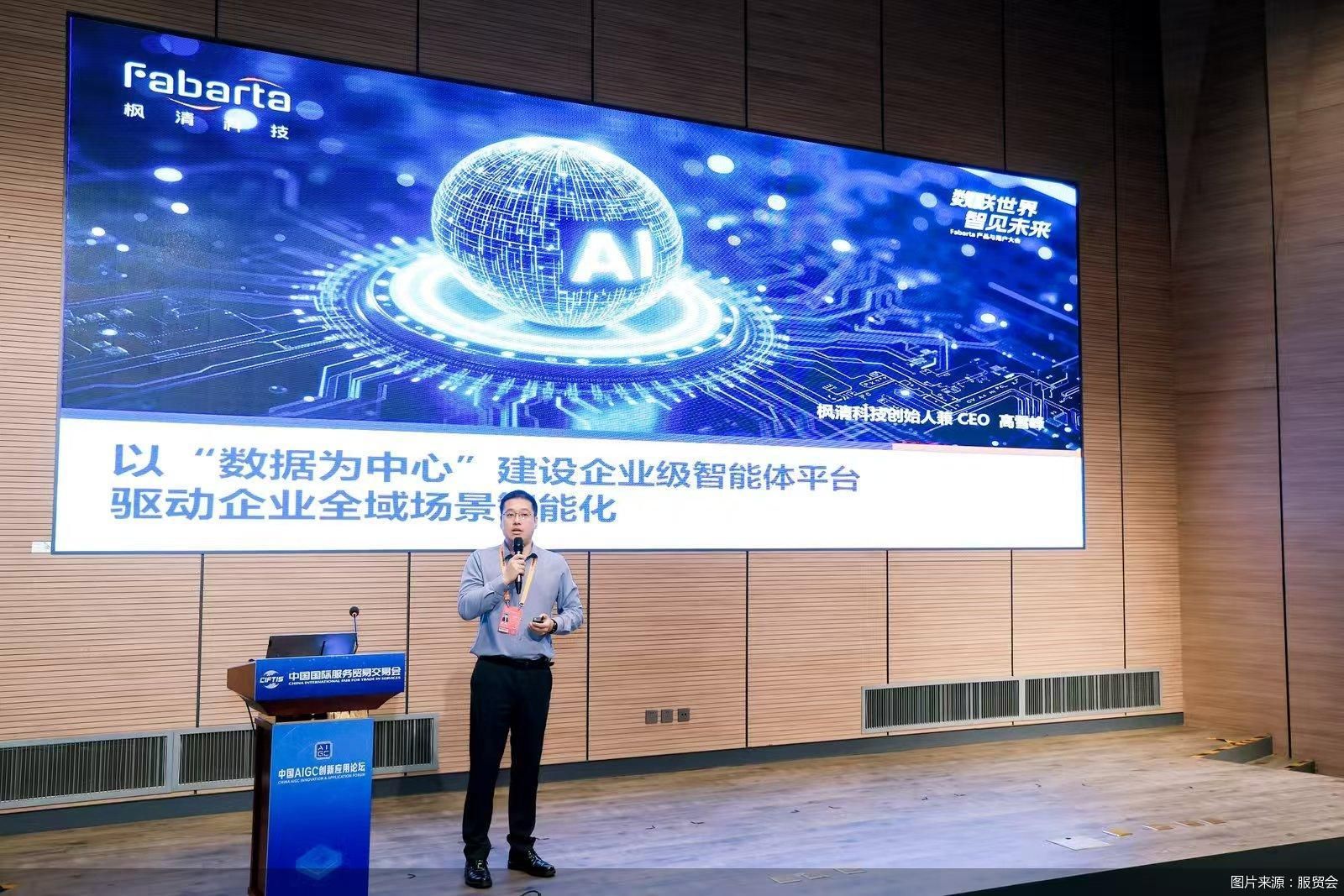
Core Viewpoint - The rise of intelligent agents is seen as a significant trend in digital transformation, with companies like Fengqing Technology leading the way in providing personalized AI solutions for both enterprises and individual users [1][4]. Group 1: Company Strategy - Fengqing Technology emphasizes the importance of intelligent agents as part of the broader trend of digital, data-driven, and intelligent upgrades in enterprises, indicating that this trend is not temporary but a fundamental shift in technology [1][6]. - The company has launched personal intelligent agents to provide users with data security and convenience, allowing them to utilize their data without uploading it to the cloud [2][3]. - The design of personal intelligent agents includes various usage modes, such as cloud-connected and fully private offline models, ensuring user privacy while maintaining functionality [3]. Group 2: Market Demand - There has been a noticeable shift in client demands, with a growing interest from small and medium-sized enterprises in adopting intelligent agents to avoid being outpaced by larger companies [5]. - The concept of intelligent agents has gained widespread attention, with many companies recognizing the need to integrate these technologies into their operations to remain competitive [5][6]. - The industry anticipates that 2024 will be a pivotal year for intelligent agents, as more organizations begin to adopt these technologies [4]. Group 3: Technology Integration - The integration of data-centric and model-centric approaches is crucial, as different scenarios may require different strategies for effective implementation of intelligent agents [7]. - The ongoing advancements in intelligent technology encompass not only large models and intelligent agents but also data weaving and governance, which are essential for the overall success of digital transformation initiatives [6].
2025服贸会|对话枫清科技创始人兼CEO高雪峰:不担心智能体热度很快过去
Bei Jing Shang Bao· 2025-09-12 12:12
Core Insights - The founder and CEO of Fengqing Technology, Gao Xuefeng, shared insights on the driving forces and challenges of enterprise-wide intelligence at the 2025 China International Service Trade Fair [1][3] - The company emphasizes the ongoing trend of digital, intelligent, and smart upgrades in enterprises, asserting that the concept of intelligent agents is a manifestation of current technology and capabilities [3][12] Company Expectations and Achievements - Fengqing Technology's participation in the service trade fair has facilitated connections with industry peers and clients, which have informed product design [5] - The company reported a revenue of over 10 million yuan in its first year of commercialization and anticipates exceeding 55 million yuan in revenue this year, partly due to client connections made at the fair [6] Product Development and User Considerations - The launch of personal intelligent agents aims to provide users with data security options, allowing them to utilize their data without uploading it to the cloud [7][8] - The personal intelligent agents offer various usage modes, including a connected mode that protects user privacy and a fully offline mode that operates on local hardware [9] Market Trends and Client Demands - The concept of intelligent agents gained significant traction in 2024, with many in the tech community recognizing it as a pivotal year for this technology [10] - There has been a noticeable shift in client demands, with a broader range of businesses, including small and medium enterprises, seeking to adopt intelligent agent solutions to avoid being outpaced by larger competitors [11] Future Outlook - The ongoing trend of digitalization and intelligent upgrades is expected to continue, with the company confident that intelligent agent technology will not become obsolete [12] - The integration of "data-centric" and "model-centric" approaches is essential, depending on the specific requirements of different scenarios [13]