能源转型

Search documents
成都市电网一季度分布式光伏可开发容量为4718.6兆瓦
Xin Lang Cai Jing· 2026-01-22 19:12
Core Viewpoint - Chengdu's distributed photovoltaic (PV) capacity for the first quarter of 2026 is projected to be 4718.6 megawatts, highlighting the city's commitment to renewable energy and energy transition [1] Group 1: Distributed Photovoltaic Capacity - The highest potential for distributed PV capacity is in Chengdu High-tech Zone, with 745.58 megawatts, followed by Xindu District at 433.48 megawatts and Pengzhou City at 401.01 megawatts [1] - All 23 districts and counties in Chengdu have been assessed with a green capacity rating for their ability to support distributed PV projects [1] Group 2: Policy and Support - The city has implemented policies to enhance power supply capabilities, emphasizing the construction of distributed PV projects and encouraging orderly development based on demand [1] - A comprehensive support policy system has been established by the municipal finance department, covering the entire lifecycle from construction to operation for distributed PV and energy storage development [1] - Chengdu's power grid is providing fair and open access conditions based on the available capacity, indicating a significant "installation boom" effect in the region [1]
真是天佑中华!中美博弈最激烈的关键时刻,内蒙发现“超级核矿”
Sou Hu Cai Jing· 2026-01-22 13:19
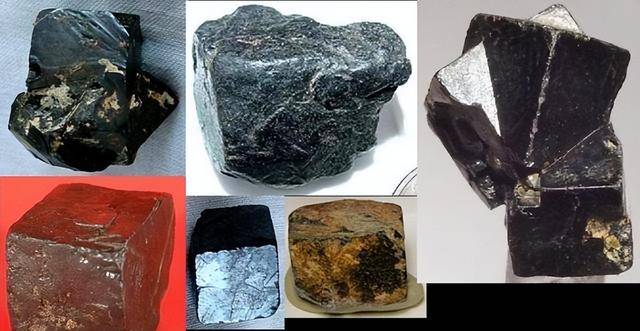
Core Insights - A significant resource discovery of thorium in the Baiyun Obo mining area of Inner Mongolia has been announced, which could support China's energy strategy and impact international energy competition [2][11][28] Group 1: Resource Discovery - The Baiyun Obo mining area has confirmed thorium reserves exceeding 220,000 tons, representing a substantial portion of China's known reserves and a significant share globally [4][11] - Thorium is recognized as a crucial raw material for future nuclear energy technologies, potentially offering higher energy output compared to conventional uranium fuels [6][11] Group 2: Strategic Implications - The discovery of thorium resources is viewed as an important asset for China in future energy negotiations and could enhance its energy security and technological capabilities in nuclear energy [11][18] - The timing of this discovery coincides with heightened competition between the U.S. and China in various sectors, including energy and trade [8][28] Group 3: Technological Context - China has invested years into developing advanced nuclear technologies, including thorium-based molten salt reactors, which could leverage the newly discovered thorium resources [13][21] - Thorium is considered an "ideal fuel" for next-generation nuclear systems due to its abundance and potential for high energy efficiency [16][20] Group 4: Challenges and Future Outlook - Despite the promising reserves, the transition of thorium into usable energy faces technical, economic, and procedural challenges, requiring further development of specific conversion and fuel preparation processes [20][24] - The global focus on thorium is increasing as countries seek cleaner and more sustainable energy sources, positioning thorium as a potential future direction for nuclear energy development [25][27]

Saudi Arabia's Solar Bet Exposes the Energy Stock You Need to Own Right Now
247Wallst· 2026-01-22 13:04
Core Perspective - The shift from building oil refineries to solar farms in Saudi Arabia indicates a fundamental change in the country's energy strategy and economic focus [1] Industry Summary - Saudi Arabia is transitioning towards renewable energy, specifically solar power, as part of its broader vision to diversify its economy away from oil dependency [1] - The construction of solar farms signifies a strategic pivot that could influence global energy markets and investment trends in renewable energy [1] Company Summary - Companies involved in renewable energy and solar technology may see increased opportunities as Saudi Arabia invests in solar infrastructure [1] - The move could attract foreign investment and partnerships in the renewable sector, enhancing the competitive landscape for companies operating in this space [1]

迦南智能:公司一直密切关注国家电网等主要客户的中长期发展规划
Zheng Quan Ri Bao Wang· 2026-01-22 12:13
Core Viewpoint - Canaan Intelligent (300880) is closely monitoring the medium to long-term development plans of major clients like the State Grid, reflecting the company's alignment with national priorities in new power system construction and energy transition [1] Group 1: Company Strategy - The company acknowledges the recent emphasis by the State Grid on increasing fixed asset investments during the 14th Five-Year Plan, indicating a strong national focus on energy transition [1] - Canaan Intelligent plans to maintain a prudent approach by continuously tracking policy trends and market demand changes while consolidating its existing product advantages [1] - The company is evaluating participation opportunities in areas such as distribution network construction, smart technology, and digitalization of the power grid, based on its technical capabilities and resource endowments [1] Group 2: Market Conditions - The specifics of investment scale, project arrangements, and technical routes under the 14th Five-Year Plan are still in the preliminary research or outlook stage, leading to uncertainties regarding the company's potential benefits from grid investments [1] - The company's ability to benefit from grid investments will depend on various factors, including market competition, technological compatibility, and the pace of project implementation [1] - Canaan Intelligent commits to strict compliance with information disclosure requirements and will announce significant developments in a timely manner [1]

记者追踪:“投资铜条”价差大,专家直言:本质更像一场情绪游戏
Zheng Quan Shi Bao· 2026-01-22 10:23
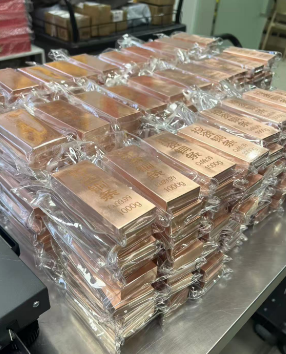
(受访者提供的投资铜条实物图。) 记者又跟多位商家进行询问,发现同样1000克的"投资铜条"报价混乱,价差极大,从120元至200元不 等。而在20日,有商家的报价竟然高达280元。而在一些二手交易平台上,一些"投资铜条"产品的浏览 量虽超过2.2万次,但实际咨询人数只有500多人,成交出售只有14条。 记者向多位商家询问发现同样1000克的"投资铜条"报价混乱。 最近一段时间,"投资铜条"现身深圳水贝市场成为热议的话题,证券时报网也在1月17日进行相关报道 《"投资铜条"现身深圳水贝?记者求证→》。1月22日,记者再次走访发现,伴随着国际金银价格剧烈 震荡,"投资铜条"的价格也出现变化,而且报价极不稳定。 "今天价格是每条195元,重量为1000克。"记者向一位售卖"投资铜条"的商家进行咨询,这位商家在17 日时的报价为190元。"现在有现货,量大的话价格可以优惠。" 记者也向从事黄金回收业务的商家进行咨询,他们认为贵金属回收以及银行相关领域未将实物铜条纳入 投资品范畴,因为这些产品缺乏成熟和标准化的投资市场和回购机制。 "投资铜条"的爆红,离不开2026年初国际铜价连创新高。铜作为重要的工业金属,其价格对 ...
德勤中国首席执行官:中国企业出海空间广阔 未来几年AI、新药研发等行业有较大机会
Di Yi Cai Jing· 2026-01-22 10:08
在达沃斯世界经济论坛期间,德勤中国首席执行官刘明华在接受第一财经记者采访时表示,中国企业出 海空间广阔,但同时需应对品牌建设、本地化融合、风险主动管控等挑战,出海地区和方式也有新变 化。谈及未来3到5年最可能成功的行业时,刘明华认为,AI、新药研发、能源转型等新兴产业有较大 机会。 在达沃斯世界经济论坛期间,德勤中国首席执行官刘明华在接受第一财经记者采访时表示,中国企业出 海空间广阔,但同时需应对品牌建设、本地化融合、风险主动管控等挑战,出海地区和方式也有新变 化。谈及未来3到5年最可能成功的行业时,刘明华认为,AI、新药研发、能源转型等新兴产业有较大 机会。 ...
2026年浙江电网固定资产投资预计超500亿元
Xin Hua Cai Jing· 2026-01-22 08:47
国网浙江电力还将加快配电网建设,在各大城市核心区、高新技术园区、新型城镇化区域等重点区域, 打造一批高可靠性、高互动性的智慧配电网示范单元;推广智能台区、分布式智能调控等新技术,提升 配电网对分布式光伏"即插即用"、对电动汽车充电负荷灵活响应、对多元负荷柔性调节的能力。 同时,国网浙江电力将紧密对接浙江省"十五五"规划、重大产业布局与共同富裕实践,确保投资精准投 向支撑现代化产业体系建设、促进区域协调发展的关键电网项目,发挥对地方经济拉动作用。 从国网浙江省电力有限公司(下简称"国网浙江电力")了解到,2026年,浙江安排电网固定资产投资 512.3亿元,同比增长6.2%。资金将重点用于新型电力系统建设、科技创新等,服务能源转型和经济发 展、共同富裕。 近年来,浙江加快新型电力系统建设,积极构建新型能源体系。数据显示,截至2025年底,浙江省内风 光装机约7100万千瓦。预计到"十五五"末,浙江省内风光装机将超过1亿千瓦,省内新增电源装机75% 以上为非化石电源,全社会终端电气化水平达到40%左右,基本建成全要素综合型新型电力系统省级示 范区。 为支撑这一目标实现,国网浙江电力加大电网投资规模,推进以"三纵两 ...
电池产业"出海"正当时!2026国际电池产业大会4月22日吉隆坡启航
鑫椤锂电· 2026-01-22 08:32
会议主办:鑫椤资讯 会议协办:厦门大学、LIRA 关注公众号,点击公众号主页右上角" ··· ",设置星标 "⭐" ,关注 鑫椤锂电 资讯~ 2026国际电池产业大会 2026国际电池产业大会 会议时间:2026年4月22-24日 会议地点:马来西亚·吉隆坡 | | 议题 | 拟邀发言单位 | | --- | --- | --- | | 上午 | 中国电池企业出海"破局战":地缘博弈、 | 亿年锂能 | | | 成本困局与本土化 | | | | 东南亚新能源市场政策与投资机遇 | 马来西亚投资发展局 | | | 待定 | 贝特瑞 | | | 东南亚储能项目"抗环境+稳供电"的双重 排战破解 | 鹏挥能源 | | | 背靠青山原料战略支撑, 布局海外电池产业战略新未来 | 瑞浦兰钧 | | | 锂离子电池老化与退化:机制、加速测试与 | 厦门大学马来西亚分校 | | | 寿命预测 | | | 下午 | 待定 全球视野、本土赋能,恩捷股份核心优势与 | 恒源石化 闊龍股份 | | | 2026镍、钴的博弈升级与 "新三角"崛起 乐南亚 | 优美科 | | | 全球供应链战略 | | | | 产业链协同出海如何提速 ...

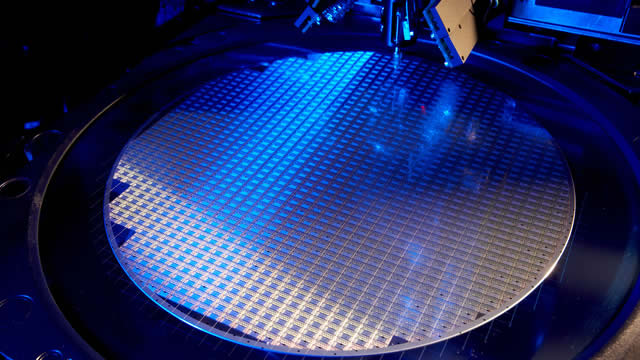
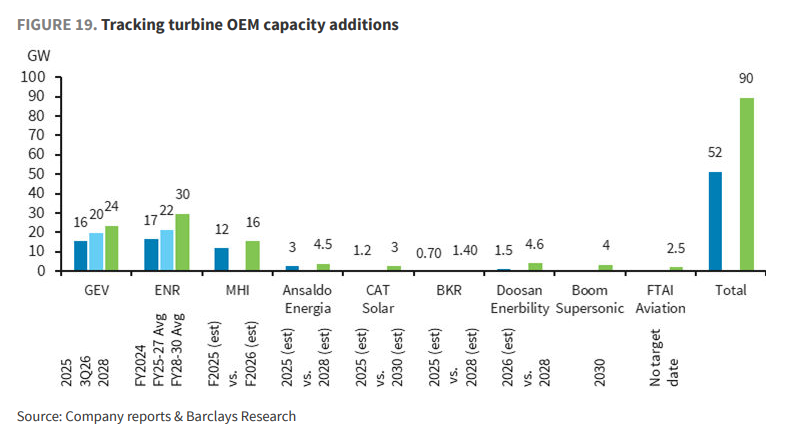
决定谁能赢得AI竞赛?或许是:燃气轮机
Hua Er Jie Jian Wen· 2026-01-22 08:32
当市场仍将注意力集中在GPU算力、先进制程以及HBM供给节奏之上时,华尔街的研究视角正在悄然下沉,逐 步转向AI产业链中更底层、却更具约束力的基础设施环节。 据追风交易台,在巴克莱最新发布的主题研报中,一个看似"反科技"、却极具决定性的判断被反复强调:AI竞 赛真正的瓶颈,正在从芯片转向电力,而在现阶段所有可落地的解决方案中,燃气轮机正成为最具约束力的关 键环节。 正因如此,尽管从长期成本角度看,公共电网仍然更具吸引力,现实却正在迫使越来越多AI数据中心转向"自带 电源(BYOP)"方案。在当前技术条件下,燃气轮机仍是唯一能够在规模、稳定性与成熟度之间取得现实平衡 的选择。 但问题在于,这一选择本身就指向了一个更深层的约束。 一个被市场低估的事实:燃气轮机并不是为AI而扩产 从表面看,燃气轮机需求的快速抬升似乎与AI数据中心建设高度相关,但巴克莱研报反复提醒,将这一轮需求 变化简单理解为"AI拉动",本身就是一种误读。 事实上,AI只是新增需求之一。与此同时,全球煤电退役后的基荷替代、可再生能源渗透率提升带 来的调峰需求,以及LNG和油气产业链的持续资本开支,都在同步挤占同一套燃气轮机供给体系。 这意味着,A ...
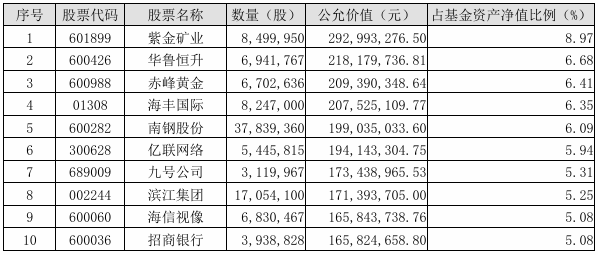
谭丽旗下嘉实价值精选股票基金四季报披露!增配有色金属个股 兑现贵金属股票
Zhi Tong Cai Jing· 2026-01-22 08:28
Core Viewpoint - The report highlights the performance and portfolio adjustments of the Jiashi Value Select Equity Fund managed by Tan Li, indicating a shift in top holdings and a focus on commodity prices and market dynamics in the context of investment strategies. Group 1: Fund Holdings - As of the end of Q4 2025, the top ten holdings of the Jiashi Value Select Equity Fund include Zijin Mining, Hualu Hengsheng, Chifeng Jilong Gold, and others, with notable new entries being Ninebot and Binjiang Group, while Chengdu Bank exited the top ten [1][2]. - The fund's stock position was reported at 91.88% at the end of Q4 [2]. Group 2: Performance Metrics - The net asset value per share for Jiashi Value Select Equity A was 2.2893 yuan, with a growth rate of -0.32%, while the C share had a net asset value of 2.2825 yuan and a growth rate of -0.48%, against a benchmark return of -2.06% [3]. Group 3: Market Analysis - In Q4, there was a significant increase in the prices of gold and industrial metals, influenced by factors such as resource nationalism and strategic metal reserves in developed countries, leading to a widening supply-demand gap [3]. - The A-share market saw a rebound in Q3 2024 and a substantial rise in Q3 2025, with the Sci-Tech Innovation Board and Growth Enterprise Market achieving around 50% gains year-to-date, driven by a strong technology narrative and high market risk appetite [4]. - The report indicates a structural adjustment in the portfolio, with increased allocation to non-ferrous metals and a realization of profits in precious metals, while maintaining overall allocation ratios [4].