
AI制药

Search documents
赛诺菲停止降脂药“波立达”的中国供应;天坛生物宣布拟放弃收购派林生物的商业机会 | 医药早参
Mei Ri Jing Ji Xin Wen· 2025-08-04 23:57
Group 1 - Sanofi has confirmed the cessation of its cholesterol-lowering drug "Polaida" (generic name: Alirocumab injection) supply in the Chinese market due to global supply issues and strategic optimization in the cardiovascular market [1] - The decision may lead investors to reassess Sanofi's positioning in the competitive Chinese cholesterol drug market, potentially impacting its market share and revenue expectations, which could affect stock performance and investor confidence [1] Group 2 - China Resources Medical has issued a profit warning, expecting a year-on-year decline of approximately 20% to 25% in its net profit for the first half of the year, primarily due to a decrease in average medical expenses under the insurance scheme [2] - The significant drop in profit, excluding one-time gains, indicates pressure on the company's core business, which may affect investor confidence and put short-term pressure on the stock price [2] Group 3 - AI pharmaceutical company Jitai Technology has announced the completion of a 400 million RMB Series D financing round, led by Beijing Pharmaceutical Health Industry Investment Fund and Daxing District Industrial Investment Fund [3] - The funding will accelerate the advancement of Jitai Technology's strategic priorities, indicating recognition of its technological and market potential, which may enhance competitiveness and attract more attention, driving up valuation and market confidence [3] Group 4 - Tiantan Biological has announced its intention to abandon the acquisition opportunity of Pailin Biological, with China National Biological planning to proceed with the acquisition based on overall strategic development [4] - This decision aligns with Tiantan Biological's focus on stable operations and is seen as beneficial for protecting investor interests, with no adverse impact on the company's production and operations [4] Group 5 - The National Healthcare Security Administration has held five symposiums to discuss support for innovative drugs and medical devices, covering various topics including comprehensive value assessment and real-world research [5] - These meetings signal positive policy support for innovative drug development, which may enhance market confidence in innovative pharmaceutical companies, attract more investment into drug research, and boost valuations in the sector [5]


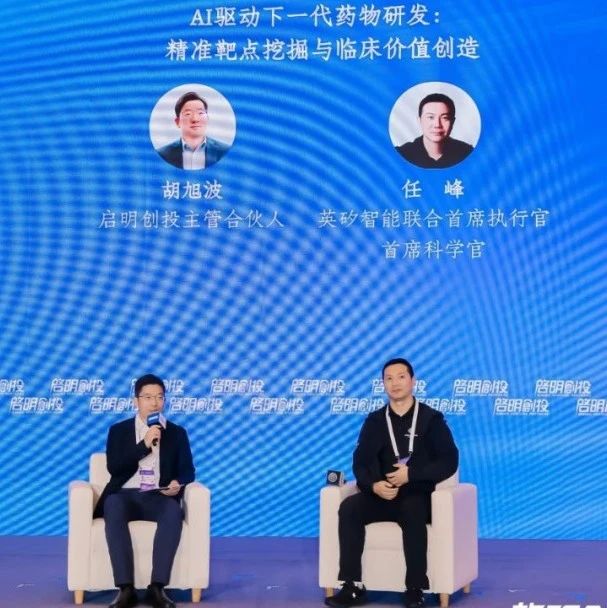
启明创投胡旭波对话英矽智能任峰:AI如何驱动下一代药物研发
IPO早知道· 2025-08-04 08:45
Core Viewpoint - AI-driven drug development is transitioning from stage 2.0 to stage 3.0, with significant advancements in target discovery and molecular design through the use of AI algorithms and large datasets [2][15]. Summary by Sections AI in Drug Development - Traditional drug development relies heavily on human knowledge and experience, which has limitations. AI can analyze vast amounts of data to identify novel targets and generate molecules, thus overcoming these limitations [3][5][6]. - The main areas where AI empowers drug development are in discovering new, reliable targets related to diseases and in molecular design, whether for small molecules or antibodies [6][7]. Milestone Projects - A notable project by the company involved developing a compound for idiopathic pulmonary fibrosis (IPF), which took approximately 18 months and cost over $2 million, achieving significant milestones in target discovery and molecular design [9][10]. - The project utilized AI tools to analyze multi-omics data from patients, leading to the identification of a new target, TNIK, and the design of a small molecule to inhibit its activity [10][11]. Current AI Capabilities - Currently, AI can assist in generating results but cannot make decisions. The final decision-making still relies on human scientists [12][14]. - The emergence of large models has improved efficiency in coding and data analysis, but the need for human oversight remains critical [13][14]. Future of AI in Drug Development - The industry is currently at stage 2.0, with the potential to reach stage 3.0 as AI becomes more integrated into the entire drug development process. However, a dedicated AI-driven super-intelligent agent is necessary to advance to stage 4.0 [17][18]. - Data quality and the need for a feedback mechanism from scientists are significant challenges in developing a robust AI drug discovery agent [19]. Competitive Landscape - The future of AI-driven drug development will be dominated by companies that can effectively integrate AI technology into practical applications and find viable commercialization paths [20][22]. - Collaboration between independent AIDD companies and large pharmaceutical firms will be essential, with each playing distinct roles in the drug development ecosystem [22][23].

“AI制药四小龙”剂泰科技完成4亿D轮融资,总募资额超20亿
Tai Mei Ti A P P· 2025-08-04 02:55
Core Viewpoint - JiTai Technology, a leading AI-driven nanomedicine company, has completed a Series D financing round of 400 million RMB, aimed at accelerating its strategic initiatives in platform automation, product pipeline development, international collaboration, and talent acquisition [2][6]. Financing and Investment - The recent financing round was led by the Beijing Pharmaceutical and Health Industry Investment Fund and the Daxing District Industrial Investment Fund, contributing to a total funding exceeding 2 billion RMB (approximately 300 million USD) since the company's inception [2][6]. - JiTai Technology previously completed two financing rounds in February 2022, raising a total of 150 million USD, and a Series C round in June 2024, raising 100 million USD [5][6]. Company Overview - Founded in 2020, JiTai Technology focuses on AI-driven innovations in nanomaterials, specifically targeting drug delivery and discovery technologies to combat diseases and aging [3]. - The company was co-founded by prominent scientists, including Dr. Chen Hongmin and Dr. Lai Caida, and has developed three core AI platforms: AiLNP, AiRNA, and AiTEM [3]. Industry Position and Collaboration - JiTai Technology is recognized as one of the "Four Little Dragons" in AI pharmaceuticals, alongside Deep Intelligence, Crystal Technology, and InSilico Medicine, emphasizing a collaborative rather than competitive approach within the industry [4]. - The company has achieved breakthroughs in targeted delivery capabilities for key organs and cells, providing opportunities for treating various diseases, including tumors and neurodegenerative disorders [4]. Strategic Initiatives - The company has launched the Open CGT technology platform, which aims to address industry challenges in precise drug delivery and facilitate the development of breakthrough cell and gene therapies [6][7]. - The first project under this platform focuses on enabling Rui Zheng Gene to develop mRNA-LNP-based liver-targeted CRISPR gene editing therapies [7]. Future Outlook - JiTai Technology's CEO highlighted that cell and gene therapy (CGT) will be a pillar of China's biopharmaceutical industry, representing the next generation of drug development [8]. - The company aims to contribute significantly to the entire drug delivery process, facilitating the transition from early-stage pipelines to market-ready products [8].

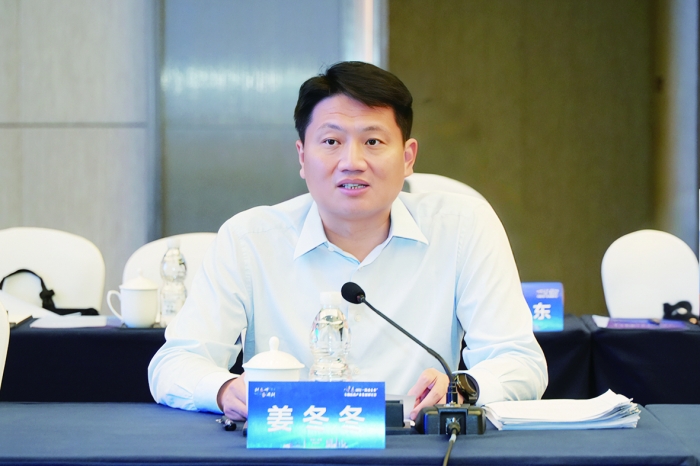
泰州市委书记姜冬冬:“沪泰链动”共拓中国医药城新蓝海
Shang Hai Zheng Quan Bao· 2025-08-03 19:14
Core Viewpoint - The collaboration between Shanghai and Taizhou is expected to create new opportunities in the biopharmaceutical industry, enhancing innovation and development in the China Medical City [2] Group 1: Development and Innovation - Taizhou has a unique advantage in the biopharmaceutical sector, being home to the first national high-tech zone for pharmaceuticals and receiving significant policy support from Jiangsu provincial government [2] - The city has established various innovative platforms, including the International Genetic Engineering and Biotechnology Center and the Fudan University Health Science Research Institute, to foster a comprehensive innovation matrix for the biopharmaceutical industry [3] Group 2: Talent Acquisition and Industry Growth - Taizhou focuses on attracting high-level talent and entrepreneurs, having introduced 10 academicians, 75 national high-end experts, and 1,746 high-level talents under various talent programs, ensuring a strong talent foundation for industry development [4] - The city has attracted over 1,300 biopharmaceutical companies, including major players like AstraZeneca and Nestlé, with the health industry expected to exceed 400 billion yuan by 2025 [4] Group 3: Service and Future Prospects - Taizhou is committed to providing specialized, full-chain services to businesses, having established the first comprehensive drug supervision service center in China, which includes four service centers for new drug applications and regulatory reviews [5] - The city aims to leverage the integration of the Yangtze River Delta region to explore future growth areas such as synthetic biology, cell and gene therapy, AI pharmaceuticals, and high-end medical devices, positioning itself as a vibrant hub for biopharmaceutical innovation [5]

抗癌药们的研发,终于摁下加速键
虎嗅APP· 2025-08-02 03:40
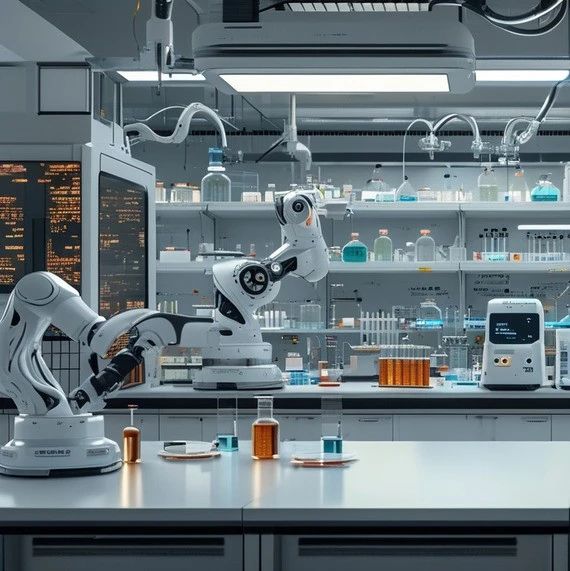
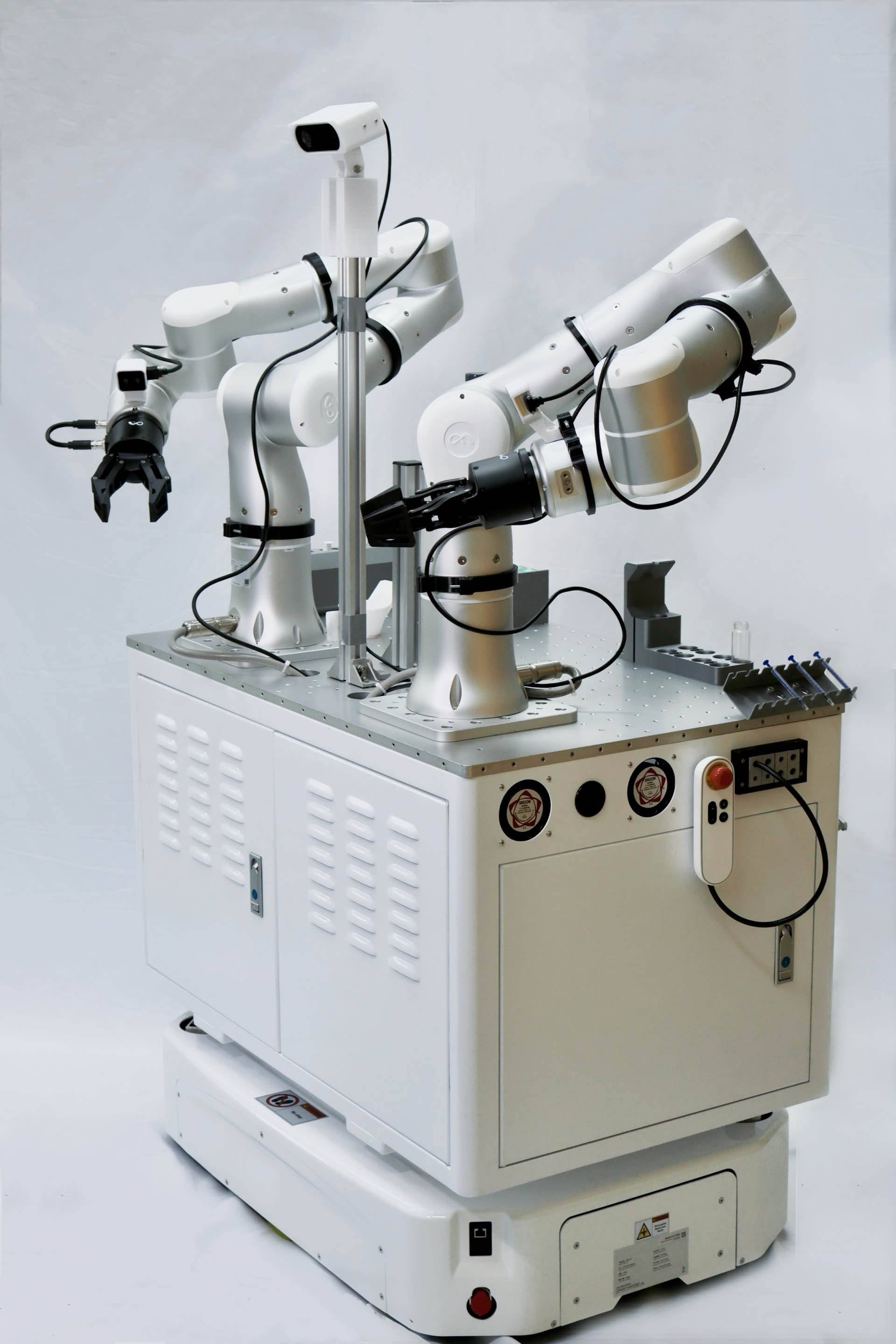
出品|虎嗅科技组 作者|陈伊凡、孙晓晨 编辑|苗正卿 头图|AI生成 "AI 原生 100" 是虎嗅科技组推出针对 AI 原生创新栏目,这是本系列的第「 10 」篇文章。 人类从未停止过与癌症、阿尔兹海默症、艾滋病等疾病等抗争。 但苦于新药研发的速度,这场疾病抗争史迟迟未能出线质的改变。而以生成式AI为基础的大模型的 出现,正在从根本上改变这一进程。 第一缕夕阳透过会议室玻璃窗,与C12的创始人兼CEO陈志刚的对话已经进行了两个半小时。生研 湾,我们这次谈话发生的地方,是大量新药的创新源头。陈志刚正在做的,是一个针对实验室场景的 通用机器人——这个机器人将会先被用在新药研发,之后泛化到新材料和化工等场景。 他厚厚的镜片反射出一道光——那是比窗外阳光更锐的东西,此时,全球药物研发行业创新浪潮正汹 涌来袭,AI已成为这场创新风暴的核心驱动力,这场能力,比10年前更大、更足。 2022年,陈志刚的公司C12成立,尝试将垂直领域的AI Agent与具身智能结合,突破湿实验(虎嗅 注:湿实验通常涉及生物样本、化学物质或其他液体材料的操作和处理。这类实验往往需要特定的实 验室条件,如无菌环境、温度控制等)的效率瓶颈。 一 ...
抗癌药们的研发,终于摁下加速键
Hu Xiu· 2025-08-02 01:46
Core Viewpoint - The emergence of generative AI models is fundamentally transforming the drug development process, significantly accelerating the timeline for combating diseases like cancer and Alzheimer's [5][7]. Group 1: AI's Impact on Drug Development - Generative AI is expected to shorten the drug development cycle by 30%-50%, enhancing efficiency in various stages such as compound screening and clinical trial design [7]. - In the past month, nearly $10 billion in capital has flowed into the AI pharmaceutical sector, with major pharmaceutical companies forming over 20 significant partnerships with AI firms [5][6]. - A report by Evaluate Pharma predicts that the global prescription drug market will reach $1.756 trillion by 2030, with AI in drug development becoming a core growth engine [6]. Group 2: Company Insights - C12, founded by Chen Zhigang in 2022, focuses on developing a general-purpose robot for laboratory settings, initially targeting drug development and later expanding to new materials and chemicals [3][4]. - The company aims to address the efficiency bottlenecks in laboratory workflows, particularly in the purification stage, which is critical for clients [4][12]. - Chen Zhigang emphasizes that the company's decisions are driven by customer feedback, leading to a focus on automating labor-intensive tasks in the lab [4][11]. Group 3: Market Dynamics and Competition - C12 differentiates itself from competitors like JingTai and Insilico Medicine by focusing on the wet lab verification stage after AI has designed potential drug molecules [16][17]. - The traditional drug development process is lengthy and risky, with a success rate of less than 10%, but AI technologies are injecting new possibilities into this process [7][8]. - The company is exploring applications beyond pharmaceuticals, including new materials and chemical processes, indicating a broader market potential [38][50]. Group 4: Future Directions and Challenges - Chen Zhigang plans to refine the product and operations before seeking Series A funding, ensuring that clients perceive real value [11][69]. - The company is currently expanding its research team to meet increasing demand and is focused on understanding and addressing client needs [62][70]. - Future challenges include scaling operations and addressing new issues that arise as robots become more integrated into laboratory workflows [70][71].
半年盘点|AI制药向临床加速转化,百亿美元资本进场
Di Yi Cai Jing· 2025-07-30 08:21
Core Insights - The pharmaceutical industry is experiencing rapid advancements in drug discovery driven by artificial intelligence (AI), with AI-generated drugs moving into clinical stages this year [1][4] - Chinese innovative companies are leading globally in AI drug development, with McKinsey describing AI as a "once-in-a-century opportunity" for the pharmaceutical sector [1][5] Group 1: AI in Drug Discovery - AI is transforming drug design from "probabilistic collisions" to "atomic-level precision engineering," enabling faster and more accurate molecular design [4] - The success rate of AI-generated drug molecules in Phase I clinical trials has reached 80% to 90%, significantly higher than the historical average of 50% [4][5] - A notable study from Beijing Union Medical College and an AI pharmaceutical company demonstrated the ability to discover new targets and design new molecules using generative AI [5][9] Group 2: Investment and Financing - Nearly $10 billion has flowed into AI drug development globally in the first half of this year, indicating strong investor confidence in the sector [6][8] - The largest AI drug financing in China this year was approximately $123 million for the company Insilico Medicine, exceeding its target [6] - Major collaborations between multinational companies and Chinese firms are emerging, such as AstraZeneca's partnership with CSPC Pharmaceutical Group, valued at up to $5.3 billion [7][8] Group 3: Future Directions - The focus for companies is on advancing AI-discovered drugs from Phase I to Phase II and later clinical trials, addressing data bottlenecks in AI drug development [8] - Enhancing data sharing, standardization, and modeling algorithms is crucial for improving AI's capabilities in drug discovery [8][9] - Accurate data, including molecular information and biochemical interactions, is essential for AI to learn and propose useful drug candidates [9]
创新药械+CXO大爆发,港股医疗ETF(159366)冲击6连涨!
Xin Lang Cai Jing· 2025-07-30 02:30
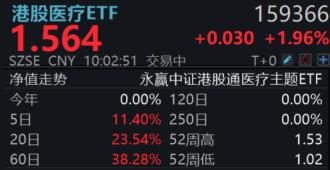
Core Viewpoint - The Hong Kong medical ETF (159366) has seen significant gains, driven by the booming market for innovative drugs and medical devices, with a notable increase of over 25% in the past month and a continuous rise for five consecutive days [1][4]. Group 1: ETF Performance - The Hong Kong medical ETF (159366) rose by 1.96% to 1.564, reflecting strong market interest [2]. - Over the past 5 days, the ETF has increased by 11.40%, and over the past 20 days, it has risen by 23.54% [2]. - The ETF is noted for having the highest concentration of CXO companies in the market, focusing on AI drug development, CXO, and medical devices [6]. Group 2: Company Developments - MicroPort Medical announced that Shanghai Shenda Capital has become a strategic shareholder, indicating the active role of merger funds in supporting local biopharmaceutical leaders [4]. - The strategic investment aims to enhance MicroPort Medical's position as a leader in high-end medical device innovation in China [4]. Group 3: Industry Insights - The National Healthcare Security Administration recently held a forum to discuss support for innovative drugs and medical devices, highlighting the significant policy, research, manufacturing, and market advantages of China's innovative drug and device sector [4]. - CXO leader WuXi AppTec reported a net profit of 8.56 billion yuan, a year-on-year increase of 101.9%, with a strong order backlog indicating robust growth potential [5]. - Market analysts suggest focusing on sectors with stable growth, particularly medical devices and pharmaceuticals, as the impact of centralized procurement is gradually diminishing [6].
21专访丨安永吴晓颖:AI医疗需从“炒概念”走向“真落地”
2 1 Shi Ji Jing Ji Bao Dao· 2025-07-29 23:11
Core Insights - The healthcare sector is a testing ground for new technologies, with generative AI significantly enhancing medical services and accelerating drug development [1][3] - The 2025 World Artificial Intelligence Conference in Shanghai showcased over 800 companies and 3000 cutting-edge exhibits, highlighting the rapid advancements in AI technology [1][2] Industry Trends - AI is transforming the entire healthcare process, including health management, diagnosis, imaging analysis, drug development, and surgical robotics, leading to improved efficiency and patient experience [3] - The AI healthcare market is projected to grow from 97.3 billion yuan in 2023 to 159.8 billion yuan by 2028, indicating a positive future trend [3] Challenges in AI Healthcare - The industry faces significant challenges in moving from "technological feasibility" to "scalable application," including issues related to standardization, ecosystem fragmentation, and clinical translation [2][4] - Key barriers to commercialization include data privacy and compliance, clinical validation and payment models, operational capabilities, and interoperability within healthcare systems [4] Investment Landscape - Major tech companies like Tencent, Ant Group, and Huawei are increasingly focusing on the AI healthcare sector, indicating a shift from conceptualization to practical commercialization [3][4] - AI-native pharmaceutical companies are valued based on their model capabilities, computational efficiency, and data barriers, differing from traditional pharmaceutical valuation methods [5] Regulatory Environment - The FDA's recent initiatives, including the introduction of generative AI tools and the appointment of a Chief AI Officer, aim to modernize regulatory processes and enhance the integration of AI in drug approval [6][7] - Chinese pharmaceutical companies looking to enter international markets must adapt to regulatory requirements and ensure compliance with FDA standards [7] Data Utilization Strategies - AI-driven synthetic control arms and real-world data simulations are being recognized by the FDA as valid methods for accelerating international multi-center trial designs [8] - To address data standardization issues in emerging markets, companies should adopt international data models and utilize federated learning techniques to ensure data quality while maintaining patient privacy [8]
创新药板块崛起,后市还有哪些机会?|2025招商证券“招财杯”ETF实盘大赛
Sou Hu Cai Jing· 2025-07-29 11:46
为持续向投资者普及ETF基础知识,招商证券携手十大基金公司,联合全景网共同举办2025年招商证 券"招财杯"ETF实盘大赛系列直播,旨在帮助投资者提升资产配置与风险管理能力,促进ETF市场的健 康发展。 2025年7月24日,"招财杯"ETF实盘大赛系列直播邀请到了银华基金指数投资分析师辛迪,一起探讨 《创新药板块崛起,后市还有哪些机会?》。 辛迪表示,经过近几年的快速发展,我国已成为全球创新药领域的重要力量,尤其在研发管线规模、靶 点覆盖及国际化合作方面表现突出,而众多创新药企也将开始进入成果兑现阶段,中国创新药行业或正 在进入厚积薄发的"收获期"。 "总体而言,政策、资本、产业因素共振,中国创新药行业长期成长逻辑坚实。"辛迪进一步表示,"我 认为创新药估值仍有非常充足的上扬空间。" 部分企业业绩超预期,创新药或步入"收获期" 辛迪:从基本面来看,我们认为创新药仍是当前医药板块中产业趋势最为明确且具备未来成长空间的子 行业,全年维度创新药作为医药板块的投资主线不会变化,创新药大时代已然到来。此外,7月中报业 绩预告/快报陆续披露,GLP-1景气赛道、困境反转的原料药等表现亮眼,从半年报情况看,部分企业 H1 ...
