
长三角一体化

Search documents
启东经济开发区超八成项目深度嵌入上海产业链、创新链跳出市域“延链” 跨过长江“壮群”
Xin Hua Ri Bao· 2025-10-16 23:17
Core Insights - The signing of five projects in the semiconductor sector at the Qidong Economic Development Zone marks a significant step in enhancing the region's industrial capabilities and supporting Shanghai's large semiconductor enterprises [1][3] Group 1: Industrial Development - The Qidong Economic Development Zone is positioned as a key area for the Yangtze River Delta's industrial innovation and green development, with a focus on semiconductor and biopharmaceutical industries [2][4] - The zone aims to integrate closely with Shanghai's industrial and innovation chains, leveraging its proximity to the city to attract high-quality projects [1][2] Group 2: Strategic Initiatives - Qidong has established the Qidong Life and Health Technology Park, which has already attracted over 60 pharmaceutical companies, with a high occupancy rate in its initial phases [3][4] - The park is designed to facilitate rapid commercialization of innovative drugs, providing tailored facilities for companies to quickly set up operations [3][4] Group 3: Investment and Growth Targets - The Qidong Economic Development Zone aims to achieve a high-tech industry scale of 30 billion yuan and over 130 high-tech enterprises by 2027 [5] - In the first half of the year, high-tech industry investment in the park accounted for 63.8% of total investments, significantly higher than the city average [4]
长三角41市GDP排名大洗牌:上海稳居榜首,杭州增量夺魁,盐城逆袭扬州!
Sou Hu Cai Jing· 2025-10-16 07:33
Core Insights - The Yangtze River Delta (YRD) economic region shows strong growth, with Shanghai leading at a GDP of 2.62 trillion yuan, while Hangzhou emerges as a key growth engine with an increment of 116.57 billion yuan [1][2] - The total economic output of 41 cities in the YRD surpasses 12 trillion yuan, reflecting a significant increase in their contribution to the national economy [1] - The competitive landscape is shifting, with cities like Yancheng and Hangzhou demonstrating notable growth rates, indicating a dynamic regional economic environment [1][3] Economic Performance - Shanghai's GDP reached 26,222.15 billion yuan in the first half of 2025, marking a nominal growth rate of 4.61% compared to the previous year [2][4] - Hangzhou's economy grew by 11.5%, driven by the integration of digital and real economies, with digital core industries contributing over 30% to its GDP [8] - Yancheng's GDP reached 3,791.47 billion yuan, with a growth rate of 6.03%, attributed to the synergy between green industries and transportation infrastructure [9][11] Sectoral Insights - Shanghai's economic structure is supported by financial services, high-end manufacturing, and import-export trade, with the financial sector accounting for 18.5% of its GDP [6][7] - Hangzhou's growth is fueled by advancements in the digital economy, with significant contributions from e-commerce and health industries, showcasing a robust innovation ecosystem [8] - Yancheng's growth is linked to the development of the new energy vehicle sector and infrastructure improvements, highlighting the importance of aligning with national strategies [11] Regional Dynamics - The YRD region has seen an increase in cities with GDP exceeding 600 billion yuan, indicating enhanced economic resilience and coordination among cities [3] - Cities like Nanjing and Ningbo also show strong growth, with Nanjing's GDP at 9,179.18 billion yuan and a growth rate of 6.64%, while Ningbo's GDP reached 8,860.97 billion yuan with a 7.96% growth [4] - The competitive and cooperative dynamics among the 41 cities in the YRD are expected to further elevate the region's economic capabilities as they pursue high-quality development [13]

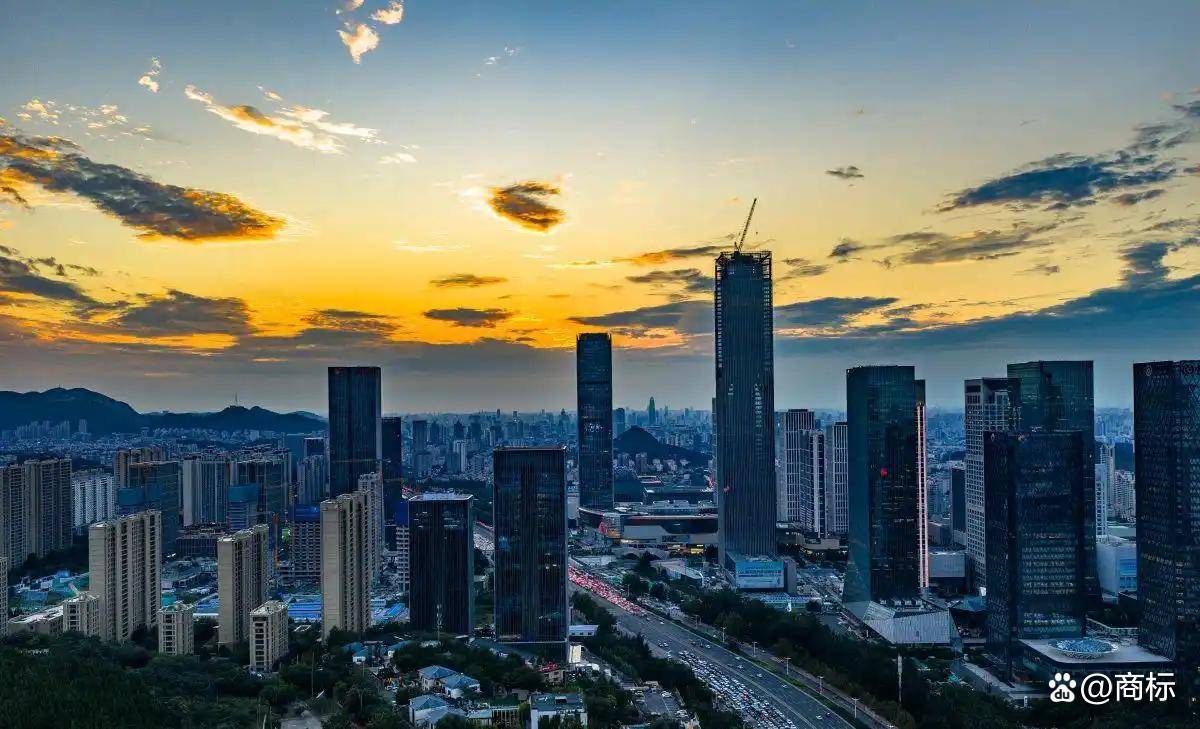
上海银行涨2.02%,成交额8.21亿元,主力资金净流出2073.89万元
Xin Lang Cai Jing· 2025-10-16 06:35
Core Points - Shanghai Bank's stock price increased by 2.02% on October 16, reaching 9.59 CNY per share, with a total market capitalization of 136.26 billion CNY [1] - The bank's main business revenue composition includes wholesale financial services (77.82%), retail financial services (22.00%), and other services (0.19%) [1] - As of June 30, 2025, Shanghai Bank reported a net profit of 13.23 billion CNY, a year-on-year increase of 2.02% [2] Financial Performance - Year-to-date, Shanghai Bank's stock price has risen by 11.12%, with a 10.74% increase over the last five trading days and a 5.38% increase over the last 20 days [1] - The bank has distributed a total of 52.45 billion CNY in dividends since its A-share listing, with 23.58 billion CNY distributed in the last three years [3] Shareholder Information - As of June 30, 2025, the number of shareholders increased to 98,000, with an average of 144,983 circulating shares per shareholder, a decrease of 7.69% from the previous period [2] - Hong Kong Central Clearing Limited is the sixth-largest circulating shareholder, holding 650 million shares, an increase of 37.30 million shares from the previous period [3]

卫星化学跌2.05%,成交额4.54亿元,主力资金净流出6941.24万元
Xin Lang Cai Jing· 2025-10-16 06:15
Core Viewpoint - Satellite Chemical's stock has experienced a decline in recent trading sessions, with significant net outflows of capital and a notable drop in share price over the past weeks [1][2]. Company Overview - Satellite Chemical Co., Ltd. is located in Jiaxing, Zhejiang Province, established on August 3, 2005, and listed on December 28, 2011. The company specializes in the production and sales of products such as polypropylene, acrylic acid and esters, ethylene glycol, ethylene oxide, and polyethylene [1]. - The main business revenue composition includes functional chemicals (52.08%), other businesses (24.27%), high polymer new materials (22.36%), and new energy materials (1.29%) [1]. Financial Performance - For the first half of 2025, Satellite Chemical achieved operating revenue of 23.46 billion yuan, a year-on-year increase of 20.93%, and a net profit attributable to shareholders of 2.744 billion yuan, up 33.44% year-on-year [2]. - Since its A-share listing, the company has distributed a total of 5.733 billion yuan in dividends, with 3.026 billion yuan distributed in the last three years [3]. Shareholder Information - As of June 30, 2025, the number of shareholders of Satellite Chemical reached 93,200, an increase of 128.98% compared to the previous period, while the average circulating shares per person decreased by 56.33% to 36,136 shares [2]. - The top ten circulating shareholders include Hong Kong Central Clearing Limited, which holds 150 million shares, a decrease of 12.6 million shares from the previous period, and Huatai-PB CSI 300 ETF, which increased its holdings by 2.494 million shares to 30.0493 million shares [3].

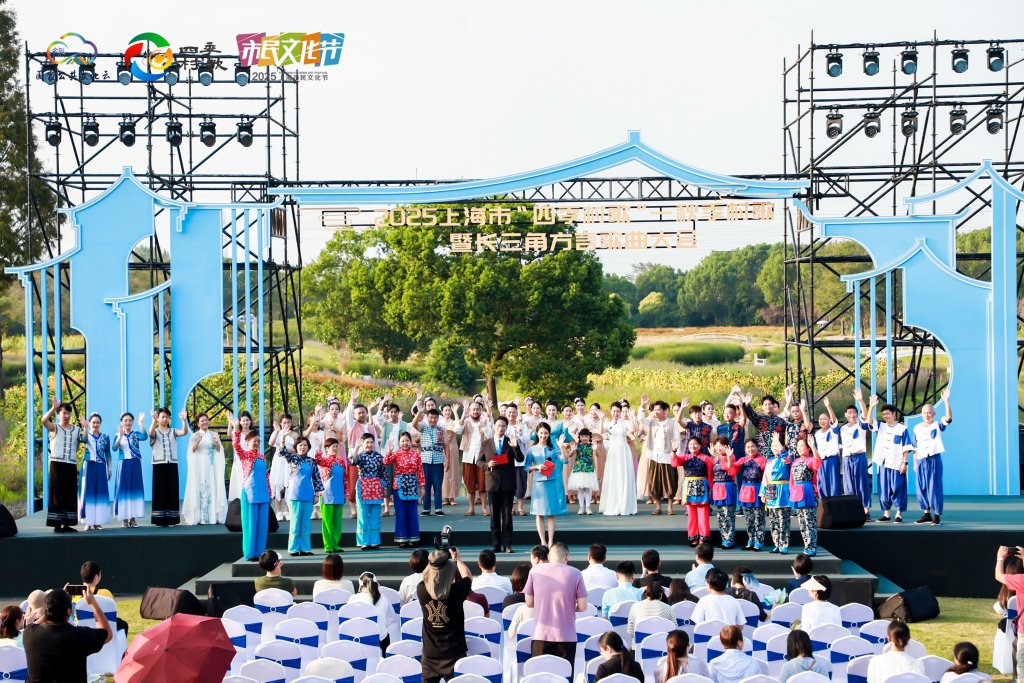
长三角在沪齐唱“四季村歌”
Jie Fang Ri Bao· 2025-10-16 01:52
Core Viewpoint - The event "Prosperous Rural Culture New Life Singing the Main Theme of Rural Revitalization" showcased the achievements of rural cultural revitalization in the Yangtze River Delta region through a vibrant cultural performance [1] Group 1 - The event took place at the Flower Blooming Ecological Park, highlighting the natural scenery with trees and sunflowers [1] - Over a dozen excellent representative teams from the Yangtze River Delta region participated, presenting a cultural feast filled with local flavor and contemporary spirit [1] - The performance demonstrated the fruitful results of rural cultural revitalization under the backdrop of regional integration [1]
杭州都市圈也有成长的烦恼 “十五五”要做四篇文章 | 都市圈2.0
Di Yi Cai Jing· 2025-10-15 15:00
Core Insights - The Hangzhou Metropolitan Area has been officially recognized as a national-level metropolitan area, marking a significant milestone in its development since its inception in 2007 [1] Group 1: Development and Achievements - The metropolitan area covers approximately 22,000 square kilometers and has a resident population of 26.939 million, with its collaborative scope extending to neighboring regions [1] - The area has shown strong innovation and entrepreneurial vitality, with over 90% of R&D funding coming from enterprises, and 63 companies from the four cities of Hangzhou, Huzhou, Jiaxing, and Shaoxing making it to the top 500 private enterprises in China for 2025, accounting for 12.6% of the national total and 58.87% of Zhejiang Province [2] - The Hangzhou Metropolitan Area is focusing on building a digital smart ecosystem, enhancing collaboration across various fields, and promoting the "dual city" narrative of Hangzhou and Ningbo [2] Group 2: Challenges and Areas for Improvement - The metropolitan area faces challenges in factor capacity and aggregation efficiency, with per capita GDP significantly lower than that of major global cities like Tokyo and New York [3] - There is a need for breakthroughs in innovation capabilities and openness, as the area lags behind in R&D intensity and international connectivity [3] - The industrial radiation and driving capacity are still lacking, particularly outside the digital economy, with fewer leading enterprises in strategic emerging industries like biomedicine and high-end manufacturing [3] - The commuting network requires further enhancement, despite significant progress in metro construction and intercity railways [3][4] Group 3: Future Strategies - The metropolitan area aims to optimize its system by integrating with the Yangtze River Delta and other metropolitan areas, enhancing internal spatial and network structures [5] - There is a focus on innovation enhancement by connecting with high-level original innovation resources from cities like Shanghai and Nanjing, particularly in emerging fields such as digital economy and artificial intelligence [5][6] - Smart governance will be a priority, leveraging the "city brain" concept to improve urban management [6] - The area will also emphasize green and livable development, aiming to create a harmonious urban-rural community and enhance the local cultural tourism brand [6]
长三角的方言歌曲有多美?十余支团队在金山唱起“四季村歌”
Xin Lang Cai Jing· 2025-10-15 12:30
Core Points - The event "2025 Shanghai 'Four Seasons Village Song' - Autumn Village Song Performance" and the Yangtze River Delta Dialect Song Conference showcased the cultural achievements of rural revitalization in the Yangtze River Delta region [1][3] - The performances featured local folk arts from Shanghai and neighboring provinces, highlighting the unique cultural resources of the Yangtze River Delta [2][6] Group 1 - The event opened with a group song "Welcome to Jinshan," featuring various artistic forms such as solo, group singing, and situational performances [2] - The performances included traditional songs from different areas, such as Jinshanwei's Tian Mountain songs and modern interpretations of folk music, showcasing the diverse cultural heritage of the region [2][6] - The event attracted tourists who appreciated the integration of culture and tourism, enhancing their understanding of the local customs and traditions [6] Group 2 - The event is part of Shanghai's response to the Yangtze River Delta integration development strategy, aiming to enrich the cultural life of the community and strengthen local identity [6][7] - Jinshan District is exploring a unique path for rural revitalization, integrating rural tourism with local culture, and promoting a "Village Song + Tourism" model [7] - The event was organized by various cultural institutions, indicating a collaborative effort to promote cultural exchange and tourism in the region [8]
1个中心城市+7个县域,合肥都市圈同城化有3个目标 | 都市圈2.0
Di Yi Cai Jing· 2025-10-15 11:24
Core Viewpoint - The Hefei metropolitan area has undergone significant development, evolving from a small economic circle to a larger urban cluster and now focusing on integrated development with surrounding regions [1][5]. Group 1: Development Process - The Hefei metropolitan area was first proposed in 2006, initially including Hefei, Lu'an, and the former Chao Lake city, and expanded in 2009 to include a central city and four surrounding cities [1]. - In 2024, the National Development and Reform Commission approved the development plan for the Hefei metropolitan area, establishing a one-hour commuting circle that encompasses Hefei and seven surrounding counties, covering an area of 24,900 square kilometers [1]. - The current GDP of the Hefei metropolitan area is 1.66 trillion yuan, with Hefei contributing 1.35 trillion yuan, accounting for 81% of the total [1]. Group 2: Industrial and Technological Collaboration - Hefei is the second national science center in China, focusing on technological innovation and collaboration with surrounding counties to support technology transfer and commercialization [2]. - The city has established 14 sub-markets to promote technology transfer, leveraging the resources of the central city to assist county enterprises [2]. Group 3: Infrastructure and Public Services - Hefei has achieved direct high-speed rail connections with six surrounding counties and has implemented a rapid transit route to Lu'an, enhancing physical connectivity within the metropolitan area [4]. - The city has launched seven customized public transport routes and established a vocational education alliance to improve public service quality in the surrounding counties [4]. Group 4: Future Opportunities and Goals - The Hefei metropolitan area benefits from its strategic geographical location and is positioned to leverage multiple national development strategies, including the Yangtze River Economic Belt and the integration of the Yangtze River Delta [5]. - By 2030, the metropolitan area aims to maintain leading economic growth rates in Anhui province and the Yangtze River Delta, establish a new integrated development pattern, and enhance collaborative development with surrounding cities [5]. - Key initiatives include developing a comprehensive planning system, improving transportation connectivity, and enhancing industrial collaboration and environmental governance [6].
杭州都市圈也有成长的烦恼,“十五五”要做四篇文章 | 都市圈2.0
Di Yi Cai Jing· 2025-10-15 11:21
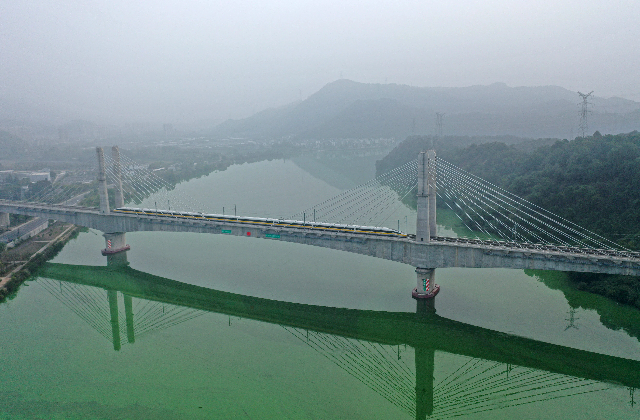
Core Insights - The Hangzhou metropolitan area has been officially recognized as a national-level metropolitan area, marking its significance in China's urban development strategy [1][3] - The area has a population of approximately 26.94 million and covers around 22,000 square kilometers, indicating its substantial size and demographic importance [1][3] Economic Performance - Hangzhou's per capita GDP is significantly lower than that of major global cities, being half of Tokyo's, one-fifth of New York's, and one-sixth of San Francisco's, highlighting room for economic growth [3][4] - The metropolitan area has a strong innovation and entrepreneurial environment, with over 90% of R&D funding coming from enterprises, and 63 companies from the region listed among China's top 500 private enterprises [3][4] Challenges and Opportunities - The metropolitan area faces challenges in resource efficiency and innovation capacity, with gaps in R&D intensity and talent attraction compared to leading urban areas [4][5] - There is a need for improved industrial influence beyond the digital economy, particularly in sectors like biomedicine and high-end manufacturing, to enhance the area's economic ecosystem [5][6] Infrastructure Development - Significant progress has been made in transportation infrastructure, with 506 kilometers of metro lines constructed in five years, yet there remains potential for improvement in operational efficiency and commuting rates [5][6] - The Hangzhou to Quzhou high-speed railway is in the testing phase and is expected to enhance connectivity within the region [3] Strategic Initiatives - The metropolitan area aims to optimize its development framework by integrating with the Yangtze River Delta and enhancing collaboration with other urban areas [6] - Focus areas include fostering innovation, smart governance, and sustainable living environments to improve the quality of life for residents [6]
桐昆股份涨2.01%,成交额1.91亿元,主力资金净流入824.82万元
Xin Lang Zheng Quan· 2025-10-15 06:05
Core Viewpoint - Tongkun Co., Ltd. has shown a mixed performance in stock price and financial metrics, with a notable increase in stock price year-to-date but a decline in recent trading periods [1][2]. Financial Performance - As of June 30, 2025, Tongkun Co., Ltd. reported a revenue of 44.158 billion yuan, a year-on-year decrease of 8.41%, while the net profit attributable to shareholders was 1.097 billion yuan, reflecting a year-on-year increase of 2.93% [2]. - Cumulative cash dividends since the company's A-share listing amount to 3.203 billion yuan, with 341 million yuan distributed over the past three years [3]. Stock Market Activity - On October 15, 2023, the stock price of Tongkun Co., Ltd. increased by 2.01%, reaching 13.70 yuan per share, with a trading volume of 191 million yuan and a turnover rate of 0.59% [1]. - The company has experienced a year-to-date stock price increase of 17.08%, but has seen declines of 8.73% over the last five trading days and 7.49% over the last twenty days [1]. Shareholder Structure - As of June 30, 2025, the number of shareholders for Tongkun Co., Ltd. was 70,600, a decrease of 0.22% from the previous period, with an average of 33,944 circulating shares per shareholder, which increased by 0.22% [2]. - The top ten circulating shareholders include Hong Kong Central Clearing Limited, which holds 26.4554 million shares, a decrease of 7.3797 million shares from the previous period [3].
