京津冀协同发展

Search documents
北京城市总体规划实施第二阶段各项任务顺利完成 向国际一流的和谐宜居之都扎实迈进
Ren Min Ri Bao· 2025-12-17 23:19
"北京城市规划要深入思考'建设一个什么样的首都,怎样建设首都'这个问题"。党的十八大以来,习近 平总书记多次考察北京并发表重要讲话,明确了北京"四个中心"的功能定位,为首都的发展谋篇布局、 领航指路。 城市规划在城市发展中起着重要引领作用。2017年9月,党中央、国务院批复《北京城市总体规划 (2016年—2035年)》(以下简称"总体规划"),北京坚持一张蓝图绘到底,围绕"都"的功能谋 划"城"的发展。 12月17日,北京市举行"一张蓝图绘到底建设国际一流的和谐宜居之都"新闻发布会。会上介绍,总体规 划实施第二阶段各项任务顺利完成,北京正向国际一流的和谐宜居之都扎实迈进。 在疏解非首都功能中提质增效 市级行政机关搬迁至北京城市副中心,助力河北雄安新区建设取得显著进展……进入新时代,作为全国 第一个减量发展的超大城市,北京以疏解非首都功能为"牛鼻子",统筹考虑疏解与整治、提升、承接、 协同的关系,大力调整结构,实现深刻转型。 坚持以疏为进、以舍谋得,在疏解中不断优化提升首都功能。总体规划实施以来,北京深入开展疏解整 治促提升专项行动,累计疏解提质一般制造业企业3000余家;拆除违法建设超2.38亿平方米,腾退 ...
五年翻番 “十四五”时期北京输出津冀技术合同成交额超2300亿元
Bei Jing Shang Bao· 2025-12-17 15:22
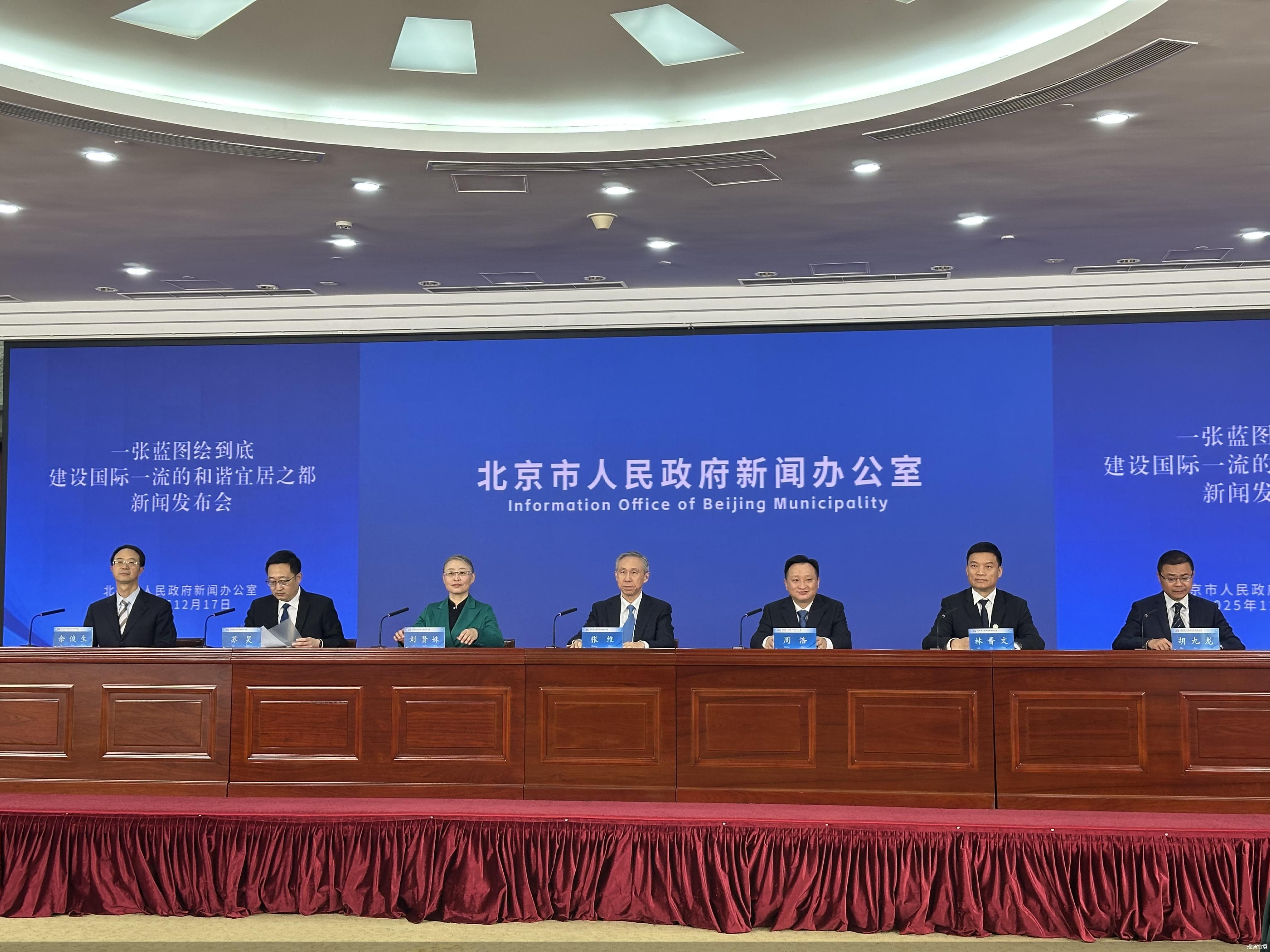
据介绍,自协同发展战略实施以来,京津冀三地合力打造协同创新共同体,加快构建"六链五群"产业布局,共同做大产业"蛋糕"。数据显示,2024年京津冀 经济总量达11.5万亿元,三地GDP增速均超全国平均水平;今年1—3季度,三地GDP同比增长5.4%,区域经济发展势头持续向好,高质量发展动力源作用进 一步显现。 会上,北京市发展改革委党组成员、市协同办副主任、京津冀联合办副主任周浩透露,下一步,京津冀三地将坚持创新驱动,聚焦"六链五群"主阵地,推动 形成一批标志性成果,筑牢高质量发展动力源根基。打造更加紧密的协同创新共同体。同时,三地将共同建设北京(京津冀)国际科技创新中心,发挥在京 国家实验室、科研院所、高校等功能作用,持续提升重大原创性成果产出和转化能力,构建一体化协同创新生态。做强京津冀国家技术创新中心,加快颠覆 性项目在区域转化落地,完善科技成果转化服务体系,提升转化效能。 12月17日,北京市人民政府新闻办公室召开"一张蓝图绘到底 建设国际一流的和谐宜居之都"新闻发布会。会上,北京商报记者了解到,自北京城市总体规 划实施以来,"十四五"时期北京输出津冀技术合同成交额超2300亿元,较"十三五"实现翻番。 ...

张家口“十五五”规划建议发布:将与北京联合开发精品旅游线路
Bei Jing Ri Bao Ke Hu Duan· 2025-12-14 01:35
Core Viewpoint - The 15th Five-Year Plan for Zhangjiakou aims to achieve high-quality development, leveraging past achievements and addressing new opportunities and challenges in the context of national and regional strategies [2][3]. Group 1: Achievements During the 14th Five-Year Plan - Zhangjiakou has made significant progress, with major economic indicators showing stable growth and an industrial structure that has been optimized, with six major industries accounting for 56.5% of GDP [2]. - The city has successfully completed a substantial portion of the tasks related to the Beijing 2022 Winter Olympics, enhancing its influence and reputation as a winter sports city [2]. - The city has seen a notable increase in foreign investment and trade, with actual foreign investment and total foreign trade reaching 2.5 times and 6.1 times that of the end of the 13th Five-Year Plan, respectively [2]. - The urbanization rate of the permanent population reached 68.86%, and the average life expectancy is 79.49 years, both exceeding national averages [2]. - The city has maintained a harmonious social environment, effectively managing risks in real estate and government debt, and achieving significant results in public safety and legal governance [2]. Group 2: New Opportunities and Challenges in the 15th Five-Year Plan - The global landscape is changing rapidly, with increased uncertainty and risks, while domestic economic fundamentals remain strong, providing a solid foundation for growth [3]. - Zhangjiakou's unique advantages, such as its location, natural resources, and cultural heritage, are becoming more prominent, with major strategic opportunities arising from initiatives like the Beijing-Tianjin-Hebei coordinated development [3]. - Challenges include insufficient innovation, unbalanced development, and lagging modernization in agriculture and rural areas [3]. Group 3: Development Goals for the 15th Five-Year Plan - The main goals include achieving significant results in high-quality development, with annual economic indicators maintaining reasonable growth and further deepening the coordinated development of the Beijing-Tianjin-Hebei region [6]. - Enhancing technological innovation capabilities, with a focus on integrating education, technology, and talent development [6]. - Promoting social civilization and improving the quality of life for residents, with a focus on employment, income growth, and public service accessibility [7]. - Advancing ecological civilization, with a commitment to achieving carbon peak goals and improving environmental quality [8]. Group 4: Integration into Regional Development - Zhangjiakou aims to actively integrate into the Beijing-Tianjin-Hebei coordinated development, leveraging its advantages in transportation, resources, and culture [9]. - The city will deepen its participation in the regional industrial and technological innovation system, focusing on sectors like renewable energy and big data [9]. Group 5: Infrastructure and Service Development - The plan emphasizes the need for modern infrastructure, including transportation and water management systems, to support economic growth and public safety [24]. - Enhancing public service resources and promoting cooperation in education, healthcare, and social services with Beijing and Tianjin [10]. Group 6: Industry Development and Innovation - The focus will be on developing six major industries, including sports culture tourism and renewable energy, to drive economic transformation [20][21]. - The city aims to foster a modern industrial system that emphasizes smart, green, and integrated development [20]. Group 7: Economic and Market Reforms - The plan includes comprehensive reforms to create a market-oriented, law-based, and international business environment, enhancing the competitiveness of Zhangjiakou [30][31]. - Emphasis on optimizing the investment environment and promoting fair competition to stimulate economic growth [28][29].
大兴机场综保区:跨省联动聚合力 安全护航促发展
Zhong Guo Min Hang Wang· 2025-12-13 04:20
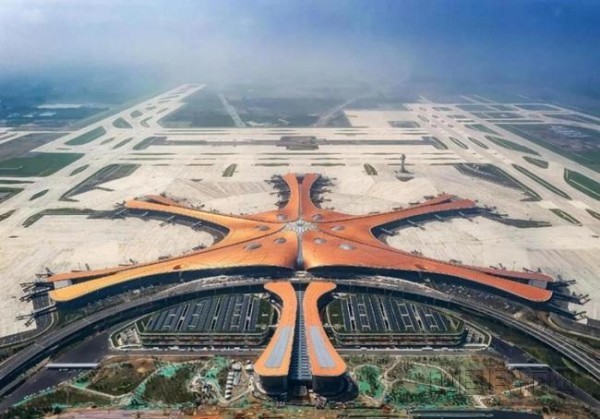
中国民航网讯:作为全国唯一跨省级行政区划的综合保税区,北京大兴机场综保区立足京津冀协同发展 战略前沿阵地定位,创新构建跨省安全生产联动工作新路径,通过机制共建、风险共防、应急共练、服 务共推,实现安全生产治理效能最大化,为京津冀协同发展提供了可复制、可推广的实践样本。 大兴机场综保区地跨北京市大兴区与河北省廊坊市,2021年12月一期封关,2024年底实现全域封关。面 对跨省综保区管理无先例、多部门协调难度大等挑战,大兴机场临空经济区联合管委会统筹协调临空区 大兴、廊坊管委会,充分征求京冀两地相关部门及属地政府意见,历经多轮调研论证,于2024年12月正 式印发《大兴机场综保区安全生产联动工作机制(试行)》。该机制共五章24条,涵盖总则、工作职责、 日常监管、应急响应和附则等关键内容,明确了联合管委会统筹协调责任,大兴、廊坊两片区属地责任 和企业主体责任,建立起衔接综保区大兴、廊坊区域两个安委会的联动应急机制,为跨省综保区安全生 产工作筑牢制度根基。 为提升应急处置能力,大兴机场综保区组织首次跨省多方消防安全联合演练。联合管委会会同临空区大 兴、廊坊管委会,联合大兴区、廊坊市政府及相关部门、首都机场集团、大兴 ...
疏解、治理、升级,北京要走一条与众不同的发展之路
Bei Jing Qing Nian Bao· 2025-12-13 00:42
Group 1 - The core idea emphasizes the importance of effective urban management to enhance the quality of life in cities, particularly in Beijing, which aims to explore a new path for governance in mega-cities through its 15th Five-Year Plan [1] - The plan focuses on alleviating non-capital functions and managing population flow to enhance the carrying capacity of urban centers and suburban areas [1][2] - Beijing's strategy includes integrating neighboring regions and leveraging its advantages in technology, finance, and talent to support the development of the Tianjin and Hebei areas [2] Group 2 - Urban renewal is a key focus, with plans to renovate old residential areas and protect historical sites while ensuring safety and stability in the city [3] - The city aims to develop a higher-level open economy, optimize the business environment, and foster innovation in sectors like healthcare, artificial intelligence, and modern finance [4] - Beijing's development path is distinct from other mega-cities, aiming for a balance between safety, livability, and cultural richness, ultimately contributing to global urban governance exploration [4]
城商行三十年|秦皇岛银行:深耕渤海之滨,以稳健经营书写区域金融共生样本
Sou Hu Cai Jing· 2025-12-12 09:57
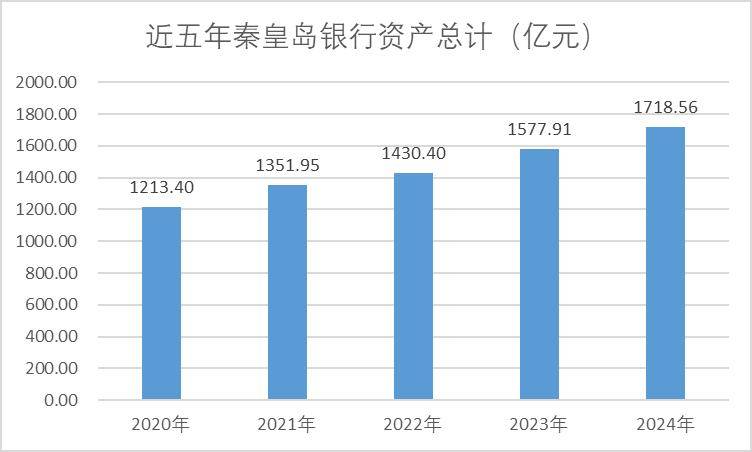
Core Viewpoint - The article highlights the evolution and transformation of Qinhuangdao Bank over 27 years, showcasing its growth from a local credit cooperative to a significant regional financial institution with total assets exceeding 163 billion yuan, while emphasizing its commitment to supporting local economic development and addressing the financing needs of small and medium-sized enterprises [1][2][11]. Group 1: Historical Development - Qinhuangdao Bank was established in 1998 through the consolidation of 21 urban credit cooperatives, initially serving as a supplementary force in the local financial system [2]. - In 2013, the bank was renamed from Qinhuangdao City Commercial Bank to Qinhuangdao Bank, reflecting its growth and expanded role in the region [2]. - The bank's registered capital increased from approximately 2.742 billion yuan to about 3.15 billion yuan following a recent capital increase approved in 2023 [2]. Group 2: Management and Strategy - The bank adopted an internal promotion model for personnel adjustments, focusing on strategic continuity to strengthen its management foundation [3]. - Under the leadership of Zhang Wenquan since 2017, the bank has emphasized serving local economic development and has actively supported major projects and small enterprises [3][11]. - The bank's mission is to provide financial services that directly benefit local communities, with a focus on supporting agriculture and poverty alleviation [4]. Group 3: Regional Economic Integration - Qinhuangdao Bank aligns its operations with the regional economic development strategy, particularly in the Bohai Economic Rim and the Beijing-Tianjin-Hebei collaborative development [4][5]. - The bank has established branches in Langfang and Baoding to expand its market reach and participate in regional industrial transfers [5]. - The bank's focus on both traditional and emerging industries allows it to optimize its credit allocation and foster a stable client base [4]. Group 4: Financial Performance - The bank's total assets grew from 121.34 billion yuan at the end of 2020 to 171.86 billion yuan by the end of 2024, marking a 41.63% increase over five years [9]. - The bank's net profit showed fluctuations, with a decrease of 6.03% in 2023, but a recovery in 2024 with an 8.24% increase [10]. - The non-performing loan ratio improved from 1.99% at the end of 2022 to 1.85% at the end of 2024, indicating enhanced asset quality [10]. Group 5: Future Outlook - The bank is positioned to continue its growth trajectory by leveraging regional economic development and enhancing its operational efficiency [11]. - With ongoing support from local government initiatives, the bank aims to innovate while maintaining stability in its financial practices [11]. - The bank's strategic focus on serving local economies and adapting to market changes is expected to provide a model for other urban commercial banks in their transformation journeys [11].
中行天津分行新行长张京伟履新,机遇挑战并存
Sou Hu Cai Jing· 2025-12-11 23:43
Core Viewpoint - The appointment of Zhang Jingwei as the new president of Bank of China Tianjin Branch marks a significant adjustment in the bank's regional financial strategy, recognizing his capabilities while presenting challenges in risk management and internal controls [1][5]. Group 1: Zhang Jingwei's Background and Experience - Zhang Jingwei, born in July 1976, has extensive experience in the banking sector, primarily within the Bank of China system, where he has held various key positions [2]. - His previous roles include leadership in corporate finance and asset management, providing him with unique insights into non-performing asset disposal and equity investment [2]. - Zhang's promotion follows the vacancy left by the former president, Ma Mingjun, indicating a recognition of his capabilities and offering him a broader platform for his career [2]. Group 2: Recent Performance of Tianjin Branch - Under the leadership of Ma Mingjun, the Tianjin Branch has shown robust business growth, particularly in supporting the coordinated development of the Beijing-Tianjin-Hebei region, with loans exceeding 110 billion yuan, a 22% year-on-year increase [3]. - The branch has provided strong financial support in urban renewal, rail transit construction, and logistics sectors [3]. Group 3: Challenges Ahead for Zhang Jingwei - Zhang Jingwei faces the challenge of maintaining the positive growth trajectory of the Tianjin Branch while balancing business expansion with risk management amid changing economic conditions [5]. - The need for enhanced internal controls is underscored by the recent disciplinary issues involving the former president, which highlight the importance of compliance and governance in the banking sector [6]. - The competitive landscape, regulatory pressures, and the impact of financial technology on traditional banking necessitate a strategic approach to innovation and risk mitigation [7].


挑战与机遇并存看这座省级新区如何发力
Qi Lu Wan Bao· 2025-12-11 16:06
Core Viewpoint - The establishment of the Dezhou Tianqu New District has led to significant industrial transformation and economic growth, positioning it as a key area for development in the region, particularly in connection with the Beijing-Tianjin-Hebei area [1][6]. Industrial Aggregation - The integrated circuit industry has seen a remarkable transformation, evolving from a single component to a comprehensive industry chain, with revenue from the new generation information technology industry reaching 10.71 billion yuan, a year-on-year increase of 31.69% from January to September 2025 [2]. - The "supply chain + park" model has enhanced the industrial cluster effect, with the AI intelligent security industrial park attracting seven upstream and downstream enterprises within six months, achieving sales of 14 million yuan in just seven months [2]. - Major projects worth 3.22 billion yuan commenced in the first quarter of 2025, with an additional 3.82 billion yuan in projects signed, indicating robust industrial growth [2]. Corporate Vitality - New district enterprises are thriving under supportive policies, with individual business owners successfully transitioning to corporate status in a single day, retaining their original credit codes and business names [3]. - Companies like Sichuan Tianfu have invested 1.02 billion yuan to establish a major production base, capitalizing on the market potential of a 300-kilometer radius covering 300 million people [3]. - The rapid growth of enterprises, such as Shandong Wangzhao and Youlu Hydraulic, showcases the dynamic economic landscape of the new district, with significant investments aimed at overcoming industry challenges [3]. Policy Empowerment - The new district has implemented reforms to streamline business registration processes, integrating resources from seven departments to facilitate a "one-stop" service model [4]. - Innovative supply chain financial services have been introduced, providing 30 million yuan in funding support to four enterprises, addressing initial capital turnover challenges [4]. - The project construction process has been optimized, reducing land procedure processing times by an average of one month, thereby accelerating project timelines [4]. Leadership and Development Strategy - The leadership of the new district emphasizes project focus and problem-solving, aiming to set a benchmark in modern urban development [5]. - A professional investment service system has been established to attract and retain talent, with initiatives like the "Dezhou Talent Home" to support housing needs [5]. Future Outlook - The new district aims to become a national industrial hub, focusing on integrated circuits and intelligent security, while enhancing supply chain support and urban livability [6]. - The transformation of the Dezhou Tianqu New District over three years reflects a commitment to high-quality development and a proactive approach to industrial growth [6].

民航华北地区管理局党委举办学习贯彻党的二十届四中全会精神培训班
Zhong Guo Min Hang Wang· 2025-12-11 12:28
(民航华北局供图) 《中国民航报》、中国民航网 记者张丰蘩 通讯员喻豪报道:为持续深入学习贯彻党的二十届四中全会 精神,引导广大党员干部把思想和行动统一到全会精神上来,12月8日至11日,民航华北地区管理局党 委举办了为期4天的学习贯彻党的二十届四中全会精神培训班。党委领导作开班动员讲话,全体党员干 部参加培训。 会议强调,学习贯彻好这次全会精神,是当前和今后一个时期的一项重大政治任务。全体党员干部要进 一步提高政治站位,深刻认识党的二十届四中全会重要意义,切实增强贯彻全会精神的思想自觉、行动 自觉;要准确把握全会精神丰富内涵和核心要义,做到持续深入学、全面系统学、结合实际学,确保全 会精神学深悟透、入脑入心;要加强从全会精神中汲取智慧力量,坚持学以致用,强化使命担当,切实 把学习成效转化为推动辖区民航高质量发展的强大动力。(编辑:李季威,校对:张彤,审核:程凌) 本次培训采用专家授课、分组讨论、个人自学相结合的形式,确保学习全覆盖、有实效。培训班邀请了 中国民航大学多位专家学者进行专题授课,在对全会精神进行详细解读基础上,结合辖区民航实际,围 绕历次全会精神与中国式现代化的民航担当、"十五五"规划与民航改革 ...

河北数字经济发展三年行动计划 打造高质量发展新引擎
Xin Lang Cai Jing· 2025-12-11 10:17
Core Insights - The Hebei Provincial Government has officially issued the "Three-Year Action Plan for Digital Economy Development (2025-2027)", outlining a clear roadmap for the province's digital economy growth over the next three years [1][9] - The plan aims to establish Hebei as a "leading digital economy hub driven by computing power, data, and intelligent integration" by 2027, with specific targets for five key industries to exceed a scale of 500 billion yuan [1][9] Strategic Background - Hebei's digital economy development is built on a solid foundation, with the province ranking first in the national comprehensive computing power index for two consecutive years, and cities like Langfang and Zhangjiakou leading in city-level computing power rankings [4][13] - The province has a rich industrial landscape with over 370,000 industrial enterprises across 40 sectors, providing ample opportunities for digital transformation [4][13] - The plan includes the construction of 230,000 5G base stations, the cultivation of 300 advanced smart factories, and the goal of having over 150,000 enterprises adopt cloud services [4][13] Key Tasks - The plan encompasses six major actions that form the framework for digital economy development, including enhancing data infrastructure, empowering data elements, doubling digital industries, improving traditional industries, enhancing digital governance, and optimizing the innovation ecosystem [7][16] - Specific actions include building intelligent computing clusters in Zhangjiakou and Langfang, creating a public data sharing platform, and achieving full digital coverage for large-scale enterprises in the manufacturing sector [7][16] Regional Collaboration - The digital economy development plan aligns closely with the Beijing-Tianjin-Hebei collaborative development strategy, emphasizing regional characteristics [8][17] - The plan proposes the establishment of a shared computing power resource pool among the three regions, facilitating a collaborative model where Beijing provides demand and Hebei supplies computing power [8][17] - The spatial layout focuses on Xiong'an New Area as a core, supporting the development of aerospace information industries, while promoting data industry clusters in cities like Shijiazhuang, Baoding, Zhangjiakou, and Langfang [8][17] - The ongoing implementation of the action plan signifies a shift from resource dependence to intelligence-driven development, with Hebei aiming to carve out a unique path for high-quality growth [8][17]