
京津冀协同发展

Search documents
不只山东、河南,河北也想争“经济大省”
Mei Ri Jing Ji Xin Wen· 2025-12-04 15:24
Core Viewpoint - Hebei province is aiming to become an "economic powerhouse" as it approaches a GDP of 5 trillion yuan, with plans to exceed national average growth rates and significantly enhance its economic, technological, and comprehensive strength by 2035 [1][2][4]. Economic Growth and Goals - The "15th Five-Year Plan" for Hebei emphasizes achieving an average annual growth rate of major economic indicators above the national average and reaching new economic milestones [1][4]. - In 2024, Hebei's GDP is projected to reach 4.75 trillion yuan, ranking 13th nationally, with aspirations to reclaim a position among the top ten provinces [2][5]. Historical Context and Challenges - Historically, Hebei was once ranked 6th in GDP due to its heavy industries but has seen a decline since 2012, dropping to 13th place due to structural transformation pains and the "siphoning effect" from Beijing and Tianjin [3][4]. - The province's reliance on high-energy, high-pollution industries has contributed to its economic slowdown, particularly after stringent environmental policies were implemented [3][10]. Urban Development and Strategic Adjustments - The development of urban clusters and metropolitan areas is crucial for Hebei's economic resurgence, with a focus on enhancing the capabilities of cities like Shijiazhuang and Tangshan [6][7]. - The "15th Five-Year Plan" includes support for the development of Shijiazhuang as a modern urban center and aims to integrate more closely with the Beijing-Tianjin metropolitan area [7][11]. Industrial Strength and Transition - Hebei has established two trillion-yuan-level industries and several hundred-billion-yuan industries, with steel production remaining a cornerstone of its economy [9][10]. - The province is transitioning its steel industry from raw material production to higher-value materials, aiming to improve competitiveness in global markets [10]. Collaboration and Future Directions - Hebei is focusing on collaborative innovation and industrial cooperation with Beijing and Tianjin, particularly in emerging sectors like new energy and smart vehicles [11]. - The province's leadership is committed to fully integrating with the capital region's development strategies to accelerate its own growth [11].
“十四五”以来 河北支持京津冀协同发展重点领域贷款余额达2.19万亿元
Zhong Guo Xin Wen Wang· 2025-12-04 14:13
五年来,河北金融总量实现跨越式发展。2024年河北金融业增加值3310.1亿元,"十四五"以来年均增长 6%。截至目前,河北省银行业保险业总资产超过16万亿元,是"十三五"末的1.58倍。本外币存贷余额分 别迈上13万亿元、10万亿元台阶,分别是"十三五"末的1.62倍、1.66倍。(完) 来源:中国新闻网 编辑:张嘉怡 "十四五"以来 河北支持京津冀协同发展重点领域贷款余额达2.19万亿元 中新社石家庄12月4日电 (赵丹媚)河北省政府新闻办4日举行"十四五"高质量发展河北答卷系列主题新闻 发布会通报,"十四五"以来,河北支持京津冀协同发展重点领域贷款余额达2.19万亿元(人民币,下 同),较"十三五"末增长了55.3%。 据了解,"十四五"以来,京津冀金融合作深入推进。京津冀三地金融管理部门签署《推进京津冀协同金 融领域合作框架协议》等一系列合作协议文件,共同推动区域金融从"物理相加"走向"化学相融"。 河北对标京津金融服务能力,推进金融数据信息共享、金融风险共治、区域征信系统共建、数字人民币 应用共推,京津冀区域金融政策、金融基础设施、金融环境等协同水平不断提升。立足京津冀"六链五 群"产业协同格局,深 ...
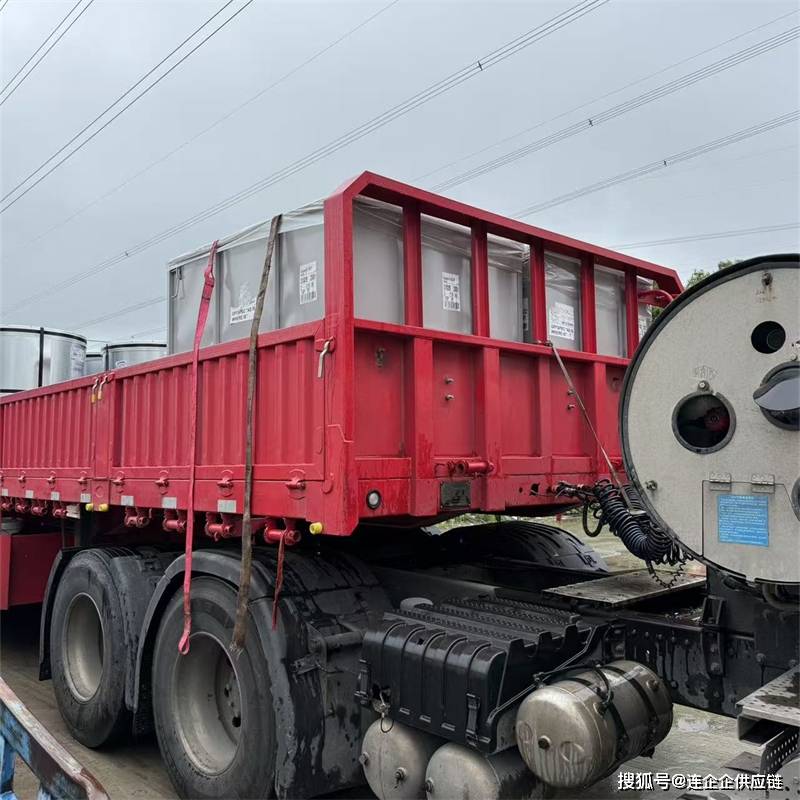
苏州太仓到张家口物流公司苏州太仓至张家口专线
Sou Hu Cai Jing· 2025-12-04 04:45
Core Viewpoint - The article highlights the establishment of an efficient logistics route connecting Suzhou Taicang and Zhangjiakou, leveraging the advantages of both regions to enhance supply chain efficiency and support local industries, particularly in agriculture and renewable energy [10][18]. Logistics Operations - The logistics operations involve a variety of specialized vehicles tailored for different types of cargo, including temperature-sensitive equipment and large machinery, ensuring optimal transport conditions [11][12]. - A dedicated logistics team manages the transportation of precision instruments, ensuring they are protected from environmental fluctuations during transit [11]. - Heavy machinery, such as wind turbine blades, is transported using specialized low-platform trucks, with careful planning to navigate local road conditions and obtain necessary permits [12]. Cold Chain Logistics - The cold chain logistics service is optimized for Zhangjiakou's climate, ensuring that perishable goods maintain their quality during transport, with temperature control systems in place [13]. - The logistics team employs advanced monitoring systems to track temperature and humidity, ensuring compliance with strict preservation standards [13]. Distribution Network - The distribution network covers 19 districts in Zhangjiakou, utilizing a combination of public and rail transport to facilitate efficient delivery of goods [16]. - The logistics service includes features such as early morning and late evening deliveries, tailored to meet the needs of local agricultural producers and industrial clients [16]. Warehouse and Storage Solutions - A modern warehouse at Taicang port supports various storage needs, including temperature-controlled areas for sensitive equipment and materials [15]. - The warehouse also offers value-added services such as customs clearance and equipment calibration, enhancing overall supply chain efficiency [15]. Economic Impact - The logistics route significantly reduces delivery times, with some shipments arriving up to two days earlier than traditional methods, thus supporting local agricultural and industrial sectors [11][14]. - The initiative aligns with broader regional development strategies, enhancing connectivity between the Yangtze River Delta and the Beijing-Tianjin-Hebei region, fostering economic growth [18].

优化布局统筹区域协调发展
Jing Ji Ri Bao· 2025-12-03 01:04
Group 1 - The implementation of regional coordinated development strategies is crucial for China's overall economic development, with significant strategies proposed since the 18th National Congress, including the Beijing-Tianjin-Hebei coordinated development and the Yangtze River Economic Belt development [1][2] - The 14th Five-Year Plan emphasizes optimizing the regional economic layout to promote coordinated development, addressing challenges in the current complex development environment [1][2] - The need for policy guidance and institutional construction is highlighted to facilitate the efficient allocation of resources and to mitigate regional development imbalances [2][3] Group 2 - Regional coordinated development is an inherent requirement of Chinese-style modernization, focusing on optimizing economic layouts and enhancing innovation-driven development [3][4] - The establishment of innovation communities is essential for fostering new regional development momentum, leveraging advancements in technology and industry [3][4] - Strengthening internal and external linkages is necessary to expand new spaces for regional coordinated development, emphasizing collaboration and resource sharing among regions [4][5] Group 3 - Key regions such as Beijing-Tianjin-Hebei, the Yangtze River Delta, and the Guangdong-Hong Kong-Macao Greater Bay Area are identified as important drivers for high-quality national development [5] - The focus is on enhancing the innovation capabilities and resource advantages of these regions to create a balanced and complementary development pattern [5]
不止山东、河南 这个北方省份也想争“经济大省”
Mei Ri Jing Ji Xin Wen· 2025-12-02 14:31
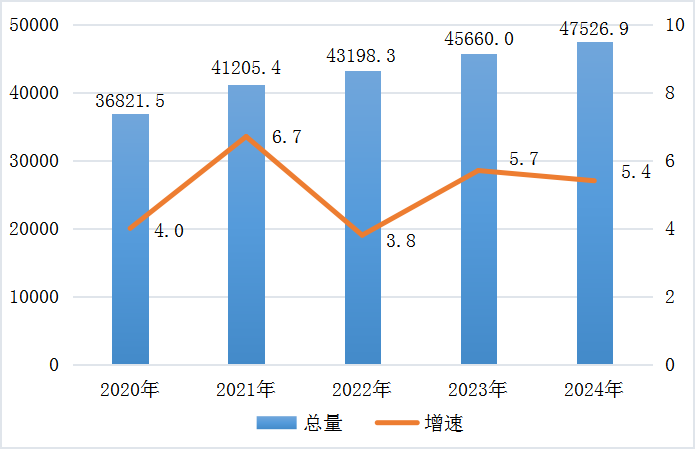
Core Viewpoint - Hebei province is aiming to become an "economic powerhouse" by surpassing a GDP of 5 trillion yuan, as outlined in the recently released "15th Five-Year Plan" [1][2][3] Economic Growth and Goals - Hebei's GDP is projected to reach 4.75 trillion yuan in 2024, ranking 13th nationally, down from a peak of 6th place due to reliance on heavy industries like steel and coal [2][4] - The province aims for average annual economic growth rates to exceed the national average during the "15th Five-Year" period, with a significant increase in economic strength by 2035 [1][8] Historical Context - Hebei was once a leading economic province, ranking 6th in GDP until 2012, but has since fallen behind due to structural transformation challenges and the "siphoning effect" from Beijing and Tianjin [4][5] Industrial Structure and Challenges - The province's economy has been heavily reliant on high-energy, high-pollution industries, which constituted 50% of its industrial value added [5][18] - Recent environmental policies have forced a reduction in steel production capacity, leading to slower economic growth as new industries have not filled the gap [5][19] Urban Development and Center Cities - The development of urban clusters and metropolitan areas is crucial for Hebei's economic rise, with a focus on enhancing the capabilities of its capital city, Shijiazhuang, and other regional centers like Tangshan [10][12][16] - Shijiazhuang has been designated as a national-level urban cluster, expected to play a significant role in driving economic growth in the central and southern regions of Hebei [16] Industrial Upgrading and Innovation - Hebei is focusing on upgrading its steel industry from raw material production to material-level competitiveness, with significant growth in industrial value added [18][19] - The province is also encouraged to leverage technological innovation to drive industrial transformation and maintain its traditional industries as a foundation for future growth [19] Collaboration with Beijing and Tianjin - Hebei plans to enhance its integration with Beijing and Tianjin, aiming to attract more enterprises and facilitate the transfer of non-capital functions from the capital [19] - The province is set to strengthen collaborative innovation and industrial cooperation, particularly in emerging sectors like new energy and artificial intelligence [19]
不止山东、河南,这个北方省份也想争“经济大省”
Mei Ri Jing Ji Xin Wen· 2025-12-02 14:05
Core Insights - Hebei is aiming to become an "economic powerhouse" with a GDP target exceeding 5 trillion yuan, as outlined in the "14th Five-Year Plan" [2][3] - The province plans to achieve an average annual economic growth rate higher than the national average during the "15th Five-Year Plan" period [2][8] - The goal is to significantly enhance Hebei's economic, technological, and comprehensive strength by 2035, positioning it among the top economic provinces in China [2][3] Economic Context - In 2024, Hebei's GDP is projected to reach 4.75 trillion yuan, ranking 13th nationally, a decline from its previous 6th position due to industrial restructuring challenges and competition from neighboring provinces [3][6] - The province's economic decline has been attributed to its reliance on heavy industries like steel and coal, which constituted 50% of its industrial value added [7][8] Regional Development Strategy - The "15th Five-Year Plan" emphasizes the importance of urban agglomeration and metropolitan area integration, with a focus on enhancing the role of central cities [11][12] - Hebei's strategy includes strengthening the development of Shijiazhuang and Tangshan as key urban centers to drive regional growth [12][17] - The province aims to integrate more closely with the Beijing-Tianjin metropolitan area to leverage economic synergies [12][21] Industrial Transformation - Hebei has established two trillion-yuan industries in advanced steel and high-end equipment manufacturing, with several billion-yuan industrial clusters recognized at the national level [18][20] - The steel industry remains a cornerstone of Hebei's economy, with a 12.7% increase in industrial value added in the first three quarters of the year, outperforming the national average [20][21] - Despite the growth, the province faces challenges in transitioning from traditional heavy industries to more sustainable and innovative sectors [20][21]
《北京市永定河保护条例》全文发布,2026年1月1日起施行
Bei Jing Ri Bao Ke Hu Duan· 2025-12-02 13:58
Core Points - The regulation aims to ensure flood safety, water resource security, and ecological safety in the Yongding River basin, promoting harmonious coexistence between humans and nature while preserving cultural heritage [1][2][3] Chapter Summaries Chapter 1: General Principles - The Yongding River basin includes the main river, tributaries, and lakes within specific districts of Beijing [1] - The protection of the Yongding River must adhere to the leadership of the Communist Party and align with national strategies for coordinated development [1] Chapter 2: Planning and Control - Local governments are responsible for integrating Yongding River protection into economic and social development plans, with necessary funding included in the budget [2][6] - A hierarchical responsibility system for river protection is established, with water management departments overseeing disaster prevention and ecological protection [3][4] Chapter 3: Flood Safety - Local governments must enhance flood prevention coordination and improve monitoring and early warning systems [9][10] - Construction activities in the river basin must comply with flood prevention standards to ensure safety [19][20] Chapter 4: Water Resource Protection and Utilization - The regulation emphasizes strict control over water resource usage and the establishment of water source protection zones [17][18] - Regular assessments of water quality in reservoirs are mandated to ensure safe drinking water [19][20] Chapter 5: Ecological Protection and Restoration - The regulation promotes integrated protection of the river basin's natural resources, focusing on pollution prevention and ecological restoration [37][38] - New construction projects that discharge pollutants into water bodies must implement pollution control measures [39][40] Chapter 6: Cultural Protection and Inheritance - Local governments are tasked with protecting and utilizing historical and cultural resources in the Yongding River basin [47][48] - Efforts to promote red culture and historical heritage are encouraged [50][51] Chapter 7: Regional Coordination and Basin Cooperation - The regulation calls for enhanced communication and collaboration with upstream and downstream regions for effective river protection [55][56] - A compensation mechanism for ecological protection is proposed to share costs and benefits among regions [61][62] Chapter 8: Legal Responsibilities - Violations of the regulation will be addressed by relevant authorities according to existing laws [64][65] Chapter 9: Supplementary Provisions - The regulation will take effect on January 1, 2026 [69]
“融入”“引入”双向赋能 织就京津冀协同发展新图景
Yang Guang Wang· 2025-12-02 12:12
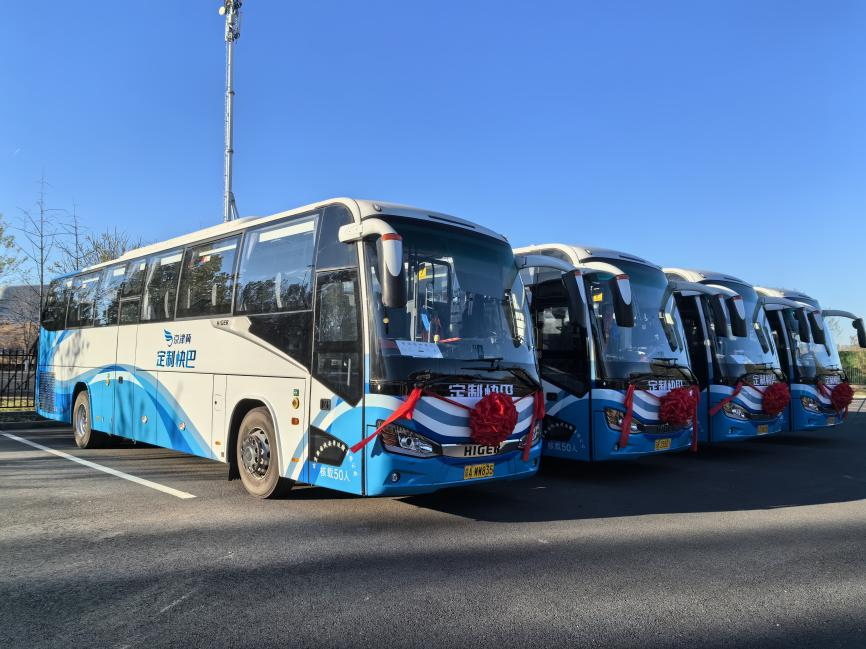
Core Viewpoint - The article highlights the significant progress made by Tianjin in promoting coordinated development within the Beijing-Tianjin-Hebei region during the 14th Five-Year Plan period, showcasing advancements in transportation, industry collaboration, and innovation. Group 1: Transportation and Connectivity - The introduction of customized buses and the completion of multiple high-speed rail lines have enhanced daily commuting and connectivity between Tianjin and Beijing, establishing a half-hour commuting circle and a 1 to 1.5-hour transportation network among major cities in the region [1][5][8]. Group 2: Industry Collaboration - Tianjin has successfully established 12 national key laboratories in collaboration with research institutions from Beijing and Hebei, facilitating innovation in core technologies such as smart sensors [4][5]. - The city has initiated two batches of high-precision "industrial foundation" projects, focusing on breakthroughs in critical areas like automotive-grade chips and humanoid robots, with over 170 key component manufacturers now integrated into the supply chains of major automotive companies [5][6]. Group 3: Economic Development and Innovation - The establishment of the headquarters of China Resources Recycling Group in Tianjin and the registration of over 3,900 companies in the Tianjin High Education Science and Technology Park reflect the city's efforts to attract high-quality development and foster a vibrant entrepreneurial ecosystem [7][9]. - Policies facilitating mutual recognition of qualifications and social security between Beijing and Tianjin have alleviated concerns for startups, enhancing the region's attractiveness for innovation and talent [9]. Group 4: Future Directions - The Tianjin government aims to deepen integration with the Beijing-centered world-class city cluster and enhance its appeal for high-end resources, while also focusing on the introduction of advanced technologies and talent from Beijing to boost regional innovation capabilities [6][9].
地方政府与城投企业债务风险研究报告:河北篇
Lian He Zi Xin· 2025-12-02 11:10
地方政府与城投企业债务风险研究报告-河北篇 联合资信 公用评级三部 |张宁|龚宇奇 www.lhratings.com 研究报告 1 报告概要 河北省作为京津冀城市群重要的组成部分,交通发达,资源禀赋和港口经济发展优势明显。经 济总量和一般公共预算收入居全国中上游,人均 GDP 处于下游水平,城镇化率偏低。京津冀协同发 展以及高标准高质量建设雄安新区的政策和规划有利于河北省承接更多来自京津的产业,并促进区 域发展现代商贸物流和推动产业转型升级。河北省一般公共预算收入在全国排名处于中上游,但财 税质量一般,财政自给率偏低,近年来政府性基金收入波动下降,政府债务负担处于全国中游水平。 河北省各地级市经济实力分化明显,形成三级梯队格局,唐山市 GDP 总量和人均 GDP 明显高 于河北省其他地级市,唐山市和石家庄市一般公共预算收入远高于其他地级市。 债务方面,河北省各地级市政府债务余额均持续增长,政府负债率整体有所上升。河北省政府 层面采取了完善的政府性债务化解措施,各地级市主要通过加强债务监测和预警、争取再融资债券 支持、债务化解试点等方式,防范和化解债务风险,并取得了一定成效。 发债城投企业方面,石家庄市、唐山 ...
天津静海:10亿元储能项目建成投产
Zhong Guo Hua Gong Bao· 2025-12-02 06:09
Core Insights - The production launch of Beijing Tianqi Hongyuan New Energy Technology Co., Ltd.'s energy storage system integration factory and R&D center marks a significant milestone in the company's operations and strategic expansion in the Beijing-Tianjin-Hebei market [2][3]. Group 1: Project Overview - The project has a total investment of 1 billion yuan, with an expected annual output value of 2.5 billion yuan and a tax contribution of 20 million yuan, creating over 300 jobs [4]. - The factory covers an area of 17,000 square meters and features an intelligent production line capable of an annual production capacity of 4 GWh [3][4]. Group 2: Technological and Operational Highlights - The production line integrates advanced automation, showcasing precision in processes such as cell assembly and module integration, reflecting the company's commitment to modern manufacturing [2][3]. - The R&D center is equipped with capabilities for the independent development of core systems including PCS (Power Conversion System), BMS (Battery Management System), and EMS (Energy Management System), serving as a core engine for technological innovation [3]. Group 3: Strategic Importance - The project is positioned as a key player in the energy storage industry, which is crucial for achieving carbon peak and carbon neutrality goals, and aims to establish a complete industrial ecosystem from equipment manufacturing to application scenarios [4]. - The collaboration between government and enterprise has facilitated a supportive business environment, significantly reducing project approval times and enhancing operational efficiency [3][4]. Group 4: Future Outlook - The company plans to launch five new high-performance energy storage products tailored for new power systems, targeting diverse application scenarios including commercial, grid-side, and residential uses [4]. - The local government anticipates that the project will attract more quality enterprises to the region, fostering a green industry cluster that contributes to low-carbon development in the Beijing-Tianjin-Hebei area [5].