元宇宙

Search documents
Meta Platforms(META.US)拟大幅削减元宇宙投入 最高或砍三成预算 盘前股价...
Xin Lang Cai Jing· 2025-12-04 14:39
Core Insights - Meta Platforms is planning a significant strategic reduction in its metaverse project, with potential budget cuts of up to 30% for the fiscal year 2026, affecting products like "Horizon Worlds" and Quest VR devices [1] - The Reality Labs division has incurred cumulative losses exceeding $70 billion since the company's pivot to the metaverse in 2021, with ongoing investor skepticism due to limited consumer applications and privacy concerns [1] - Following the news of budget cuts, Meta's stock price rose over 6% in pre-market trading, indicating market optimism regarding the company's decision to tighten its long-term loss-making ventures [2] Budget Cuts and Strategic Shift - The budget cuts are part of Meta's fiscal planning for 2026, with CEO Mark Zuckerberg requesting a general 10% expense reduction across business lines, while the metaverse division faces deeper cuts due to disappointing market performance [1] - Analysts have suggested that Meta should consider shutting down the Reality Labs division, with predictions that projects like Horizon Worlds may be closed by the end of the year to focus on more promising AI initiatives [3] Focus on AI and Hardware - Zuckerberg has shifted focus from the metaverse to AI, emphasizing large models and generative AI products, including the Llama model and Meta AI assistant, as well as AI-related hardware like Ray-Ban smart glasses [3] - Despite the cuts in metaverse spending, Meta continues to strengthen its consumer hardware strategy, recently hiring a prominent design leader from Apple, signaling a future direction more aligned with AI rather than virtual world development [4]

Meta Platforms(META.US)拟大幅削减元宇宙投入 最高或砍三成预算 盘前股价涨超6%
智通财经网· 2025-12-04 14:33
Core Insights - Meta Platforms is planning a significant strategic reduction in its metaverse project, with potential budget cuts of up to 30% for the fiscal year 2026, affecting products like "Horizon Worlds" and Quest VR devices [1] - The Reality Labs division has accumulated losses exceeding $70 billion since the company's pivot to the metaverse, raising investor skepticism due to limited consumer applications and ongoing controversies [2] - CEO Mark Zuckerberg is shifting focus towards AI, emphasizing large models and generative AI products, while reducing emphasis on the metaverse [3] Group 1 - Meta's metaverse budget cuts are part of a broader strategy to address ongoing losses and lack of expected market growth [1] - The company is expected to announce new layoffs as early as January, following internal discussions about budget reductions [1] - The stock price rose over 6% in pre-market trading after news of the cuts, indicating market optimism regarding the reduction of long-term losses [2] Group 2 - Zuckerberg's recent public statements have shifted towards AI, with significant investments in AI models and related hardware, moving away from metaverse discussions [3] - Analysts have suggested that closing the Reality Labs division could allow Meta to focus resources on more promising AI initiatives [3] - Despite the cuts in metaverse spending, Meta continues to strengthen its hardware strategy, recently hiring a prominent design leader from Apple to align future products with AI ecosystems [4]
META盘前涨逾5%,扎克伯格计划削减元宇宙业务预算。
Xin Lang Cai Jing· 2025-12-04 14:08
来源:滚动播报 META盘前涨逾5%,扎克伯格计划削减元宇宙业务预算。 ...
Meta Platforms的扎克伯格计划对Metaverse预算削减30%
Hua Er Jie Jian Wen· 2025-12-04 14:03
Core Insights - The article emphasizes the importance of understanding market risks and the necessity for investors to conduct thorough research before making investment decisions [1] Group 1 - The article highlights that market conditions can be volatile and unpredictable, which necessitates a cautious approach to investing [1] - It points out that individual investment strategies should align with personal financial goals and risk tolerance [1] - The need for investors to evaluate the relevance of opinions and conclusions presented in the article to their specific circumstances is stressed [1]
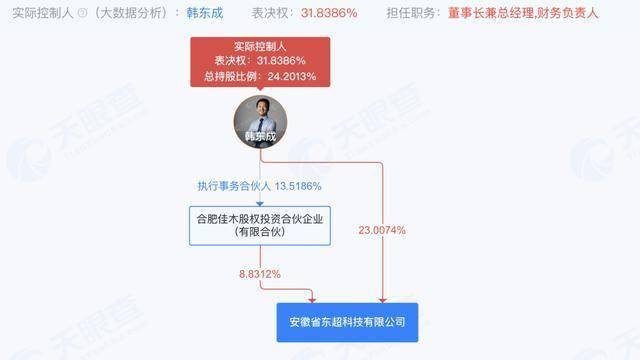
东超科技完成数千万元B++轮融资,董事长韩东成控制32%表决权
Sou Hu Cai Jing· 2025-12-04 09:20
天眼查显示,东超科技实际控制人为韩东成,总持股比例为24.2%,表决权为31.84%。目前,韩东成担 任公司董事长兼总经理、财务负责人。 东超科技成立于2016年8月,是全球虚拟现实与人工智能技术企业、元宇宙领域独角兽企业。公司以人 工智能和虚拟现实技术为主要研发方向,先后承担多项国家、省部级重点研发专项,核心技术入选"国 家重点研发计划颠覆性技术创新重点专项"。 公司自主研发的"无介质空中悬浮成像"技术将科幻电影场景变为现实。该技术应用光场重构原理,基于 矩阵光波导的空中成像方法,依托自主研发的具有负折射功能效应的新型材料(负折射平板透镜),集 成相关交互技术后,实现了空中精准复杂交互式成像系统。 瑞财经 刘治颖 近日,安徽省东超科技有限公司(以下简称"东超科技")完成数千万元B++轮融资。本 轮融资由厦门国资先进一号制造业基金领投,长沙国资、京津冀国家创新中心基金及广东协同创新基金 跟投。 本轮资金将重点用于推动"无介质空中悬浮成像"技术在医疗卫生、文旅展陈、智能座舱、低碳环保、民 生工程等重点领域的在地化应用,同时支持国家重点科研项目的持续攻关。 ...

iOS 26「液态玻璃」缔造者跳槽 Meta,苹果设计团队遭遇大地震
3 6 Ke· 2025-12-04 08:29
Core Insights - Alan Dye, Apple's design director, has announced his departure to join Meta, marking a significant shift in Apple's design leadership [1][11][19] - Dye has been instrumental in major Apple product designs since joining in 2006, including the iPhone, iPad, and the recent Vision Pro [5][8] - His exit is part of a broader trend of high-level departures from Apple, raising concerns about the future of its design team [19][21] Group 1: Alan Dye's Contributions - Alan Dye was responsible for the largest UI update in iOS in 12 years, introducing the Liquid Glass design language [2][9] - He played a key role in the design of various Apple products, including the Apple Watch and the recent Vision Pro, emphasizing user interaction across hardware and software [5][8] - His design philosophy blurred the lines between hardware and software, aiming for a seamless user experience [9][11] Group 2: Meta's Strategic Move - Meta is establishing a new design studio led by Dye, focusing on integrating hardware, software, and AI [11][14] - The recruitment of Dye and his team is part of Meta's strategy to enhance its capabilities in wearable devices and AI, as CEO Mark Zuckerberg believes these will replace smartphones [14][17] - Meta's aggressive hiring strategy includes offering substantial salaries to attract top AI talent, indicating a strong commitment to innovation in this area [17][23] Group 3: Apple's Leadership Changes - The departure of Dye is part of a larger trend of executive turnover at Apple, with several key figures, including COO Jeff Williams and AI head John Giannandrea, recently leaving [19][21] - Apple's design team has faced instability since the departure of Jony Ive in 2019, with many veteran designers leaving for other opportunities [21][23] - Stephen Lemay, a long-time Apple designer, has been appointed to succeed Dye, but concerns remain about the continuity of Apple's design excellence [21][23]


微软关闭Mesh平台,元宇宙战略再遭挫折
Sou Hu Cai Jing· 2025-12-03 16:43
Core Insights - Microsoft officially discontinued its mixed reality collaboration platform, Mesh, on December 1, redirecting users to the immersive event features within Teams [2][3] - The closure of Mesh was anticipated due to its overlapping functionalities with Teams, which also offers immersive space options [2][3] - The shift in focus from the metaverse to AI development has led to the abandonment of significant projects like HoloLens and the U.S. Army contract [3] Summary by Sections Microsoft Mesh Overview - Microsoft Mesh was a mixed reality collaboration platform designed to host meetings and events in a 3D virtual world [4] - The service was closed due to redundancy with Teams and the failure of Microsoft's metaverse strategy [4] Post-Mesh Functionality - Users can still access similar features through Teams, which now integrates the immersive event capabilities previously offered by Mesh [4] - Hosting immersive events in Teams requires specific business Teams licenses and Teams Premium licenses [4] Differences Between Teams and Mesh - The primary distinction lies in participant limits: Teams allows up to 16 participants for immersive meetings, suitable for smaller gatherings, while Mesh supported up to 330 participants for larger events [4]

歌尔股份产品出货量全球领先,融入国际产业链
Qi Lu Wan Bao· 2025-12-03 14:28
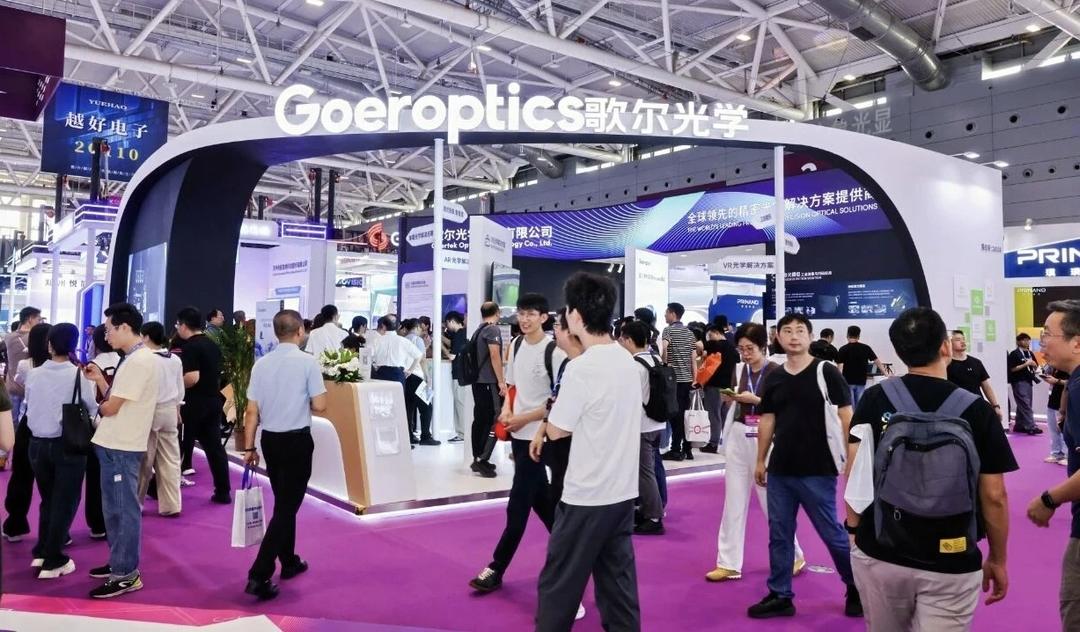
Core Viewpoint - The news highlights the significant growth and strategic initiatives of GoerTek Inc., a technology innovation enterprise from Weifang, which has become a leader in the global acoustic and optical precision components and smart hardware sectors [1][3]. Group 1: Company Overview - GoerTek Inc. was established in 2001 and has developed into a key high-tech enterprise in China, recognized as a national technology innovation demonstration enterprise and a champion in specific manufacturing sectors [1][3]. - The company has consistently ranked among the top 500 enterprises in China and the top 500 private enterprises, with a goal to be included in the Fortune China Technology 50 list by 2025 [1]. Group 2: Strategic Initiatives - GoerTek is deeply integrated into global supply chains, targeting international markets and leading in product shipments of micro speakers, MEMS acoustic sensors, virtual reality, and smart wearables [3]. - The company is enhancing collaboration with global strategic clients and exploring the integration of AI with smart terminals, as well as developing new technologies and products for the metaverse [3]. Group 3: Innovation and Talent Development - GoerTek is spearheading the establishment of the National Virtual Reality Innovation Center and collaborating with renowned universities to promote talent cultivation through industry-education integration [3]. - The company is implementing targeted talent acquisition plans and plans to strengthen its talent development efforts to support the growth of emerging industries [3]. Group 4: Future Outlook - As the AI revolution accelerates, GoerTek aims to seize development opportunities, expand its production layout in Weifang, and enhance its smart manufacturing model to create a globally competitive AI and metaverse industry cluster [4].

凝聚资本之力,照亮未来之路
Sou Hu Cai Jing· 2025-12-03 13:05
Core Insights - The article emphasizes the transformative power of funds, viewing them not merely as financial instruments but as carriers of historical wisdom, institutional trust, and future vision, providing a profound perspective on the modern financial ecosystem [1] Historical Context - The evolution of funds is traced from the establishment of the world's first contractual fund in 1868 to the development of the U.S. venture capital landscape over the past seventy years, and the rise of China's fund industry from "Zhu Xin Fund" to a significant player in the global capital market [3] - The Suzhou Fund Museum is highlighted as a key institution preserving and narrating this history, utilizing various multimedia methods to make abstract financial concepts tangible for the public [4] Conceptual Framework - The article presents deep insights from prominent figures in finance, emphasizing that the core of funds lies in the integration of trust, wealth management, and values, which elevates the discussion from a technical to a value-based perspective [6] - The discourse includes critiques of the current financial market's short-term profit focus and underscores the importance of long-termism in fostering new productive forces [6][7] Patience Capital - "Patience capital" is identified as a strategic pillar for China's capital market, characterized by long-term orientation, stability, and a higher risk tolerance, which is essential for supporting the development of new industries [8] - As of June 2024, China has 24,344 active venture capital funds with a total scale of 3.3 trillion, providing robust support for technology innovation [9] Fund Safety - The safety of funds is a critical concern, with China having over 20,000 GP management teams and more than 60,000 funds, raising questions about the reliability of these investments [12] - The article reflects on the rapid growth of the fund industry in China compared to the U.S., highlighting the need for safety and trust in this expanding market [12] Practical Narratives - The article employs case studies to illustrate the journey of IDG Capital from replicating Silicon Valley models to leading China's internet sector, showcasing the growth trajectory of domestic venture capital institutions [26] - It also addresses the lessons learned from early market imperfections and discusses current trends in ESG investment and smart finance [26] Future Outlook - The article captures the evolving role of funds in shaping the future, with AI and algorithms transforming investment decisions and ESG becoming a core metric for investment value [17] - Funds are positioned as not only wealth amplifiers but also as strategic forces in driving national core industry development and addressing significant social needs [17][18]

奥雅股份(300949.SZ):将致力于通过打造标志性空间和创造美好线下体验,为“首发经济”不断赋能
Ge Long Hui· 2025-12-03 07:22
Core Viewpoint - Aoya Co., Ltd. positions itself as a scene enabler within the "first launch economy" ecosystem, focusing on creating iconic spaces and enhancing offline experiences [1] Group 1: Company Overview - Aoya Co., Ltd. is involved in the "first launch economy" and aims to empower this sector through innovative space creation [1] - The company operated the "Big Granary" metaverse experience space in 2022, which served as a significant offline venue for metaverse experiences [1] Group 2: Future Plans - Aoya Co., Ltd. is committed to continuously enhancing the "first launch economy" by developing distinctive spaces and providing enjoyable offline experiences [1] - The "Big Granary" venue, which combined the concepts of a "first store" and "first exhibition," is set to close in March 2024 [1]