
体育经济

Search documents
商务部:本届进博会将展示461项新产品、新技术、新服务
Zheng Quan Shi Bao Wang· 2025-10-28 02:24
人民财讯10月28日电,国新办就第八届中国国际进口博览会筹备情况举行新闻发布会。商务部副部长盛 秋平表示,本届进博会将展示461项新产品、新技术、新服务,让中国大市场成为全球创新的试验场、 利润场、应用场。不断拓展现代产业新赛道。展示低空经济、人形机器人等未来产业。新一代信息技术 与人工智能、绿色低碳等领域全球领军企业,将展示最新成果。持续引进升级需求新供给。引入银发经 济、冰雪经济、体育经济、汽车文旅等新题材,导入数字消费、健康消费等新平台,助力扩大商品和服 务消费,发展新型消费。广泛凝聚开放合作新共识。将有8位诺贝尔奖获得者等顶尖学者参加虹桥论 坛,400余位政商学界知名人士共商共议全球治理和开放合作议题,发布21项成果文件。 ...
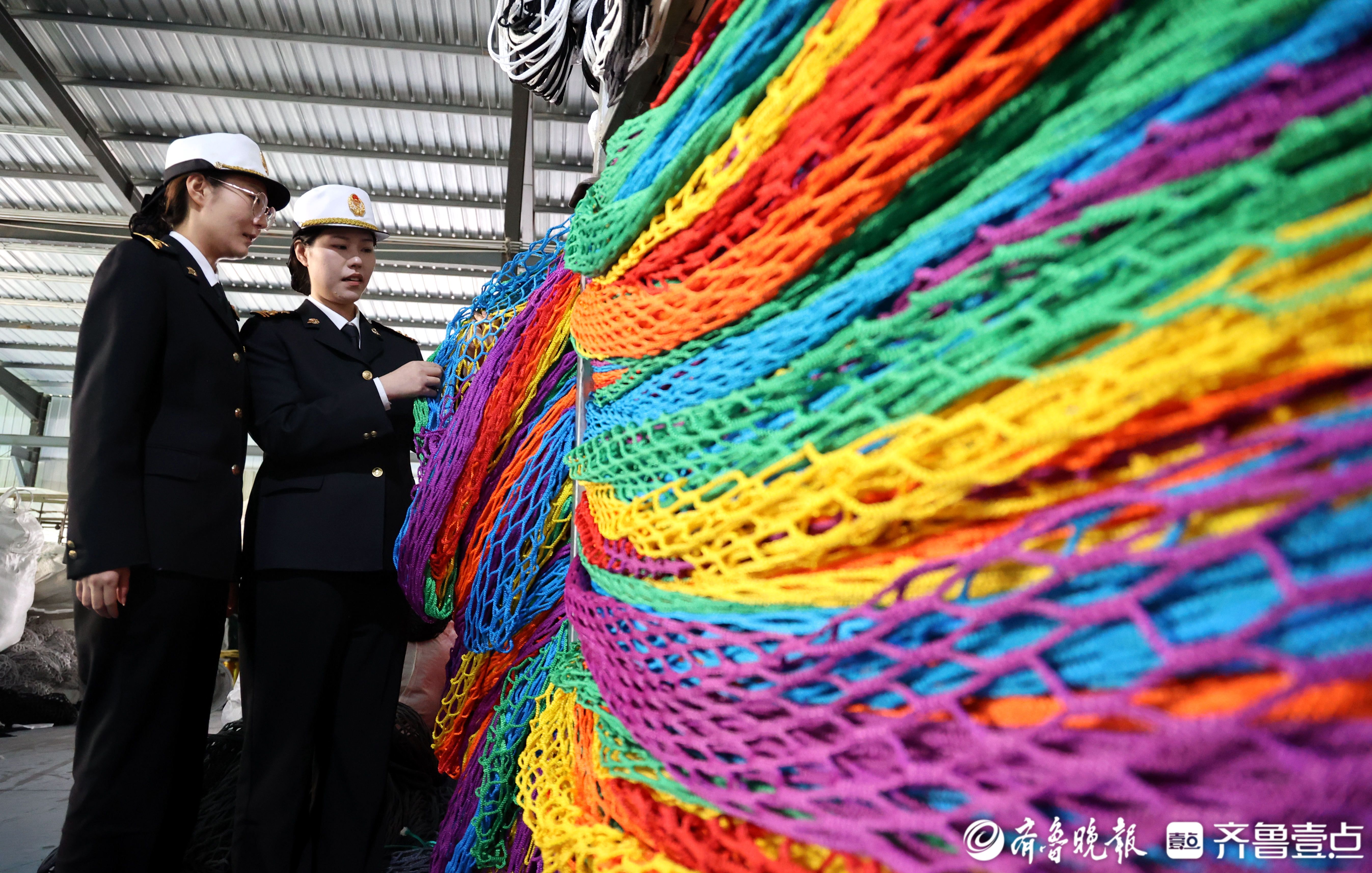
山东出口连续7个季度保持增长,主要亮点有这3项
Qi Lu Wan Bao· 2025-10-16 08:07
Core Insights - Shandong's exports have maintained growth for seven consecutive quarters, achieving historical highs despite external pressures, showcasing resilience and vitality [1][4]. Group 1: Traditional Advantage Products - Traditional advantage products in Shandong are being upgraded, stimulating new momentum. The province's complete industrial system and focus on technological and industrial innovation have led to significant growth in exports of traditional products such as ships, commercial vehicles, engineering machinery, textiles, and gaming machines, contributing over 60% to export growth [1][4]. - In the first three quarters, Shandong exported retail packaging for pet food worth 5.18 billion yuan, accounting for nearly 70% of the national total, and exports of fitness and rehabilitation equipment grew over 20%, with 18.3% of these products sold in Europe and the U.S. [1][4]. Group 2: Emerging Industries - Shandong is focusing on high-end, intelligent, and green development, fostering a high-tech and high-value export product system. In the first three quarters, high-tech product exports reached 142.57 billion yuan, growing by 29.9%, with high-end equipment growing by 37.3%, electronic information by 28.2%, and instruments by 30.6% [4]. - The province is accelerating its green and low-carbon transformation, with "new three samples" products seeing a 29.6% increase in exports, and wind turbine sets and parts growing by 23.7% [4]. Group 3: Diverse Trade Partners - The initiative "Ten Thousand Enterprises Go Global" has significantly expanded Shandong's export reach to over 240 countries and regions, creating a more balanced and diverse foreign trade network. Exports to emerging markets have seen notable growth, with increases of 6.3% to ASEAN, 39.2% to Africa, 5.1% to Latin America, 10% to the Middle East, and 40.2% to Central Asia [4]. - Exports to traditional markets such as the EU and the UK have also outpaced overall growth, increasing by 10.7% and 11%, respectively [4].

释放体育经济新动能
Jing Ji Ri Bao· 2025-10-15 22:12
Group 1 - The core viewpoint of the articles highlights the growing significance of the sports economy in driving economic development and transformation, with a focus on the upcoming 2025 International University Sports Federation Football World Cup in Dalian, which features teams from 17 countries [1] - The total scale of China's sports industry reached 3.67 trillion yuan in 2023, with an average annual growth rate of 10.3%, and the government aims to exceed 7 trillion yuan by 2030 through various initiatives [1] - The integration of sports events with cultural, tourism, and commercial sectors is becoming a key strategy for regional economic transformation and brand enhancement, creating a complete consumption chain [2] Group 2 - Financial support is crucial for the sustainable development of the sports economy, with recent guidelines from the People's Bank of China and other departments aimed at enhancing financial services tailored to the sports industry [3] - Expanding sponsorship channels and collaboration with event sponsors and operators is essential for boosting local event funding and enhancing the overall economic impact of sports events [2] - The government emphasizes the need for a multi-layered and comprehensive financial product and service system to support the growth of the sports industry [3]
赛事IP点燃“双节” “票根经济”打造消费新场景
Zheng Quan Ri Bao· 2025-10-08 16:07
Group 1 - The "Double Festival" period has seen a surge in sports events across the country, becoming a significant growth driver in the holiday economy, with over 29,000 cultural and sports tourism integration activities planned, a 12% increase from last year [1] - Major international events such as the 2025 Shanghai Rolex Masters and the World Rowing Championships are taking place, highlighting the importance of localizing event IPs and cultivating proprietary brands within the sports industry [3] - The Shanghai Rolex Masters has seen high consumer engagement, with merchandise sales thriving and significant foot traffic at event-related venues, indicating strong spectator interest and spending [4] Group 2 - The concept of "second venue" consumption is emerging, with significant economic impact observed from event-related activities outside the main event locations, such as increased customer traffic in nearby shops and restaurants during events [4] - The potential value of event tickets is being further explored, with various promotions linked to ticket purchases, enhancing consumer engagement and driving sales in associated businesses [5] - The sports economy is becoming a new consumption engine, with online retail sales of sports goods exceeding 210 billion yuan in the first half of the year, reflecting a nearly 20% year-on-year growth [5][6]

体育产业链公司乘政策东风加码布局
Zheng Quan Ri Bao· 2025-09-10 16:41
Group 1 - The State Council's recent policy document aims to unleash the potential of sports consumption and promote high-quality development in the sports industry, generating significant market interest [1] - Companies like Beijing Qianfang Technology Co., Ltd. are leveraging the integration of sports with culture and tourism, with AI technology providing expansive opportunities for business growth [1] - The smart sports equipment sector is expected to accelerate its transformation, with emerging products like smart wearables and VR sports gear projected to see significant growth due to favorable policies [1] Group 2 - Chengshi Sports has successfully integrated its SmartShotAI product with Alibaba's general model, significantly reducing R&D and server costs, and is currently utilized in high-level events [2] - The sports economy has substantial growth potential, particularly in the event economy, where enhancing ticket sales and developing a multi-tiered event system can amplify the "ticket root economy" effect [2] - The deep integration of sports with technology, healthcare, and tourism is anticipated to create new business models and growth points, continuously empowering the industry [2]
重大利好!体育板块强势拉升
Zheng Quan Ri Bao Zhi Sheng· 2025-09-05 05:33
Group 1 - The core viewpoint of the news is that the Chinese sports industry is expected to experience significant growth, supported by government policies aimed at enhancing sports consumption and industry quality by 2030, with a target industry scale exceeding 7 trillion yuan [1] - The State Council's recent document outlines 20 specific measures to stimulate the sports industry, including financial innovations like intellectual property pledge loans to alleviate financing difficulties for small and medium-sized enterprises [1] - The increase in disposable income among the population is seen as a driving force for the sports industry, with expectations that higher income will lead to increased spending on sports activities [2] Group 2 - The sports event industry chain includes various segments such as IP operation, broadcasting, copyright management, ticketing, cultural products, and fan engagement, indicating a large and complex industry structure [2] - The popularity of football event IPs has surged this year, exemplified by the Jiangsu Province City Football League, which saw average attendance rise from 8,798 to over 15,000, and sponsorships increase significantly [2] - The multiplier effect of sports economics on the consumer market is becoming increasingly evident, with data showing substantial increases in local food searches and orders following sports events, indicating a strong economic impact [3] Group 3 - The integration of sports events with tourism and cultural activities is creating a synergistic effect, enhancing user experience and reducing marginal costs, thus opening new growth avenues for the industry [3] - Events like marathons are effectively linking urban landmarks, local cuisine, and cultural products, promoting extended stays and family spending, which translates event traffic into economic growth [3] - This deep integration of sports with non-material cultural heritage and tourism is not only driving economic growth but also enhancing city brand value and providing new pathways for urban renewal [3]
算体育赛事的“经济账”:从竞技到经济
Huachuang Securities· 2025-08-29 12:11
Group 1: Economic Potential of Sports Events - The recent "Scottish Super League" generated nearly 38 billion in revenue from tourism, travel, dining, accommodation, and sports within just six rounds of matches, highlighting the immense potential of sports economics[1] - The Chinese sports consumption as a percentage of income is approximately 0.84%, comparable to the average of 0.85% in developed economies like the US, UK, Japan, and South Korea[2] - The per capita sports consumption expenditure in China is less than 40 USD, which is about 1/6 of the average in major developed countries[4] Group 2: Structure of Sports Consumption - In 2020, over 60% of China's sports consumption was on physical goods, significantly higher than the EU's 35% and close to the US's 2005 level[5] - Spending on services such as watching events and fitness only accounted for 11% of total sports consumption in China, compared to about 20% in the US in 2005[5] - The sports service sector in China, particularly in events, lags behind the US, where the value added from sports events accounted for 32% of the sports industry in 2014, while in China it was only 2% in 2023[3] Group 3: Economic and Employment Impact of Sports Events - The estimated contribution of sports events to China's GDP is around 0.1%, which is significantly lower than the 0.4%-0.5% seen in Europe and the US[6] - Employment in the sports industry in China accounts for about 0.15% of the total workforce, lower than the 0.5% in the UK and US, indicating a need for improvement in employment absorption capacity[8] - The correlation between income levels and sports consumption is strong, with a correlation coefficient of 0.88 across 23 sample provinces and cities, suggesting that increasing income is crucial for boosting sports consumption[4]
张瑜:从竞技到经济——算算体育赛事的“经济账”
一瑜中的· 2025-08-29 08:34
Core Viewpoint - The core constraint on the development of China's sports economy lies not in consumer willingness but in income levels and industrial structure [3][4]. Group 1: Consumption Potential - Income is the decisive factor for sports consumption, with China's sports consumption as a percentage of income comparable to developed countries at approximately 0.84% in 2020, while per capita sports spending is less than $40, which is 1/6 of the average in major developed countries [3][5]. - There is a strong correlation between regional income levels and sports consumption, with a correlation coefficient of 0.88 across 23 sample provinces and cities, indicating that higher income leads to increased sports spending [5][15]. - Japan's experience shows that sports consumption rises during economic upturns and declines during stagnation, emphasizing that income is a critical determinant of sports spending [18][20]. Group 2: Consumption Structure - China's sports consumption is heavily weighted towards physical goods, with over 60% of sports spending on tangible products in 2020, significantly higher than the EU's 35% and close to the U.S. in 2005 [6][23]. - Service consumption in sports, particularly for viewing and fitness, is low at only 11%, compared to about 20% in the U.S. in 2005, indicating a need for a shift towards service-oriented spending [7][23]. - Even in high-income regions like Beijing and Xiamen, physical goods dominate sports spending, suggesting untapped potential for service consumption [25]. Group 3: Event Economy - Currently, the economic impact of sports events in China is limited, contributing approximately 0.1% to GDP, which is lower than the 0.4%-0.5% seen in Europe and the U.S. [8][29]. - The supply side of sports events in China lacks the scale and quality seen in the U.S., where top leagues generate billions in revenue, while Chinese leagues like CBA and CSL are significantly smaller [34][36]. - Employment absorption in the sports industry is low, with only 0.15% of the workforce engaged in sports-related jobs, compared to about 0.5% in the U.S. and U.K., indicating room for growth in this sector [9][38].

研究员:体育赛事成为拉动城市经济发展、消费的新引擎
Xin Lang Cai Jing· 2025-08-28 03:00
Group 1 - The core viewpoint is that the domestic sports economy in China is thriving, with the integration of sports events and various industries such as tourism, dining, and retail creating a synergistic effect that drives urban economic development and consumption [1] - Motorsports, particularly Formula 1 (F1), is highlighted as a major global sporting event, ranking third after the Olympics and the World Cup, indicating its significant market potential [1] - The increasing interest in motorsports among the Chinese population, driven by rising living standards and a growing automotive culture, suggests a promising future for the industry [1] Group 2 - Karting is identified as the entry point for all motorsports, with a notable increase in the number of events and participants, particularly among younger age groups, reflecting the growing popularity of motorsports in China [1] - The current development of Chinese motorsport culture is in its early stages, but the overall market space is expanding rapidly, presenting an optimal time for industry growth [1]
十五运会东风助推我省体育事业高质量发展
Nan Fang Ri Bao Wang Luo Ban· 2025-08-20 07:40
Group 1: Core Perspectives - Sports play a crucial role in improving public health, fulfilling people's aspirations for a better life, promoting comprehensive development, driving economic and social progress, and showcasing national cultural soft power [1] - The upcoming 15th National Games is a significant event, with various community sports events actively taking place in Guangdong, and preparations entering the final stages [1] Group 2: Community Sports and Health - The enthusiasm for community sports is evident, with over a million participants in preliminary and "I want to participate in the National Games" events, creating a vibrant atmosphere leading up to the 15th National Games [2] - By the end of 2024, the per capita sports facility area in Guangdong is expected to reach 2.91 square meters, supported by a comprehensive network of sports parks and fitness facilities [2] Group 3: Sports Events and Participation - Guangdong hosts approximately 4,000 county-level and above sports events annually, with a focus on creating high-quality sports events that reflect local cultural characteristics [3] - By the end of 2024, 38.3% of the population is expected to regularly participate in sports, with 95.1% of residents meeting national physical fitness standards [3] Group 4: Competitive Sports Achievements - Guangdong athletes have achieved remarkable results in various competitions, including 3 golds, 8 silvers, and 2 bronzes at the first National Youth Athletics Championships [4] - During the 2024 Paris Olympics, Guangdong athletes are projected to win 8 golds, 4 silvers, and 4 bronzes, marking the best performance in the province's Olympic history [4] Group 5: Economic Impact of Sports - The sports economy in Guangdong has seen significant growth, with the sports industry scale ranking first in the country, contributing to high-quality economic development [7] - The value added by the sports service industry increased from 66.45% in 2019 to 68.29% in 2023, indicating a strengthening of the service sector's dominance [7] Group 6: Innovation in Sports Consumption - Guangdong is enhancing sports consumption by diversifying sports activities and creating new consumption scenarios, particularly in conjunction with the upcoming National Games [8] - The province aims to integrate cultural and tourism resources during the National Games, promoting a new "watching events + tourism" consumption model [8]