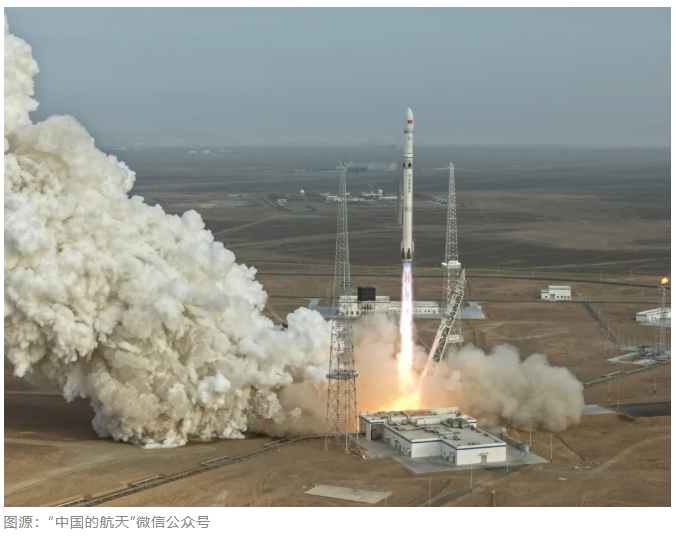
可重复使用火箭技术

Search documents
商业航天“蓄势待发”:火箭射上去,价格打下来
第一财经· 2025-12-26 13:06
Core Viewpoint - The article emphasizes that the Chinese commercial aerospace industry is entering a rapid development phase, driven by government policies and capital investments, particularly in the areas of rocket launches and satellite applications [3][4][5]. Group 1: Policy and Investment - The National Venture Capital Guidance Fund has officially started operations, focusing on increasing investments in early-stage projects in aerospace and other innovative sectors [3]. - The Shanghai Stock Exchange has released guidelines for commercial rocket companies, allowing them to apply for listing under specific standards that emphasize "hard technology" attributes [3]. Group 2: Industry Development and Challenges - The commercial aerospace industry is facing a bottleneck in rocket launches, characterized by low supply, insufficient payload capacity, and high costs, which limits the economic feasibility of deploying large satellite constellations [7][10]. - The industry is experiencing a significant push for rocket capacity expansion, particularly for satellite internet and space computing deployments, with companies like Zhongke Xingtou actively engaging in the entire aerospace value chain [7][11]. Group 3: Technological Advancements and Market Dynamics - The focus on reducing costs through the maturation of reusable rocket technology and the mass production of satellites is critical for the industry's future [8][12]. - The successful launch of new rocket models and the ability to secure customer orders are essential for establishing a sustainable commercial value in the aerospace sector [12][16]. Group 4: Market Growth and Financial Metrics - By 2025, the Chinese commercial aerospace industry is projected to reach a scale of 2.5 to 2.8 trillion yuan, with an annual growth rate exceeding 20% and over 600 companies operating in the sector [15]. - The total financing in the industry is expected to reach 18.6 billion yuan in 2025, with satellite applications receiving the highest funding [15]. Group 5: Regulatory Environment and Future Directions - The establishment of the Commercial Aerospace Department aims to enhance regulatory efficiency and coordination across various aspects of the industry, including launch approvals and satellite operation licenses [18]. - The focus for the future will be on creating a commercial closed-loop system and optimizing regulatory frameworks to support large-scale, high-adhesion commercial applications [15][17].


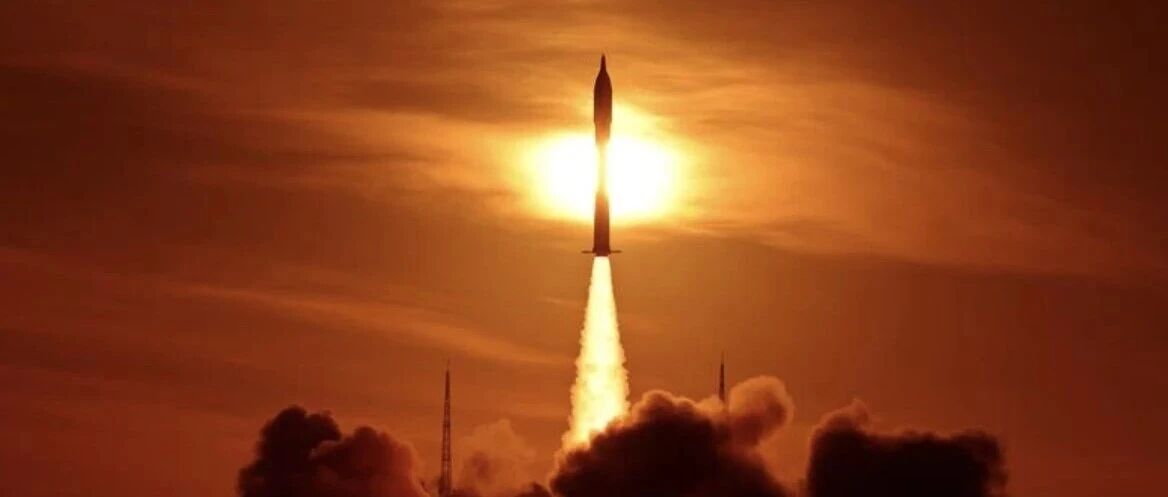
商业火箭企业科创板上市标准来了
2 1 Shi Ji Jing Ji Bao Dao· 2025-12-26 12:56
作者丨赵云帆 编辑丨张伟贤 近日,上交所发布《上海证券交易所发行上市审核规则适用指引第9号——商业火箭企业适用科创板第五套上市标准》(以下简称《指引》),支持正处 于大规模商业化关键时期的商业火箭企业,适用第五套上市标准登陆科创板,科创板"1+6"改革举措又一项成果落地。 商业火箭行业承担商业航天领域 "承上启下"重要职能 在商业航天"星、箭、场、测、用"的全产业链中,商业火箭研制及发射业务作为商业航天中游核心环节,承担"承上启下"职能。我国商业航天领域存在 着"星多箭少、运力不足"的现象。商业火箭是实现星座组网"从0到1、从1到N"突破的核心支撑,其关键核心技术突破进度与产能提升水平,既是推动商业 航天产业高质量发展的核心引擎,更是保障产业持续发展的关键。受到技术复杂、资金投入大、研发周期长等多种因素影响,我国商业火箭行业正处于大 规模商业化的关键时期,亟需发挥资本市场的支持作用。 根据《行动计划》相关要求,航天运输系统重点支持低成本、高可靠、快响应、可复用的商业运载火箭建设发展。目前,中国商业火箭企业超过20家,多 数已实现固体火箭或小型液体火箭的成功入轨。2025年12月3日,朱雀三号成功完成首飞入轨, ...
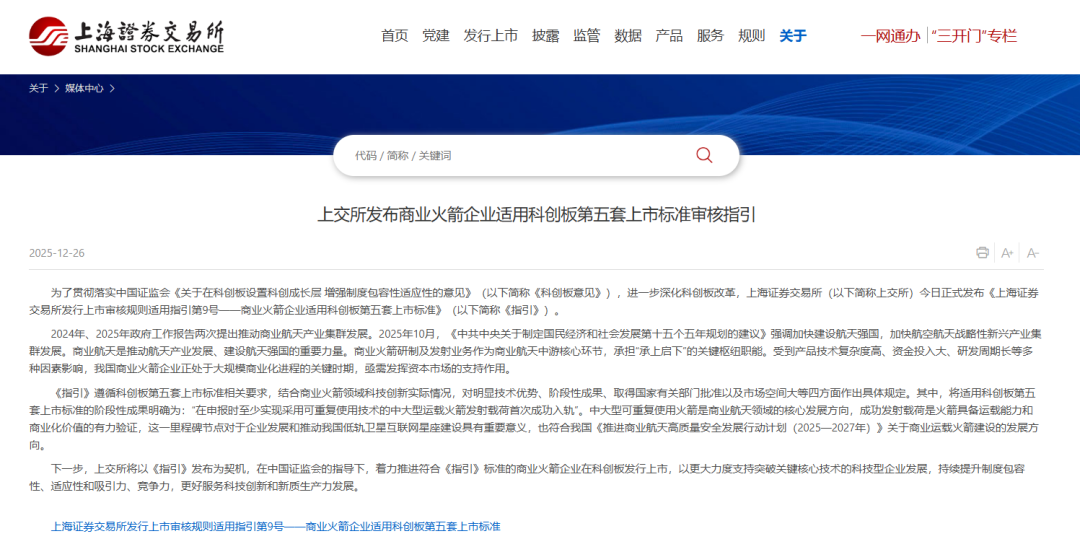
商业火箭企业科创板上市标准来了
21世纪经济报道· 2025-12-26 12:31
近日,上交所发布《上海证券交易所发行上市审核规则适用指引第9号——商业火箭企业适 用科创板第五套上市标准》(以下简称《指引》),支持正处于大规模商业化关键时期的商 业火箭企业,适用第五套上市标准登陆科创板,科创板"1+6"改革举措又一项成果落地。 作者丨赵云帆 编辑丨张伟贤 发展商业航天具有重大国家战略意义 近年来,商业航天作为大国科技竞争与产业布局的战略制高点,其重要性已超越单一产业范 畴,成为关乎国家综合国力重大战略。 2015年,国家发展改革委等多部门联合颁布《国家民用空间基础设施中长期发展规划 (2015—2025年)》。 2023年中央经济工作会议进一步明确将商业航天作为战略性新兴产业,2024年和2025年商 业航天连续两年写入政府工作报告,"十五五"规划建议明确提出"加快建设航天强国"的战略 目标。 2025年11月25日,国家航天局印发《国家航天局推进商业航天高质量安全发展行动计划 (2025—2027年)》(以下简称《行动计划》),首份聚焦商业航天的国家级三年行动路 线图正式出台,我国商业航天发展迎来重要战略机遇期。 商业火箭行业承担商业航天领域 "承上启下"重要职能 为了进一步支持商业航天 ...
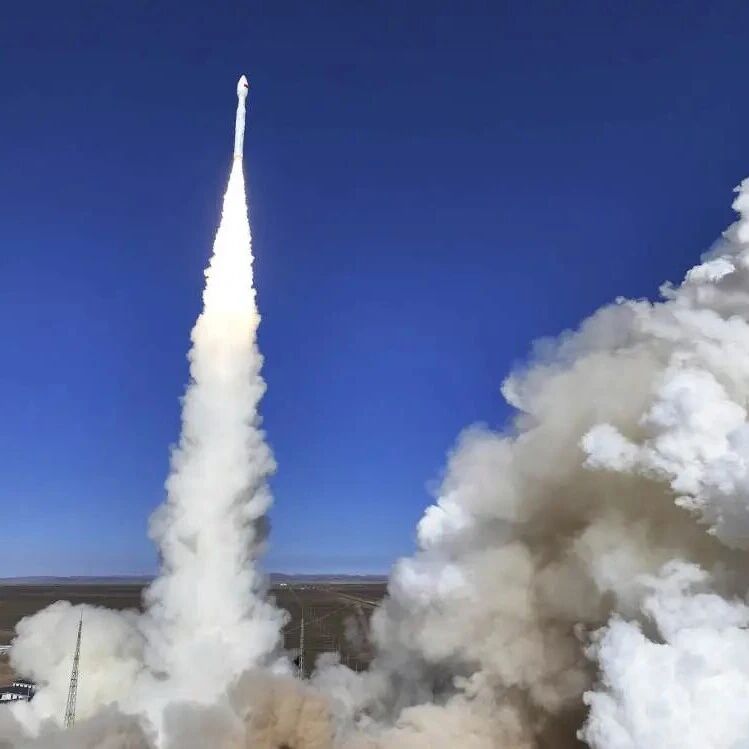
商业航天“蓄势待发”:火箭射上去,价格打下来
Di Yi Cai Jing· 2025-12-26 12:16
Core Insights - The Chinese commercial space industry is experiencing a significant push due to favorable policies and capital influx, with the National Venture Capital Guidance Fund officially launched to support early-stage projects in aerospace [1] - The industry is currently facing a "three shortages" situation: a lack of rockets, launch sites, and satellites, which poses a bottleneck for development [5][9] Group 1: Industry Development - The launch of the National Venture Capital Guidance Fund aims to enhance investment in early-stage aerospace projects, particularly in active innovation regions [1] - The Shanghai Stock Exchange has released guidelines for commercial rocket companies, emphasizing the importance of "hard technology" and prioritizing companies involved in national projects [1] - The commercial space sector is expected to grow significantly, with projections indicating a market size of 2.5-2.8 trillion yuan by 2025, with a compound annual growth rate of over 20% [10] Group 2: Technological Advancements - The industry is at a critical juncture for technological breakthroughs and scale expansion, focusing on reducing costs through reusable rocket technology and mass satellite manufacturing [4] - The successful launch of the "Yixian-A" satellite by a student team demonstrates the potential for innovative satellite applications in the commercial space sector [2] - Companies are accelerating technological advancements, with expectations for new rocket models to achieve competitive launch costs close to those of SpaceX by 2025-2026 [7] Group 3: Market Dynamics - The current imbalance in the commercial space ecosystem highlights the rocket launch segment as a key constraint, with limited supply and high costs affecting satellite deployment [3] - The demand for satellite resources is increasing, but the supply of launch sites is insufficient, leading to delays in satellite launches [8][9] - The industry is witnessing a surge in IPO activities, with over 10 companies initiating listing processes, primarily in rocket manufacturing [5][6] Group 4: Regulatory Environment - The establishment of the Commercial Space Administration aims to enhance regulatory efficiency and support the development of the commercial space sector [13] - The recent action plan emphasizes the need for low-cost, reliable, and reusable rockets, as well as the development of commercial launch sites and integrated measurement and control systems [12][13] - The industry is encouraged to explore new application scenarios and products to support a trillion-level market [11]
商业火箭企业科创板上市标准来了!
2 1 Shi Ji Jing Ji Bao Dao· 2025-12-26 10:59
Group 1 - The Shanghai Stock Exchange has released guidelines to support commercial rocket companies in meeting the fifth listing standard on the Sci-Tech Innovation Board, marking another achievement of the "1+6" reform initiative [1] - The development of commercial aerospace is of significant national strategic importance, with the government emphasizing its role in enhancing national strength and competitiveness [2] - The commercial rocket industry plays a crucial role in the commercial aerospace sector, addressing the current imbalance of "many satellites but few rockets" and is essential for the high-quality development of the industry [3] Group 2 - The capital market is accelerating the development of the entire commercial aerospace industry chain, with various companies successfully listing on the Sci-Tech Innovation Board, indicating a growing trend in this sector [4] - The China Securities Regulatory Commission has introduced measures to enhance the inclusivity of the Sci-Tech Innovation Board, allowing commercial rocket companies to apply for the fifth listing standard, which has led to several IPO applications [5] - The guidelines provide a clear pathway for commercial rocket companies to access capital markets, which will help them overcome technological challenges and promote the development of reusable rockets [6][9] Group 3 - The guidelines specify requirements for commercial rocket companies, including having significant technological advantages, achieving milestone results, and obtaining necessary approvals from relevant authorities [6][7] - The milestone requirement for companies applying for the fifth listing standard is to have successfully launched a medium to large reusable rocket with payloads, which is crucial for validating their commercial viability [8] - The guidelines aim to enhance the adaptability and inclusivity of the listing process, focusing on the functional design of products rather than mandating recovery tasks during initial flights [9]
正在崛起的万亿级市场,势成中美最大必争之地
财富FORTUNE· 2025-12-25 13:06
Core Viewpoint - The article highlights the burgeoning commercial space sector as a critical battleground for technological and capital supremacy between the U.S. and China, with significant IPOs and investments expected in the near future [1][3]. Group 1: U.S. Developments - A special purpose acquisition rights (SPARCs) proposal by investor Bill Ackman allows Tesla shareholders to invest directly in SpaceX, potentially leading to a historic IPO valued at $1.5 trillion [3]. - SpaceX has launched over 10,000 satellites for its Starlink project, aiming for a constellation of 42,000 satellites, dominating nearly 80% of low Earth orbit capacity [5]. - SpaceX's Falcon 9 rocket has a recovery success rate exceeding 91%, significantly reducing launch costs to approximately 20,000 RMB per kilogram [6]. Group 2: Chinese Developments - Chinese companies like Blue Arrow Aerospace and Star River Power are preparing for IPOs, marking 2025 as a pivotal year for the commercialization of space in China [3][10]. - China has applied for a total of 51,300 low Earth orbit satellites but has only deployed around 300, indicating a significant gap compared to SpaceX [5]. - The Chinese government has integrated commercial space into its national strategy, with policies supporting the development of reusable rocket technology [7]. Group 3: Technological Competition - The core engine of the new space race is reusable rocket technology, which is essential for reducing launch costs and unlocking a trillion-dollar market [6][8]. - SpaceX's Starship has a near-Earth orbit capacity of 150 tons, while China's Long March 5 can only carry about 25 tons, highlighting a substantial technological gap [6]. - The collaboration between state-owned enterprises and private companies in China aims to accelerate advancements in space technology, contrasting with the U.S. model that heavily relies on NASA and private capital [9]. Group 4: Market Potential - The Chinese commercial space market is projected to grow from approximately 0.38 trillion RMB in 2015 to 2.3 trillion RMB by 2024, with a compound annual growth rate of 22% [10]. - The market is expected to surpass 2.8 trillion RMB by 2025, driven by advancements in rocket and satellite manufacturing, as well as ground applications [10]. - The introduction of satellite mobile communication services by major telecom operators and the development of satellite-enabled smartphones signal the emergence of a consumer market for satellite internet [11]. Group 5: Strategic Implications - The competition in commercial space is fundamentally about controlling future global infrastructure in the digital age, with no definitive endpoint [12]. - The ongoing race reflects a broader struggle for technological and economic dominance between the U.S. and China, reminiscent of historical challenges faced during the space race [12].
蓝箭航天,冲刺 “商业航天第一股”
财联社· 2025-12-25 03:23
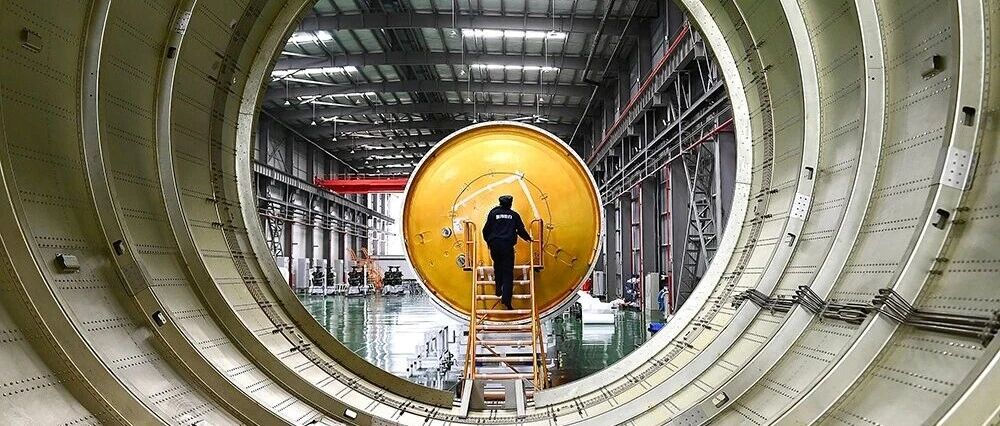
Core Viewpoint - The article highlights the significant progress of Blue Arrow Aerospace in the commercial aerospace sector, particularly its completion of IPO counseling, positioning it to become the first commercial aerospace stock on the Sci-Tech Innovation Board [4][7]. Group 1: Company Overview - Blue Arrow Aerospace, founded in 2015, is one of the earliest private rocket companies in China, focusing on the development of medium to large liquid oxygen-methane launch vehicles [7]. - The company aims to establish a full industry chain encompassing research, manufacturing, testing, and launching [7]. Group 2: Recent Developments - Blue Arrow Aerospace completed its IPO counseling on July 29, 2023, with the support of China International Capital Corporation (CICC), and is expected to submit its prospectus soon [6][7]. - The company successfully launched the world's first liquid oxygen-methane rocket, Zhuque-2, in July 2023, and followed up with the successful first flight of Zhuque-3 in December 2023, marking a breakthrough in reusable rocket technology [8][14]. Group 3: Technological Advancements - Zhuque-3 is designed for large satellite constellations, featuring a reusable design that allows for up to 20 launches, with a goal to reduce the cost per kilogram to below 20,000 RMB [9][10]. - The rocket's development timeline is notably rapid, with the entire process from project initiation to first flight taking approximately 28 months [9]. Group 4: Market Context - The commercial aerospace sector in China is experiencing a wave of IPOs, with several companies, including Star River Power and Zhongke Aerospace, also preparing for market entry by 2025 [5][16]. - The article notes a significant gap in launch costs, with current market rates for satellite launches ranging from 50,000 to 150,000 RMB per kilogram, indicating a potential market opportunity for Blue Arrow Aerospace's cost-effective solutions [10][11]. Group 5: Investment Landscape - Blue Arrow Aerospace has attracted over 500 million RMB in investments within its first three years, with a current valuation of 20 billion RMB, supported by prominent investors such as Sequoia China and Matrix Partners [15]. - The recent policy changes by the China Securities Regulatory Commission to support unprofitable companies in the commercial aerospace sector have further fueled interest in IPOs within this industry [15][16].

彻底疯狂!溢价高达70%,引来众多投资者疯狂套利!连续三天涨停,却闹出乌龙?
雪球· 2025-12-24 08:57
Market Overview - The A-share market closed with the Shanghai Composite Index up 0.53%, Shenzhen Component Index up 0.88%, and ChiNext Index up 0.77%. The total market turnover was 1,897.2 billion yuan, a decrease of 24.1 billion yuan from the previous day. Over 4,100 stocks in the market rose [2]. Silver Fund Surge - The domestic silver fund, Guotou Silver LOF, experienced a continuous three-day limit-up with a premium of 68.16%. The price of silver has surged by 150.07% year-to-date, leading to significant interest in this fund [5][6]. - The fund's management has issued 12 premium risk warning announcements since December, attempting to cool down the market due to the high premium [6][8]. - Investors are engaging in arbitrage operations, but the LOF's arbitrage mechanism faces multiple restrictions, including strict subscription limits and T+2 transfer processes, which may pose risks [7]. Commercial Aerospace Sector - The commercial aerospace sector saw a significant surge, with multiple stocks hitting the daily limit. Key events include the upcoming 2025 Commercial Aerospace Development Conference and the successful maiden flight of the Long March 12 rocket [10][12][13]. Semiconductor Tariff Delay - The semiconductor sector rose by 1.95%, with several stocks increasing over 10%. The U.S. government announced a delay in the planned tariff increase on Chinese semiconductor products until June 2027, maintaining the current tax rate at 0% [14][18].



“国家队”可复用火箭首飞 虽未能回收但基本成功
Mei Ri Jing Ji Xin Wen· 2025-12-23 06:26
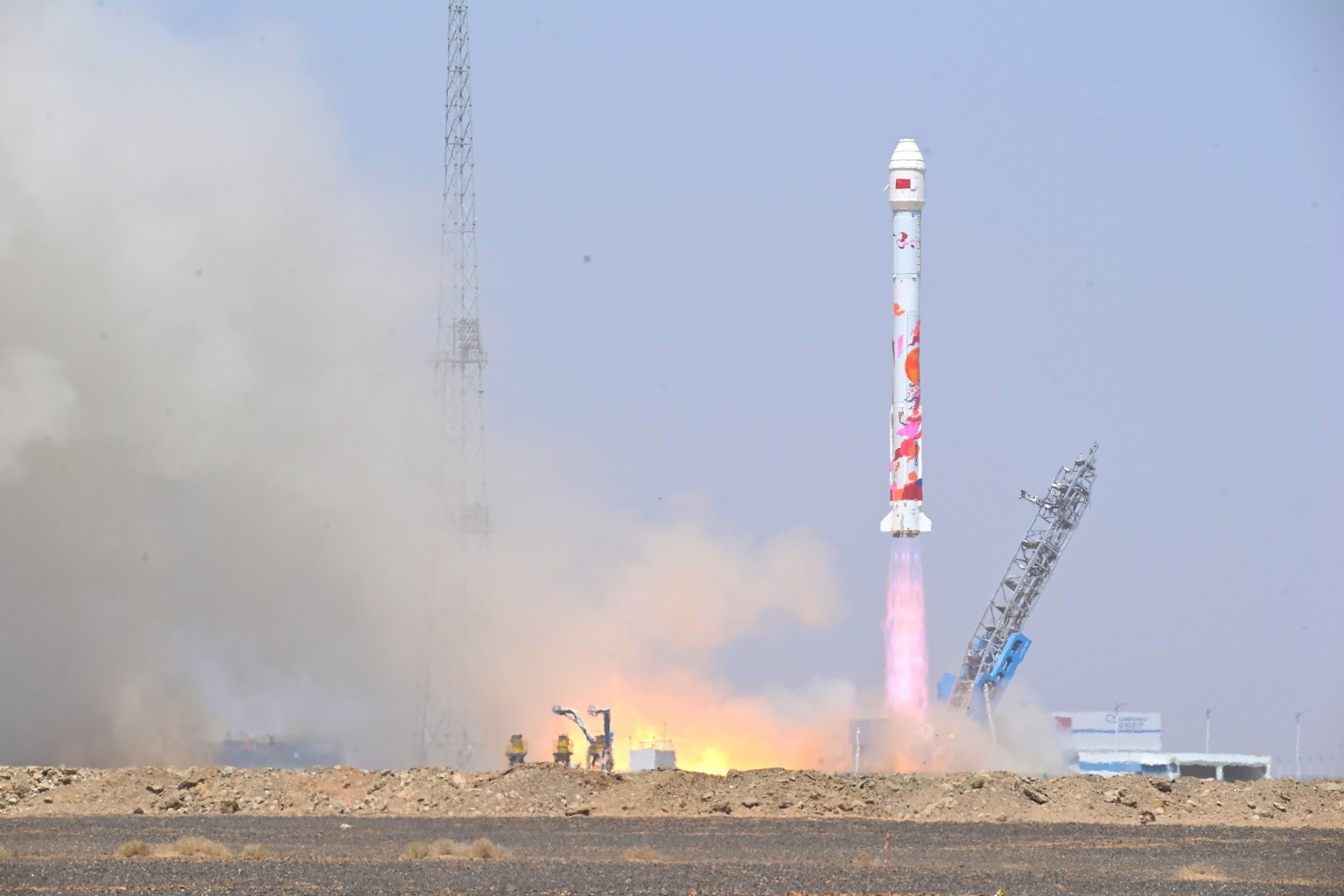
Core Viewpoint - The successful first flight of the Long March 12A rocket marks a significant step in China's commercial space sector, aiming to enhance the capabilities of reusable rockets and address the growing demand for low-cost, high-frequency satellite launches in the trillion-dollar market [2][3][5]. Group 1: Launch and Technology Development - The Long March 12A rocket's maiden flight achieved basic success, with the second stage entering the designated orbit, although the first stage was not successfully recovered [2]. - The launch signifies the entry of state-led reusable rocket technology into the competitive landscape, aiming to facilitate a transition to a low-cost, high-frequency launch era [2][3]. - The industry is witnessing a shift towards optimizing launch and operational costs, with a focus on the development of reusable rockets and satellite mass production [3][9]. Group 2: Market Dynamics and Competition - The competition in the commercial space sector is intensifying, with a focus on not just successful launches but also on the stability of delivery capabilities and reliability of new commercial rockets [6][9]. - Companies are exploring different strategies and technologies, such as the use of various propellants, to enhance the performance and cost-effectiveness of their rockets [7][11]. - The market is expected to evolve towards a comprehensive industrial system, emphasizing cost reduction through continuous technological innovation [9][11]. Group 3: Future Prospects and Challenges - The industry is at a critical juncture, moving from a focus on individual rocket success to a broader competition encompassing technological autonomy, production stability, and economic efficiency [9][12]. - The development of large payload rockets and the establishment of a robust satellite constellation are essential for meeting the demands of the rapidly growing satellite internet market [3][12]. - Regulatory improvements and the establishment of a supportive ecosystem are necessary to facilitate the growth of the commercial space sector and address existing bottlenecks [13].
长征十二号甲运载火箭,首飞入轨成功,一子级回收失败
Shang Hai Zheng Quan Bao· 2025-12-23 04:41
Group 1 - The Long March 12A rocket was successfully launched on December 23, 2023, achieving basic success in its flight test, although the first stage was not successfully recovered [1][2] - The Long March 12A is a liquid oxygen-methane rocket designed for "first stage reuse," measuring approximately 70.4 meters in length and weighing about 437 tons at launch [2] - The mission provided critical engineering data for future launches and recovery of the rocket's stages, laying a foundation for subsequent reusable rocket development [2][4] Group 2 - China Aerospace Science and Technology Corporation (CASC) announced the completion of its first self-built commercial launch facility, which will support both technology testing and commercial launch missions [2] - The facility is located in the Jiuquan East Wind Commercial Aerospace Innovation Test Area and is a key step in CASC's strategy for commercial space endeavors [2] - The Long March 12A rocket's reusable technology will continue to be iterated and tested at this facility [2] Group 3 - In August, Shandong Maritime Commercial Aerospace Launch Technology Co., Ltd. reported the successful static firing test of the CZ-12A rocket [4] - A successful vertical landing test of a reusable rocket is planned for June 2024, which will validate the reusable technology of the Long March 12A [4] - The test will confirm various advanced technologies, including high-precision navigation and control systems, which are essential for the planned first flight of a 4-meter reusable rocket in 2025 [4] Group 4 - Recently, the private commercial space company Blue Arrow Aerospace conducted a flight test of its Zhuque-3 rocket, which also aimed for first-stage recovery but faced a recovery failure [7] - The flight data collected during this test will support future iterations and improvements of the rocket design [7] - The test validated composite control strategies and corresponding guidance algorithms, contributing to the overall development of reusable rocket technology in the industry [7]