欧洲战略自主

Search documents
欧媒:中国都上桌了,500年来头一次,瓜分世界怎能没有欧洲的份
Sou Hu Cai Jing· 2025-12-27 02:50
Group 1 - The core issue is Europe's diminishing role in global diplomacy, particularly in the context of the Russia-Ukraine conflict, where Europe has been sidelined in peace negotiations [4][9][10] - Since the onset of the Russia-Ukraine conflict, Europe has provided over €187 billion in aid to Ukraine, which is comparable to Greece's entire GDP, highlighting the financial burden on European nations [6][6] - The absence of Europe in key negotiations, such as the recent talks between the US and Russia, underscores a significant shift in global power dynamics, with Europe feeling increasingly marginalized [4][9][10] Group 2 - The article discusses the historical context of Europe's 500-year dominance, which is now perceived to be ending, as emerging powers reshape global order [11][12][18] - European leaders are increasingly aware of their reliance on the US and the need to engage with China, as evidenced by upcoming high-level visits to China from various European leaders [30][33] - The tension between economic interests in China and security dependence on the US creates a dilemma for Europe, complicating its foreign policy and strategic autonomy [35][39][40] Group 3 - The article highlights the internal divisions within the EU, where different member states have varying priorities and strategies regarding foreign relations, making unified action difficult [42][47] - The phrase "if you are not at the table, you are on the menu" reflects Europe's current predicament, as it struggles to assert its influence in global affairs [47] - The future of Europe remains uncertain, as it grapples with whether to reclaim its position at the negotiating table or accept a secondary role in global politics [48]

周秋君:法国建新航母考验的不止雄心
Xin Lang Cai Jing· 2025-12-24 22:54
Group 1 - France will construct a new aircraft carrier to replace the "Charles de Gaulle," which has been in service since 2001, with the project officially announced by President Macron in Abu Dhabi [1] - The new aircraft carrier project, initiated in 2018, aims to boost industrial vitality and employment levels in France, benefiting around 800 suppliers, with over 80% being small and medium-sized enterprises [1] - The project is expected to create 14,000 jobs, with 90% of the investment allocated to the Saint-Nazaire region, enhancing the domestic industrial ecosystem [1] Group 2 - The aircraft carrier project may serve as a strategy for the Macron government to alleviate domestic pressures and shift public focus from economic challenges to external security issues [2] - The new carrier is seen as a symbol of national strength and unity, potentially enhancing public morale and supporting France's stance on international security matters, particularly in the context of the Russia-Ukraine conflict [2] - The project aligns with France's long-term goal of "strategic autonomy" in defense, although it relies on several key technologies from the United States, which may dilute its independence [3] Group 3 - The new aircraft carrier is designed for deterrence, coercion, and intervention tasks, crucial for France, which has the second-largest exclusive economic zone in the world [3] - The carrier's specifications, including its tonnage and nuclear capabilities, signal France's ambition to match the naval power of China and the United States, continuing the tradition of "Gaullism" [3] - The total cost of the project exceeds €100 billion, with a construction period of over ten years, raising concerns about funding sustainability amid France's current budgetary constraints and public debt exceeding 117% of GDP [4] Group 4 - The project may face challenges related to industrial capacity, technology, and talent requirements, as well as infrastructure and service capabilities in relevant cities [4] - The long timeline of the project introduces uncertainties due to potential changes in government and presidential elections, which could lead to delays or adjustments [4] - The high costs and distinctly French nature of the aircraft carrier may raise concerns among other EU member states regarding France's pursuit of defense leadership, highlighting deeper issues in European defense unity and resource allocation [4]
独立民调显示众多盟友对美评价偏向负面:认为美国“不可靠”,是“世界舞台上的负面力量”
Huan Qiu Shi Bao· 2025-12-24 22:49
Group 1 - The core viewpoint of the article highlights a significant shift in perception among America's close allies, who now view the U.S. as unreliable and a negative force on the global stage following recent diplomatic policy changes [1][2] - A majority of Canadians, Germans, and French respondents believe the U.S. poses a challenge to their countries rather than being a supportive ally, with notable percentages expressing distrust in the U.S. during crises [2][3] - The article notes that European leaders are actively trying to manage the increasingly strained bilateral relations with the U.S., with Germany accelerating defense spending reforms in response to U.S. policy unpredictability [3][4] Group 2 - The relationship between the U.S. and Canada has deteriorated sharply due to trade wars and aggressive rhetoric from the U.S., leading to significant economic consequences for Canadian industries [4] - Despite the negative perceptions abroad, nearly half of Americans still believe the U.S. supports global allies and is a trustworthy force, although there is a stark divide in opinions between Democrats and Republicans regarding the U.S.'s international image [4][5] - The article indicates a dramatic shift in Democratic voters' views on the U.S. as a positive global force, with only 58% holding this belief compared to 77% of Trump supporters, reflecting a growing partisan divide [5]
马克龙宣布建造欧洲最大航母
Xin Lang Cai Jing· 2025-12-23 03:34
Core Viewpoint - France is set to construct a new aircraft carrier, which will be the largest warship ever built in Europe and a core component of its nuclear deterrent system [1][2] Group 1: Project Overview - The total cost of the new aircraft carrier project is approximately €102.5 billion (about ¥845 billion) [2] - The overall construction period is estimated to be 12 years, with plans for the carrier to be operational by 2038, coinciding with the retirement of the current "Charles de Gaulle" aircraft carrier [2] - The new carrier will feature a nuclear propulsion system, displacing nearly 80,000 tons, measuring about 310 meters in length and 85 meters in width, significantly larger than the current carrier [2] Group 2: Technical Specifications - The new aircraft carrier is expected to reach a maximum speed of 27 knots (approximately 50 km/h) and accommodate over 2,000 personnel, along with 30 aircraft [2] - It will be equipped with the French "Rafale" naval fighter jets, the American E-2D "Advanced Hawkeye" early warning aircraft, and various types of unmanned aerial vehicles [2] - The carrier will also include the "Aster" series vertical launch air defense missiles, a phased array radar capable of tracking up to 1,000 targets, and close-in defense systems [2] Group 3: Strategic Implications - The new carrier will incorporate a U.S.-made electromagnetic catapult system, which may increase France's reliance on American technology [3] - The project aligns with President Macron's push for European strategic autonomy, emphasizing the need for France and Europe to develop independent defense capabilities [3] - The carrier is expected to play a crucial role in maintaining peace and stability from the Eastern Mediterranean to the Indo-Pacific region amid increasing global maritime competition [3] Group 4: Financial and Political Context - The announcement of the new aircraft carrier has sparked controversy in France, with public concerns about the high costs potentially diverting funds from social welfare and public services [4] - The French government is currently facing a budget impasse, which adds pressure to the project amid evolving security threats [4] - The French parliament has allocated €10.2 billion in multi-year commitments to support the development and construction of the new carrier [4] Group 5: Economic Impact - The project is expected to involve around 800 suppliers, with 80% being small and medium-sized enterprises, contributing to France's industrial and economic recovery [5] - Initial contracts are planned for approximately €7.3 billion, but most payments will occur after 2027, placing a financial burden on companies during the early stages [5] - The French government plans to pay €68 million for the project this year, with subsequent payments of €112 million and €142 million in the following two years [5]
欧洲面临生死存亡之际,默克尔打破沉默站了出来,很不简单
Sou Hu Cai Jing· 2025-12-17 08:32
Group 1 - Europe is facing severe challenges, including the ongoing Russia-Ukraine conflict, soaring energy costs, and high inflation leading to political instability in some countries [1][3] - The cost of living has significantly increased, with bread prices in Germany rising by 40% and electricity bills in France doubling, causing hardships for citizens [3] - Major industrial companies like BASF are relocating to China due to high energy costs, while automotive giants like Volkswagen and BMW are reducing production capacity in Europe, leading to job losses and increased protests [3] Group 2 - Former German Chancellor Angela Merkel has re-emerged as a significant voice, emphasizing that Europe's survival depends on its own unity rather than reliance on external powers [5][7] - Merkel criticized Europe's over-dependence on the U.S. and called for a reevaluation of energy cooperation with Russia, suggesting that Europe must find a way to stabilize its energy supply [5] - She advocated for stronger unity among EU member states and the importance of establishing new partnerships, particularly with China, to ensure Europe's survival [5][7] Group 3 - Merkel's influence stems from her past leadership during crises, where she successfully navigated challenges like the Eurozone crisis and Brexit, earning her high regard in Europe [7] - Current European leaders are beginning to echo Merkel's calls for strategic autonomy, with French President Macron and German Chancellor Scholz showing openness to reevaluating relations with China [7] - Merkel's recent statements have sparked discussions among European leaders about the need for unity and self-reliance, highlighting the importance of addressing internal challenges rather than relying solely on external allies [7]
默克尔不再沉默,呼吁欧洲必须反击关税,中国最期待的局面出现了
Sou Hu Cai Jing· 2025-12-16 11:41
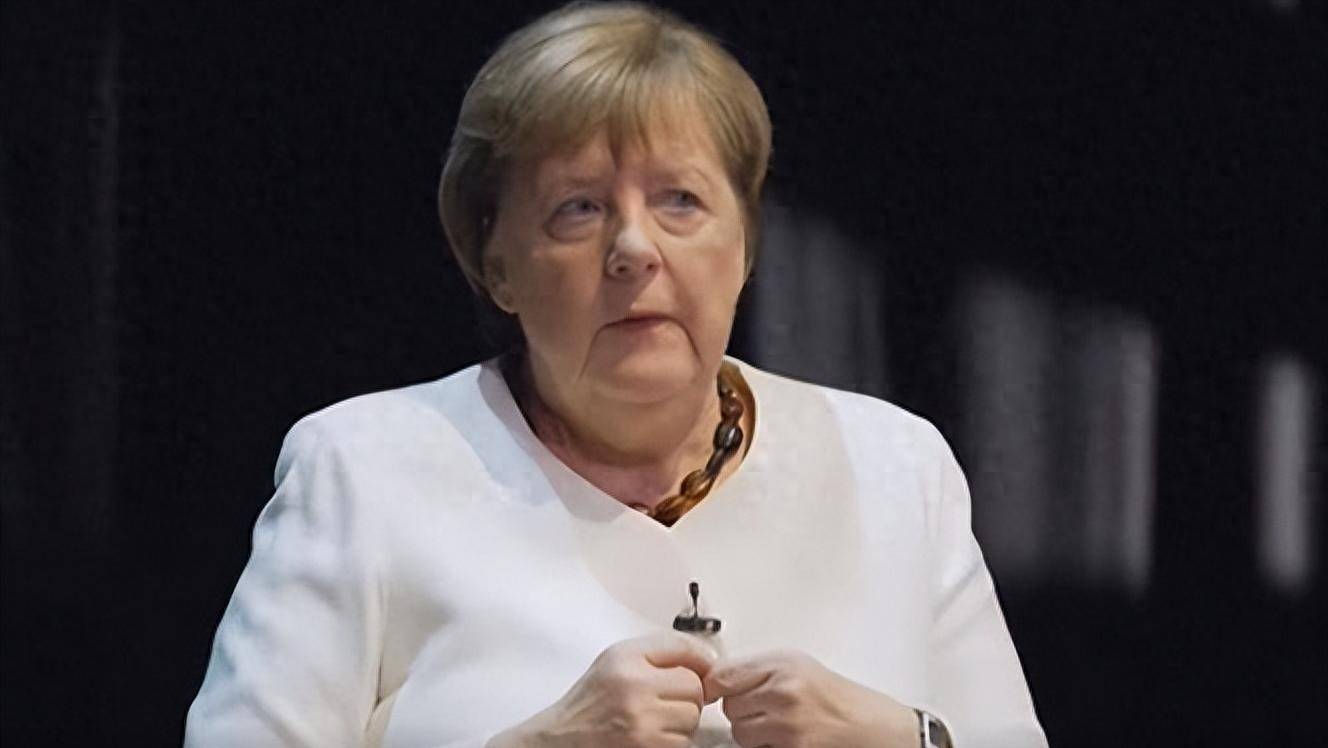
Group 1 - The core viewpoint of the article emphasizes that Europe must learn to stand independently and not rely on the United States for security and policy direction, as articulated by Merkel [1][10][22] - Merkel's remarks highlight the ongoing challenges Europe faces, particularly due to the prolonged Russia-Ukraine conflict, which has strained the economy and led to a shift in manufacturing [3][20] - The article discusses the increasing pressure from the U.S. on Europe to align with its policies, especially in high-tech sectors, creating a dilemma for European nations that wish to maintain trade relations with China [7][12][14] Group 2 - The article notes that the internal divisions within Europe are growing, with rising support for far-right parties, complicating consensus on policies [7][9] - Merkel warns that the era of relying on U.S. protection is over, and Europe must develop its own energy supply systems to enhance independence [10][20] - The article points out the contradictions in Europe's approach to the electric vehicle market, where protective tariffs against Chinese products limit industry growth while attempting to promote green transitions [12][16] Group 3 - The potential for cooperation between China and Europe remains significant, particularly in areas like green energy and digital economy, despite existing tensions [14][18] - Merkel's proposed "middle path" aligns with China's advocacy for multipolar cooperation, suggesting a shift in Europe's strategic positioning [18][24] - The article concludes that Europe's ability to redefine its role in global geopolitics will not only benefit itself but also contribute positively to international cooperation [22][24]
欧洲面临“生死存亡”之际,默克尔站了出来,对外释放信息量大
Sou Hu Cai Jing· 2025-12-15 20:07
Core Viewpoint - Merkel's recent statements emphasize the need for Europe to assert its independence from the U.S. and to unify in the face of external pressures, particularly regarding trade, security, and immigration issues [1][3][9]. Group 1: U.S. Relations - Merkel expressed a strong stance against U.S. pressure, particularly regarding trade tariffs, indicating that the U.S.-Germany divide has reached a critical point [3]. - She criticized the U.S. for attempting to dominate European security through NATO and emphasized that Germany will not compromise on energy security and industrial interests [3][6]. - Merkel's remarks signal a shift towards European autonomy, urging European nations to resist U.S. bullying and to stand firm on their own interests [3][7]. Group 2: Energy Policy - Merkel addressed the long-standing criticism of Germany's reliance on Russian gas, clarifying that the Nord Stream pipeline agreements were made under previous administrations due to the high costs of alternative fuels [4]. - She defended the use of natural gas as a transitional energy source towards renewable energy, arguing that nuclear energy is not essential for achieving climate goals [4]. Group 3: Immigration Issues - Merkel reiterated her 2015 commitment to managing immigration, stating that Europe must secure its external borders while recognizing that prosperity and rule of law attract migrants [4]. - She warned that merely focusing on immigration issues will not suffice to counter the rise of far-right parties, advocating for practical solutions instead [4]. Group 4: Relations with Russia - Merkel maintained a pragmatic approach towards Russia, acknowledging the importance of dialogue with Putin while cautioning against completely severing ties [6]. - She reiterated her opposition to Ukraine's NATO membership, suggesting that relying on NATO for Ukraine's protection is unrealistic, which serves as a reminder for European diplomacy amid the ongoing conflict [6]. Group 5: European Unity - Merkel's return to the political scene comes at a critical time for Germany and the EU, with internal divisions and external pressures from the U.S. [6][9]. - She emphasized the necessity for Europe to unite and not allow the U.S. to divide individual countries, particularly in areas like AI regulation [6][9]. - Merkel's leadership style, characterized by pragmatism and consensus-building, is seen as essential for navigating the current European challenges [9].
欧洲要出局?俄罗斯眼中的国际秩序,中美俄三强并列!
Sou Hu Cai Jing· 2025-12-11 14:54
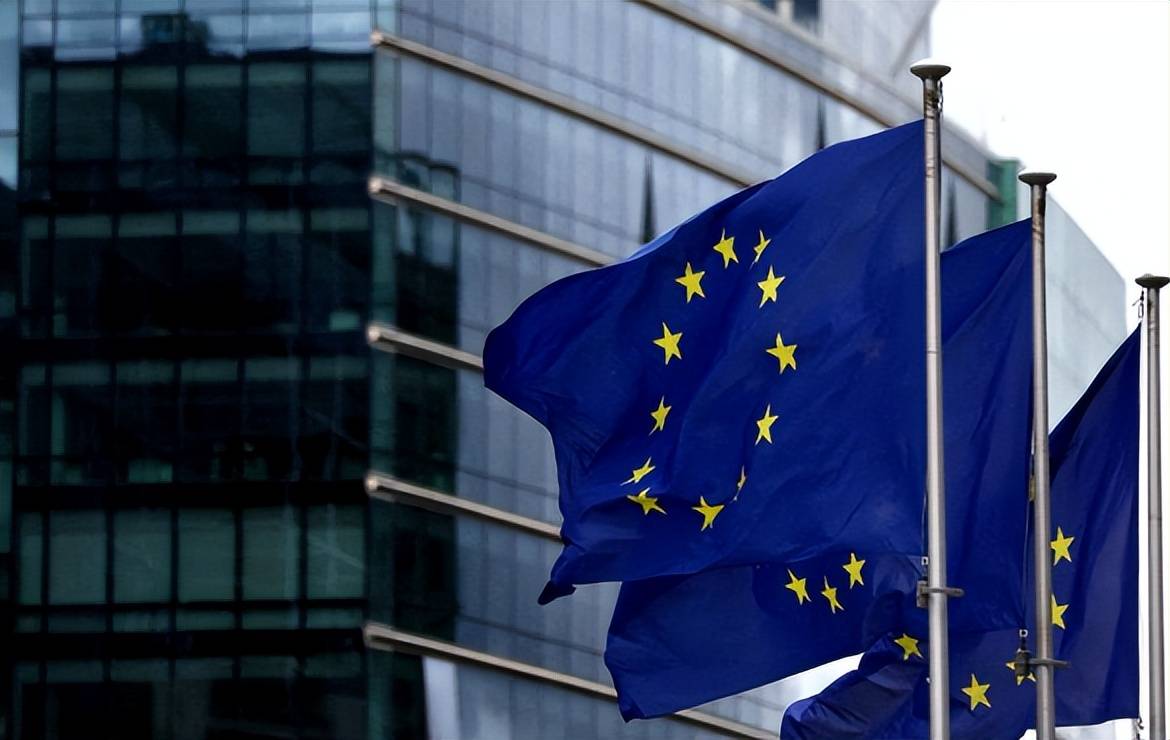
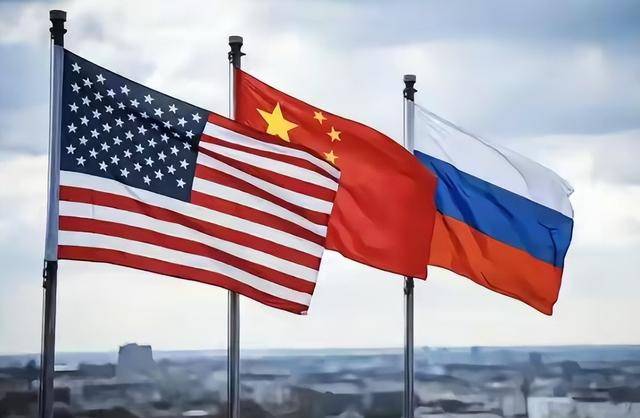
不是欧洲没上桌,而是它的那把椅子早就被人悄悄抽走。 未来世界将由中美俄说了算,听上去像是"口嗨",可你真要拆解一下这盘棋,就发现欧洲掉队,的确是 板上钉钉。 布鲁塞尔和它的盟友们还在高谈"软实力",可冷酷的现实是他们的硬通货,经济、能源与军事实力正在 断崖式滑落。 2025年12月初《美国国家安全战略》全文厚厚几十页,之前好歹还会在序言中象征性地喊欧洲一句"关 键伙伴",现在干脆用"重要盟友"这种模糊词混过去。 欧洲军工行业象征性地保留在全球前十的只剩个把门面;欧盟经济总量下跌严重;绿能投资被美国吸走 不少;连重大科技企业都开始搬去得州和亚利桑那。 华盛顿亮明新牌桌,欧洲发现自己连邀请函都没收到。 第一,战略存在感:俄乌冲突让莫斯科保持了全球焦点地位;逼迫欧盟用真金白银支持乌克兰,但换来 的是内部债务爆炸。 欧洲崛起靠三样东西:廉价俄气、对华出口、大西洋庇护,如今这三条线全断了,而且是自己把剪刀递 上去的。 2022年北溪管道被炸是信号弹也是分水岭,德国化工行业成本飙涨,巴斯夫跑到广东湛江投资新园区, 大众、宝马高端电池打算搬去重庆合肥。 在军工上,欧洲就更干脆地"裸奔"了。俄罗斯高超音速导弹"先锋""匕首" ...
跨大西洋关系受“重击”,俄乌“和平计划”又生变,欧洲“强有力”回应特朗普批评
Huan Qiu Shi Bao· 2025-12-10 22:52
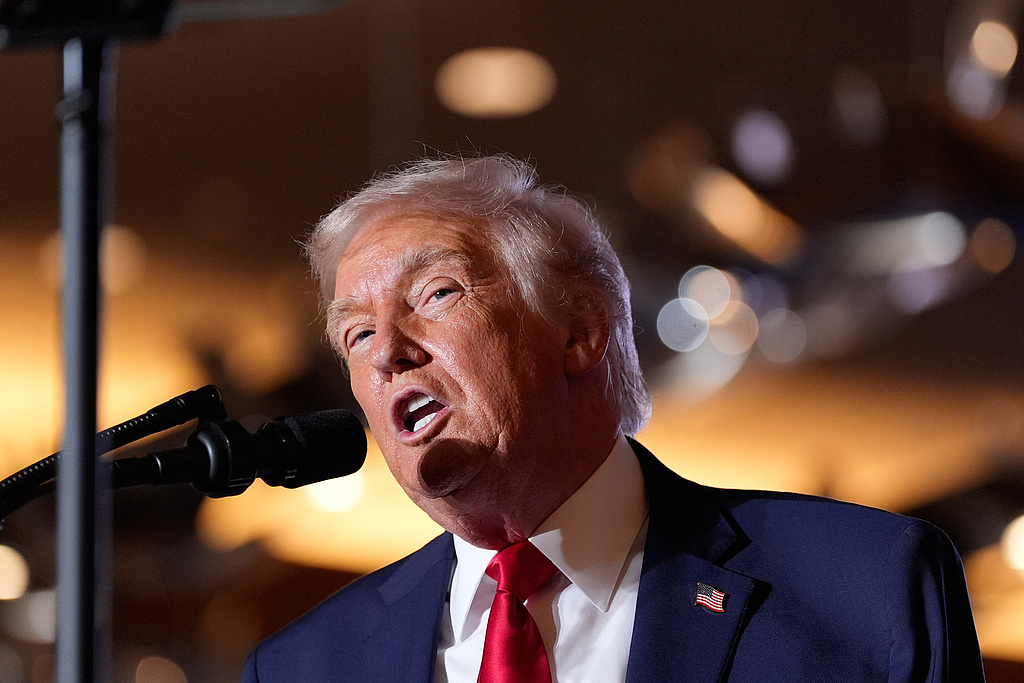
Core Viewpoint - Trump's harsh criticism of European leaders and their handling of the Ukraine conflict and immigration issues has intensified tensions between the U.S. and Europe, raising questions about the reliability of the U.S. as an ally [1][3][4]. Group 1: Trump's Criticism of Europe - Trump described European countries as "declining" and criticized their "weak" leadership, particularly regarding the immigration crisis and the ongoing Ukraine conflict [1][2]. - He stated that European leaders are merely "talking" without taking decisive action, leading to a prolonged war in Ukraine [2][3]. - Trump emphasized that many European nations may struggle to maintain their national status if current trends continue, labeling their immigration policies as a "disaster" [2]. Group 2: Reactions from European Leaders - European leaders have responded strongly to Trump's comments, with the EU Commission spokesperson asserting the excellence of EU leadership [3][4]. - British Prime Minister Starmer and other officials have expressed confidence in a "strong Europe," countering Trump's narrative [1][3]. - The EU is urged to maintain a united front and assert its independence in defense and geopolitical matters, as highlighted by various European officials [4]. Group 3: Implications for U.S.-Europe Relations - Analysts suggest that Trump's remarks could lead to a decline in the reliability of U.S.-Germany relations, indicating a shift from equal partnership to a more hierarchical alliance [4]. - The ongoing criticism from the U.S. may compel European leaders to adopt a more assertive stance in response to perceived American attempts to undermine traditional alliances [4][5]. - The situation raises concerns about whether the U.S. will continue to support Ukraine and its European allies amid the ongoing conflict [6][7]. Group 4: Ukraine's Position and Peace Negotiations - Trump suggested that Ukraine should hold elections, indicating a shift in the narrative around the war and governance in Ukraine [8]. - Reports indicate that Ukraine is under pressure from the U.S. to respond quickly to peace proposals, with a potential deadline approaching before Christmas [8][9]. - The ongoing negotiations are described as being in a "loop," with persistent discussions around territorial and security issues complicating the peace process [9].

欧洲战略自主,60年努力一场空?从戴高乐到马克龙的未竟之路
Sou Hu Cai Jing· 2025-12-02 17:18
Group 1: Energy Independence Challenges - Europe is struggling to achieve energy independence, particularly after the Russia-Ukraine conflict, which highlighted reliance on external sources for natural gas [4][5] - The high cost of American liquefied natural gas compared to Russian supplies complicates the situation for European countries [5] - Germany's reliance on coal during periods of low renewable energy generation underscores the instability of its energy transition efforts [7] Group 2: Technological Autonomy Issues - ASML, a key player in the semiconductor industry, faces restrictions from the U.S. on selling advanced machinery to China, limiting Europe's technological independence [10] - Volkswagen's attempt to localize innovation in China is hindered by the retention of core technologies at its German headquarters, raising concerns about its electric vehicle business sustainability [10] Group 3: Defense Autonomy Difficulties - The establishment of the European Defense Union (PESCO) has not resulted in effective collaborative military capabilities, as many European countries still rely on U.S. protection [12][14] - Key military technologies are still imported, making true defense autonomy a challenging goal for Europe [14] Group 4: Internal Disunity and External Pressures - Internal conflicts among EU member states complicate decision-making processes, making it difficult to achieve a unified strategy for autonomy [17] - The geopolitical landscape, particularly the influence of the U.S. and the economic ties with China, creates a challenging environment for Europe to assert its independence [19][25] Group 5: Potential Pathways to Autonomy - Opportunities exist for Europe to enhance its energy bargaining power through unified procurement and investment in renewable energy infrastructure [21] - Focusing on critical areas such as semiconductor manufacturing and artificial intelligence could lead to breakthroughs in technological independence [21] - Initial steps in defense cooperation, such as joint military exercises and standardization of equipment, could lay the groundwork for future collaboration [21]