电力市场化改革

Search documents
公募REITs2025Q4业绩分析:关注边际改善信号,布局筑底企稳机会
Shenwan Hongyuan Securities· 2026-01-27 07:15
1. Report Industry Investment Rating The report does not provide an industry investment rating. 2. Core Viewpoints - In 25Q4, most asset performances showed marginal improvement. The revenue and EBITDA of public utilities, consumption, industrial parks, and warehousing logistics all increased, while the EBITDA decline of energy and transportation significantly narrowed year-on-year. However, the rental income and EBITDA of affordable rental housing decreased slightly, and IDC benefited from long - term contracts with major clients, maintaining stable performance [3]. - The performance of different sectors in the future will be affected by various factors. Public utilities are expected to have stable cash - flows, but performance differentiation depends on the active management ability of operators. The consumption sector is expected to have a compensatory increase in 26Q1, and its performance is expected to be stable in the long - term. Affordable rental housing will face new supply shocks in 2026, and different operators need to find a balance between volume and price. The energy sector's revenue stability depends on power trading strategies. The traffic sector's performance is related to road network planning and cost control. The warehousing sector's rent is expected to decline in the short - term, and the industrial park sector will enter a deep adjustment period [3][35][56][80][102][126][147][175]. 3. Summary by Directory 3.1 Overview - In 25Q4, the performance of most assets showed a marginal improvement trend. The revenue and EBITDA of consumption, industrial parks, and warehousing logistics increased quarter - on - quarter, and the revenue of public utilities increased year - on - year. The EBITDA decline of energy and transportation significantly narrowed, and the single - quarter distribution rate of the three major types of operating - rights assets increased significantly in 25H2 [3][6][8]. - The available distribution amount completion rate of REITs established in 2024 and 2025 was 79% and 64% respectively [11][13]. 3.2 Public Utilities - As of January 23, 2026, the expansion project of Shougang Water Service REIT was terminated. The scale and price of the four listed public - utility REITs are regulated by the government [20]. - In 25Q4, the waste treatment volume and power generation of Shougang Biomass REIT increased year - on - year. The sewage treatment volume of Shougang Water Service REIT decreased quarter - on - quarter, and the water supply volume of Shaoxing Raw Water REIT decreased quarter - on - quarter. The actual heat - stop rate of Jinan Energy Heating REIT was lower than expected, and the heating area increased [23]. - The revenue of Shougang Biomass REIT increased by more than 24% year - on - year, and Jinan Energy Heating REIT achieved significant cost - reduction. The revenue, profit, and available distribution amount of Shougang Water Service REIT decreased quarter - on - quarter, and the revenue, EBITDA, and available distribution amount of Shaoxing Raw Water REIT decreased quarter - on - quarter [27]. - In 2026, the cash - flows of public - utility REITs are expected to be stable, but the performance differentiation depends on the active management ability of operators. Attention should be paid to seasonal fluctuations, external interventions, and local new competition [35]. 3.3 Consumption - There are 12 listed consumption REITs, involving four types of sub - assets: shopping centers, outlet malls, supermarkets + community commerce, and agricultural product markets. The project management is generally carried out by high - quality commercial real - estate operating enterprises [39]. - In 25Q4, the eight consumption REITs achieved good operating performance. The rental rate and rent generally increased slightly year - on - year/quarter - on - quarter or remained basically the same, and the collection rate was close to full collection. Half of the projects' rent reached a new high in the past five periods [45]. - The fund revenue generally increased, and the performance of Bailian Consumption REIT significantly improved. The available distribution amount of most consumption REITs increased year - on - year/quarter - on - quarter or remained basically the same, but the available distribution amount of China Green Development Commercial REIT and Huagong Agricultural Market REIT decreased significantly quarter - on - quarter [49][56]. - In 26Q1, the operating performance of consumption REITs is expected to have a compensatory increase. In the long - term, with the implementation of the "national subsidy" policy and the focus on expanding domestic demand, the performance of consumption REITs is expected to be stable [56]. 3.4 Affordable Rental Housing - As of 25Q4, 8 affordable rental housing REITs were listed, and China Resources Youchao REIT completed its expansion and issuance [58]. - Government - led projects had stable volume and price, while market - oriented projects exchanged price for volume. The overall rental rate remained stable, but the rental rate of some projects decreased significantly, and the bottom - floor business recruitment progress of some projects was slow [61][64]. - The overall revenue increased, but the profit margin generally decreased quarter - on - quarter. The available distribution amount of most projects changed little or increased year - on - year, but the available distribution amount of some projects decreased significantly [65][69][74]. - In 2026, affordable rental housing REITs will face new supply shocks. First - tier cities' rents are expected to be more resilient, while second - and third - tier cities' rents may face greater pressure. Different operators need to find a sustainable balance between volume and price [80]. 3.5 Energy - As of January 23, 2026, 9 energy infrastructure REITs had been recruited. In 25Q4, China National Nuclear Power Clean Energy REIT was newly issued, and Beijing Energy Photovoltaic REIT completed its expansion [82]. - More than half of the energy REITs' power generation decreased year - on - year, and the power price generally declined year - on - year. The revenue slightly decreased, and the EBITDA stabilized, but the profit indicators were differentiated [84][88][94]. - About 67% of the REITs' available distribution amount increased year - on - year, driving the overall and unit available distribution amount to increase by 3.0% year - on - year [97]. - In 2026, the mechanism power generation will set a floor for revenue. The stability and elasticity of project revenue depend on power trading strategies and capabilities [100][102]. 3.6 Transportation - As of January 23, 2026, 13 transportation infrastructure REITs were listed, and 3 projects were queuing up [104]. - In 25Q4, most projects' daily average traffic volume decreased quarter - on - quarter/year - on - year, and the toll revenue decreased quarter - on - quarter but increased year - on - year. More than half of the projects' EBITDA profit margin was at the lowest level in the year [108][111][115]. - 40% of the REITs' available distribution amount increased year - on - year. The available distribution amount of some projects increased significantly, while that of some projects decreased due to high maintenance costs [122]. - In 2026, the traffic performance of projects affected by diversion in 2025 is expected to improve year - on - year, and the performance of projects still facing diversion pressure depends on refined cost control [126]. 3.7 Warehousing Logistics - As of January 23, 2026, 11 warehousing logistics REITs had been issued, mainly located in first - tier cities and their surrounding areas and logistics hub cities [128]. - In 25Q4, the national warehousing logistics rental market still faced rent adjustment pressure, with "regional differentiation and overall pressure". The rent of market - oriented rental projects decreased, and the overall rental rate increased slightly. The rent of whole - lease projects was relatively stable, with small fluctuations [131][135][136]. - The revenue and profit margin generally weakened, but the available distribution amount increased quarter - on - quarter on average due to the year - end centralized dividends of newly - listed REITs [138][142]. - In the short - term, the national warehousing rent is expected to continue to decline. The performance of projects will vary according to regional levels and rental operation models, and some projects with improved supply - demand conditions may recover first [147]. 3.8 Industrial Parks - As of 25Q4, 20 industrial park REITs were listed, involving 50 projects, mainly in the east of the Hu Line, with a continuous increase in R & D/office and manufacturing projects [149]. - The rental rate and collection rate of business parks increased, but the rent was still at the bottom. The rental rate and collection rate of manufacturing parks were high, but the rent still faced downward pressure [155][159]. - The marginal improvement of fund revenue began to appear, but the EBITDA was still under pressure. The change trend of the available distribution amount of individual bonds was differentiated, and some industrial park REITs' secondary - market net value dropped to a low level, with the distribution rate reaching a new high in the past five periods [163][167][171]. - In 2026, the supply of industrial parks is expected to be at a high level, and the rental downward pressure will continue. Attention should be paid to high - quality projects with a good supply - demand pattern, marginal improvement in operating fundamentals, and a stable rent trend [175]. 3.9 IDC - Two listed IDC - REITs operate under long - term agreements with major clients. In 25Q4, their operation was stable, and the financial indicators increased significantly quarter - on - quarter [177][181]. - In 2026, the basic business of the two IDC projects is expected to be stable due to long - term agreements. Attention should be paid to cost - side changes, such as the construction progress of surrounding substations and the control of energy - efficiency indicators [185].
全国9地取消固定分时电价
第一财经· 2026-01-27 06:25
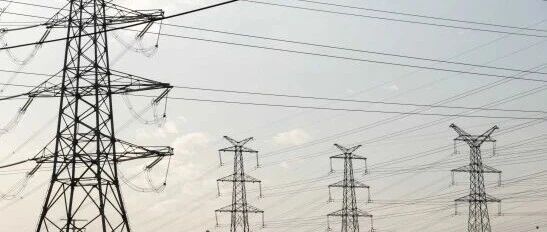
1656号文的落地实施,标志着分时电价正式从"政府核定"迈入"随行就市"的市场化阶段,一场覆盖发电、售 电、用电、交易全链条的深刻变革正加速推进。需要明确的是,此次取消的是政府核定的固定分时电价,并 非分时定价机制本身,市场化分时定价仍将延续,只是定价主体从政府转向市场。 第一财经记者根据官方资料梳理发现,上述9个已明确取消固定分时电价政策的省市分别是贵州、河北(主 要是河北南网)、湖北、陕西、吉林、云南、重庆、辽宁、河南,政策尚处于征求意见阶段则有江苏和山 西。 2026.01. 27 本文字数:1595,阅读时长大约3分钟 作者 | 第一财 经 林春挺 进入2026年,国内电力行业迎来一场意义深远的市场化变革,"取消固定分时电价"成为行业热点话题,多地 密集出台政策,对直接参与电力市场交易用户的固定分时电价机制作出调整。 第一财经记者梳理官方文件发现,截至目前全国已有11个省市发布相关通知,提及对入市用户不再执行政府 核定的固定分时电价,其中9地已明确落地取消政策,江苏、山西两省的调整方案仍处于征求意见阶段。 在国家政策层面,2025年12月17日,国家发改委、国家能源局印发《电力中长期市场基本规则》(发 ...

全国9地取消固定分时电价
Di Yi Cai Jing· 2026-01-27 05:53
Core Viewpoint - The implementation of Document No. 1656 marks the transition of time-of-use electricity pricing from "government-approved" to a market-driven approach, indicating a significant market reform in the domestic electricity industry starting in 2026 [1][2]. Group 1: Policy Changes - As of now, 11 provinces and cities in China have issued notifications regarding the adjustment of fixed time-of-use electricity pricing for users participating in the electricity market, with 9 regions having clearly canceled the policy [1][2]. - The National Development and Reform Commission and the National Energy Administration issued the "Basic Rules for the Medium- and Long-Term Electricity Market" on December 17, 2025, which states that from March 1, 2026, market participants will no longer have fixed time-of-use electricity pricing levels and periods set by the government [1][2]. Group 2: Market Dynamics - The cancellation of fixed time-of-use pricing does not eliminate the time-of-use pricing mechanism itself; rather, it shifts the pricing authority from the government to the market, allowing for market-driven time-of-use pricing to continue [2][3]. - The adjustment of policies across various regions strictly adheres to national requirements but varies in implementation based on local conditions [2][3]. Group 3: Impact on Industry - The reform is expected to have profound effects across the entire electricity industry chain, with renewable energy companies focusing more on integrating energy storage to adapt to market price fluctuations [4]. - Companies will need to optimize their electricity usage strategies based on market time-of-use price signals to manage costs effectively [4]. - The value of flexible resources such as energy storage and virtual power plants will become more prominent, allowing them to participate in ancillary services and generate diverse revenue streams [4]. Group 4: Industry Sentiment - Industry insiders believe that the gradual elimination of fixed time-of-use pricing is a trend in electricity market reform, with the core aim being to transfer pricing power from the government to the market, thereby providing more accurate price signals that reflect real-time supply and demand [3][5].
公用事业行业周报:火电电量降幅收窄,基金持仓底部提升
Orient Securities· 2026-01-25 14:24
Investment Rating - The report maintains a "Positive" outlook for the utility sector [8] Core Views - The growth rate of electricity generation is marginally declining, with a narrowing decrease in thermal power generation. In December 2025, the electricity generation of large-scale power plants increased by 0.1% year-on-year, a recovery from a decline of 2.6 percentage points in November 2025, primarily affected by temperature factors [8][12] - Fund holdings in the utility sector have increased, with a focus on thermal power companies. As of the end of Q4 2025, the utility sector accounted for 1.25% of the total fund equity investment market value, up by 0.10 percentage points from the previous quarter [11] - The performance expectations for the utility sector have reached a low point, making low-priced utility assets worth considering. The report indicates that the utility sector's long-term dividend assets remain attractive for allocation [8][11] Summary by Sections Electricity Generation - In December 2025, the year-on-year growth rates for various power sources were as follows: wind power +8.9%, solar power +18.2%, hydropower +4.1%, and nuclear power +3.1%. The decrease in thermal power was -3.2% [8][12][18] Fund Holdings - Fund holdings in the utility sector have increased, with significant increases in holdings of Huaneng International (+1.1%), Waneng Power (+0.9%), and Jiantou Energy (+0.9%) [11][12] Market Performance - The utility sector outperformed the Shanghai and Shenzhen 300 Index, with a 2.3% increase compared to a 0.6% decrease in the index during the week of January 19-23, 2026 [47][49] Investment Recommendations - The report recommends focusing on thermal power companies such as Jiantou Energy, Huaneng International, and Guodian Power, as well as hydropower companies like Yangtze Power and Guangxi Power [8][11]
公用事业行业周报(2026.01.19-2026.01.23):火电电量降幅收窄,基金持仓底部提升-20260125
Orient Securities· 2026-01-25 13:12
Investment Rating - The report maintains a "Positive" outlook for the utility sector [8] Core Views - The growth rate of electricity generation is marginally declining, with a narrowing decrease in thermal power generation. In December 2025, the electricity generation of large-scale power plants increased by 0.1% year-on-year, a 2.6 percentage point improvement from November 2025, primarily affected by temperature factors [8][12] - Fund holdings in the utility sector have increased, with a focus on thermal power companies. As of the end of Q4 2025, the utility sector accounted for 1.25% of total fund equity investment, up by 0.10 percentage points from the previous quarter [11] - The performance expectations for the utility sector have reached a low point, making low-priced utility assets worth considering. The report indicates that the utility sector is still a quality dividend asset worth long-term allocation [8][11] Summary by Sections Electricity Generation - In December 2025, the year-on-year growth rates for various power sources were as follows: wind power +8.9%, solar power +18.2%, hydropower +4.1%, and nuclear power +3.1%. The decrease in thermal power generation was -3.2% [8][12][18] Fund Holdings - Fund holdings in the utility sector have increased, with the most significant increases in companies like Huaneng International (+1.1%), Anhui Energy (+0.9%), and Jintou Energy (+0.9%) [11][39] Market Dynamics - The report highlights that the average market clearing price for electricity in Guangdong increased by 4.5% year-on-year, while in Shanxi, it rose by 18.2% year-on-year [25][27] - Coal prices have weakened, with the Qinhuangdao Q5500 coal price at 685 CNY/ton, down 1.4% week-on-week [29][30] Investment Recommendations - The report recommends focusing on thermal power companies such as Jintou Energy, Huaneng International, Huadian International, Guodian Power, and Anhui Energy for potential investment opportunities [8][11] - For hydropower, it suggests investing in quality large hydropower companies like Yangtze Power and Guangxi Power [8] - For nuclear power, it recommends China General Nuclear Power as a long-term growth opportunity [8] - In the wind and solar sectors, it suggests waiting for the industry profit bottom to turn, with a focus on companies with a high proportion of wind power [8]




2025 年我国规上工业发电量同比增长 2.2%,寒潮下美国气价周环比大涨
Xinda Securities· 2026-01-25 09:01
1. Report Industry Investment Rating - The investment rating for the utilities industry is "Bullish" [2] 2. Core Viewpoints of the Report - The power sector is expected to see improved profitability and value re - evaluation after multiple rounds of power supply - demand contradictions. Coal - fired power's peak - shaving value is prominent, electricity prices may rise slightly, and the cost of coal - fired power enterprises is controllable. The performance of power operators is likely to improve significantly. For the natural gas sector, with the decline in upstream gas prices and the recovery of domestic consumption, the urban gas business can achieve stable gross margins and high growth in sales volume. Traders with low - cost long - term contract gas sources and receiving terminal assets may increase profits [5][98] 3. Summary by Relevant Catalogs 3.1 This Week's Market Performance - As of January 23rd, the utilities sector rose 2.3%, outperforming the market (CSI 300 fell 0.6% to 4,702.50). The top three industries in terms of gains and losses were building materials (9.2%), petroleum and petrochemicals (7.7%), and steel (7.3%), while the bottom three were banks (-2.7%), communications (-2.1%), and non - bank finance (-1.5%) [12] - The power sector rose 1.72%, and the gas sector rose 7.21%. Among sub - industries, thermal power generation rose 2.71%, hydropower generation fell 0.89%, nuclear power generation rose 0.33%, thermal services rose 2.09%, comprehensive power services rose 4.56%, photovoltaic power generation rose 7.21%, and wind power generation rose 2.82% [14] - In the power sector, the top three gainers were Nanwang Energy (16.26%), Shanghai Electric Power (11.95%), and Zhongmin Energy (7.76%); the bottom three were Yangtze Power (-1.96%), Huaneng Power International (-1.47%), and Huaneng Hydropower (-0.87%). In the gas sector, the top three gainers were Zhongtai Co., Ltd. (23.02%), Jiufeng Energy (14.70%), and Furan Energy (13.15%); the bottom three were Shuifa Gas (0.00%), ENN Energy (1.45%), and Dazhong Public Utilities (2.26%) [17] 3.2 Power Industry Data Tracking 3.2.1 Thermal Coal Prices - In January, the annual long - term contract price of Qinhuangdao Port thermal coal (Q5500) was 684 yuan/ton, a month - on - month decrease of 10 yuan/ton. As of January 23rd, the market price of Shanxi - produced thermal coal (Q5500) at Qinhuangdao Port was 686 yuan/ton, a week - on - week decrease of 11 yuan/ton [23] - As of January 23rd, the pit - mouth price of Shaanxi Yulin thermal lump coal (Q6000) was 770 yuan/ton, a week - on - week decrease of 15 yuan/ton; the pit - mouth price (tax - included) of Datong南郊 coking coal (Q5500) was 626.08 yuan/ton, a week - on - week decrease of 1.82 yuan/ton; the wagon - loading price of Inner Mongolia Dongsheng large - sized clean coal (Q5500) was 564 yuan/ton, a week - on - week decrease of 5 yuan/ton [23] - As of January 22nd, the FOB spot price of Newcastle NEWC 5500 kcal thermal coal was 73.55 US dollars/ton, a week - on - week increase of 0.05 US dollars/ton; the ARA 6000 kcal thermal coal spot price was 101.5 US dollars/ton, a week - on - week increase of 4.80 US dollars/ton; the Richards Bay thermal coal FOB spot price was 80 US dollars/ton, a week - on - week increase of 3.95 US dollars/ton. As of January 23rd, the Newcastle NEWC index price was 108.4 US dollars/ton, a week - on - week increase of 1.2 US dollars/ton. The ex - warehouse price of Indonesian coal (Q5500) at Guangzhou Port was 731.9 yuan/ton, a week - on - week decrease of 3.81 yuan/ton; the ex - warehouse price of Australian coal (Q5500) at Guangzhou Port was 737.15 yuan/ton, a week - on - week decrease of 3.36 yuan/ton [26] 3.2.2 Thermal Coal Inventory and Power Plant Daily Consumption - As of January 23rd, the coal inventory at Qinhuangdao Port was 582 tons, a week - on - week increase of 32 tons [30] - As of January 22nd, the coal inventory of 17 inland provinces was 9,010.4 tons, a week - on - week decrease of 290.3 tons (3.12%); the daily consumption of power plants in 17 inland provinces was 445.9 tons, a week - on - week increase of 33.7 tons/day (8.18%); the available days were 20.2 days, a decrease of 2.4 days compared to last week [32] - As of January 22nd, the coal inventory of 8 coastal provinces was 3,299.4 tons, a week - on - week decrease of 49.5 tons (1.48%); the daily consumption of power plants in 8 coastal provinces was 241.7 tons, a week - on - week increase of 23.9 tons/day (10.97%); the available days were 13.7 days, a decrease of 1.7 days compared to last week [32] 3.2.3 Hydropower Inflow Situation - As of January 23rd, the Three Gorges outbound flow was 9,180 cubic meters per second, a year - on - year increase of 13.05%, and flat week - on - week [45] 3.2.4 Key Power Market Transaction Electricity Prices - In the Guangdong day - ahead spot market, as of January 16th, the weekly average price was 349.15 yuan/MWh, a week - on - week increase of 10.85% and a year - on - year decrease of 6.2%. In the real - time spot market, the weekly average price was 291.58 yuan/MWh, a week - on - week decrease of 0.83% and a year - on - year decrease of 22.2% [52] - In the Shanxi day - ahead spot market, as of January 22nd, the weekly average price was 377.70 yuan/MWh, a week - on - week increase of 253.77% and a year - on - year increase of 15.9%. In the real - time spot market, the weekly average price was 385.26 yuan/MWh, a week - on - week increase of 194.3% and a year - on - year increase of 7.5% [59] - In the Shandong day - ahead spot market, as of January 18th, the weekly average price was 221.85 yuan/MWh, a week - on - week increase of 9.59% and a year - on - year decrease of 15.4%. In the real - time spot market, the weekly average price was 275.45 yuan/MWh, a week - on - week increase of 50.11% and a year - on - year increase of 11.9% [60] 3.3 Natural Gas Industry Data Tracking 3.3.1 Domestic and International Natural Gas Prices - As of January 23rd, the national index of LNG ex - factory prices at the Shanghai Oil and Gas Trading Center was 3,992 yuan/ton (about 2.85 yuan/cubic meter), a year - on - year decrease of 7.44% and a month - on - month increase of 3.72%. In November 2025, the average import price of domestic LNG was 490.97 US dollars/ton (about 2.48 yuan/cubic meter), a year - on - year decrease of 17.25% and a month - on - month increase of 2.80%. As of January 23rd, the CIF price of imported LNG in China was 11.32 US dollars/million British thermal units (about 2.93 yuan/cubic meter), a year - on - year decrease of 19.80% and a month - on - month increase of 9.58% [58] - As of January 21st, the European TTF spot price was 13.79 US dollars/million British thermal units, a year - on - year decrease of 10.3% and a week - on - week increase of 21.0%; the US HH spot price was 4.98 US dollars/million British thermal units, a year - on - year increase of 12.9% and a week - on - week increase of 68.8%; the Chinese DES spot price was 10.6 US dollars/million British thermal units, a year - on - year decrease of 22.6% and a week - on - week increase of 6.5% [61] 3.3.2 EU Natural Gas Supply, Demand, and Inventory - In the third week of 2026, the EU's natural gas supply was 6.34 billion cubic meters, a year - on - year increase of 14.8% and a week - on - week increase of 4.6%. Among them, LNG supply was 3.21 billion cubic meters, a week - on - week increase of 12.6%, accounting for 50.6% of the natural gas supply; imported pipeline gas was 3.13 billion cubic meters, a year - on - year increase of 4.2% and a week - on - week decrease of 2.6%. From January to March 2026, the EU's cumulative natural gas supply was 18.28 billion cubic meters, a year - on - year increase of 11.2% [65] - In the fourth week of 2026, the EU's natural gas inventory was 54.489 billion cubic meters, a year - on - year decrease of 14.60% and a week - on - week decrease of 4.45%. As of January 21st, 2026, the EU's natural gas inventory level was 47.6% [73] - In the third week of 2026, the EU's estimated natural gas consumption was 11.82 billion cubic meters, a week - on - week increase of 0.8% and a year - on - year increase of 6.2%. From January to March 2026, the EU's estimated cumulative natural gas consumption was 33.49 billion cubic meters, a year - on - year increase of 13.4% [75] 3.3.3 Domestic Natural Gas Supply and Demand - In November 2025, the apparent domestic natural gas consumption was 36.28 billion cubic meters, a year - on - year increase of 4.1%. From January to November 2025, the cumulative apparent domestic natural gas consumption was 388 billion cubic meters, a cumulative year - on - year decrease of 0.1% [78] - In December 2025, the domestic natural gas production was 22.98 billion cubic meters, a year - on - year increase of 5.4%. The LNG import volume was 8.48 million tons, a year - on - year increase of 18.8% and a month - on - month increase of 22.2%. The PNG import volume was 4.97 million tons, a year - on - year increase of 12.7% and a month - on - month decrease of 0.8%. From January to December 2025, the cumulative domestic natural gas production was 261.89 billion cubic meters, a cumulative year - on - year increase of 6.3%. The cumulative LNG import volume was 68.43 million tons, a cumulative year - on - year decrease of 10.7%. The cumulative PNG import volume was 59.43 million tons, a cumulative year - on - year increase of 8.0% [79] 3.4 This Week's Industry News 3.4.1 Power Industry - Related News - In December 2025, the power generation of above - scale industrial enterprises was 858.6 billion kWh, a year - on - year increase of 0.1%. From January to December 2025, it was 9,715.9 billion kWh, a year - on - year increase of 2.2%. In December 2025, the decline of thermal power narrowed, and the growth rates of hydropower, nuclear power, wind power, and solar power generation slowed down [87] - Facing the severe test of winter power supply, the national energy system took multiple measures to ensure stable supply. After winter 2026, the national electricity load increased rapidly, exceeding 1.4 billion kilowatts for the first time on January 20th, reaching 1.417 billion kilowatts and setting three consecutive winter records. The daily electricity consumption also exceeded 30 billion kWh for the first time in winter, reaching 30.47 billion kWh on January 19th [87] 3.4.2 Natural Gas Industry - Related News - From January to December 2025, the natural gas production of above - scale industrial enterprises was 261.9 billion cubic meters, a year - on - year increase of 6.2%. In December, the production was 23 billion cubic meters, a year - on - year increase of 5.1% [88] 3.5 This Week's Important Announcements - Shenergy Co., Ltd.: In 2025, the power generation of its controlled power plants was 57.654 billion kWh, a year - on - year decrease of 1.7%. The on - grid electricity was 55.376 billion kWh, with an average on - grid electricity price of 0.494 yuan/kWh (tax - included). In the fourth quarter of 2025, it added 2.0672 million kilowatts of controlled installed capacity. As of the end of 2025, its controlled installed capacity was 20.6611 million kilowatts, a year - on - year increase of 15.1% [89] - Shanghai Electric Power Co., Ltd.: From January to December 2025, its combined power generation was 78.232 billion kWh, a year - on - year increase of 1.41%. The on - grid electricity was 74.979 billion kWh, a year - on - year increase of 1.49%. The average on - grid electricity price was 0.58 yuan/kWh. As of the end of December 2025, its controlled installed capacity was 26.3213 million kilowatts, and clean energy accounted for 62.59% of the installed capacity [90] - Hubei Energy Group Co., Ltd.: As of the end of 2025, its total assets were 100.081 billion yuan, a year - on - year increase of 1.83%. The attributable net profit was 1.896 billion yuan, a year - on - year increase of 4.51% [91] - SDIC Power Holdings Co., Ltd.: From October to December 2025, the power generation of its controlled enterprises was 33.142 billion kWh, and the on - grid electricity was 32.229 billion kWh, a year - on - year decrease of 14.22% and 14.43% respectively. From January to December 2025, the power generation was 158.093 billion kWh, and the on - grid electricity was 154.209 billion kWh, a year - on - year decrease of 8.12% and 8.06% respectively. In the fourth quarter, it added 2.1471 million kilowatts of controlled installed capacity. As of the end of the fourth quarter, its installed controlled capacity was 46.8956 million kilowatts [92] - Guanghui Energy Co., Ltd.: It is estimated that the attributable net profit in 2025 will be between 1.32 billion yuan and 1.47 billion yuan, a year - on - year decrease of 50.03% - 55.13% [93] - Furan Energy Group Co., Ltd.: In 2025, its natural gas supply was 4.931 billion cubic meters, and its operating revenue was 33.754 billion yuan, a year - on -



福能股份:电力市场化改革是国家通过市场机制优化电力资源配置
Zheng Quan Ri Bao Wang· 2026-01-23 11:12
证券日报网讯1月23日,福能股份(600483)在互动平台回答投资者提问时表示,电力市场化改革是国 家通过市场机制优化电力资源配置,发电企业可能会产生电量、电价波动等风险,进而会影响经营业 绩。公司将加强电力市场研究和电力市场营销工作,积极推进相关机组灵活性改造,努力降本增效,争 取较好生产效益。 ...

信达证券:火电困境反转可期 看好优质龙头与煤电一体
智通财经网· 2026-01-22 02:05
Group 1 - The core viewpoint of the report is that by 2026, the electricity industry will see a shift towards "investment rationalization, power marketization, and electricity price spot trading" as key trends [1] - The investment in power generation is becoming more rational, with expectations that installed capacity will peak by 2025. The report notes a significant cooling in new energy investments while thermal power is entering an investment peak [2] - The report anticipates that coal power will experience a "turnaround" due to stable coal prices, significant growth in electricity generation, and higher-than-expected spot electricity prices [1][2] Group 2 - The report highlights that the marketization of power generation and the spot trading of electricity will be crucial. Competitive bidding results for new energy projects are favorable, and nuclear power is increasing its market entry ratio [3] - The "1502" document has loosened the previous electricity pricing model, enhancing the weight of spot trading and shifting the focus from long-term to flexible pricing [4] - The analysis indicates that while new energy installations may slow down, thermal power generation is expected to see significant growth, with an increase in electricity generation from thermal sources projected from -37.8 billion kWh in 2025 to 135.6 billion kWh in 2026, representing a growth rate of 2.20% [5][6] Group 3 - The report suggests that high-quality leading power central enterprises are likely to achieve excellent performance during the supply-demand easing and declining electricity price cycle, with a focus on companies like Guodian Power and China Resources Power [7] - Coal-electricity integrated operators are expected to see a recovery in 2026, with stable performance and high dividend attributes, making them attractive investment targets [7]

电改下半场开启:投资理性化,电源市场化,电价现货化
Xinda Securities· 2026-01-21 09:41
Investment Rating - The report maintains a "Positive" investment rating for the power industry, consistent with the previous rating [2]. Core Insights - The power industry is entering a new phase characterized by rational investment, market-oriented power generation, and spot pricing for electricity [2][3]. - The report highlights a significant cooling in new energy investments, while thermal power is expected to reach its investment peak by 2026 [5][17]. - The introduction of the "1502" document is expected to shift the electricity pricing model towards a more flexible, market-driven approach, enhancing the role of spot trading [3][29]. Summary by Sections 1. Power Industry Investment and Capacity Situation - Investment in new energy has notably decreased, while thermal power investment continues to grow. The peak for thermal power investment is anticipated in 2026 [5][17]. - Monthly capacity additions show a stark contrast before and after the "531" policy, with thermal power gradually approaching its production peak [5][10]. 2. New Trends in Electricity Reform for 2026 - Market-oriented power generation is gaining traction, with competitive bidding results for new energy projects being favorable. Nuclear power is also increasing its market entry ratio [3][29]. - The "1502" document has loosened the previous pricing model, significantly increasing the weight of spot trading in electricity transactions [3][29]. 3. Analysis of the Second Half of Electricity Reform - New energy capacity additions are expected to slow significantly, while thermal power generation is projected to see substantial growth. The report estimates an increase in thermal power generation from a decline of 37.8 billion kWh in 2025 to an increase of 135.6 billion kWh in 2026, representing a growth rate of 2.20% [3][10]. - The annual long-term contract price decline is more significant than expected, creating potential profit opportunities for thermal power in the spot market [3][10]. 4. Investment Recommendations - The report suggests that the challenges faced by thermal power may reverse, with a focus on high-quality leading companies and integrated coal-power operators. The expected stabilization of coal prices and significant growth in thermal power generation are key factors for this turnaround [3][10][29]. - Recommended companies include major state-owned enterprises in the power sector and integrated coal-power operators, which are expected to show resilience and high dividend attributes [3][10].



调研速递|国能日新接待国泰基金等14家机构 功率预测业务服务电站超5000家 储能交易服务成增长新引擎
Xin Lang Cai Jing· 2026-01-20 11:20
Core Insights - The company, Guoneng Rixin Technology Co., Ltd., is actively engaging with institutional investors to discuss its business progress, particularly in power forecasting and independent energy storage operations [1] Group 1: Power Forecasting Business - The company is experiencing significant growth in its power forecasting business, driven by the rapid increase in new energy installations and the introduction of management requirements for distributed power plants [2] - As of mid-2025, the company is servicing 5,461 new energy power plants, and the overall expansion is expected to meet projections, with specific customer numbers to be disclosed in the 2025 annual report [2] Group 2: Independent Energy Storage Operations - The independent energy storage power trading model is evolving, with multiple revenue streams such as power trading, ancillary services, and capacity price compensation becoming viable [3] - The company is developing a core data-driven power market forecasting system to support energy storage operations, providing critical information for peak and valley price capture and price trend predictions [3] Group 3: Core Advantages in Energy Storage Trading - The company emphasizes its competitive edge in energy storage trading through three main aspects: decision-making support using extensive market data, precise intelligent control with proprietary energy management systems, and comprehensive operational support for client revenue [4] Group 4: Challenges for Electricity Retail Companies - The company identifies three major challenges faced by electricity retail companies in a market-oriented environment: increased price volatility, stricter policy requirements, and intensified competition leading to reduced profit margins [5] - To address these challenges, the company is transitioning from traditional manual analysis to a scientific quantitative analysis model, providing comprehensive technical support to retail companies [5] Group 5: Policy Impact on the Storage Industry - Recent policy changes, such as the cancellation of fixed time-of-use pricing, are reshaping the energy storage industry, increasing the demand for third-party management services as profitability shifts to market-driven pricing [6] - The company plans to leverage its predictive capabilities and AI algorithms to offer trading forecasts, strategy recommendations, and asset management services in response to these policy changes [6] Group 6: Future of Electricity Trading Business - The company anticipates significant growth in its electricity trading business as market reforms deepen, creating diverse demands for decision-making support and management services [7] - Compared to traditional business models, the electricity trading sector offers a broader user base and higher service value, indicating substantial market potential [7][8]