科技竞争

Search documents
张薇薇:“共赢”而非“独赢”,事关全球科技合作未来
Huan Qiu Wang Zi Xun· 2025-06-18 23:13
Core Viewpoint - The article emphasizes the need to restart "China-U.S. Technology Relations 2.0," arguing that decoupling is shortsighted and that cooperation is essential to address global challenges like climate change and public health [1] Group 1: U.S. Technology Landscape - There is an increasing emphasis on technology competition within the U.S., influenced by geopolitical considerations and a zero-sum mindset, stemming from anxieties over diminishing technological leadership [1][2] - The rise of "tech right" individuals in the U.S. has amplified the belief in technology as the primary driver of societal progress, advocating for reduced regulation and increased government investment in technology [1] - Some U.S. political figures view technological power as a means to reshape international rules and maintain dominance, which could reinforce America's global hegemonic status [1] Group 2: Competition vs. Cooperation - The concept of "winning" in competition should focus on healthy competition and mutual benefits rather than a zero-sum approach, as the latter can lead to monopolization and increased wealth disparity domestically [2] - Overemphasis on unilateral victories in international competition may overlook opportunities for collaboration and shared interests, potentially leading to a mindset of "winner-takes-all" [2] Group 3: Global Technological Cooperation - Countries must prioritize cooperation and shared progress in the face of disruptive technological changes, emphasizing technology accessibility and equitable sharing of technological benefits [3] - China has taken significant steps in promoting international cooperation in artificial intelligence, proposing initiatives aimed at ensuring that developing countries can equally benefit from technological advancements [3] Group 4: China's Role in Global Innovation - China is emerging as a global leader in innovation, transitioning from a knowledge receiver to a key producer and standard-setter in various advanced fields [4] - The dynamics of China-U.S. technology relations have shifted from a highly asymmetric structure to a more balanced one, with China playing a crucial role in shaping global technology agendas and rules [4] - The promotion of an open, fair, and non-discriminatory global technology development environment is essential for sustainable innovation and collective human welfare [4]
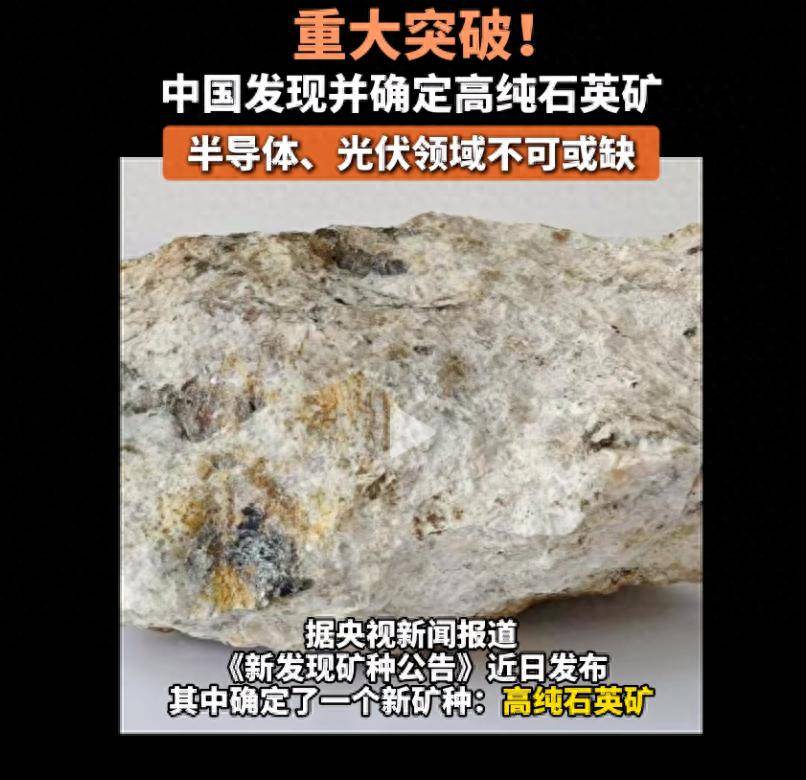
天佑中华!我国发现新矿种,高纯石英矿,关税战迎来“定心丸”
Sou Hu Cai Jing· 2025-06-08 08:50
Core Viewpoint - The discovery of high-purity quartz ore in China marks a significant breakthrough, potentially altering the landscape of key material supply and reducing dependency on foreign sources, particularly the United States [1][12]. Group 1: Importance of High-Purity Quartz - High-purity quartz is essential for high-tech applications, including semiconductor chips and solar panels, due to its high temperature resistance, corrosion resistance, and excellent insulation properties [3][10]. - Prior to this discovery, China relied heavily on imports of high-purity quartz sand, spending approximately 13.16 billion on imports last year, which created a significant financial burden and dependency on foreign suppliers [6][18]. Group 2: Strategic Implications - The discovery allows China to produce high-purity quartz with a purity of over 99.995%, comparable to the best global sources, thus enhancing domestic production capabilities and reducing reliance on imports [8][10]. - This new resource is expected to improve the yield rates for chip manufacturers by at least 8% and reduce costs in the solar industry by 15%, providing a strategic advantage in technology development [10][20]. Group 3: Impact on US-China Relations - The timing of this discovery is crucial amid escalating trade tensions and technology restrictions from the US, as it undermines the US's leverage over China in critical technology sectors [12][15]. - By securing its own supply of high-purity quartz, China effectively counters US tariffs and resource control strategies, shifting the balance of power in its favor [16][18]. Group 4: Future Prospects - The discovery is seen as a pivotal moment for China's technological independence, enabling the country to enhance its manufacturing capabilities and innovation potential [20][21]. - This development not only alleviates immediate resource constraints but also positions China favorably in the ongoing global technology competition [20].

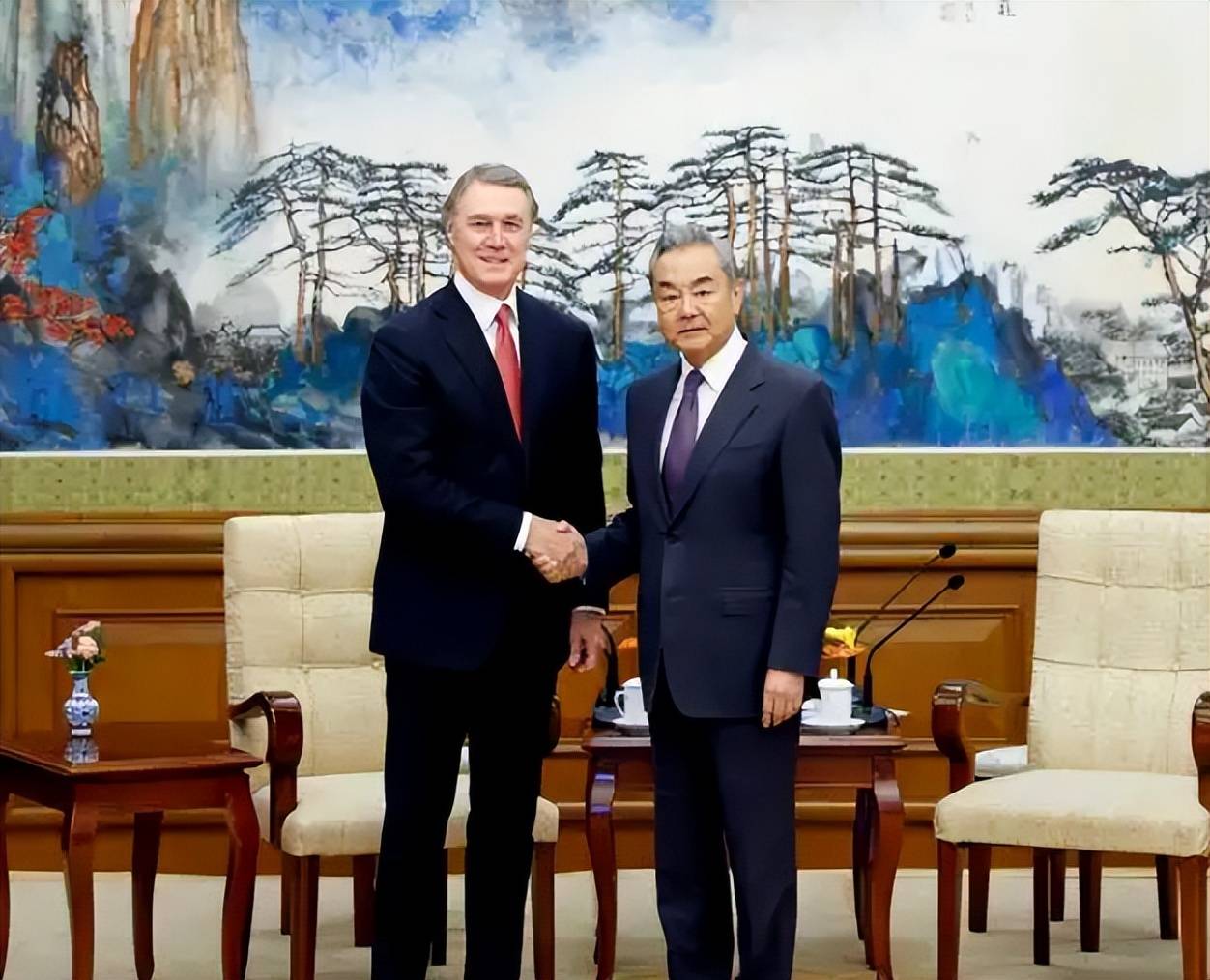
西方跨国企业抱团施压稀土管制,中方打出组合拳,稀土管控升级
Sou Hu Cai Jing· 2025-06-08 06:19
Group 1 - China's Ministry of Commerce stated that as long as applications meet regulations, exports of rare earths will be approved, and this policy is not targeted at specific countries [1][10] - The tightening of rare earth export controls has led to significant disruptions in global high-tech supply chains, moving beyond typical trade friction [1][14] - The U.S. defense contractor Lockheed Martin has faced production halts of its F-35 fighter jets due to interruptions in the supply of high-performance neodymium-iron-boron magnets, resulting in losses of millions of dollars [2][14] Group 2 - Tesla is experiencing supply chain issues related to rare earth materials needed for its electric motors, threatening the production schedule of its Model series [4][14] - The German automotive industry, represented by major manufacturers like BMW, Mercedes-Benz, and Volkswagen, warned that a disruption in Chinese rare earth supplies lasting over three months could lead to a large-scale paralysis of the European automotive industry [5][14] - Japanese automaker Suzuki had to suspend production at its Shizuoka plant due to a shortage of specific rare earth elements from China, highlighting the direct impact of supply chain tensions on manufacturing [5][14] Group 3 - The U.S. government's response to the rare earth control issue has been inconsistent, with President Trump pressuring China to ease export controls while simultaneously imposing technology sanctions [7][8] - This dual strategy of demanding rare earths while restricting technology reveals deep contradictions in U.S. policy, which has inadvertently spurred advancements in China's technology sector [8][12] - China's export control system for rare earths is based on international trade rules and aims to ensure the stability of global supply chains [10][16] Group 4 - The international competition over rare earths reflects a clash of national strategic thinking, with China having built the world's largest and most complete rare earth industry system over the past decade [12][16] - Despite having rich rare earth deposits, the U.S. remains heavily reliant on China for processing due to long-term neglect of domestic refining capabilities and environmental regulations [14][16] - The rare earth issue has become a focal point in global supply chain dynamics, emphasizing the vulnerabilities in high-tech industries such as electric vehicles, smartphones, and wind turbines [14][16]
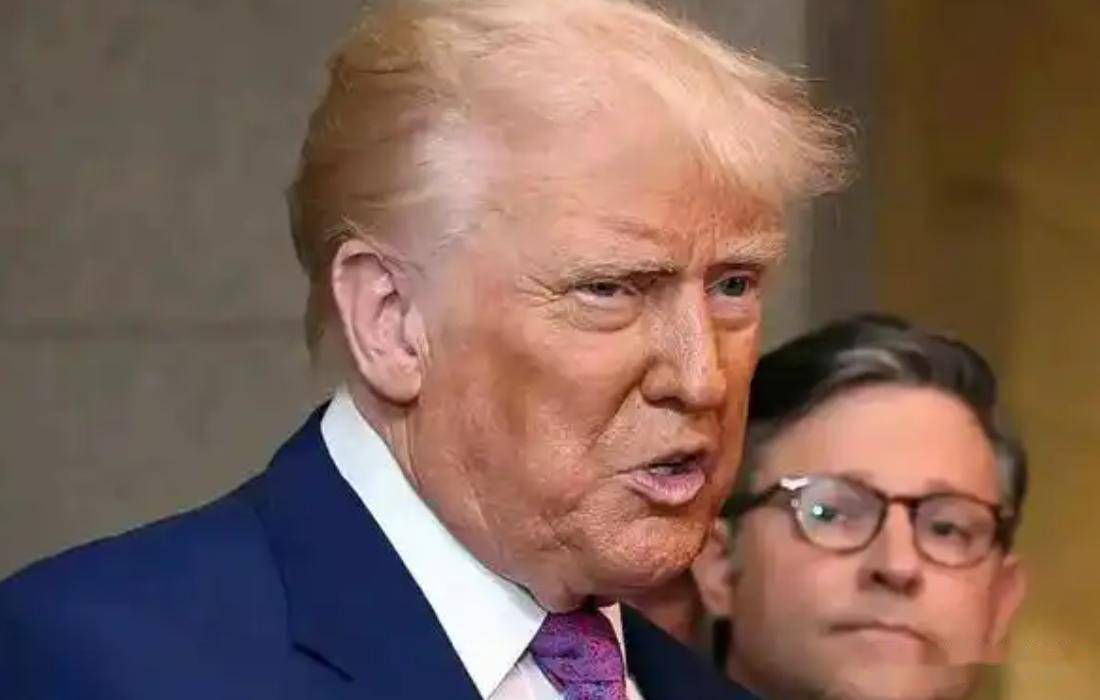
我想全世界现在都在赌,中美到底谁先扛不住?
Sou Hu Cai Jing· 2025-06-06 14:33
Group 1 - China's exports to the US have declined for three consecutive months, while US imports from China have not significantly increased, indicating a shift in trade dynamics [2] - The US is facing persistent inflation, with the Federal Reserve maintaining high interest rates, while the Biden administration struggles to balance trade policies and domestic pressures [2][6] - The agricultural sector in the US is feeling the impact of trade tensions, as evidenced by the cancellation of a significant pork order from China, highlighting the political ramifications of trade policies [2] Group 2 - The ongoing US-China competition has evolved from trade to technology and geopolitical strategies, with both countries attempting to leverage their respective strengths [4] - China's GDP growth in the first quarter was 5.2%, driven largely by domestic consumption, indicating resilience despite export challenges [4] - The export of new energy vehicles from China surged by 60%, reflecting strong global demand and market confidence [4] Group 3 - The solar panel and lithium battery sectors in China are facing overcapacity issues, leading to longer inventory turnover periods and operational challenges for manufacturers [6] - In the US, the imposition of reciprocal tariffs has backfired, contributing to rising inflation and increased costs for consumers [6][8] - Walmart is struggling to maintain its low-price model due to supply chain disruptions and rising costs, which could impact its sales performance [8] Group 4 - China's technology sector continues to face challenges from US restrictions, but there are signs of resilience, such as advancements in Huawei's chip capabilities and increased domestic production [9] - The geopolitical landscape is shifting, with US allies navigating their own interests, leading to a complex web of trade relationships [9][11] - The competition between the US and China is characterized by a struggle for strategic endurance and institutional resilience, rather than a clear winner [11][13]
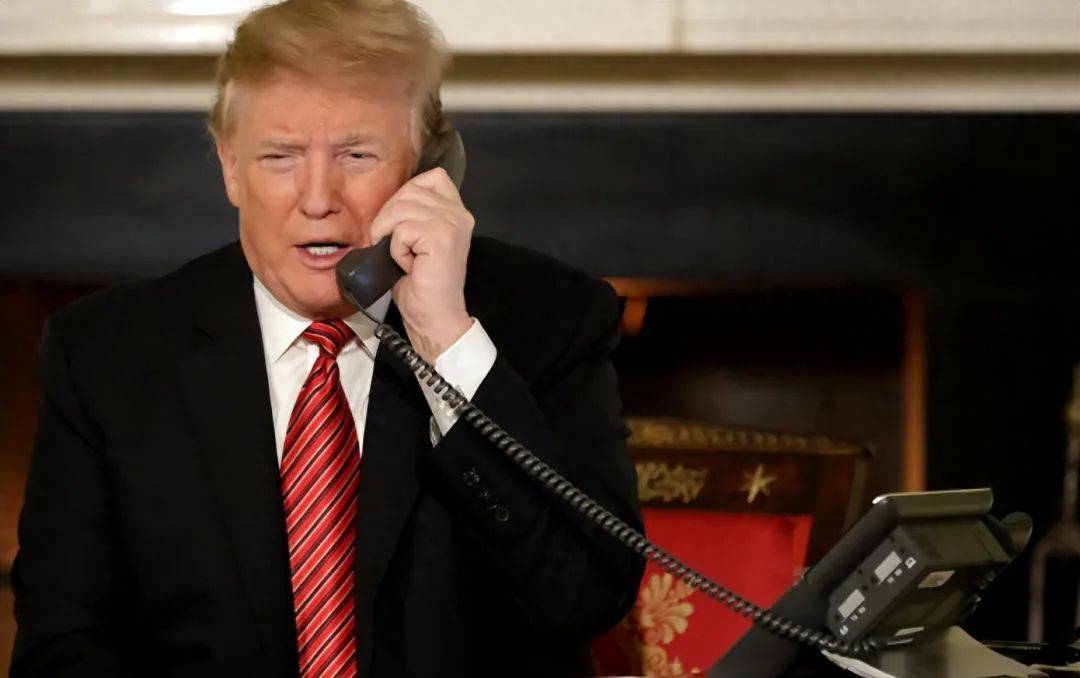
中美角力悬念迭起,稀土之争成中国王牌,特朗普急切打通中方热线,全球瞩目新博弈
Sou Hu Cai Jing· 2025-06-06 02:44
Group 1 - The core issue revolves around the "rare earth crisis" faced by the Trump administration, highlighting the strategic importance of rare earth exports controlled by China [1][3] - The U.S. is heavily reliant on rare earths for modern technology, and any supply chain disruptions could significantly impact American tech giants like Tesla [3][5] - China's response to U.S. tariffs includes targeted countermeasures affecting coal, crude oil, and key metals, indicating a strategic approach to counter U.S. pressure [5][7] Group 2 - The ongoing U.S.-China trade tensions are characterized by a complex interplay of tariffs and strategic resources, with both sides holding significant leverage [7][9] - The competition extends beyond trade to include technology and geopolitical influence, with both nations seeking to balance cooperation and competition [9][11] - Future dialogues between U.S. and Chinese leaders will likely address broader economic order issues, with potential global implications [11]
何小鹏谈价格战:目前还不算激烈,下一个5年中的某一年竞争会更激烈
第一财经· 2025-05-28 13:19
Core Viewpoint - The chairman of XPeng Motors, He Xiaopeng, indicated that the current competition in the automotive market is not yet intense, but it is expected to become more competitive in the next five years [1] Group 1: Industry Insights - He Xiaopeng emphasized that the ability to engage in price wars is insufficient for sustainable development in the automotive industry [1] - The focus should shift from price competition to technological advancement, suggesting that companies should invest in technology rather than merely competing on price [1] - He also encouraged companies to expand their presence internationally, indicating a strategic direction for growth beyond domestic markets [1]


何小鹏谈价格战:目前还不算激烈,最激烈的将诞生于下个五年
news flash· 2025-05-28 13:15
金十数据5月28日讯,5月28日晚间小鹏汽车董事长何小鹏在小鹏MONA M03 MAX发布会上谈及行业价 格战时表示:"目前车市的竞争还不算激烈,在下一个5年中的某一年竞争会更激烈。"他还表示,对车 企而言,卷价格的能力不足以支撑发展,不要卷价格,应该要卷科技,而且应该走出国门。 (一财) 何小鹏谈价格战:目前还不算激烈,最激烈的将诞生于下个五年 ...
速递|AI冷战升级!美国财政部开始审查Benchmark投资Manus,套壳应用也无法躲避科技地缘政治风暴
Sou Hu Cai Jing· 2025-05-10 04:38
图片来源:Manus 根据TechCrunch和Semafor等报道,美国财政部正在审查Benchmark Capital对中国初创公司Manus AI的7500万美元投资,据两位知情人士透露,这反映 出中美之间不断升级的科技竞争。 这家硅谷风险投资公司近期收到财政部的问询,内容是这笔投资是否属于针对"关注国家"先进技术(如人工智能)投资的新限制范围。 相关法律以2023年拜登总统签署的《对外投资安全计划》为核心,直到今年早些时候才生效。该计划要求,美国企业或个人在投资可能"加速或增强敏感 技术发展"的关键领域时,须向财政部通报。 根据报道,Benchmark和美国财政部均拒绝置评,Manus也未回应置评请求。 这项审查正值美国科技行业与中国联系面临更大监管之际。尽管美国在人工智能领域领先数十年,但如今正迅速被中国赶上。中国不仅在论文发表数量上 领先,还发布了如DeepSeek R1等强大模型,导致今年年初美国一些相关企业股价大幅下跌。 Manus在3月发布了一段令人印象深刻的演示视频后,被称为"第二个DeepSeek时刻"。视频展示其AI智能体如何自主完成复杂任务,从深入研究项目到自 动生成移动应用和网站。 ...