耐心资本

Search documents
等你来投!《清华金融评论》11月刊“科技与资本双向融合”征稿启事
清华金融评论· 2025-10-09 10:43
Core Viewpoint - Technology is the primary productive force, and better integration of technology and capital can activate new engines of economic growth, build an efficient financial ecosystem, and strengthen national strategic security [2][4]. Submission Directions - The article invites contributions on the theme of "Integration of Technology and Capital," marking the 6th anniversary of the Science and Technology Innovation Board (科创板) in 2025 [4]. - The editorial team aims to provide a platform for policy makers, business decision-makers, researchers, and investors through analysis of economic and financial conditions, commentary on policies, and practical recommendations [4]. Suggested Topics for Submission 1. Achievements and future development directions of the Science and Technology Innovation Board [5]. 2. Impact and prospects of new policies on the financing environment for technology enterprises [6]. 3. Mechanisms for nurturing patient capital under the deepening of the registration system [6]. 4. Regulatory collaborative innovation in the integration of technology and capital [6]. 5. Upgrading the low-altitude economy industrial chain driven by patient capital [6]. 6. Support logic for unprofitable enterprises under the tiered design of the Science and Technology Innovation Board [6]. 7. Institutional optimization for enhancing the patient attributes of state-owned capital [6]. 8. Artificial intelligence reshaping the full-cycle management of patient capital [6]. 9. Actual promotion of industries by the expansion of the fifth set of standards of the Science and Technology Innovation Board [6]. 10. Capital pathways in frontier fields [6]. 11. Addressing the pain points of "raising, investing, managing, and exiting" for enterprises on the Science and Technology Innovation Board [6]. 12. International experience in further integrating technology and capital [6]. Submission Requirements - Original submissions that have not been published on any platform [7]. - Suggested word count of 4000 to 6000 words, including charts [7]. - Plagiarism check limit of 8% on CNKI [7]. - Submission format includes a Word document, author biography, contact information, and academic resume [7]. - Submission deadline is October 18, 2025, with the email provided for submissions [7].

《国企要参》特别专题丨国资容错机制发展问题与完善路径研究
Sou Hu Cai Jing· 2025-10-07 10:41
1.中央层面 2018年,国务院办公厅发布《关于推广第二批支持创新相关改革举措的通知》(国办发〔2018〕126号),首次以地方立法形式建立推动改革创新的容错 机制,明确政府股权基金投向种子期、初创期企业的容错机制。 2019年,国务院国资委印发《关于做好中央企业违规经营投资责任追究工作体系建设有关事项的通知》,强调探索容错机制落地,落实"三个区分开来"原 则。 2020年,中央深改委审议通过《国企改革三年行动方案(2020—2022年)》,提出制定尽职合规免责事项清单,推动容错机制与合规管理结合。 今年,北京市人民政府办公厅印发《北京市建立未来产业投入增长机制 促进未来产业发展的若干措施》。鼓励支持市区两级政府投资基金、国企基金加 大对未来产业的投入力度,遵循基金投资运作规律,容忍正常投资风险,不简单以单个项目或单一年度盈亏作为考核依据。其中特别明确,改革优化未来 产业投融资考核评价的制度机制,推动建立包容审慎、尽职免责的创新创业生态。 此次的北京新政对容错机制又向前迈出了一步。过去一年,国资探索容错机制在全国各地不断进行实践,鼓励国有资金"敢于投""大胆投",为耐心资本松 绑。虽然容错政策框架已建立,但实 ...

上市公司耐心资本数据(2007-2025年)
Sou Hu Cai Jing· 2025-10-07 04:20
Core Insights - Patience capital is reshaping the value assessment system in capital markets during a critical period of economic transformation towards "new productive forces" [2] - The article reveals the quantitative characteristics and strategic value of patience capital data from 2007 to 2025, providing insights for investors, policymakers, and enterprises [2] Definition and Quantitative Revolution - Patience capital is defined through a dynamic evaluation system based on the ratio of relational debt and the stability of strategic equity, moving beyond traditional financial metrics [3] - The relational debt ratio reflects the proportion of long-term liabilities in total liabilities, indicating a company's ability to support strategic innovation through debt financing [3] - Strategic equity stability is quantified by the ratio of institutional investors' shareholding and the standard deviation of their holdings over the past three years, indicating stronger strategic commitment [3] Data Innovations - A dual-factor model combining "debt structure + equity stickiness" provides a multidimensional portrayal of capital attributes [4] - Time series standard deviation analysis captures changes in investor behavior patterns, revealing the dynamic evolution of capital patience [4] Industry Distribution and Hard Technology Preference - Patience capital shows significant industry clustering effects, particularly in strategic emerging industries like semiconductors, biomedicine, and new energy [4] - Shenzhen's unicorn enterprises exhibit an average relational debt ratio of 41%, with 13 new unicorns receiving long-term funding from the National Integrated Circuit Industry Investment Fund [4] Regional Competition and Patience Capital Density - The Yangtze River Delta and Pearl River Delta form a dual-core driving pattern for the development of patience capital, with Shenzhen's model centered around industrial funds exceeding one trillion yuan [5] - The high density of patience capital supports the growth of hard technology benchmarks like DJI and BYD, creating a virtuous cycle of "capital-technology-industry" [5] Generational Evolution of Investor Structure - The investor group for patience capital exhibits distinct generational characteristics, with the first generation focusing on absolute returns and risk control, while the second emphasizes industrial synergy and strategic value [6] - The third generation incorporates ESG considerations into long-term investment perspectives, blending value investment with social responsibility [6] Capital Strategic Upgrades - Companies should enhance the efficiency of patience capital allocation through "technological credibility + governance transparency" [8] - Institutional investors need to innovate long-term value assessment models that include non-financial indicators like "technology maturity curve" and "industry ecological niche" [8] - Local governments should implement policies such as tax incentives to lower the participation costs of patience capital [9] Future Outlook - The strategic value of patience capital will become more prominent with the emergence of disruptive technologies like AI and quantum computing [10] - Companies receiving patience capital support in technology fields with R&D cycles exceeding five years have a success rate 2.3 times higher than the market average [10] - Capital markets must leverage this historical opportunity through institutional innovations to attract global patience capital [10]

等你来投!《清华金融评论》11月刊“科技与资本双向融合”征稿启事
清华金融评论· 2025-10-03 09:39
Group 1 - The core viewpoint emphasizes that technology is the primary productive force and that better integration of technology and capital can activate new economic growth engines, build an efficient financial ecosystem, and strengthen national strategic security [1][2]. - The year 2025 marks the 6th anniversary of the Science and Technology Innovation Board (科创板), prompting a call for contributions to discuss the dual integration of technology and capital [2][4]. Group 2 - The article outlines 12 topics for discussion, including the achievements and future development directions of the Science and Technology Innovation Board, the impact of new policies on the financing environment for tech enterprises, and the collaborative innovation in regulation for technology and capital integration [5]. - Specific topics include the nurturing mechanism for patient capital under the registration system, the support logic for unprofitable enterprises through the tiered design of the Science and Technology Innovation Board, and the international experience in further integrating technology and capital [5].
证监会对私募股权创投基金重磅发声
母基金研究中心· 2025-09-30 08:48
Core Viewpoints - The China Securities Regulatory Commission (CSRC) emphasizes the importance of private equity and venture capital funds in supporting technological innovation, highlighting their role as key drivers for capital formation and industry resource integration [2][3] - The concept of "patient capital" is gaining traction, which refers to capital that can provide long-term support and is tolerant of risks and failures, essential for the long cycles and high uncertainty associated with technological innovation [4][6] Group 1: Regulatory Insights - Zhao Shanzhong from the CSRC stated that over 90% of companies listed on the Sci-Tech Innovation Board and more than half of those on the ChiNext have received capital support from private equity and venture capital funds since the implementation of the registration system reform [2] - The CSRC is actively promoting the optimization of the private equity and venture capital industry ecosystem, aiming to streamline the entire fundraising, investment, management, and exit process [2][3] Group 2: Industry Challenges - The current financial supply is characterized by short-term funding and low risk tolerance, which is inadequate for the long-term capital needs of technological innovation [3] - The investment themes have shifted towards hard technology, necessitating a longer investment horizon and a more patient approach from venture capital firms [4][5] Group 3: Policy Support - Recent government policies, including the "17 Measures for Promoting High-Quality Development of Venture Capital," aim to enhance the policy environment and management systems for venture capital [7] - The government is encouraging the development of patient capital and the participation of social capital in venture investments, with significant funding expected to be mobilized [7] Group 4: Future Outlook - The establishment of national venture capital guiding funds is anticipated to attract nearly 1 trillion yuan in local and social capital [7] - The venture capital industry is expected to respond positively to central government calls for increased investment in early-stage, small-scale, long-term, and hard technology ventures [6][7]
耐心资本赋能城市更新:作用、路径与发展建议 | 交通战略研究
Sou Hu Cai Jing· 2025-09-30 03:55
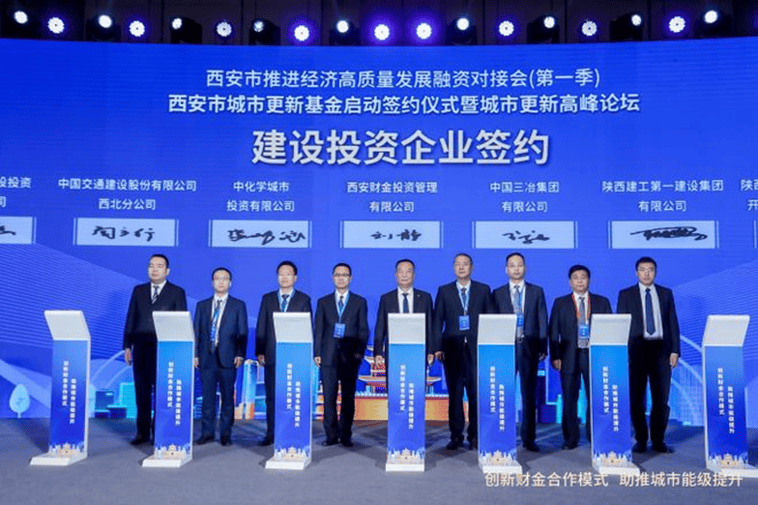
Group 1 - The core viewpoint of the article emphasizes the importance of "patient capital" in driving urban renewal projects in China, particularly as the country shifts from "incremental expansion" to "stock optimization" in urban development [1][22] - Urban renewal projects face challenges such as large investment scales, long recovery periods, and high uncertainty, which traditional short-term capital often avoids, leading to funding shortages [1][22] - Patient capital is characterized by a long-term investment horizon, focusing on sustainable development and long-term value growth rather than short-term profits [2][3] Group 2 - The policy background for the development of patient capital includes various government initiatives aimed at encouraging long-term investments, particularly in urban renewal [2][17] - Patient capital provides stable funding for urban renewal projects, alleviating financial pressures and ensuring projects can progress without interruption [4][10] - The introduction of patient capital encourages a transformation in market participants from "developers" to "renewal operators," focusing on long-term community needs and project sustainability [5][6] Group 3 - Innovative financing models are being developed through patient capital, integrating government funds and social capital to create diverse funding sources for urban renewal projects [7][10] - The Xi'an Urban Renewal Guidance Fund serves as a case study, showcasing a structured approach to mobilizing resources for urban renewal, with a total scale of 10 billion yuan [8][10] - The fund's exit mechanisms include generating returns through project operations and potential public REITs issuance, providing a pathway for investors to recoup their investments [15][16] Group 4 - Challenges facing patient capital in urban renewal include an incomplete policy support system, inadequate project revenue mechanisms, and a shortage of specialized talent [17][19][21] - Recommendations for improvement include establishing a comprehensive policy framework, diversifying revenue channels for projects, and enhancing professional training for talent in urban renewal and patient capital management [20][21][22]
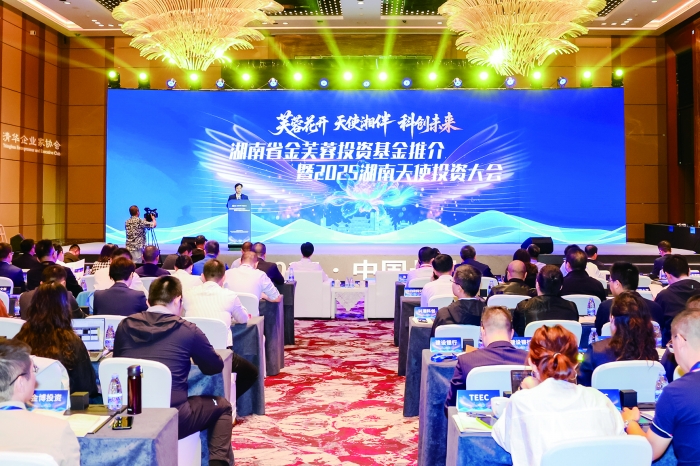
“筑巢”培育耐心资本 金芙蓉基金“1+5+N”体系生机勃发
Shang Hai Zheng Quan Bao· 2025-09-28 17:12
Core Viewpoint - The Hunan Jin Furong Investment Fund has established a "1+5+N" system to foster patient capital, aiming to support key technologies and enhance the growth of quality enterprises in Hunan province [1][3]. Group 1: Fund Structure and Goals - The Jin Furong Fund consists of a total fund ("1"), five main funds focusing on industry guidance, technological innovation, infrastructure, social development, and others ("5"), and multiple sub-funds ("N") to attract social capital [1][3]. - The fund has received government approval for 22 sub-fund plans, with a total target scale of 34 billion yuan, including 18 industry funds, 2 technology innovation funds, and 2 infrastructure funds [1][3]. Group 2: Fund Performance and Impact - As of August 2023, the fund has made investment decisions on 220 projects, focusing on critical core technologies and supporting numerous innovative enterprises [3][5]. - The fund has successfully supported 193 entrepreneurial projects for university students, significantly alleviating their financing challenges [3]. Group 3: Ecosystem Development - The Jin Furong Fund has established a collaborative ecosystem through the Science and Technology Innovation Alliance and the Hunan Angel Investment Alliance, providing a one-stop service for research and development, transformation, and market access [4][10]. - The fund emphasizes a market-oriented approach in selecting sub-fund management institutions, ensuring professional investment operations [6][9]. Group 4: Investment Strategy and Risk Management - The fund adopts a flexible investment strategy, allowing for a maximum loss rate of 50% for the technology innovation mother fund, and aims for a return ratio of 1 to 1.2 for sub-funds [9]. - The fund's management is evaluated based on the overall lifecycle and performance of the fund rather than individual projects, promoting a long-term investment perspective [9][10].
1000亿元投资回报启示录:“非风险资本”出身的成都国资,为何做了“敢投”的事?
Mei Ri Jing Ji Xin Wen· 2025-09-28 12:55
Core Insights - The article highlights the remarkable investment success of Chengdu state-owned enterprises in Haiguang Information, achieving a capital return of 100 billion yuan from an initial investment of less than 1 billion yuan within a decade [1][5]. Investment Strategy - Chengdu state-owned capital adopted a new paradigm by using equity binding instead of one-way subsidies, aiming to cultivate "chain leaders" and develop the entire semiconductor industry chain [2][8]. - The investment in Haiguang Information was driven by a strategic focus on industry development rather than short-term financial gains, reflecting a long-term commitment to the semiconductor sector [8][9]. Market Position - Haiguang Information, along with other semiconductor companies, has established a strong industrial chain in China, covering chip design, wafer manufacturing, and supercomputing server production [3][10]. - The merger between Haiguang Information and Zhongke Shuguang marked a significant milestone in the Chinese semiconductor industry, creating a giant with a combined market value approaching 806.3 billion yuan [3][4]. Financial Performance - Chengdu state-owned enterprises have seen a capital return rate exceeding 100 times on their investment in Haiguang Information, with the current market value of their holdings around 106.1 billion yuan [5][11]. - The investment in Haiguang Information began in 2016, with Chengdu state-owned capital investing approximately 406.25 million yuan to become the largest shareholder [6][11]. Long-term Commitment - The article emphasizes the importance of "patient capital" in the semiconductor industry, which is characterized by long investment cycles and a focus on technological breakthroughs rather than immediate financial returns [4][10]. - Chengdu state-owned enterprises have demonstrated a willingness to forgo short-term profits, focusing instead on long-term contributions to the industry, employment generation, and technological advancements [10][11].

太白湖新区“隐形冠军”以耐心资本赋能高端流控技术突围
Qi Lu Wan Bao Wang· 2025-09-27 06:30
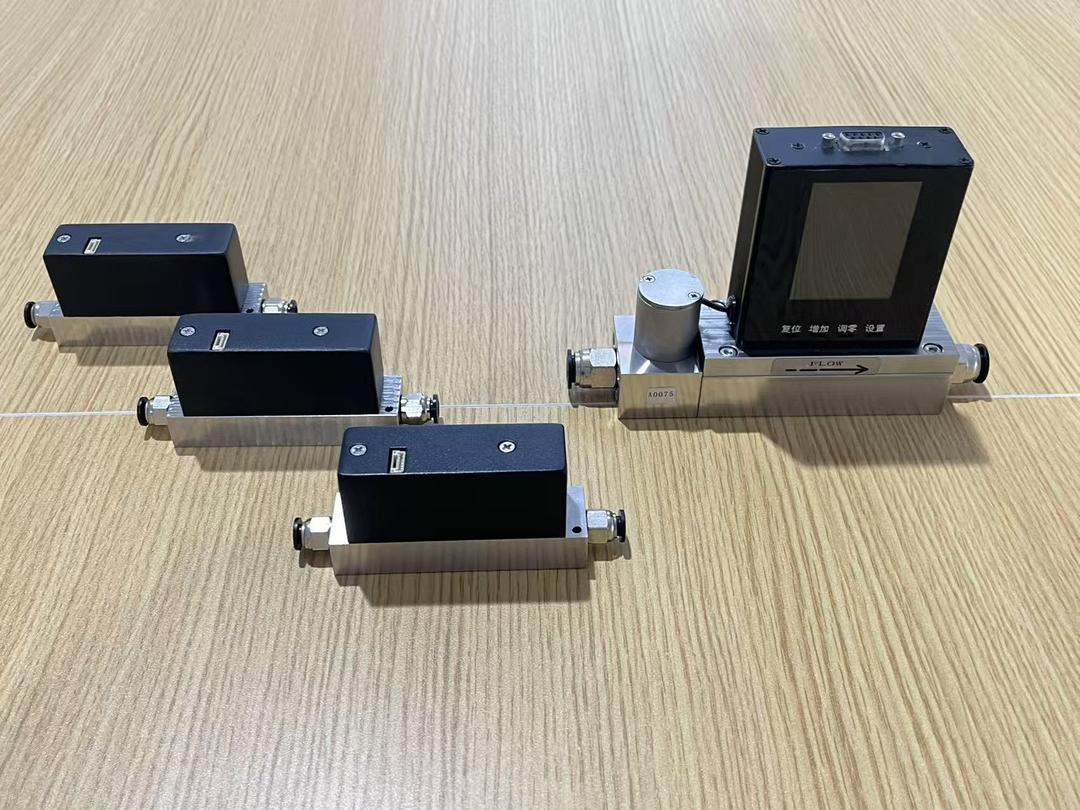
Core Insights - The article highlights the advancements and strategic positioning of Shandong Renyongde Industrial Technology Co., Ltd. in the precision fluid control market, emphasizing its role as a "hidden champion" in high-end manufacturing [1][3]. Group 1: Company Overview - Renyongde specializes in precision fluid control technology, which is crucial for high-end equipment in sectors such as semiconductors, biomedicine, and aerospace [1]. - The company was founded by Luo Yong, who aims to establish a Chinese brand in the precision fluid control sector, traditionally dominated by foreign firms [3]. Group 2: Innovation and Development - The company has undergone a six-year journey of continuous R&D, resulting in breakthroughs across four dimensions: structural design, core materials, control algorithms, and detection systems [5]. - Renyongde's products now match international leaders in performance, offering unique advantages in repeatability and consistency, while also being cost-effective [5]. Group 3: Market Positioning and Strategy - Renyongde has established a stable product line, including gas pressure flow controllers and electronic pressure sensors, successfully achieving domestic substitution in fields like mass spectrometry and biocultivation [6]. - The company is actively targeting the semiconductor market, developing flow controllers for photolithography and aerospace applications, aiming to replace imported products [8].
欣旺达又做LP | 融中投融资周报
Sou Hu Cai Jing· 2025-09-27 03:36
Group 1: Investment Funds and Initiatives - Hubei province has established a data industry fund with a total scale of 10 billion yuan, focusing on areas such as big data, data security, and artificial intelligence [2] - Shanghai Future Industry Fund plans to invest in 20 sub-funds this year, aiming to create a comprehensive innovation investment ecosystem [2] - A new 50 billion yuan mother fund has been launched in the Greater Bay Area, focusing on early-stage technology investments [3] - Guangxi has set up a 100 billion yuan AI industry investment fund to promote the integration of AI with the real economy [3] - Hubei Changjiang Jingchu New Material Industry Investment Fund has been established with a total scale of 10 billion yuan to enhance regional industrial competitiveness [4] - Shenzhen's new energy storage fund aims to raise 6 billion yuan, focusing on commercial energy storage projects [5] - Beijing's low-altitude technology investment fund has been established with a scale of 3 billion yuan, targeting early and growth-stage projects [6] Group 2: Company Financing and Developments - Wuxi Quan Zhi Bo Technology has completed over 100 million yuan in financing to enhance talent development and manufacturing capabilities [7] - Zero Gravity Aircraft Industry has secured nearly 100 million yuan in strategic financing to advance product development and certification processes [8] - Xingmai Innovation has raised 1 billion yuan in a new financing round, focusing on technology development and global market expansion [9] - Noitom Robotics has completed several million yuan in angel round financing, with a Pre-A round currently ongoing [10]