
技术创新

Search documents
湖南安淳:创新赋能绿色化工高质量发展
Zhong Guo Hua Gong Bao· 2025-12-31 06:24
Core Viewpoint - During the "14th Five-Year Plan" period, Hunan Anchun High-tech Co., Ltd. is accelerating its transformation towards green and intelligent development in the chemical industry, driven by technological innovation and comprehensive service, establishing itself as a leader in high-quality development solutions for green chemicals [1][5][22]. Group 1: Company Overview - Hunan Anchun is a national high-tech enterprise and a "little giant" recognized for its specialization and innovation, focusing on the ammonia and methanol sectors while expanding into coal chemical, coking, power, metallurgy, and new energy industries [1][2]. - The company has built a complete industrial ecosystem integrating R&D, design, manufacturing, and service, establishing key research platforms in Hunan Province [2]. Group 2: Technological Innovation - Hunan Anchun emphasizes technological innovation as its core engine, achieving breakthroughs in green ammonia and green methanol technologies, with several results reaching international leading levels [6][10]. - The company has maintained an average annual R&D investment intensity of over 5%, resulting in the development of 11 new invention patents and 8 utility model patents during the "14th Five-Year Plan" [9]. Group 3: Engineering Services - The company has extended its engineering design and service chain, completing 36 project designs and 40 technical plans during the "14th Five-Year Plan" period, with a focus on digital transformation [12][13]. - Hunan Anchun has successfully undertaken multiple large-scale EPC projects, achieving a 100% project startup rate and an average product quality cost reduction of 50% [14]. Group 4: International Expansion - Hunan Anchun is actively responding to the "Belt and Road" initiative, enhancing its international brand image by engaging in technical and business exchanges with over 10 international clients [20][21]. - The company has established strategic cooperation with a well-known European technology licensor, expanding its international market channels and enhancing its global operational capabilities [21]. Group 5: Future Outlook - Looking ahead to the "15th Five-Year Plan," Hunan Anchun aims to become a global leader in ammonia and methanol technology, continuing to deepen innovation and expand its business boundaries while providing efficient and reliable solutions for global green chemical industries [22].

南京三普造粒装备有限公司:深耕造粒装备三十载 建功“十四五”铸辉煌
Zhong Guo Hua Gong Bao· 2025-12-31 05:44
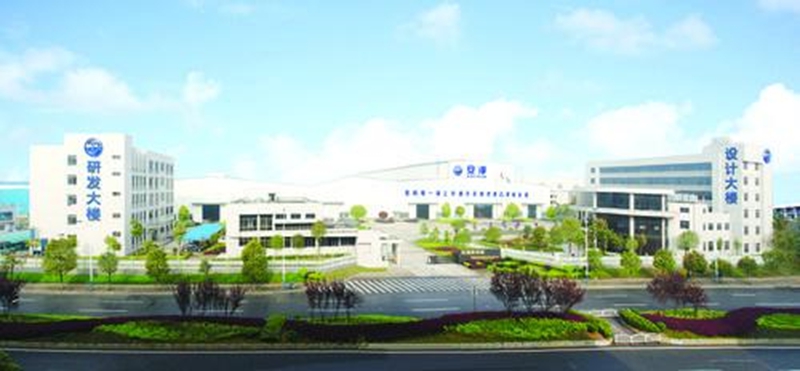
在造粒装备领域深耕三十载,南京三普造粒装备有限公司(以下简称三普造粒)始终坚守专业初心,以技术 创新为核心驱动力,于"十四五" 期间乘风破浪、硕果盈枝,不仅填补了多项国内技术空白,还凭借硬核实力站稳 全球市场,跻身中国造粒装备行业高质量发展标杆行列。 三普造粒外景 创新引领 深耕造粒装备技术前沿 据三普造粒技术负责人介绍,该套技术设备凭借单机产能大、工艺流程短、能源消耗低、"三废"排放少等突 出优势,全面超越传统生产工艺,成为引领造粒装备行业技术发展的风向标。 "早在2009年,三普造粒就成功试制出中国首台15T/h RDG硫黄转筒造粒机。以此为基础,该公司持续深耕工 艺优化与成套技术研发,逐步构建起覆盖8T/h、15T/h、25T/h、50T/h、90T/h的全系列RDG型硫黄滚筒喷浆造粒 机及配套设备体系。截至2024年底,我们已累计销售RDG系列各类型号硫黄造粒机及配套设备76套。" 三普造粒 负责人如是说。 目前,该公司研发的硫黄造粒设备已应用到中石油、中石化、中海油、中国神华、中煤集团、浙江石化等行 业龙头企业,在各大重点项目中稳定运行。2024年1月,由三普造粒自主研发承建的全球单机最大产能硫黄滚 ...
出海新浪潮下的中国全球化企业:2025年度有哪些公司引人关注 | 跨越山海
Sou Hu Cai Jing· 2025-12-31 05:00
Group 1 - In 2025, the global economic landscape is entering a new phase characterized by increased trade protectionism and a focus on domestic economic policies, leading to heightened global trade tensions and the reshoring of key industries [2][4] - The First Financial Research Institute is launching a new round of research on corporate globalization, analyzing the dynamic trends of Chinese enterprises in the context of changing global trade policies and regulations [3][4] - The report aims to document the experiences of enterprises navigating the challenges of de-globalization and provide references for policy optimization and global expansion [3][4] Group 2 - Chinese enterprises are entering a "new normal" in globalization, facing headwinds from rising anti-globalization sentiments and geopolitical tensions, which are prompting a shift in focus towards supply chain security and local production [5][6] - The UNCTAD reports that by the end of 2024, 46 countries have established foreign direct investment review mechanisms, reflecting a significant increase in scrutiny of foreign investments [6] - The global investment outlook for 2025 has been downgraded, with expectations of negative growth in foreign direct investment due to various economic uncertainties [7] Group 3 - Despite external uncertainties, Chinese enterprises are demonstrating resilience in globalization, with stable growth in foreign trade and overseas revenue [9][11] - In the first half of 2025, China's total import and export volume reached 21.8 trillion yuan, with exports growing by 7.2% year-on-year, showcasing strong trade performance [9][10] - Emerging industries such as new energy and industrial robotics are driving export growth, with significant increases in the export of lithium batteries and wind turbines [10][11] Group 4 - Chinese enterprises are increasingly focusing on localizing their overseas operations and enhancing compliance to manage risks effectively [12] - In the first five months of 2025, China's non-financial direct investment abroad reached $61.6 billion, with a notable increase in investments in Belt and Road Initiative countries [12] - The First Financial Research Institute's Globalization Index for Chinese enterprises is projected to grow by 6.1% in 2025, indicating a positive trend in globalization efforts [12][15] Group 5 - The manufacturing sector remains a cornerstone of Chinese enterprise globalization, with overseas revenue from manufacturing companies exceeding 9 trillion yuan in 2024, marking a 75.6% increase since 2020 [47] - The automotive manufacturing industry has seen the fastest growth in overseas revenue, with a 165.7% increase from 2020 to 2024, driven by the rise of the new energy vehicle sector [48] - Companies like BYD are expanding their global footprint by establishing or expanding factories in various countries, enhancing local service capabilities and reducing operational risks [48]
欧菲光:公司持续研发投入,提高技术创新附加值
Zheng Quan Ri Bao Wang· 2025-12-31 04:10
Core Viewpoint - The company is actively optimizing its business model and product structure in response to industry transformation trends, aiming to enhance its market share in high-end products and improve profitability in the smartphone sector [1] Group 1: Smartphone Business - The company is focusing on increasing its market share in high-end products and improving business profitability through continuous R&D investment and technological innovation [1] - The company is committed to developing high-end lenses and camera modules as part of its core optical business [1] - The company aims to consolidate and enhance its market share while maintaining its leading position in the global optical and optoelectronic field [1] Group 2: Smart Automotive Business - The company's business planning in the "driving domain, body domain, and cockpit domain" aligns closely with the development trends of the automotive industry [1] - The company is effectively benefiting from ongoing technological advancements in the automotive sector [1] - The company plans to focus on its existing orders, core customers, and allocate resources to create star products to capture a leading position in the industry, ensuring sustained growth and profitability [1]

浦林成山获年度卓越高端制造企业,创新与全球化布局驱动价值重估
Sou Hu Cai Jing· 2025-12-31 03:25
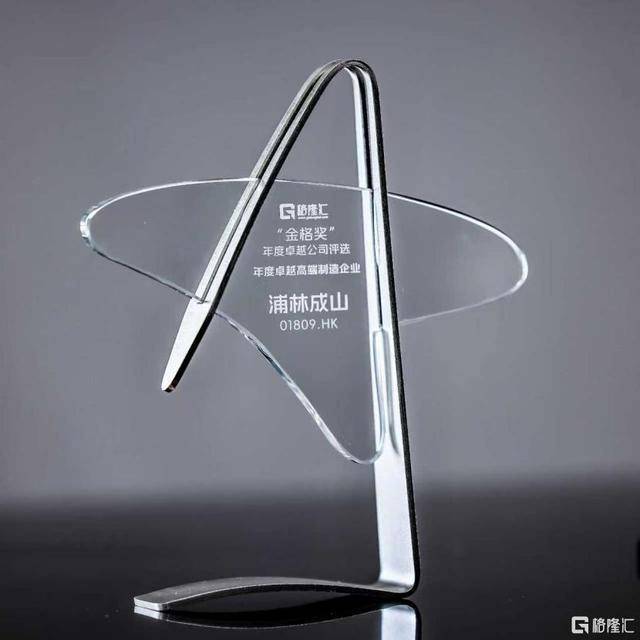
Core Viewpoint - The article highlights the recognition of Pulin Chengshan (1809.HK) as an "Outstanding High-end Manufacturing Enterprise" in the 2025 "Golden Grid Award" list, showcasing its transformation capabilities in the tire manufacturing sector and its competitive edge in the global market [1][3]. Group 1: High-end Manufacturing Competitiveness - High-end manufacturing is defined by technological innovation, smart manufacturing, and green manufacturing, which are essential for industry upgrades and sustainability [5]. - Pulin Chengshan has established a global innovation network with R&D centers in various regions, focusing on high-performance and high-value tire products [5]. - The company has developed unique technologies such as Silenteck® for noise reduction and Healteck® for self-healing, addressing specific market needs in both passenger and commercial vehicle segments [6]. Group 2: Smart Manufacturing and Efficiency - The company is advancing automation and digitalization in its factories, leading to improved production efficiency and cost control [6]. - The Malaysian factory serves as a benchmark for smart manufacturing, integrating digital management across the production process [6]. - Ongoing projects, such as the green intelligent factory in Shandong, aim to enhance low-energy production methods and support the development of high-performance, low-carbon tires [7]. Group 3: Green Manufacturing Initiatives - Pulin Chengshan has implemented a comprehensive green manufacturing system that spans the entire product lifecycle, from raw material sourcing to recycling [7]. - The company promotes sustainable material usage and resource efficiency through smart factory management and recycling networks [7]. Group 4: Financial Performance and Market Position - The company has shown steady financial improvement, with a three-year compound annual growth rate (CAGR) of 13.34% in revenue and 68.07% in net profit from 2022 to 2024 [9]. - Despite industry challenges, Pulin Chengshan maintains a strong return on equity (ROE) of 7.64% and return on assets (ROA) of 4.61% in the first half of 2025, outperforming industry averages [9]. - The company's current price-to-earnings (PE) ratio is 4.59 and price-to-book (PB) ratio is 0.67, indicating a low valuation compared to industry peers, suggesting potential for valuation recovery [9]. Group 5: Future Growth Potential - The high-end manufacturing capabilities of Pulin Chengshan are expected to be recognized by the market, driven by the increasing demand for high-performance tires in the electric vehicle sector and the company's global capacity expansion [11]. - The current undervaluation presents a strategic opportunity for long-term investment in the company's growth [11].
宝丰能源:固本兴新,实业报国
Zhong Guo Hua Gong Bao· 2025-12-31 03:07
Core Viewpoint - The development of modern coal chemical industry in China during the "14th Five-Year Plan" period has undergone significant industry reshuffling and value reassessment, marking the beginning of a new high-quality development cycle characterized by core technological breakthroughs, green low-carbon transformation, and comprehensive efficiency improvements [1] Group 1: Company Overview - Baofeng Energy Group has established the largest, most complete, and technologically advanced modern coal chemical industry cluster in China during the "14th Five-Year Plan" period, laying a solid foundation for the upcoming "15th Five-Year Plan" [1][5] - The company has successfully transitioned from a follower to a leader in the industry by focusing on its core business and continuous innovation [1] Group 2: Industry Impact - Baofeng Energy's annual production of 3 million tons of olefins in Inner Mongolia is a highlight, achieving five global and three national scale records, which significantly contributes to national energy security by replacing nearly 10 million tons of crude oil imports [4][5] - The coal chemical industry is becoming a cornerstone for ensuring China's energy security, food security, and supply chain stability amid various external pressures [5] Group 3: Technological Advancements - The company has adopted a domestic innovation strategy to overcome "bottleneck" technologies, collaborating with top research institutions and equipment manufacturers to achieve breakthroughs in key equipment and technologies [10][11] - Baofeng Energy has achieved significant milestones in the methanol-to-olefins process, including the world's first industrial application of the new DMTO-III technology at a million-ton scale, enhancing economic viability and competitiveness [11] Group 4: Green Transformation - The company is actively pursuing a dual-driven development path of "AI empowerment + green innovation," integrating renewable energy sources like solar and green hydrogen into its production processes [15][18] - Baofeng Energy's green hydrogen production capacity is projected to reach 3.1 billion standard cubic meters annually, significantly reducing carbon emissions and supporting the transition to a low-carbon economy [18] Group 5: Social Responsibility - Baofeng Energy has created over 7,000 new jobs during the "14th Five-Year Plan" period, contributing to local employment and talent optimization [22] - The company has established the Ningxia Yanbao Charity Foundation, providing substantial educational support to students in need, with cumulative donations exceeding 5.038 billion yuan [22][23]

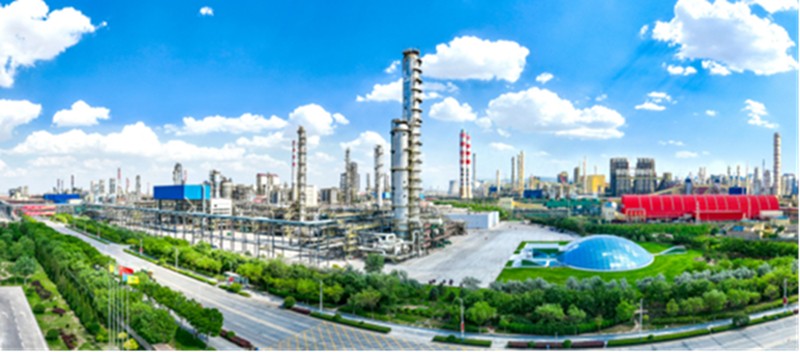
浦林成山(1809.HK)斩获“年度卓越高端制造企业”,技术创新与全球化布局驱动价值重估
Ge Long Hui· 2025-12-31 01:05
Core Viewpoint - The article highlights the recognition of Pulinsongshan (1809.HK) as an "Outstanding High-end Manufacturing Enterprise" in the 2025 "Golden Grid Award" list, showcasing its transformation and competitiveness in the tire manufacturing industry [1][3]. Group 1: High-end Manufacturing Competitiveness - Pulinsongshan's core competitiveness in high-end manufacturing is driven by technological innovation, smart manufacturing, and green manufacturing [5][7]. - The company has established a global innovation network with R&D centers in various regions, focusing on high-performance and high-value tire products [5]. - Specific technological advancements include unique noise reduction technology (Silenteck®) and self-healing technology (Healteck®) for passenger vehicles, as well as green low rolling resistance technology for commercial vehicles [6]. Group 2: Smart Manufacturing and Efficiency - Pulinsongshan is advancing automation, digitization, and smart manufacturing in its factories, leading to improved production efficiency and cost control [6]. - The Malaysian factory serves as a benchmark for smart manufacturing, integrating digital management and efficient collaboration across production processes [6]. Group 3: Green Manufacturing Initiatives - The company has developed a comprehensive green manufacturing system that spans the entire product lifecycle, including sustainable material use and tire recycling networks [7]. - Smart factories enhance resource utilization through refined management and recycling efforts, aligning with global sustainability trends [7]. Group 4: Financial Performance and Market Position - Pulinsongshan has shown steady financial improvement, with a three-year compound annual growth rate (CAGR) of 13.34% in revenue and 68.07% in net profit from 2022 to 2024 [9]. - The company's return on equity (ROE) and return on assets (ROA) for the first half of 2025 were 7.64% and 4.61%, respectively, both exceeding industry averages [9]. - The current price-to-earnings (PE) ratio is 4.59, and the price-to-book (PB) ratio is 0.67, indicating a low valuation compared to industry peers, suggesting potential for valuation recovery [9]. Group 5: Future Growth Potential - The high-end manufacturing capabilities are expected to enhance market competitiveness and profitability, with a focus on the growing demand for high-performance tires driven by the development of the electric vehicle industry [10]. - The global capacity expansion and technological advancements are anticipated to further solidify Pulinsongshan's market position and valuation recovery [10].
技术创新填补行业空缺
Qi Lu Wan Bao· 2025-12-30 16:12
Core Insights - The recent completion of the Amphion system drilling package equipment training platform by the technical team of Victory Oil Engineering Company fills a significant gap in specialized training hardware for the industry, providing strong support for technical learning and talent development related to the Amphion system [1][2] Group 1 - The Amphion system serves as the "brain" of NOV drilling package equipment, featuring a complex architecture that integrates networking, information technology, and automation functions, which presents challenges in mastering hardware and software principles and fault diagnosis [1] - The newly built training platform is equipped with a single board machine and Wago input/output peripheral devices that simulate actual equipment scenarios, effectively addressing practical learning challenges [2] - The platform allows operators to conduct simulated operations and process training, enhancing practical skills, while technical personnel can perform signal tracking, fault diagnosis, system maintenance, and functional testing to gain a deeper understanding of the system's underlying logic [2]
养殖企业降本增效 2026年有望盈利回暖
Zheng Quan Ri Bao· 2025-12-30 16:05
乐山巨星农牧(603477)股份有限公司在12月份接受投资者调研时表示,该公司高度重视生猪产业高质 量发展并积极响应国家生猪产能调控政策号召,通过先进技术研发推广、数智化升级改造等多个维度, 致力于提高养殖效率和经营质量,推动实现高质量发展。11月份,该公司的商品肥猪完全成本约为6.2 元/斤,随着种场优势的释放和育肥效率的提升,后续有望降至6元/斤。 牧原食品股份有限公司近期在接受投资者调研时介绍,该公司10月份的生猪养殖完全成本在11.3元/公斤 左右。该公司致力于通过管理和技术创新持续降本增效,使得在可能会出现的低猪价期,也能凭借较低 的现金成本获得现金流的正流入,以应对外部市场环境带来的挑战。 对于2026年的猪价走势,分析人士普遍持谨慎乐观的态度。卓创资讯生猪行业分析师邹莹吉向《证券日 报》记者表示,2026年生猪供应或仍较充裕,生猪需求或难对猪价形成明显支撑,预计2026年猪价走势 或前低后高。其中,上半年运行趋势总体偏弱,月均价预计在11.4元/公斤至11.8元/公斤之间运行,供应 节奏导致价格止跌反弹的拐点大概率会出现在二季度末。此外,下半年的反弹预期或驱动从业者有二次 育肥等提前布局行为,进 ...

比克电池刘智波:继续加速推进出海战略
Xin Jing Bao· 2025-12-30 13:58
Core Viewpoint - The company aims to enhance its global presence and market share while focusing on technological advancements and sustainable practices in the lithium battery industry [1][2] Group 1: Strategic Goals for 2026 - The company plans to increase its overseas sales proportion to over 50% by 2026, emphasizing global partnerships with major automotive and technology firms [2] - The company targets to achieve mass production of semi-solid batteries by 2026-2027, with an energy density goal of ≥400Wh/kg [2] - The company will strengthen its position in the lithium battery industry by forming an innovation consortium that integrates industry, academia, and research [2] Group 2: Initiatives for Domestic Market and Technology - The company is committed to enhancing production efficiency through smart and digital upgrades of existing production lines, aiming to reduce energy consumption and costs [1] - The company is focusing on the development of solid-state and sodium-ion batteries, alongside next-generation battery technologies to meet high-end market demands [1] - The company is establishing a comprehensive battery recycling system to promote resource circulation and sustainability within the industry [1]