通用人工智能

Search documents
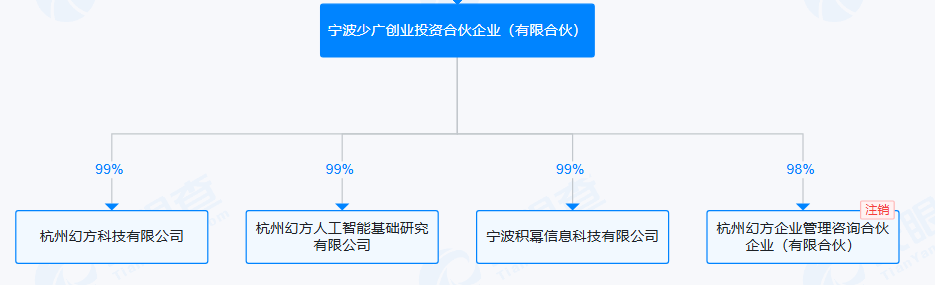
幻方量化员工卷入“亿元返佣案”被抓,“在公司地位特殊”
Guan Cha Zhe Wang· 2025-08-11 06:25
Core Viewpoint - The recent disclosure of a commission kickback case involving the top domestic quantitative private equity firm, Huafang Quantitative, has raised significant market attention due to the involvement of its market director, Li Cheng, and the substantial amount of 118 million yuan involved in the case [1][2]. Group 1: Case Details - The case spans six years, from June 2018 to February 2023, and involves key figures such as Meng Pengfei, who was the general manager of the Shen Nan East Road branch of China Merchants Securities during this period [1]. - Meng Pengfei facilitated the arrangement for his relatives to act as exclusive brokers for Huafang Quantitative, allowing them to receive bonuses through their bank accounts [1]. - Out of the total 118 million yuan in performance bonuses, over 20 million yuan went to Li Cheng, 10 million yuan to Liu Huan, and the remaining 80 million yuan was retained by Meng Pengfei [1]. Group 2: Company Response and Internal Structure - Huafang Quantitative has stated that Li Cheng's actions were personal and not representative of the company's practices, asserting that the company was unaware of the commission arrangements made by the brokerage [3][4]. - The company maintains that it offers uniform commission rates across all cooperation channels, which are considered to be at a relatively low level within the industry [3]. - Li Cheng is described as a significant figure within the company, having considerable influence over business decisions, including the selection of brokerage firms for trading [6]. Group 3: Industry Context - Quantitative private equity firms are seen as lucrative clients for brokerage firms due to their high-frequency trading strategies, which can yield substantial profits despite low per-trade returns [2]. - The annual turnover rate for related products can reach as high as 100 to 200 times, contributing to a stable income stream for brokerages from transaction fees [2]. - Huafang Quantitative, founded by Liang Wenfeng, is recognized as a leading institution in China's quantitative investment sector, with significant assets under management [6].


脑子比不过AI,手也要沦陷了?这只灵巧手看得我有点慌
机器之心· 2025-08-11 04:27
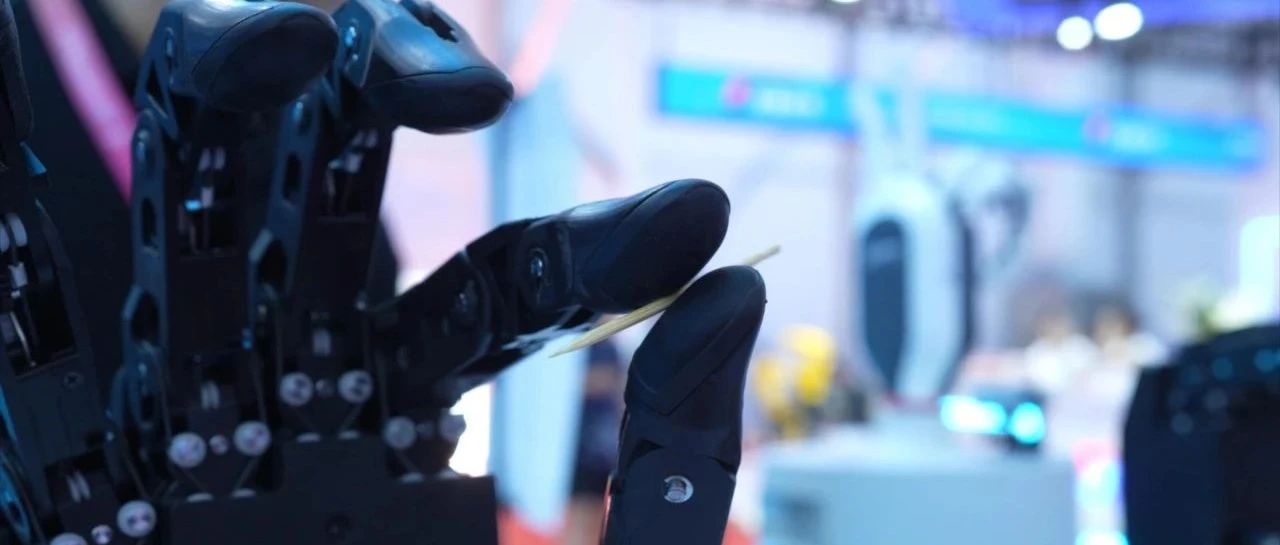
Core Viewpoint - The article discusses the evolution and significance of human hand dexterity, highlighting the challenges and advancements in creating robotic hands that can replicate this dexterity, particularly through the innovative use of flexible transmission systems [5][7][39]. Group 1: Evolution and Functionality of Human Hand - The human hand has evolved from simple structures in early primates to a complex system that combines strength and flexibility, allowing for precise manipulation of objects [1][3]. - The thumb's development has been crucial for fine motor skills, enabling actions such as gripping and writing, which account for a significant portion of hand functionality [9][11]. Group 2: Challenges in Robotic Hand Development - Current robotic hands often fail to replicate the dexterity and adaptability of human hands, with many products being either too bulky or rigid, leading to limited functionality in real-world applications [5][12][15]. - Approximately 80% of existing robotic hands are underutilized, primarily due to a focus on increasing degrees of freedom (DOF) rather than enhancing actual dexterity, which is a more critical measure of usability [15][16]. Group 3: Innovations in Robotic Hand Technology - A new robotic hand showcased at the World Robot Conference demonstrated remarkable flexibility and coordination, closely mimicking human hand movements and capabilities [6][7]. - The company, Lingqiao Intelligent, has adopted a flexible transmission system inspired by human tendon mechanics, allowing for lightweight and efficient operation while maintaining high dexterity [23][30]. Group 4: Market Position and Future Directions - Lingqiao Intelligent aims to prioritize quality over quantity in the production of robotic hands, focusing on high reliability and performance for genuine applications rather than mere aesthetic purposes [34][35]. - The company is positioned to advance the field of robotic hands by enhancing sensory capabilities and intelligent control systems, targeting industrial applications in sectors like automotive manufacturing and electronics [36][40].
幻方量化员工被抓,腐败大案曝光,6年套取上亿
21世纪经济报道· 2025-08-10 12:29
Core Viewpoint - The article discusses a significant rebate scandal involving Huansheng Quantitative, a leading quantitative private equity firm in China, where a total of 118 million yuan was allegedly misappropriated over six years by the marketing director, Li Cheng [1][3]. Group 1: Scandal Details - Li Cheng is accused of colluding with a brokerage manager to fabricate broker identities, directing trades to a specific brokerage to claim 40% of the commission as performance bonuses, totaling 118 million yuan from 2018 to 2023 [3]. - Over 20 million yuan of the misappropriated funds were traced to Li Cheng, and several individuals involved have been handed over to judicial authorities [3]. Group 2: Company Response - Huansheng Quantitative stated that Li Cheng's actions were personal and not representative of the company's practices, asserting that the company was unaware of any rebate activities [5]. - The company emphasized that all cooperation channels had uniform fee rates and that Li Cheng was not a senior executive but a regular marketing staff member [5]. Group 3: Industry Context - The article explains that "brokerage rebates" typically involve brokers returning a portion of commissions to investors based on trading volume, which can lead to conflicts of interest and corruption [6]. - In the quantitative private equity sector, high-frequency trading can result in substantial commissions, with rebates potentially reaching significant amounts depending on trading volumes [7]. - The article highlights that the minimum commission for brokers can be as low as 0.0085% to 0.01%, with rebates negotiated typically between 0.01% to 0.03% [7]. Group 4: Company Background - Huansheng Quantitative, founded by Liang Wenfeng, is recognized as a top player in China's quantitative investment field, managing two billion-yuan private equity platforms [9]. - The firm reached a scale of 100 billion yuan in 2021 and has recently ventured into the general artificial intelligence sector with the establishment of DeepSeek [9]. - As of June 30, 2023, the average return for 50 billion-yuan private equity firms was 10.93%, with a high percentage achieving positive returns, indicating a favorable market outlook for private equity firms [9].

松延动力CFO韩深任:机器人量产已跑通,四季度开启出海业务
2 1 Shi Ji Jing Ji Bao Dao· 2025-08-10 08:22
Core Insights - Songyan Power, established in September 2023, focuses on general artificial intelligence, robotic bionics, and embodied operating systems, achieving significant milestones in product development and testing within a month of its inception [1] - The company has successfully completed its A++ round of financing, raising several hundred million yuan, led by Jinpu Capital, marking its third financing round this year and a total of six rounds since its establishment [1][2] - The shift in the robotics financing environment has moved from demo-based assessments to practical application scenarios, indicating a significant change in market perception [1][2] Company Developments - In 2024, Songyan Power plans to continue financing and ramping up R&D, with this year focused on mass production, which has been progressing smoothly [2] - The company’s humanoid robot, "Little Mischief" (N2), won second place in a marathon competition, leading to a surge in orders, although this has tested the company's mass production capabilities [2] - Songyan Power began seeking mass production facilities in May, moved into a production workshop in June, and achieved bulk shipments by July [2] Industry Trends - 2025 is anticipated to be a pivotal year for humanoid robot mass production, but the industry faces challenges due to an immature supply chain and a lack of supporting manufacturers [2][3] - Many manufacturers are experiencing order surges due to the booming humanoid robot market, leading to supply chain strains [3] - The transition of production lines has been relatively timely, with some automotive parts manufacturers adapting to produce robot components [3] Technological Challenges - Current humanoid robots can only replace human labor in specific scenarios and do not meet the requirements for general-purpose replacement [3] - The development of embodied intelligence is hindered by a lack of sufficient data and suitable models, with industry consensus indicating that model technology has not yet fully converged [4] - Continuous work on model development and data accumulation is necessary for the industry to achieve breakthroughs similar to those seen with ChatGPT and Deepseek [4] International Expansion - Songyan Power aims to complete its mass production process in Q3 2023 and plans to initiate international business in Q4 2023, starting with an agent model to meet customer demands in regions like Europe, the US, Southeast Asia, and Saudi Arabia [3]

奥特曼预期管理失败,GPT-5让人失望了?
Hu Xiu· 2025-08-09 10:17
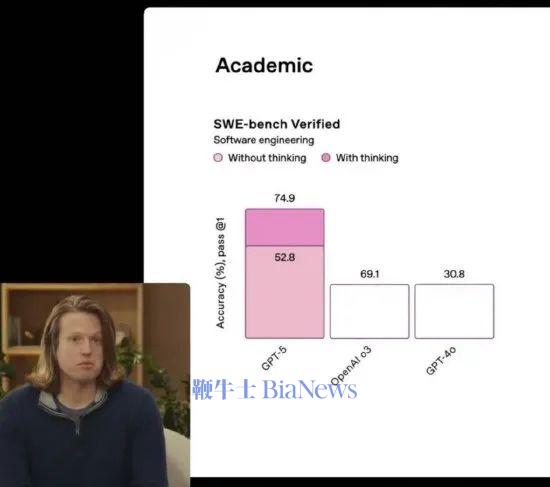
Core Viewpoint - OpenAI has launched GPT-5, which includes multiple versions aimed at being the "smartest, fastest, and most practical" model, with a focus on affordability for users [2][3]. Group 1: Model Launch and Features - GPT-5 was officially released on August 8, 2023, and includes versions such as GPT-5 mini, GPT-5 nano, and GPT-5 Pro [2]. - The pricing strategy for GPT-5 is significantly lower, with API costs reduced to $1.25 per million tokens for input and $10 for output [2]. - The model is perceived as a response to competitive pressures from companies like Anthropic and Google, which have also launched their models [5][6]. Group 2: Performance and Expectations - Experts have noted that while GPT-5 shows improvements in reasoning and tool invocation, it has not met the high expectations set by its predecessors, leading to a consensus that the advancements are incremental rather than revolutionary [3][10][12]. - The model's reliance on synthetic data and a structured data quality assessment system has helped address the scarcity of high-quality data, but there are still concerns regarding its reasoning capabilities [11][29]. Group 3: Safety and Usability - GPT-5 introduces a "safe completion" mechanism that aims to balance safety and usability, moving away from strict refusal to answer potentially harmful queries [9][41]. - The model's ability to dynamically adjust its responses based on user intent is seen as a positive development, indicating that safety and innovation can coexist [43][44]. Group 4: Industry Implications - The launch of GPT-5 signifies a strategic shift for OpenAI towards a more affordable and open model, which could influence the broader AI industry by making advanced models more accessible [8][18]. - The competitive landscape is evolving, with companies like Claude and DeepSeek gaining traction, suggesting a potential shift towards a more diverse ecosystem of AI models [34][36]. Group 5: Future Directions - The introduction of a multi-model routing capability in GPT-5 is viewed as a step towards more flexible and efficient AI applications, although it is not considered a groundbreaking innovation [17][22]. - The ongoing challenges related to reasoning and data quality highlight the need for further research and development in the AI field, particularly in understanding the mechanisms behind reasoning capabilities [27][28].
萝卜快跑无人网约车被曝载客坠入施工沟槽;特斯拉餐厅开业12天:排长队、机器人故障、居民抗议三件套齐发丨AI周报
创业邦· 2025-08-09 10:08
Core Viewpoint - The article highlights significant developments in the global AI industry, including major events, funding activities, and technological advancements, providing insights into market trends and investment opportunities. Domestic Major Events - The 2025 World Robot Conference opened in Beijing, featuring over 200 participating companies and more than 400 top scientists and entrepreneurs discussing industry trends and innovations [4][5]. - Beijing's humanoid robot industry accounts for approximately one-third of the national market, with a nearly 40% revenue growth in the first half of the year [5]. - The world's first humanoid robot 4S store, Robot Mall, opened in Beijing, showcasing over 50 robots across various categories [5]. - A self-driving car incident involving a "萝卜快跑" vehicle occurred in Chongqing, raising safety concerns [5]. AI Company Developments - Dongfeng Nano addressed issues with its L2 smart driving feature, which was reported to have a rightward drift, promising improvements in future software updates [7]. - Chen Tianqiao and Dai Jifeng are preparing to launch a new AI company focusing on AI-driven business decision-making and services for aging populations [8]. - Fourier released its first full-size humanoid robot, GR-3, designed for interactive companionship with advanced features [10]. - Alibaba's Tongyi Qianwen launched new smaller models, Qwen3-4B, outperforming existing models in various tasks [12]. AI Investment Overview - A total of 29 AI funding events were reported globally, with a total financing amount of 67.066 billion RMB, averaging 3.353 billion RMB per event [51]. - The majority of domestic AI funding events were concentrated in Guangdong, Beijing, and Zhejiang, with significant investments in various AI sectors [56][60]. - Notable funding included Lingxin Qiaoshou, which completed a multi-million RMB angel round for its embodied intelligence platform [60]. Overseas Major Events - OpenAI completed a significant $8.3 billion D+ funding round, indicating strong investor confidence in AI technologies [68][69]. - Anthropic reported a remarkable revenue increase from $10 million to $4.5 billion within 18 months, showcasing the rapid growth of AI companies [46]. - ChatGPT's weekly active users reached 700 million, marking a fourfold increase year-over-year, with substantial growth in paid enterprise users [36][49].






史上最大高质量科学推理后训练数据集开源,快速让Qwen3等变“科学家”
量子位· 2025-08-09 07:01
Core Viewpoint - The release of MegaScience, a large-scale open-source dataset for scientific reasoning, aims to enhance the training and evaluation of general artificial intelligence systems in scientific domains, addressing the lack of high-quality training data in scientific reasoning tasks [1][9][15]. Group 1: Dataset Overview - MegaScience consists of approximately 1.25 million question-answer pairs across various disciplines, including biology, chemistry, computer science, economics, mathematics, medicine, and physics [1][15]. - The dataset has been downloaded over 4,600 times within a week of its release and ranks fourth on the HuggingFace Datasets Trending list, indicating significant interest from the academic and industrial research communities [7]. Group 2: Performance and Evaluation - Models trained on MegaScience significantly outperform corresponding official Instruct models in scientific reasoning tasks, demonstrating the dataset's effectiveness [3][16]. - The dataset exhibits good scalability, with performance gains becoming more pronounced as the size of the base models increases [3][16]. Group 3: Challenges Addressed - Existing scientific reasoning datasets face challenges such as unreliable benchmark evaluations, inadequate decontamination processes, low-quality reference answers, and superficial knowledge distillation [10][11][13]. - MegaScience addresses these challenges through a systematic approach, including the development of a comprehensive scientific reasoning evaluation framework and rigorous data decontamination processes [13][15]. Group 4: Data Construction Process - The construction of MegaScience involved collecting data from multiple public datasets, implementing deduplication and decontamination strategies, and applying various data selection techniques to ensure high-quality outputs [27][28][30]. - The TextbookReasoning dataset, a component of MegaScience, was created using a fully automated process that extracted and refined question-answer pairs from approximately 120,000 university-level textbooks [14][19][20]. Group 5: Evaluation Framework - The evaluation framework for MegaScience includes 15 representative benchmark tasks designed to comprehensively assess the scientific reasoning capabilities of language models [37][39]. - The framework optimizes answer extraction processes to enhance the accuracy of evaluation results, ensuring a fair comparison between models [39][41]. Group 6: Future Prospects - Future research may explore the integration of reinforcement learning with MegaScience to further enhance scientific reasoning capabilities, leveraging the high-quality reference answers provided by the dataset [47][48].

GPT会冲击多邻国吗?大摩:语言学习最大的挑战是“动机”,AI不是竞争者而是加速器!
美股IPO· 2025-08-08 05:14
Core Viewpoint - Investors are concerned that the rise of large models like GPT-5 will undermine Duolingo's competitive edge, but Morgan Stanley argues that this concern is misplaced, emphasizing that the main barrier to language learning is motivation rather than technology [1][3]. Group 1: Language Learning Challenges - The biggest challenge in language learning is maintaining motivation, which significantly impacts user retention [5]. - Duolingo's core advantage lies in its gamification, social features, and engaging character design, which differentiate it from competitors [6]. Group 2: Competitive Landscape - Despite being perceived as catering to "casual" learners, Duolingo's monthly usage time and session frequency are over three times that of its closest mobile competitor, Babbel [6]. - The DAU/MAU ratio for Duolingo has doubled since 2019, indicating strong user engagement [6]. Group 3: AI as an Accelerator - Morgan Stanley believes that advancements in AI will benefit Duolingo, as it has already integrated generative AI tools into its operations, enhancing learning outcomes, internal efficiency, and commercialization [7]. - Stronger AI models are expected to accelerate Duolingo's growth, improving key performance indicators and deepening its competitive moat [7]. Group 4: AI-Driven Achievements - Duolingo has doubled its available courses to over 275 and increased the total level count by more than four times in less than two years, showcasing significant content expansion through generative AI [9]. - The "Vibe Coding" model allows rapid product prototyping at low costs, exemplified by a chess course that attracted over 1 million DAU within a year, created by two non-programmers [9]. - The DuoRadio feature, utilizing AI-generated content, expanded its DAU from 100,000 to 5.5 million while reducing costs by 99%, enabling previously unscalable functionalities [9].


特朗普称美将对芯片和半导体征收约100%的关税|首席资讯日报
首席商业评论· 2025-08-08 04:10
Group 1 - Swire Properties reported a revenue of HKD 87.23 billion for the first half of 2025, representing a year-on-year increase of 20% [2] - The company recorded a loss attributable to shareholders of HKD 12.02 billion, compared to a profit of HKD 17.96 billion in the same period last year [2] - A mid-term dividend of HKD 0.35 per share is proposed [2] Group 2 - Anhui Province aims to establish itself as a hub for general artificial intelligence innovation and application, driven by the "Artificial Intelligence +" initiative [3] - The provincial government emphasizes the need for breakthroughs in original and leading technologies and the attraction of innovative entrepreneurial teams [3] Group 3 - The Chengdu World University Games is set to be the largest in history, with 6,679 athletes and officials from 112 countries and regions participating [4] - The event features a diverse age range among athletes, from 13 to 68 years old [4] Group 4 - Taobao announced an upgrade to its 88VIP membership benefits, adding new perks while maintaining the same membership price [5] - This move is seen as a strategy to enhance member engagement and deepen the consumption ecosystem [5] Group 5 - Sony reported PlayStation 5 sales of 2.5 million units in the first fiscal quarter of 2025, a 4% increase from 2.4 million units in the same period last year [6] - The PS5 continues to demonstrate market resilience and maintain its competitive edge [6] Group 6 - China's total goods trade value for the first seven months of the year reached CNY 25.7 trillion, reflecting a year-on-year growth of 3.5% [8] - The growth rate accelerated by 0.6 percentage points compared to the first half of the year, with notable increases in trade with ASEAN, the EU, Africa, and Central Asia [8] Group 7 - The Ministry of Finance announced a policy to waive childcare education fees for all kindergarten senior class children, expected to benefit around 12 million children in the upcoming autumn semester [9] Group 8 - Li Auto's legal department announced plans to hold accountable those spreading negative reviews about the company, citing organized misinformation campaigns [10] - This initiative aims to protect the image of Li Auto and its users from online harassment [10] Group 9 - Reports indicate that Alibaba is likely to exit its investment in the Indian company Eternal through a block trade valued at approximately INR 5.375 billion (around USD 61.3 million) [12] - Alibaba's Antfin Singapore holds a 2.08% stake in Eternal, which will be sold at a discount to the market price [12]


OpenAI终于发布大杀器,马斯克各种不服,网友却笑不活
Xin Lang Ke Ji· 2025-08-08 01:23
Core Insights - OpenAI has launched GPT-5, which is described as a significant advancement in AI capabilities, particularly in text generation, programming, and mathematics, although it has not yet achieved AGI [1][7] - The release of GPT-5 has generated mixed reactions, with some humorous moments overshadowing its technical prowess during the launch event [2][4] Product Features - GPT-5 introduces the concept of "on-demand software," allowing users to generate and execute functions through natural language commands, potentially transforming the software industry [9] - The model has significantly reduced the "hallucination rate," meaning it is less likely to generate false information, and includes a "safe completion" mechanism to provide high-level responses while avoiding harm [8][9] - GPT-5 is capable of "vibe coding," enabling users to create applications through simple prompts, showcasing its versatility in software development [10] Market Position - OpenAI remains a leader in the AI large model market, with ChatGPT achieving 700 million weekly active users [14] - The pricing strategy for GPT-5 is competitive, offering lower costs compared to major competitors like Google and Anthropic, which may intensify market competition [16] Strategic Partnerships - Microsoft continues to be a key strategic partner for OpenAI, integrating GPT-5 into its products and services, indicating a strong collaborative relationship [20] - Ongoing negotiations between Microsoft and OpenAI aim to modify partnership terms to ensure continued access to the latest models and technologies [22] Financial Implications - OpenAI's valuation is projected to reach $500 billion following the launch of GPT-5, surpassing SpaceX and positioning it as the most valuable startup globally [24] - The company is discussing stock sale options for employees, potentially allowing them to realize significant financial gains amid competitive talent acquisition pressures from companies like Meta [25][27]