单边主义

Search documents
约4万人受影响 美关税政策严重冲击莱索托支柱产业
Sou Hu Cai Jing· 2025-08-03 01:45
Core Viewpoint - The U.S. tariff policy is severely impacting Lesotho's textile industry, which is a critical sector for the country's economy and employment [1][3]. Group 1: Economic Impact - Lesotho, recognized as one of the least developed countries by the UN, heavily relies on its textile industry, with over 40,000 jobs dependent on exports to the U.S. [1] - The U.S. announced a 50% "reciprocal tariff" in April, which was later postponed, but the current 15% tariff still poses a significant challenge to Lesotho's fragile economy [1][3]. - Approximately 12,000 jobs in Lesotho's textile sector are directly affected by the tariffs, with a total of around 40,000 individuals impacted [3]. Group 2: Business Reactions - Many U.S. importers have canceled orders for textiles produced in Lesotho due to the tariff threat, leading to large-scale layoffs in the industry [3]. - Local textile vendors report that the tariffs have forced them to raise prices, resulting in a loss of customers who find the products too expensive [5]. Group 3: Policy Critique - The calculation of U.S. tariffs is criticized for only considering goods trade while ignoring the significant surplus Lesotho has in service trade, making the tariffs "absolutely unfair" [7]. - The unilateral imposition of discriminatory tariffs by the U.S. is seen as a violation of World Trade Organization principles, and there is a call for African nations to strengthen cooperation to address such unilateral and protectionist actions [8].

关税大棒再挥舞,对加拿大关税提高至35%!
Sou Hu Cai Jing· 2025-08-01 21:11
Core Viewpoint - The recent increase in tariffs on Canadian goods from 25% to 35% by the Trump administration is a strategic move aimed at leveraging trade negotiations and addressing issues such as fentanyl trafficking and trade imbalances, creating significant uncertainty in the North American Free Trade Agreement (NAFTA) landscape [1][2][5]. Group 1: Tariff Increase and Strategic Implications - The tariff hike is part of Trump's "maximum pressure" strategy, linking tariffs to key issues like fentanyl, digital services tax disputes, and dairy market access, aiming to compel Canada to make concessions within the NAFTA framework [2][3]. - The U.S. government has indicated that Canadian companies could be exempt from tariffs if they relocate production to the U.S., reflecting Trump's campaign promise to bring manufacturing back to America [2][3]. Group 2: Market Reactions and Economic Impact - Following the tariff announcement, the financial markets reacted sharply, with the U.S. dollar rising 0.8% against the Canadian dollar and major U.S. stock indices falling, indicating heightened concerns over potential disruptions in the North American supply chain [4]. - Morgan Stanley estimates that if the tariffs persist for six months, U.S. GDP growth could be reduced by 0.5 percentage points, and inflation could rise by 0.3 percentage points due to increased costs in the automotive, construction, and manufacturing sectors [4]. Group 3: Legal Challenges and Trade Relations - Legal challenges are emerging regarding the legitimacy of the tariffs under the International Emergency Economic Powers Act (IEEPA), with judges questioning whether trade deficits constitute a "national emergency" [4]. - The tariff escalation has created a rift in the NAFTA framework, prompting Canada to seek broader exemptions, while also triggering a global "chilling effect" on trade, as other economies accelerate supply chain diversification [5][6].

专访丨“高额关税面前,我们不会坐以待毙”——访莱索托贸易与工商业发展大臣莫凯蒂·谢利莱
Xin Hua Wang· 2025-08-01 00:40
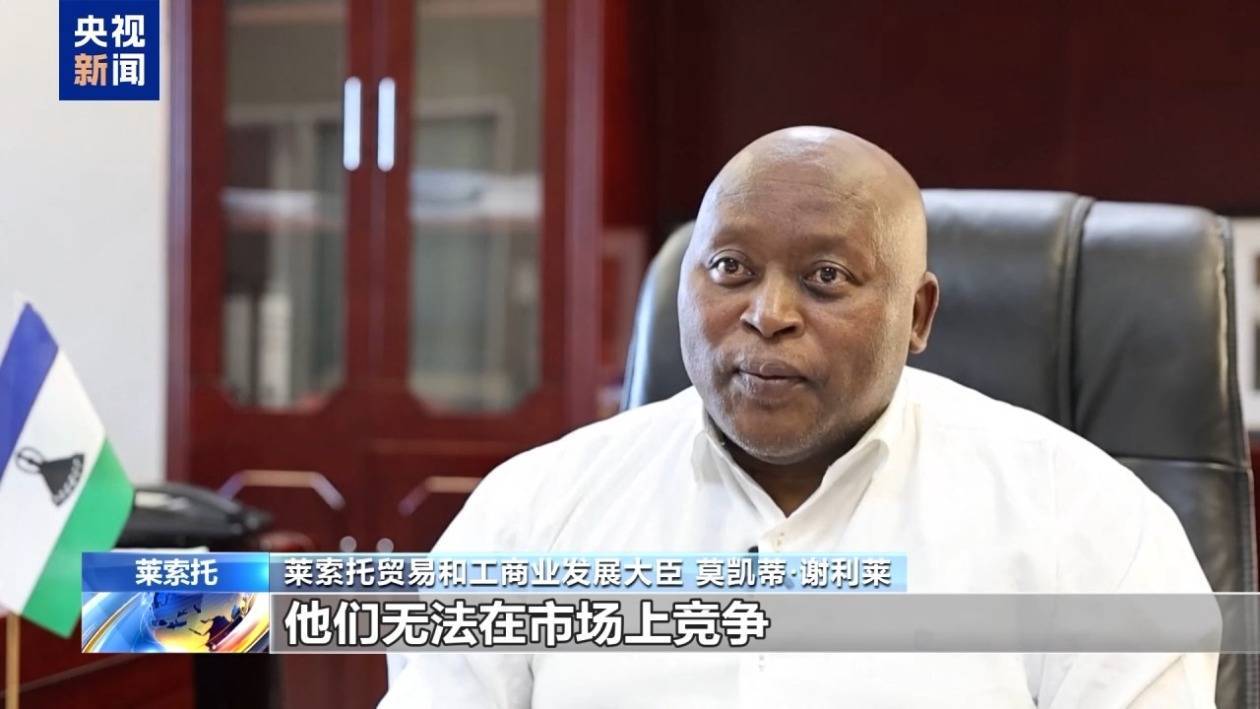
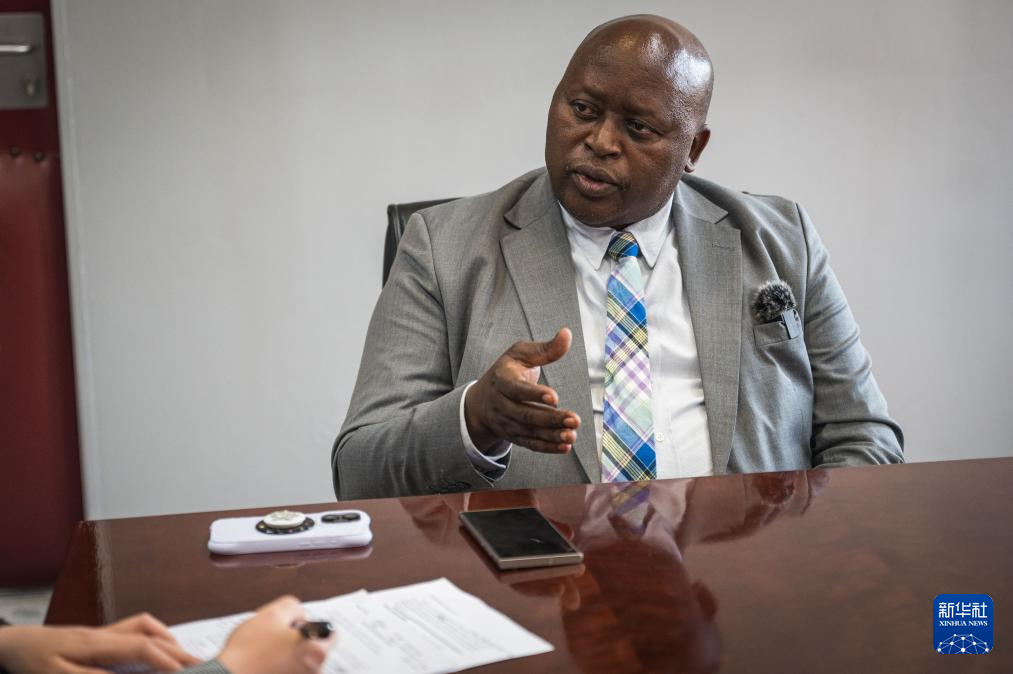
谢利莱表示,美国关税的计算仅涵盖货物贸易,完全忽视其在服务贸易上对莱索托的巨大顺差;同时,通过南非输入莱索托的美国商品也未纳入 统计。他认为,基于这种错误计算方式对莱索托征收高额关税"绝对不公平"。他强调,莱索托纺织业的发展受益于零关税政策激励,如今美方单 方面推动施加关税,实在"有失公允"。 莱索托贸易和工商业发展大臣莫凯蒂·谢利莱日前接受新华社记者专访时表示,面对美国关税冲击,莱索托不会"坐以待毙",将积极通过拓展多元 化国际市场、深化非洲区域合作等方式推动经济重回正轨。 非洲内陆小国莱索托是联合国认定的最不发达国家之一。今年4月,美国宣布对其征收50%的所谓"对等关税",随后虽宣布暂缓90天实施,但10% 基准税率仍对该国脆弱的经济构成严峻挑战。 "美国关税来得猝不及防,严重冲击莱索托纺织业,"谢利莱说,特朗普政府宣布关税措施后,美国采购商取消了80%的订单,导致莱索托11家主 要对美国市场出口的纺织企业停产,约1.3万名工人失业。 纺织业是莱索托支柱产业,其成衣出口主要依赖美国市场,带动超过4万人就业。谢利莱说,美关税引发的失业潮可能进一步波及交通运输、仓储 物流和房地产等行业,威胁社会治安稳定。数据 ...
伊朗强硬表态:必须先赔偿!被美国实施7年来最大规模制裁 伊朗回应
Mei Ri Jing Ji Xin Wen· 2025-07-31 19:50
Group 1 - Iran's Foreign Minister Abbas Araghchi stated that the U.S. must agree to compensate Iran for the damages incurred during the recent conflict, setting new conditions for the resumption of nuclear negotiations with the Trump administration [1] - The U.S. Treasury Department announced the largest sanctions against Iran in seven years, targeting over 50 entities and individuals, as well as more than 50 oil tankers and container ships linked to Iranian oil merchant Mohammad Hossein Shahbakhsh [3] - The sanctions are part of the U.S. government's "maximum pressure" campaign against Iran, which has been ongoing since 2018, and aim to disrupt the shipping network that transports Iranian and Russian oil and other goods globally [3] Group 2 - Iran's Foreign Ministry spokesperson Baghaei condemned the new U.S. sanctions as illegal and oppressive, asserting that they reflect hostility towards the Iranian people [4] - Baghaei emphasized that the sanctions are intended to undermine Iran's economic development and violate the basic rights of its citizens, and he called for accountability for the human rights violations caused by these sanctions [6] - The Iranian government remains committed to defending its sovereignty and national interests despite the pressures from U.S. sanctions and threats [6]
商务部新闻发言人就加拿大政府加严钢铁进口限制措施事答记者问
Shang Wu Bu Wang Zhan· 2025-07-31 15:38
(原标题:商务部新闻发言人就加拿大政府加严钢铁进口限制措施事答记者问) 答:我们注意到加政府有关公告。加方以保护本国产业为由,宣布采取对含有中国钢铁 成分的产品加征关税等单边措施,有关做法违反世贸组织规则,扰乱国际贸易秩序,损害中 方利益,是典型的单边主义、保护主义行径。中方对此强烈不满,坚决反对。 事实上,造成加国内钢铁产业遭遇困境的主要原因是美国的单边关税措施,但加政府却 回避主要矛盾,还试图将产业损害转嫁给包括中国在内的其他贸易伙伴。加方做法于理不 合、于法无据、于事无补,将严重损害中加两国正常经贸合作。 中方希望加方从维护多边贸易体制、维护中加经贸关系大局出发,立即纠正错误做法, 停止限制措施。中方将采取一切必要措施坚决维护中方企业的合法权益。 有记者问:当地时间7月16日,加拿大财政部网站发布公告,表示为应对美国钢铁关税 和全球钢铁产能过剩,自8月1日起,将扩大进口钢铁关税配额适用范围、收紧现有配额, 对配额外进口征收附加税。此外,将对自美国以外国家进口的含有在中国熔化和浇铸钢铁的 产品征收25%的附加税。请问商务部对此有何评论? ...
特朗普又签4500亿美元大单,累计2.35万亿美元,部分关税再延期!
Sou Hu Cai Jing· 2025-07-31 08:23
Group 1 - The core point of the article highlights the significant trade agreements made by the Trump administration, particularly the $450 billion deal with South Korea, which includes $350 billion in investments in core U.S. projects and $100 billion in energy procurement [1][3] - The total value of trade agreements reached by the Trump administration with Japan, the EU, and South Korea in one month amounts to $2.35 trillion, indicating a dramatic restructuring of the global trade landscape [1][3] - The South Korean government has strategically preserved its agricultural markets by not opening rice and beef markets to the U.S., showcasing a balance between economic negotiations and domestic interests [3] Group 2 - The South Korean won experienced a brief increase of 0.4% following the agreement, but quickly fell back, suggesting market skepticism about the underlying implications of the deal [4] - The article critiques the nature of the agreements, noting that a significant portion of the promised investments from Japan and the EU are not direct investments but rather loans or guarantees, raising questions about the actual economic benefits [6][7] - The U.S. is leveraging exaggerated figures to create a facade of victory in trade negotiations, while allies are participating in this arrangement to secure tariff reductions [7] Group 3 - Specific allocations from the agreements include $150 billion for U.S.-Korea shipbuilding cooperation, $200 billion for sectors like semiconductors and nuclear energy, and a commitment to purchase $100 billion of U.S. liquefied natural gas over three and a half years [8] - The article discusses the implications of the U.S. imposing a 40% tariff on Brazil, highlighting the uneven impact of U.S. trade policies on different countries and the limited options for Brazil to retaliate [10] - The U.S. has shown a different approach towards China, extending a 90-day pause on tariff measures, indicating a more complex and nuanced trade relationship compared to other nations [12][16] Group 4 - The article notes that while tariff revenues appear substantial, they are insufficient to cover the rising national debt, with the U.S. Treasury expecting to borrow $1.01 trillion, nearly double previous estimates [14] - The Federal Reserve's cautious stance on interest rates reflects the economic challenges posed by the trade policies, as the U.S. grapples with balancing inflation control and economic growth [14] - The overarching theme suggests that the aggressive trade tactics employed by the Trump administration may lead to long-term economic consequences, as allies and adversaries alike reassess their positions in the global trade system [16]
伊朗谴责美制裁:无视法治人权 使世界面临前所未有威胁
news flash· 2025-07-31 04:37
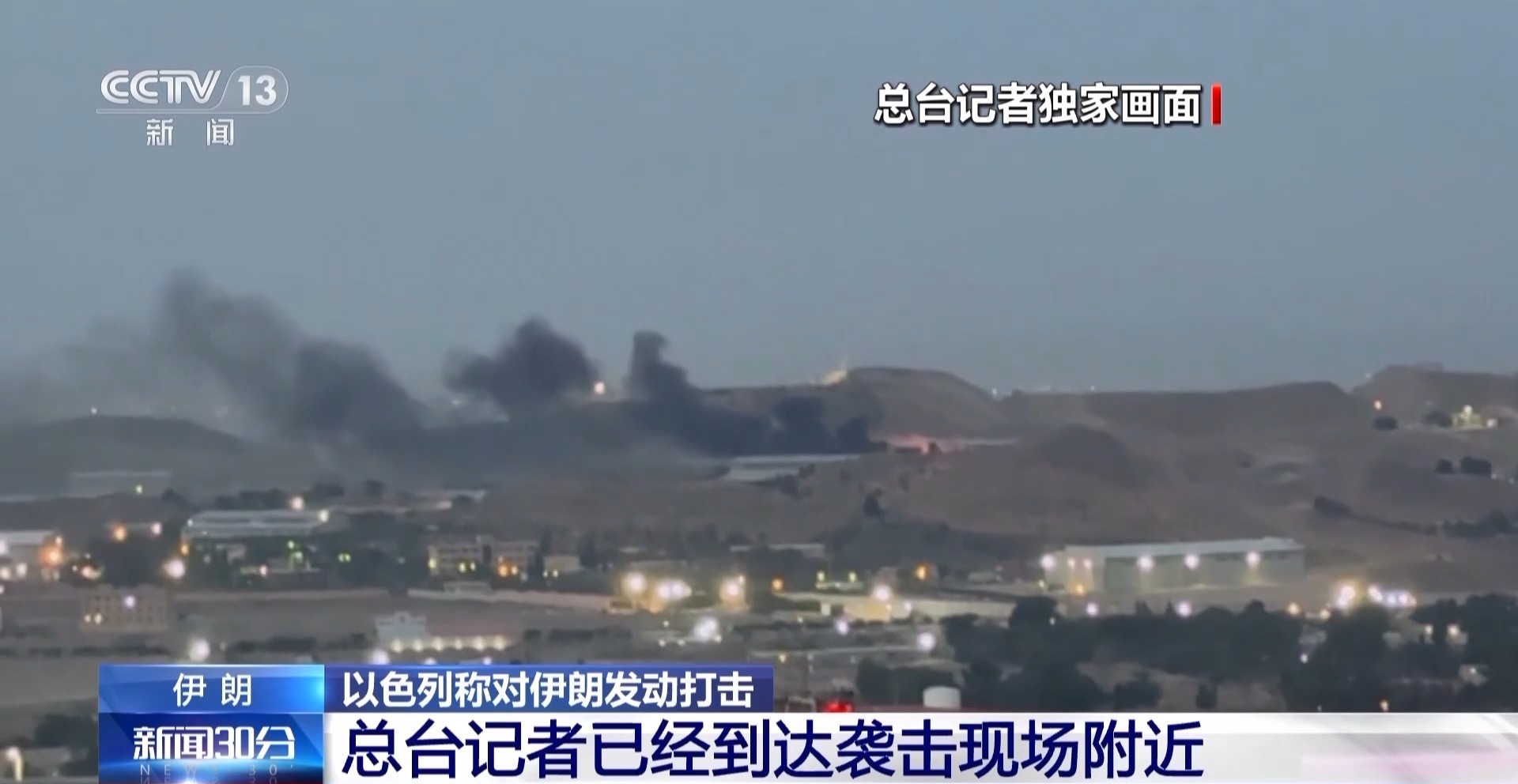
伊朗外交部发言人巴加埃强烈谴责美国对一批与伊朗能源和石油部门有关的自然人、法人及船只实施的 新制裁。巴加埃称,对伊朗实施非法和压迫性制裁是美国决策者对伊朗民众怀有敌意的"明显证据",伊 朗意识到侵略性制裁的恶意,这些制裁的唯一目的是削弱伊朗并侵犯每位伊朗公民的基本权利,因此伊 朗将坚定维护自身尊严和利益。巴加埃强调,美国在国际上沉迷于单边主义和胁迫手段推进非法目标, 无视法治和人权,藐视其他国家主权和国家间贸易自由原则等国际法基本基础,使世界面临前所未有的 威胁。他表示,美国对伊朗石油贸易的新制裁旨在损害伊朗经济发展和人民利益。美国政府必须对这些 非法制裁造成的严重侵犯人权行为承担责任。巴加埃表示,制裁和威胁不能破坏伊朗保卫国家主权和建 设国家的目标和意志。(央视新闻) ...
怪不得特朗普急着访华,贸易数据送进白宫,中方一滴美原油未进
Sou Hu Cai Jing· 2025-07-30 00:51
Core Insights - The article discusses the impact of the US-China trade war on the energy market, particularly the sharp decline in China's imports of energy products from the US and the subsequent effects on the global energy supply chain and geopolitical landscape [1][2]. Group 1: Trade War Dynamics - The Trump administration imposed tariffs to pressure China, which led to China retaliating with tariffs on US energy products, resulting in a loss of competitive advantage for the US in the Chinese market [2]. - As China shifted its energy imports towards other countries, especially Russia and Saudi Arabia, the global energy market dynamics have changed significantly [2]. Group 2: China's Energy Strategy - The article highlights China's progress in energy diversification, showcasing its ability to enhance energy security in response to the trade war [2][4]. - The trade war serves as a lesson that unilateral strategies in a globalized context can backfire, severely impacting the US energy sector [4].

美关税蔓延,巴西航空公司面临巨额损失
Sou Hu Cai Jing· 2025-07-29 08:14
Group 1 - The return of unilateralism, particularly through the U.S. tariff policy, poses significant risks to global economic stability and multinational companies [1][4] - Embraer, the third-largest aircraft manufacturer globally, has reported potential losses in the billions due to impending U.S. tariffs, which could severely impact its financial health and international cooperation [1][3] - The U.S. government's proposed 50% tariff on Embraer's aircraft could lead to an additional cost of 50 million Brazilian Reais (approximately 6.42 million RMB) per aircraft, resulting in order cancellations, delivery delays, and potential layoffs [3][4] Group 2 - The challenges faced by Embraer are reflective of broader issues affecting global industries, as nearly every sector is impacted by U.S. protectionist policies, disrupting normal international trade [4][6] - The unilateral trade policies of the U.S. threaten the interconnectedness of the global economy, with potential long-term consequences for U.S. companies that rely on global supply chains [6][9] - The warning from Embraer serves as a broader alert regarding the future of globalization, highlighting the need for multinational companies to navigate increasing uncertainties in international trade [9]

欧明刚:世界银行改革及前景|国际
清华金融评论· 2025-07-28 11:00
Core Viewpoint - The World Bank, as a multilateral development bank, is undergoing significant reforms to adapt to global challenges such as public health crises, geopolitical conflicts, climate issues, and food security, while facing potential disruptions from the return of unilateralism under the Trump administration [1][4]. Group 1: Structure and Evolution of the World Bank - The World Bank has evolved from a single institution to a multilateral development group, including IBRD, IDA, IFC, MIGA, and ICSID, and has undergone multiple reforms over the past 80 years [2]. - The leadership of the World Bank is influenced by the U.S. due to its veto power, with major reforms often initiated or approved by the U.S. government [2]. Group 2: Key Reforms and Initiatives - The World Bank's vision and mission have been expanded to address global challenges, changing its vision from "a world free of poverty" to "creating a world free of poverty on a livable planet" [5]. - The World Bank plans to increase its financing capacity by $100 billion through a reduction in its capital adequacy ratio from 20% to 19%, allowing for an annual release of $4 billion for climate-related projects [6]. - The World Bank aims to mobilize private capital and domestic resources to support sustainable development goals, with potential financing capacity increases of up to $50 billion over the next decade [7]. - A historic agreement for capital increase was reached in 2018, allowing for an increase of $75 billion in paid-in capital for IBRD, enhancing its total lending capacity by approximately $100 billion [8][10]. Group 3: Operational Changes - The World Bank is focusing on improving loan operational efficiency and enhancing coordination within its group to achieve synergies [10]. - A new framework for joint financing with the Asian Development Bank aims to streamline project processes and provide quicker results for borrowers [11]. - The World Bank has implemented a scoring method for international procurement to assess quality and sustainability, promoting environmentally and socially responsible practices [11]. Group 4: Impact of U.S. Political Changes - The return of Trump to the White House may hinder the progress of World Bank reforms, as his administration favors a reduction in funding and a focus on core functions of poverty alleviation and economic growth [12][13]. - The Trump administration's approach contrasts with the Biden administration's willingness to increase funding for the World Bank, raising concerns about the future direction of the institution [12][13].