平台经济

Search documents
细化法规政策 构建长效机制——专家解读《网络交易平台收费行为合规指南(征求意见稿)》
Xin Hua She· 2025-05-25 15:55
Core Viewpoint - The article discusses the release of the "Guidelines for Compliance of Charging Behavior on Online Trading Platforms (Draft for Public Comment)" by the State Administration for Market Regulation, aiming to standardize platform charging behaviors and protect the rights of operators and consumers [1][2]. Group 1: Guidelines Overview - The draft consists of 28 articles focusing on five main areas: principles for platform charging, advocating for reduced burdens on operators, strengthening self-discipline, regulating charging behaviors, and enhancing supervision and implementation [1]. - The draft defines "platform operators" as individuals or organizations selling goods or services through online platforms and outlines various forms of fees that platforms may charge, including commissions, registration fees, and advertising fees [1]. Group 2: Principles and Regulations - The draft emphasizes transparency, standardization, and legality in charging practices, requiring platforms to set fees based on operational costs and service agreements while adhering to principles of fairness and honesty [2]. - It specifies eight types of "unreasonable charges" and provides guidance on the practice of "free first, charge later," mandating platforms to publicly disclose any changes in charging practices [2]. Group 3: Encouragement and Support for Operators - The draft encourages platforms to adopt flexible pricing strategies to reduce the financial burden on operators and to provide discounts or support for small businesses [3]. - It aims to balance the interests of platforms, operators, and consumers, promoting sustainable development within the platform economy [3]. Group 4: Long-term Mechanism and Market Impact - The draft not only addresses immediate issues but also emphasizes the establishment of long-term mechanisms to encourage platforms to innovate and reduce costs for merchants while enhancing consumer services [4]. - Experts believe that the implementation of these guidelines will lead to more transparent charging behaviors, better protection of rights for operators and consumers, and a more equitable market competition environment [4].
事关网络交易平台收取佣金、抽成、会员费等,市场监管总局最新发文
21世纪经济报道· 2025-05-25 07:26
二是倡导降低平台内经营者负担 。鼓励平台在合法、合理、互惠互利的范围内采取灵活多样 的定价策略,对平台内经营者特别是中小商户提供让利或减免扶持,主动承担社会责任,减 轻平台内经营者经营负担。 一是明确平台收费要遵循的原则 。平台收费应当遵循公平、合法和诚实信用的原则,基于服 务协议、交易规则、交易习惯等因素,综合考虑经营成本及平台内经营者经营状况。 《指南》共2 8条,主要内容包括5个方面: 三是强化平台合规自律 。要求平台按照有关规定,落实合规管理主体责任,健全合规管理组 织、配备合规管理人员,建立不合理收费风险识别评估、防范收费风险的事前合规审核等机 制,提升平台收费合规管理能力。 四是规范平台收费行为 。明确平台要合理制定收费标准,健全收费规则、收费公示等制度机 制,严格履行减收、免收费用承诺,审慎评估收取保证金必要性,按照平等自愿原则开展推 广服务,保障平台内经营者知情权和选择权。同时,明确了重复收费、只收费不服务、转嫁 应由平台自身承担的费用等8种不合理收费行为。 为规范网络交易平台向平台内经营者收取佣金、抽成、会员费、技术服务费、信息服务费、 营销推广费等收费行为,维护平台内经营者合法权益,促进平 ...


外卖大战叫停背后:越来越便宜的外卖,靠补贴赢不了未来
Sou Hu Cai Jing· 2025-05-24 10:06
Core Viewpoint - The recent regulatory discussions with major platforms like JD.com, Meituan, and Ele.me highlight the need for fair competition and the unsustainability of excessive subsidies in the food delivery industry [1][4][19] Group 1: Regulatory Actions - The National Regulatory Administration and multiple departments have urged platforms to comply with laws and regulations to ensure fair competition and protect the rights of consumers, merchants, and delivery riders [1][4] - The discussions signal a significant shift in the regulatory landscape, aiming to promote a healthy and orderly development of the platform economy [1][4] Group 2: Competition Dynamics - The food delivery sector has seen intense competition, primarily driven by subsidies, which has become unsustainable in the current macroeconomic environment [4][7] - Platforms like Meituan and Ele.me have historically relied on subsidies to attract users, but this approach is increasingly viewed as detrimental to long-term industry health [7][19] Group 3: Impact on Stakeholders - The subsidy wars not only affect platform competition but also have broader implications for millions of merchants and delivery riders, leading to potential declines in profits and income [5][13] - The reliance on subsidies creates a vicious cycle where merchants are pressured to lower prices, ultimately harming their profitability and the overall market [13][14] Group 4: Market Size and Consumer Behavior - The high-frequency food delivery market is limited to approximately 75 million individuals in China, primarily those with monthly incomes above 5,000 yuan [8][11] - Once subsidies are removed, consumer demand for food delivery is expected to decline, raising concerns about the sustainability of the current business model [8][11] Group 5: Long-term Viability - The article emphasizes that relying solely on subsidies is not a viable long-term strategy for platforms, as it undermines the profitability of merchants and the overall market [16][17] - The need for rational competition and a return to common sense in business practices is highlighted as essential for the future of the food delivery industry [18][19]


政府“搭台”聚资源强生态 赋能平台经济高质量发展
Chang Sha Wan Bao· 2025-05-22 09:07
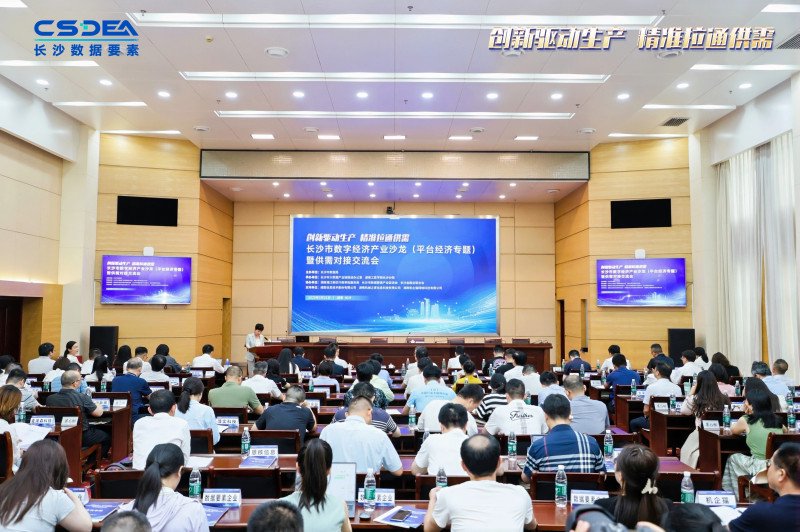
Group 1 - The event "2025 Changsha Digital Economy Industry Salon (Platform Economy Special)" was held to promote deep connections between supply and demand in the platform economy, aiming to inject new momentum into the high-quality development of Changsha's digital economy [1][3] - The platform economy is recognized as a key driver for industrial upgrading and economic transformation in Changsha, with over 100 platform enterprises currently operating in the city, including notable companies like Shugen Interconnection and Mango Media [3][6] - The Changsha Data Bureau plans to enhance the policy support system for the platform economy, focusing on flexible employment, labor rights protection, and encouraging platform enterprises to create new job opportunities [3][5] Group 2 - The event featured discussions on the future of the platform economy, with insights from industry leaders such as Ouyang Yu, CEO of Find Wide Network, who analyzed the development logic of the platform economy and provided forward-looking suggestions for local internet platform construction [5] - Companies like Weisheng Information and Mechanical Home showcased their core technology services and solutions in areas such as energy information and engineering machinery aftermarket services during the event [5][6] - The government is playing a crucial role in fostering a strong ecosystem for platform economy development in Changsha, with initiatives aimed at resource aggregation and ecological strengthening [6]
国家数据局负责同志主持召开“十五五”数字中国建设规划座谈会
news flash· 2025-05-21 10:19
Group 1 - The National Data Bureau held a seminar on the "14th Five-Year Plan" for digital China construction, focusing on various aspects of digital technology development and enterprise digital transformation [1] - Experts and representatives from organizations such as Shanghai Artificial Intelligence Laboratory, Shanghai Jiao Tong University, and Pinduoduo provided suggestions on data element market construction, platform economy, and data security [1] - The National Data Bureau aims to enhance communication with enterprises to better coordinate data development and security, responding to actual concerns of businesses to create a favorable policy environment for innovation [1]

居家养老界“美团”:狂揽2.5亿融资,拿下43家保险巨头
Xin Lang Cai Jing· 2025-05-21 05:54
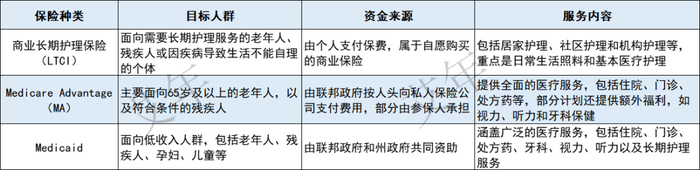
Core Insights - The Helper Bees is a home care platform integrating over 20,000 non-medical service providers, offering services such as home care, meals, transportation, and home modifications, all managed through the platform [1][3] - The company collaborates with major insurance companies and Medicare Advantage (MA) plans to provide home care services, with costs covered by insurance [1] - The platform simplifies claims processes and reduces administrative burdens for insurance companies, enhancing service delivery [1] Business Model and Growth - The Helper Bees operates a network of non-medical service providers, avoiding heavy asset models and focusing on a nationwide service provider network [3] - The company has raised $35 million in Series C funding to expand its national coverage, particularly in Medicaid payment channels and payment innovations [1] - The platform's model acts as a connector between insurance companies, service providers, and the elderly, fulfilling the needs of all three parties [2] Data and Technology Utilization - The Helper Bees has invested in technology to create personalized matches between elderly clients and caregivers, establishing a foundation for rapid growth [5] - The platform collects extensive data during service visits to monitor elderly health, integrating around twelve data points per individual, which aids insurance companies in understanding health conditions and service usage [7] - The company collaborates with Milliman to develop predictive models that help insurance companies forecast health risks and future care needs [7][8] Revenue Growth Drivers - The Helper Bees has experienced a threefold revenue increase, primarily from commercial long-term care insurance and MA plans, by addressing the strong demand for non-medical services [10] - The expansion of the MA plan in 2019 provided a significant opportunity for growth, allowing the company to meet the increased demand for home services [10][11] - The company helps insurance companies reduce claims costs by 15% to 20%, saving approximately $6,000 per claimant annually [13] Market Dynamics - The U.S. long-term care insurance market faces challenges with rising claims costs, making home care solutions more appealing to insurance providers [12][13] - The demand for non-medical benefits has increased, prompting MA plans to enhance their offerings to attract more clients [15][16] - The fragmented home care market in the U.S. highlights the value of a platform that integrates various service providers, benefiting insurance companies, service providers, and elderly clients alike [17] Comparison with Domestic Players - Domestic companies in the home care sector, such as Fushoukang and Yijia Nursing, differ significantly from The Helper Bees in terms of payment sources, service networks, and product models [18][19] - Unlike U.S. platforms, domestic players primarily rely on self-built care teams, while The Helper Bees leverages a platform model for rapid expansion across all 50 states [19] - The current landscape in China does not yet support a complete replication of The Helper Bees' model, indicating a need for further development in the domestic market [20]

京津冀一周观察丨前4月京津冀出口创历史新高,邯郸通报生猪注水问题
Guan Cha Zhe Wang· 2025-05-21 02:16
Group 1: Economic Performance - The total import and export value of the Beijing-Tianjin-Hebei region reached 1.43 trillion yuan in the first four months of 2025, accounting for 10.1% of China's total during the same period, with exports hitting a record high of 445.46 billion yuan, a growth of 1.7% [1][2] - In April 2025, exports from the Beijing-Tianjin-Hebei region amounted to 121.66 billion yuan, marking a historical high for the same period, with an increase of 8%, the highest growth rate since June 2024 [1][2] Group 2: Technological Advancements - By the end of 2027, Beijing aims to achieve large-scale 5G applications, having already established over 140,000 5G base stations and more than 3.5 million 5G terminal connections [2] - The hydrogen energy industry is being prioritized in Beijing's 14th Five-Year Plan, focusing on key areas of the hydrogen supply chain, including production, storage, transportation, and refueling [4] Group 3: Renewable Energy Initiatives - Beijing and Xinjiang have successfully implemented a peak-shifting green electricity trading model, with 12 million kilowatt-hours of green electricity traded, primarily from photovoltaic power plants in Xinjiang [3] - The first offshore photovoltaic project in Hebei, with a total capacity of 1,800 megawatts, has entered large-scale construction, expected to generate approximately 2.75 billion kilowatt-hours annually, saving 840,000 tons of standard coal and reducing CO2 emissions by 2.1595 million tons [6] Group 4: Employment and Skills Development - Tianjin has launched a training initiative aiming to provide subsidized vocational skills training for over 100,000 individuals in 2025, focusing on advanced manufacturing, health care, and modern services [9] - The platform economy in Tianjin generated revenue of 157.8 billion yuan in the first quarter of 2025, reflecting a year-on-year growth of 23% [10] Group 5: Urban Development and Infrastructure - The 2025 Service Trade Fair will be held from September 10 to 14 at the Shougang Park, with over 30 countries and regions expressing intent to participate, aiming to enhance the event's international profile [5] - Hebei's port and shipping construction projects completed an investment of 1.84 billion yuan in the first quarter of 2025, achieving a year-on-year growth of 17.3% [8]
入列四川15个重点产业链之一 以电子商务为着力点建圈强链 平台经济的进阶之路
Si Chuan Ri Bao· 2025-05-21 00:17
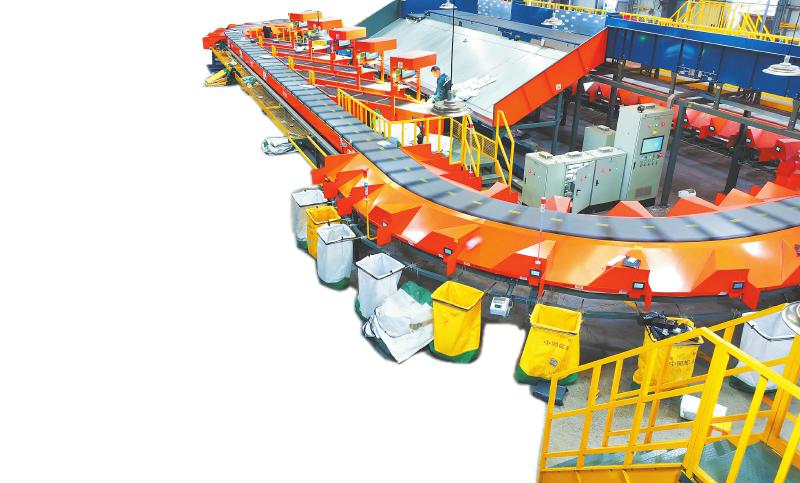
在中国邮政一处邮件处理中心,工作人员正在智能快递流水线上分拣货物。潘帅摄(C视觉) 在眉山市仁寿县向日葵职业技术培训学校,培训老师正在给学员传授电商运营知识。潘建勇 摄(C视觉) 在成都市武侯区鞋都南三路百丽物流大厦,工人正在仓库发货。记者 李向雨 摄 5月18日,记者从四川省商务厅获悉,第三方大数据统计机构近日公布最新数据:今年前4月,四川网络零售 额(电子商务零售额)实现3350.9亿元,同比增长9.6%,继续跑出良好态势。 平台经济(以电子商务为主)是四川省"15+N"重点产业链之一。四川将以电子商务为着力点,全方位推进产 业链建设。 近年来,四川电子商务保持较快增长,在带动现代产业发展、促进消费提档升级、创造更多就业岗位、推动 对外贸易发展和助力乡村振兴等方面,发挥出"超级链接"的作用。 近日,在泸州时代云谷新经济产业园1楼的泸州老窖直播间,主播周蕊正在进行直播。今年春节期间,她将一 款售价9.9元的白酒卖出了近4000万元的业绩,达到线下门店难以企及的高度,这正是平台经济创造的新价 值。"打造一两款使用场景更多、更有价格竞争力的单品,借助电商平台的强大流量和裂变效应,快速带动酒厂知 名度和效益双提升 ...


让草根经济向阳生长
Jing Ji Ri Bao· 2025-05-20 22:49
Core Viewpoint - The rapid growth of individual-operated online stores, referred to as "grassroots economy," is accompanied by significant challenges, including the sale of counterfeit products and inadequate consumer protection, prompting the introduction of a new regulatory standard by the market supervision authority [1][2]. Group 1: Regulatory Standards - The newly released market regulation standard, "Natural Person Online Store Management Specification," aims to address issues in the grassroots economy by establishing clear operational guidelines [1]. - The standard includes unified entry criteria to maintain entrepreneurial convenience while ensuring quality thresholds, as well as mechanisms for transparent information disclosure and market exit [1][2]. Group 2: Impact on Stakeholders - For operators, the management standard is seen as an empowerment tool that replaces exaggerated claims with verified information, allowing quality and service to drive market competition [2]. - Consumers will benefit from improved rights protection, as the new regulations will make it easier to trace and hold accountable the operators of online stores [2]. Group 3: Implementation and Collaboration - Successful implementation of the management standard requires collaboration among various stakeholders, including online store operators, platforms, and regulatory bodies [2][3]. - Operators are encouraged to comply with the new standards by enhancing their operational qualifications and improving product quality, while platforms must take responsibility for monitoring compliance and addressing fraudulent activities [2][3].
中国GDP被低估20万亿?为何统计数字差这么大?答案在这些产业
Sou Hu Cai Jing· 2025-05-19 10:24
Group 1 - The article discusses the contrasting measurements of China's GDP using exchange rate and purchasing power parity (PPP), highlighting a significant discrepancy in the perceived economic size of China compared to the US [5][10][12] - According to exchange rate calculations, China's GDP is approximately $19 trillion, about 65% of the US GDP of $29 trillion, while PPP estimates China's GDP at around $38 trillion, suggesting it surpasses the US [5][10][12] - The article emphasizes the importance of understanding the underlying economic structures and the implications of these measurements on global perceptions of China's economic strength [12][26][38] Group 2 - China's agricultural output has consistently ranked first globally over the past decade, producing nearly 100 million tons more than the US, indicating a strong foundation for its economy [14][16] - In industrial production, China dominates global supply chains, contributing over 50% of the world's steel production, around 60% of electrolytic aluminum, and close to 45% of copper [18][20][24] - The manufacturing sector in China is robust, with the country leading in automobile production, home appliances, and electronics, holding significant global market shares [20][24] Group 3 - The article points out that the statistical methods used to measure GDP may overlook significant contributions from emerging service sectors and informal economies, leading to an underestimation of China's economic output [28][30][34] - The rise of gig economy workers and small businesses, which often operate outside traditional economic measurements, contributes to a substantial but unaccounted economic value [30][34] - The undervaluation of the Chinese yuan in international markets may also distort GDP figures when converted to foreign currencies, further complicating the assessment of China's economic size [36][38] Group 4 - The future of China's economic measurement may improve with more detailed service sector statistics and the ongoing internationalization of the yuan, which could provide a more accurate reflection of its economic standing [40]