绿色低碳

Search documents
质量安全和技术性贸易壁垒带来挑战—— 动力电池产业两大难题待解
Jing Ji Ri Bao· 2025-11-29 21:50
数据显示,我国动力电池产业规模已连续8年稳居世界第一位。专家指出,当前,动力电池产业发展面 临两大难关。 随着动力电池行业快速发展,质量安全风险与挑战日益凸显。在近日召开的"质量强链赋能动力电池产 业发展"专题会上,与会专家一致认为,强化全链条质量管理,推动构建覆盖研发、设计、生产、制 造、使用维修、退役回收、再生利用生命周期的标准和规范体系,是防范化解动力电池重大安全风险、 确保产业行稳致远的关键举措。 一道是质量安全关。"我们在监管实践中发现,'内卷式'竞争迫使部分企业在材料选择、工艺控制以及 质量管控等环节削减投入,将性能指标与成本控制置于安全保障之上,从源头增加了质量安全风险。加 上动力电池回收利用体系还不成熟,二手电池流通、梯次利用产品的管控还存在漏洞,安全隐患难以完 全规避。"市场监管总局质量监督司副司长苗雨晨说。 质量是构建协同高效产业生态的纽带。市场监管总局质量发展局副局长史新章建议,一是深化跨领域技 术协同创新,聚焦动力电池与整车、储能、智能网联等领域的融合痛点,推动电池行业与整车控制系统 上下游技术协同迭代;二是强化消费端权益保障升级,引导企业针对核心零部件推出差异化质保方案, 完善覆盖动 ...
首届“未来化工前沿论坛”在上海临港举行,聚焦绿色低碳能源体系创新
Sou Hu Cai Jing· 2025-11-29 19:10
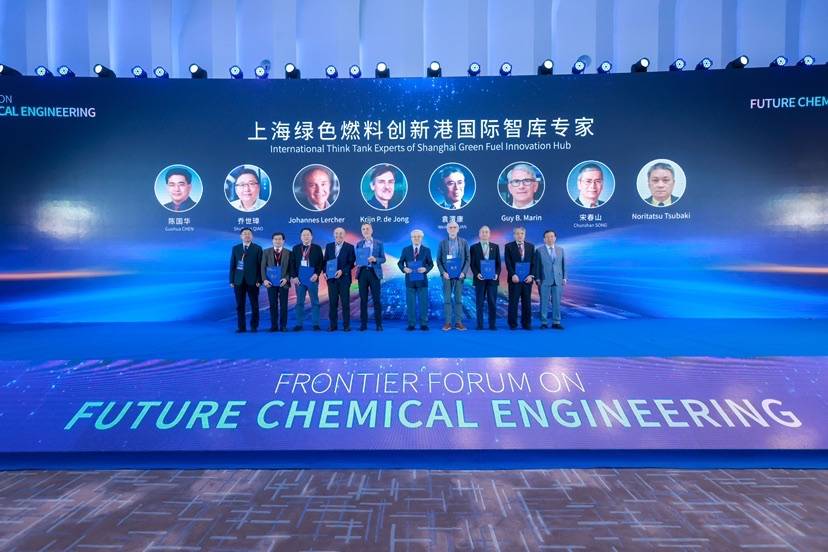
在大会报告环节,中国科学院院士包信和、赵东元、朱为宏,爱尔兰皇家科学院院士胡培君,比利时皇家科学与艺术 学院院士Guy B. Marin,加拿大工程院院士陈国华,加拿大皇家科学院院士陈忠伟,新加坡国立大学颜宁,北京化工 大学何静等担任报告主持人。欧洲科学院院士Krijn P. de Jong系统阐述了生物质和废弃物制液体燃料的中尺度科学; 中国工程院院士刘中民展示了我国绿色燃料体系的工程化进展;美国国家工程院院士Johannes Lercher分享了去中心化 能源转化中的催化创新;中国科学院院士郑南峰深入解析了氢能科学的基础前沿;香港中文大学宋春山提出了碳资源 化利用的新路线;澳大利亚技术科学与工程院院士乔世璋揭示了电催化材料体系的设计新思想;荷兰埃因霍温理工大 学Emiel Hensen展示了"金属-载体界面调控CO2加氢与CO氧化"的研究进展;比利时根特大学Kevin M. Van Geem分享 了固废塑料化学循环中的"质量平衡"方法;日本工程院院士Noritatsu Tsubaki介绍了强催化剂体系下CO2与合成气转化 化学的前沿突破。 为进一步加强多领域交流与合作,论坛设置了"绿色燃料与碳中和""未来 ...


民企奋进自贸港:“立足海南、服务全球已从愿景变为现实”
Zhong Guo Xin Wen Wang· 2025-11-29 08:07
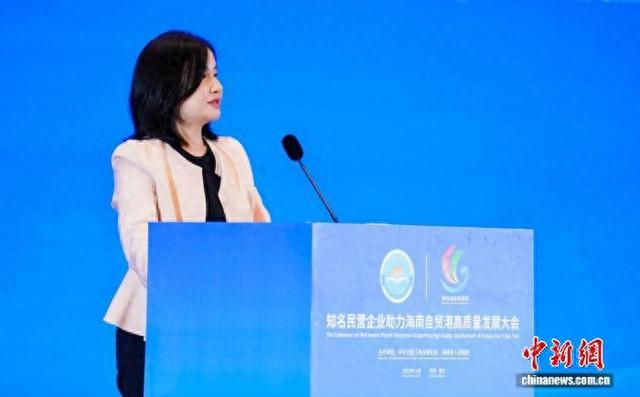
Core Viewpoint - The article highlights the growth and transformation of Jinan Technology, a private enterprise in Hainan, which has aligned its development with national strategies and embraced digital and green transitions to achieve high-quality growth in the context of the Hainan Free Trade Port initiative [1][2][3]. Group 1: Company Development - Jinan Technology was established in 1997 and has evolved into a global supplier of power equipment, with 11 production bases across multiple countries and services covering 87 nations and regions [2]. - The company has experienced significant growth, with a 170% increase in cumulative revenue and profit during the 14th Five-Year Plan compared to the 13th Five-Year Plan, and a 120% rise in per capita annual income [2]. - The firm has actively engaged in digital transformation and green low-carbon development, aligning with national policies and enhancing its operational efficiency [2][3]. Group 2: Green and Digital Transformation - Jinan Technology has established four zero-carbon factories, significantly reducing energy consumption per unit of revenue compared to industry averages, thereby enhancing its green competitiveness [3]. - The company is committed to becoming a key player in national energy transition and green development by providing efficient energy products and promoting sustainable manufacturing practices [5]. Group 3: Strategic Positioning in Hainan Free Trade Port - With the upcoming full closure operation of the Hainan Free Trade Port, Jinan Technology plans to deepen its collaboration with the port's open strategy, focusing on three main chains: technology, market, and ecology [6][7]. - The company aims to leverage the zero-tariff policy and talent introduction measures to enhance its technological capabilities and resilience in the robotics and new materials sectors [6]. - Jinan Technology intends to establish Hainan as a central hub for international business operations and a core outlet for its products, while also providing comprehensive green energy solutions to global clients [7].

盐湖股份荣获青海省能源行业“绿电杯”青年创新创意大赛金奖、铜奖
Zheng Quan Ri Bao Wang· 2025-11-29 03:46
Core Points - The company Qinghai Salt Lake Industry Co., Ltd. has won a gold and a bronze award at the "Green Electricity Cup" Youth Innovation and Creativity Competition in Qinghai Province for its innovative technologies in brine extraction [1][2] - The gold award-winning project focuses on a group well system for deep brine extraction, which enhances the efficiency and reduces the cost of extracting potassium and lithium resources from the salt lake [1] - The bronze award-winning project addresses the low efficiency of traditional brine extraction methods by utilizing a water injection device to improve the dissolution of potassium salts in deep layers [1] Company Initiatives - The company is committed to technological innovation and industrial upgrading, achieving breakthroughs in green extraction and comprehensive utilization of salt lake resources [2] - The recognition received reflects the company's ongoing efforts to strengthen its technological innovation system and adhere to the principles of "green, low-carbon, and efficient development" [2] - Future plans include leveraging youth innovation platforms to encourage more young talents to engage in technological research, aiming for a transition towards greener, smarter, and higher-end resource development [2]

“以绿制绿”打造“零碳样板” 鹤岗56亿开篇“十五五”
Di Yi Cai Jing· 2025-11-29 02:33
黑龙江第一个零碳园区建设项目在鹤岗落地。 初冬时节,鹤岗大地寒意正浓,产业转型进程却热潮涌动。28日,鹤岗市人民政府与运达能源科技集团 股份有限公司成功签署"零碳园区"与"风电叶片生产基地"两大战略项目,总投资达56亿元。这次签约标 志着黑龙江全省第一个零碳园区建设项目在鹤岗落地,打造一个充满活力的绿色低碳产业生态圈,成为 鹤岗"十五五"蓝图上的"先手棋"。 鹤岗零碳园区项目是全省首个零碳园区示范工程,总投资50亿元。项目一期以石墨高质化利用园区为核 心载体,开发建设500MW风电项目及变电站、输(配)电线路、储能电站等配套设施,构建功能完善 的"源网荷储"一体化系统,提供每度不超过0.5元的稳定绿电。这一创新模式不仅将大幅降低企业用能 成本,更将打造招商引资的"绿色名片",招引高载能企业入住。其中,年产12.5万吨的绿色甲醇项目, 将直接切入国际航运脱碳赛道,为鹤岗打开通往全球绿色燃料市场的大门。 "鹤岗市政府筹划建设的零碳园区,从顶层设计开始,就为我们锚定了绿色低碳、高质量发展的航向, 有利于企业从生产源头降低能源消耗和碳排放强度,降低企业生产成本,打造绿色产品体系,提升企业 核心竞争力。"五矿石墨黑龙江 ...
中材科技44.81亿元再融资项目获受理,将发力AI产业用特种纤维
Ju Chao Zi Xun· 2025-11-29 01:48
Core Viewpoint - The company, China National Materials Technology (中材科技), has received approval from the Shenzhen Stock Exchange for a refinancing project amounting to 4.481 billion yuan, aimed at enhancing its capabilities in strategic emerging industries such as new energy and new materials [2]. Group 1: Financing and Investment Projects - The fundraising will support the construction of a low dielectric fiber cloth project with an annual production capacity of 35 million meters, and an ultra-low loss low dielectric fiber cloth project with an annual capacity of 24 million meters [2][3]. - The total investment for the projects is approximately 490.13 million yuan, with 448.11 million yuan expected to be raised through this financing [3]. Group 2: Market Demand and Industry Trends - The rapid development of new-generation information technology, represented by AI, is significantly reshaping the global industrial landscape, leading to increased demand for electronic circuit materials [3]. - The market for special fiber cloth, which possesses low dielectric, low expansion, and ultra-low loss properties, is expected to grow, with Nvidia predicting that capital expenditures in data center infrastructure and computing will reach 600 billion dollars by 2025 [3]. Group 3: Competitive Advantage and Technological Capability - The high technical barriers in the special fiber industry create a significant supply gap, giving early mass production companies a competitive edge [4]. - China National Materials Technology has developed a complete product line in high-performance special fibers since 2019, achieving independent research and manufacturing capabilities from formulation to end products [4]. - The company holds independent intellectual property rights in key technologies, including high-performance formulation design and advanced preparation processes, positioning it as one of the few suppliers capable of large-scale production of low expansion fiber cloth [4].

化工上市公司发展报告(2025)
Sou Hu Cai Jing· 2025-11-29 01:17
Core Insights - The Chinese chemical industry is undergoing a profound strategic transformation driven by dual goals of "dual carbon" and high-quality development, with 2025 being a critical window for green, high-end, and refined upgrades [1] - A comprehensive guiding system has been established through various policies to promote high-quality development in the petrochemical sector, indicating a clear path for chemical listed companies to break through [1] - Green and low-carbon practices have become essential for corporate survival, with a mandate for key sub-industries to achieve over 30% of their capacity at benchmark energy efficiency levels by 2025 [1] Policy and Industry Transformation - Policies are focusing on high-end and refined chemical products, encouraging innovation through digital technologies and strengthening the industrial chain [2] - Companies are urged to enhance their technological capabilities and product iterations while collaborating with academic and research institutions to bridge the gap in technology transfer [2] - The elimination of outdated production capacity is accelerating, particularly in ecologically sensitive areas, with companies facing pressure to shut down or transform inefficient facilities [1] Market Dynamics - The chemical industry is currently in a phase of innovation-driven and globalized development, with a significant presence in the A-share market [29] - The industry is characterized by a structural adjustment where emerging sectors are growing rapidly while traditional sectors are experiencing a downturn [29] - The supply landscape is continuously optimizing, with compliance costs becoming a significant factor affecting profitability [29] Financial Performance - Revenue growth for chemical companies has turned positive, although profit growth remains negative, reflecting a challenging operating environment [30] - The overall profitability of the industry is under pressure, with significant variations in operational capabilities among companies [30] Capital and Investment Trends - There has been a contraction in IPOs and capital increases, with a focus on high-quality projects, while bond financing is gradually recovering [34] - Capital expenditures are shrinking year-on-year, indicating a cautious approach to new investments [35] Technological Innovation - R&D intensity is on the rise, with resources being directed towards high-end sectors, and the proportion of R&D personnel is increasing [36] - The industry is witnessing significant differentiation, with leading technology firms concentrating their efforts on innovation [36] Internationalization - Revenue from overseas markets is recovering, with leading companies deeply embedded in global markets [37] - Foreign investment in the sector is becoming more selective, reflecting global capital's focus on high-quality Chinese firms [39] Policy Guidance - Encouraging policies are centered on green and low-carbon initiatives, while restrictive policies are aimed at phasing out outdated production processes [40] - The capital market is supporting advanced green projects, guiding investments towards sustainable development [40]

西藏那曲:雪域之城涌动绿色暖流
Xin Hua She· 2025-11-28 13:53
Core Viewpoint - The implementation of geothermal heating in Tibet's Naqu region is significantly improving living conditions by providing a cleaner, more cost-effective alternative to traditional coal heating methods, aligning with national goals for sustainable energy development [1][2]. Group 1: Geothermal Heating Implementation - The heating season in Naqu lasts for 7 months, with average temperatures close to zero degrees Celsius, making heating a critical aspect of life quality [1]. - Residents like Tsering Droma have switched to geothermal heating, maintaining indoor temperatures around 20 degrees Celsius without the need for coal, resulting in reduced costs due to government subsidies [1]. - The cost of geothermal heating is approximately 13 yuan per square meter for the heating season, which is a significant reduction compared to traditional coal heating [1]. Group 2: Clean Energy Initiatives - The Chinese government has emphasized the need for a new energy system and the promotion of clean energy development in its 14th Five-Year Plan [1]. - Tibet has established seven pilot projects for clean energy heating, with the Naqu City Southern New Town Clean Energy Central Heating Pilot Project covering an area of about 1.45 million square meters [1]. - The Naqu region's geothermal resources are being developed to provide zero-pollution heating, which is crucial for environmental protection compared to traditional coal energy [2]. Group 3: Technological and Environmental Benefits - The geothermal heating system utilizes water-thermal technology, ensuring that geothermal water does not enter the municipal network, thus protecting underground heat reservoirs and preventing corrosion [2]. - The Naqu City Ecological Environment Bureau has actively promoted the use of clean energy, leading to the elimination of 313 coal-fired boilers to improve urban living conditions [2]. - Geothermal resources in Naqu have high development value, with potential applications extending beyond heating to electricity generation and agricultural uses, providing stable heat sources for greenhouses and livestock facilities [2].
统一股份总经理李嘉:降碳的本质就是降低成本
Jing Ji Guan Cha Wang· 2025-11-28 10:45
Core Viewpoint - The essence of carbon reduction is cost reduction, contrary to the common belief that green products increase costs. Companies that successfully embrace low-carbon transformation can achieve significant cost savings while contributing to sustainability [2][3]. Group 1: Company Achievements - Unified Petrochemical has achieved substantial results in low-carbon transformation since 2018, with 70% of its electricity sourced from self-owned solar power, significantly reducing energy costs [2]. - The company has established a low-carbon supply chain alliance with upstream suppliers, requiring adherence to the ISO 204000 sustainable procurement management system to collaboratively reduce carbon costs [2]. - Unified Petrochemical has developed zero-carbon lubricants by replacing petroleum with castor oil, which also lowers raw material costs [2]. - The company has reduced plastic usage by 70% by switching from plastic barrels to liquid bags and paper boxes for packaging [2]. - Unified Petrochemical's waste oil recycling technology has reduced product carbon footprints by over 70%, enhancing resource security and cost competitiveness [2]. Group 2: Market Position and Recognition - Unified Petrochemical has managed to price its green low-carbon products at the same level as high-carbon products, eliminating the green premium and ensuring customers do not incur additional costs for carbon reduction [3]. - The company has contributed to the formulation of national low-carbon standards and has collaborated with partners to establish a sustainable materials laboratory, exploring new paths for waste oil recycling in the automotive industry [3]. - After seven years of efforts, Unified Petrochemical's ESG rating improved from BBB to AAA, ranking first among 53 companies in the oil, gas, and consumer fuel sector according to the Wind ESG 2024 report [3]. Group 3: Commitment to Safety and Innovation - Unified Petrochemical emphasizes the importance of safety in its low-carbon transformation, adhering to the principle of "technology for good" in product development [4]. - The company has developed non-toxic alternatives for traditional products, such as ethanol-based windshield washer fluid and propylene glycol-based antifreeze, which are environmentally friendly and biodegradable [4]. - A notable innovation includes a new type of lamp oil that burns without smoke, improving health outcomes for users while enhancing the product's burning time and fragrance [4]. - Unified Petrochemical's ESG practices are rooted in the belief that technology for good can create products that benefit both customers and the planet, representing a sustainable and profitable business model [4].


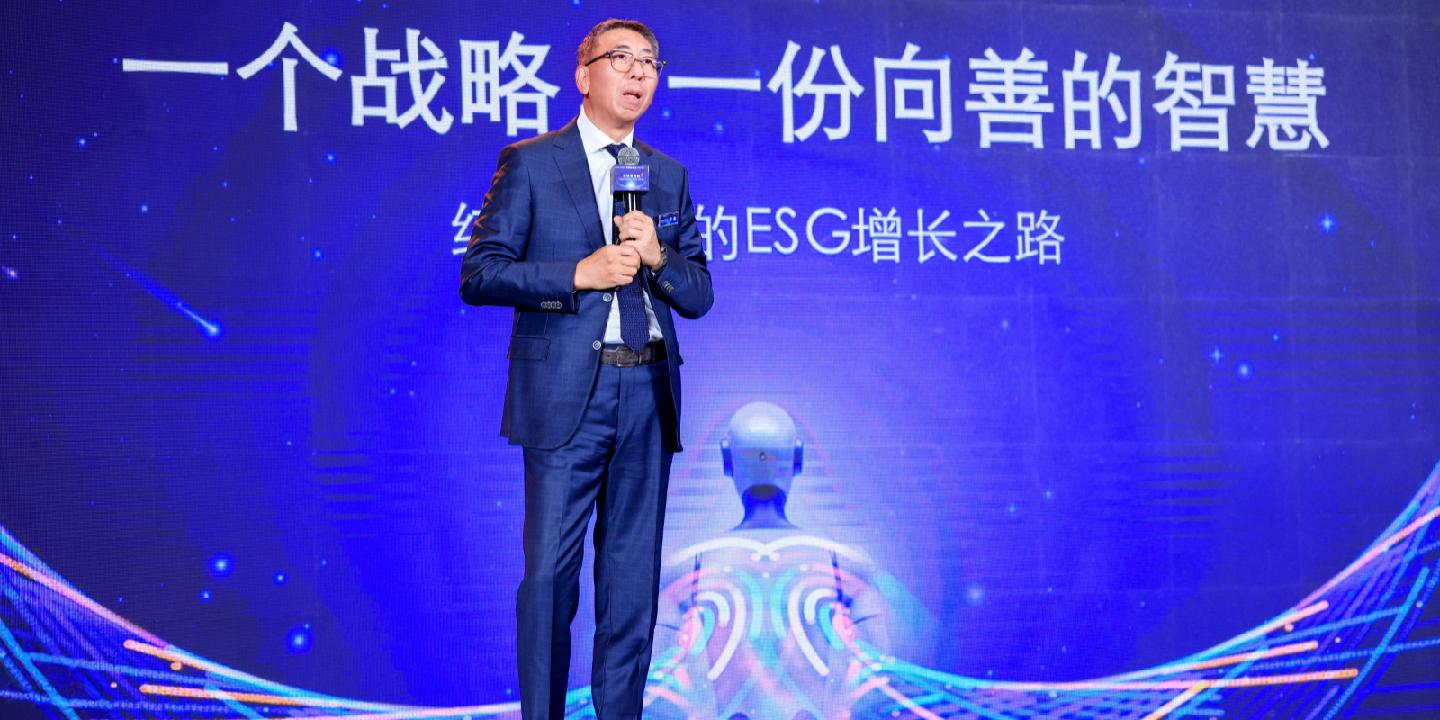
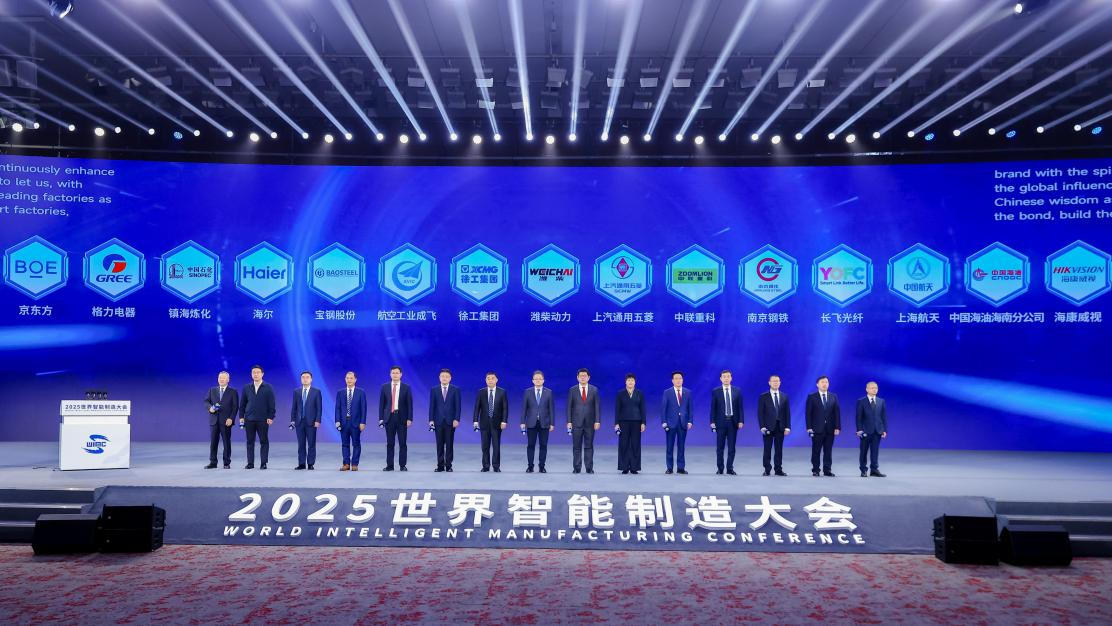
格力电器(珠海金湾)入选全国首批领航级智能工厂
Jing Ji Wang· 2025-11-28 09:43
Core Insights - The Ministry of Industry and Information Technology has officially announced the list of smart factory gradient cultivation projects for 2025, with Gree Electric Appliances (Zhuhai Jinwan) Co., Ltd. recognized as a "Leading" smart factory, the only company in Guangdong to achieve this honor, highlighting its global leadership in digital transformation and intelligent upgrades [1][8]. Group 1: Smart Manufacturing Innovation - Gree Jinwan Smart Manufacturing Factory has adopted an innovative "Gree Collaborative House" smart manufacturing model based on the industrial internet, enhancing operational efficiency across the entire value chain [3][4]. - The factory's production line features a 480-meter long outdoor unit production line, where 86 out of 103 processes have been automated, reducing the workforce from over 70 to approximately 20 [4]. Group 2: Autonomous Innovation and Core Competitiveness - Since 2013, Gree Electric's chairman has emphasized "independent innovation," leading to a comprehensive industrial layout in smart equipment, covering industrial robots, CNC machine tools, smart logistics, and industrial automation [6]. - The factory's self-developed intelligent equipment system provides a unique competitive advantage and supports its status as a "Leading" smart factory [6]. Group 3: Future Outlook - Starting in 2024, a gradient cultivation action for smart factories will be initiated, with Gree Jinwan Smart Manufacturing Factory achieving a rapid upgrade from "Excellent" to "Leading" level, reflecting its commitment to high-quality development in manufacturing [8][10]. - Gree Electric plans to continue deepening innovations in smart manufacturing systems, exploring new models and paradigms for future factories, and contributing to the transformation of the manufacturing industry from "business-driven" to "data-driven" [10].