电动化转型

Search documents
20万的BBA,不能再降了
创业邦· 2025-06-19 03:16
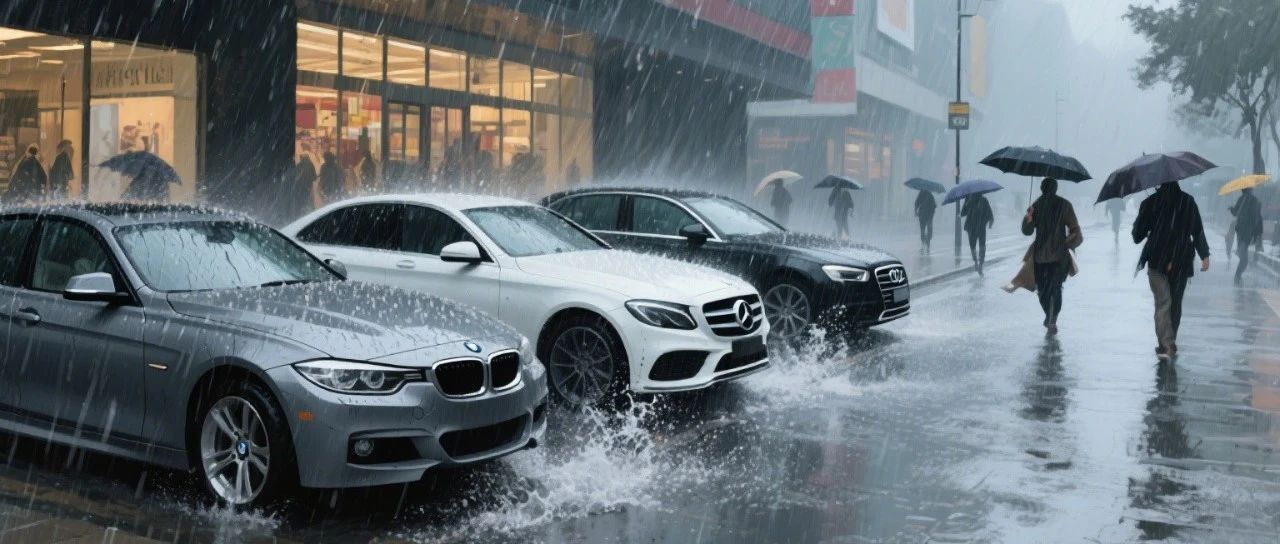
Core Viewpoint - The article discusses the significant price reductions of the "34C" models (BMW 3 Series, Audi A4L, and Mercedes-Benz C-Class) amidst a price war in the automotive industry, highlighting the challenges and implications for luxury brands in maintaining their market position and brand value [3][29]. Group 1: Price Reductions and Market Dynamics - The "34C" models have seen their prices drop below 200,000 yuan, with some models like the Mercedes-Benz C200L being quoted as low as 167,400 yuan in Beijing [8][4]. - The price cuts are most pronounced for the Mercedes-Benz C-Class, which has seen its prices nearly halved compared to the original MSRP [7][8]. - Audi A4L's entry-level model has also dropped below 200,000 yuan, with some regions reporting prices as low as 180,000 yuan, although high-end models remain above 230,000 yuan [14][15]. - BMW is facing challenges with sales despite price reductions, as consumers prefer higher-powered models like the 330Li over the lower-priced 325Li [19][21]. Group 2: Sales Performance and Dealer Challenges - Sales figures for 2024 show a significant decline for the "34C" models, with Mercedes-Benz C-Class sales dropping by 16% and Audi A4L by 27% in 2025 [31]. - A majority of luxury car dealerships are struggling to meet sales targets, with 64.9% failing to achieve their goals in the first half of the year [32]. - The financial pressure on dealers has led to reports of dealership closures and ownership changes, indicating a challenging market environment [31][32]. Group 3: Brand Value and Consumer Perception - The aggressive price cuts risk diluting the brand value of BBA (BMW, Benz, Audi), as consumers may no longer perceive these brands as luxury options if prices continue to fall [30][29]. - The article notes that while consumers may enjoy lower prices, the long-term impact on brand perception could lead to decreased interest in high-end models [30][29]. - The shift in consumer preferences towards more technologically advanced and identity-affirming vehicles at similar price points poses a threat to BBA's market share [30][29]. Group 4: Strategic Responses and Future Outlook - In response to market pressures, BBA is focusing on reducing low-end product lines and enhancing their offerings with new models and technology [43][46]. - Audi is launching several new models in 2025, including the A5L and electric vehicles, to regain market traction [47][48]. - BMW and Mercedes are also collaborating with tech companies to improve their digital services and vehicle technology, aiming to enhance their competitive edge in the evolving market [49][51].

奥迪:确认暂停全面电动化计划!
新华网财经· 2025-06-19 02:18
Core Viewpoint - Audi has reversed its previous plan to stop developing and selling internal combustion engine vehicles by 2033, now not setting a clear timeline for termination [1] Group 1: Audi's Strategic Adjustments - Audi will launch a new series of internal combustion and plug-in hybrid vehicles between 2024 and 2026, providing greater flexibility for the next decade [1] - The company will lead the development of the Volkswagen Group's platform architecture and software systems for mid-to-large models, marking a shift towards "software-defined vehicles" [1] - The SSP platform, developed in collaboration with Rivian, is expected to debut in Audi models by the end of 2027 or in 2028 [1] Group 2: Industry Trends - Other automakers like Volvo and Mercedes have also adjusted their electrification plans, with Mercedes planning to continue developing internal combustion engine models into the 2030s [2] - The automotive industry is experiencing challenges during the electrification transition, with many companies facing declining revenues and profits due to high R&D costs and slowing demand for electric vehicles [2] - In contrast, the Chinese electric vehicle market is growing rapidly, prompting multinational companies to accelerate their electrification efforts in China while seeking cost reduction and efficiency improvements [2] Group 3: Audi's Focus Areas - Audi's transformation strategy emphasizes two key areas: software-defined vehicles and advanced driver assistance technologies [3] - Starting mid-2025, Audi will produce several models specifically designed for the Chinese market, including the Q6L e-tron, which is already in pre-sale [3] - Audi is collaborating with Huawei to integrate advanced intelligent driving assistance systems into new platform products starting in 2025 [3]
奥迪战略转向:跨国车企电动化转型之困中的破局思辨
Zhong Guo Qi Che Bao Wang· 2025-06-19 01:50
Core Viewpoint - Audi has withdrawn its plan to stop producing internal combustion engine vehicles by 2033, opting for a "dual-track" strategy of continuing both fuel and electric vehicles, highlighting the challenges faced by multinational automakers in the electric transition [2][3] Group 1: Market Dynamics - The global automotive market is characterized by "fragmentation," with significant differences in policy, infrastructure, and consumer preferences across regions, complicating the formulation of a unified electric transition strategy [3][5] - In Europe, despite strong environmental policies, the slow development of charging infrastructure and consumer concerns about electric vehicle range have hindered adoption [2][3] - North America faces a similar slow transition due to policy fluctuations and consumer habits favoring traditional fuel vehicles, while China has emerged as a core engine for electric vehicle development due to robust policy support and a comprehensive supply chain [2][5] Group 2: Strategic Adjustments - Audi's decision to retain fuel vehicle production reflects a necessary compromise to respect the uneven global market development and to adopt a more flexible regional strategy [3][4] - The high costs associated with electric vehicle development, including battery technology and production line modifications, are significant factors influencing Audi's strategic shift [4][6] - The competitive landscape in the electric vehicle market is intensifying, leading to price wars that compress profit margins, prompting companies to reassess their strategies to maintain cash flow from traditional fuel vehicles [4][6] Group 3: Importance of the Chinese Market - China is recognized as a critical market for Audi's electric transition, with government incentives and a strong consumer demand for electric vehicles driving growth [5][7] - Audi is accelerating its electric transition in China by launching market-specific models and enhancing collaborations with local companies [5][7] Group 4: Technological Flexibility - The importance of technological flexibility is underscored, as various technologies like pure electric, plug-in hybrids, and hydrogen fuel cells coexist, each with its advantages and limitations [6][7] - Audi's introduction of new internal combustion and plug-in hybrid models provides greater flexibility for the next decade, allowing for a gradual increase in consumer acceptance of electric vehicles [6][7] Group 5: Lessons for Multinational Automakers - Audi's strategic shift offers valuable insights for other multinational automakers, emphasizing the need for diverse regional strategies, cost control, and a balanced approach to short-term profitability and long-term electric goals [7][8] - Companies must recognize the "engine effect" of the Chinese market and maintain technological adaptability to navigate market changes effectively [7][8]

奥迪确认暂停全面电动化计划!
鑫椤锂电· 2025-06-19 00:49
Core Viewpoint - Audi has reversed its previous plan to stop developing and selling internal combustion engine vehicles by 2033, and no clear timeline for cessation has been set [2][3]. Group 1: Audi's Strategic Adjustments - Audi will launch a new series of internal combustion and plug-in hybrid vehicles between 2024 and 2026, providing greater flexibility for the next decade [3]. - The company will lead the development of a new platform architecture and software system for large vehicles within the Volkswagen Group, marking a shift towards "software-defined vehicles" [3]. - The original plan was to release the last batch of fuel vehicles globally by 2026 and achieve full electrification by 2033, but this has been reassessed due to varying market developments and the pace of electric vehicle adoption [3][4]. Group 2: Industry Trends - Other automakers like Volvo and Mercedes-Benz have also adjusted their electrification plans, with Mercedes stating it will not strictly adhere to a 2030 deadline for transitioning to electric vehicle sales [4]. - The automotive industry is experiencing challenges during the electrification transition, with many companies facing declining revenues and profits due to high R&D costs and a slowdown in electric vehicle demand [4]. - Despite these challenges, the Chinese electric vehicle market is growing rapidly, prompting multinational companies to accelerate their electrification efforts in China [5]. Group 3: Audi's Focus Areas - Audi's transformation strategy focuses on two key areas: software-defined vehicles and advanced driver assistance technologies [6]. - Starting mid-2025, Audi will produce several models specifically designed for the Chinese market, including the Q6L e-tron, which is based on the PPE luxury electric platform [6]. - Audi is collaborating with Huawei to integrate advanced intelligent driving assistance systems into new platform products starting in 2025 [6].

暂停全面电动化计划,奥迪不再设定明确停售燃油车时间表
Di Yi Cai Jing· 2025-06-18 11:14
Group 1 - Audi has reversed its previous plan to stop developing and selling internal combustion engine vehicles by 2033, and no clear timeline for cessation is set [1][2] - The company will launch a new series of internal combustion and plug-in hybrid vehicles between 2024 and 2026, providing greater flexibility for the next decade [1][2] - Audi will lead the development of a new platform architecture and software system for large vehicles within the Volkswagen Group, marking a shift towards "software-defined vehicles" [1] Group 2 - The automotive industry is experiencing challenges during the electrification transition, with many companies seeing declines in revenue and profit due to high R&D costs and slow electric vehicle market demand [2] - Companies like Volvo and Mercedes-Benz have also adjusted their electrification plans, opting for a dual development strategy of both internal combustion and electric vehicles [2] - The Chinese electric vehicle market is growing rapidly, prompting multinational companies to accelerate their electrification efforts in China while seeking cost reduction and efficiency improvements [2] Group 3 - Audi's strategic adjustments focus on two key areas: software-defined vehicles and advanced driver assistance technologies [3] - The company plans to produce several models specifically designed for the Chinese market starting mid-2025, including the Q6L e-tron and new electric models based on a joint development with SAIC [3] - Audi is collaborating with Huawei to integrate advanced intelligent driving assistance systems into its new platform products starting in 2025 [3]
20万的BBA,不能再降了
商业洞察· 2025-06-17 09:28
Core Viewpoint - The article discusses the significant price reductions of the "34C" models (BMW 3 Series, Audi A4L, and Mercedes-Benz C-Class) amidst a price war in the automotive industry, highlighting the challenges and implications for luxury brands in maintaining their market position and brand value [2][14]. Group 1: Price Reduction Details - The current lowest prices for the "34C" models have dropped below 200,000 yuan, with specific examples showing the Mercedes-Benz C200L priced at 167,400 yuan in Beijing, a significant reduction from its original price of 334,800 yuan [5][12]. - Audi A4L's entry-level model has also seen prices fall below 200,000 yuan, with some regions reporting prices as low as 180,000 yuan, although higher-end models remain above 230,000 yuan [7][12]. - BMW's 325Li has reportedly dropped below 200,000 yuan, but actual sales remain low as consumers prefer higher-powered models like the 330Li [8][12]. Group 2: Market Dynamics and Consumer Behavior - The price cuts have led to a decline in sales for the "34C" models, with projected sales for 2025 showing significant drops for the Mercedes-Benz C-Class and Audi A4L, with year-on-year declines of 16% and 27% respectively [15]. - Consumers are increasingly looking for higher-spec models or alternative brands, as the luxury appeal of the "34C" diminishes with lower pricing [14][15]. - The article notes that while the price reductions may attract buyers, they also risk diluting the brand's luxury image and could lead to a loss of market share to more innovative competitors [14][20]. Group 3: Strategic Responses from BBA - In response to the price war, BBA (BMW, Benz, Audi) is shifting focus away from low-end models, with plans to discontinue entry-level vehicles like the BMW 1 Series and Mercedes-Benz A-Class [20][21]. - BBA is also investing in new models and technology, with Audi planning to launch several new vehicles in the coming years, including the A5L and electric models under the AUDI brand [21][23]. - The companies are collaborating with tech firms to enhance their digital offerings and improve customer experience, indicating a strategic pivot towards innovation and technology integration [22][23].

又一家大型跨国车企换帅!
Zhong Guo Qi Che Bao Wang· 2025-06-17 00:37
Core Viewpoint - Luca de Meo, after five years at the helm of Renault Group, has decided to step down to seek new challenges outside the automotive industry, with plans to join Kering as CEO [2][7]. Group 1: Leadership Transition - Renault Group's board has expressed gratitude for Luca de Meo's leadership, which has successfully transformed the company and restored its growth trajectory [3][8]. - De Meo's tenure began in July 2020 during a tumultuous period for Renault, marked by significant losses and internal strife with Nissan [3][4]. - Under his leadership, Renault's financial performance improved significantly, with a net profit of €2.198 billion in 2023, following a net loss of €3.54 billion in 2022 [6]. Group 2: Strategic Initiatives - De Meo launched the "Renaulution" five-year strategic plan aimed at shifting the company's focus from volume to value creation, emphasizing electric vehicle transformation and brand revitalization [4][6]. - The introduction of the Renault 5 E-Tech, a retro-styled electric vehicle, has been highlighted as a key success in the European electric vehicle market [4]. - Renault has also invested in electric vehicle manufacturing facilities in Europe, further accelerating its transition to electric mobility [4]. Group 3: Future Prospects - De Meo's departure comes as Renault Group prepares to select a new CEO, with the company having established partnerships in China to enhance its capabilities in electric and smart driving technologies [8]. - Kering, facing a 62% drop in net profit to €1.133 billion in 2024, is reportedly looking to De Meo to replicate his success at Renault and help navigate its current challenges [7].

中创新航拿下30GWh电池大单!
鑫椤锂电· 2025-06-16 08:52
Core Viewpoint - Hyundai Motor Group has signed a 30GWh battery supply contract with Chinese battery manufacturer CALB, marking a diversification in its battery supply chain in China, following partnerships with CATL and BYD [3][4]. Group 1: Hyundai's Business in China - In 2024, Hyundai Motor Group's global sales and profit margins are projected to rank third, with China not being its primary market, as the focus remains on South Korea and North America [4]. - Hyundai's performance in China has shown significant improvement, with Beijing Hyundai's first-quarter losses narrowing to 423 billion KRW, a substantial improvement from 717.7 billion KRW year-on-year, nearing breakeven [4]. - Kia's joint venture in China, Yueda Kia, turned profitable last year after six consecutive years of losses, achieving an operating profit of 52.2 billion KRW in the first quarter, exceeding last year's total profit [4]. Group 2: CALB's Performance and Market Position - CALB's revenue for 2024 is projected to be 27.752 billion CNY, a year-on-year increase of 2.76%, with a profit of 844 million CNY, up 93.14% year-on-year, and a net profit attributable to shareholders of 591 million CNY, increasing by 101.02% [6]. - In Q1 2025, CALB achieved revenue of 6.896 billion CNY, a 41.99% year-on-year growth, with a net profit of 230 million CNY, up 36.11% [6]. - According to SNE Research, CALB's power battery installation volume for 2024 is expected to reach 39.4GWh, a 16.6% increase year-on-year, ranking fourth globally and third in the domestic market behind CATL and BYD [6]. Group 3: Market Share and Rankings - In the first four months of 2025, CALB ranked fifth globally in power battery installation volume with 11.9GWh, a year-on-year growth of 21.4%, capturing a market share of 3.9% [7]. - In the domestic market, CALB maintained its position as the third-largest player with an installation volume of 15.07GWh and a market share of 6.26% from January to May [7].
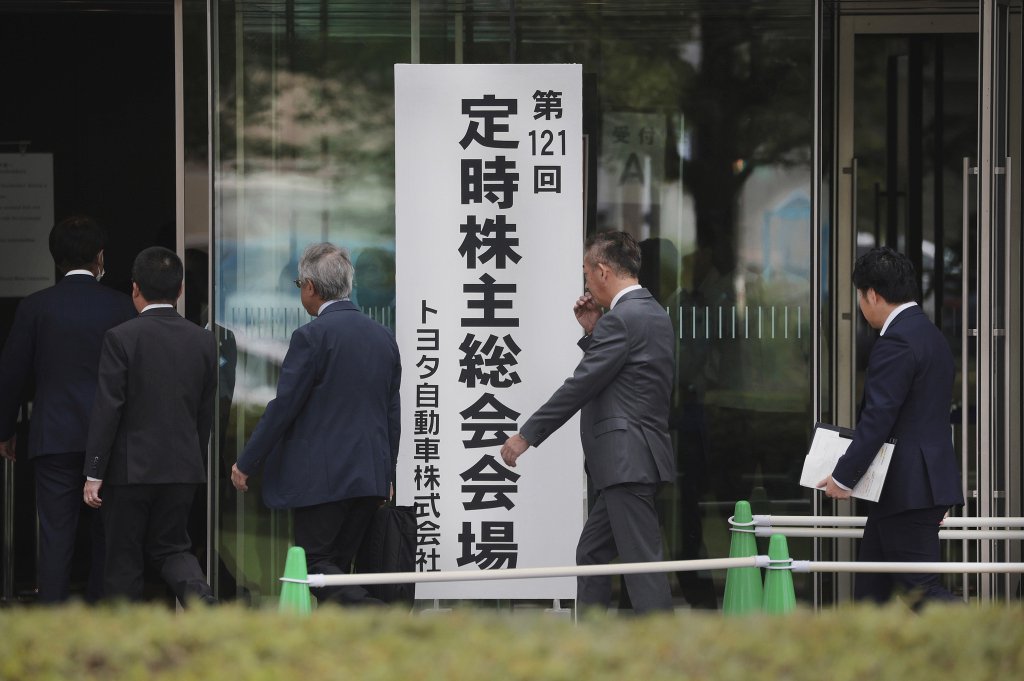
丰田章男高票连任丰田会长,集团战略转型引发关注
Xin Lang Cai Jing· 2025-06-16 05:52
Core Viewpoint - Toyota's Chairman Akio Toyoda received high support for his re-election, reflecting the company's strategic ambitions in electric vehicle transformation and supply chain integration despite concerns from overseas investors regarding the acquisition of Toyota Industries [3][4]. Group 1: Shareholder Meeting and Leadership - Akio Toyoda was re-elected as Chairman with a support rate exceeding 96%, a significant recovery from a historical low of 72% in 2024 [3]. - The support from domestic retail shareholders contrasted with overseas investors' skepticism about the ¥4.7 trillion (approximately $33 billion) acquisition plan for Toyota Industries [3][4]. - The backing from advisory firms Glass Lewis and Institutional Shareholder Services (ISS) played a crucial role in Toyoda's re-election after previously opposing him for governance issues [3]. Group 2: Acquisition of Toyota Industries - The acquisition aims to privatize Toyota Industries, which holds a 9.1% stake in Toyota and 5.41% in Denso, to enhance supply chain efficiency and focus on long-term technological investments [4]. - Some overseas shareholders criticized the acquisition price of ¥16,300 per share as undervaluing Toyota Industries and potentially increasing family control over the group [4]. Group 3: Electric Vehicle Strategy - Toyota plans to mass-produce solid-state batteries by 2026, targeting a 10-minute charging time and a range of 1,200 kilometers, marking a significant advancement over current lithium-ion technology [6]. - The company is also advancing in hydrogen fuel cell technology, with the second-generation Mirai set to launch in China in 2025, featuring a range of 850 kilometers [6]. - Toyota aims to establish 1,000 hydrogen refueling stations in China by 2030, collaborating with local enterprises to enhance infrastructure [6]. Group 4: Market Performance and Financials - In the first quarter of 2025, Toyota maintained its position as the top global automaker with sales of 2.063 million vehicles, although it faced a 6.9% decline in sales in China in 2024 [6][7]. - Financially, Toyota reported a 6.5% increase in revenue to ¥48.37 trillion for the fiscal year 2024-2025, while operating profit fell by 10.4% to ¥4.8 trillion and net profit decreased by 3.6% to ¥4.765 trillion [7]. - Despite profit declines, Toyota retains a cash reserve of ¥8.98 trillion, providing a solid foundation for its transformation plans [7].
决断之年 车企高管集体呼吁反内卷
Bei Jing Shang Bao· 2025-06-15 16:17
2025年,中国汽车产业正式步入"决断之年"。6月13日,第十七届轩辕汽车蓝皮书论坛开幕,论坛主席 贾可直言不讳地指出,中国汽车品牌正处于生死存亡的关键时刻,策略与举措将决定其未来命运。随着 市场竞争日益白热化,从成本、技术到用户、舆论的全方位"内卷"现象愈发显著。在此次论坛上,多位 车企高管集体发声,呼吁行业回归本源,追求长期主义,共同守护健康有序的产业生态。 战略决断:十字路口的抉择 2025年,中国汽车产业正站在历史的十字路口。据中国汽车工业协会数据,2024年中国汽车销量达到 3143.6万辆,同比增长4.5%。其中,新能源汽车销量达到1286.6万辆,同比增长35.5%,显示出电动化 转型的强劲势头。然而,在行业快速发展的背后,是日益严峻的市场竞争和同质化问题。 在此背景下,第十七届轩辕汽车蓝皮书论坛以"决断"为主题,汇聚了来自一汽、东风、长安等主流车企 及业内资深专家的数百名代表。论坛聚焦战略、合资、出行等十大议题,旨在共同探讨汽车产业的未来 发展方向。贾可博士在开幕演讲中强调,中国汽车产业已进入淘汰赛周期,没有决断就无法决战。 一汽、东风等传统国企高管在论坛上表示,将加大在新能源、智能网联等领域 ...