京津冀协同发展

Search documents
烽火淬炼运河畔 协同发展作示范
Bei Jing Ri Bao Ke Hu Duan· 2025-10-20 22:45
Core Viewpoint - The article highlights the historical resilience of the Tongzhou district during wartime and its transformation into a modern urban center, emphasizing the integration of cultural heritage with contemporary development efforts in the Beijing urban sub-center [1][8]. Historical Context - The ancient tree "Tower Elm" symbolizes the enduring spirit of the local people during the Japanese occupation, witnessing significant events such as the 1937 massacre of over 700 civilians [1][2]. - The area has a rich history marked by resistance against oppression, with local citizens actively participating in anti-Japanese efforts during the war [1][2]. Modern Development - The Tongzhou district is undergoing significant urban development, with the construction of the Beijing urban sub-center and the integration with the "North Three Counties" of Hebei province, aiming for high-quality development [1][5][6]. - The "Yunhe Business District" has seen a surge in enterprise registration, with over 20,000 companies established, accounting for 8.48% of the total enterprises in Tongzhou [5]. Cultural and Tourism Growth - The area has become a cultural and tourism hub, attracting over 30 million visitors, with attractions like the "Three Temples and One Tower" scenic area and the Universal Studios Beijing [4][5]. - The restoration of historical sites and the establishment of new cultural facilities contribute to the district's appeal as a tourist destination [4][5]. Policy Support and Collaboration - Various policies are being prioritized for the Yunhe Business District, including benefits from national service industry expansion and free trade zones, fostering a conducive environment for business growth [5][6]. - Collaborative efforts between Tongzhou and the "North Three Counties" focus on infrastructure, industry synergy, and shared public services, enhancing regional integration [6][7].

从传统农业大区到现代化开放新城 北京大兴今年落地高质量项目超千个
Bei Jing Shang Bao· 2025-10-20 12:00
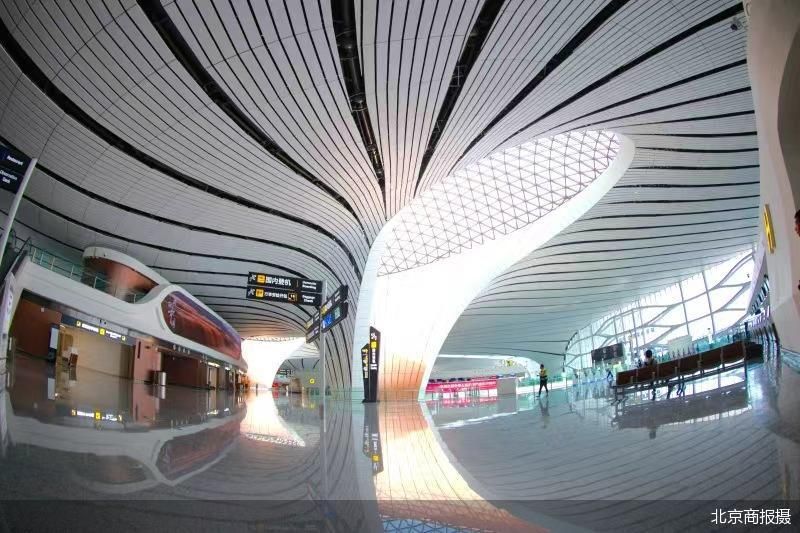
Core Insights - Daxing District is focusing on collaborative development as its core positioning, leveraging its strategic location and policy advantages to transform from a traditional agricultural area to a modern open city, aiming to become a significant growth pole for high-quality development in the southern part of the capital [2][8] Industrial Development - The "6+5+3" industrial layout is key to the economic leap in Daxing, with six major industrial functional zones being prioritized for development to ensure strong and accelerated growth [3][5] - The Daxing International Airport Economic Zone is rapidly developing, with projects like the Civil Aviation University and various international landmarks being planned, aiming to create a new benchmark for international aviation cities [3][9] Special Economic Zones - The establishment of the first national "Data Compliance Port" in the digital economy demonstration zone and the full localization of eight core components in the hydrogen energy demonstration zone highlight Daxing's commitment to innovation and industry expansion [4] - Five specialized industrial clusters and three new development areas are designed to enhance regional vitality, with a focus on avoiding homogenization and promoting unique characteristics in each area [5][6] Infrastructure and Urban Planning - The Daxing International Tourism Resort aims to become a high-end tourism landmark in the southern capital, leveraging the Beijing Wildlife Park to expand its area [7] - The planning of the Garden City Yongding Bay, which will accommodate around 100,000 residents, emphasizes a modern urban design that integrates green spaces and low-carbon initiatives [6][8] Economic Performance - The Daxing Airport Economic Zone has established 1.2 million square meters of industrial space, attracting 8,401 market entities, including 375 foreign-funded enterprises, indicating robust economic activity [9] - From January to September, the airport's international and regional passenger throughput reached 4.38 million, a 25.38% increase year-on-year, while cargo throughput grew by 14.74% to 27.09 million tons [9]
世界智能网联汽车大会京津冀产业协同发展会议在京举办
Huan Qiu Wang· 2025-10-20 07:21
Group 1 - The 2025 World Intelligent Connected Vehicle Conference was held in Beijing, focusing on the collaborative development of the Beijing-Tianjin-Hebei region in the intelligent connected vehicle industry [1] - Representatives from major companies like BAIC, Li Auto, and Xiaomi presented their supply chain goals and engaged in cooperation discussions with well-known automotive parts manufacturers [1] - Component companies highlighted the favorable business environment and professional services available in the Beijing-Tianjin-Hebei intelligent connected vehicle technology ecosystem [1] Group 2 - A total of 12 high-quality projects were signed in the ecological parks of Shunyi, Wuqing, and Langfang, enhancing the region's capabilities in key areas such as vehicle chips, intelligent cockpits, and electronic control systems [2] - Beijing E-Town Investment Holding Co. and the Zhongguancun Beijing-Tianjin-Hebei New Energy Vehicle Collaborative Development Promotion Association reached a significant cooperation agreement to establish a 1 billion yuan industry fund for the next generation of intelligent connected vehicles and robotics [2] - The conference demonstrated the strong momentum of collaboration among government, industry, and finance in the Beijing-Tianjin-Hebei region to create a new model of productive development in the intelligent connected vehicle sector [2][3] Group 3 - The conference represents an important practice for the three regions to implement national strategic deployments in the field of intelligent connected new energy vehicles, promoting policy coordination, industrial chain collaboration, and innovation synergy [3] - The Beijing-Tianjin-Hebei region is accelerating the creation of an open, collaborative, and resilient industrial ecosystem to support the development of a globally influential intelligent connected new energy vehicle industry cluster [3]
轨道上的京津冀,“十四五”跑出加速度
Bei Jing Ri Bao Ke Hu Duan· 2025-10-20 06:57
Core Viewpoint - The article highlights the significant advancements in the Beijing-Tianjin-Hebei (Jing-Jin-Ji) region's rail transportation network during the 14th Five-Year Plan period, emphasizing the transformation towards a world-class urban agglomeration with improved connectivity and efficiency [1][2][4]. Group 1: Infrastructure Development - The rail network in the Jing-Jin-Ji region has evolved from isolated points and lines to a comprehensive, interconnected system, fulfilling the goals set in the 14th Five-Year Plan [1][2]. - By the end of 2024, the total high-speed rail mileage in the Jing-Jin-Ji region is expected to increase from 1,284 kilometers in 2013 to 2,669 kilometers, achieving full coverage of all prefecture-level cities in the region [2]. - The completion of major high-speed rail projects, such as the Beijing-Harbin high-speed rail and the Beijing-Tangshan intercity railway, has significantly reduced travel times within the region [2][4]. Group 2: Economic Impact - The GDP of the Jing-Jin-Ji region is projected to reach 11.5 trillion yuan by 2024, which is 2.1 times that of 2013, indicating robust economic growth supported by the rail network [9]. - The region's economic structure is being optimized, with Beijing, Tianjin, and Hebei's GDP growth rates surpassing the national average, reflecting the positive impact of improved transportation [9]. Group 3: Social Changes - The enhanced rail connectivity is reshaping lifestyles, with more individuals opting for a cross-city living model, such as working in Beijing while residing in Hebei and enjoying leisure activities in Tianjin [6][7]. - The introduction of convenient travel services, such as the "Traffic Union" card and customized commuting buses, has facilitated smoother cross-city travel for residents [7][9]. Group 4: Future Outlook - The focus for the 15th Five-Year Plan will shift towards optimizing and perfecting the existing network, emphasizing the integration of various transportation modes [13][14]. - Future developments will include smart and low-carbon transportation solutions, with the aim of creating a more efficient and environmentally friendly rail system [14][15].
百姓宣讲团讲述生动实践,京津冀第三轮联合宣讲北京专场举行
Xin Jing Bao· 2025-10-19 22:57
Core Viewpoint - The event held on October 17 showcased the implementation of Xi Jinping's cultural thought in the Beijing-Tianjin-Hebei region through a series of public lectures and cultural performances, emphasizing the importance of cultural collaboration among the three areas [1][2]. Group 1: Event Overview - The joint public lecture initiative aims to deepen the understanding of Xi Jinping's cultural thought and promote cultural collaboration among Beijing, Tianjin, and Hebei, following a cooperation agreement signed in February [2]. - Since the launch of the first report in Beijing on February 26, the initiative has conducted 51 lectures across various locations, reaching over 20 million audiences through both online and offline platforms [2]. Group 2: Innovative Presentation Model - The lectures utilize an innovative model combining personal stories, cultural displays, and artistic performances, allowing speakers to convey Xi Jinping's cultural thought through relatable narratives and emotional connections [2][3]. - Notable speakers include representatives from various fields, such as traditional magic, environmental care, and education, who share their experiences and contributions to cultural heritage and innovation [3][4]. Group 3: Cultural Significance - The stories presented during the event highlight the rich tapestry of Chinese traditional culture, revolutionary history, and regional characteristics, showcasing the vibrant cultural landscape of the Beijing-Tianjin-Hebei area [4]. - The event aims to foster a deeper understanding of Xi Jinping's cultural thought among local party members and the public, reinforcing the significance of cultural identity and innovation in contemporary society [5].
京冀联手科研公关,坝上“金种子”开出“致富花”
Bei Jing Ri Bao Ke Hu Duan· 2025-10-18 08:15
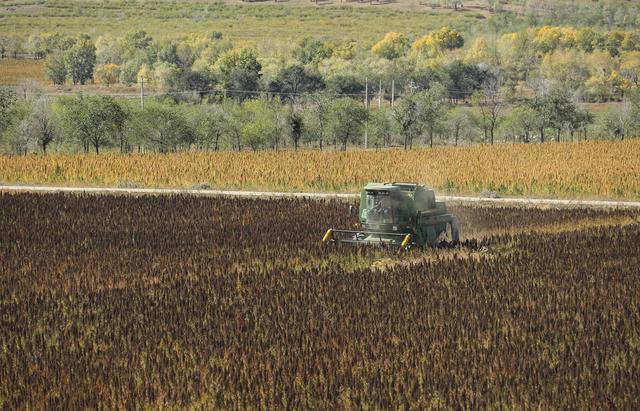
Core Insights - The article highlights the development of organic quinoa in Guyuan County, which is positioned as a key area for water conservation in Beijing, showcasing the integration of ecological protection and agricultural development in the Beijing-Tianjin-Hebei region [1][3]. Group 1: Agricultural Development - Guyuan County has transformed quinoa from a local grain to a high-end organic product, aided by scientific research from institutions like the Chinese Academy of Sciences [3]. - The introduction of the "Bali 2" quinoa variety, developed through collaboration with scientific teams, has increased yields from over 300 pounds to a maximum of 550 pounds per acre, representing a 30% increase compared to traditional varieties [3]. Group 2: Market Integration - The quinoa produced in Guyuan is closely linked to the Beijing market, with farmers reporting profits of over 1,500 yuan per acre, compared to 600 yuan for other crops [4]. - Guyuan has established partnerships with major supermarkets and community platforms in Beijing, enabling rapid delivery of quinoa products, including 36 specialty items, to consumers within 48 hours [4][5]. Group 3: Economic Impact - Over 2,600 farmers in Guyuan are involved in quinoa cultivation, generating an annual output value exceeding 150 million yuan, with the area accounting for one-fifth of the national quinoa planting area [5]. - The local government has implemented supportive policies, including a 5 million yuan annual subsidy and agricultural insurance for quinoa crops, to encourage more farmers to engage in quinoa production [5]. Group 4: Future Prospects - Guyuan is advancing the geographical indication certification for its quinoa and initiating the construction of a digital agriculture demonstration base, aiming for high-quality development in the quinoa industry [5]. - The region's strategy emphasizes ecological sustainability and technological advancement, positioning quinoa as a key player in the health market and a model for collaborative development in the Beijing-Tianjin-Hebei area [5].
天津武清:站产城融合流量变留量
Jing Ji Ri Bao· 2025-10-17 21:57
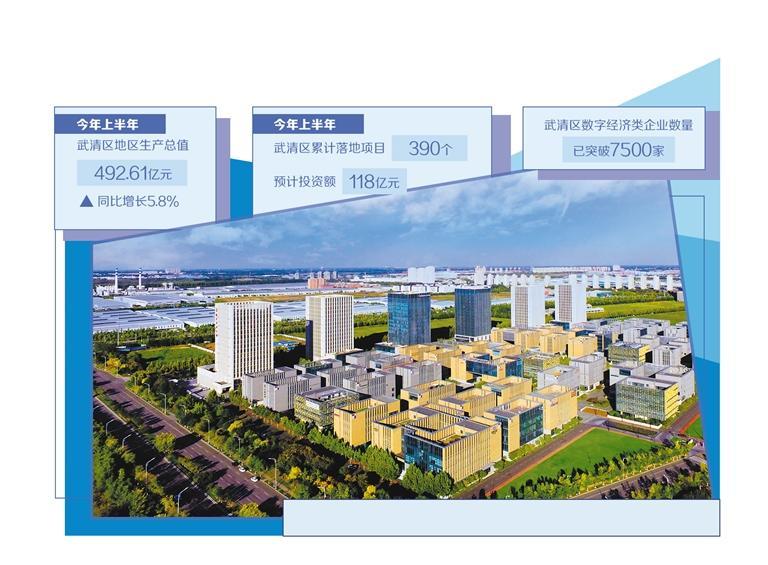
Core Viewpoint - The article highlights the development of Wuqing District as a key area benefiting from the integration of the Beijing-Tianjin-Hebei region, focusing on transportation, industrial growth, and urbanization to enhance economic activity and attract talent [2][4][7]. Transportation Development - Wuqing District is enhancing its transportation network, integrating rail, highways, and public transport to create a multi-layered transit system [3][4]. - The introduction of direct intercity trains has significantly reduced commuting time between Wuqing and Beijing, from over 80 minutes to just 16 minutes [2][3]. - The Wuqing Station currently operates up to 70 trains daily, with peak passenger numbers reaching 13,000 [2]. Industrial Growth - The Wuqing District is home to the largest and most powerful computing power cluster in the Beijing-Tianjin-Hebei region, with over 7,500 digital economy enterprises established [5][7]. - The district is actively developing the intelligent connected vehicle industry, with 12 projects launched and 62 in negotiation since the establishment of the intelligent connected vehicle technology ecological port [6][7]. - The overall investment in projects in the first half of the year reached 118 billion yuan, with 390 projects initiated [4][7]. Urbanization and Economic Impact - The district's GDP reached 492.61 billion yuan in the first half of the year, reflecting a year-on-year growth of 5.8% [7]. - Wuqing has established a comprehensive urban infrastructure, including 20 new schools and partnerships with major hospitals, enhancing public services [7]. - The district is developing new commercial areas, such as the Florence Town, to attract high-end consumers and boost local tourism [8][9]. Cultural and Recreational Development - Wuqing is leveraging its cultural heritage along the Grand Canal to promote eco-tourism and recreational activities, attracting over 600,000 visitors this year [10]. - The district is creating a new consumption landscape by integrating agriculture, culture, and tourism, enhancing the overall visitor experience [10].
天津东丽:培育新质生产力打造百亿级产业链
Zhong Guo Jing Ji Wang· 2025-10-17 07:56
Core Insights - Tianjin Dongli District focuses on innovation-driven development, cultivating new quality productivity, and continuously releasing new development momentum [1] - The district has added 226 national high-tech enterprises and 133 specialized and innovative enterprises over the past five years, with a technology contract transaction volume of 43 billion yuan [1] - During the 14th Five-Year Plan period, the manufacturing value-added in Dongli District accounts for over 30% of GDP [1] Group 1: Industry Development - Dongli District has cultivated three billion-level industrial chains in new energy intelligent connected vehicles, light industry, and high-end equipment, with the new materials industry cluster's output nearing 50 billion yuan [1] - Strategic emerging industries account for 30.8% of the district's regulated industrial output [1] - The aerospace industry chain's output increased by 60% year-on-year in 2022, supported by leading enterprises like Aisida [1] Group 2: Traditional Industry Transformation - A total of 33 projects, including those from China and American Schering-Plough and Jinqiao Welding Materials, have secured 1.24 billion yuan in national bond funding, driving nearly 10 billion yuan in investments for smart upgrades and energy-saving initiatives [2] - Dongli District has launched 85 "smart transformation" projects in the past three years, enhancing traditional industries while fostering new emerging industries [2] - Twelve enterprises, including Tiangang and Steel Pipe Company, have been recognized as national green factories, while Pinggao Intelligent Electric and Zhixin Electric have been awarded as national excellent intelligent factories [2] Group 3: Collaboration and Investment - Dongli District has leveraged the opportunities from the Beijing-Tianjin-Hebei coordinated development, successfully attracting 122 high-quality projects with a total investment of over 40 billion yuan [2] - Collaborations with high-level institutions such as Tsinghua University and the Chinese Academy of Sciences have been established to enhance resource integration [2]
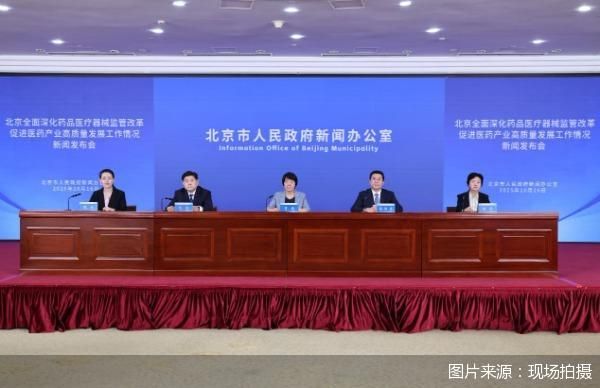
打造医药创新高地 国家级药械审评中心落地北京
Bei Jing Shang Bao· 2025-10-17 02:44
Core Viewpoint - The establishment of the Beijing-Tianjin-Hebei (Jing-Jin-Ji) Center for Drug and Medical Device Review and Inspection aims to enhance the quality and efficiency of drug and medical device regulation, promoting high-quality development in the pharmaceutical industry across the region [1][2]. Group 1: Overview of the Jing-Jin-Ji Center - The Jing-Jin-Ji Center was inaugurated on September 21 and will serve Beijing, Tianjin, Hebei, and Shandong, leveraging three major centers and four service stations to create a comprehensive service network for the biopharmaceutical industry [1][2]. - The center will provide technical services including research and development guidance, consultation, and review communication, focusing on accelerating the review and approval processes for urgently needed innovative drugs and medical devices [2][3]. Group 2: Services and Support for Enterprises - The Jing-Jin-Ji Center will establish flexible communication channels with enterprises to address uncertainties in drug development, offering in-depth discussions on key technical issues to streamline processes and enhance efficiency [3][4]. - The center will implement an annual training plan based on regional industry needs, providing targeted courses to meet diverse training demands [3][4]. Group 3: Integration and Standardization - The center's operations will be integrated into the unified work system of the National Medical Products Administration (NMPA), promoting standardized drug inspection and resource mutual recognition across the four regions [3][7]. - The establishment of the center is expected to enhance the quality of application materials and optimize the allocation of review resources, with over 1,200 enterprises served and more than 3,000 consultation issues resolved by 2025 [6][7]. Group 4: Strategic Collaboration and Future Goals - The Beijing government will strengthen strategic cooperation with the NMPA to create an efficient regional drug and medical device review system, positioning the Jing-Jin-Ji Center as a platform for high-quality integrated development and innovation in the pharmaceutical industry [7][8]. - The center aims to facilitate the integration of research, production, and clinical resources across the Jing-Jin-Ji and Shandong regions, aligning product development with clinical needs and regional health demands [7].
助力首都打造医药创新高地,国家级药械审评中心落地北京
Bei Jing Shang Bao· 2025-10-16 11:41
Core Viewpoint - The establishment of the Beijing-Tianjin-Hebei (Jing-Jin-Ji) Center for Drug and Medical Device Review and Inspection aims to enhance the quality and efficiency of drug and medical device regulation, promoting high-quality development in the pharmaceutical industry across the region [1][3]. Group 1: Overview of the Jing-Jin-Ji Center - The Jing-Jin-Ji Center was inaugurated on September 21 and will serve Beijing, Tianjin, Hebei, and Shandong, leveraging a comprehensive service network to support the biopharmaceutical industry [1][3]. - The center will provide technical services including research guidance, consultation, and review communication, focusing on accelerating the review and approval processes for urgently needed innovative drugs and medical devices [3][4]. Group 2: Service Network and Collaboration - The center will create a "3+1+4+N" service network, integrating resources from the national drug review centers and local innovation service stations to enhance collaboration and efficiency [7]. - It will facilitate early involvement of review experts in key areas such as artificial intelligence, providing tailored guidance to improve the quality of application materials [7][8]. Group 3: Training and Support for Enterprises - The Jing-Jin-Ji Center will establish flexible communication channels with enterprises, offering in-depth discussions on critical technical issues to streamline the development process [4][6]. - An annual training plan will be developed based on industry needs, addressing diverse training requirements to support the pharmaceutical sector [4][8]. Group 4: Regional Coordination and Standardization - The center's operations will be integrated into a unified system under the national drug regulatory framework, promoting standardized inspection processes and resource sharing among the four regions [8]. - The initiative aims to enhance the alignment of product development with clinical needs and regional health demands, fostering a deeper integration of the innovation and industrial chains [8].