
贸易保护主义

Search documents
交通运输部回应拟对美船舶收取船舶特别港务费
Di Yi Cai Jing· 2025-10-10 07:49
答:2025年4月,美国贸易代表办公室宣布了对中国海事、物流和造船领域301调查最终措施,10月14日 起,对中国公司拥有或运营的船舶、中国造船舶、中国籍船舶加收港口服务费。美国的做法罔顾事实, 充分暴露出其单边主义、保护主义本质,具有明显的歧视性色彩,严重损害中国海运业的正当利益,严 重扰乱全球供应链稳定,严重破坏国际经贸秩序。中方将对美国错误做法依法坚决采取反制措施,推动 构建公平正义的国际海运市场秩序,维护国际物流供应链安全稳定。 根据《中华人民共和国国际海运条例》,我部发布《关于对美船舶收取船舶特别港务费的公告》,决定 将于10月14日起对涉美船舶收取船舶特别港务费,这是我们维护中国海运企业合法权益的正当举措。我 们敦促美方立即纠正错误做法,停止对中国海运业的无理打压。 这是我们维护中国海运企业合法权益的正当举措。 交通运输部新闻发言人就拟对美船舶收取船舶特别港务费答记者问。 问:中方宣布将对美船舶收取船舶特别港务费,有何考虑? ...
不顾中国,越南跟美国签了,但转头发现:特朗普又对中国连退两步
Sou Hu Cai Jing· 2025-10-10 05:49
Core Insights - The trade relationship between the US and Vietnam has become increasingly complicated, with Vietnam attempting to benefit from US tariffs on China but ultimately facing negative consequences [1][3][4]. Group 1: Trade Agreement Details - A trade agreement was reached on July 2, 2025, imposing a 20% tariff on US exports to Vietnam while exempting Vietnamese exports to the US from tariffs [3]. - Vietnam will impose a 40% tariff on goods suspected of being transshipped from China to the US, significantly impacting its export economy [3][4]. - Prior to the agreement, Vietnam had a trade surplus of over $40 billion with the US, with approximately 30% of this surplus derived from transshipped Chinese goods [4][6]. Group 2: Economic Impact on Vietnam - The agreement is expected to severely disrupt Vietnam's supply chains, forcing a reevaluation of logistics and increasing operational costs for local businesses [4][6]. - Vietnamese manufacturers are experiencing a decline in orders as the new tariffs lead to a reduction in the flow of Chinese components and raw materials [6][9]. - Following the agreement, Vietnam's border trade with the US has decreased by 15%, and many factories are operating at only 80% capacity [9][11]. Group 3: US-China Relations and Strategic Shifts - Shortly after the agreement, the US made concessions to China by lifting restrictions on ethane exports and semiconductor design software, indicating a shift in US policy [6][7]. - The concessions suggest that the US is reassessing its trade strategies, which may undermine Vietnam's position as a middleman in US-China trade [7][9]. - The evolving dynamics highlight Vietnam's loss of strategic leverage, as its reliance on transshipment trade is diminishing [9][11]. Group 4: Regional Comparisons - Other countries like Japan, South Korea, and India are adopting more cautious approaches to US trade policies, focusing on maintaining their own economic interests [11]. - The future of Vietnam's economy may depend on its ability to repair relations with China amidst the shifting landscape of US-China trade relations [11].

中国真的说到做到,5个月没买一粒美国大豆,特朗普想和中方谈谈
Sou Hu Cai Jing· 2025-10-10 04:30
在这场关于大豆的贸易战争中,中国无疑是胜者。特朗普意识到这一点,打算在月底和中方坐下来谈一谈。 最近,《华尔街日报》报道称,美国的大豆种植者陷入了极大的困境。他们迎来了预期中的丰收,但却没能搞定最重要的 买家——中国。美国的大豆市场面临着严峻的考验,如果不尽快与中国达成协议,可能会出现严重的市场崩溃。 此外,海关总署还宣布,进口的美国大豆中发现了麦角和种衣剂等有害物质。为了保护消费者的健康,中国暂停了3家美国 企业的大豆进口资格。这样一来,美国大豆在中国市场的竞争力大大下降。 在美国大豆市场份额空缺的情况下,中国转向了拉美国家。巴西已经成为中国最大的供应国,今年前8个月,巴西对华的大 豆出口量占到了71.6%。阿根廷也迅速通过暂停大豆出口税等政策,抢占了中国市场的份额。 与此同时,中国大力发展国内大豆种植,国产大豆的产量已经连续三年超过2000万吨,并且推动豆粕在饲料中的替代使 用,逐步减少对进口大豆的依赖。通过这一系列措施,中国切断了美国大豆重返市场的机会。 美国政府尝试了很多方法,希望通过增加墨西哥、欧盟、日本、印尼等传统买家的采购量,甚至试图开拓印度和非洲等新 市场,但都无法与中国市场的需求相比。 现在 ...

欧盟公布加税计划,将效仿美国对付中国,不料先收到一个坏消息
Sou Hu Cai Jing· 2025-10-10 04:08
虽然欧盟没有在提案中明确提及中国,但不少媒体和分析认为,这一加税措施主要是针对中国钢铁的。近年来,欧盟的钢铁需求疲软,生产成本不断上升, 再加上欧盟大力推动绿色转型,导致欧盟钢铁产业逐渐失去国际竞争力。特别是在美国对欧盟钢铁实施"对等关税"之后,欧盟对美出口的钢铁数量大幅下 降,进一步加剧了欧盟钢铁行业的困境。 欧盟近日宣布了一项针对外国钢铁的加税计划,具体措施包括大幅减少进口配额,并对部分钢铁加倍征收关税。这一举措让人看出欧盟日益上升的保护主义 情绪,很多人认为这可能是效仿美国对中国采取的贸易手段。但在实施这些加税措施之前,欧盟其实已经收到了一个不太好的消息。那么,欧盟为何要推出 这一计划?而在加税前,究竟发生了什么让他们感到困扰的事情呢? 2023年10月7日,欧盟委员会正式发布了这一加税提案,内容主要包括三项核心措施。首先,欧盟计划将对外国钢铁免关税的进口配额大幅缩减,从2024年 起降低47%,仅剩1830万吨。其次,超出免关税配额的外国钢铁将面临加倍的关税。最后,欧盟将加强钢铁市场的可追溯性,确保相关交易不会规避制裁。 这一提案若获得批准,预计将在2026年6月开始实施。 这一提案立刻引发了外界的广 ...
Bank of America Corporation (BAC): A Reliable Player in the World of Promising Dividend Stocks
Insider Monkey· 2025-10-10 03:51
Core Insights - Artificial intelligence (AI) is identified as the greatest investment opportunity of the current era, with a strong emphasis on the urgent need for energy to support its growth [1][2][3] - A specific company is highlighted as a key player in the AI energy sector, owning critical energy infrastructure assets that are essential for meeting the increasing energy demands of AI technologies [3][7] Investment Landscape - Wall Street is investing hundreds of billions into AI, but there is a looming question regarding the energy supply needed to sustain this growth [2] - AI data centers consume vast amounts of energy, comparable to that of small cities, leading to concerns about power grid strain and rising electricity prices [2][3] Company Profile - The company in focus is not a chipmaker or cloud platform but is positioned as a crucial player in the energy sector, particularly in nuclear energy infrastructure [7][8] - It is capable of executing large-scale engineering, procurement, and construction (EPC) projects across various energy sectors, including oil, gas, and renewables [7] Financial Position - The company is noted for being completely debt-free and holding a significant cash reserve, amounting to nearly one-third of its market capitalization [8] - It is trading at less than 7 times earnings, indicating a potentially undervalued position in the market [10] Market Trends - The company is poised to benefit from the onshoring trend driven by tariffs, as well as the surge in U.S. LNG exports under the current administration's energy policies [5][14] - There is a growing recognition on Wall Street of this company's potential, as it quietly capitalizes on multiple favorable market trends without the high valuations seen in other sectors [8][9] Future Outlook - The influx of talent into the AI sector is expected to drive continuous innovation and advancements, making investments in AI a strategic move for future growth [12] - The company is positioned to play a pivotal role in the upcoming AI infrastructure supercycle, which is anticipated to yield significant returns for investors [14][15]

欧盟对外挥刀,英国“躺枪”!钢铁关税暴涨50%,英首相急着磋商
Sou Hu Cai Jing· 2025-10-09 11:39
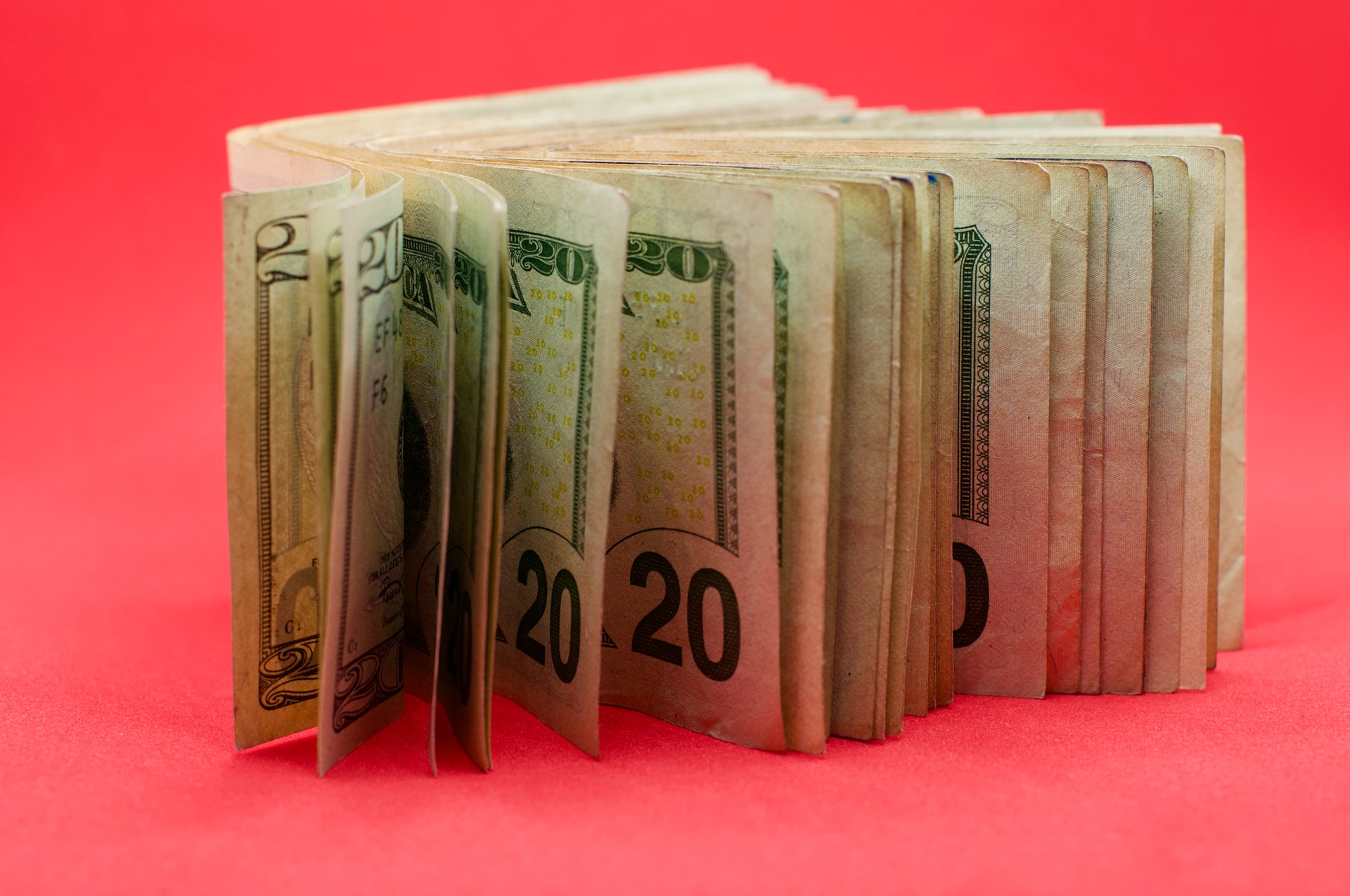
前言 欧盟突然挥起贸易大棒,拟将钢铁进口关税暴涨 50%,还削减近半数免税配额,美其名曰 "救本土行 业",却把英国坑惨了! 这表明欧盟在经济政策上,正在向美国靠拢,试图通过"抱团取暖"来强化其在跨大西洋贸易秩序中的影 响力。 提案还包括要求外国供应商申报钢铁熔炼与浇铸地点,这无疑增加了进口流程的复杂性和成本。 英国 80% 钢铁出口靠欧盟,刚挨过美国25% 关税,又要被欧盟关税砸懵,行业警告 "这是生存威胁"。 英首相斯塔默急了,忙着跟欧盟、美国双线磋商,可脱欧后的英国,这次能躲过这场危机吗? 欧盟的"保护主义大棒" 欧盟此次提出将钢铁进口关税提高一倍至50%,并削减47%的免税进口配额,降至每年1830万吨。这套 组合拳,无疑是瞄准了所谓的"过剩产能"和"不公平竞争"。 欧盟工业事务专员斯特凡・塞茹尔内直言不讳:"欧洲钢铁行业濒临崩溃——我们正通过保护措施助力 其投资、脱碳并重获竞争力。" 这背后是欧盟对自身钢铁产业陷入困境的深切焦虑,在能源成本高企、全球钢铁产能过剩的背景下,欧 洲本土钢铁企业面临巨大的生存压力,然而这套"自救"方案,却充满了"排外"色彩。 此举与美国总统特朗普的钢铁关税政策保持一致,并 ...
继美国之后,欧盟再下“狠手”!关税从25%飙至50%,直砍韩大动脉
Sou Hu Cai Jing· 2025-10-09 04:15
在全球贸易保护主义日益严重的背景下,欧盟宣布将实施新的钢铁关税配额制度,并大幅提高部分进口钢铁产品的关税,从原先的25%提升至50%。这一举 措紧随美国之后,预计将对韩国的钢铁出口造成严重打击,引起了韩国政府和相关产业的高度关注。 根据韩国产业通商资源部8日发布的消息,欧盟计划用新的关税配额机制取代即将到期的现行钢铁保障措施。草案显示,欧盟的钢铁进口配额总量将从目前 的3053万吨减少47%,降至1830万吨。同时,超出配额的进口钢铁将面临从25%翻倍至50%的关税。这一新政策预计将在明年6月底通过欧盟立法程序并正式 生效。 对此,韩国产业通商资源部表示深切关注。由于欧盟尚未公布具体的国别配额分配方案,韩国方面尚难以准确评估这一新政策的具体影响。但根据初步估 算,新的配额体系可能会导致韩国对欧盟的钢铁出口总量大幅减少,预计会比去年减少接近一半,这无疑给韩国钢铁产业带来了巨大的压力。 政策的深切关切。 与此同时,韩国政府已启动全面的应对机制。韩国产业通商资源部副部长文慎鹤将亲自走访钢铁出口企业,了解当前行业所面临的困境,并收集企业的反馈 信息。此外,韩国政府还将在10日召开由产业供应链政策主任主持的公私部门联合 ...
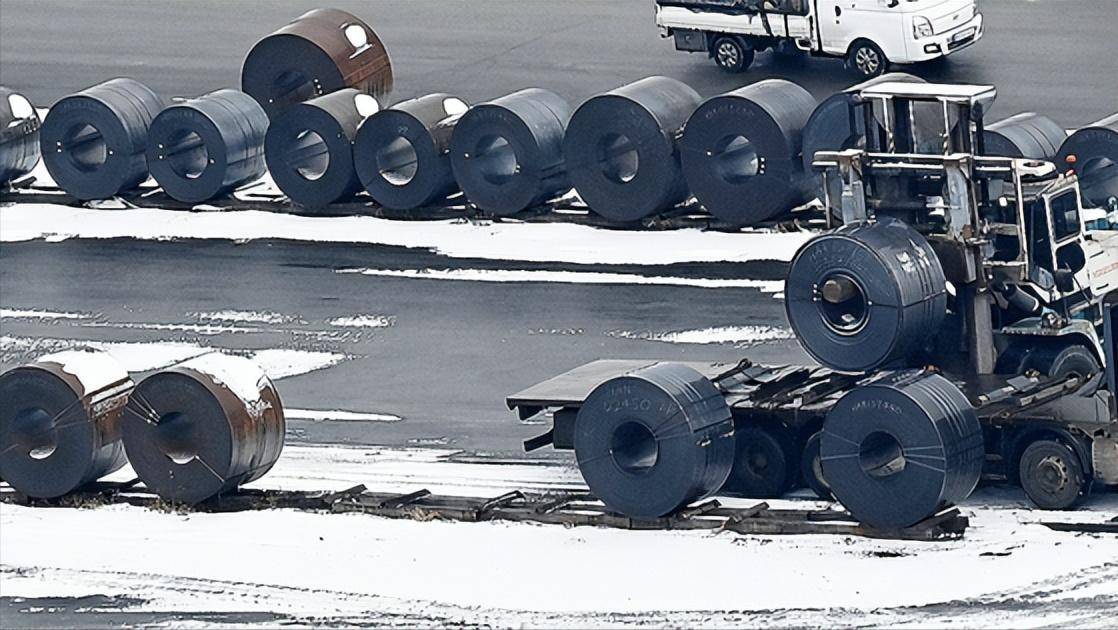
欧盟拟将钢铁关税加倍,英国韩国先急了
Huan Qiu Shi Bao· 2025-10-08 22:54
欧盟委员会分管产业战略的执行副主席塞茹尔内在公布上述计划前表示,"欧洲钢铁行业正处于崩溃的 边缘。我们将保护它,以便它能够投资、脱碳,从而重新恢复竞争力。"据介绍,上述提案须得到欧洲 议会和欧盟27个成员国的批准,欧盟委员会希望尽快实施这些措施。 香港《南华早报》称,欧盟没有点名中国,称关税和配额将适用于全球进口。但一名匿名欧盟官员宣 称,对于欧盟钢铁行业来说,"中国是迄今最大的问题"。据英国《金融时报》报道,欧盟试图通过反华 钢铁措施与美国捆绑在一起。"这一提议……将成为我们与美国接触的一个非常好的基础,我们可以借 此表明,我们现在拥有一套非常强大的钢铁产业保护体系。"欧盟委员会一名高级官员表示,"这使我们 能够与美国就隔离产能过剩问题展开讨论。" 【环球时报报道 记者 倪浩】欧盟计划大幅削减进口钢铁免税配额,并将超出配额部分关税上调至 50%。这一保护主义举措被认为效仿美国政府,令英韩等国十分担忧。 据法国国际广播电台报道,欧盟7日公布的这项史无前例的措施包括:将每年可免税进口到欧盟的外国 钢铁配额削减47%至1830万吨,超过配额部分加倍征收关税,从25%提高到50%。另外,欧盟进口商将 被要求申报原始 ...
欧盟需要更多美国以外的贸易协议
Shang Wu Bu Wang Zhan· 2025-10-08 17:28
(原标题:欧盟需要更多美国以外的贸易协议) 《爱尔兰观察者报》9月28日报道,周二公布的一项调查显示,尽管法国经济持续疲软,德国需求 放缓,但欧元区9月临时综合采购经理人指数(PMI)升至16个月高点。9月经济活动的增长掩盖了欧元 区潜在的疲软。尽管欧洲央行上调了欧元区今年的增长预测,但警告称,欧盟企业适应日益保护主义的 全球贸易环境的能力存在"相当大的不确定性"。经合组织在9月发布的报告中也警告称,虽然全球增长 在2025年上半年比预期更具韧性,但美国加征关税的全部影响仍在显现,对消费者行为、劳动力市场和 价格的影响已经显现。人们似乎已达成共识,欧盟需要寻求并敲定更多美国以外的贸易协议,以保护其 经济利益。与印尼、墨西哥和加拿大等国家以及南方共同市场等集团达成的协议将为欧盟的出口创造新 的机会,减少对特定市场的依赖。但一些欧盟国家正在阻止通过这些已经谈判达成的自由贸易协议,爱 尔兰尤其如此。ESRI在秋季季度报告中向政府提出了一些强有力的建议,以应对国际贸易面临的威 胁,并表示"在南方共同市场协议的情况下,我们敦促政府仔细考虑其保留意见"。在经济政策应着眼于 保护和加强自由贸易的时候,反对自由贸易协定似乎适 ...
美国将对境外拍摄的电影征收100%关税
Shang Wu Bu Wang Zhan· 2025-10-08 17:28
Core Viewpoint - President Donald Trump announced a 100% tariff on all movies produced overseas and imported into the United States, extending trade protectionism to the cultural industry, creating uncertainty for film companies reliant on international collaboration and box office revenue [1] Industry Impact - The implementation of movie tariffs raises concerns among film executives, as film production, financing, post-production, and visual effects often involve multiple countries, leading to confusion regarding the execution of these tariffs [1] - Hollywood's increasing dependence on overseas production centers, such as Canada, the UK, and Australia, is driven by tax incentives that attract high-budget films, including superhero blockbusters and streaming series [1] - The tariffs could adversely affect thousands of American workers involved in overseas filming and production, as their work typically requires coordination across multiple countries [1]