交旅融合

Search documents
快进、慢游、绿色,皖南交旅融合蹚出哪些新路?
Di Yi Cai Jing· 2025-12-08 01:09
Core Viewpoint - The completion of the "Promoting the Integration of Transportation and Tourism in Southern Anhui" pilot project has established a comprehensive transportation infrastructure network, enhancing connectivity and service quality in the region's tourism sector [1][2]. Group 1: Infrastructure Development - The "Fast Access" transportation infrastructure network has been completed, linking major tourist attractions such as Qiyun Mountain, Huangshan, Jiuhua Mountain, Tianzhushan, and Dabie Mountain through high-speed rail and highways [1][2]. - A series of roads have been constructed to improve connectivity between main roads and scenic areas, including the Jingxian to Taohuatan to Huangshan road and the Wanfo Lake tourism road [1][2]. - The "Slow Travel" transportation infrastructure network has also been developed, featuring scenic routes and various slow travel systems like greenways and cycling paths [1][2]. Group 2: Pilot Project Outcomes - The pilot project has resulted in a basic establishment of the "Fast Access and Slow Travel" transportation infrastructure network, promoting a green transportation system and enhancing tourism service quality [2][5]. - The project has demonstrated strong innovation and has significant value for replication, contributing to the development of a new model for the integration of transportation and tourism [2][5]. Group 3: Future Plans and Policies - Over the next 1-2 years, the goal is to establish tourism scenic roads and centers, ensuring access to 4A and 5A scenic spots through multiple transportation modes [5]. - The Anhui Provincial Transportation Department has introduced a series of policy documents to guide the integration of transportation and tourism, including funding support for scenic road upgrades [5][6]. - The province has categorized scenic roads into three levels (FA, FB, FC) to optimize resource allocation and responsibility [5]. Group 4: Economic Impact and Community Development - The establishment of over 120 tourism bus lines and customized routes during peak seasons has improved accessibility to tourist destinations [6]. - The integration of solar power generation along highways has contributed to sustainability, with significant reductions in carbon emissions [6]. - Local communities have benefited from tourism development, with initiatives like the "township coordination + business integration" model enhancing local economies and creating job opportunities [6][7].


我省今年将新建成高速公路九百公里 通车总里程达一点一万公里
Si Chuan Ri Bao· 2025-12-07 01:32
Group 1 - The core viewpoint highlights the significant progress in highway construction in Sichuan, with the province expected to have 152 counties (cities, districts) connected by highways by the end of the year [1][2] - By the end of this year, the total length of Sichuan's highways will reach 11,000 kilometers, ranking among the top three in the country, with over 3,000 kilometers of new highways built since the start of the 14th Five-Year Plan [1][3] - The completion of the Chongqing-Zichong highway will mark the 17th highway connecting Sichuan to Chongqing, facilitating a one-hour travel time between neighboring cities in the Sichuan-Chongqing region [1][2] Group 2 - The Chengdu metropolitan area is set to enhance its traffic efficiency with the completion of the Chengnan Expressway expansion project, which is the largest and longest expansion project in Sichuan, extending over 240 kilometers [2] - This year, several highways will connect previously isolated areas in Liangshan Prefecture, including the completion of the Leixi Expressway and the Jiuma Expressway, which will end the history of no highway access for counties like Rebo and Hongyuan [2][3] - The integration of transportation and tourism is being promoted, with highways like the Jiuzhai-Mianyang Expressway linking over 30 tourist attractions, enhancing accessibility to scenic areas [2] Group 3 - Sichuan is prioritizing ecological protection alongside highway construction, with projects like the Jiuzhai-Mianyang Expressway and Leixi Expressway implementing significant environmental measures, including the transplantation of rare plant species [3] - The province's investment in road and waterway construction has exceeded 268 billion yuan this year, setting a historical record, with a cumulative investment of over 1 trillion yuan planned for the 14th Five-Year Plan period [3]
三箭齐发+优服护航!中通客车 “破局” 旅团市场
第一商用车网· 2025-12-06 13:48
Core Viewpoint - The article highlights the robust recovery of the domestic tourism market and the transformation of the tourism passenger transport industry, emphasizing the shift from price competition to value creation, with a focus on high-quality development and innovative product offerings by Zhongtong Bus [1][3]. Group 1: Market Trends and Developments - By the third quarter of 2025, domestic residents' travel reached 4.998 billion trips, marking an 18.0% year-on-year increase, indicating a strong recovery in inbound tourism [1]. - The tourism passenger transport industry is experiencing a significant transformation, moving from a focus on capacity to an emphasis on experience, which is reshaping the value chain of the industry [3][5]. - The demand for group passenger vehicles is increasing, driven by the recovery of the tourism and group commuting markets, as well as the penetration of new energy buses in specific scenarios [3][5]. Group 2: Zhongtong Bus Innovations - Zhongtong Bus has launched a comprehensive suite of innovative products and services aimed at reshaping the industry value chain, with a focus on high-quality development [1][5]. - The market share of Zhongtong Bus's group products over 8 meters increased to 11.6% from January to October 2025, reflecting the company's successful product development and promotion efforts [5]. - The 2026 product lineup includes 46 models across various platforms, focusing on safety, efficiency, and customer experience, thus leading the industry towards a new phase of value creation [7][9]. Group 3: Smart Solutions and Service Enhancements - Zhongtong Bus introduced a new smart solution that combines assisted driving, a smart cockpit, and a vehicle networking big data platform, aiming to enhance the overall value chain of group passenger transport [15][16]. - The smart cockpit features advanced technologies such as intelligent air conditioning and AI voice interaction, providing an immersive driving experience [18]. - The "Zhongtong U·Serve" global service brand was launched to offer a comprehensive service solution, addressing customer needs throughout the vehicle's lifecycle and enhancing operational efficiency [23][25]. Group 4: Strategic Partnerships and Collaborations - The event recognized 44 customer representatives as "Zhongtong Bus Group Brand Promotion Ambassadors," highlighting the importance of strategic partnerships in building brand trust and value [13][14]. - The focus on collaboration reflects the industry's shift towards a dual-driven model of "product + service," emphasizing the need for reliable partners in the commercial vehicle sector [23]. Group 5: Future Outlook - Zhongtong Bus's initiatives in launching the 2026 product line and service brand are seen as a proactive response to the evolving demands of the tourism transport market, marking a significant step in the industry's value reconstruction journey [27].


日照公交集团携手新发地畅通物流脉络
Qi Lu Wan Bao· 2025-12-03 05:21
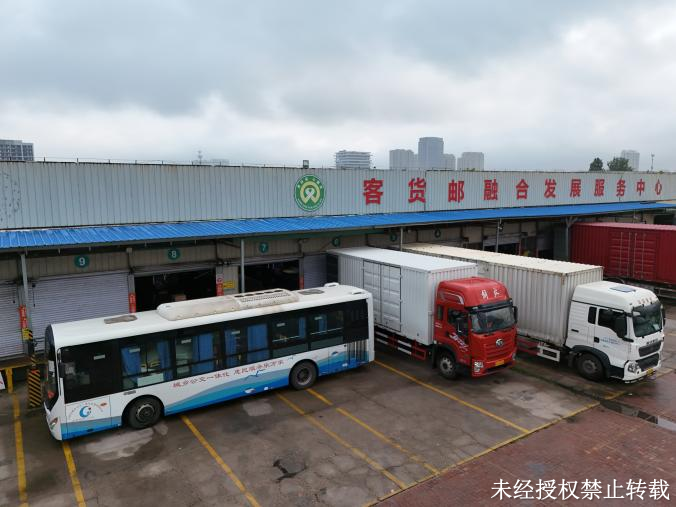
日照公交集团坚持党建引领,借助城乡公交网络优势,创新实施客货邮融合服务模式,助力新发地市场 繁荣发展,书写新时代乡村振兴的"公交答卷"。 坚持"支部建在线上、党旗飘在车厢",在C101路、41路、3路等重点助农线路设立"助力新发地党员先锋 岗"。党员驾驶员主动扛起责任,严格践行"安全准点、热情服务、优先捎货、全程护送"四项承诺,从 严把控货物交接、运输时效关键环节,全力保障每一件农产品新鲜直达、准时交付,成功打造可复制、 可推广的"党建+客货邮"融合发展示范样板。 交旅融合辟新径,游购一体促消费 推动客货邮服务从"单一运输"向"多元服务"深度转型。依托旅游观光巴士特色线路,创新设置"新发地 优品展示区",联合新发地市场商户精选优质农产品、海产品预制菜等特色商品"随车展销",构建"车上 展示、途中选购"的便捷消费场景。此举既让游客实现"游购融合、旅途增值"的沉浸式体验,又为优质 商品拓宽了展示推广窗口,有效带动消费升级,进一步推动公交运输、文化旅游与商贸流通产业协同发 展、互利共赢。 下一步,日照公交集团将持续深化党建赋能,聚力打造客货邮融合发展"日照样板",并不断优化客货邮 运营体系,扩大服务覆盖范围,提升专 ...
“服务区+”催生沉浸式消费新场景 “交通驿站”化身“文化客厅”亮点频出
Yang Shi Wang· 2025-11-28 08:10
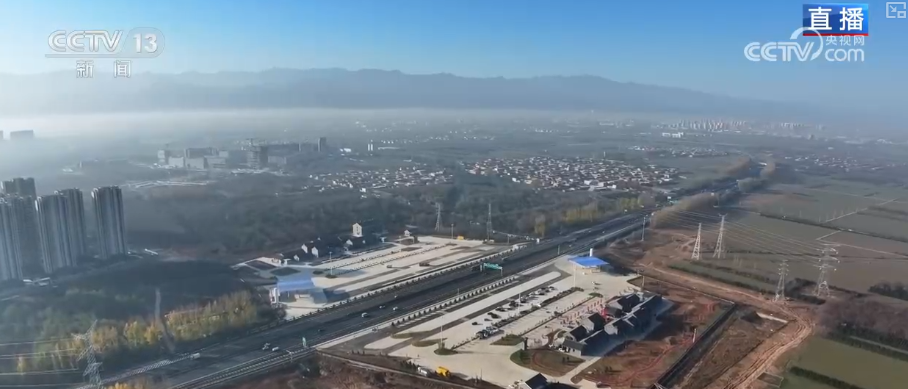
Core Viewpoint - The Qin Du Service Area on the G5 Jingkun Expressway has officially opened, transforming from a single-function model to an immersive consumer service scene that integrates shopping, cultural heritage, and dining experiences [1][4]. Group 1: Service Area Overview - The Qin Du Service Area is located approximately 30 kilometers from downtown Xi'an and serves as the first service area on the route towards Kunming, covering an area of 180 acres with 484 parking spaces and an intelligent guidance system [4]. - It is the first demonstration area in Shaanxi for the integration of cultural tourism and local characteristics, featuring traditional architectural styles reminiscent of the Guanzhong region [6]. Group 2: Cultural and Culinary Features - The service area showcases a symmetrical layout with a "sailing ship" in the north and a "returning boat" in the south, symbolizing the historical dialogue of the Weishui River's navigation [10]. - Various intangible cultural heritage projects are highlighted, including traditional crafts like Huxian paper-cutting and Huxian farmer paintings, with opportunities for visitors to engage in hands-on experiences [12][13]. - A diverse range of local delicacies is offered, such as Qinzhen rice noodles, Huxian soup noodles, and the well-known Roujiamo, enhancing the culinary experience for travelers [15]. Group 3: Economic Impact - The establishment of the Qin Du Service Area is expected to create job opportunities for over a hundred local residents, contributing to rural revitalization efforts [15].
推进交通运输高质量发展 服务中国式现代化黑龙江实践
Zhong Guo Fa Zhan Wang· 2025-11-28 05:13
Core Viewpoint - The Heilongjiang Provincial Transportation Department is making significant progress in building a comprehensive transportation network during the "14th Five-Year Plan" period, enhancing transportation capacity, improving international openness, and providing better services for people's livelihoods [3][4][6]. Group 1: Transportation Infrastructure Development - Heilongjiang has invested approximately 269 billion yuan in comprehensive transportation infrastructure construction during the "14th Five-Year Plan" period, with high-speed rail mileage reaching 1,374 kilometers and covering 80% of the province's population and 90% of its economic output [4]. - The province has initiated the construction of 11 highways totaling 1,636 kilometers, which is 2.2 times the mileage built during the "13th Five-Year Plan" [4]. - By the end of this year, the total length of highways is expected to reach 5,200 kilometers, ranking first among the three northeastern provinces [4]. Group 2: International Connectivity and Trade - Heilongjiang is enhancing its transportation hub for Northeast Asia, with the completion of the Heihe Highway Bridge and Tongjiang Railway Bridge, increasing international road transport capacity by 27 million tons [5]. - The province has opened 22 international passenger and cargo routes, leading the nation in the number of passenger routes to Russia's Far East [5]. - The Harbin International Land Port has officially commenced operations, facilitating cross-border cargo transport [5]. Group 3: Efficient Transportation Services - The province has effectively coordinated various transportation sectors to ensure smooth travel during peak periods, receiving multiple commendations from the Ministry of Transport [6]. - The transportation system has successfully supported the Asian Winter Games with zero complaints, showcasing its efficiency [6]. - Enhanced services include extended public transport hours during holidays and the introduction of customized bus services to meet diverse travel needs [6]. Group 4: Integration of Transportation and Tourism - Heilongjiang has launched 14 new domestic flight routes to promote tourism, connecting key regions [7]. - The province is developing tourism road brands and specialized tourist trains to boost year-round tourism [7]. - Efforts to combat illegal transportation services have strengthened the regulatory environment, supporting the growth of winter tourism [7]. Group 5: Focus on Livelihood Services - The province has constructed 16,000 kilometers of rural roads during the "14th Five-Year Plan" period, significantly improving rural connectivity [8]. - Urban public transport has expanded to 1,926 routes, with a total operating mileage of 46,400 kilometers, serving over 3.7 billion passengers [8]. - Initiatives to enhance logistics and delivery services have been implemented, ensuring efficient last-mile delivery in rural areas [8].

威海织密现代航运网络,国际国内双循环持续畅通
Qi Lu Wan Bao· 2025-11-27 12:09
Core Insights - Weihai City aims to enhance its maritime productivity and growth by leveraging its coastal location, with significant increases projected in passenger and cargo throughput by 2025 compared to 2020 [1][2] Group 1: Port and Shipping Development - By 2025, Weihai's port is expected to handle 1.373 million passengers, 52.9 million tons of cargo, and 152,000 TEUs, representing growth of 178%, 37%, and 24.3% respectively from 2020 [1] - During the 14th Five-Year Plan, Weihai will open 7 new domestic and international shipping routes, enhancing connectivity with 16 cities across 5 provinces in China and 14 cities in 5 countries including Japan and South Korea [1] - The Weihai-Qingdao domestic route will operate up to 14 sailings per week, making it the most frequent public domestic route in Northern China, while the China-South Korea route will have 21 sailings per week [1] Group 2: Port Infrastructure and Upgrades - The 14th Five-Year Plan includes the completion of 5 port projects, enhancing the functionality of the Weihai Bay Port area [2] - Currently, Weihai has 77 commercial and specialized port berths, with 34 berths capable of handling vessels over 10,000 tons, accommodating various cargo types [2] Group 3: Integration of Transportation and Tourism - The city has introduced guidelines for the operation of leisure tourism vessels and management of passenger ship docking stations, standardizing requirements for the industry [2] - New tourism routes have been established, including Weihai-Maotoushan and Liugong Island-Jiming Island, contributing to a comprehensive tourism framework that integrates land and sea travel [2]
威海“十四五”公路建设成果显著,路网提质赋能全域发展
Qi Lu Wan Bao· 2025-11-27 12:09
齐鲁晚报·齐鲁壹点 连宁燕 "十四五"以来,威海市紧扣交通强国建设目标,全面推进公路基础设施高质量发展,在路网升级、养护 管理及交旅融合等方面取得系列突破性进展,为经济社会发展提供了坚实的公路交通保障。 路网结构持续优化,通行效能大幅提升 高速公路建设加速推进。G18荣乌高速威海至烟海高速段改扩建项目实现主线通车,G18荣乌高速威海 文登区至双岛湾科技城段项目正加快实施,进一步强化了区域高速骨干通道能力。 普通国省道建设与养护成效显著。全市共有9个项目纳入省级规划,其中S201威东线田和至温泉段改建 工程、G228丹东线威海九龙湾至西霞口段旅游公路示范工程已完工,乳山口大桥工程正加快推进。同 步推进6项储备项目,S302成威线皇冠街道至张村镇段改建工程已完成立项与施工图批复,其余项目正 开展前期工作。在养护方面,累计实施养护工程571公里,完成投资约14.6亿元。2025年上半年,全市 普通国省道优良路率跃升至96.18%,较2024年同期提升12个百分点,路网服务水平实现质的飞跃。 G228丹东线威海段作为全省唯一普通国省道路段,入选国家公路安全设施精细化提升典型案例候选名 单。 农村公路体系提质升级。累计 ...
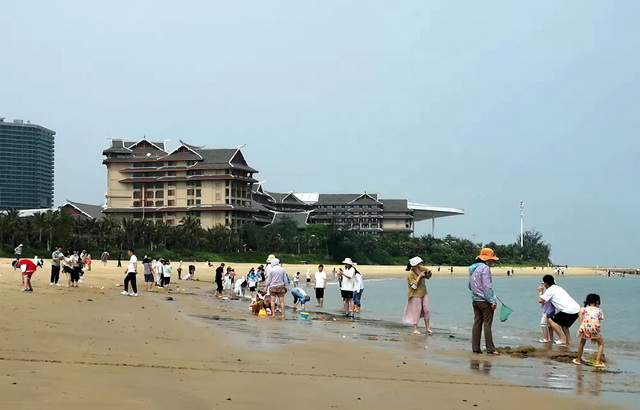
海南旅游公路试点通过验收,经验将全国推广
2 1 Shi Ji Jing Ji Bao Dao· 2025-11-24 10:35
Core Insights - The article discusses the successful implementation of a tourism highway construction financing model in Hainan Province, combining government support, enterprise self-funding, social capital, and market financing [1][2]. Group 1: Project Overview - The Hainan "Ring Island Tourism Highway" project has completed a main line of 988 kilometers, enhancing the quality and service capabilities of tourism infrastructure [1][4]. - The project includes the construction of rest stations, viewing platforms, and smart systems, promoting ecological integration and improving management levels [1][3]. Group 2: Strategic Goals - The initiative aims to transform the highway into a classic tourism route over 3-5 years, significantly increasing tourist traffic and economic output along the route [2][3]. - The project is aligned with national strategies for transportation and tourism, serving as a model for other regions [1][6]. Group 3: Economic Impact - During the Spring Festival, the highway attracted 2.3555 million visitors, marking a 113.7% increase in daily traffic compared to the previous National Day holiday [5]. - In the first three quarters of the year, Hainan received 75.5073 million tourists, with total tourism spending reaching 164.71 billion yuan, reflecting growth of 8.0% and 9.5% respectively [5]. Group 4: Future Developments - The Hainan Tourism Development Research Institute has proposed a 2.0 version of the planning, focusing on integrating various tourism products and enhancing marine tourism experiences [3]. - The project is expected to serve as a reference for promoting similar initiatives in other regions, contributing to rural revitalization and comprehensive tourism development [6].
海南旅游公路创新试点实现预期目标,有哪些经验可复制推广?
Di Yi Cai Jing· 2025-11-21 03:58
Core Insights - The article discusses the successful completion of the "Hainan Island Tourism Highway Innovation Development" pilot project, which has established a comprehensive investment and financing model for tourism highway construction in Hainan Province [1][2]. Group 1: Project Overview - The pilot project has resulted in the construction of a main line of 988 kilometers of the tourism highway, integrating government support, enterprise self-funding, social capital, and market financing [1][4]. - The project aims to enhance the quality, service capacity, and intelligent management level of Hainan's tourism highway construction [1][4]. Group 2: Investment and Financing Model - The investment model includes government special bonds, enterprise self-funding, and social capital, with remaining construction funds sourced through bank loans and other market financial tools [4]. - The project has implemented a "road and station separation" investment construction approach, allowing social capital to develop service stations while the government leads the investment in the highway [4]. Group 3: Technological Integration - Hainan has utilized advanced technologies such as IoT, cloud computing, AI, big data, and 5G to create a tourism and transportation integration cloud platform, enhancing service applications [5]. - The project includes the establishment of data centers and demonstration segments to provide intelligent monitoring and information services [5]. Group 4: Economic Impact - In the first three quarters of this year, Hainan received 75.51 million tourists, with total tourism expenditure reaching 164.71 billion yuan, reflecting growth rates of 8.0% and 9.5%, respectively [5].