
价值共创

Search documents
绿能慧充数字能源技术股份有限公司关于签订战略合作协议的公告
Shang Hai Zheng Quan Bao· 2025-08-05 19:00
Core Viewpoint - The strategic cooperation agreement between Green Energy Charging Technology Co., Ltd. and Xinjiang Commercial Logistics Group aims to leverage each other's strengths in the fields of new energy charging piles, energy storage, and heavy-duty drones to promote industrial upgrades and high-quality economic development in Xinjiang [3][7][12]. Group 1: Agreement Details - The strategic cooperation agreement is a framework agreement based on mutual cooperation intentions, with specific cooperation details to be defined in subsequent formal agreements [2][6]. - The agreement does not involve specific transaction amounts, and its impact on the company's operating performance remains uncertain, depending on the implementation of the cooperation [2][12]. - The agreement was signed on August 5, 2025, and does not require board or shareholder approval as it is a framework agreement [6]. Group 2: Cooperation Focus - The cooperation will focus on the construction of new energy charging stations and distributed energy storage in logistics warehouses, leveraging Xinjiang Commercial Logistics Group's position in the logistics sector [9]. - Green Energy Charging will supply 42 heavy-duty drones to Xinjiang Commercial Logistics, establishing six logistics and emergency drone bases across key regions in Xinjiang [10]. - The long-term cooperation may extend to capital collaboration as the partnership in new energy and drone sectors deepens [11]. Group 3: Impact on the Company - The strategic cooperation is expected to facilitate the large-scale promotion and implementation of the company's new energy charging piles and energy storage products in Xinjiang [12]. - The partnership will also enable the company's subsidiary, Zhongchuang Aviation, to penetrate cross-border logistics and emergency logistics scenarios using heavy-duty drones [12]. - The agreement aligns with the company's long-term development strategy and the interests of all shareholders, although its immediate impact on financial performance is expected to be minimal [12].

绿能慧充与新疆商贸物流在重载无人机等领域开展全面合作
Zhi Tong Cai Jing· 2025-08-05 09:07
Core Viewpoint - The company, Green Energy Wisdom (600212.SH), has signed a strategic cooperation agreement with Xinjiang Commercial Logistics Group to collaborate in the fields of new energy charging stations, energy storage, and heavy-duty drones [1] Group 1: Strategic Cooperation - The strategic cooperation aims to leverage the strengths of both parties to promote the large-scale deployment of new energy charging stations and energy storage products in Xinjiang [1] - Xinjiang Commercial Logistics possesses extensive resources in logistics parks, transportation hubs, and border ports in Xinjiang, which will facilitate the implementation of the cooperation [1] Group 2: Business Impact - The signed agreement does not involve specific transaction amounts and is not expected to have a significant short-term impact on the company's operating performance [1] - The future impact on the company's performance will depend on the progress and implementation of specific projects, indicating a level of uncertainty [1] Group 3: Long-term Development - The agreement establishes a strategic partnership between the company and Xinjiang Commercial Logistics, aimed at driving industrial upgrades and value co-creation [1] - This collaboration aligns with the company's long-term development plans and the interests of all shareholders, contributing to the high-quality economic development of Xinjiang [1]
绿能慧充(600212.SH)与新疆商贸物流在重载无人机等领域开展全面合作
智通财经网· 2025-08-05 09:05
Core Viewpoint - Green Energy Hui Charge (600212.SH) has signed a strategic cooperation agreement with Xinjiang Commercial Logistics Group, focusing on the development of new energy charging stations, energy storage, and heavy-duty drones [1] Group 1: Strategic Cooperation - The strategic cooperation aims to leverage the strengths of both companies to promote the large-scale deployment of new energy charging stations and energy storage products in Xinjiang [1] - Xinjiang Commercial Logistics possesses extensive resources in logistics parks, transportation hubs, and border ports in Xinjiang, which will facilitate the implementation of the cooperation [1] Group 2: Business Impact - The signed agreement does not involve specific transaction amounts and is not expected to have a significant short-term impact on the company's operating performance [1] - The future impact on the company's performance will depend on the progress and implementation of specific projects, indicating a level of uncertainty [1] Group 3: Long-term Development - The agreement establishes a strategic partnership between the company and Xinjiang Commercial Logistics, aimed at driving industrial upgrades and value co-creation [1] - This collaboration is aligned with the company's long-term development plans and the interests of all shareholders, contributing to the high-quality economic development of Xinjiang [1]
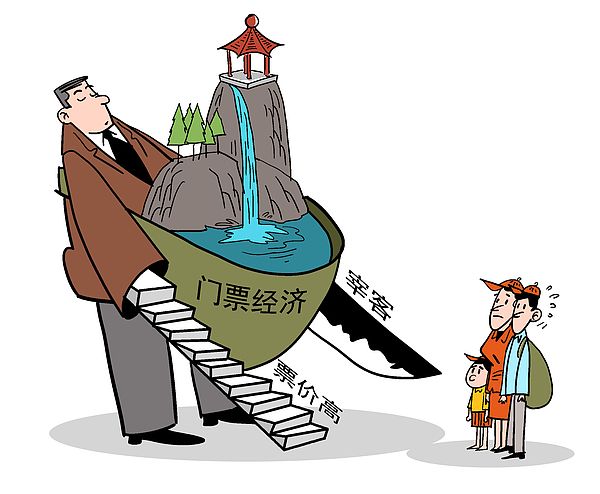
跳出“门票经济”,破解古城收费困境
Huan Qiu Shi Bao· 2025-08-04 13:34
Core Viewpoint - The new management measures for the maintenance fee in Lijiang Ancient Town, effective from August 1, 2025, reflect the challenges of balancing heritage protection, public demand, and tourism development in China [1] Group 1: Fee Structure and Public Perception - The maintenance fee is set at 50 yuan per person for a single entry, valid for 365 days, allowing unlimited access within that period [1] - The controversy surrounding the fee is less about the amount and more about the lack of consensus and communication with the public, leading to a disconnect between policy and public expectations [3] - The perception of the maintenance fee as similar to an entrance ticket creates confusion and hinders constructive consensus [3] Group 2: Sustainable Development and Funding - Charging fees to cover the costs of heritage protection, such as repairs and maintenance, is seen as a reasonable approach, but it may deter tourists in a competitive market [4] - The tension between the necessity of protection and market elasticity highlights the limitations of traditional fee structures, prompting a need for more inclusive cost-sharing methods [4] Group 3: Systematic Governance and Stakeholder Engagement - To resolve the fee dilemma, a shift from point-based fee adjustments to systematic governance is necessary, focusing on transparency, participation, and innovation [5] - A dynamic public mechanism should be established to regularly disclose how funds are used, ensuring that expenditures are linked to tangible heritage protection outcomes [5] - A multi-stakeholder negotiation platform should be created to include government, residents, merchants, tourists, and experts in decision-making processes [5] Group 4: New Revenue Models - Exploring new revenue models is crucial, moving beyond a reliance on ticket sales to creating new value through enhanced commercial offerings and services [6] - Examples include developing high-value cultural products, hosting unique cultural events, and cultivating boutique accommodations, with a portion of profits allocated for maintenance [6] - The ultimate goal of heritage protection should be to establish a governance system that balances protection, market vitality, and social inclusiveness, allowing cultural integrity to endure through time [6]

没有降价的竞争
Zhong Guo Qi Che Bao Wang· 2025-07-28 02:31
Core Viewpoint - The automotive market is experiencing a shift from explicit price competition to more subtle forms of implicit price competition, as companies seek to attract consumers without directly lowering prices [2][3][6]. Group 1: Implicit Price Competition - Various promotional measures are being introduced by automakers, such as cash subsidies, zero down payment financing, and extended free services, to entice consumers without overtly reducing vehicle prices [2][4]. - Implicit price competition is characterized by tactics like targeted subsidies and limited-time offers, which create a perception of value without direct price cuts [3][5]. - The trend of implicit price competition is seen as a response to short-term survival pressures and a reflection of the industry's transition from "incremental competition" to "stock competition" [6][7]. Group 2: Industry Challenges - The automotive industry is facing declining profits, with a reported profit of 462.3 billion yuan in 2024, down 8% year-on-year, indicating a profit margin of only 4.3% [6]. - Companies are increasingly relying on implicit price competition to maintain market share, which may lead to a vicious cycle of reduced profits and increased financial strain [6][8]. - Experts warn that excessive reliance on implicit price competition can harm long-term industry health and consumer confidence [7][8]. Group 3: Transition to Value Creation - The industry is urged to shift focus from price competition to value creation, emphasizing innovation, brand building, and enhanced customer service as key strategies for sustainable growth [10][11]. - Companies are recognizing the importance of consumer engagement and co-creation, moving towards a model where consumers are involved in the design and development process [13][14]. - The transition to value creation is seen as essential for meeting evolving consumer expectations, as buyers increasingly prioritize quality, safety, and technological features over price [14][15]. Group 4: Regulatory and Policy Recommendations - Regulatory bodies are encouraged to strengthen oversight of implicit price competition and promote healthy market practices through policy measures [7][8]. - There is a call for the establishment of a differentiated subsidy mechanism to support key technological advancements rather than blanket financial incentives [8][9]. - The industry is advised to focus on collaborative efforts, including partnerships with research institutions, to enhance technological capabilities and overall market competitiveness [8][9].

东方雨虹:依托共生的力量开拓市场新蓝海
Ren Min Wang· 2025-07-23 08:54
Core Viewpoint - The company is evolving its business model from a traditional profit-sharing approach to a value co-creation ecosystem through the "platform + creator" strategy, aiming to build competitive barriers that are difficult to replicate [1][2] Group 1: Strategic Initiatives - The company emphasizes a dual approach of leveraging technology as a spear and co-creation as a shield to reshape the value chain amid industry changes [1] - The "partner" system initiated in 2018 has transformed the company into an open empowerment platform, attracting resource-based partners to build an ecological system together [1][2] Group 2: Product and Service Strengths - The company has established a robust supply chain directly connected to major firms like BASF and Sinopec, supported by a five-step quality inspection system and third-party controls [1] - A standardized construction system has been created, backed by a certified craftsmanship academy, focusing on standardized processes, modern equipment, and professional talent [1] Group 3: Market Position and Competitive Advantage - The company’s competitive edge lies in its technological leadership, supported by a national key laboratory for advanced materials, addressing critical technical challenges [2] - The company has achieved green product certification in 2022 and developed innovative materials for specific applications, enhancing safety and reliability in construction [2] Group 4: Project Experience and Future Opportunities - The company has successfully executed major projects, including 85% of waterproof engineering for Olympic venues and the Hong Kong-Zhuhai-Macao Bridge, creating replicable methodologies for future projects [2] - The company is strategically positioning itself in emerging sectors such as high-standard farmland and water conservancy pipelines, mobilizing resources to seize new market opportunities [2]

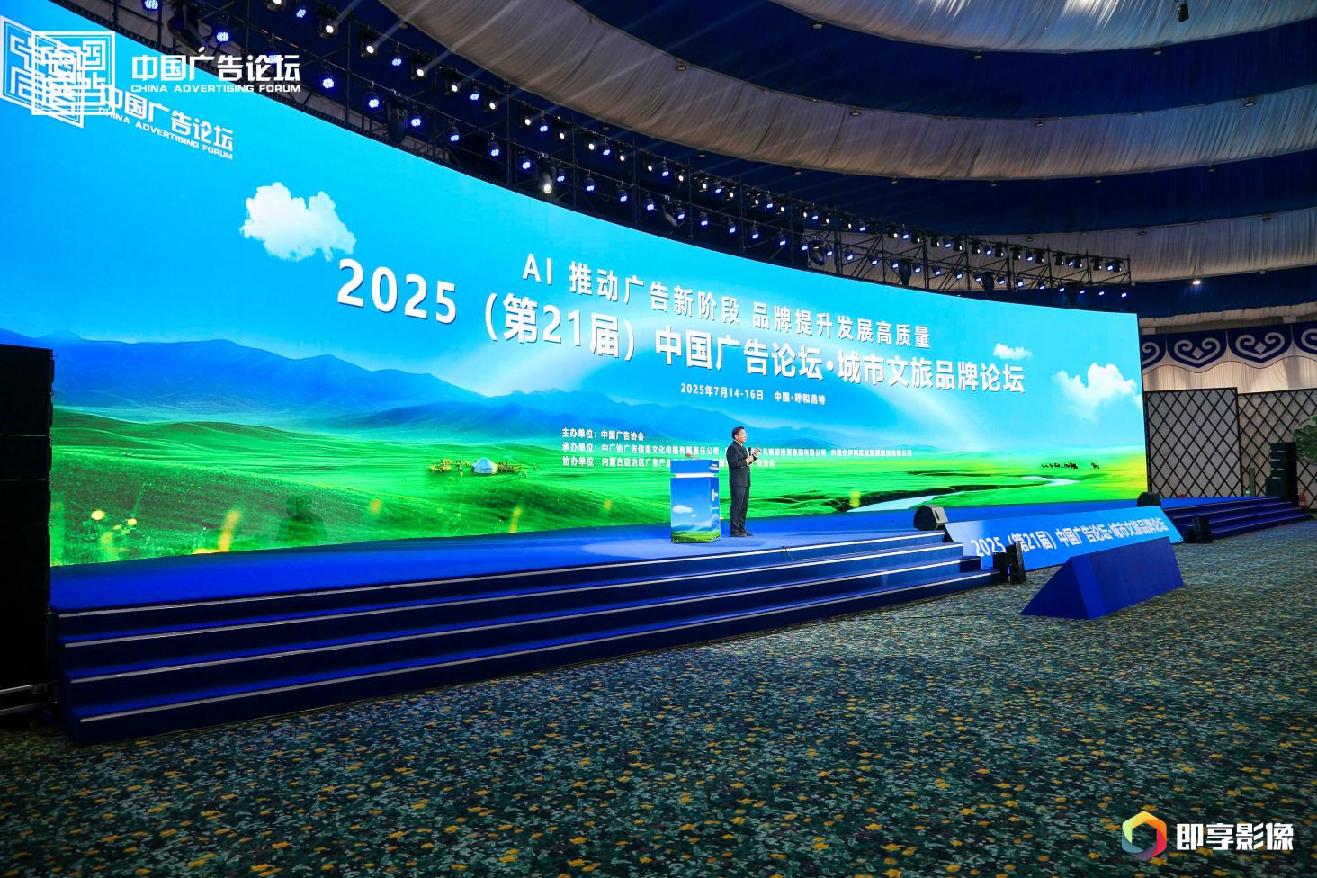
青城论AI,广告绘新篇:2025 中国广告论坛解码行业新局与呼和浩特文旅升级路径
Jing Ji Guan Cha Wang· 2025-07-22 10:11
Group 1 - The core theme of the 2025 China Advertising Forum is how AI is reshaping the advertising industry, enhancing brand marketing experiences through technological innovation [1][2] - AI is transitioning the advertising industry from a phase of "broad reach" to "precise targeting," significantly improving the efficiency of consumer engagement in various urban settings [2][5] - The integration of AI in advertising is leading to a transformation where consumers evolve from passive recipients to active co-creators of content, thereby enhancing the value creation process [6][7] Group 2 - The cultural and creative industries are highlighted as key areas where AI can drive value co-creation, with examples such as personalized AR advertisements and collaborative design tools [3][5] - The forum emphasized the need for a balance between technological capabilities and industry expertise to avoid pitfalls associated with AI misuse [5][6] - The establishment of new industry standards and self-regulatory frameworks aims to address market challenges and promote orderly development within the advertising sector [9][15] Group 3 - The tourism industry is experiencing a significant boost, with AI enhancing visitor experiences and creating new business opportunities, as evidenced by the increase in domestic tourist numbers and spending in Hohhot [10][12] - AI is facilitating the evolution of tourism from mere traffic conversion to a more integrated ecological model, enhancing the overall experience and engagement [10][13] - The forum underscored the importance of content and technology in urban competition, positioning Hohhot as a model for integrating cultural narratives with technological applications [13][15]
山姆事件背后:中国供应链正从“规模优势”向“标准输出”进阶
智通财经网· 2025-07-22 04:09
Core Viewpoint - Sam's Club is facing criticism over its product selection strategy, with concerns about the introduction of mass-market brands and the removal of high-repurchase-rate items, leading to questions about the perceived decline in quality [1] Group 1: Product Selection and Supply Chain Logic - Sam's Club's product selection is based on a differentiated value creation logic centered around member needs, rather than a simple evaluation of brand prestige [1][4] - The company has a stringent supplier admission system, requiring products to meet high-quality sourcing standards, such as specific beef cuts and traceable cold-chain logistics [2] - Sam's Club emphasizes understanding member needs and trends, often leading the demand by half a step, which translates into high standards for brands regarding product quality and innovation [4][7] Group 2: Customization and Brand Collaboration - The customization process at Sam's Club involves deep supply chain engagement, where products are developed based on member insights and data analysis, pushing suppliers to upgrade their production systems [4][10] - Brands entering Sam's Club must maintain their identity and innovation capabilities, creating a mutually beneficial relationship rather than merely acting as private label producers [7][10] - The successful collaboration with brands like Wei Long demonstrates that market acceptance is driven by the combination of "Sam's standards + brand characteristics," rather than just brand recognition [10][12] Group 3: Consumer Perception and Quality Consensus - The controversy surrounding Sam's Club reflects a shift in consumer understanding of the relationship between customization and quality, indicating that true customized supply chains enhance standards through precise demand matching and rigorous process control [12] - The ability of domestic brands like Wei Long to maintain independence and achieve value output in international retail systems showcases the evolution of Chinese supply chains from scale advantages to standard outputs [12]
聚力攻坚 精战市场,叙府“大会战”释放逆势突围坚定信号
Zhong Guo Shi Pin Wang· 2025-07-21 08:20
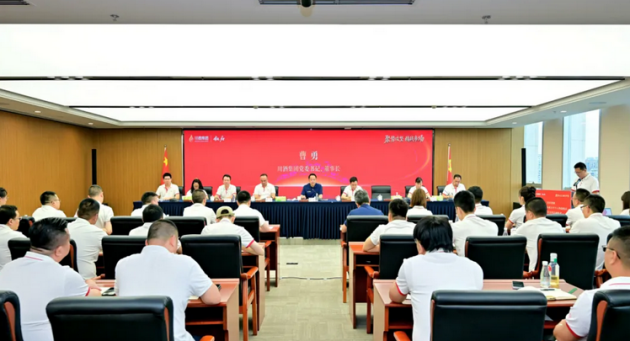
Core Insights - The current international uncertainty and domestic consumption shift have created unprecedented pressure on many liquor companies, making "resilient growth" a hot topic [1] - The 2025 mid-year summary meeting and market campaign launch by Xufu Liquor aimed to signal a strong commitment to overcoming challenges and reshaping the competitive landscape [1][6] Group 1: Strategic Overview - Xufu has recognized the limitations of traditional growth models and introduced a "one-three-six" strategic layout focusing on brand value enhancement, core product development, and key market construction [3][11] - The company emphasizes a comprehensive approach across "people, goods, and market" to enhance brand influence, product penetration, and market control [5][11] Group 2: Market Challenges - The liquor industry is facing three major challenges: competition for existing market share, demand bottlenecks, and pressure on sales [3][6] - Predictions indicate that most brands will experience declines in revenue and net profit in the second quarter of this year [6] Group 3: Tactical Implementation - Xufu has entered a "wartime state" to address the challenges, focusing on rapid execution and extreme precision in its market strategies [8][10] - The company has outlined eight key plans to drive high-quality development, including quality enhancement, market expansion, and talent optimization [8][11] Group 4: Training and Development - A core skills training program was conducted from July 8 to 10, specifically designed to prepare for the upcoming market campaign [10] - This training emphasizes the importance of market orientation, product focus, and organizational efficiency for future growth [10][13] Group 5: Future Direction - Xufu aims to deepen its strategic layout by focusing on brand value, market infrastructure, digital marketing systems, and organizational efficiency [11][13] - The company is committed to returning to "first principles" to seek certainty in growth by understanding market demands and optimizing its offerings [13]
浙江暑期消费新动能:山水引流 文化破圈 活力升级
Sou Hu Cai Jing· 2025-07-15 06:35
Core Insights - Zhejiang's summer economy is thriving despite high temperatures, driven by innovative consumption patterns in tourism, night economy, and educational experiences [1][21][27] Group 1: Tourism and Consumption Trends - The summer tourism in Zhejiang is characterized by a surge in activities such as water sports, with popular destinations like the Moon Bay rafting site attracting significant visitor numbers [2][4] - The rafting site has seen pre-sale tickets reach 60,000 since late May, with weekend visitor numbers exceeding 1,000 [4][5] - Local accommodations, including hotels and homestays, report booking rates of over 80% for high-end options, indicating strong demand [8] Group 2: Cultural and Educational Experiences - Cultural events like the Water Dragon Festival in Dazhu Village have revitalized local tourism, enhancing visitor engagement and generating economic benefits for the community [9][11] - Educational programs, such as traditional Chinese medicine workshops, are attracting students from major cities, contributing to local tourism and cultural exchange [18][20] Group 3: Night Economy and Technological Integration - Nighttime attractions like the "Longyu Fantasy Night" have seen a 30% increase in attendance compared to the previous year, showcasing the integration of technology and traditional culture [12][15] - The night economy is significantly boosting local businesses, with tea shops reporting a 50% increase in sales due to the influx of visitors [15] Group 4: Economic and Cultural Synergy - The convergence of cultural heritage and modern experiences is creating a new consumption landscape in Zhejiang, where tourism is not just about visiting sites but also about cultural immersion and community engagement [21][25][27] - The collaborative efforts between local governments, markets, and communities are fostering a sustainable economic model that benefits all stakeholders involved [25][27]
