企业国际化

Search documents
【商道论衡】 中国企业国际化的 三种路径
Zheng Quan Shi Bao· 2025-08-29 09:36
Core Viewpoint - The article discusses the internationalization paths of Chinese enterprises, categorizing them into three main stages: export, internationalization, and globalization, highlighting the strategies and examples of companies in each stage [1][2]. Group 1: Internationalization Paths - The first path involves local production and sales overseas, suitable for technology manufacturing companies, exemplified by Haier and TCL, which established local production bases after initial exports [3][4]. - The second path is represented by Huawei's direct sales model, where the company focuses on establishing a presence in overseas markets through direct customer engagement and technical support [4][5]. - The third path is cross-border mergers and acquisitions, allowing companies to quickly enter international markets, with Lenovo's acquisition of IBM's PC division and Geely's purchase of Volvo as notable examples [6][7]. Group 2: Case Studies - Lenovo's acquisition of IBM's PC division for $12.5 billion in 2004 marked a significant step in its internationalization, although the integration faced challenges [6]. - Geely's acquisition of Volvo from Ford in 2010 was successful due to its strategy of maintaining brand independence while fostering collaboration [7]. - ByteDance's international expansion through acquisitions, including Flipagram and Musical.ly, showcases a successful model of leveraging existing platforms to enter global markets [8]. Group 3: Investment Strategies - Tencent's internationalization strategy includes significant investments in global gaming and technology sectors, with over 600 billion RMB in overseas assets, although its overseas revenue remains low compared to its investments [9]. - The article notes that the current global landscape, characterized by rising trade barriers and geopolitical risks, necessitates a reevaluation of internationalization strategies for technology manufacturing companies [9].



【商道论衡】 中国企业国际化的三种路径
Zheng Quan Shi Bao· 2025-08-28 17:55
Group 1: Stages of Internationalization - The international development of enterprises can be divided into three stages: export, internationalization, and globalization [1] - The second stage, international operation, involves establishing physical organizations overseas to directly engage with end-users and gather market feedback [1] Group 2: Paths to Internationalization - The first path involves local production and sales overseas, suitable for technology manufacturing companies, exemplified by Haier and TCL [2][3] - The second path is represented by Huawei's direct sales model, where the company directly engages with customers in overseas markets [3][4] - The third path is through cross-border mergers and acquisitions, allowing companies to quickly enter international markets, with Lenovo and Geely as notable examples [5][6] Group 3: Cross-Border Investments - Another method of internationalization is through cross-border equity investments, with Tencent being a prominent case, having invested in over 140 targets across 22 countries [7] - Despite significant overseas assets, Tencent's overseas revenue remains low compared to its investments [7] Group 4: Current Challenges - In the context of rising trade barriers and geopolitical risks, companies need to adapt their decision-making logic for internationalization [8]
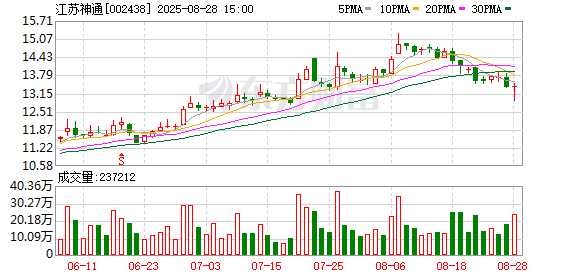
江苏神通:扩大出口规模、迈向国际化已成为提升企业规模与促进技术进步的关键路径
Zheng Quan Ri Bao· 2025-08-28 09:39
Core Viewpoint - Jiangsu Shentong announced its commitment to international expansion as a key strategy for enhancing company scale and promoting technological advancement [2] Company Strategy - The company is actively laying out its international business expansion based on an understanding of competitive dynamics in both domestic and international markets [2] - An international trade department has been established, and a team of experienced professionals has been formed to support this initiative [2] - External licensing and certification processes are nearly complete, and market channel development is progressing as planned [2] Future Focus - Future export efforts will concentrate on core areas such as petroleum refining and oil and gas extraction to achieve long-term development goals [2]


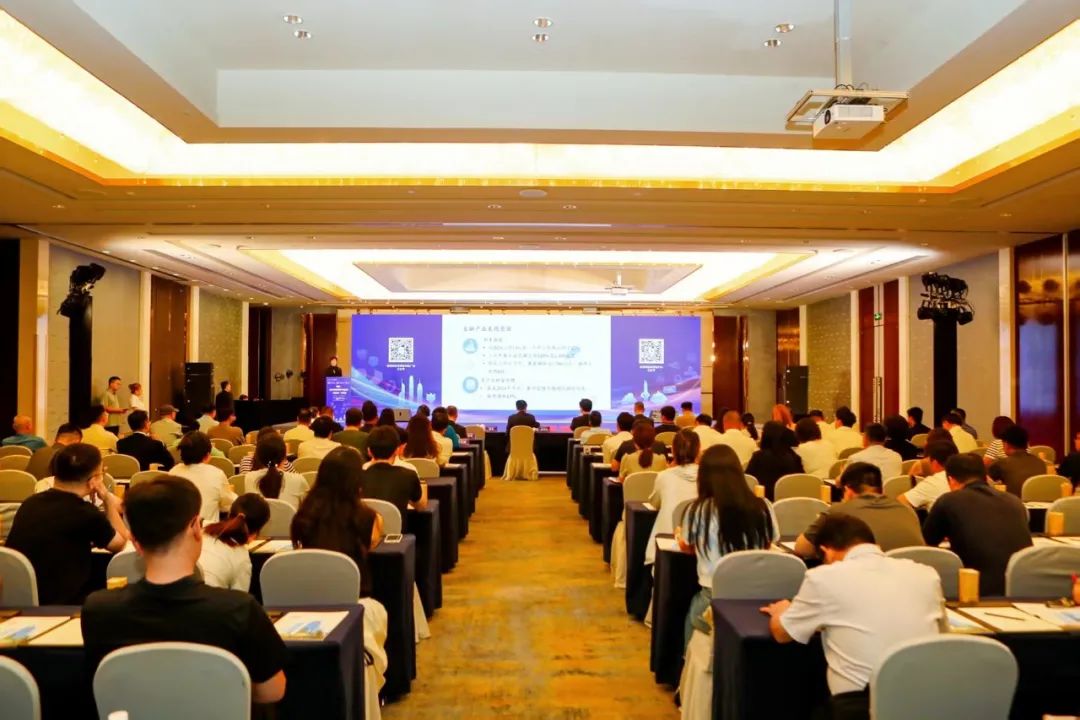
香港-助力内地消费产品企业“走出去”交流会在济南举行
Qi Lu Wan Bao· 2025-08-27 11:03
Group 1 - The event focused on facilitating the international expansion of Shandong enterprises, aiming to enhance practical cooperation between Shandong and Hong Kong in the economic and trade sectors [1][3] - The Hong Kong Investment Promotion Agency highlighted Hong Kong's business advantages, including a highly internationalized market environment, favorable tax policies, and a robust professional service system [3] - The event featured successful case studies from companies that have established operations in Hong Kong, showcasing the benefits of leveraging Hong Kong's multicultural environment for product testing and service model validation [3] Group 2 - The exchange facilitated discussions between Shandong and Hong Kong enterprises and experts on promoting the internationalization of Shandong companies, effectively connecting them with quality resources in Hong Kong [3] - Over a hundred representatives from Shandong enterprises and institutions participated in the event, indicating strong interest in deepening economic and talent cooperation between the two regions [3]
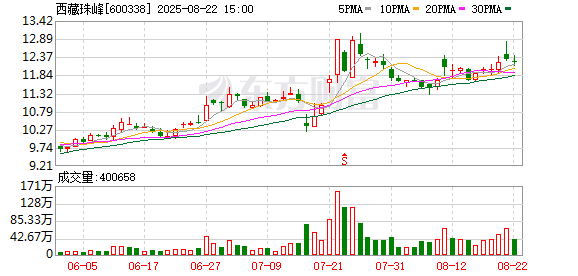
藏企“走出去”的典范!西藏珠峰:愿做雪域高原的文化使者 让西藏故事传得更远
Zheng Quan Shi Bao Wang· 2025-08-25 00:39
Core Viewpoint - Tibet Summit is recognized as a model for local enterprises "going global," focusing on resource development and international expansion in the mining sector [2][3]. Group 1: Company Development - Tibet Summit has established a "one body, two regions" development pattern, focusing on non-ferrous metal development while simultaneously deepening its presence in Central Asia and South America [2]. - The company has transformed from traditional manufacturing to a resource development enterprise, achieving a cumulative net profit of nearly 4.7 billion yuan since its restructuring and listing in 2015 [3]. - The company has implemented cash dividends totaling nearly 1.2 billion yuan to reward investors, reflecting its commitment to shareholder value [3]. Group 2: Industry Positioning - Tibet Summit's subsidiary, Tajikistan's Tajik Mining, has built a complete industrial chain in Central Asia, with an annual mining capacity of 4 million tons and smelting capacity of 50,000 tons [2]. - The company is advancing a 2 million ton mining expansion project and extending its smelting industrial chain to enhance competitiveness [2]. - In South America, Tibet Summit controls a lithium salt lake project in Argentina, located in the "lithium triangle," which has significant resource reserves and development potential [2]. Group 3: Cultural Exchange and Future Vision - Tibet Summit aims to act as a cultural ambassador for Tibet, promoting cultural exchanges and enhancing the global understanding of the region [4][5]. - The company envisions a future where it bridges industry and culture, showcasing a modern, harmonious, and prosperous socialist Tibet to the world [5].

美团Keeta登陆卡塔尔并计划进军巴西
Bei Ke Cai Jing· 2025-08-20 07:59
Core Insights - Meituan's international delivery brand Keeta has officially launched in Doha, Qatar, marking a significant expansion in the Middle East market following its entry into Saudi Arabia in September 2024 [1] - After expanding its service range in Saudi Arabia to cover 20 cities, Meituan plans to further extend Keeta's reach in the Middle East and aims to enter the Brazilian market within a few months [1] Group 1 - Keeta's launch in Qatar represents a strategic move in Meituan's long-term internationalization strategy [1] - The service expansion in Saudi Arabia included adding 11 new cities to the existing 9, achieving comprehensive coverage across the country [1] - Meituan is committed to exploring more markets in the Middle East and has plans to enter Brazil soon [1]


继沙特阿拉伯之后,美团旗下国际外卖品牌Keeta正式上线卡塔尔
Feng Huang Wang· 2025-08-20 02:24
Core Insights - Meituan's international food delivery brand Keeta officially launched in Doha, Qatar on August 19, marking a significant expansion in the Middle East market following its entry into Saudi Arabia [1] Company Expansion - In May 2023, Meituan launched Keeta in Hong Kong, contributing to the overall growth of the local food delivery market [1] - Keeta entered the Saudi Arabian market in September 2024 and has quickly become one of the top three food delivery platforms, covering 20 cities within the country [1]
美锦能源:筹划在香港联合交易所有限公司上市
Xin Lang Cai Jing· 2025-08-15 10:25
Core Viewpoint - The company is planning to issue shares overseas and list on the Hong Kong Stock Exchange to advance its global strategy and enhance its international competitiveness [1] Group 1 - The initiative aims to create an international capital operation platform [1] - The company seeks to improve its overseas financing capabilities [1] - The move is expected to enhance the transparency and standardization of corporate governance [1] Group 2 - Specific details of the plan are yet to be determined [1] - The proposal will require approval from the company's board and shareholders [1] - The plan must be filed with the China Securities Regulatory Commission and reviewed by the Hong Kong Stock Exchange and other regulatory bodies [1]

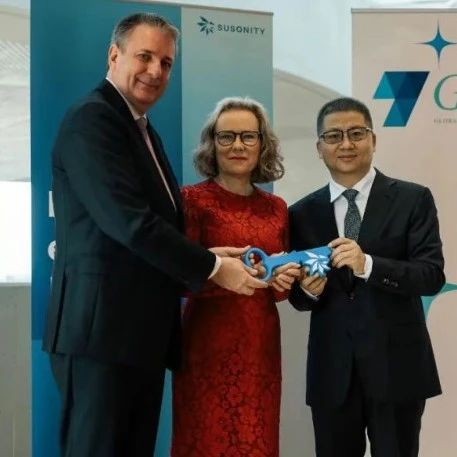
50亿,一笔全球化并购诞生
投资界· 2025-08-06 07:34
Core Viewpoint - The acquisition of Merck Group's surface solutions business (SUSONITY) by China's leading synthetic mica company, Global New Materials International, marks a significant shift in the global new materials industry, indicating a transition from "market for technology" to "technology wins market" for Chinese enterprises [2][3][6]. Group 1: Industry Dynamics - The acquisition highlights the contrasting fates of SUSONITY and Global New Materials, with the former struggling due to rising costs and declining market share, while the latter has rapidly expanded its revenue and market presence [6][10]. - The global new materials industry is witnessing a power shift, with Chinese "invisible champions" gaining ground against established European chemical giants like Merck [3][4]. - The synthetic mica market in China has been growing rapidly, with a compound annual growth rate (CAGR) exceeding 20% from 2016 to 2024, driven by demand from downstream industries such as coatings, plastics, inks, automotive, and cosmetics [9][12]. Group 2: Strategic Acquisition - Global New Materials International's acquisition of SUSONITY for €665 million (approximately ¥5.187 billion) is seen as a strategic move to enhance its competitive edge in high-end manufacturing [21][22]. - The acquisition is expected to create synergies between the two companies, leveraging Global New Materials' advanced synthetic mica technology and SUSONITY's established market presence and customer base [17][24]. - The integration of SUSONITY into Global New Materials' operations is anticipated to enhance production capabilities, reduce costs, and improve profitability, particularly in the high-value automotive and cosmetics sectors [18][19]. Group 3: Financial Performance - Global New Materials International has demonstrated strong financial growth, with a revenue CAGR of approximately 27% over the past five years, and a significant increase in revenue to ¥1.649 billion in 2024, representing a 55% year-on-year growth [23]. - The company's gross profit margin reached 53% in 2024, with net profit increasing by 33.4% to ¥242 million, indicating robust operational efficiency and market demand [23]. - The successful integration of the Korean company CQV has further bolstered Global New Materials' financial performance, contributing to its optimistic outlook for the SUSONITY acquisition [23][25]. Group 4: Future Outlook - The merger is expected to create a more collaborative global materials group, enhancing supply chain efficiency and expanding product offerings across various market segments [27][30]. - The strategic focus on synthetic mica aligns with national policies promoting advanced materials, positioning Global New Materials and its subsidiaries for significant growth in emerging markets [7][29]. - The integration of technologies and market channels is likely to establish Global New Materials as a leading player in the global synthetic mica and pearlescent pigment market, reshaping perceptions of Chinese manufacturing on the world stage [30].
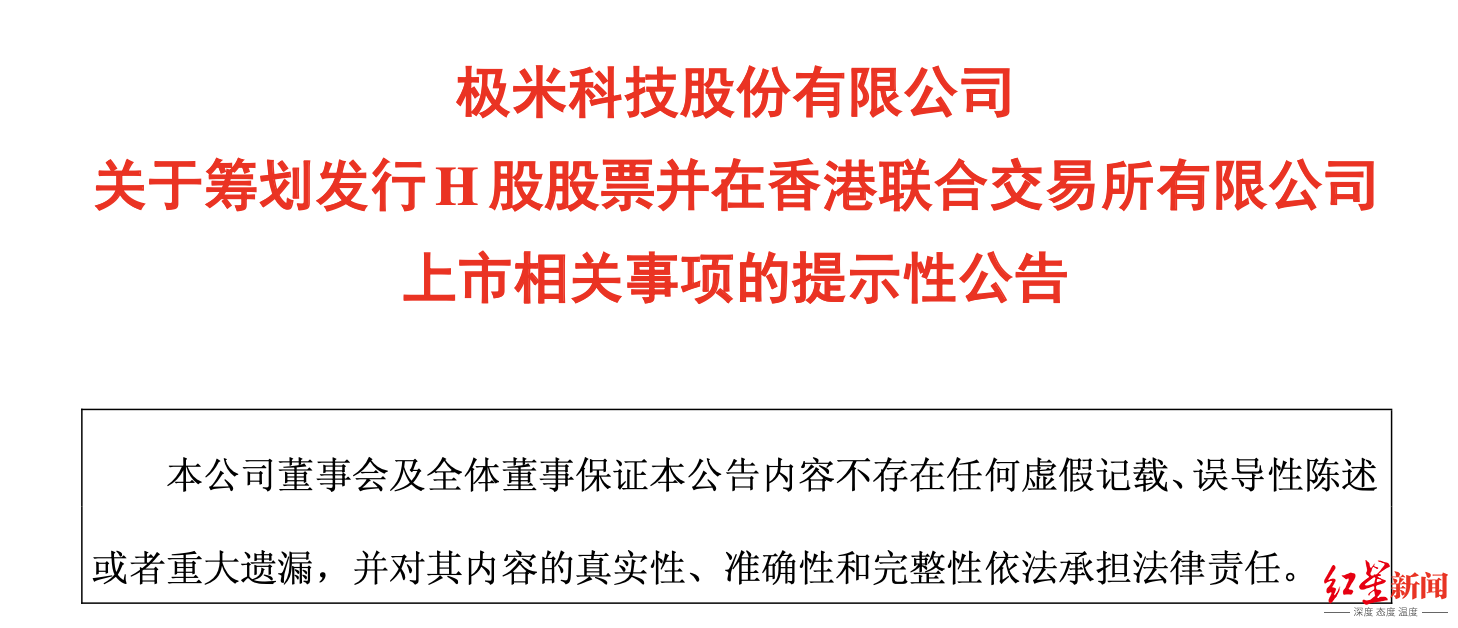
极米科技计划H股上市,去年营收34亿,五年间境外业务飞速增长
Sou Hu Cai Jing· 2025-08-05 01:38
Group 1 - The company, XGIMI Technology, announced a strategic decision to issue overseas listed shares (H-shares) and apply for listing on the Hong Kong Stock Exchange, aiming to enhance its internationalization process and global brand influence [1] - XGIMI is collaborating with several intermediary institutions to discuss the specifics of the H-share issuance and listing, which is expected to attract more international capital support for its overseas business expansion [1] - Since its establishment in 2013, XGIMI has gained market recognition for its innovative products in smart projection and laser television, successfully listing on the Shanghai Stock Exchange's Sci-Tech Innovation Board in March 2021 [1] Group 2 - XGIMI's overseas business has shown strong growth, with revenue increasing from 177 million yuan in 2020 to 1.086 billion yuan in 2024, and the revenue share rising from 6.25% to 31.89% [3] - The company's revenue for 2024 is projected at 3.405 billion yuan, a year-on-year decrease of 4.27%, while the net profit attributable to shareholders is expected to be 120 million yuan, with a slight decline of 0.30% [3] - For the first half of 2025, XGIMI anticipates a revenue of 1.626 billion yuan, a year-on-year increase of 1.63%, and a net profit of approximately 88.66 million yuan, reflecting a growth of over 20 times [3] - As of the latest trading day, XGIMI's stock price was 110.10 yuan per share, with a total market capitalization of 7.7 billion yuan, indicating potential for broader development as the internationalization strategy is implemented [3]