多极化

Search documents
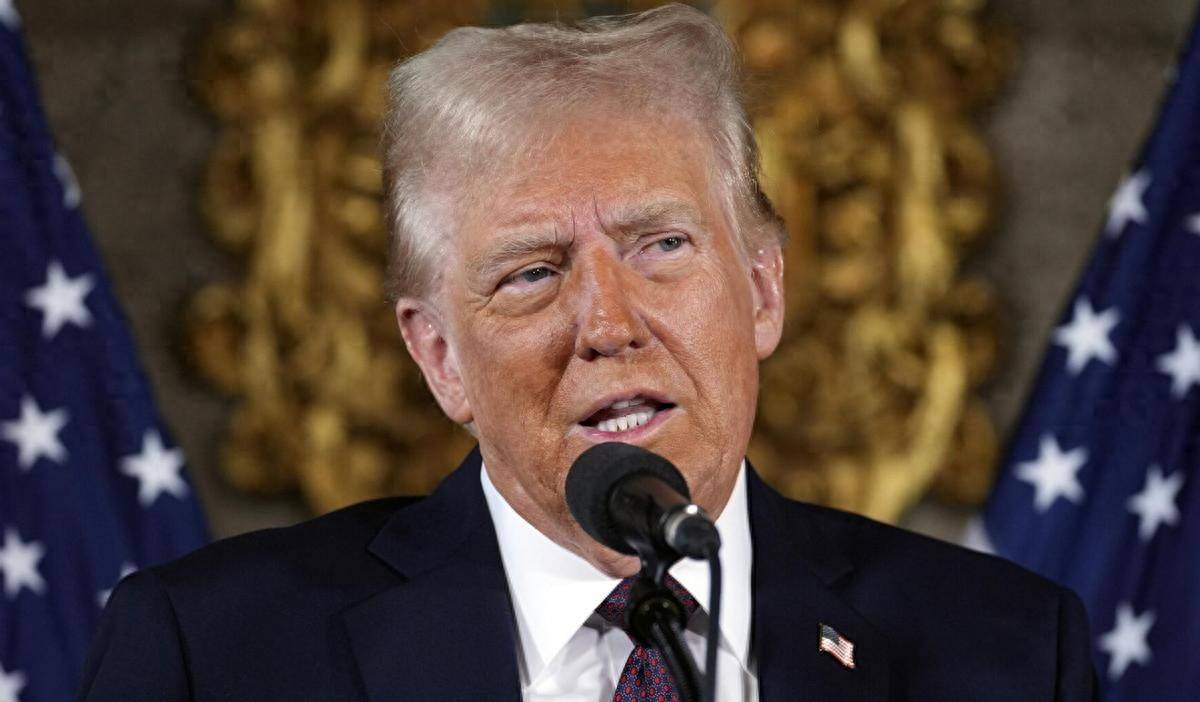
特朗普对全球亮出底牌,中方躲过一劫?美前财长:中国成唯一赢家
Sou Hu Cai Jing· 2025-08-19 11:02
Group 1 - The Trump administration has introduced a significant tax increase list that impacts various countries globally, including traditional allies and emerging nations like Brazil and India, demonstrating a clear "America First" approach [1][3] - Notably, China is absent from this tax list, raising questions about the strategic reasoning behind this omission, especially given Trump's previous threats against China during his campaign [3][6] - Former U.S. Treasury Secretary Larry Summers stated that this move inadvertently positions China as the "only winner" in this scenario, highlighting the complexities of the trade dynamics at play [5][12] Group 2 - The underlying strategy of Trump's tariffs is to revitalize the U.S. manufacturing sector and address domestic economic issues, but the decision to spare China suggests a recognition of the potential backlash from a full-scale trade war [6][8] - The absence of tariffs on China may be a tactical choice to avoid severe repercussions on the U.S. economy, as China is a critical player in global manufacturing and a significant market for U.S. goods [8][9] - Trump's isolationist policies have inadvertently provided opportunities for China to strengthen its global partnerships and advance its economic strategies, such as the Belt and Road Initiative and RCEP [10][14] Group 3 - The long-term implications of Trump's tariff strategy could harm the U.S. economy and its international reputation, as rising prices from tariffs directly affect American consumers [8][9] - The approach taken by the Trump administration may lead to a shift in global economic dynamics, with countries increasingly seeking self-reliance and forming new alliances outside of U.S. influence [12][14] - The evolving landscape suggests a move towards a multipolar world, where countries that resist U.S. pressure, like Brazil and India, may emerge as significant players in a redefined global order [12][14]

人民论坛:魅力中国的软实力
Ren Min Ri Bao· 2025-08-13 02:53
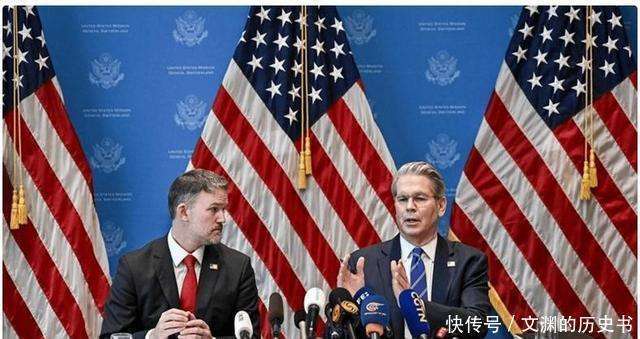
Group 1 - The resurgence of inbound tourism in China is attributed to visa-free policies and the country's growing global appeal, as highlighted by a recent Pew Research Center report showing an increase in positive perceptions of China worldwide [1] - The cultural richness of China, exemplified by cities like Beijing, Jinggangshan, and Shanghai, reflects a blend of historical depth, revolutionary heritage, and modern vitality, showcasing the integration of hard and soft power [1] - The ongoing cultural revival in China is characterized by the successful fusion of ancient traditions with modern innovations, emphasizing the importance of preserving historical cultural foundations while adapting them for contemporary life [2] Group 2 - China's economic stability amidst external challenges is supported by continuous upgrades in manufacturing, rapid advancements in research and development, and effective macroeconomic policies that bolster both domestic and international trade [3] - Recent adjustments by multiple institutions to increase China's economic growth forecasts indicate a positive outlook for the country's economic vitality and resilience [3] - Understanding China's modernization requires a deep exploration of its historical roots, revolutionary memories, and active practices, positioning China as a "stabilizing anchor" for the world and a contributor to a multipolar future [3]
美国为何不安全 美知名学者:华盛顿沉迷于单极世界幻想
Yang Shi Xin Wen Ke Hu Duan· 2025-08-13 01:28
Core Viewpoint - Renowned economist Jeffrey Sachs criticizes Washington's obsession with a unipolar world fantasy, ignoring the reality of multipolarity, which he claims is pushing the world towards the brink of nuclear war [1] Group 1 - Sachs argues that the insecurity of the United States stems from its continuous provocations towards other nations, particularly nuclear superpowers [1] - Regarding the upcoming meeting between U.S. President Trump and Russian President Putin in Alaska, Sachs suggests that a clear statement from the U.S. regarding "NATO not expanding" could significantly alter the global landscape [1]
中美关系有变?特朗普发出威胁,全球收到消息,美国反咬中方一口
Sou Hu Cai Jing· 2025-08-11 05:01
Group 1 - The article discusses the contrasting approaches of the Trump administration towards India and China regarding tariffs, highlighting a 50% tariff imposed on India while only threatening China without concrete actions [1][3] - Trump's recent announcement of tariffs on semiconductor chips and pharmaceuticals, with drug tariffs soaring to 250%, indicates a strategy of extreme pressure on global trade [1][3] - The potential "secondary sanctions" against China, including freezing assets and cutting off banks from the dollar settlement system, represent a significant escalation in U.S. measures [3][5] Group 2 - The U.S. is cautious in its approach to China due to the large trade volume and the intertwined supply chains, which makes aggressive actions riskier [5][10] - China's response to U.S. sanctions emphasizes its commitment to energy cooperation with Russia, with a notable increase in trade settled in RMB, reflecting a move towards "de-dollarization" [8][10] - The geopolitical landscape is shifting, with the potential for increased complexity in U.S.-China relations as both countries navigate competition and cooperation [10]
莫迪刚宣布访问中国,特朗普就送出一句话,美国既想动真格,又怕输得太惨!中方坐收渔翁之利
Sou Hu Cai Jing· 2025-08-10 06:30
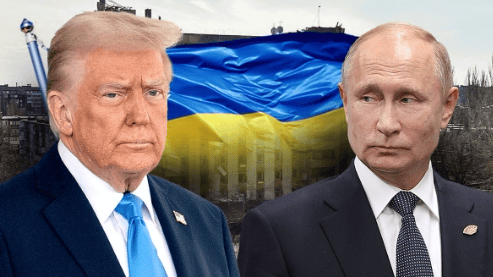
Group 1 - Indian Prime Minister Modi's visit to China marks the first high-level contact since the 2020 Galwan Valley conflict and is seen as a strategic shift amid increasing US-China tensions [1][3] - The US's imposition of a 25% additional tariff on Indian imports has pushed India to reconsider its alignment with the US, leading to a potential thaw in relations with China [1][3] - The bilateral trade between India and China is projected to reach $138.478 billion in 2024, highlighting India's growing demand for Chinese technology and markets, particularly in sectors like renewable energy and information technology [3] Group 2 - The Trump administration's dual strategy of imposing tariffs while leaving room for dialogue reflects a complex approach to US-China relations, with tariffs set at 10% for Chinese goods, significantly lower than previously threatened rates [4][5] - Domestic political divisions within the US regarding tariff policies complicate the situation, as different factions within the Republican Party have conflicting interests regarding trade with China [7] - The unilateral tariff policies have faced widespread international criticism, with the WTO ruling against the legality of such measures, indicating a potential shift towards a more multipolar global order [7][10] Group 3 - India's strategic positioning seeks to balance its relations between the US and China, aiming for greater autonomy while enhancing cooperation with organizations like the Shanghai Cooperation Organization and BRICS [8][9] - China's response to the evolving dynamics emphasizes maintaining core interests while promoting a new international order based on dialogue and cooperation, as seen in the upcoming Tianjin summit [10][12] - The interconnected economic relationships among the US, India, and China reveal that tariff policies may lead to adverse effects, with US consumers potentially facing increased costs and India’s energy security being jeopardized [10][12]
“还好有中国”!特朗普这次彻底失算了,一觉醒来,53国倒戈了:要让中国成为“全球顶流”
Sou Hu Cai Jing· 2025-08-10 04:00
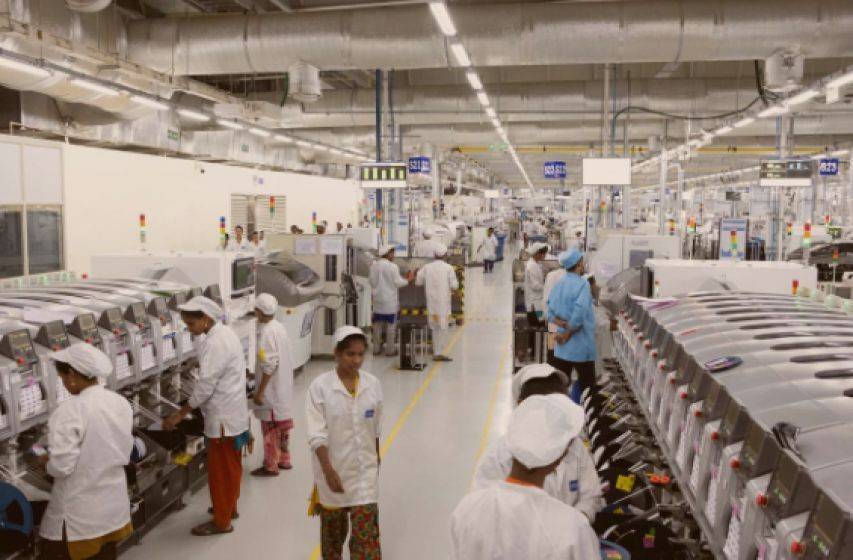
Group 1 - The article highlights the shift of African countries towards China due to the imposition of high tariffs by the United States, which has led to a collective decision among 53 African nations to seek closer ties with China [1][3][6] - The U.S. tariffs, which include a 15% tax on 18 African countries and 25%-30% on four specific nations, are described as a "tariff trap" that disproportionately affects economically vulnerable nations [1][3] - In contrast, China has implemented a zero-tariff policy for 53 African countries since December 2024, covering all product categories, which has significantly boosted trade between China and Africa [3][4] Group 2 - The article notes that the trade volume between China and Africa reached $295.6 billion in 2024, marking the highest level globally for four consecutive years, with China maintaining its position as Africa's largest trading partner for 16 years [4][6] - African businesses have reported substantial increases in sales due to the elimination of tariffs, with one café owner stating that coffee bean sales tripled after the introduction of zero tariffs [4][6] - The article emphasizes the historical ties between Africa and China, citing the support African nations provided to China during its bid for UN recognition, which has fostered a sense of loyalty and mutual benefit in current trade relations [6][8] Group 3 - African scholars express a desire for China to become a global leader akin to the United States, viewing the current U.S. trade policies as detrimental and politically motivated [6][8] - The article discusses the anticipated growth of intra-African trade, projected to increase from $192.2 billion in 2023 to $520 billion by 2030, highlighting the potential for enhanced economic cooperation among African nations [6][8] - The conclusion drawn is that the U.S. approach has backfired, pushing African nations towards China, which is seen as a more responsible partner willing to invest in long-term relationships and development [8]
特朗普对俄发最后通牒并加制裁,中印却坚持购俄能源,原因为何?
Sou Hu Cai Jing· 2025-08-08 09:32
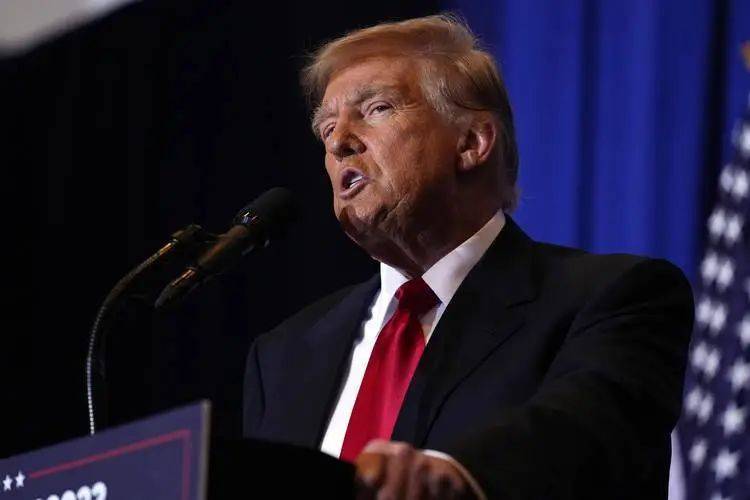
前言 特朗普对俄发出的最后通牒已进入倒计时,13轮制裁覆盖1.5万个实体,威胁再加征100%关税。 面对如此空前的制裁压力,中国和印度依然坚持购买俄罗斯能源,人民币结算比例更是飙升至99.6%。 俄罗斯为何在此时选择让步?这份"空中停火"礼物背后藏着什么算盘? 制裁风暴中的"三国演义" 当美国挥舞制裁大棒想要一统江湖时,却发现这个世界比想象中复杂得多。 7月29日,特朗普将原来的50天期限压缩到10天,语气之急迫前所未见。 作者-盐 他不只是针对俄罗斯,还要连带惩罚中国和印度,做法很简单:谁还跟俄罗斯做生意,美国就制裁谁, 想要堵死俄罗斯的出口路来逼迫谈判。 外交部发言人明确表示,中方坚决反对非法的单边制裁和"长臂管辖"。 更关键的是,美国对华关税已经加征到145%,但中国依然没有让步,这种韧性让华盛顿始料未及。 但这次面对美国施压,印度却展现出了罕见的坚定态度,外交部公开声明:俄印是经得起考验的伙伴关 系,不会因第三方施压而改变。 然而现实给了华盛顿一记响亮的耳光。 中国的回应干脆利落。 印度的表现同样令人刮目相看。 要知道,印度长期在国际事务中是"墙头草",左右摇摆已成常态。 更有意思的是,印度还给自己找 ...
莫迪是一把双刃剑
Hu Xiu· 2025-08-05 02:45
Core Argument - The article discusses India's aspirations as a major power and critiques its perceived overestimation of influence on the global stage, highlighting the lack of economic strength, military capability, and genuine alliances to support its ambitions [2][28]. Group 1: India's Global Standing - Tata Group's strategic affairs chairman, Ashley Tellis, argues that India has overestimated its global influence and lacks the necessary economic and military strength to support its ambitions [2]. - The article contrasts India's capabilities with those of ASEAN, Africa, and South America, asserting that India has the strongest overall power among these regions, with a population of 1.4 billion and a GDP exceeding $4 trillion [6][7]. - Former Foreign Secretary Raoqi and other officials counter Tellis's claims, emphasizing India's cautious approach in international politics rather than aggressive ambitions [8]. Group 2: Strategic Autonomy and Alliances - Tellis criticizes India's aversion to formal alliances, suggesting that its strategic autonomy has left it without reliable partners during crises [9]. - India faces significant border challenges with nuclear-armed neighbors, China and Pakistan, which complicates its ability to form close alliances, particularly with the U.S. [10][11]. - The article outlines India's goal of leading a coalition of middle powers and emerging nations that are uncomfortable with both China and the West, indicating a strategic approach that prioritizes patience over immediate alliances [12][14]. Group 3: U.S.-India Relations - The article highlights the complexities of U.S.-India relations, noting that while the U.S. remains a dominant global power, it is reassessing its commitments in various regions, including Europe and Asia [17][18]. - Trump's administration criticized India's high tariffs and non-tariff barriers, leading to a proposed 25% tariff on Indian goods, which could disadvantage India in trade with the U.S. compared to Southeast Asian countries [23][25]. - The article suggests that the real concern lies with Washington's willingness to form solid alliances, rather than India's strategic choices, as the U.S. shifts its focus towards a more self-interested global stance [26][29]. Group 4: Domestic Perspectives on Foreign Policy - Within India, there are differing views on foreign policy, with "pro-U.S." advocates believing that embracing the U.S. is essential for India's rise, while "strategic autonomy" proponents emphasize India's unique historical and civilizational role [36][39]. - The current Indian leadership, influenced by Hindu nationalism, views cooperation with the U.S. as a means to enhance India's global standing while resisting complete Westernization [40][41]. - The article concludes that India's reluctance to fully align with the U.S. has led to missed opportunities for deeper strategic partnerships, resulting in a constrained position in South Asia [33].

谈判刚落幕,美财长竟翻脸放话:中国经济必垮,不交易就等着
Sou Hu Cai Jing· 2025-08-02 04:49
Group 1 - The core of the ongoing geopolitical struggle revolves around the defense and challenge of US dollar hegemony, with the US expressing strong opposition to energy cooperation among China, Russia, and Iran due to fears of a "de-dollarization" process [4][6] - The construction of a "non-dollar" system is shaking the foundations of the entrenched "petrodollar" system, with countries like India, Brazil, and Turkey actively seeking diversification strategies under US sanctions pressure [6][8] - The contrasting strategies of the US's "wall-building" (protectionism and high tariffs) and China's "bridge-building" (multilateral cooperation and industrial upgrading) highlight a potential decline in US international influence as more countries seek collaboration with China [8] Group 2 - US Treasury Secretary Janet Yellen's comments on the "collapse" of the Chinese economy reflect Washington's anxiety and strategic goals, citing pressures in the real estate market and accusations of dumping cheap goods as unsustainable practices [8][9] - However, these claims are contradicted by international assessments and China's own economic data, which show a growth rate of 5.3% in the first half of the year, surpassing the annual target of 5% [9][11] - The rapid convening of a trilateral meeting in Tehran among China, Russia, and Iran directly counters US efforts to isolate China, with all parties opposing unilateral sanctions not authorized by the UN Security Council [13][15] Group 3 - The US's strategy of building alliances while simultaneously imposing tariffs on allies raises questions about its strategic consistency, leading to internal dissent within the US regarding the rapid implementation of sanctions [15][16] - The diplomatic contrast between Yellen's rhetoric and China's proactive actions illustrates that the reality of multipolarity is reshaping the international order, with US pressure inadvertently catalyzing deeper cooperation among China, Russia, and Iran [16][18] - This geopolitical struggle signals the emergence of a more balanced and multipolar international order, accelerating amidst the anxieties and struggles of the old hegemony [18]
特朗普公布全球关税,两大诡异之处,证明:他准备跟中国硬碰硬了
Sou Hu Cai Jing· 2025-08-02 00:57
Group 1 - The core point of the article is that Trump's new global tariff strategy appears to be a tactical move to confront China indirectly by favoring countries like Pakistan and Brazil, which may indicate a preparation for a more aggressive stance against China [1][4][16] - The absence of China from the new tariff list is surprising, given the history of the US-China trade war initiated by Trump, suggesting a shift in strategy [3][4] - The treatment of Pakistan and Brazil in the tariff list reveals Trump's intention to create strategic divisions in South Asia and weaken the BRICS alliance, aiming to isolate China [6][11][14] Group 2 - The US's approach to Brazil, where the tariff rate was significantly lower than previously threatened, indicates a calculated strategy to avoid mutual economic damage while attempting to disrupt the BRICS unity [11][13] - Trump's actions suggest a broader strategy of undermining China's global partnerships by applying pressure on neighboring countries and key allies, preparing for a potential escalation in trade tensions with China [16][18] - The article highlights that China is already anticipating these moves and is strengthening its economic ties with other regions to mitigate the impact of potential decoupling from the US [19][20]