
多模态模型

Search documents
计算机行业双周报(2025、12、12-2025、12、25):智谱、MiniMax角逐大模型第一股,AI医疗赛道再迎新突破-20251226
Dongguan Securities· 2025-12-26 10:37
Investment Rating - The report maintains an "Overweight" rating for the computer industry, indicating an expectation that the industry index will outperform the market index by more than 10% over the next six months [1]. Core Insights - The report highlights the competition between companies Zhipu and MiniMax to become the first publicly listed AI large model company, with both having recently passed the Hong Kong Stock Exchange's hearing and disclosed their prospectuses [1][19]. - The AI healthcare application "Ant Fortune" from Ant Group has upgraded its features and surpassed 15 million monthly active users, indicating significant growth in the AI medical sector [1][19]. - The report emphasizes the potential for AI applications and computing power demand to remain high, suggesting investment opportunities in these areas [1][26]. Summary by Sections Industry Performance Review - The SW computer sector increased by 2.09% over the two weeks from December 12 to December 25, 2025, outperforming the CSI 300 index by 0.11 percentage points, ranking 19th among 31 first-level industries [10][14]. - For December, the sector declined by 1.78%, underperforming the CSI 300 index by 4.34 percentage points, while the year-to-date performance shows a 16.43% increase, lagging behind the CSI 300 index by 1.55 percentage points [10][14]. Valuation Situation - As of December 25, 2025, the SW computer sector's PE TTM (excluding negative values) stands at 54.02 times, which is in the 87.45th percentile for the past five years and the 74.19th percentile for the past ten years [12][18]. Industry News - Zhipu and MiniMax are competing to be the first AI large model company to go public, focusing on different technological routes and business models [19][26]. - The first batch of L3-level autonomous driving vehicles in China has received approval for market entry, marking a significant step towards commercialization [19]. - Nvidia has signed a non-exclusive licensing agreement with AI chip startup Groq, indicating ongoing developments in AI hardware [19]. Company Announcements - Several companies, including Saiyi Information and Anbotong, have announced significant projects and plans for overseas listings, reflecting active engagement in the market [22][23][24]. Weekly Perspective - The report discusses the competitive landscape of AI large model companies and the implications for future financing and valuation in the sector, alongside the rapid growth of AI healthcare applications [26]. Suggested Investment Targets - The report identifies several companies to watch, including GuoDianYunTong, ShenZhouShuMa, and LangXinXinXi, highlighting their strong positions in financial technology and AI computing [27][28].
智谱、MiniMax陆续通过港交所聆讯 国产AI大模型公司角逐“大模型第一股”
Zheng Quan Shi Bao Wang· 2025-12-23 22:43
Core Insights - The AI large model industry is accelerating its capitalization, with companies like Zhipu and MiniMax entering the IPO stage in Hong Kong, expected to list by early 2026 [1][9] - Zhipu focuses on AGI foundational models, while MiniMax specializes in multimodal models, indicating different technological and business approaches within the same competitive landscape [1][9] Company Overview: Zhipu - Zhipu is the first among the "Six Little Tigers" of AI large models to initiate an IPO, with a strong focus on B2B users and a business model centered around MaaS (Model as a Service) [2][9] - Founded in 2019, Zhipu has shown rapid revenue growth, with projected revenues of 57.4 million, 124.5 million, and 312.4 million yuan from 2022 to 2024, reflecting a compound annual growth rate of 130% [2][4] - The company has a significant R&D investment, totaling approximately 4.4 billion yuan over several years, supporting its technological advancements [4] Company Overview: MiniMax - MiniMax, which focuses on C-end products, aims to become the fastest AI company to go public, with over 70% of its revenue coming from consumer products [6][7] - Established in early 2022, MiniMax has developed several multimodal models and AI-native products, achieving a revenue increase of over 700% in its second year [6][7] - The company has also secured substantial funding, totaling approximately 1.555 billion USD across seven financing rounds, with a cash balance of 363 million USD as of September [8] Market Dynamics - The entry of Zhipu and MiniMax into the IPO process is seen as a milestone for the AI industry, potentially reshaping the narrative from technology storytelling to commercial value realization [9] - Analysts suggest that the differing business models of Zhipu and MiniMax highlight the segmentation within the AI large model market, with Zhipu targeting developers and enterprises, while MiniMax focuses on consumer applications [9]
信仰与突围:2026人工智能趋势前瞻
3 6 Ke· 2025-12-22 09:32
Core Insights - The AI industry is experiencing intense competition, particularly with the emergence of models like Gemini 3, prompting OpenAI to accelerate the release of GPT 5.2 to regain its competitive edge [1] - There is a growing skepticism regarding the scalability of large models, with some experts suggesting that the current scaling laws may be reaching their limits, indicating a potential shift in focus towards more innovative learning methods [2][3] - The future of AI is expected to be characterized by a combination of scaling and structural innovations, including advancements in multimodal models that could lead to significant leaps in AI capabilities [4][5] Group 1: Scaling and Innovation - The Scaling Law has been a driving force behind the evolution towards AGI, but recent trends indicate a slowdown in performance improvements, leading to questions about its long-term viability [2] - Despite criticisms, the Scaling Law remains a practical growth path, as it allows for predictable capability enhancements through increased training and data optimization [3] - The AI infrastructure in the U.S. is set to attract over $2.5 trillion in investments, with large data center projects exceeding 45 GW in capacity, reinforcing the importance of scaling in AI development [3] Group 2: Multimodal Models - The advent of multimodal models like Google's Gemini and OpenAI's Sora signifies a pivotal moment in AI, enabling deeper content understanding and the generation of diverse media formats [5] - Multimodal advancements are expected to drive a nonlinear leap in AI intelligence, as they allow for a more comprehensive understanding of the world through various sensory inputs [5][10] - The integration of multimodal capabilities could facilitate a closed-loop technology pathway for AI, enhancing its ability to perceive, decide, and act in real-world environments [10] Group 3: Research and Development - The research landscape for large models is diversifying, with numerous experimental labs emerging that focus on various aspects of AI, including safety, reliability, and multimodal collaboration [12][13] - Innovative approaches such as evolutionary AI and liquid neural networks are being explored to reduce reliance on traditional scaling methods and enhance model adaptability [13][14] - New evaluation methods are being developed to better assess AI capabilities, focusing on long-term task completion and dynamic environments rather than static benchmarks [15] Group 4: AI for Science - AI for Science (AI4S) is transitioning from academic breakthroughs to practical applications, with initiatives like DeepMind's automated research lab set to revolutionize scientific experimentation [22][23] - The U.S. government is prioritizing AI4S as a national strategy, aiming to create a nationwide AI science platform that integrates vast scientific datasets with supercomputing resources [25] - While widespread commercial adoption of AI4S may still be a few years away, significant advancements in research efficiency and automation are anticipated by 2026 [26] Group 5: AI Glasses and Consumer Electronics - AI glasses are projected to reach a critical sales milestone of 10 million units, marking a significant shift in consumer electronics towards wearable AI technology [45][47] - The success of AI glasses hinges on reducing hardware complexity and enhancing user experience, moving from traditional app-based interactions to intention-based commands [48] - The potential for AI glasses to generate vast amounts of data could lead to new algorithms and advertising models, fundamentally changing user interaction with technology [48] Group 6: AI Safety and Governance - As AI capabilities advance, safety and ethical considerations are becoming increasingly important, with a notable decline in public trust despite rising usage [50][51] - The industry is focusing on developing safety technologies and governance frameworks to ensure responsible AI deployment, with a significant portion of computational resources allocated to safety research [54] - Regulatory proposals are emerging that mandate systematic testing and monitoring of high-risk AI models, indicating a shift towards more stringent safety standards in AI development [54]



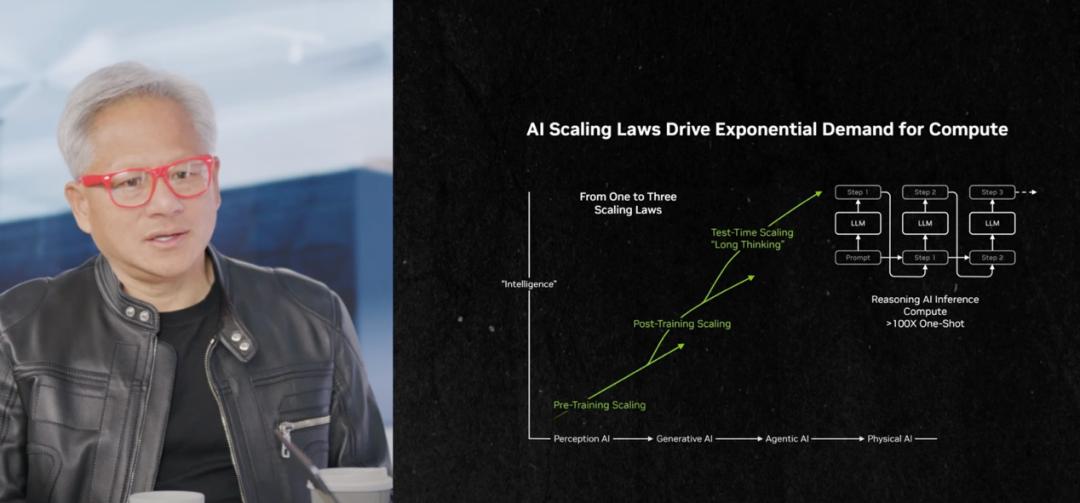
自变量王潜:具身智能是物理世界的独立基础模型|MEET2026
具身智能之心· 2025-12-22 01:22
Core Viewpoint - The article discusses the debate on whether embodied intelligence should be viewed as an application or as an independent foundational model, asserting that it is a foundational model specifically designed for the physical world, parallel to language and multimodal models [6][12][60]. Group 1: Differences Between Physical and Virtual Worlds - There is a fundamental difference between the physical world, characterized by randomness and continuous processes, and the virtual world, which is highly reproducible and low in randomness [2][10]. - Existing models based on language and visual modalities are inadequate for accurately representing the complexities and randomness of physical interactions [16][22]. Group 2: Need for a Separate Foundational Model - A separate foundational model for embodied intelligence is necessary due to the unique characteristics of the physical world, which often leads to unpredictable outcomes even under identical conditions [10][11]. - The current architectures and training methods struggle to capture the high randomness present in physical events, necessitating a new approach to model design [12][20]. Group 3: Future of Multimodal Models - Shifting the perspective to view embodied intelligence as an independent foundational model can lead to significant changes in model architecture and data utilization [9][23]. - The learning and perception processes in the physical world differ fundamentally from those in the virtual world, suggesting that future multimodal models should incorporate these differences [24][29]. Group 4: Scaling Laws and Data Utilization - The article emphasizes the importance of scaling laws in the development of large models, particularly in the context of robotics, where data acquisition and utilization are critical [46][51]. - A phased approach to training, utilizing both pre-training and post-training data, is recommended to enhance model performance [48][52]. Group 5: Hardware and AI Integration - The integration of AI in defining hardware is crucial for the development of embodied intelligence, advocating for a simultaneous evolution of both software and hardware [53][54]. - The potential for embodied intelligence to drive exponential growth in resources and capabilities is highlighted, suggesting a transformative impact on the future of artificial general intelligence (AGI) [59][60].

自变量王潜:具身智能是物理世界的独立基础模型|MEET2026
量子位· 2025-12-21 05:45
Core Viewpoint - The embodiment intelligence model is considered an independent foundational model parallel to language and multimodal models, specifically designed for the physical world [6][12][61] Group 1: Differences Between Physical and Virtual Worlds - The fundamental differences between the physical and virtual worlds are recognized, with the physical world characterized by continuity, randomness, and processes related to force, contact, and timing [2][10] - Existing models based on language and visual paradigms are structurally misaligned with the complexities of the physical world [3][21] Group 2: Need for a Separate Foundational Model - A separate foundational model is necessary due to the significant randomness in the physical world, which existing models struggle to accurately represent [10][17] - The current reliance on multimodal models for embodiment intelligence is seen as inadequate, necessitating a complete rethinking of model architecture and training methods [9][21] Group 3: Future of Multimodal Models - Shifting perspectives on embodiment intelligence will lead to new insights in model architecture and data utilization [24][30] - The learning processes in the physical world differ fundamentally from those in the virtual world, suggesting that future multimodal models must adapt to these differences [25][28] Group 4: Scaling Laws and Data Utilization - The concept of Scaling Law is crucial in the development of large models, particularly in robotics, where data sourcing remains a significant challenge [47][49] - A phased approach to training and data collection is recommended, emphasizing the importance of real-world data for effective learning [52][53] Group 5: Hardware and AI Integration - A new learning paradigm necessitates the redesign of hardware in the physical world, advocating for AI to define hardware rather than the other way around [54][55] - The potential for embodiment intelligence to drive exponential growth in resources and capabilities is highlighted, drawing parallels to historical industrial advancements [60][61]

中国大模型“第一股”来了,揭秘智谱与MiniMax IPO背后的“隐秘算盘”
3 6 Ke· 2025-12-18 12:19
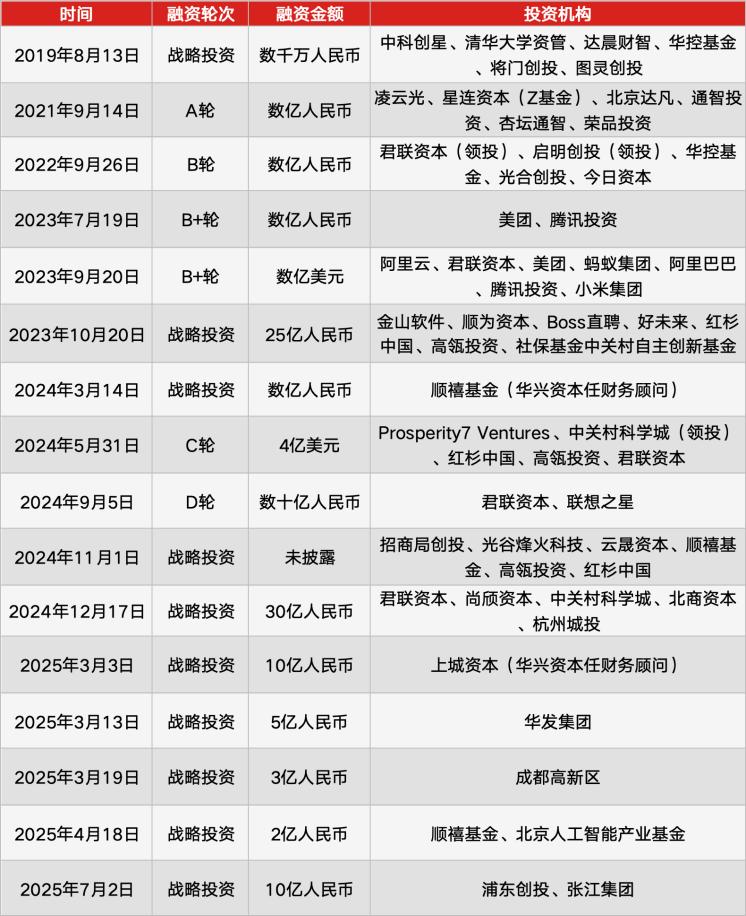
Core Insights - Domestic large model companies are approaching IPO, with MiniMax and Zhiyu AI completing the China Securities Regulatory Commission filing and participating in the Hong Kong Stock Exchange listing hearing [1][2] - The IPO process is seen as a necessity rather than an option for these companies, driven by the need to secure stable funding channels [3][28] Group 1: Zhiyu AI - Zhiyu AI is recognized as a leading player in the large model sector, having completed its IPO guidance filing in April and aiming to finalize compliance processes by 2025 [5][6] - The company has raised a total of over 16 rounds of financing, accumulating more than 16 billion yuan, with a current valuation of approximately 40 billion yuan [10][12] - Zhiyu AI focuses on government and enterprise clients, emphasizing G-end and B-end business models, and has made significant organizational adjustments to enhance efficiency [13][14] Group 2: MiniMax - MiniMax plans to officially list on the Hong Kong Stock Exchange in January 2026, having developed a unique multi-modal capability from its inception [17][18] - The company is projected to generate approximately 70 million USD in revenue for 2024, with a significant portion coming from its C-end product, Talkie [20] - MiniMax has shifted its strategy from a dual focus on models and products to prioritizing model development, reflecting a response to competitive pressures in the market [22][29] Group 3: Industry Trends - Both companies are making strategic moves to consolidate their core capabilities and streamline operations in response to changing market dynamics [29][30] - The large model industry is transitioning from a phase of direction validation to one constrained by capital and efficiency, necessitating a focus on sustainable cash flow generation [30]
国产AI芯片看两个指标:模型覆盖+集群规模能力 | 百度智能云王雁鹏@MEET2026
量子位· 2025-12-18 02:34
Core Viewpoint - The article discusses the challenges and opportunities for domestic AI chips, particularly Baidu's Kunlun chip, in supporting large-scale training for next-generation models, amidst the ongoing dominance of Nvidia in the market [1][5]. Group 1: Challenges in Large-Scale Training - The evaluation of chip capabilities has shifted from mere computational power to the ability to stably support training for models ranging from hundreds of millions to trillions of parameters [1][5]. - The first major challenge is cluster stability, where any interruption in a large-scale training system can lead to significant downtime, especially in systems with thousands of GPUs [7][10]. - The second challenge involves achieving linear scalability in large clusters, which requires advanced communication optimization and system-level coordination [10][11]. - The third challenge is the model ecosystem and precision system, where Nvidia's extensive model ecosystem provides a competitive edge in training accuracy [15][19]. Group 2: Solutions and Strategies - To address cluster stability, the company emphasizes the need for detailed monitoring and verification to preemptively identify potential issues [8][9]. - For scalability, the company has developed a communication strategy that bypasses CPU limitations, allowing for optimized task management across different workloads [14][20]. - The company is focusing on a highly generalized operator system to ensure reliability in large-scale training, adapting to various model sizes and shapes [19][27]. Group 3: Current Developments and Future Directions - The company has successfully implemented large-scale training with its Kunlun chip, achieving significant results with models like Qianfan-VL and Baidu Steam Engine, which have demonstrated state-of-the-art performance in various tasks [28][30]. - The future direction includes expanding the capabilities of domestic chips to support even larger clusters and more complex models, aiming for a comprehensive coverage of major model systems [27][31]. - The article highlights the importance of binding advanced self-developed models to the Kunlun chip to enhance its acceptance and performance in the market [29].


电子行业2026年投资策略:AI创新与存储周期
GF SECURITIES· 2025-12-10 09:08
Core Insights - The report emphasizes the synergy between AI innovation and capital expenditure (CAPEX), highlighting that model innovation is the core driver of AI development, with CAPEX serving as the foundation for the AI cycle [12][14] - The AI industry chain includes AI hardware, CAPEX, and AI models and applications, which collectively support the computational needs for large model training and inference [12][14] - The report suggests that the AI storage cycle is driven by rising prices and simultaneous expansion and upgrades in production capacity, particularly in cloud and edge storage [4][34] Group 1: AI Innovation and CAPEX - Model innovation is identified as the key driver of AI development, with significant capital expenditures from cloud service providers and leading enterprises providing a stable cash flow to support upstream hardware sectors [14][24] - The report notes that major companies like Google and OpenAI are making substantial advancements in multi-modal models, which are expected to enhance user engagement and monetization opportunities [19][25] - The integration of AI capabilities into various applications is projected to create a closed loop of high computational demand leading to high-value content and increased user willingness to pay [24][25] Group 2: Storage Cycle - The report indicates that storage prices are on the rise, significantly boosting the gross margins of original manufacturers, with capital expenditures in the storage sector entering an upward phase [4][34] - It highlights that traditional DRAM and NAND production is being approached cautiously, while HBM production is prioritized, indicating a shift in focus within the storage industry [4][34] - The report discusses the emergence of new opportunities in the storage foundry model, driven by the evolving demands of AI applications [4][34] Group 3: Investment Recommendations - The report recommends focusing on companies within the AI ecosystem, particularly those involved in AI storage, PCB, and power supply sectors, as they are expected to experience sustained growth [4][34] - It suggests that the ongoing upgrades in DRAM and NAND architectures will create new equipment demand, presenting investment opportunities in related companies [4][34] - The report encourages attention to the storage industry chain, particularly in light of the anticipated price increases and margin improvements for original manufacturers [4][34]
行业周报:聚焦豆包AI进展及游戏、电影上新-20251207
KAIYUAN SECURITIES· 2025-12-07 14:56
Investment Rating - The report maintains a "Positive" investment rating for the media industry [1] Core Insights - The report emphasizes the ongoing development and commercialization of AI applications, particularly in gaming and film sectors, as key areas for investment [3][4] - The upcoming release of major films like "Avatar 3" and new games is expected to drive market recovery and growth [4] Industry Overview - The media sector is experiencing a significant shift with AI applications becoming increasingly integrated into advertising, gaming, and film production [3] - The gaming industry is entering a peak season with new game launches expected to boost revenue significantly [3][4] Industry Data Summary - As of December 6, 2025, "Delta Force" ranks first in the iOS free game chart, while "Honor of Kings" leads the iOS revenue chart [10][14] - "Zootopia 2" has achieved a cumulative box office of over 3 billion yuan, ranking among the top 30 in domestic box office history [4][5] - The report highlights the stability of the top ranks in the WeChat mini-game market, with "Treasure Hunter" and "Endless Winter" leading the charts [30]


阿里Qwen-Image更新;商汤发布NEO架构|数智早参
Mei Ri Jing Ji Xin Wen· 2025-12-02 23:17
Group 1 - Alibaba has released a significant update to its image generation and editing model Qwen-Image, which now maintains higher consistency in image editing and has made breakthroughs in multi-view transformation, multi-image fusion, and multi-modal reasoning. The new version is integrated into the Qianwen App, allowing users unlimited free access [1] - Despite the impressive advancements of Qwen-Image, the development of AI visual technology faces challenges. The industry will continue to monitor whether Qwen-Image can maintain its technological leadership while reducing model training costs and improving operational efficiency for broader application [1] Group 2 - SenseTime has officially launched and open-sourced a new multi-modal model architecture called NEO, developed in collaboration with NTU S-Lab. NEO is the first native multi-modal architecture that breaks away from traditional modular paradigms, achieving deep integration and overall breakthroughs in performance, efficiency, and versatility [2] - The transition in AI paradigms often begins with breakthroughs in architecture. The shift from CNN to Transformer and from single-modal to multi-modal indicates that those who can innovate beyond traditional methods will secure a place in the next generation of the industry [2] Group 3 - UBTECH Robotics has signed a strategic cooperation framework agreement with ZhiSheng Technology, focusing on the core direction of "industry models + embodied intelligence." The partnership aims to deploy 10,000 robots and jointly develop commercial orders worth billions over the next five years [3] - The true turning point for the humanoid robot industry is not merely the deployment of "10,000" robots, but rather the successful operation of the first robot in real-world scenarios for 365 days without failure, leading to customer repurchases and insurance companies willing to underwrite policies [3]
