宏观审慎管理体系

Search documents
中国人民银行行长潘功胜:强化金融稳定的法治保障
Qi Huo Ri Bao· 2025-12-04 03:07
Core Viewpoint - The article emphasizes the need to construct a scientific and robust monetary policy system and a comprehensive macro-prudential management system in China, aligning with the spirit of the 20th National Congress of the Communist Party of China [1] Group 1: Monetary Policy System - The construction of a scientific and robust monetary policy system requires optimizing the mechanism for basic currency issuance and monetary policy intermediaries to maintain reasonable growth in total financial volume [1] - It is essential to improve the market-oriented interest rate formation, regulation, and transmission mechanisms [1] - A structural monetary policy tool system needs to be enhanced continuously [1] - The mechanism for the formation of the Renminbi exchange rate should be improved [1] - Continuous efforts are needed to ensure the smooth transmission of monetary policy [1] Group 2: Macro-Prudential Management System - Key tasks for building a comprehensive macro-prudential management system include strengthening the monitoring and assessment of systemic financial risks [1] - Comprehensive risk prevention measures in key areas must be effectively implemented [1] - The toolbox for macro-prudential management policies should be enriched [1] - A financial stability guarantee system needs to be established [1] - Financial security capabilities should be enhanced in line with the level of openness [1] Group 3: Financial Stability Guarantee System - Strengthening corporate governance and risk management of financial institutions is crucial, along with enhancing daily supervision to build a solid first line of defense against financial risks [2] - Coordination among macro-prudential management, micro-prudential regulation, and behavioral supervision is necessary to form a synergistic effect [2] - A mechanism for early correction of financial risks with hard constraints should be reinforced, along with the specialized risk disposal functions of deposit insurance [2] - The roles of industry guarantee funds, financial stability guarantee funds, and the central bank as the lender of last resort should be effectively utilized, with a focus on preventing moral hazards [2] - Legal safeguards for financial stability should be strengthened, and the drafting and revision of financial laws, the People's Bank of China Law, and financial stability laws should be accelerated [2]
潘功胜:把握好货币政策的力度、时机和节奏
Bei Jing Shang Bao· 2025-12-04 02:52
Core Viewpoint - The People's Bank of China emphasizes the dual objectives of maintaining currency stability and financial stability, utilizing a robust monetary policy framework and macro-prudential management system as foundational tools for macroeconomic management [1] Group 1: Monetary Policy Framework - The central bank aims to construct a scientifically sound and robust monetary policy system that effectively combines currency stability and financial stability, which is crucial for supporting the construction of a financial powerhouse [1] - It is essential to accurately grasp the connotations and requirements of a scientific and robust monetary policy, focusing on the strength, timing, and rhythm of monetary policy [1] Group 2: Economic Adjustment - The central bank should enhance cross-cycle and counter-cyclical adjustments, ensuring that monetary conditions align with supporting potential economic growth and basic price stability [1] - There is a need to manage the relationship between short-term and long-term objectives, utilizing various monetary policy tools to smooth economic fluctuations while avoiding excessive policy interventions that could lead to diminishing returns and long-term side effects [2] Group 3: Financial Support and Risk Management - The relationship between stabilizing growth and preventing risks is critical, as changes in the economic structure and credit structure affect the demand for monetary credit growth [2] - Improving the efficiency of existing funds and optimizing the allocation of new loans are equally important for supporting economic growth [2] Group 4: Internal and External Relations - Domestic economic and financial conditions primarily guide China's monetary policy, while also considering the spillover effects from other economies and their monetary policy cycles [2] - The flexibility of the RMB exchange rate has gradually increased, and the maturity of foreign exchange market participants has improved, enabling better management of internal and external relationships [2]
事关货币政策、金融风险防控,央行行长潘功胜最新发声
Sou Hu Cai Jing· 2025-12-04 02:21
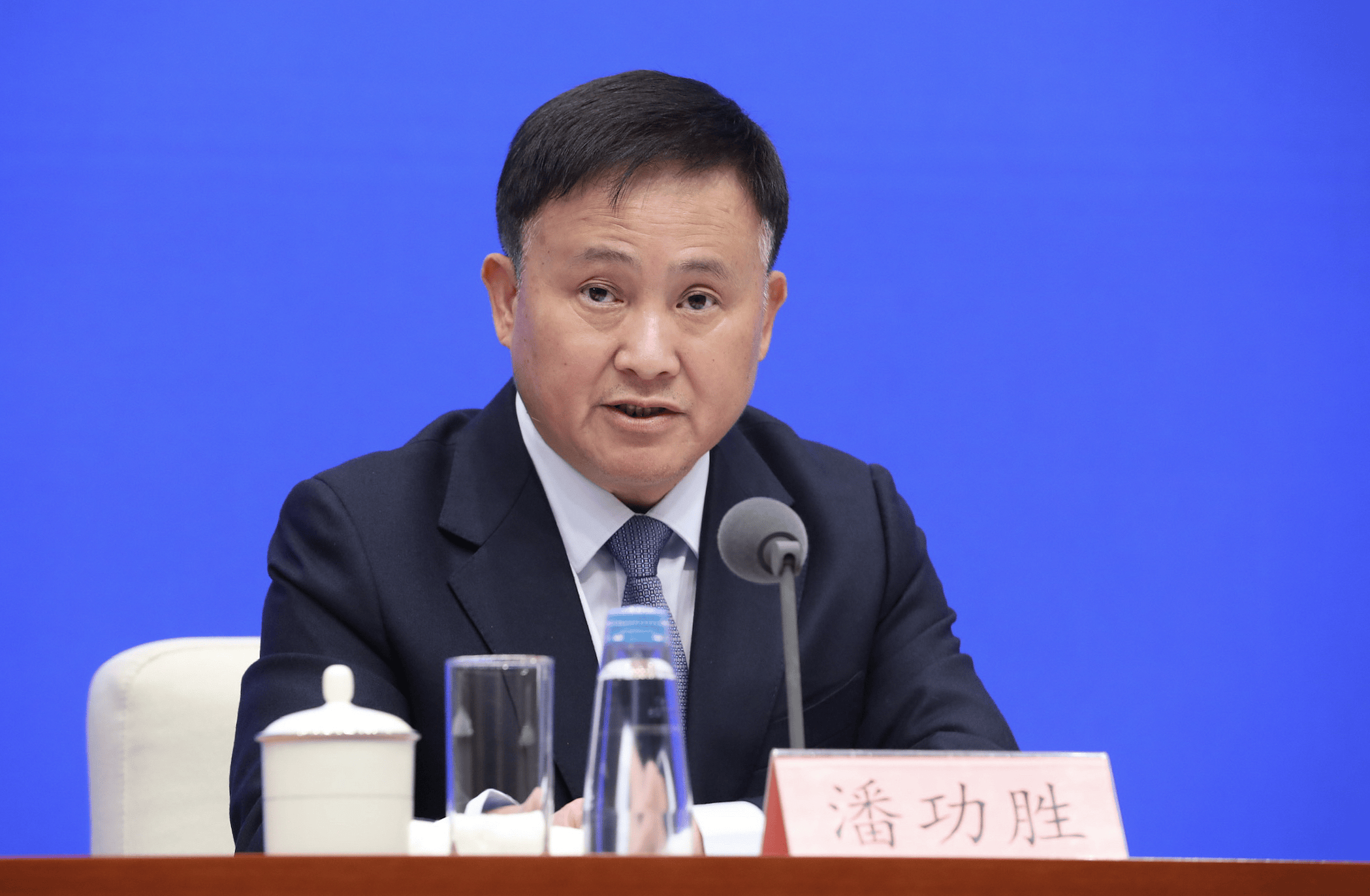
三是内部和外部的关系。潘功胜表示,经过多年持续努力,人民币汇率弹性逐步增强,我国外汇市场参与者更加成熟,我们应对外汇市场波动的经验更加丰 富,有条件有能力兼顾平衡好内外部关系。 记者 辛圆 中国人民银行行长潘功胜在最新出版的人民日报上发表署名文章,谈及货币政策、金融风险防范等多个重要话题。 潘功胜提到,要把握好货币政策的力度、时机和节奏,更加注重做好跨周期和逆周期调节,保持货币条件与支持经济潜在增长和物价基本稳定的要求相匹 配,提升金融支持经济结构调整和高质量发展的适配性和精准性。具体来看,需要处理好三方面关系。 一是短期与长期的关系。潘功胜表示,根据经济金融运行需要,综合运用各种货币政策工具,加强逆周期调节,有力有效平滑经济波动。同时,关注跨周期 平衡,避免政策大放大收,防止政策过度导致效果衰减和长期副作用。 二是稳增长和防风险的关系。潘功胜提到,对于支撑经济增长来说,提升存量资金使用效率、优化资金投向与新增贷款同等重要。要统筹兼顾金融支持实体 经济增长和保持金融机构自身健康性的关系,提高资金配置效率,促进信贷可持续性和金融稳定,在推动经济高质量发展中化解金融风险。 除了谈到货币政策,潘功胜在文章中还提到, ...

上海清算所与中央财经大学签署全面战略合作协议
Jin Rong Shi Bao· 2025-12-04 01:48
本报讯 记者张弛报道 近日,上海清算所与中央财经大学在北京签署全面战略合作协议。本次签署 全面战略合作协议,是双方深入学习贯彻落实党的二十届四中全会精神,加强国家系统重要性金融基础 设施与国家重点财经类高校在深化 "人工智能+"与金融前沿技术研究、协同培养高素质复合型人才、服 务加快构建覆盖全面的宏观审慎管理体系等方面的务实举措。 双方一致表示,将以签署战略合作协议为契机,以加快建设金融强国、实现金融高质量发展为目 标,统筹金融发展与安全,共同打造高水平金融学术交流平台、双向赋能的知识分享平台、全方位的人 才培养平台,共同开展前沿性、战略性、应用性金融理论与前沿技术研究,共同推动金融、科技等领域 知识共享与成果转化,联合培养金融科技与金融基础设施高层次专业人才,共同推进"人工智能+"、做 好金融"五篇大文章",全力支持我国金融高质量发展。 责任编辑:袁浩 ...
潘功胜发表署名文章
中国基金报· 2025-12-04 01:34
Group 1 - The article emphasizes the importance of constructing a scientific and robust monetary policy system and a comprehensive macro-prudential management system as strategic measures for promoting high-quality financial development and building a financial powerhouse during the 14th Five-Year Plan period [4][5][6]. - It highlights that the dual objectives of maintaining currency stability and financial stability are foundational tools for the central bank's macro-management, which are essential for achieving the goals of modernizing the economy [5][6][7]. Group 2 - The construction of a scientific and robust monetary policy system is deemed necessary for accelerating the establishment of a high-level socialist market economy, addressing unbalanced and insufficient development, and supporting high-quality development [5][6][8]. - The article outlines the need for a well-structured monetary policy framework that includes optimizing the mechanism for basic currency issuance and maintaining reasonable growth in financial aggregates [10][11]. Group 3 - The macro-prudential management system aims to observe, assess, and respond to financial risks from a macro and counter-cyclical perspective, preventing systemic financial risks that could disrupt macroeconomic stability [12][13]. - It stresses the importance of monitoring systemic financial risks and implementing preventive measures to ensure the stability of key financial institutions and markets [15][16].
货币政策最新定调
清华金融评论· 2025-12-04 01:19
以下为原文: 构建科学稳健的货币政策体系和覆盖全面的宏观审慎管理体系(学习贯彻党的二十届四中全会精神) 潘功胜 党的二十届四中全会通过的《中共中央关于制定国民经济和社会发展第十五个五年规划的建议》提出,构建科学稳健的货币政策体系和覆盖 全面的宏观审慎管理体系。这是"十五五"时期推动金融高质量发展、加快建设金融强国的战略举措,为完善中央银行制度指明了方向。 一、构建科学稳健的货币政策体系和覆盖全面的宏观审慎管理体系的重要意义 习近平总书记指出,金融是"国之大者",关系中国式现代化建设全局。中央银行以维护币值稳定和金融稳定为双目标,货币政策体系和宏观 审慎管理体系是中央银行实施宏观管理的两项基础性工具,是实现双目标的双支柱。构建科学稳健的货币政策体系和覆盖全面的宏观审慎管 理体系,有利于把维护币值稳定和金融稳定更好结合起来,对于支撑金融强国建设具有重要的意义。 一是加快构建高水平社会主义市场经济体制的必然要求。习近平总书记指出,金融改革发展是国家改革发展的重要内容;金融制度是经济社 会发展中重要的基础性制度。"十五五"时期,需要适应社会主要矛盾变化,更好解决发展不平衡不充分问题;需要建设现代化产业体系,加 快构建 ...

潘功胜《人民日报》发文
证券时报· 2025-12-04 01:06
Core Viewpoint - The article emphasizes the importance of constructing a scientific and robust monetary policy system and a comprehensive macro-prudential management system to support high-quality financial development and the establishment of a financial power in China [3][4][5]. Group 1: Importance of Monetary Policy and Macro-Prudential Management - The construction of a scientific and robust monetary policy system and a comprehensive macro-prudential management system is essential for maintaining currency stability and financial stability, which are the dual objectives of the central bank [4]. - This initiative is a necessary requirement for accelerating the establishment of a high-level socialist market economy and addressing the imbalances in development during the 14th Five-Year Plan period [4][5]. - The dual pillars of monetary policy and macro-prudential management are crucial for preventing systemic financial risks and ensuring the stability of the financial system [6]. Group 2: Building a Scientific and Robust Monetary Policy System - The goal is to continuously improve the monetary policy framework to achieve a dynamic balance among currency stability, economic growth, full employment, and balance of payments [7]. - Key tasks include optimizing the mechanism for basic currency issuance, improving market-oriented interest rate formation and transmission mechanisms, and enhancing the structural monetary policy tool system [9][10]. - The focus is on maintaining reasonable growth in financial aggregates while ensuring that monetary policy supports economic structural adjustments and high-quality development [8][9]. Group 3: Comprehensive Macro-Prudential Management System - The macro-prudential management system aims to monitor and assess systemic financial risks, implement preventive measures, and enhance the resilience of the financial system [12][14]. - It is crucial to cover the interconnections between macroeconomic operations and financial risks, as well as to monitor key financial markets and institutions to prevent systemic risks [12][13]. - The system should also address the external impacts of international economic and financial market risks, ensuring that the financial system can withstand external shocks [13][14]. Group 4: Key Tasks for Macro-Prudential Management - Strengthening the monitoring and assessment of systemic financial risks is vital, focusing on early identification and prevention of potential risks [14][15]. - Implementing risk prevention measures in key sectors and enhancing the regulatory framework for systemically important financial institutions are essential for maintaining financial stability [15][16]. - The establishment of a financial stability guarantee system, including effective governance and risk management practices, is necessary to fortify the first line of defense against financial risks [16].

潘功胜发表署名文章
2 1 Shi Ji Jing Ji Bao Dao· 2025-12-04 00:45
Group 1 - The core viewpoint emphasizes the need to establish a scientific and robust monetary policy system and a comprehensive macro-prudential management system as strategic measures for promoting high-quality financial development and building a strong financial nation during the 15th Five-Year Plan period [1][2][3] Group 2 - The construction of a scientific and robust monetary policy system is essential for maintaining currency stability, economic growth, full employment, and balance of international payments [5][6] - The relationship between short-term and long-term economic needs must be balanced through various monetary policy tools to smooth economic fluctuations [6][7] - The importance of enhancing the efficiency of fund allocation and ensuring the health of financial institutions while supporting economic growth is highlighted [6][9] Group 3 - A comprehensive macro-prudential management system aims to observe, assess, and respond to financial risks from a macro and counter-cyclical perspective [9][10] - The need to strengthen monitoring and assessment of systemic financial risks, focusing on key areas such as cross-border capital flows and real estate markets, is emphasized [11][12] - The construction of a financial stability guarantee system is crucial for reinforcing risk management and governance within financial institutions [13]
潘功胜发表署名文章
21世纪经济报道· 2025-12-04 00:33
Group 1 - The core viewpoint emphasizes the importance of establishing a scientific and robust monetary policy system and a comprehensive macro-prudential management system as strategic measures for promoting high-quality financial development and building a financial powerhouse during the 14th Five-Year Plan period [1][2][3]. Group 2 - The construction of a scientific and robust monetary policy system is essential for maintaining the stability of currency value and financial stability, which are the dual objectives of the central bank [2][3]. - The need for a high-level socialist market economy system requires further improvement of the dual pillar system to balance economic growth, structural adjustment, and systemic financial risk prevention [2][3]. - The transition from high-speed growth to high-quality development necessitates enhancing the robustness of financial institutions and markets, thereby improving the quality of financial services to the real economy [3][4]. Group 3 - The monetary policy system and macro-prudential management system are core components of the modern central bank system, which need to be mutually supportive and complementary [4]. - The 2008 financial crisis highlighted that price stability does not equate to financial stability, necessitating the construction of a macro-prudential management system to prevent systemic financial risks [4][5]. - The dual pillar system has been preliminarily established in China, with monetary policy being relatively mature while macro-prudential management requires further refinement [4][5]. Group 4 - The main tasks for constructing a scientific and robust monetary policy system include optimizing the mechanism for basic currency issuance and monetary supply regulation, enhancing the market-oriented interest rate formation and transmission mechanism, and improving the structural monetary policy tool system [7][8][9]. - The focus should be on maintaining reasonable growth of financial totals while ensuring the effective financing needs of the real economy are met [7][8]. - Continuous improvement of the RMB exchange rate formation mechanism is necessary to maintain exchange rate flexibility and prevent excessive fluctuations [9]. Group 5 - The comprehensive macro-prudential management system aims to observe, assess, and respond to financial risks from a macro and counter-cyclical perspective, preventing systemic financial risks that could destabilize the macroeconomic environment [11][12]. - The system should cover the interconnections between macroeconomic operations and financial risks, as well as the key areas of financial markets and activities [11][12]. - Strengthening the monitoring and assessment of systemic financial risks is crucial, focusing on key areas such as cross-border capital flows and the real estate market [13][14]. Group 6 - The construction of a financial stability guarantee system is essential, which includes enhancing corporate governance and risk management of financial institutions, and ensuring effective early warning mechanisms for financial risks [15]. - The financial security capabilities should align with the level of openness in the financial sector, ensuring the safety of critical financial institutions and foreign exchange reserves [15].

财经早报:两大GPU龙头IPO新进展 离岸人民币创14个月来新高丨2025年12月4日
Xin Lang Zheng Quan· 2025-12-04 00:13
Group 1 - The 2025 Analyst Conference highlighted insights from top investors discussing the bull market, AI, and future trends in the Chinese market [2] - Li Qiang emphasized the transition of urbanization in China from rapid growth to stable development, focusing on quality improvement and efficiency in urban management [3][4] - The importance of integrating urban renewal with safety and real estate stability was stressed, alongside the need for targeted measures for the urbanization of agricultural migrants [3] Group 2 - The offshore RMB reached a 14-month high, breaking through the 7.06 mark, indicating a strengthening currency [5] - Global stock markets showed signs of stabilization following a rebound in US stocks, with cautious sentiment prevailing ahead of key economic data releases [6] - Two major GPU companies, Moore Threads and Muxi, are set to go public on December 5, with estimated market values of approximately 537.15 billion yuan and 104.66 yuan per share respectively [7] Group 3 - The FTSE Russell announced significant adjustments to various indices, effective December 19, 2025, which may impact stock selection based on past performance [8] - Copper prices reached a historical high amid tight supply conditions, with significant increases in COMEX copper inventories [9] - The US private sector saw a notable decline in employment, with the ADP report indicating a drop of 19,000 jobs in the goods-producing sector [12] Group 4 - Guizhou Bailing's chairman is under investigation for insider trading, but the company asserts that this will not affect its operations [14] - The civil aerospace sector is advancing with the successful first flight of the reusable Zhuque-3 rocket, marking a significant milestone for private space enterprises [16] - The tourism and aviation sectors are being encouraged to integrate, aiming to boost various niche markets such as senior and family tourism [17] Group 5 - The A-share market is expected to see a year-end rally supported by policies, valuations, earnings, and liquidity, with a focus on macroeconomic stability and structural improvements [18][19][20] - Companies like Chongqing Construction and China Aluminum International have secured significant contracts, indicating robust demand in the construction and aluminum sectors [30][31]