房价走势

Search documents
房价连跌,未来房子不再稳赚,普通人该懂的道理
Sou Hu Cai Jing· 2025-11-03 04:11
Core Viewpoint - The era of easy profits from real estate investments is over, with declining property prices leading to a shift in public sentiment towards home buying and investment [1][3][5]. Group 1: Market Dynamics - The previous real estate boom was driven by a "supply-demand" imbalance, with rapid urbanization leading to a housing shortage and a widespread belief that property values would only increase [3]. - Current trends show a significant decline in demand due to decreasing birth rates and changing family dynamics, with many households no longer prioritizing home purchases [3][5]. - An oversupply of housing in many cities has resulted in properties losing their status as "scarce goods," leading to a lack of confidence in continuous price appreciation [3][5]. Group 2: Changing Sentiment - Public sentiment has shifted from "fear of missing out" on property purchases to "fear of making a wrong investment," as many have witnessed significant losses in the current market [3][5]. - Investors have largely exited the market, contributing to stagnant or declining property prices due to a lack of buyers [3][5]. Group 3: Future Outlook - Future property price movements will not follow a uniform trend; major cities may see stable prices, while smaller cities with declining populations will likely experience further depreciation [5]. - The perception of housing is changing, with properties increasingly viewed as "consumables" rather than "hard currency," leading to a decline in urgency for home purchases [5]. - The trend towards renting is expected to grow, as younger generations prioritize flexibility and quality of life over home ownership [5]. Group 4: Recommendations for Individuals - For those with genuine housing needs, purchasing is still advisable, but it is recommended to avoid debt and leverage [7]. - Investment in real estate is discouraged due to low rental yields and declining property values, with bank savings being a more attractive option [7]. - The focus should shift from wealth accumulation through property to practical living arrangements, emphasizing stable employment and savings [7].


第三波救楼市来了,房价走势将如何?
Sou Hu Cai Jing· 2025-11-03 03:37
Core Insights - The current real estate market is experiencing a paradox where despite lower down payment ratios, reduced loan interest rates, and incentives from developers, housing prices continue to decline [1][3] - The key issue lies in the psychological expectations of buyers, who are hesitant to purchase due to fears of further price drops [3][5] - The supply-demand dynamics have shifted, with many cities now having sufficient housing supply, leading to a change in buyer demographics and attitudes towards homeownership [3][5] Policy Impact - Multiple rounds of government policies aimed at stimulating the housing market have been implemented, including relaxed standards for first-time homebuyers and financial incentives [1][3] - Despite these measures, over fifty cities have reported continued declines in second-hand housing prices [1] Market Dynamics - The financial situation and mindset of consumers have changed, with many individuals facing unstable incomes and depleted savings, making them reluctant to take on long-term mortgages [5][6] - Developers are under pressure to sell properties quickly, often leading to significant price reductions for new listings, which in turn affects the prices of surrounding second-hand homes [5][8] Investment Perspective - The current market conditions present a unique opportunity for genuine homebuyers to negotiate better deals and take their time in selecting properties [5][9] - For investors, a more cautious approach is advised as the era of guaranteed profits from real estate investments has ended, with future opportunities likely to be more selective and structural [6][8] Future Outlook - The real estate market may be entering a new phase characterized by price differentiation across cities and neighborhoods, with some areas continuing to adjust while others stabilize [8][9] - The shift away from viewing homes solely as investment assets towards prioritizing residential needs may lead to a more mature real estate market [9]
房价一路下跌!买房就能赚的时代一去不复返?未来房价走向成迷
Sou Hu Cai Jing· 2025-10-27 13:51
Core Viewpoint - The real estate market in China has shifted from a period of rapid price increases to a decline, with national housing prices experiencing a downward trend, marking the end of the era where buying property was seen as a guaranteed profit opportunity [1][3]. Group 1: Market Trends - As of September 2025, only 5 out of 70 major cities in China saw an increase in new home prices, while the second-hand housing market experienced a complete decline, indicating a nationwide drop in housing prices [1]. - Major cities like Beijing, Shanghai, Guangzhou, and Shenzhen have seen second-hand home prices decrease by over 0.8%, with Shanghai leading at a 1.0% decline [1]. Group 2: Underlying Causes - The demand for housing has changed significantly due to urbanization reaching over 65%, limited future growth, and a declining population, leading to fewer potential homebuyers [3]. - Household debt levels have reached historical highs, limiting the purchasing power of families who are already heavily burdened by mortgage repayments, causing many to adopt a wait-and-see approach [3]. - Consumer confidence has been shaken by reports of real estate companies facing financial difficulties and declining property values, leading to a shift in perception regarding the profitability of real estate investments [3]. Group 3: Societal Changes - The younger generation is increasingly viewing homeownership as a non-essential goal, prioritizing quality of life and experiences over long-term financial commitments associated with mortgages [4]. Group 4: Future Outlook - The real estate market is expected to enter a new phase characterized by stability in total volume but differentiation in structure, with no return to widespread price increases [6]. - Core areas in first-tier and strong second-tier cities may see price stabilization or slow recovery due to ongoing population influx, while third and fourth-tier cities may face prolonged downward pressure on prices [6]. - The quality of housing will become a critical factor, with low-density, well-designed properties likely to be more desirable, while high-density developments may struggle with resale and value retention [6]. Group 5: Investment Perspective - The narrative around real estate has shifted from wealth creation to a focus on living quality, necessitating more rational and cautious decision-making regarding home purchases [8].
今年不买房,5年后是买不起?还是随便挑?答案很明显了
Sou Hu Cai Jing· 2025-10-25 00:13
Group 1: Market Overview - The domestic real estate market is experiencing a complex situation with favorable policies on one hand and alarming market data on the other [1] - Major banks have significantly lowered down payment ratios for first-time and second homes, which has eased financial pressure for potential buyers [1] - Cities like Beijing, Shanghai, Guangzhou, and Shenzhen have implemented "recognizing house, not loan" policies, stimulating market enthusiasm and leading to increased transaction volumes [1] Group 2: Market Challenges - In August, 42 cities saw a month-on-month decline in new home prices, while 96 cities experienced a drop in second-hand home prices, indicating a potential oversupply and downward price pressure [2] - The number of second-hand homes listed for sale has surged, with Shanghai nearing 200,000 listings and Beijing close to 190,000, suggesting an oversupply in the market [2] Group 3: Future Price Predictions - There are two contrasting views on future housing prices: optimists believe that policy stimuli will lead to a rebound, while pessimists argue that the long-term adjustment trend will result in significant price drops [3] Group 4: Key Factors Influencing the Market - A significant decline in home-buying demand is noted, as many families face income reductions or unemployment, limiting their purchasing power despite favorable policies [6] - The rental-to-sale ratio indicates a substantial bubble in housing prices, with the average recovery period for landlords in China being 50-60 years, compared to the international standard of around 20 years [8] - The rising household debt limits further leverage opportunities, with 42% of families owning multiple properties and a total mortgage scale approaching 39 trillion [8] - The government is increasing the supply of affordable housing to meet the needs of low- and middle-income groups, which may alleviate pressure on the commodity housing market [9]
未来5年后,房子是贵如黄金还是便宜如葱?曹德旺20字说清楚
Sou Hu Cai Jing· 2025-10-21 05:30
Core Insights - The future of the real estate market in China is uncertain, with contrasting views on whether properties will become "as expensive as gold" or "as cheap as green onions" in five years [1][6]. Market Trends - Since 2023, the Chinese real estate market has entered a deep adjustment phase, with both sales volume and area declining. By February 2024, the average price of second-hand residential properties in 100 cities had decreased for 22 consecutive months, reaching 15,173 yuan per square meter [3]. - In the second-hand housing market, 99 cities experienced a month-on-month price drop, with only Sanya showing a slight increase. The number of cities with falling prices has exceeded 90 for nine consecutive months [3]. Government Policies - In response to the downturn, the government has implemented unprecedented measures to stimulate the market, including lowering mortgage rates, reducing down payment ratios, and increasing public housing loan limits. Many cities have lifted purchase and sale restrictions, including major cities like Shanghai and Shenzhen [5]. Future Outlook - There is a heated debate regarding future property prices. Some believe that history will repeat itself, citing the 2014-2015 market rebound, while others argue that prices will eventually return to a rational level due to the disconnect between property prices and average household income [6]. - The disparity between property owners and non-owners is a critical factor influencing future market dynamics. The real estate market has shifted from a state of scarcity to one of serious oversupply, with a significant portion of properties held by a few investors, leaving many families unable to purchase homes [8]. - As the market becomes more of an investment tool rather than a living space, any adjustments will lead to increased selling pressure from speculators, contributing to a downward trend in prices that aligns more closely with residents' income levels [8].
不出意外,中国未来超一半人口将流入到这几个城市,房价将反弹
Sou Hu Cai Jing· 2025-10-21 04:02
Core Trends - The trend of population migration in China is increasingly evident, with a significant portion of the population expected to concentrate in a few major urban areas over the next decade [1] - This migration is influenced by government policies, such as the new urbanization plan that encourages young people to move to core cities by relaxing residency restrictions [1] Urban Development - Major metropolitan areas like the Yangtze River Delta and Pearl River Delta are developing as interconnected regions rather than isolated cities, enhancing their attractiveness for residents [4] - Emerging provincial capitals like Chengdu, Wuhan, and Hefei are experiencing rapid growth and offer more opportunities than typical cities, focusing on specific advantageous industries [5] Special City Dynamics - Cities like Hangzhou and Suzhou, while not first-tier, possess unique advantages in specific sectors, making them attractive for professionals in those fields [7] - The influx of people into these cities raises questions about potential housing price rebounds, with core urban areas likely to maintain stable prices due to limited land resources [9] Housing Market Insights - The housing market is expected to experience differentiation, with high-quality properties in prime locations remaining resilient, while average properties may stagnate [9] - Young professionals may struggle to afford homes in major cities, leading to a trend of long-term renting or delayed home purchases [10] Regional Disparities - There is a growing disparity within cities, where different areas may experience varying levels of attractiveness and demand, influenced by factors like new talent policies and aging infrastructure [12] - The concentration of population in a few cities will increase pressure on public services, while areas losing population may face challenges such as aging demographics and reduced consumer spending [12]
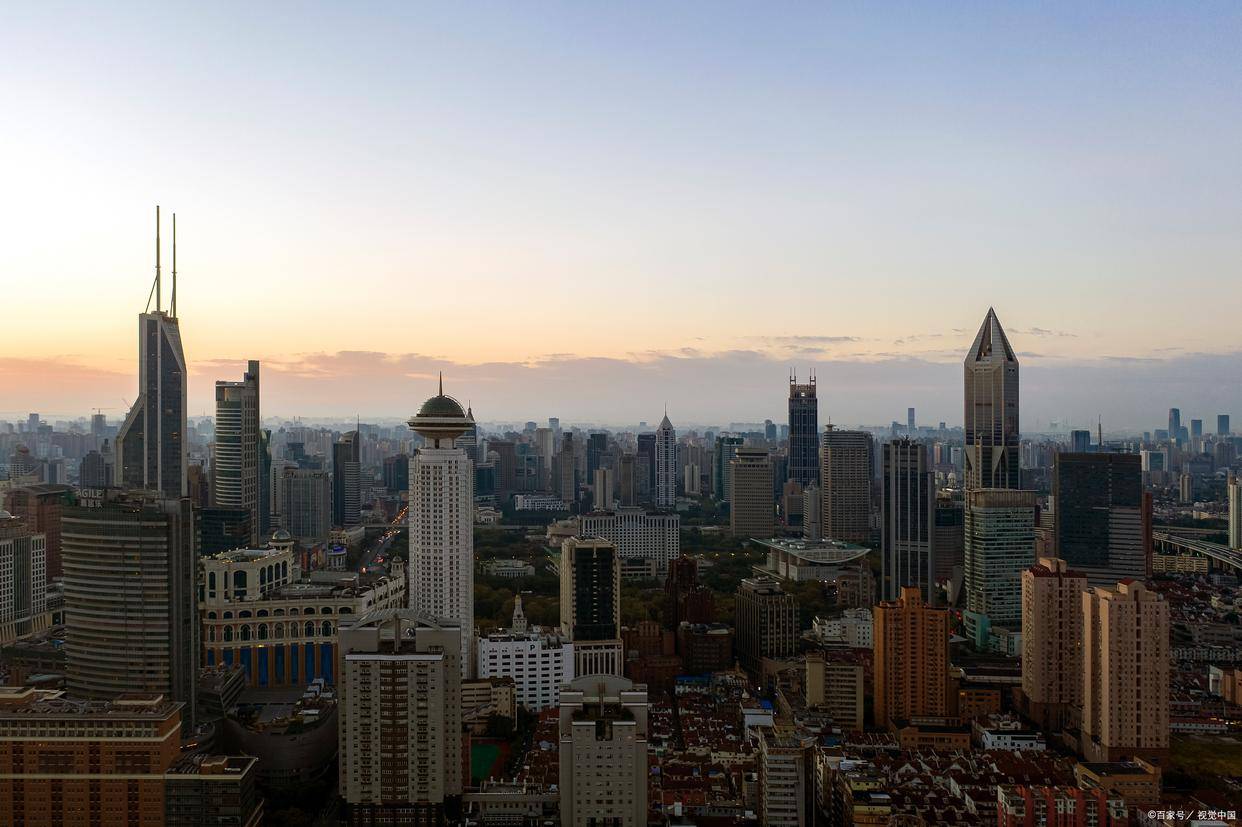
房价或将一文不值?楼市出现3大消息,马云、李嘉诚的预言要成真了?
Sou Hu Cai Jing· 2025-10-19 05:02
Core Insights - The Chinese real estate market is undergoing unprecedented adjustments, leading to concerns among buyers about the potential devaluation of properties [1][7] - Three significant changes are impacting the market: demographic shifts, changes in asset allocation among residents, and supply-side adjustments [1][5] Group 1: Demographic Changes - China's population has experienced negative growth for four consecutive years, with a natural growth rate of -3.16‰ in 2024, and the proportion of the population aged 65 and above reaching 21.7% [1][3] - The decline in population directly correlates with reduced housing demand, particularly in third and fourth-tier cities, where prices have dropped by an average of 5.7% [3][5] Group 2: Changes in Asset Allocation - The proportion of real estate in the asset allocation of individuals under 35 has decreased from 65% in 2020 to 43% in 2025, indicating a shift towards financial and overseas assets [4][5] - A survey revealed that only 37% of young people consider buying a house their primary financial goal, a drop of 28 percentage points since 2015 [4][5] Group 3: Supply-Side Adjustments - The inventory of commercial housing remains high, with a de-stocking cycle of 25 months, significantly above the healthy range of 12-18 months [5][7] - The land market is cooling, with a 23.7% year-on-year decline in land transfer fees across 300 cities in the first half of 2025, leading to increased financial strain on developers [5][7] Group 4: Market Sentiment and Future Outlook - Some individuals express pessimism about the future of housing prices, with extreme views suggesting properties could become worthless [7][8] - However, it is argued that while housing may not be a guaranteed investment, it will retain value as a necessity for living, with a more rational and differentiated market expected in the future [8][11] - A significant 72% of respondents in a recent survey no longer view housing as the primary investment choice, focusing instead on its residential function and convenience [8][10]
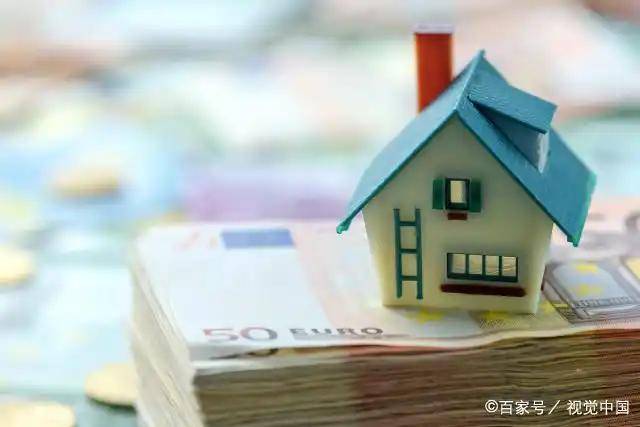
未来3-5年,我国房价还会暴跌吗?不妨来看看楼市这三方的态度
Sou Hu Cai Jing· 2025-10-18 02:44
Core Viewpoint - The future of housing prices in China over the next 3-5 years is expected to show moderate adjustments rather than significant declines, influenced by the attitudes of the government, developers, and homebuyers [1][12]. Government Attitude - The government has clearly defined its stance on the real estate market, emphasizing that housing is for living, not speculation, aiming to prevent both sharp price increases and decreases [1][3]. - In the first half of 2025, 85% of 300 cities implemented policies to stabilize the housing market, including easing purchase restrictions and lowering down payment ratios [3][4]. - The government's approach is focused on stability, indicating that the likelihood of a drastic drop in housing prices in the next few years is low [3][6]. Developer Attitude - Developers are experiencing a gradual recovery, with a reported 5.2% year-on-year increase in national commercial housing sales area from January to May 2025, marking the first positive growth since 2022 [4][6]. - The average debt-to-asset ratio of the top 100 real estate companies decreased from 78% in 2023 to 72% in 2025, indicating improved financial health [4][7]. - Developers are shifting their strategies to prioritize profit and cash flow over aggressive sales, suggesting they are unlikely to engage in significant price cuts [6][8]. Homebuyer Attitude - The homebuyer sentiment index rose to 65.3 in the first half of 2025, an increase of 7.2 percentage points from the same period in 2024, indicating a growing willingness to purchase homes [6][8]. - The debt-to-income ratio for households decreased to 62.3% in the first quarter of 2025, down 3.5 percentage points from the end of 2023, reflecting reduced financial pressure and improving purchasing power [7][8]. - Homebuyers are increasingly focusing on the intrinsic value of housing for living rather than as an investment, which is expected to lead to a healthier pricing mechanism in the market [8][12]. Market Outlook - The housing market is anticipated to experience regional differentiation, with first-tier and strong second-tier cities likely to stabilize and recover, while third and fourth-tier cities may continue to face downward pressure [8][12]. - Price fluctuations are expected to be moderate, with annual changes likely to remain within 5% due to the government's stabilizing policies [8][12]. - Overall, the market is becoming more rational, with a shift away from speculative buying towards a focus on housing as a necessity [8][12].

对话朱民,房价走势透新向,为何会再次引发热议?
Sou Hu Cai Jing· 2025-10-13 18:42
Core Viewpoint - The discussion on real estate in China highlights a significant shift in market dynamics, emphasizing the need for a realistic understanding of the current situation rather than an optimistic outlook on property prices [1][3][7]. Group 1: Real Estate Market Dynamics - The demand for real estate is shrinking, and a return to value is inevitable, as acknowledged by industry experts [3][5]. - China's population has experienced negative growth for three consecutive years, with a decrease of 1.39 million by the end of 2024, and over 21% of the population is now over 60 years old [3][5]. - The peak demand for housing is expected to decline as the last cohort of the baby boom generation born in 1997 approaches 30 years of age [5]. - The imbalance between housing supply and demand is evident, with an average housing area of 43 square meters per person, while the per capita GDP is less than half of that in Europe [5][6]. - The urbanization rate is nearing 70%, limiting future growth potential, and the previous model of demand driven by rural migration is no longer sustainable [5][6]. - The high leverage ratio of over 70% among residents indicates a significant depletion of purchasing power [5]. Group 2: Policy Changes and Market Outlook - There is a fundamental shift in policy direction, with the government focusing on developing the rental market, allocating 2 trillion yuan to encourage local governments to convert existing housing into rental properties [6][13]. - The sentiment around housing prices stabilizing is challenged, with experts suggesting that if individuals cling to unrealistic expectations of skyrocketing prices, they will struggle to maintain confidence [7][11]. - Despite some short-term increases in transaction volumes in cities like Shanghai, the overall price pressure remains unresolved, with a 7.38% year-on-year decline in second-hand residential prices across 100 cities as of September 2025 [11][13]. - The policy focus since 2025 has been on "stopping the decline and stabilizing" the market, aiming to prevent systemic risks rather than inflating property prices [13]. - The ultimate goal is to allow individuals to choose renting over being forced to buy, thereby reducing the burden of housing costs on household expenditures and freeing up other consumption capabilities [13].

马云说的真准?2025下半年,手中有存款的人,或面临2大现实?
Sou Hu Cai Jing· 2025-10-13 01:20
Group 1 - The core viewpoint of the article highlights that the real estate market in China has entered a long-term adjustment phase, with prices declining significantly since 2022, aligning with Jack Ma's earlier prediction that housing prices would become very affordable [3][4][8] - As of September, the average price of second-hand residential properties in 100 cities was 13,381 yuan per square meter, reflecting a year-on-year decrease of 7.38%, marking 41 consecutive months of month-on-month price declines [3] - In many third and fourth-tier cities, housing prices have dropped to levels where a home can be purchased for tens of thousands to over a hundred thousand yuan, indicating a shift towards affordability [3][4] Group 2 - The article discusses the rising risks in the investment landscape, particularly as bank deposit rates have fallen from 3.05% to 1.55%, prompting individuals to withdraw savings for investment and entrepreneurship [4][6] - Despite various government policies aimed at stabilizing the real estate market, such as lowering mortgage rates and taxes, the article suggests that these measures may only temporarily slow down the price decline rather than reverse the overall downward trend [6][8] - The article warns that the probability of success in entrepreneurship is currently low due to factors such as intense competition, rising operational costs, and a shrinking consumer demand, which has led to a cautious approach to spending among consumers [10]