
房地产市场调整

Search documents
2025房企业绩透视:大浪淘沙见真金
中指研究院· 2026-01-11 01:33
Investment Rating - The report does not explicitly provide an investment rating for the real estate industry but indicates a cautious outlook due to ongoing adjustments in the market [3]. Core Insights - The Chinese real estate market is still in a state of adjustment as of 2025, with 53 companies consistently ranking in the TOP100 for five consecutive years, showcasing strong operational capabilities and sustainable development potential [3][15]. - The report highlights that 30 companies have ranked in both sales and land acquisition TOP100 over the past two years, indicating their active role in the market [3][21]. - The report emphasizes the importance of companies with strong governance, financing, and investment capabilities, particularly those focusing on local markets and adapting to policy changes [3][18]. Summary by Sections Sales Performance - The report lists the top 10 companies by sales revenue for 2025, with Poly Developments leading at 253 billion, followed closely by Greentown China and China Overseas Land & Investment [4][10]. - The top 10 companies by sales area are also detailed, with Poly Developments again at the forefront, indicating a strong market presence [4][10]. Company Categories - Companies are categorized based on their sales performance and operational stability, with a distinction made between those exceeding 100 billion in sales and those below, highlighting the resilience of certain firms during market adjustments [15][18]. - The report identifies a group of state-owned enterprises and mixed-ownership companies that have maintained stable sales and investment levels, showcasing their adaptability in the current market [15][22]. Market Trends - The report anticipates that the average annual sales area for new residential properties will remain between 700-800 million square meters, with increasing urban differentiation [23]. - It suggests that the market is expected to stabilize after significant price corrections and supply-demand adjustments, with a gradual recovery anticipated in the latter half of the "14th Five-Year Plan" period [23]. Future Outlook - The report concludes that the real estate sector is likely to see a shift towards high-quality development, with companies demonstrating operational resilience becoming key players in supporting the industry's stability [23].




注意,建议大家做好潮水退去后的准备?房地产或将出现3个趋势
Sou Hu Cai Jing· 2026-01-10 05:13
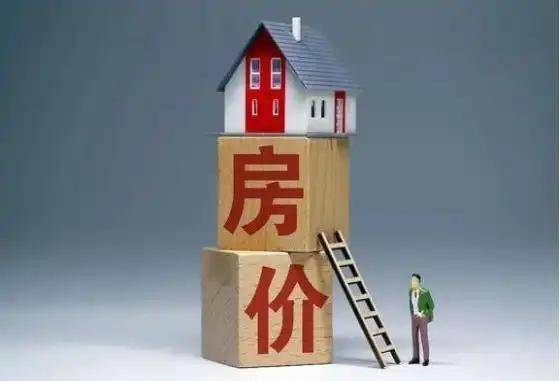
我有个朋友最近特别纠结,在他的家乡三线城市买了套房子,花了一大笔钱。现在他突然听说,房子可 能会继续下跌。他坐立不安,每天都在看房价走势。他问我,是不是买错了。还有一个亲戚,一直在一 线城市的周边地区看房,原来想赶上"最后的涨幅",现在也在犹豫。他们的故事,其实代表了很多人现 在的处境。房地产市场发生了变化,这个变化很大,而且似乎是不可逆转的。有人用了一个很贴切的比 喻,叫做"潮水退去"。意思是,那个让房价不断上升的环境已经结束了。现在我们要面对的,是一个全 新的房地产市场。 房地产市场曾经是什么样的。过去的20多年里,房价就像一列不停向上的列车。不管是一线城市、二线 城市,还是三四线城市,房价几乎都在上升。有人说,买房就像买彩票一样,只要买进去,就等着升 值。很多人因为这个信念,不管有没有需要,都去买房。有的人买了一套,又买第二套。房地产市场就 这样越来越热。 但这样的情况能永远持续下去吗。显然不能。人口老龄化在推进,年轻人口在减少。城市化也已经进行 了这么多年,能转移的农民工大部分都已经转移到了城市。房地产需求的增长动力在减弱。同时,高房 价也在抑制需求。年轻人要用这么多年的工资才能买一套房,很多人就放弃 ...

去年300城宅地卖出2.3万亿 大城市的“地王”一枝独秀
Di Yi Cai Jing· 2026-01-09 07:35
头部房企尤其是央国企,在市场调整期逆势入场。去年拿地金额百强房企中,TOP10房企的拿地金额占 比达50.5%,TOP20房企拿地金额占比高达62.7%,相较上年分别提高9.1、7.8个百分点,"面粉"资源正 加速向少数房企聚集。 高总价、高单价地块频出 土拍市场经历了"提质缩量"、点状高温的一年。 据中指研究院报告显示,2025年,300城各类用地出让金3.3万亿元,同比下降11.4%。其中,300城住宅 用地共成交6.2亿平方米,同比下降13.5%,降幅较2024年收窄9.2个百分点;300城住宅用地出让金2.3万 亿元,同比下降10.6%。 虽然整体规模有所下滑,但为了平衡住宅市场供求,各地纷纷推介稀缺"好地块"。 一个显见的数据是,2025年,300城推出的容积率在2.0以下的宅地占比达42.3%,较2024年提升7.7个百 分点,是近10年来的最高水平。这一变化背后,是各地为了响应好房子建设,加大了低容积率优质地块 的推出力度。 2025年的土地市场,两大关键词是规模缩量与点状高温。 中指研究院最新数据显示,2025年300城住宅用地成交规划建筑面积为6.2亿平方米,同比下降13.5%, 出让金2. ...
房子卖不动了?行内人建议:2026年开始,要学会过紧日子,很真实
Sou Hu Cai Jing· 2026-01-09 03:05
前段时间,一个在房地产行业工作多年的朋友找我聊天。他在这个行业做了差不多10年的销售,见过房市的起起伏伏。那天他坐在我面前,脸色看起来有点 沉重。他说,今年他的日子过得有点难,卖房的人越来越多,但买房的人越来越少。每个月的销售业绩远不如往年,奖金自然也就少了。他说,看起来房市 确实变了,而且这个变化可能不是短期的波动,而是一个更长期的趋势。他甚至说,从行业的角度来看,2026年以后,所有的人都要学会过紧日子。这个说 法让我有点吃惊,也让我开始思考现在的房市到底发生了什么。 房市这些年的变化确实很大。回顾一下过去的十年,房价从一路上升变成了现在的停滞甚至下降。很多人在过去的几年里为了买房而拼尽全力,贷款买房、 用尽积蓄付首付、向亲戚朋友借钱。那时候,人们普遍认为房子是最保值的资产,房价只会往上涨,不会往下跌。但现在,这个观念正在被打破。 这个朋友给我分析了为什么房子现在卖不动了。他说,最主要的原因是供应过剩。这些年来,全国各地都在大量建造房子,特别是在三四线城市和一些二线 城市。这导致了整个市场上房子的数量大幅增加。供应增加了,需求却在减少。原因有很多,其中一个很重要的原因是人口结构在变化。年轻人的数量在减 少 ...
楼市“心酸事”已经显现,有人开始“弃房断供”了,4大原因很现实
Sou Hu Cai Jing· 2026-01-07 05:47
第二个原因是生活压力的增加。房贷本身就是一笔巨大的开支。在房价高位的时候,很多人咬牙买了房。那个时候可能还能接受,因为他们对未来充满期 待,觉得收入会一直增长,还贷压力会越来越小。但现在情况不一样了。经济增长放缓了,有的人收入停滞了,有的人甚至失业了。有的人面临了行业调 整,原来的高薪工作没有了。还有的人年纪大了,竞争力下降了,找工作变得越来越难。在这样的背景下,每个月的房贷成了压在头顶的一块石头。很多人 不是不想还,而是真的还不起。家里老人生病需要钱,孩子上学需要钱,自己的生活也需要钱。房贷和这些生活开支之间的矛盾越来越大。我们见过太多这 样的案例,有人为了还房贷,连医疗都延后了,孩子的教育也缩水了。这种日子过得真的很压抑。 最近在朋友圈看到一条关于房产的讯息,一位在北方城市买房的朋友坦言,他考虑不再继续还房贷了。这句话说出来的时候,他的语气里充满了无奈。这不 是个案。我们身边越来越多的人开始面临一个现实的选择:继续为这套房子掏空钱包,还是果断放弃。这种现象在过去几年里逐渐浮出水面,被称为"弃房 断供"。听起来有点触目惊心,但仔细想想,这背后反映出的是当下房地产市场的真实困境和购房者的生存压力。 我们先不急 ...
机构:2025年核心城市二手房成交量维持稳定规模,改善需求成新房市场核心支撑
Xin Lang Cai Jing· 2026-01-03 10:00
Core Viewpoint - The real estate market in China is expected to continue its adjustment trend in 2025, with second-hand housing in core cities maintaining stability through "price for volume" strategies, while improvement demand becomes the main support for the new housing market [1] Group 1: Second-hand Housing Market - In 2025, the transaction volume of second-hand residential properties in 30 key cities is estimated to be around 1.74 million units, remaining stable year-on-year [1] - The first quarter of 2025 saw a 25% year-on-year increase in second-hand housing transactions, while the second quarter experienced a slowdown, with a 13% year-on-year growth in September [1] - The proportion of second-hand housing transactions in the total market reached approximately 65% in 2025, an increase of 4 percentage points from 2024 [2] Group 2: New Housing Market - Improvement housing demand is a significant support for the new housing market, with larger units (120-144 square meters) seeing an increase in transaction share across 30 representative cities [3] - The average clearing cycle for available inventory in 50 cities is 22.2 months, indicating a slow-moving market [3] - New housing prices in 100 cities have increased by 2.58% due to the entry of improvement-type properties, while second-hand housing prices have decreased by 8.36% cumulatively [3] Group 3: Policy Impact - A policy optimization announced in December 2025 in Beijing aims to stimulate the market by lowering purchase requirements for non-local families and supporting multi-child families [4] - Following the new policy, the average daily signing volume for new and second-hand homes in Beijing increased by 72.8% and 37.4% respectively compared to the previous period [4] - The Ministry of Finance and the State Administration of Taxation announced a new tax policy effective January 1, 2026, which will impact the sale of homes purchased less than two years ago [5] Group 4: Future Outlook - The report anticipates that policies will continue to be implemented in 2026 to stabilize the real estate market, focusing on demand stimulation and supply optimization [6] - The overall market is still in a "de-stocking" phase, with limited new housing supply in most cities, while core cities maintain a certain level of new supply [6]
机构:预计2026年新建商品房销售面积同比下降6.2%
Di Yi Cai Jing· 2026-01-02 02:09
(文章来源:第一财经) 中指研究院发布2026年中国房地产市场展望,其中提出,中性假设下,预计2026年新建商品房销售面积 同比下降6.2%,市场仍处调整阶段。当前住房需求特征已发生显著变化,改善性需求占比提升,其购 房决策更易受收入预期和市场信心影响。考虑到当前居民就业收入预期仍偏弱,短期销售规模仍面临一 定压力,市场分化态势或将延续,"好城市+好房子"具备结构性机会。综合来看,中性情形下,预计 2026年全国新建商品房销售面积同比下降6.2%。 ...
2025楼市前高后低,业内预计调整四年后已逐步企稳
Di Yi Cai Jing· 2026-01-01 06:00
Core Viewpoint - The real estate industry has shown signs of stabilization and recovery in 2025 after a prolonged adjustment period since the second half of 2021, with policies shifting from "support and relief" to boosting confidence and activating housing demand [1] Group 1: Market Performance - In 2025, the total sales area of commercial housing is expected to be approximately 890 million square meters, with a sales amount of 8.4 trillion yuan, reflecting a narrowing decline compared to the previous year [1] - The fourth quarter saw a quarter-on-quarter increase of 4% in new housing transaction area across 100 cities, with December experiencing a significant 18% increase [1][5] - The second-hand housing market has become a major battleground, with a total transaction area of approximately 214 million square meters in 30 key cities, surpassing new housing transactions by 1.85 times, marking a slight year-on-year increase of 0.2% [7] Group 2: Policy Changes - The main policy direction in 2025 focused on clearing restrictive measures and promoting housing demand, with over 560 policy measures introduced across more than 210 provinces and cities [2] - Key measures included optimizing public housing fund loans, increasing home purchase subsidies, and reducing housing transaction taxes to lower costs and stimulate demand [2] - Beijing's new policies further relaxed restrictions on home purchases and loans, setting a precedent for other cities to follow suit in removing unreasonable limitations [2] Group 3: Market Dynamics - The new housing market has seen a significant decline in overall transaction volume, dropping nearly 50% from the peak in 2021, with only ten companies achieving sales exceeding 100 billion yuan by the end of 2025 [6] - The demand for larger homes has increased, with over 30% of new home transactions in 2025 being for units larger than 120 square meters [5] - The second-hand housing market has shown a clear recovery trend, with major cities like Beijing and Shanghai seeing significant increases in high-value transactions [8] Group 4: Future Outlook - The real estate market is expected to enter a phase of "weak recovery, gradual balance, and deep differentiation" in 2026, with ongoing efforts to address structural inventory issues and stabilize market confidence [12] - The government is likely to continue implementing targeted policies to stimulate demand, particularly in areas such as urban village renovations and support for low-income homebuyers [11] - The overall housing demand in urban areas is projected to be around 4.98 billion square meters during the "14th Five-Year Plan" period, indicating potential for future growth in the real estate sector [11]
冬岁过半-暗香渐来-房地产行业2026年度投资策略
2025-12-29 01:04
冬岁过半,暗香渐来——房地产行业 2026 年度投资策略 20251228 摘要 2025 年房地产销售额大幅下降,预计全年销售量将回到 2007 年水平, 降幅约 53%,但政策出台后的市场反应至关重要,中国市场正逐渐进入 调整收敛阶段。 长期来看,中国新房市场仍具潜力,开发率可达 2%左右,但短期内存 在调整可能。预计 2025 年新房销售约为 7,2026 年将更接近长期中枢。 二手房市场占比持续提升,已达 45%,主要受新房风险及价格优势驱动。 全国二手房换手率约为 2.1%,一线城市接近 3%,但长期来看,换手率 可能面临人口结构老龄化带来的下行压力。 政策是房地产市场复苏的关键,在没有超常规政策出台前,市场可能继 续超跌。历史经验表明,政策出台后市场才能走出调整期,未来政策走 向至关重要。 预计 2026 年房地产市场仍面临压力,但存在结构性机会,如优质物业 和稳定现金流项目。应关注政策变化及细分领域投资,以实现稳健收益。 Q&A 当前房地产市场的周期位置如何?有哪些结构性亮点? 自 2021 年开始,房地产市场经历了接近五年的调整,相关指标明显下降。然 而,2025 年整体降幅有所收窄,并出现了 ...
内外兼修-2026年宏观经济与资本市场展望
2025-12-29 01:04
Summary of Key Points from Conference Call Records Industry Overview - **Global Manufacturing and Export Trends**: The global manufacturing sector is expected to show an upward trend in 2026, which will support China's exports. The U.S. inventory cycle is entering a replenishment phase, and the Federal Reserve is anticipated to cut interest rates, which will further boost global industrial production and, consequently, Chinese exports [4][24]. Core Insights and Arguments - **Impact of U.S. Tariffs**: China has gained significant experience in mitigating the negative impacts of U.S. tariffs, leading to a stable export growth despite tariff increases. Future tariff impacts are expected to diminish further [5]. - **Outbound Capacity Strategy**: The current strategy for outbound capacity focuses on "Belt and Road" countries, aiming to find new demand growth points rather than indiscriminate expansion. This approach is expected to enhance brand penetration and positively impact domestic capital goods and intermediate goods exports [6]. - **Real Estate Market Adjustments**: The real estate sector has undergone significant adjustments since 2021, with a negative contribution to fixed asset investment. However, the rate of decline is expected to narrow, although falling property prices and deteriorating household balance sheets may suppress consumer spending [7][8]. - **Durable Goods Subsidy Policy**: The effectiveness of the durable goods subsidy policy is likely to weaken, with recent data showing a negative contribution due to high base effects. Long-term demand may be overstretched, leading to diminishing returns from such policies [10]. - **Consumer Spending Dynamics**: The adjustment in the real estate market affects consumer spending through reduced income and wealth effects. Data indicates a decline in residents' willingness to repay loans and an increase in savings, reflecting a drop in consumer confidence [9]. Additional Important Insights - **Fiscal Policy Challenges**: Broad fiscal revenues are under pressure, with local government debt risks increasing. Central government borrowing is seen as a necessary measure to counteract economic downturns and facilitate fiscal reforms [14][18]. - **Future Economic Growth Targets**: The average GDP growth target before 2035 is set at approximately 4.17%. Short-term adjustments to growth targets for 2026 may occur to alleviate growth constraints [2][19]. - **Investment Focus Areas**: Future investments should prioritize industrial investments over physical assets, with a focus on early-stage technology projects. The central bank is expected to maintain a moderately accommodative monetary policy, potentially involving rate cuts [23][24]. - **Service Sector Growth Potential**: There is significant potential for growth in service sectors such as education, healthcare, and elder care, which are expected to become key drivers of domestic demand in the coming years [12][24]. Conclusion - The overall outlook for 2026 indicates a supportive environment for exports and service consumption, with a focus on fiscal and monetary policy adjustments to stimulate economic growth. The emphasis on strategic investments and service sector development will be crucial for sustaining economic momentum in the face of existing challenges.