城市分化

Search documents
人口下降,房价竟然大涨!
Sou Hu Cai Jing· 2026-02-10 11:10
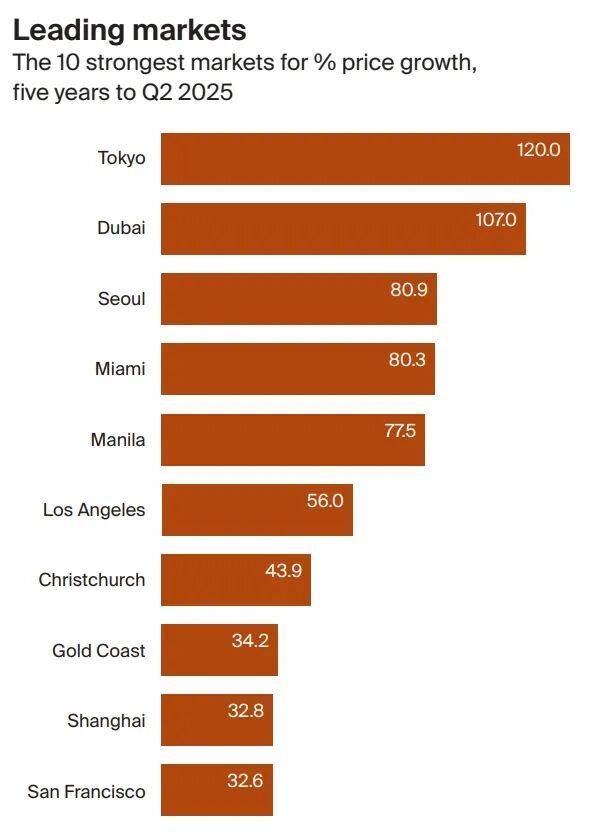
Core Viewpoint - The relationship between population decline and real estate prices is complex, as some cities with decreasing populations are experiencing significant increases in high-end property prices, contrary to traditional expectations [1][2][8]. Group 1: Population Trends and Real Estate Prices - In countries with negative population growth, such as Japan and South Korea, high-end residential markets are seeing record price increases, with Tokyo luxury home prices rising by 120% and Seoul by 80.9% over the past five years [5][8]. - Japan's population decreased by approximately 2.23 million from 2021 to 2025, yet the value of core assets in major cities has not depreciated but rather reached new highs [5][8]. Group 2: Urban Differentiation - There is a trend of urban differentiation where capital and population are increasingly concentrated in major cities, while smaller cities face decline. For instance, Tokyo's core area has seen a 20.4% increase in new home prices year-on-year, reaching an average of 130 million yen [9]. - Shenzhen is noted for its rising popularity, with significant increases in urban passenger volume, indicating a strong influx of young people due to its vibrant economy and job opportunities [12][13]. Group 3: Asset Cycles - Real estate assets exhibit cyclical behavior, with historical examples showing that markets can rebound significantly after downturns. For instance, Hong Kong's real estate market is recovering, with predictions of an 85% increase over the next six years [14]. - The high-end market remains resilient, with luxury property transactions in Hong Kong reaching their highest levels since 2021, indicating a potential shift in market cycles [14][15]. Group 4: Monetary Phenomenon - Real estate prices are influenced by monetary factors, with inflation playing a significant role. The value of properties often reflects the depreciation of currency rather than an intrinsic increase in value [15]. - In 2025, the number of new residential transactions in key cities decreased by 22%, while transactions above 10 million yuan showed only a slight decline of 2%, highlighting the strength of the high-end market [15][16]. Group 5: Future Outlook - The trend of population concentration in major urban centers is expected to continue, driven by better educational and employment opportunities. Relaxing residency restrictions in cities like Beijing and Shanghai could lead to significant population influxes [18]. - Investors are advised to focus on core cities and assets, as historical patterns suggest that these areas will provide better opportunities for wealth preservation and growth amidst broader demographic trends [18].

有人预测,如果不出意外,今明两年,房产有可能发生3大变化
Sou Hu Cai Jing· 2026-01-04 06:12
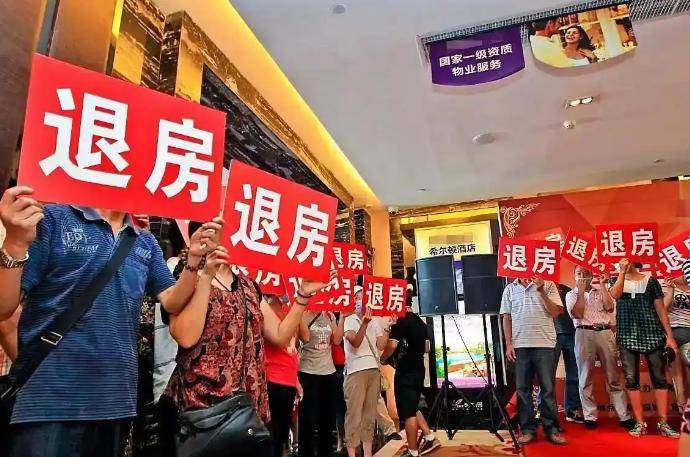
Core Viewpoint - The real estate market in China is undergoing significant changes, with a shift from new home sales to a focus on existing homes, a changing perception of renting versus buying, and increasing differentiation between cities and districts [3][45]. Group 1: Changes in Real Estate Market Dynamics - Change 1: New homes are losing prominence as the market shifts towards selling existing homes, with data indicating that the total housing stock in China is nearing 600 million units, and there are approximately 7.5 billion square meters of new homes for sale [5][7]. - The proportion of second-hand home transactions is increasing, with around 45% of total housing transactions being second-hand by late 2025, and in major cities, second-hand home sales have surpassed new home sales [9][11]. - The trend towards "现房销售" (selling existing homes) is gaining traction, with over one-third of total sales now being existing homes, indicating a shift in buyer preferences towards properties that are easier to sell or rent in the future [13][15]. Group 2: Changing Attitudes Towards Renting - Change 2: The perception that buying a home is essential is gradually changing, with the government promoting a "租购并举" (rent and purchase simultaneously) policy to make housing more accessible [17][19]. - Initiatives include large-scale construction of affordable rental housing, with cities like Chongqing and Wuhan setting ambitious targets for new rental units [20][22]. - Legal frameworks for housing rentals are being established, such as the implementation of the "Housing Rental Regulations" in September 2025, which aims to create a more regulated rental market [24][26]. Group 3: Differentiation Among Cities and Districts - Change 3: There is a growing divide in real estate performance between different cities and districts, with first-tier cities like Beijing and Shanghai seeing strong demand and price stability, while many third and fourth-tier cities face high inventory and low demand [31][33]. - The market is no longer characterized by uniform price increases; instead, properties in core locations with strong amenities are performing better, while less desirable areas struggle with sales [35][37]. - Buyers are now advised to be more strategic, focusing on population growth and economic support in their chosen locations, as poor decisions can lead to long-term financial burdens [39][41].

房价下跌已成定局?未来5年,全国一半的人可能将要直面这3大现实
Sou Hu Cai Jing· 2025-12-21 01:21
Core Viewpoint - The real estate market is experiencing significant changes, with declining property prices leading to challenges in property liquidity and increased mortgage burdens for homeowners [1][4][10]. Group 1: Property Market Dynamics - There is a noticeable decline in property transactions, with many sellers unwilling to lower their prices, resulting in a supply-demand imbalance [1][3]. - The phenomenon of property price differentiation is emerging, with some cities experiencing price drops while others remain stable or increase [1][7]. - The market is shifting towards a buyer's market, making it increasingly difficult for sellers to find buyers for their properties [3][4]. Group 2: Financial Implications for Homeowners - Homeowners may face challenges in liquidating their properties, impacting their financial planning and cash flow [3][4]. - The concept of "negative equity" is becoming prevalent, where the value of properties falls below the outstanding mortgage amounts, leading to financial strain [4][6]. - Rising mortgage burdens are exacerbated by the lag in mortgage rate adjustments compared to falling property prices, making loans relatively more expensive [4][6]. Group 3: Urban Differentiation and Its Effects - Urban differentiation is becoming more pronounced, with major cities attracting younger populations while smaller cities struggle with declining demand [7][8]. - The concentration of resources such as education and healthcare in larger cities further enhances their appeal, leading to a disparity in property values and investment opportunities [8][10]. - Homeowners in smaller cities may face significant risks of property devaluation, while those in larger cities may experience a decrease in purchasing power despite stable or high property prices [7][8]. Group 4: Future Outlook and Strategic Considerations - The next five years are expected to be a critical period for the real estate market, prompting individuals to reassess their financial and life strategies [10][11]. - Some may choose to focus on personal investment and skill development rather than relying solely on property appreciation for financial gain [11][12]. - A rational approach to property investment is essential, recognizing the risks involved and the potential for market fluctuations [11][12].
马云预言正在应验?明年的房价,3个真信号已悄悄出现
Sou Hu Cai Jing· 2025-11-05 05:14
Core Viewpoint - The current real estate market reflects a stark contrast between high-priced urban areas and low-priced regions, highlighting a significant divide in housing affordability and demand dynamics [1][3]. Population Structure - The primary demographic supporting the housing market, individuals aged 25-44, has decreased from 40.2% in 2010 to 31.8% currently, with a continued decline expected over the next decade [4]. - The population of the post-90s and post-00s generations is 120 million less than that of the post-80s generation, facing challenges such as slowing income growth and historically low marriage rates [4]. - The aging population, with over 310 million individuals aged 60 and above, exacerbates demand shrinkage, leading to increased housing supply due to vacant homes left by deceased elderly individuals [4]. Supply and Demand Imbalance - Over the past two decades, developers have constructed 600 million housing units, sufficient for 3 billion people, while China's population is only 1.4 billion, indicating a surplus of over 100% [6]. - The planned construction of 6 million affordable housing units by 2025 will further pressure the market for commercial housing [6]. - High inventory levels are evident, with 760 million square meters of unsold commercial housing in third and fourth-tier cities, leading to aggressive pricing strategies by developers [6]. Policy Shift - The government is shifting its focus towards affordable housing, planning to build 6 million units over five years, which will divert demand from the commercial housing market [8]. - Financial leverage is tightening, with first-time home loan rates dropping to a historical low of 3.05%, but lending standards becoming stricter, effectively closing off speculative avenues for investors [9]. - The introduction of a property tax trial is anticipated, which will increase holding costs and further diminish the investment appeal of real estate [9]. Urban Differentiation - The real estate market is experiencing irreversible differentiation, with core areas in first-tier cities like Shanghai and Shenzhen seeing slight price increases due to their scarcity and high demand [11]. - Conversely, non-core cities are facing significant price declines, with some areas experiencing a drop of up to 50% from peak values, primarily due to population outflows [11]. - This differentiation indicates a shift from the era of guaranteed profits in real estate to a more selective approach in choosing cities and locations for investment [11]. Conclusion - The debate surrounding the rationalization of housing prices raises questions about whether real estate can still symbolize wealth as it loses its financial attributes, prompting a potential shift towards viewing housing primarily as a necessity rather than an investment [13].
2025年是尽快卖房,还是咬牙买房?曹德旺给出了明确方向
Sou Hu Cai Jing· 2025-11-01 20:15
Core Insights - The current real estate market is experiencing fluctuations, leading to confusion among potential buyers and sellers regarding whether to sell or buy properties in 2025 [1][3] - Notable entrepreneur Cao Dewang emphasizes that housing should primarily serve as a residence rather than an investment, suggesting that families with genuine needs should consider purchasing homes if financially feasible [1][3] Market Overview - In 2024, the national sales area of commercial housing was 1.02 billion square meters, a year-on-year decrease of 8.7%, with sales amounting to 9.5 trillion yuan, down 12.3% [3] - In the first quarter of 2025, 42 out of 70 major cities saw new home prices decline, with an average drop of approximately 3.2% [3] - The market shows significant differentiation, with first-tier and strong second-tier cities maintaining stable prices, while third and fourth-tier cities experience larger declines, some exceeding 15% [3][6] Population Dynamics - Over 25 million people moved between cities in 2024, with about 65% relocating to first-tier and strong second-tier cities, driving housing demand in these areas [3] Future Predictions - The real estate market adjustment is expected to continue, but a sharp decline is not anticipated, with average price drops projected to remain under 5% in 2025 [6] - The differentiation among cities will become more pronounced, with first-tier cities likely to maintain stability while third and fourth-tier cities face ongoing downward pressure [6] Policy Environment - The policy landscape is expected to remain relatively loose, with measures aimed at stabilizing the market rather than stimulating investment demand [6] - Approximately 70% of homebuyers view the current policy environment as favorable for genuine housing needs [6] Recommendations for Buyers - For genuine homebuyers, if financial conditions allow (with a down payment not exceeding 50% of total assets and monthly payments under 40% of monthly income), 2025 may present a good opportunity to enter the market [6][8] - For investors holding properties in third or fourth-tier cities, it may be wise to consider divesting during stable market conditions to reallocate funds to other investment channels or properties in quality cities [8][10] Investment Considerations - The average return on real estate investment in 2024 was 2.1%, lower than the average return of 3.5% from bank financial products, indicating that real estate may no longer be the optimal investment choice [8] - Diversifying asset allocation is recommended, as real estate should not dominate a household's asset portfolio, which averaged 68% in China compared to 40% in developed countries [12] Conclusion - The real estate market in 2025 is in a state of adjustment but also presents opportunities for informed decision-making based on individual needs and financial situations [13]
2025年三季度中国房地产市场总结与趋势展望报告
Sou Hu Cai Jing· 2025-10-17 12:40
Core Insights - The report indicates that the recovery of China's real estate market is evident in core cities, but a differentiated pattern will continue to persist [1][7] - The overall market remains in a critical phase of "stabilizing after a decline," with ongoing policy support necessary for sustained recovery [1][7] Market Supply and Demand - From January to August 2025, the national sales area of commercial housing reached 570 million square meters, with a sales amount of 5.5 trillion yuan, showing a year-on-year decline that has narrowed compared to last year, although the decline has expanded since the second quarter [2][15] - Existing home sales have outperformed new homes, with existing home sales area reaching 200 million square meters, a year-on-year increase of 11.7%, reflecting a growing preference for delivery certainty among buyers [2][15] - In key cities, the transaction volume of new homes showed a slight year-on-year decline in the first three quarters, but a recovery was noted in September due to increased supply [2][16] Price Trends - New home prices in 100 cities increased by 1.54% from January to August, while second-hand home prices fell by 5.08%, indicating a divergence in price trends between new and second-hand homes [4][21][22] - The average price of new homes in August was 16,910 yuan per square meter, while the average price of second-hand homes was 13,481 yuan per square meter, marking a continuous decline for 40 months [4][21][22] Land Market Dynamics - The land market exhibited extreme differentiation, with residential land transfer fees in 300 cities increasing by approximately 13% year-on-year, while the area sold decreased by 8.5% [5][23] - Core cities are seeing a concentration of land acquisition, with the top 20 cities accounting for 61% of the national land transfer fees, reflecting a focus on high-quality land in major urban areas [5][25] Development Investment - From January to August 2025, national real estate development investment amounted to 6 trillion yuan, a year-on-year decrease of 12.9%, indicating ongoing pressure on the development side [6][14] Future Outlook - The market is expected to continue its differentiated pattern, with core cities benefiting from new quality land entering the market, while other cities will focus on inventory reduction [7][13] - Policy measures are anticipated to strengthen in the fourth quarter, with a focus on stabilizing the market and promoting reasonable housing demand [7][12]
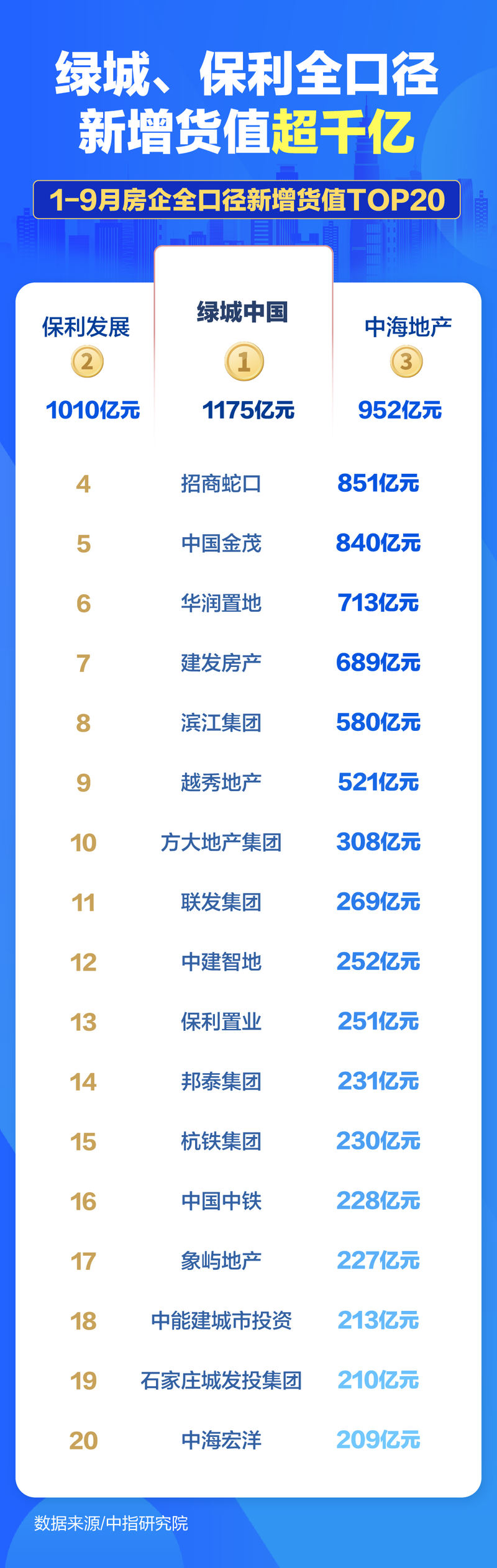
前三季度房企拿地上演“强者游戏” 绿城、保利领跑
Xin Jing Bao· 2025-10-11 02:56
Core Insights - In the first three quarters of 2023, China's real estate investment has shown new characteristics, with a significant year-on-year increase of 36.7% in land acquisition by the top 100 real estate companies [5] - The land acquisition is highly concentrated among leading state-owned enterprises, indicating an increasing industry concentration and a pronounced "Matthew effect" [5][9] - Mergers and acquisitions have become an important method for real estate companies to acquire quality land in core cities, despite a cautious overall investment attitude in the market [5][9] Land Acquisition Trends - From January to September, the total land acquisition amount by the top 100 real estate companies reached 727.8 billion yuan, with a year-on-year growth of 36.7%, an increase of 8.7 percentage points compared to the previous period [5] - In September, several companies made large-scale land acquisitions through mergers, further boosting the year-on-year growth rate [5] - Among the top ten companies by land acquisition amount, eight are state-owned enterprises, with notable performances from private companies like Binjiang Group and Bangtai Group [5][9] Market Concentration - The top ten and top twenty companies accounted for 56.2% and 68.6% of the total land acquisition amount, respectively, marking increases of 14.8 and 13.7 percentage points compared to the end of last year [5] - The leading companies in terms of new value added from land acquisition include Greentown China, Poly Development, and China Overseas Land & Investment, with respective amounts of 117.5 billion yuan, 101 billion yuan, and 95.2 billion yuan [5] High-Value Transactions - Mergers and acquisitions have led to record-breaking land transaction prices, with notable examples including a consortium led by China Resources Land acquiring projects in Shanghai for 24.47 billion yuan [8] - The transaction for the Shanghai Xuhui East An urban renewal project was conducted under a "debt acquisition" model, with a total transaction value of 43.95 billion yuan, setting a new record for residential land sales in China [8] Regional Market Dynamics - The land markets in cities like Beijing, Shanghai, Hangzhou, and Chengdu remain active, with high premium rates observed in land auctions [9] - In contrast, cities such as Qingdao, Nanjing, and Wuhan are experiencing a sluggish land market [9] - The top ten land transaction amounts in September were dominated by state-owned enterprises, with significant acquisitions in high-value areas [10] Investment Sentiment - Despite some signs of recovery in sales in certain cities, the overall investment sentiment remains cautious, with many companies having missed the opportunity to acquire land for this year's sales [10] - The land acquisition-to-sales ratio for the top 100 real estate companies was 0.31, indicating a cautious approach to investment, with only a few companies exceeding 10 billion yuan in land acquisition [10]
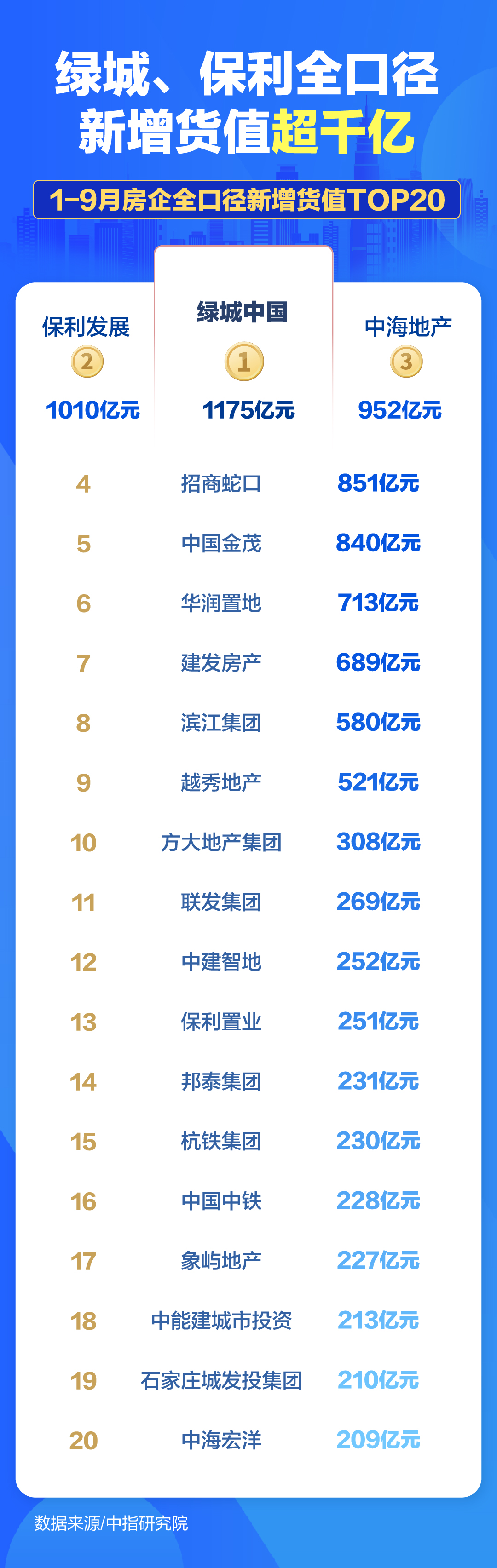
地产图谱|前三季度房企拿地上演“强者游戏” 绿城、保利领跑
Bei Ke Cai Jing· 2025-10-11 02:44
Core Insights - In the first three quarters of 2023, China's real estate investment has shown new characteristics, with a significant year-on-year increase of 36.7% in land acquisition by the top 100 real estate companies, amounting to 727.8 billion yuan [1][5] - The land acquisition is highly concentrated among state-owned enterprises, indicating an increasing industry concentration and a pronounced "Matthew Effect" [1][5] - Mergers and acquisitions have become an important method for real estate companies to acquire quality land in core cities, despite a cautious overall investment attitude in the market [1][9] Land Acquisition Trends - The top 10 companies in land acquisition include 8 state-owned enterprises, with notable performances from private companies like Binjiang Group and Bangtai Group [5] - The top three companies by new value added are Greentown China, Poly Development, and China Overseas Property, with respective values of 117.5 billion yuan, 101 billion yuan, and 95.2 billion yuan [5] - The market concentration has significantly increased, with the top 10 and top 20 companies accounting for 56.2% and 68.6% of land acquisition amounts, respectively, marking increases of 14.8 and 13.7 percentage points compared to the end of last year [5] Mergers and Acquisitions - Since the third quarter, several companies have engaged in large-scale acquisitions through joint ventures, focusing on high-value land in core urban areas [9] - Notable transactions include a consortium led by China Resources Land acquiring two projects in Shanghai for 24.47 billion yuan, and another consortium acquiring a city renewal project in Shanghai for 15.478 billion yuan, with a total transaction value of 43.95 billion yuan, setting a record for residential land sales in China [9] Market Dynamics - The investment focus remains on cities like Beijing, Shanghai, Hangzhou, and Chengdu, with high competition for premium land parcels [10] - In September, significant land sales in Beijing and Shanghai reached 7.2 billion yuan and 7.9 billion yuan, respectively, with all top transactions being led by state-owned enterprises [10] - Despite some recovery in sales in certain cities, the overall investment remains cautious, with many top companies not acquiring new land, indicating a continued trend of market differentiation [11]




专家再次预测中国房价走势,大概率又是对的,提前做好2个准备
Sou Hu Cai Jing· 2025-08-24 22:06
Core Viewpoint - The real estate market in China is experiencing significant price reductions, with new homes offering discounts and second-hand homes seeing price drops of up to 20% or more, leading to buyer hesitation and uncertainty about future price movements [2][4]. Market Predictions - Major institutions like CITIC, CITIC Securities, and Goldman Sachs predict a stabilization in the real estate market, with a clear divide between cities. First-tier cities are expected to stabilize by the end of 2025, while strong second-tier cities may take until 2026-2027, and third- and fourth-tier cities have yet to see a turning point [4][6]. - Goldman Sachs forecasts a further decline of 20%-25% in prices before a gradual recovery begins in 2027, supported by increased viewing and transaction volumes in response to policy changes [7]. Market Differentiation - There is a stark contrast between core areas of first-tier cities and suburban developments in third- and fourth-tier cities. For instance, the inventory pressure in Beijing's outer districts is high, leading to policy adjustments such as the lifting of purchase restrictions [8][10]. - Nationally, the inventory of commercial housing has reached 750 million square meters, with 70% concentrated in third- and fourth-tier cities, resulting in extended absorption periods of over 20 months, while core areas in first-tier cities have reduced absorption periods to 6-9 months [10]. Recommendations for Buyers - Buyers are advised to reassess the value of homes, shifting from viewing them as assets to considering them primarily as residences. The market is expected to stabilize, with limited appreciation potential outside of prime areas [10][12]. - It is recommended that first-time buyers focus on core areas and limit monthly mortgage payments to 30% of their income, while those holding multiple properties in less desirable areas should consider asset optimization and early divestment [12][14].