
智能网联新能源汽车

Search documents
工信部:加快突破全固态电池技术
DT新材料· 2026-01-15 16:05
Core Viewpoint - The development of new energy vehicles (NEVs) is a significant strategic decision by the central government, essential for building a modern industrial system in China. The industry has shown remarkable growth, with the market size increasing 3.6 times over the past year, and China becoming the world's largest automobile exporter [3]. Group 1: Industry Development - The meeting emphasized that 2026 marks the beginning of the "14th Five-Year Plan," presenting a crucial opportunity for the intelligent and connected NEV industry. A problem-oriented approach and enhanced collaboration are necessary for high-quality industry development [4]. - The industry has achieved significant milestones, including a 30% reduction in the cost of power batteries, a 40% increase in battery lifespan, and a more than threefold improvement in charging speed [3]. Group 2: Strategic Initiatives - The first initiative is to prepare a comprehensive plan that aligns with energy and infrastructure planning, setting clear development goals and key tasks to guide innovation in the industry [5]. - The second initiative focuses on enhancing the self-sufficiency of the supply chain, implementing a new round of high-quality development actions for key industries, and accelerating breakthroughs in technologies such as all-solid-state batteries and advanced autonomous driving [6]. - The third initiative aims to expand automobile consumption, promote vehicle trade-in programs, and deepen reforms in NEV insurance to stimulate diverse consumer potential [7]. - The fourth initiative is to standardize industry competition, strengthen cost investigations and price monitoring, and enhance quality checks to guide industry self-regulation [8]. - The fifth initiative involves strengthening international cooperation in trade, investment, and technology, promoting integrated development of domestic and foreign trade, and ensuring safe overseas expansion for enterprises [9].

新能源车ETF(159806)涨超2.5%,行业智能化进程加速
Mei Ri Jing Ji Xin Wen· 2026-01-15 04:02
Group 1 - The Shanghai Municipal Government has issued a three-year action plan (2026-2028) to support the transformation and upgrading of advanced manufacturing, focusing on the development of smart connected new energy vehicles [1] - Geely Auto Group has obtained a full L3 autonomous driving road test license in Hangzhou, while BAIC Blue Valley's L3 vehicles are officially on the road and plan to gradually open to individuals [1] - From 2024 to 2025, China is expected to achieve 18.3 million vehicle trade-ins, with nearly 60% being new energy vehicles, and the annual growth rate of scrapped vehicle recovery is projected to reach 45.8% [1] Group 2 - The New Energy Vehicle ETF (159806) tracks the CS New Energy Vehicle Index (399976), which selects listed companies involved in the lithium battery, charging pile, and new energy vehicle sectors to reflect the overall performance of related securities [1] - The CS New Energy Vehicle Index comprehensively covers the new energy vehicle industry chain, including key segments such as batteries, charging facilities, and vehicle manufacturing, with 50 representative securities selected as constituent stocks [1] - The index emphasizes sectors such as batteries, passenger vehicles, and energy metals, reflecting the overall development trend of the new energy vehicle industry [1]
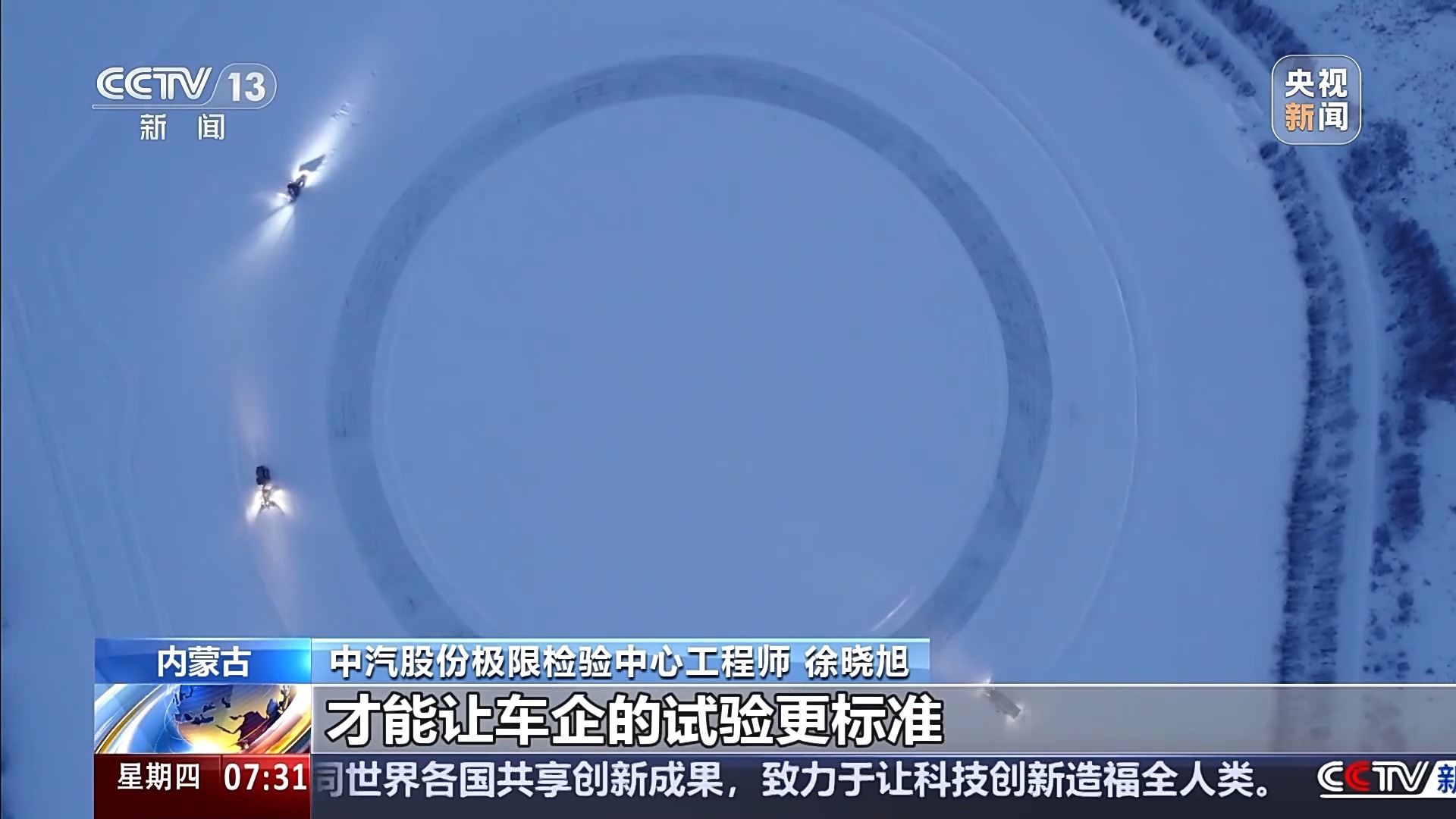
“十五五”开好局起好步丨冰面上的“热引擎” 新能源汽车高寒测试持续升温
Yang Shi Xin Wen· 2026-01-15 01:58
Core Viewpoint - The article highlights the increasing importance of cold weather testing for electric vehicles in China, particularly in Inner Mongolia, as the country aims to enhance the quality and sustainability of its new energy vehicle industry. Group 1: Industry Development - The "15th Five-Year Plan" will introduce a development plan for the intelligent connected new energy vehicle industry to promote high-quality and sustainable growth [1] - The cold weather testing has become a crucial step before new vehicle launches, with significant activity observed in Inner Mongolia [1][9] - The testing area has expanded to 1.7 million square meters this year due to the rising number of vehicles undergoing winter tests [5] Group 2: Testing Procedures and Innovations - The testing includes various performance evaluations such as low-temperature endurance, cabin heating, and charging/discharging capabilities [8] - New testing projects have been added to focus on the performance of new energy vehicles on icy roads, ensuring safety and stability [14][17] - The average annual growth rate of new energy vehicle testing at the China Automotive Technology and Research Center has exceeded 50% during the "14th Five-Year Plan" [11] Group 3: Economic Impact - The cold weather testing industry in Yakeshi has seen a market share increase from less than 10% to over 40% in the past five years, with stable annual revenue growth of 20% [29] - The local service industry has benefited significantly, with hotels often fully booked during the testing season, and the restaurant sector experiencing growth due to increased demand [31][33] - The testing activities have also led to the emergence of new tourism experiences related to ice and snow driving [35] Group 4: Future Prospects - The Yakeshi testing center plans to invest an additional 1.2 billion yuan to create a year-round ice and snow testing base for intelligent connected vehicles [13] - The region aims to continue leveraging its cold resources to drive economic growth while ensuring ecological protection [37] - The number of vehicles tested is expected to grow by approximately 40% in the 2025-2026 testing season compared to the previous season [38]

我国加快突破全固态电池、高级别自动驾驶等技术
Xin Hua She· 2026-01-15 00:33
Core Insights - The meeting of the inter-ministerial joint conference on the development of energy-saving and new energy vehicles for the year 2026 emphasized enhancing the self-controllable capabilities of the industrial supply chain and accelerating breakthroughs in technologies such as all-solid-state batteries and advanced autonomous driving [1] Group 1: Industry Development - During the "14th Five-Year Plan" period, China's new energy vehicle market size increased by 3.6 times, with the cost of power batteries per unit reduced by 30%, lifespan improved by 40%, and charging speed increased by over 3 times, further enhancing international competitive advantages [1] - The year 2026 marks the beginning of the "15th Five-Year Plan," presenting significant opportunities for the development of intelligent connected new energy vehicles, necessitating increased collaborative efforts and improved measures to promote high-quality industry development [1] Group 2: Strategic Initiatives - Key tasks for 2026 include the preparation of the development plan for the intelligent connected new energy vehicle industry, strengthening coordination with energy and infrastructure planning, and leading innovative industry development [1] - The implementation of a new round of high-quality development actions for key industrial chains will focus on the layout of iconic products, basic materials, and software tools [1] - Efforts will be made to expand automobile consumption, promote vehicle trade-in programs, scale up the application of new energy heavy trucks, deepen reforms in new energy vehicle insurance, and stimulate diverse consumer potential [1] Group 3: Regulatory and International Cooperation - The industry will focus on standardizing competitive order, strengthening cost investigations and price monitoring, enhancing supervision of product consistency and quality checks, and guiding industry self-regulation [2] - There will be an emphasis on strengthening international cooperation in trade, investment, and technology, guiding enterprises in reasonable, orderly, and safe overseas layouts, and promoting a new global industrial cooperation landscape [2]
加快突破全固态电池等技术 加强成本调查和价格监测多部门推动新能源汽车行业向新向优
Xin Lang Cai Jing· 2026-01-14 20:45
Core Viewpoint - The meetings held on January 13 and 14 focused on the development of the energy-saving and new energy vehicle industry, emphasizing innovation, supply chain autonomy, and competitive order regulation [1] Group 1: Industry Growth and Achievements - During the "14th Five-Year Plan" period, China's new energy vehicle market expanded by 3.6 times, with automotive exports ranking first globally [1] - The cost of power batteries decreased by 30%, battery lifespan increased by 40%, and charging speed improved by over three times, enhancing international competitive advantages [1] Group 2: Future Plans and Initiatives - The year 2026 marks the beginning of the "15th Five-Year Plan," presenting significant opportunities for the smart connected new energy vehicle industry, necessitating enhanced collaboration and improved measures for high-quality development [2] - Key tasks for 2026 include the preparation of the "15th Five-Year Plan for Smart Connected New Energy Vehicle Industry Development," aligning with energy and infrastructure planning, and setting clear development goals [2] - The focus will also be on enhancing supply chain autonomy, implementing a new round of high-quality development actions for key industries, and accelerating breakthroughs in technologies such as all-solid-state batteries and advanced autonomous driving [2] - Additional initiatives include expanding automotive consumption, promoting vehicle trade-in programs, scaling up the application of new energy heavy trucks, and deepening reforms in new energy vehicle insurance to stimulate diverse consumer potential [2]
工业和信息化部:加快突破全固态电池等技术
Qi Huo Ri Bao Wang· 2026-01-14 18:17
Core Viewpoint - The meeting of the inter-ministerial joint conference on the development of energy-saving and new energy vehicles highlighted the need to enhance the self-controllable capabilities of the supply chain and accelerate breakthroughs in technologies such as all-solid-state batteries and advanced autonomous driving [1] Group 1: Industry Growth and Achievements - During the "14th Five-Year Plan" period, China's new energy vehicle market size increased by 3.6 times, with the cost of power battery cells reduced by 30%, battery lifespan improved by 40%, and charging speed increased by over 3 times, enhancing international competitive advantages [1] Group 2: Future Plans and Initiatives - The year 2026 marks the beginning of the "15th Five-Year Plan," presenting significant opportunities for the development of intelligent connected new energy vehicles. The meeting called for increased collaboration and improved measures to promote high-quality industry development [1] - Key tasks for 2026 include the preparation of the development plan for the intelligent connected new energy vehicle industry, strengthening coordination with energy and infrastructure planning, and leading innovative industry development [1] - The meeting emphasized the implementation of a new round of high-quality development actions for key industrial chains, focusing on landmark products, basic materials, and software tools [1] - There is a push to expand automobile consumption, promote vehicle trade-in programs, scale up the application of new energy heavy trucks, deepen reforms in new energy vehicle insurance, and stimulate diverse consumer potential [1]
今日新闻丨本田更换logo!特斯拉FSD从终身买断调整为月租模式!工信部部署2026新能源汽车重点任务!
电动车公社· 2026-01-14 16:00
Group 1 - Tesla is shifting its Full Self-Driving (FSD) sales model from a one-time purchase to a monthly subscription starting February 14, with current buyout prices at $8,000 in the U.S. and 64,000 RMB in China [2][3] - The Chinese version of FSD is classified as Level 2 driver assistance, and a monthly fee of 400-600 RMB may be reasonable for users who prefer short-term use, potentially lowering costs compared to the one-time purchase [3] Group 2 - Honda has announced a new logo design, which will be used for its next generation of electric and hybrid vehicles, as well as all models launched from 2027 onwards [5][6] - The new logo, which removes the border and adopts a flatter visual style, has already been applied to the Honda P7 electric model and is set to become the new emblem for the brand [8] Group 3 - The Ministry of Industry and Information Technology (MIIT) has outlined key tasks for the development of the new energy vehicle industry in 2026, marking a critical opportunity for the smart connected vehicle sector [9] - The five key tasks include: developing a high-quality industry plan, enhancing supply chain autonomy, expanding automotive consumption, regulating market competition, and deepening international cooperation [10][12] - These initiatives aim to support cutting-edge technology development, promote vehicle consumption, and ensure a more competitive automotive market, ultimately benefiting consumers with higher quality products [12]



【快讯】每日快讯(2026年1月14日)
乘联分会· 2026-01-14 08:41
Domestic News - The Ministry of Industry and Information Technology (MIIT) aims to accelerate breakthroughs in all-solid-state batteries and advanced autonomous driving technologies by 2026, emphasizing the importance of high-quality development in the smart connected vehicle industry [3][4] - Shenzhen has successfully implemented the first-ever electric vehicle-to-grid (V2G) electricity settlement, allowing EV owners to earn approximately 15 yuan per discharge, marking a significant step in integrating EVs with the power grid [5] - Jiangsu Province is advancing the "vehicle-road-cloud integration" application trials for smart connected vehicles, focusing on the development of high-level autonomous driving systems and intelligent road infrastructure [6] - Guangzhou plans to add 120,000 new ordinary car license plate quotas for 2026, which will be allocated through a lottery system, enhancing vehicle access in the city [8] - BAIC Group and China Logistics Group have signed a strategic cooperation agreement to enhance logistics and supply chain efficiency, focusing on manufacturing logistics and digital transformation [9] - BAIC Arcfox has partnered with Kunlun Network to provide charging network services, offering discounts and exclusive benefits for users [10] - Changan Mazda's CX-6e model is set to launch in European, Australian, and New Zealand markets, furthering its electrification strategy [12] International News - Indian automotive companies are projected to see a 5% year-on-year sales growth in 2025, driven by tax incentives and increased market demand, with December 2025 wholesale sales surging by 26.8% [12] - Renault's high-end crossover model FILANTE is set to debut in the South Korean market in March 2026, with plans for expansion into South America and the Gulf region by early 2027 [13] - Kia has launched the new entry-level electric SUV EV2 and several high-performance electric models in Europe, expanding its electric vehicle lineup [14] - Sony Honda Mobility has unveiled its second electric vehicle prototype, AFEELA, at CES 2026, with plans for mass production aimed at a 2028 launch in the U.S. market [15] Commercial Vehicles - United Heavy-duty Trucks won two innovation awards at the Fourth China Commercial Vehicle Black Technology Competition, highlighting its advancements in electric and energy-saving technologies [16] - Beijing Heavy-duty Truck has launched its iDream hybrid truck, focusing on long-haul transportation needs [17] - Yutong's C11E electric bus successfully completed a 341 km challenge in harsh winter conditions, demonstrating the capabilities of Chinese electric buses [18] - BYD has maintained its position as the leading exporter of new energy buses for three consecutive years, with 4,234 units exported in 2025, reflecting an 18.2% year-on-year growth [19]

重庆智能网联新能源汽车向“新”追“智”逐“绿”
Zhong Guo Xin Wen Wang· 2026-01-14 06:46
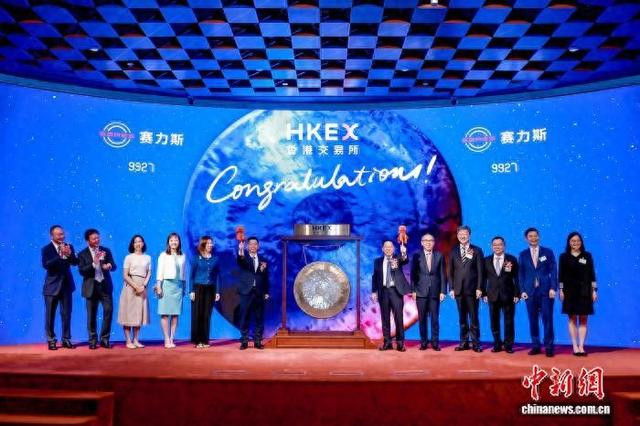
Core Insights - The Chongqing smart connected new energy vehicle market is gaining significant attention as companies report impressive sales figures for 2025, indicating a strong growth trajectory in the industry [1][2][3] Group 1: Company Performance - Changan Automobile reported a total sales volume of 2.913 million units in 2025, marking an 8.5% year-on-year increase, achieving the highest sales in nearly nine years [1] - Seres announced a total sales volume of 472,269 units for the year, reflecting a 10.63% year-on-year growth [1] - The AITO brand, under Seres, delivered over 420,000 vehicles in 2025, leading the high-end new energy vehicle market [1][3] Group 2: Technological Advancements - Changan has made significant technological strides with its self-developed "Golden Shield" battery and the industry’s first multi-in-one electric drive technology, which have entered mass production [4] - The company has also launched the "Tianshu Intelligent" brand, leveraging its technological advantages to enhance market competitiveness [4] - Seres is focusing on a "software-defined vehicle" approach, introducing several industry-leading technologies to strengthen its market position [4] Group 3: Global Expansion - Changan's overseas sales reached 637,000 units in 2025, up 18.9% year-on-year, with plans to establish 20 factories in countries like Brazil and Indonesia [6] - Seres successfully listed on the Hong Kong Stock Exchange, becoming the first luxury new energy vehicle company to achieve an "A+H" listing, facilitating global resource integration and technological collaboration [6] Group 4: Autonomous Driving Development - Chongqing has introduced L3-level autonomous driving vehicles, with Changan receiving the first official license plate for such vehicles in China [8][9] - The city’s complex geographical environment serves as a testing ground for autonomous driving technologies, enhancing their development and validation [10] Group 5: Industry Ecosystem - Chongqing has developed a robust automotive industry ecosystem, led by Changan, Seres, and Qianli Technology, with over a thousand supporting parts manufacturers [11] - The region has established a cluster advantage in software and system capabilities necessary for intelligent driving, with numerous digital workshops and smart factories [12] Group 6: Green Initiatives - In 2025, Chongqing produced nearly 1.3 million new energy vehicles, supported by intelligent manufacturing and carbon reduction initiatives [12] - Financial innovations, such as the establishment of a 1 billion yuan fund, are driving the green transformation of the new energy vehicle industry [14]


“十四五”时期我国新能源汽车市场规模增加3.6倍
Zhong Guo Qing Nian Bao· 2026-01-14 05:37
Core Insights - The Chinese new energy vehicle (NEV) market has expanded 3.6 times during the 14th Five-Year Plan period, with the country becoming the world's largest automobile exporter and achieving a 30% reduction in the cost of power batteries, a 40% increase in battery lifespan, and over a threefold improvement in charging speed [1] Group 1: Industry Development - The 2026 work meeting emphasized that 2026 marks the beginning of the 15th Five-Year Plan, presenting significant opportunities for the development of the intelligent connected NEV industry [1] - Key initiatives for 2026 include enhancing collaboration across various sectors, improving planning for energy and infrastructure, and boosting the self-sufficiency of the supply chain [1] - The meeting highlighted the need to expand automobile consumption, promote vehicle trade-in programs, and deepen reforms in NEV insurance [1] Group 2: Market Performance - According to the China Association of Automobile Manufacturers, in the first eleven months of 2025, China's automobile production and sales both exceeded 31 million units, with NEV production and sales reaching 14.9 million and 14.78 million units respectively, surpassing the total NEV production and sales for the entire year of 2024 [2] - NEV new car sales accounted for 47.5% of total new car sales in the country [2]
