
虚假宣传

Search documents
网红牙膏品牌再被罚,口腔护理行业为何虚假宣传乱象频出?
Guan Cha Zhe Wang· 2026-01-06 06:49
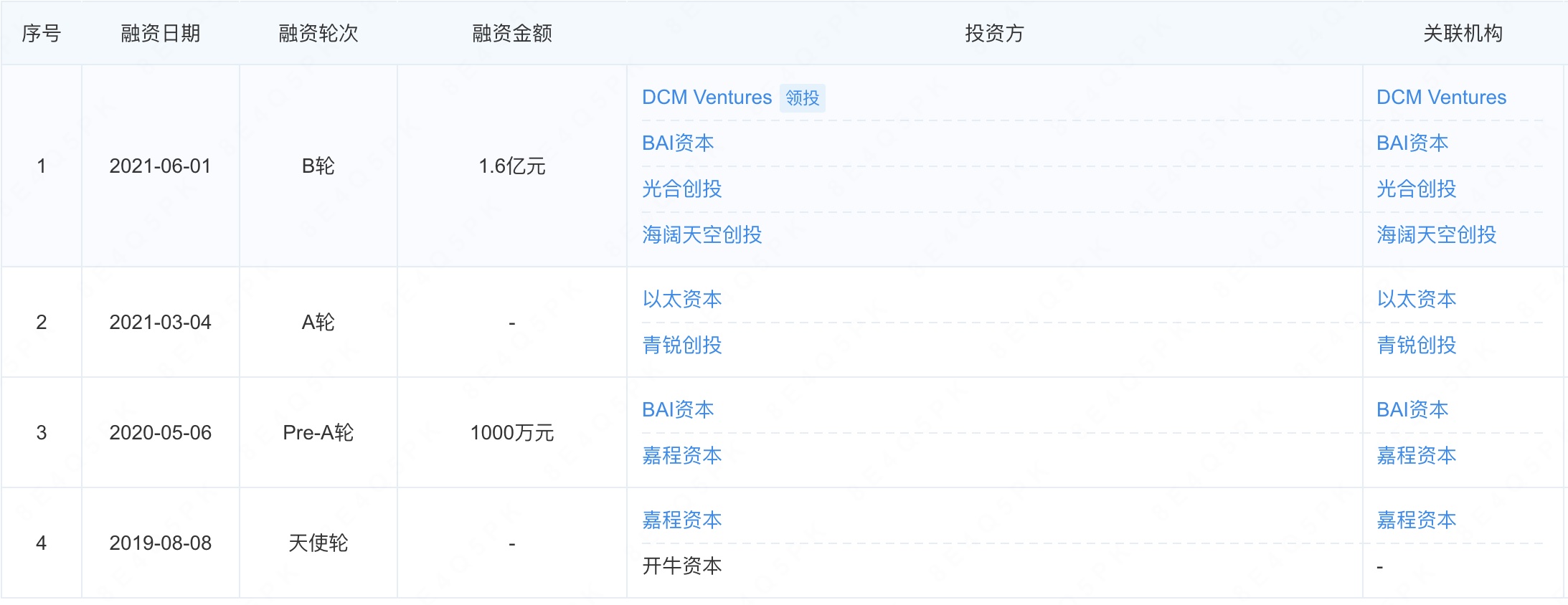
Group 1: Company Overview - BOP (波普) is a popular oral care brand founded in 2019, focusing on the "oral beauty" concept targeting young consumers aged 25 to 35, with product pricing between 40 to 50 yuan [3][4] - The brand has raised over 170 million yuan through four rounds of financing, with notable investors including DCM and Lightspeed China [3][4] - In the first half of 2025, BOP reported a tenfold increase in monthly sales and ranked first in the new oral care category on Tmall for three consecutive months [4] Group 2: Regulatory Issues - BOP has faced multiple fines for false advertising, including a 20,000 yuan penalty in August 2024 for claims such as "clinically proven effective by top hospitals" and "expert certification" that were misleading [5][7] - Recently, BOP was fined 48,000 yuan for using the phrase "recommended by People's Daily" in a misleading manner during a live stream, which blurred the lines between commercial cooperation and official endorsement [6][7] - The regulatory environment for toothpaste has tightened, with the implementation of the "Toothpaste Supervision and Management Measures" in late 2023, which requires toothpaste to be registered and limits claims to eight specific categories [2][15] Group 3: Industry Trends - The oral care industry has seen a rise in misleading marketing practices, with brands like Jun Xiaobai and Cold Acid Spirit also facing scrutiny for exaggerated claims about their products [8][10] - The low entry barriers and minimal R&D investment in the oral care sector have led to many brands resorting to exaggerated marketing tactics to compete in the online and live-streaming sales environment [14][15] - The recent regulatory changes are expected to pressure brands that rely on exaggerated claims, leading to a potential reshuffling in the industry as compliance costs rise [15]

曝商家冒充骑手要好评现象
Xin Lang Cai Jing· 2026-01-06 05:04
Core Viewpoint - The article highlights the issue of merchants impersonating delivery riders to solicit positive reviews from customers, which raises concerns about consumer privacy and the integrity of feedback systems in the food delivery industry [1] Group 1: Incident Description - Customers have reported receiving calls from individuals claiming to be delivery riders asking for positive reviews in exchange for monetary rewards [1] - Many consumers have encountered this tactic, which includes both phone calls and text messages, leading to feelings of frustration and concerns about personal information security [1] Group 2: Industry Response - Multiple food delivery platforms have confirmed that such practices are explicitly prohibited and that they will impose penalties on merchants found engaging in this behavior [1] - Legal experts have indicated that this deceptive practice violates laws such as the Anti-Unfair Competition Law and the Consumer Rights Protection Law, potentially leading to fines or revocation of business licenses [1]
售后服务和虚假宣传是“重灾区”
Xin Lang Cai Jing· 2026-01-04 21:06
Core Insights - In 2025, the Tianjin Consumer Association received a total of 8,445 consumer complaints, recovering over 7.7 million yuan in direct economic losses for consumers [1] Group 1: Complaint Categories - The highest proportion of complaints was related to after-sales service issues, accounting for 26.09% of total complaints [1] - The second most common complaint category was false advertising, which made up 21.34% of the total complaints [1] - Product-related complaints totaled 2,603, representing 30.82% of all complaints, with the highest proportion in the transportation category [1] - Service-related complaints amounted to 5,230, making up 61.93% of total complaints, with the education and training service category having the highest share [1] Group 2: After-Sales Service Issues - Complaints regarding after-sales service primarily involved businesses failing to fulfill the obligation of a 7-day no-reason return policy and delaying repairs beyond agreed timelines [2] - A case highlighted involved a consumer whose bathroom renovation service provider refused to repair a leak during the warranty period, leading to intervention by the local consumer association [2] Group 3: False Advertising Issues - Complaints about false advertising included instances where consumers received products that did not match online descriptions or were misled into making purchases [3] - A notable case involved a consumer who received a poorly made musical instrument that did not match its online presentation, resulting in a resolution through mediation [3] Group 4: Transportation Complaints - Complaints in the transportation category focused on issues such as defects or quality problems with electric bicycles, delayed after-sales service, and discrepancies in promised vehicle features [4] - A specific case involved a consumer who faced issues with a used electric vehicle purchase, requiring mediation to resolve a violation that prevented vehicle registration [4] Group 5: Education and Training Complaints - Complaints in the education and training sector were mainly about non-refund policies after course registration and discrepancies in service quality compared to promises made [5] - A case involved a consumer seeking a refund after a teacher left mid-course, leading to a negotiated settlement for a partial refund [5] Group 6: Prepaid Consumption Complaints - Complaints regarding prepaid consumption were concentrated in areas such as restaurants, fitness, and beauty services, with issues including businesses closing without notice and lack of written contracts [6] - A case highlighted involved a consumer who was denied the use of a prepaid card after a business transfer, but mediation allowed her to continue using the card without additional fees [6]
凡圣系统被指或涉传销 康尔生物未回应与经销团队关系
Zhong Guo Jing Ji Wang· 2025-12-25 06:42
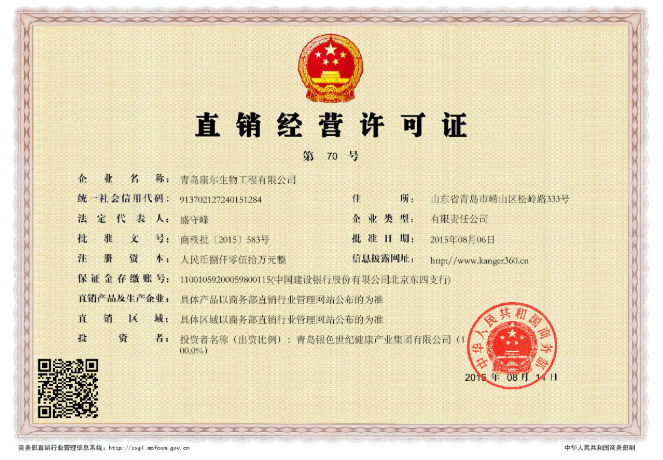
Group 1 - The article discusses a sharing event in Nanchang where a product called "Yongchun Jian" from Kang'er Biological Engineering Co., Ltd. was promoted through a multi-level marketing (MLM) system known as "Fansheng System" [1] - The Fansheng System allows members to earn a minimum of 10% commission from the purchases made by their downline for the first three generations, with commissions varying for subsequent generations, reaching up to 12 levels [1] - The company, Kang'er Biological Engineering, has a direct selling license but has not clarified its relationship with the Fansheng System, while regulatory authorities have initiated an investigation for unlicensed operations and false advertising [1] Group 2 - Kang'er Biological Engineering Co., Ltd. was established in 2000 in Qingdao, Shandong Province, with a registered and paid-in capital of 83 million RMB [2] - The company received its direct selling license on August 6, 2015, and operates through three branches and 30 service outlets, offering 10 types of direct selling products [2] - The direct selling license information does not include any institutions related to "Fansheng," nor does it list "Yongchun Jian" as one of its products [2]
辛选假原切牛排案处罚落地 生产厂家被罚没25万元
Zhong Guo Jing Ji Wang· 2025-12-25 02:54
Core Viewpoint - The administrative penalty against Shandong Zhuoyue Food Co., Ltd. reveals significant discrepancies in the sales data of "Egg" (Yang Runxin), a key influencer under Xin Xuan Group, suggesting potential inflation of GMV (Gross Merchandise Volume) figures in their livestream sales [1][2]. Group 1: Administrative Penalty Details - On December 5, the Shandong Caoxian Market Supervision Administration imposed a fine of 250,000 RMB on Shandong Zhuoyue Food Co., Ltd. for misleading advertising, specifically for selling processed beef as "original cut" beef [1][4]. - The actual value of the illegal goods was determined to be approximately 789,446 RMB, with illegal gains amounting to 54,638 RMB [3][4]. - The penalty included the confiscation of 1,800 product labels and 27 samples of the "Static Marinated Fillet Steak" [4]. Group 2: Company Background - Shandong Zhuoyue Food Co., Ltd. was established in 2021 and is located in Heze City, Shandong Province, primarily engaged in the food manufacturing industry [5]. - The company has a registered capital of 10 million RMB, which is also its paid-in capital [5]. Group 3: Implications for Xin Xuan Group - The investigation revealed that Xin Xuan Group is not only a sales entity but also has deep financial ties with the involved production company, creating a "self-production and self-marketing" closed loop [1]. - The pricing strategy in the livestream sales, which sold beef at around 40 RMB per kilogram, raised concerns about profit margins being squeezed through illegal practices such as adding water-retaining agents [1].
73岁奶奶学配音被夸尖子生损失2万记者卧底调查免费学配音诈骗
Xin Lang Cai Jing· 2025-12-24 13:42
Group 1 - A 73-year-old woman was lured by an advertisement promising free voice-over training, leading her to spend a total of 21,680 yuan on courses and equipment [1] - The woman was praised as a "top student" by the instructor, despite only earning 100 yuan from assigned tasks and failing to secure any successful contracts on her own [1] - The instructor employed tactics such as constant communication and emotional support, while promoting advanced courses at discounted rates before the initial course ended [1] Group 2 - Similar tactics were observed in editing courses, where high-income claims were used to entice younger individuals to enroll [1] - Legal experts indicated that such practices may involve false advertising and advised consumers to retain evidence for potential claims [1] - The woman successfully obtained a refund of over 9,000 yuan for the courses she did not attend [1]
细思极恐!女大学生打开手机惊了:“图中的人根本不是我!”受害者还有很多……
Huan Qiu Wang· 2025-12-24 10:34
Core Viewpoint - The incident highlights the risks associated with allowing strangers to handle personal devices, leading to unauthorized access and manipulation of social media accounts, resulting in the spread of false information and potential reputational damage for consumers [1][2][3] Group 1: Incident Overview - Two university students in Shanghai were manipulated by a hairdresser into allowing him to use their phones to post fake reviews and comments on social media [1][2] - The hairdresser, Moli, requested the students to help him complete a "platform task" by making a large purchase, which was later revealed to be a fraudulent scheme [9][11] - The students discovered unauthorized posts and comments on their social media accounts, including fake reviews for a different salon, Umi Salon, which was linked to the same staff as the original salon [11][13] Group 2: Industry Implications - The incident reflects a broader issue within the hairdressing and beauty industry, where businesses may resort to unethical practices such as soliciting fake reviews to enhance their reputation [22][24] - Legal experts indicate that the practice of soliciting positive reviews can lead to unfair competition and misrepresentation, undermining consumer trust and market integrity [23][24] - The case has prompted regulatory attention, with local market supervision authorities getting involved to address the unethical practices in the industry [22][23]
“液体口罩”不值得追捧
Xin Lang Cai Jing· 2025-12-22 23:27
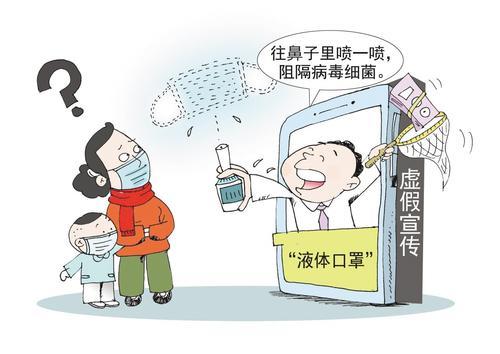
Core Viewpoint - The "liquid mask," a nasal spray product, is gaining popularity on e-commerce platforms, but its effectiveness in preventing viruses is questionable, and it may mislead consumers into neglecting proper protective measures [3][4]. Group 1: Product Description and Claims - The "liquid mask" is marketed as a nasal spray that creates a "physical barrier" and claims to block viruses with a "99.9% blocking rate" [3]. - Most of these products are classified as "daily necessities" rather than drugs or medical devices [3]. Group 2: Expert Opinion and Concerns - Dr. Zhang Dawei, a deputy chief physician at the Infectious Disease Department of the Fifth Medical Center of the PLA General Hospital, expresses skepticism about the virus-blocking effectiveness of the "liquid mask" [3]. - The product is accused of false advertising, which could lead consumers to waste money and potentially abandon scientifically proven protective measures [3].
谷掌柜下架多款产品,删除78处宣传内容
Xin Jing Bao· 2025-12-19 03:31
Core Viewpoint - The company "谷掌柜" has faced allegations of misleading advertising and false claims regarding its products, particularly the "骆驼奶片" (Camel Milk Tablets), which contain a low percentage of camel milk powder and primarily consist of whole milk powder [1][5]. Group 1: Product Misrepresentation - Consumers reported that the "骆驼奶片" contained only 2% camel milk powder, contrary to expectations based on its branding and marketing [1][2]. - The product's actual cost was estimated to be around 8 yuan per can, while it was sold for 89 yuan, indicating a markup of approximately 11 to 13 times the production cost [2]. - The company has acknowledged that the labeling and marketing of the product misled consumers regarding its primary ingredients [5]. Group 2: Regulatory Violations - The company has been found to violate food safety regulations by making health claims about its products, such as aiding in the treatment of high blood pressure and blood sugar levels, which are not permitted for ordinary food items [4][6]. - Legal experts have pointed out that such claims constitute false advertising and mislead consumers, violating both the Food Safety Law and the Advertising Law [4][6]. Group 3: Company Response and Remediation - In response to the allegations, the company has initiated a recall of the "骆驼奶片" and other similarly named products, and has committed to refunding consumers [5][7]. - The company has implemented a three-tier review process for marketing materials and has begun training its staff to ensure compliance with advertising regulations [7]. - As of the report date, the company has completed over 85% of refund requests and has removed 78 instances of misleading promotional content from its channels [7].
澎湃漫评|磷虾油里没磷脂,砸了谁的招牌
Xin Lang Cai Jing· 2025-12-17 11:43
Core Points - A product labeled as "Beijing Tongrentang 99% High Purity Antarctic Krill Oil" claimed a phospholipid content of 43%, but actual tests showed it to be 0, indicating potential false advertising and consumer rights violations [2] - The distributor of the product is Beijing Tongrentang (Sichuan) Health Pharmaceutical Co., Ltd., while the manufacturer is Anhui Hab Pharmaceutical Co., Ltd. Beijing Tongrentang Health Pharmaceutical Co., Ltd. stated that the product was unauthorized and will pursue legal action against the involved companies [2] - The relationship between the companies is complex, with Beijing Tongrentang Health Pharmaceutical Co., Ltd. holding a 51% stake in Beijing Tongrentang (Sichuan) Health Pharmaceutical Co., Ltd., raising questions about accountability and the potential damage to the Tongrentang brand [2] Company and Industry Summary - The incident highlights issues of brand integrity and consumer trust within the health product industry, particularly for established brands like Beijing Tongrentang [2] - The Shanghai Consumer Protection Committee's involvement indicates regulatory scrutiny and the potential for broader implications for the industry regarding product labeling and consumer rights [2] - The situation raises concerns about the responsibilities of parent companies in overseeing the actions of their subsidiaries, especially in the context of product quality and marketing claims [2]
