资产配置多元化

Search documents
全球私募巨头殷拓加码亚洲 押注中国早期投资和内需机遇
Zhi Tong Cai Jing· 2025-11-19 06:49
Core Insights - EQT is accelerating its expansion in Asia, viewing the region as a significant growth engine with attractive investment opportunities in private equity and infrastructure [1] - The company raised over $10 billion for its ninth Asian private equity fund, targeting a total size of $12.5 billion, and plans to invest approximately $930 million in South Korean software provider Douzone Bizon [1] - EQT's focus on Asia reflects a broader trend among competitors, with KKR indicating that half of its private capital returns to investors in 2025 will come from Asia [1] Group 1: Strategic Focus - EQT's Asian strategy emphasizes deep localization to capture "structural alpha opportunities" due to market inefficiencies compared to Western markets [2] - The company has 350 employees in Asia, highlighting the importance of local teams for project acquisition, talent recruitment, and investment exits [2] Group 2: Market Opportunities - Despite cautious attitudes from many global private equity investors towards China, EQT sees new opportunities in early-stage investments driven by innovation and growth potential [3] - The focus is on domestically driven enterprises rather than cross-border businesses, allowing better navigation of geopolitical tensions [3] - EQT's investment decisions are largely unaffected by currency cycles, contrasting with some private equity managers who cite high interest rates as a challenge [3] Group 3: Investment Philosophy - EQT emphasizes continuous investment in value creation rather than relying on interest rate cuts [4] - A recent acquisition of Nord Anglia Education, valued at $14.5 billion, exemplifies the company's strategy to generate returns despite high interest rates, with $10 billion returned to investors [4] - The company believes that holding quality assets in the right industries can create an all-weather investment strategy [4]
《拥抱金融健康》白皮书发布:持续提升金融素养 优化资产配置结构
Zheng Quan Shi Bao Wang· 2025-11-18 08:53
Core Insights - The white paper titled "Embracing Financial Health: Wealth Management Supporting the High-Quality Development Path and Practice of Inclusive Finance" was jointly released by China International Capital Corporation Wealth Management and the China University of Political Science and Law's China Inclusive Finance Research Institute, focusing on wealth management for residents and financial empowerment for small and medium-sized enterprises (SMEs) [1] Group 1: Resident Financial Health - The survey indicates that nearly 70% of respondents have a good level of financial health, but there are shortcomings in financial control, money management, future investment capabilities, and risk prevention [1] - Residents show a long-standing tendency to favor real estate over financial assets, with low participation in equity markets due to factors like insufficient financial knowledge, high investment costs, limited opportunities, and information asymmetry [2] - Behavioral biases among resident investors include excessive trading, short-term holding, chasing gains, familiarity bias, and concentrated asset allocation, which negatively impact investment returns and financial health [2] Group 2: SME Financial Health - The financial health of SMEs is crucial for the overall quality and sustainability of economic development, with many SMEs overly reliant on bank loans, leading to high financial leverage [3] - A significant portion of SME owners (31.4%) struggle to separate personal and business finances, with 28.4% facing challenges in achieving financial isolation [3] - Only 18.5% of SME owners report effectively managing personal and business finances separately, indicating a need for improved financial management practices [3] Group 3: Recommendations for Improvement - Recommendations include enhancing financial literacy and seeking professional support, optimizing asset allocation to share in economic growth, and improving financial management and financing structures for SMEs [4] - Residents are encouraged to participate in equity market investments within their risk tolerance and focus on long-term investments while avoiding frequent trading [4] - SMEs should establish comprehensive financial management and risk isolation systems to enhance financing capabilities and broaden financing channels [4]
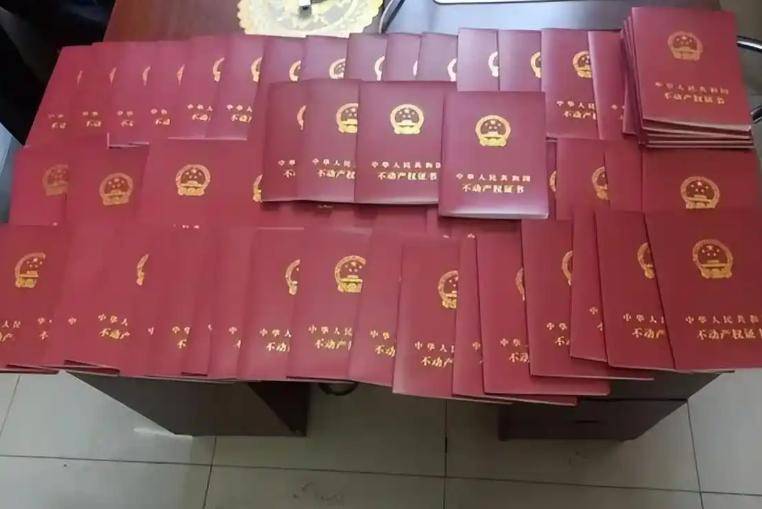
马云所言不假?名下房产数量越多的人,越可能面临这些问题?
Sou Hu Cai Jing· 2025-11-15 07:29
Core Viewpoint - The article discusses the challenges faced by individuals owning multiple properties in the changing Chinese real estate market, suggesting that the belief in real estate as a guaranteed wealth generator may no longer hold true [1][13]. Market Trends - The Chinese real estate market has seen significant changes, with a reported 8.3% year-on-year decline in national commercial housing sales area and a decrease in new residential price indices across first, second, and third-tier cities [1]. - Population structure changes are accelerating, with projections indicating that by 2030, over 20% of the population will be aged 65 and above, coupled with a declining birth rate of 7.5‰ in 2024, leading to a slowdown in housing demand [3]. Challenges for Property Owners - Holding costs are rising annually due to ongoing property tax reforms, with estimated annual property tax for a 3 million yuan home ranging from 3,000 to 6,000 yuan, which can become a significant burden for multiple property owners [3]. - Property management costs, including maintenance and insurance, are also increasing, with an average rise of 8.5% in property management fees reported for 2025 [3]. - Liquidity issues are evident as the average transaction cycle for residential properties has extended to 3.8 months, nearly double that of 2020, leading to difficulties in selling properties [4]. - The rental market is facing challenges with reduced demand and increased tenant expectations, complicating the management of rental properties for owners [5]. Investment Risks - The concentration of assets in real estate increases systemic risk, as properties often account for 60-70% of a typical family's total assets, making them vulnerable to market fluctuations [5]. - Regional disparities in urban development have led to depreciation risks, with over 50 cities experiencing a decline in second-hand housing prices by more than 15% compared to five years ago [8]. - The aging population poses additional challenges, as many will face reduced income post-retirement while still incurring ongoing property-related expenses [9]. Strategic Recommendations - Property owners are advised to adjust their asset allocation by diversifying investments into more liquid and stable income-generating assets, such as REITs or insurance products [10]. - Enhancing rental management efficiency through professional services can alleviate the burdens of property management [10]. - Optimizing property holdings by evaluating the profitability and costs associated with each property can lead to better asset quality [10]. - Planning for retirement and inheritance through financial products and clear estate planning can mitigate future disputes and financial strain [11].

马云预言应验?2025年开始手中有存款的人,或将要面临2大现
Sou Hu Cai Jing· 2025-11-12 05:55
Core Insights - The article emphasizes the challenges faced by individuals holding cash deposits in the future economic environment, particularly after 2025, highlighting the need for diversified asset allocation to mitigate risks associated with inflation and missed investment opportunities [1][6]. Group 1: Inflation and Cash Value Erosion - The purchasing power of cash is gradually diminishing as inflation rises when the rate of money issuance exceeds the growth of goods and services, leading to a decrease in the number of goods that can be purchased [3]. - Keeping funds in cash or fixed deposits often results in returns that fail to keep pace with inflation, eroding the wealth of depositors [3]. Group 2: Diversification Strategies - To counteract inflation, individuals should diversify their asset allocation rather than holding all funds in cash, considering investments in real estate, stocks, funds, and hard currencies like gold, which can provide value preservation and growth opportunities [4]. - Enhancing personal skills through education and training is also suggested as a fundamental way to increase income and combat inflation's effects [4]. Group 3: Opportunity Cost of Cash Holdings - A significant risk is the missed opportunities for wealth growth during economic transitions, where new industries and investment opportunities emerge; excessive cash holdings can lead to opportunity costs [6]. - As others invest in emerging industries or enhance their skills for higher returns, those holding cash may see their wealth stagnate or decline relatively [6]. Group 4: Financial Awareness and Planning - The article advocates for individuals with savings to assess their financial situation, set clear financial goals, and allocate funds across various asset classes to avoid concentration risk [7]. - It also advises caution regarding online predictions from so-called experts, emphasizing the importance of financial literacy and independent thinking to navigate future uncertainties [7].
减持美债后,我国大量购买美国大豆和黄金!剩下万亿美债会将全抛吗?
Sou Hu Cai Jing· 2025-11-10 17:50
Core Insights - China has significantly reduced its holdings of U.S. Treasury bonds, dropping to $856 billion as of July 2025, a decrease of approximately $112 billion or 11.6% year-over-year [1][3] - Concurrently, China has increased its imports of U.S. soybeans and gold, with soybean imports rising by 28.6% to 21.8 million tons and gold imports increasing by 36.2% to 707 tons in the first half of 2025 [1][3] Group 1: U.S. Treasury Bonds - China has been the largest holder of U.S. Treasury bonds, with holdings peaking over $1.3 trillion around 2013, but has seen a gradual decline of about 35% since then [3][4] - The reduction in U.S. Treasury holdings began in 2018, with a total decrease of approximately $3.5 trillion from 2018 to 2024 [3][4] - The motivations for reducing U.S. Treasury holdings include the need for diversified asset allocation, managing risks associated with potential U.S. dollar depreciation, and seeking higher investment returns [4][8] Group 2: Soybean and Gold Imports - The increase in soybean imports is driven by domestic demand and price competitiveness, with a projected demand of 120 million tons against a domestic production of only 18 million tons [4][5] - The rise in gold imports reflects a strategic asset allocation adjustment, as gold serves as a hedge against inflation and geopolitical risks [7][8] - China's central bank has actively participated in gold purchases, adding approximately 105 tons in the first half of 2025, amidst a global trend of increasing gold demand [7][10] Group 3: Economic Implications - The adjustments in China's foreign exchange reserves, including the reduction of U.S. Treasury bonds and the increase in gold and soybean imports, align with a broader global trend of diversifying reserve currencies [10][11] - The gradual approach to reducing U.S. Treasury holdings suggests a focus on maintaining market stability and avoiding significant disruptions in the financial markets [8][10] - The overall strategy indicates a long-term perspective on asset allocation, emphasizing the importance of risk management and diversification in investment decisions [11][12]
理财子资产配置多元化:权益投资明显增加
2 1 Shi Ji Jing Ji Bao Dao· 2025-10-30 13:05
Core Insights - The banking wealth management sector has reached a new scale of over 32 trillion yuan, with fixed income still dominating the asset allocation, while equity investments remain minimal [1][2][3] Group 1: Market Trends - The total number of wealth management products in the market has increased to 43,900, a year-on-year growth of 10.01%, with a total scale of 32.13 trillion yuan, up 9.42% year-on-year [2] - Wealth management companies now account for 91.13% of the total market scale, indicating a significant shift from traditional banking institutions [2] - The growth in wealth management products is primarily driven by fixed income products, which contributed 1.68 trillion yuan, while mixed products saw an increase of 120 billion yuan [2][3] Group 2: Investment Strategies - There is a noticeable increase in equity investments among wealth management companies, with an overall increase of 300 billion yuan in equity assets this year [3][6] - The market environment has prompted wealth management firms to diversify their asset allocation strategies, including investments in gold, U.S. stocks, U.S. bonds, and technology innovation bond ETFs [6][7] - The proportion of cash and deposits in fixed income assets has risen by approximately 5 percentage points, reflecting a shift towards more liquid and lower-risk investments [4][6] Group 3: Challenges and Considerations - The transition to a multi-asset and multi-strategy investment approach presents challenges, including the complexity of asset selection and the need for a systematic investment strategy [7][8] - Wealth management firms face constraints from client preferences for lower-risk assets, which limits the potential for higher equity allocations [8] - The need for professional and systematic restructuring of investment teams is essential to adapt to the evolving market demands and achieve better investment outcomes [7][8]

恒月控股:进一步购入约0.6个单位的比特币 总代价约53.3万港元
Zhi Tong Cai Jing· 2025-10-28 14:41
Core Viewpoint - Hengyue Holdings (01723) announced the acquisition of approximately 0.6 units of Bitcoin for about HKD 533,000 (approximately USD 68,000) to support its prepaid Bitcoin card business strategy [1] Group 1: Bitcoin Acquisition - The company purchased Bitcoin in the open market, with the transaction settled immediately after the completion of each purchase order [1] - The funding for the Bitcoin acquisition was sourced from the company's available cash reserves [1] Group 2: Strategic Purpose - The acquisition aims to build Bitcoin inventory to facilitate the sales and recharge services of prepaid Bitcoin cards, ensuring stable liquidity and efficient settlement capabilities [1] - The company maintains a Bitcoin operational reserve to meet customer demands promptly and reduce fulfillment time [1] Group 3: Asset Management - The Bitcoin inventory is distinct from the company's treasury digital assets, which are part of the asset allocation strategy aimed at diversification and hedging against fiat currency depreciation [1] - The purchased Bitcoin inventory will be accounted for as operational inventory and managed through dedicated customer service controls, with separate disclosures in financial statements for operational inventory and treasury digital assets [1]
恒月控股(01723):进一步购入约0.6个单位的比特币 总代价约53.3万港元
智通财经网· 2025-10-28 14:26
Core Viewpoint - The company, Hengyue Holdings, has announced the purchase of approximately 0.6 units of Bitcoin for about HKD 533,000 (approximately USD 68,000) to support its prepaid Bitcoin card business strategy [1] Group 1: Bitcoin Purchase Details - The Bitcoin purchase will be settled immediately after the completion of each respective purchase order [1] - The funding for the Bitcoin purchase comes from the company's available cash reserves [1] - The purchase price is determined based on the market buy and sell prices of Bitcoin [1] Group 2: Strategic Purpose - The acquisition aims to build a Bitcoin inventory to facilitate the sales and recharge services of prepaid Bitcoin cards [1] - This initiative is intended to ensure stable liquidity, efficient settlement capabilities, and continuous service assurance for the prepaid Bitcoin card business [1] Group 3: Inventory Management - The Bitcoin inventory is distinct from the company's treasury digital assets, which are part of the asset allocation strategy for diversification and hedging against fiat currency depreciation [1] - The purchased Bitcoin inventory will be accounted for as operational inventory and managed through dedicated customer service control measures [1] - The company will separately disclose operational inventory and treasury digital assets in its financial statements [1]
家族财产纠纷刺痛高净值人群,传承大考下,香港家办或为优选
Di Yi Cai Jing· 2025-10-27 02:04
Core Insights - Offshore family trusts have become a topic of discussion, with many older entrepreneurs and founders being unaware or only partially aware of the implications for their estate planning [1][2] - Recent cases of wealthy individuals facing legal and tax disputes due to poorly structured offshore family trusts highlight the risks of relying solely on trusts for asset protection [1][2] - The importance of comprehensive family wealth management planning is emphasized, as many wealthy families have lost significant assets due to lack of planning and oversight [3][4] Group 1: Offshore Family Trusts - Offshore family trusts are commonly used by high-net-worth individuals for wealth planning, but many have encountered issues due to key pitfalls such as retaining control, neglecting tax compliance, and unclear asset sources [2][3] - Successful execution of trust arrangements is critical, as the design of the trust structure is only a small part of the overall process [2] Group 2: Wealth Management and Family Offices - The lack of a structured wealth management mechanism has led to rapid wealth loss among families, particularly in industries like coal where founders did not establish proper governance [3][4] - Family offices are increasingly seen as essential for high-net-worth families to protect assets, ensure business continuity, and manage family affairs effectively [4][6] Group 3: Hong Kong as a Family Office Hub - Hong Kong is positioned as a leading international financial center, offering a comprehensive range of services for family offices, including asset allocation, trust structuring, and tax planning [6][7] - The city boasts a robust financial infrastructure, with active capital markets and a variety of investment vehicles, making it an attractive location for family offices [7] Group 4: Education and Next-Generation Leadership - Education is becoming a critical factor in wealth transfer, with many families prioritizing the cultivation of financial responsibility and leadership skills in their children [10][11] - Hong Kong's educational resources and international school systems provide a conducive environment for the next generation to develop skills necessary for managing family wealth [11][12] Group 5: Multi-Dimensional Legacy - The concept of family offices in Hong Kong encompasses not just financial management but also the transmission of family values and cultural heritage, integrating investment philosophy with cultural continuity [12][13] - Family offices serve as neutral entities to mediate family disputes regarding wealth distribution and management, thereby fostering harmony within the family [13]

家族财产纠纷刺痛高净值人群!传承大考下,香港家办或为优选
第一财经· 2025-10-26 23:39
Core Viewpoint - The article emphasizes the importance of early and reasonable planning for family wealth management, particularly in the context of offshore family trusts, which have seen numerous failures due to poor design and execution [1][2][3]. Group 1: Offshore Family Trusts - Offshore family trusts are commonly used by high-net-worth individuals for wealth planning, but many have encountered significant issues due to factors such as retaining actual control, neglecting tax compliance, unclear asset sources, incorrect timing, and unprofessional trust terms [2][3]. - The execution of trust arrangements is critical, as it involves strict adherence to the trust's design and compliance management, rather than just the initial setup [2]. Group 2: Overall Wealth Management - Poor wealth management has led to significant losses for families, particularly among early coal industry entrepreneurs who failed to establish a family wealth management mechanism, resulting in rapid wealth depletion due to lack of long-term planning and institutional management [3][4]. - Family businesses often face wealth loss due to marriage disputes, especially when ownership is concentrated in one individual's name without proper arrangements [4]. Group 3: Importance of Family Offices - Family offices are increasingly seen as essential for high-net-worth families, serving to protect assets, ensure business succession, and manage family affairs effectively [4]. - The establishment of family offices is crucial for systematic planning and avoiding fragmented decision-making, especially as significant wealth transfer is expected in the Asia-Pacific region [4]. Group 4: Advantages of Hong Kong for Family Offices - Hong Kong is highlighted as a leading international financial center with a comprehensive range of services for family offices, including asset allocation, trust structuring, and tax arrangements [6][7]. - The presence of top-tier law firms and accounting firms in Hong Kong provides essential support for complex family structures and cross-border compliance [7][8]. Group 5: Education and Next Generation - Education for the next generation is becoming a critical consideration, with many families now opting for education in Hong Kong due to its rich educational resources and international school systems [11][12]. - Family offices can facilitate financial and non-financial education for heirs, preparing them for future management of family affairs and fostering a sense of social responsibility [12]. Group 6: Multidimensional Inheritance - Hong Kong's family wealth management has a long history, integrating cultural values with international wealth governance and philanthropy [13][14]. - Family offices in Hong Kong serve as a vehicle for transmitting family values, ensuring a comprehensive inheritance of wealth, family business, and values [14].