
区域协调发展

Search documents
高铁冲刺,谁在“狂飙”?
Mei Ri Jing Ji Xin Wen· 2025-05-14 13:24
Core Insights - The newly constructed Yuxia High-Speed Railway from Chongqing East to Qianjiang has officially entered the trial operation phase and is expected to open in the first half of this year, marking it as the first high-speed rail line to be inaugurated this year [1][2] - In the first quarter of this year, national railway investment reached 131.2 billion yuan, a year-on-year increase of 5.2%, surpassing the growth rate of national fixed asset investment by 0.9 percentage points, indicating a strong push in major infrastructure projects as the "14th Five-Year Plan" approaches its conclusion [1][8] - A total of at least 14 high-speed rail projects are anticipated to be operational within the year, collectively spanning nearly 3,000 kilometers, with significant contributions from provinces like Liaoning and Guizhou achieving the "city-to-city high-speed rail" goal [1][2][11] Investment and Economic Impact - The railway investment growth rate is higher than the national fixed asset investment growth rate, making it a crucial driver for economic growth [8][19] - From 2020 to 2024, the new railway lines put into operation are projected to reach 4,933 kilometers, with high-speed rail accounting for 2,521 kilometers in 2020 and gradually decreasing in subsequent years [8][11] - The completion of 14 high-speed rail projects this year is expected to significantly increase the newly operational high-speed rail mileage compared to last year [11][19] Regional Development and Connectivity - The current high-speed rail construction wave emphasizes regional coordination and network enhancement, with projects like the Yangtze River High-Speed Railway strengthening the economic belt and promoting a new development pattern [12][16] - The completion of the Xiyan High-Speed Railway will end the history of Fushun not having high-speed rail, making Liaoning the first province to achieve "city-to-city high-speed rail" status this year [17][18] - The "city-to-city high-speed rail" initiative is expected to accelerate the flow of resources and talent to underdeveloped areas, enhancing local economies and tourism [18] Future Outlook - The National Railway Group plans to implement a strong network and chain action to scientifically and orderly advance railway planning and construction, ensuring the completion of the "14th Five-Year Plan" goals [22] - Major provinces like Guangdong, Zhejiang, Shandong, and others are actively planning significant investments in transportation infrastructure, with projected investments reaching billions of yuan [21][22] - The opening of high-speed rail lines is anticipated to have a substantial impact on local economies, although past issues such as remote stations and insufficient passenger flow need to be addressed for sustainable development [22]

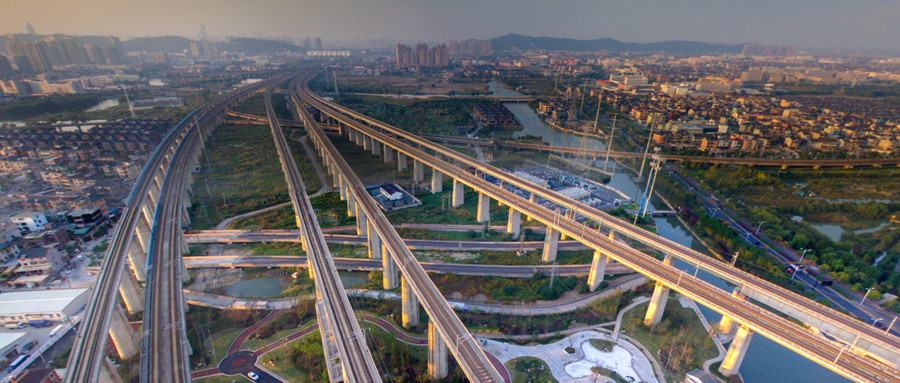
粤藏合作结硕果,17个项目在东莞现场签约
Nan Fang Du Shi Bao· 2025-05-14 01:37
Core Points - The "2025 Guangdong (Dongguan) - Tibet (Nyingchi) Investment Promotion Conference" successfully took place, resulting in the signing of 17 projects with a total investment of 1.28 billion yuan, aimed at enhancing economic exchanges and cooperation between the two regions [1][3] - The event was organized by the Nyingchi Municipal Government and supported by various governmental bodies, highlighting the importance of regional cooperation and investment [1][2] - Nyingchi is currently in a critical period of high-quality development, having introduced a series of favorable investment policies in areas such as taxation, finance, and land use [1][3] Investment Environment - Nyingchi's investment environment is described as superior, with participating enterprises expressing confidence in future cooperation [1][3] - The region has abundant resources, including hydropower, cultural tourism, and a burgeoning green industry, aligning well with Dongguan's industrial transformation [2][3] - The local government is committed to providing the best policies, optimized services, and rich resources to support enterprises in their investment and operations [3] Economic Development - The conference showcased the fruitful results of Nyingchi's economic and industrial development, emphasizing its potential as a vibrant investment destination [3] - The event also featured an exhibition of Nyingchi's agricultural specialty products, attracting significant public and business interest [3] - The ongoing collaboration between Guangdong and Tibet is expected to deepen, with a focus on mutual benefits and the implementation of high-quality projects [3]
杨智赴东西湖区调研产业转型和城乡融合发展工作
Chang Jiang Ri Bao· 2025-05-14 00:34
Group 1 - The city is focusing on high-quality development through technology innovation and rural revitalization, aiming for urban-rural integration and regional coordinated development [1][2] - The city council is actively engaging with local enterprises to understand their production, innovation, and transformation processes, including companies like China Resources Snow Beer and Hubei Zhou Hei Ya [1] - Emphasis is placed on upgrading traditional industries while fostering emerging and future industries, with a call for increased investment in key technologies and innovation [2] Group 2 - The city aims to strengthen the deep processing of agricultural products and attract leading agricultural enterprises to enhance the agricultural processing industry [2] - The city council is committed to leveraging its role as a specialized consultative body to provide insights and strategies for industrial transformation and urban-rural integration [2]
看,大项目里的新亮点
Ren Min Ri Bao Hai Wai Ban· 2025-05-13 22:44
Core Viewpoint - The construction of major engineering projects in China is accelerating, with significant growth in investment and project numbers, indicating a positive trend in infrastructure development and economic activity [4][5][6]. Investment Trends - In the first quarter of 2025, the number of engineering projects reported for work injury insurance increased by 9.4% year-on-year, with total project costs rising by 4.8% [4]. - The number of major projects with a total cost exceeding 1 billion yuan grew by 41.8%, totaling approximately 340 billion yuan, reflecting a 39.1% increase year-on-year [6]. Project Distribution - The highest proportion of major projects is in transportation, with significant projects underway in various provinces, such as the Weifang to Suqian high-speed railway in Shandong and road reconstruction in Jiangxi [7]. - Urban renewal projects are also a focus, with Guangzhou reporting 890,000 square meters of new urban renewal projects started in the first quarter [8]. Focus on New and Green Projects - Investment is shifting towards high-tech and clean energy projects, such as the 2 billion yuan organic light-emitting diode production line in Anhui and various technology parks in Zhejiang and Fujian [9]. - Clean energy projects like the Jiangshan pumped storage power station and the Tianwan Nuclear Power Plant are also progressing, with expected operational dates in 2026 and 2027 [9]. Regional Development - The Chengdu-Chongqing area reported over 5,000 engineering projects in the first quarter, with a total cost of approximately 250 billion yuan, indicating a 14.6% year-on-year increase [10]. - The Beijing-Tianjin-Hebei region saw 750 engineering projects reported, with a total cost of about 440 billion yuan, reflecting a 21.2% increase [10]. Infrastructure Investment Growth - National infrastructure investment grew by 5.8% year-on-year in the first quarter, driven by the accelerated issuance of special bonds and the commencement of major projects [12]. - The focus on "small but beautiful" projects has also emerged, with 17,000 projects costing less than 5 million yuan reported, marking a 4.8% increase [13]. Social Welfare Projects - Many projects are aimed at improving social welfare, including upgrades to educational facilities and the construction of community parks in urban areas [14][15]. - Efforts to enhance elderly care services and improve agricultural infrastructure are also being prioritized, with significant investments in high-standard farmland projects [16][17].
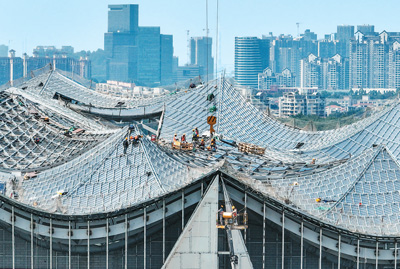
做好区域互补跨江融合南北联动大文章 推动全省区域协调发展向更高水平迈进
Xin Hua Ri Bao· 2025-05-13 21:41
本报讯(记者黄伟)5月13日,省区域协调发展领导小组召开会议,深入学习贯彻习近平总书记关于区域 协调发展的重要论述,研究部署我省相关工作。省委书记、领导小组组长信长星主持会议并讲话,省 长、领导小组组长许昆林就具体工作作安排。 会议听取了我省区域协调发展工作进展情况和下一步工作打算,讨论了省区域协调发展领导小组及办公 室《工作规则》。南京市、徐州市、省科技厅、省工信厅、省交通厅作交流发言。 省领导周红波、储永宏、马欣,省区域协调发展领导小组成员出席会议。 会议指出,党的十八大以来,党中央高度重视区域协调发展,习近平总书记作出一系列重要论述,为我 们推动区域协调发展指明了方向、提供了遵循。江苏要扛好挑大梁责任,必须以更高站位、更实举措做 好区域互补、跨江融合、南北联动大文章,推动全省区域协调发展向更高水平迈进。 会议强调,要进一步优化省域生产力布局,深入实施"1+3"重点功能区战略,加快完善综合交通运输体 系,打造新的发展动力源,着力形成优势互补、高质量发展的区域经济布局。要在更大范围内促进创新 链产业链无缝对接,更好发挥南京、环太湖、徐州科创圈的创新策源和辐射带动作用,在南北结对帮扶 合作中把各地的科创和产业 ...
城势|茂名迎变:一座粤西城市的振兴“密码”
2 1 Shi Ji Jing Ji Bao Dao· 2025-05-13 03:11
Core Insights - The article highlights the economic growth and development of Maoming, a city in Guangdong, which is leveraging its unique agricultural and industrial strengths to enhance its GDP ranking and attract investment [1][2][3]. Economic Development - Maoming is projected to rank 8th in Guangdong's GDP by Q1 2025, surpassing cities like Jiangmen and Zhaoqing, as well as provincial sub-centers like Zhanjiang and Shantou [1][7]. - The city is recognized for its significant contributions from the lychee and petrochemical industries, with lychee production reaching 620,900 tons in 2023, accounting for approximately 25% of China's total and 20% globally [2][5]. - The petrochemical sector generated an industrial output value of 180.59 billion yuan in 2022, with a value-added contribution of 44.44 billion yuan [2]. Investment and Infrastructure - Maoming has been designated as a key platform for industrial transfer in Guangdong, with 45 new projects in 2023, amounting to an investment of approximately 24.6 billion yuan [2][10]. - Fixed asset investment growth in Maoming has consistently outpaced the provincial average, with a reported growth of 4.6% in Q1 2025, exceeding the provincial average by 10.8 percentage points [4][7]. Agricultural Innovation - The city is advancing its agricultural sector through digital technologies, with initiatives like the "AI+" model improving pest diagnosis accuracy to over 95% and increasing production efficiency by 30% [5][6]. - The total output value of agriculture, forestry, animal husbandry, and fishery in Maoming is expected to reach 120.89 billion yuan in 2024, maintaining the highest figures in the province [6]. Population Dynamics - Maoming has seen a population increase, with the urbanization rate rising by 2.27 percentage points to 48.11% by the end of 2024, indicating a trend of population return to the city [7][11]. - The city is experiencing a resurgence of talent and investment, with many individuals returning from major cities to engage in entrepreneurial activities [7][13]. Industrial Transformation - The city is focusing on industrial transformation through initiatives like the "Five Chains" strategy, which includes the petrochemical industry, zero-carbon industry, automotive electronics, new energy storage, and titanium industry [9][10]. - Significant investments are being made in new industrial projects, with 4.3 billion yuan allocated to accelerate the establishment of key enterprises and projects [9][10]. Urbanization and Infrastructure - Maoming is advancing new urbanization efforts, particularly in healthcare and education, with a hospitalization rate of 90% and significant improvements in educational infrastructure [12][13]. - The city is enhancing its urban functions to facilitate better interaction between urban and rural populations, creating a conducive environment for business and living [13].
破浪前行:中国经济无惧风雨,勇立潮头
Sou Hu Cai Jing· 2025-05-13 02:28
Core Viewpoint - The article emphasizes the resilience and potential of the Chinese economy amidst external challenges, asserting that it can withstand pressures and continue to progress confidently. Economic Foundation - China's economy is supported by a robust industrial system, being the only country with all industrial categories recognized by the United Nations [3] - The complete industrial ecosystem enhances production efficiency, reduces costs, and strengthens the economy's ability to resist risks, particularly in the electric vehicle sector [3] Domestic Market - The vast domestic market, with over 1.4 billion people, presents significant consumption potential and development space, characterized by diverse and personalized consumption patterns [4] - The domestic market acts as a stabilizer during external demand fluctuations, allowing companies to focus on local consumer needs to maintain operations [4] Innovation and Technology - Innovation is identified as the core driving force for China's economic advancement, with substantial investments in technology leading to notable achievements in areas like 5G [5] - The rapid development of emerging technologies such as artificial intelligence and big data is transforming production and service efficiency across various sectors [5] Emerging Industries - Strategic emerging industries like renewable energy, new materials, and biomedicine are growing rapidly, contributing to economic growth [6] - The Chinese government plays a crucial role in macroeconomic regulation, implementing policies to support businesses and stimulate demand [6] Government Policies - The government has introduced tax reductions and increased financial support to alleviate corporate burdens and enhance profitability [6] - Infrastructure investments are aimed at improving living standards and driving economic growth, creating numerous job opportunities [6] Regional Development and Global Engagement - The government promotes regional coordinated development and international cooperation through initiatives like the Belt and Road [7] - China's economic outlook remains positive, with expectations for higher quality and sustainable growth, reinforcing its role as a key player in the global economy [7]
推动长三角与粤港澳大湾区耦合发展
Shang Hai Zheng Quan Bao· 2025-05-11 18:27
Core Insights - The Yangtze River Delta and the Guangdong-Hong Kong-Macao Greater Bay Area are identified as China's two core economic engines, tasked with promoting regional coordinated development and enhancing international competitiveness [2] - The recent decisions from the 20th Central Committee emphasize the need for a comprehensive regional coordination development strategy, indicating a direction for strategic coupling between these two regions [2] Group 1: Regional Development Strategies - Optimizing regional spatial layout is crucial for promoting regional coupling development, focusing on urban agglomerations and city clusters to create a coordinated development pattern among large, medium, and small cities [2] - The two regions should innovate mechanisms for cross-regional investment and fiscal sharing, enhancing collaborative policies for regional coordinated development [2] - Strengthening industrial collaboration, talent exchange, and information sharing among different cities will gradually form a development pattern characterized by horizontal differentiation and vertical cooperation [3] Group 2: Innovation and Industry Collaboration - Technological innovation and industrial collaboration are core driving forces for regional coupling development, with a focus on key sectors such as high-end equipment manufacturing, new materials, and biomedicine [3] - Establishing a regional technology innovation resource-sharing platform will facilitate the free flow of talent, capital, and technology, creating globally competitive industrial clusters [3] - Leveraging emerging technologies like digital economy and artificial intelligence will promote the transformation and upgrading of traditional industries, injecting new momentum into regional economic development [3] Group 3: Infrastructure and Market Integration - Constructing an efficient regional integration development framework is essential for strategic coupling, involving the expansion of transportation, energy, and information networks to enhance infrastructure connectivity [3] - Deepening market integration processes and establishing unified market access standards will reduce operational costs for enterprises across regions, continuously releasing regional economic vitality [3] - A robust talent mobility mechanism should be established to encourage cross-regional talent flow and innovation, providing intellectual support for regional coupling development [3] Group 4: Policy Differentiation and Coordination - The Yangtze River Delta and the Guangdong-Hong Kong-Macao Greater Bay Area should explore differentiated regional policies and improve coordination mechanisms for core areas [4] - Establishing regional development funds through fiscal allocations and social donations will support the economic and social development of underdeveloped areas [4] - Strengthening inter-regional policy coordination and exploring a mutual sharing system for basic public services will help break down administrative barriers and improve the equalization of basic public services [4]

湖北12条举措提升支点区域协同力 汉襄宜“金三角”协同发展态势初步形成
Chang Jiang Shang Bao· 2025-05-06 20:23
Core Viewpoint - The Hubei provincial government has launched an action plan to enhance regional collaboration and development, focusing on the Yangtze River Economic Belt and the rise of the central region, aiming for high-quality growth and improved urbanization rates across the province [2] Group 1: Economic Development Goals - Wuhan's economic output is projected to reach 2.11 trillion yuan, leading central provincial capitals, while Yichang and Xiangyang are expected to surpass 600 billion yuan, ranking first and second among non-provincial capitals in central China [2] - Eight counties, including Xiantao and Daye, have been recognized as "Top 100 Counties" for three consecutive years, with Hubei ranking fourth nationally and first in the central region for the number of such counties [2] Group 2: Key Strategic Areas - The action plan outlines four main tasks with twelve measures, focusing on strengthening three centers: supporting Wuhan as a national central city, promoting Xiangyang as a regional center, and enhancing Yichang's connectivity with the Yangtze River [3] - The plan emphasizes the creation of a "Golden Triangle" of Hubei's economic growth, promoting ecological protection and technological innovation while enhancing public services and transportation connectivity [3][4] Group 3: Infrastructure and Service Improvements - The plan aims to build a comprehensive public service system across counties, ensuring quality education and healthcare facilities are available at various administrative levels [4] - It also seeks to establish a governance system that encourages community participation and enhances local governance practices [4] Group 4: Regional Collaboration - The action plan promotes collaboration among the central provinces of Hubei, Hunan, and Jiangxi, aiming to create integrated urban clusters and enhance economic cooperation [5] - The focus is on deepening connections with other major economic regions in China, including the Beijing-Tianjin-Hebei area and the Guangdong-Hong Kong-Macau Greater Bay Area [5] Group 5: Development Targets for Key Cities - Xiangyang aims to become a leading city in high-quality development in central-western China, targeting an economic output of 1 trillion yuan by the end of the 14th Five-Year Plan [7] - Yichang plans to implement strategies focused on carbon neutrality and urban development, aiming for an economic output of 1 trillion yuan and a total economic output of 1.7 trillion yuan for the urban cluster by 2027 [7]
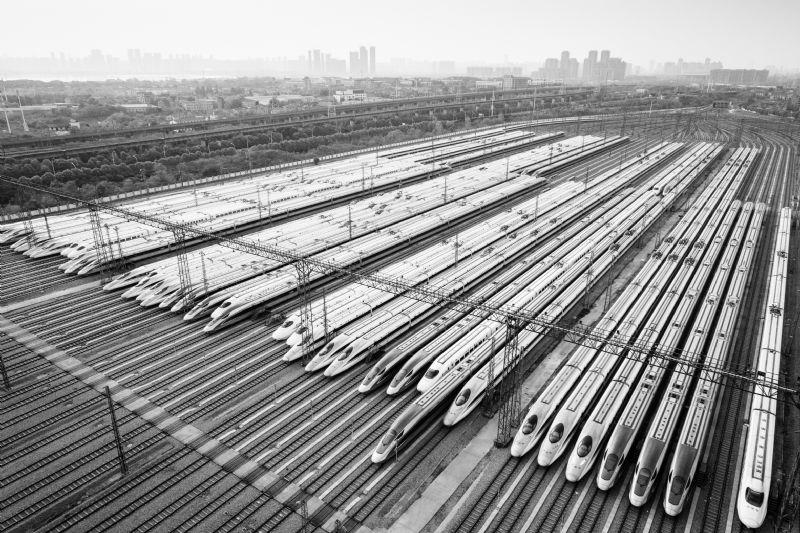
“五一”消费折射中国经济的广阔纵深
Sou Hu Cai Jing· 2025-05-06 01:13
Group 1 - The Chinese consumer market demonstrated strong vitality during the "May Day" holiday, with an estimated total of 1.467 billion cross-regional movements and an average of 293 million daily movements, reflecting an 8.0% year-on-year increase [1] - Key retail and catering enterprises saw a sales increase of 6.3% year-on-year during the holiday period, indicating a robust holiday economy and the potential for broader economic growth [1] - The growth momentum of the Chinese economy is shifting from first and second-tier cities to third and fourth-tier cities and county markets, showcasing the effectiveness of regional coordinated development policies [1] Group 2 - The number of foreign tourists exploring smaller cities surged, with inbound travel orders increasing by 173% during the "May Day" period, driven by convenient policies such as visa exemptions and instant refunds [2] - New tourism trends, including "new silver-haired tourism" and "reverse tourism," are emerging, highlighting the significant demand and innovative vitality of the Chinese market [2] - The cultural tourism market's prosperity reflects people's pursuit of a better life and China's comprehensive progress in meeting this demand within the global consumption market [2] Group 3 - China's multi-layered economic structure provides a buffer against external risks and opens avenues for innovation and growth, supported by a large population and ongoing consumption upgrades [3] - The increasing attractiveness of the Chinese market is evident as it welcomes global consumers with a more open approach, especially amid a turbulent global trade environment [3]