
双碳目标

Search documents
零碳工厂建设目标出台 激发工业企业节能降碳动力
Zheng Quan Ri Bao· 2026-01-20 16:25
Core Viewpoint - The joint release of the "Guiding Opinions on the Construction of Zero Carbon Factories" aims to drive carbon reduction and green transformation in key industrial sectors, injecting strong momentum into energy conservation and carbon reduction in China's industrial field [1][2]. Group 1: Zero Carbon Factory Development - The "Guiding Opinions" propose a phased approach to cultivate zero carbon factories, prioritizing industries with urgent decarbonization needs and primarily electric energy consumption [1][2]. - By 2026, a selection of zero carbon factories will be established as benchmarks, with a focus on sectors such as automotive, lithium batteries, photovoltaics, electronics, light industry, machinery, and computing facilities [2]. - By 2030, the initiative will expand to include high-energy industries like steel, non-ferrous metals, petrochemicals, building materials, and textiles, exploring new decarbonization pathways [2]. Group 2: Technological and Operational Implications - The construction of zero carbon factories is a comprehensive and systematic project that involves energy structure, process technology, funding, and management services, with varying implementation paths across regions and industries [2][3]. - The initiative is expected to stimulate industrial enterprises to increase investment in energy-saving and emission-reduction technology research and application, promoting production technology transformation [3]. - Zero carbon factory construction will encourage the optimization of production methods, leading to intelligent, green, and integrated development, enhancing energy resource output efficiency and reducing production costs [3]. Group 3: Digital Technology Integration - The demand for digital technology in zero carbon factory construction presents unprecedented business growth opportunities for the digital industry [4]. - Digital industry companies can leverage their expertise in 3D modeling and simulation analysis to create high-precision digital twin models for manufacturing enterprises, optimizing factory layout and energy consumption [4]. - The complexity and high standards of zero carbon factory construction will drive innovation in digital technologies, fostering deep integration and collaborative development between the digital industry and manufacturing sectors [4].
高盛:国家电网“十五五” 投资4 万亿,大增40%,特变电工、思源电气等将直接受益!
Xin Lang Cai Jing· 2026-01-20 13:32
Core Insights - The report from Goldman Sachs highlights a significant investment in China's power grid, with a target of 4 trillion RMB during the 14th Five-Year Plan (2026-2030), marking a 40% increase from the previous plan's 2.8 trillion RMB [3][4][19] - The investment shift focuses on accommodating renewable energy and digital economy needs, indicating a structural transformation in the power grid's role from merely transmitting electricity to efficiently integrating variable renewable energy sources [3][4][18] Investment Scale and Growth Logic - The unprecedented investment base supports a robust growth outlook for the power grid sector, with an average annual investment exceeding 800 billion RMB [4][19] - The growth logic is evolving, with a clear bifurcation in investment phases: high-voltage direct current (UHV) investments are expected to grow by 24% in 2026, while investments will shift towards smart grid infrastructure from 2028 to 2030 [7][22] Structural Changes in Investment - A significant structural change is underway, with distribution network investments projected to surpass transmission investments, increasing from 57% to 59% of total investments from 2026 to 2030 [8][23] - This shift reflects a fundamental redefinition of the grid's functionality, necessitating upgrades to accommodate distributed energy resources, electric vehicle charging stations, and virtual power plants [10][25] Necessity for Smart Investments - By 2030, renewable energy is expected to account for 30% of total electricity generation, introducing challenges for grid stability that require heightened levels of smart investments [11][26] - Investment growth may temporarily slow in 2027-2028 due to project cycles, but is anticipated to accelerate again in 2029-2030 to address increasing balance challenges [11][26] Market Dynamics and Leading Companies - The market is increasingly favoring leading companies in the sector, with major players like Suyuan Electric, Pinggao Electric, and TBEA capturing significant market shares in core equipment categories [12][29] - This "stronger getting stronger" dynamic suggests that as overall demand increases, companies with technological, brand, and delivery advantages will gain more substantial market shares and performance elasticity [12][29] Future System Upgrades - The 4 trillion RMB investment blueprint is not merely about infrastructure expansion; it represents a comprehensive upgrade of the energy system's underlying architecture, aiming to create a stronger, smarter, and more flexible power system [15][30] - The immediate benefits from UHV and backbone network upgrades are clear, while the long-term potential from grid digitalization and distribution network intelligence presents a valuable opportunity for future growth [15][30]


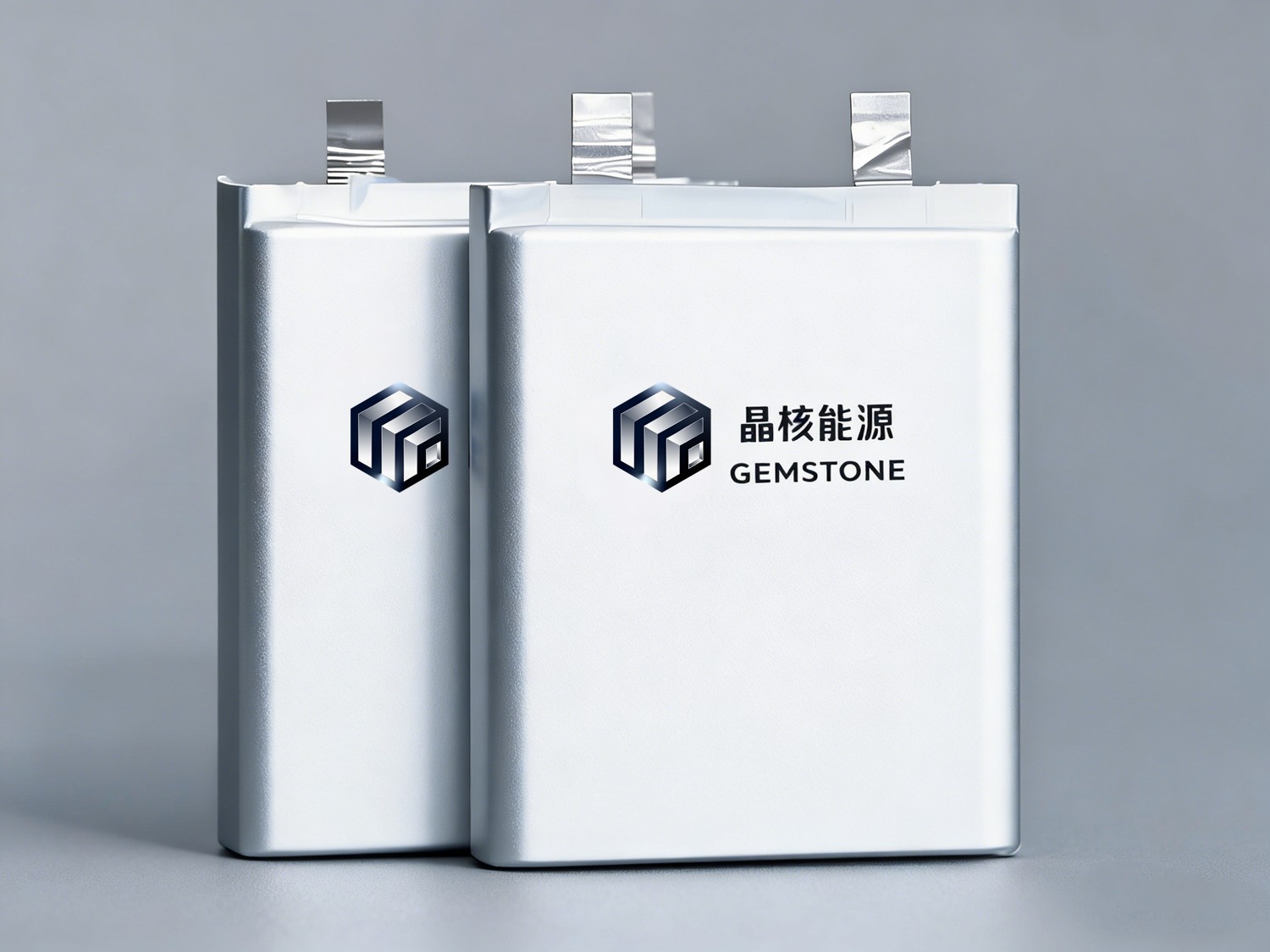
晶核能源融资数千万元,专攻固态电池“固固界面”难题丨36氪首发
3 6 Ke· 2026-01-20 13:08
Core Insights - Jinghe Energy, a solid-state battery company born from the "Starry Sky Project," has recently completed an angel round financing of several tens of millions, led by Chasing Sky Venture Fund [1] - The funds will be used for the commercialization of solid-state battery technology, talent acquisition for the core team, and rapid global expansion [1] - Solid-state batteries are considered the holy grail in the electric vehicle sector due to their high energy density and safety, but challenges such as complex processes and high costs have hindered large-scale production [1] Company Overview - Jinghe Energy specializes in solid-state battery cells and system solutions, founded by Li Yantao, a key member of the founding team at AVIC Lithium Battery and Geely Power Battery [1] - The company has developed a coating technology for positive and negative electrodes to improve conductivity and density, aiming to enhance the charge and discharge rate to 2C by the end of 2027 [1][3] Technological Innovations - The positive electrode material used by Jinghe Energy is lithium-rich manganese-based, which can increase the energy density of the battery cell to 800 Wh/kg [3] - The company is also developing an AI Battery Management System (BMS) for precise monitoring of battery health and a CTP 4.0 architecture design to improve space utilization and reduce production costs [3] - A rib structure design maintains a 2mm gap between cells to address breathing effects during charge and discharge, while a multifunctional material enhances structural strength and thermal insulation [4] Market Position and Future Plans - Jinghe Energy has established cooperation intentions with three leading new energy commercial vehicle clients and two energy companies, with the first engineering samples expected to complete vehicle testing by Q4 2026 [4] - The application scenarios for its products include smart vehicles, energy storage, and eVTOL [4] - The company aims to achieve large-scale production of solid-state batteries by 2027, with significant market potential driven by carbon neutrality goals and energy transition [9]
青岛市人大代表徐冰:为城市品质升级提供“能源样板”
Qi Lu Wan Bao· 2026-01-20 12:21
Core Viewpoint - Qingdao Energy Group is focusing on sustainable development through a three-pronged approach: urban security, industrial development, and safe operations, aiming to create a replicable "energy model" for urban quality enhancement [1][2] Group 1: Urban Security and Infrastructure - Qingdao Energy Group has successfully operated the largest LNG receiving station in China and completed a 155-kilometer upgrade of the old gas heating pipeline network, enhancing urban gas and heating security [1] - The company has interconnected 26 heating source stations to form a unified heating network, leading to a domestic-leading capability in urban gas and heating security [1] Group 2: Industrial Development and Green Energy - The green energy business of Qingdao Energy Group has seen quality improvements and growth, with the launch of multiple innovative waste heat utilization projects, resulting in a cluster of 156 green energy projects [1] - The company is committed to expanding its green energy sector by advancing clean heat and power generation projects, biomass "green electricity" production bases, and participating in offshore wind power and large gas turbine projects [2] Group 3: Urban Renewal and Quality Enhancement - Qingdao Energy Group is transforming industrial heritage sites into landmark parks and social spaces, such as the Energy Zhonglian Sports Plaza and the "Heart of the City" cultural park, contributing to urban quality upgrades [1] - The company aims to establish a new heating system that efficiently allocates various waste heat resources across regions and industries, setting a green low-carbon heating model for northern China [2] Group 4: Smart Services and Community Engagement - The company has implemented a "three excellence" model focusing on quality products, projects, and services, and has established a "five-in-one" smart service system, making Qingdao the first major city in China to scale up smart gas meter installations [2] - The introduction of smart gas meters has led to a 53% reduction in government hotline inquiries and has positioned user satisfaction at the top of the industry [2]
胡汉舟: 能源供应保障有力 绿色转型加速推进
Guo Jia Tong Ji Ju· 2026-01-20 11:26
Group 1: Energy Production and Supply - In 2025, energy production in China continues to grow steadily, with major energy products such as coal, oil, gas, and electricity reaching historical highs, enhancing energy supply security [2] - The industrial raw coal production reached 4.83 billion tons, an increase of 1.2% compared to the previous year [2] - The industrial crude oil production was 21.6 million tons, marking a 1.5% increase year-on-year, while natural gas production reached 261.9 billion cubic meters, up 6.2% [2] Group 2: Clean Energy Development - The construction of clean energy is accelerating, with installed capacity for wind and solar power surpassing that of coal-fired power for the first time in 2025 [4] - The total clean energy generation reached 34,213 billion kilowatt-hours, an increase of 8.8%, accounting for 35.2% of total industrial power generation, up 2.1 percentage points from the previous year [4] - New energy storage capacity exceeded 100 million kilowatts, representing over 40% of the global total, maintaining the world's leading position [4] Group 3: Green Transition and Energy Efficiency - Under the "dual carbon" goals, the proportion of coal consumption continues to decline, while the share of clean energy consumption steadily increases, with non-fossil energy surpassing oil to become the second-largest energy type [5] - The total energy consumption in 2025 grew by 3.5% year-on-year, with a reduction of over 5% in energy consumption per unit of GDP compared to the previous year [5] - The energy consumption per unit of industrial added value has decreased for two consecutive years, indicating significant progress in industrial energy conservation [5]
四库联动的系统实践:中国石油将扩绿行动转化为可持续发展新动能
Sou Hu Cai Jing· 2026-01-20 09:36
Core Viewpoint - China National Petroleum Corporation (CNPC) is actively engaging in ecological initiatives, demonstrating a commitment to "expanding green, promoting green, and protecting green" as part of its systematic approach to ecological value realization [1][6]. Group 1: Expanding Green - CNPC's "expanding green" initiative showcases a comprehensive strategy across the entire industry chain, integrating greening efforts with oil and gas production and ecological restoration [3]. - Over 227 million trees have been planted around thousands of oil fields and stations, improving production environments and creating green barriers in fragile ecological areas [3]. - Aiming to plant over one million trees around key operational nodes like gas stations and storage facilities in the next three to five years, CNPC is working towards a harmonious green ecological landscape [3]. Group 2: Promoting Green - The "promoting green" initiative encourages public participation in ecological construction through innovative public welfare models, exemplified by the "I Plant a Tree for Carbon Neutrality" online campaign, which attracted 1.939 million participants [4]. - This initiative has led to the establishment of over 5,000 acres of carbon sink and carbon neutral forests in key areas, demonstrating a successful collaboration between the company and the public [4]. - The model broadens funding and manpower sources for land greening while enhancing public environmental awareness, fostering a collective effort to protect the environment [4]. Group 3: Protecting Green - CNPC's approach to "protecting green" goes beyond mere tree planting, focusing on maximizing ecological value through a systematic "four reservoirs" linkage strategy [5]. - New afforestation projects are designed to meet high standards for forestry carbon sinks, establishing a solid foundation for carbon reservoir functionality [5]. - By enhancing soil and water conservation capabilities in ecologically vulnerable areas, CNPC aims to strengthen the role of forests as natural water reservoirs, thereby improving the overall service functions of ecosystems [5]. Group 4: Overall Impact - CNPC's systematic green actions reflect its transformation from a traditional energy company to a comprehensive sustainable development enterprise, as evidenced by the significant increase in green land area and tree planting [6]. - The integration of governance, environmental, and social responsibilities in its ESG reports highlights CNPC's commitment to the national "dual carbon" goals and its role as a responsible corporate citizen in building a beautiful China [6].

民航“十五五”绿色风向标:小纸杯撬动“绿色机场”可核验循环价值闭环
Feng Huang Wang Cai Jing· 2026-01-20 08:56
Core Viewpoint - The aviation industry is transitioning from project construction to operational governance in its green transformation, focusing on verifiable green competitiveness through innovative materials, data elements, and standard systems [1] Group 1: Industry Context - The shift in focus is driven by the dual carbon goals and the upgrade of dual control, leading to increased demand for data-driven, standardized, and verifiable solutions in carbon emission management [2] - The implementation of the "National Solid Waste Comprehensive Governance Action Plan" and the "Waste-Free City" framework is promoting a closed-loop governance model, positioning airports as ideal candidates for standardized practices [2] - Stricter food contact safety regulations are being established, with the new national standard GB 4806.10-2025 set to take effect on September 2, 2026, ensuring compliance for water-based barrier coatings [2] Group 2: Technical Innovations - The focus on paper cups is due to their high frequency of use and management challenges, with the introduction of bio-based PHA water-based barrier coatings aimed at improving recyclability and reducing separation difficulties [3] - The strategy emphasizes simplifying onboard waste classification while ensuring efficient ground sorting through standardized operating procedures, thus maintaining stable operations [3] - The closed-loop strategy aims to create verifiable data assets through monitoring, reporting, and verification (MRV) records, enhancing the ESG credibility of airlines and airports [3] Group 3: Future Implications - The initiative represents the beginning of enhanced green governance capabilities in the aviation sector, with industry standards solidifying closed-loop methods and MRV transforming governance results into verifiable evidence [4] - Collaboration among leading airlines and airport groups is expected to establish a replicable and scalable "green airport" model, aligning with international standards and demonstrating low-carbon pathways [4]
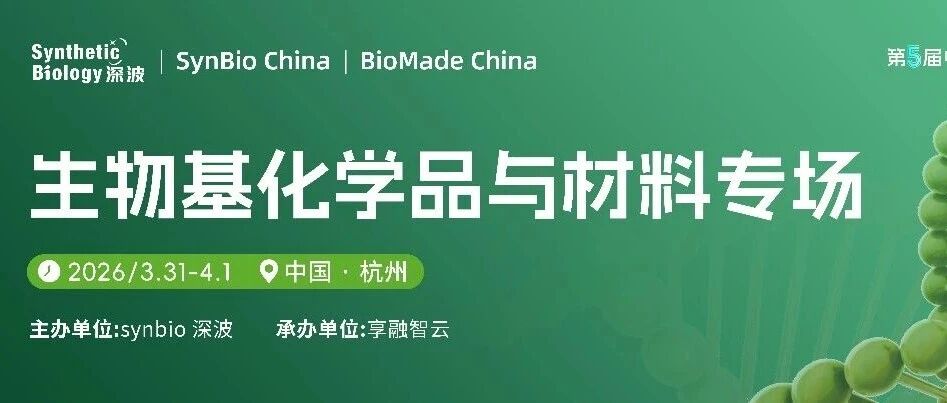
免费注册参会!生物基化学品与材料专场,邀您参会!
synbio新材料· 2026-01-20 08:47
Group 1 - The article emphasizes the importance of bio-based chemicals and materials as a core pillar of the bio-manufacturing industry, highlighting their advantages such as renewable raw materials and low carbon emissions throughout their lifecycle, which positions them as key players in the global green transition [2] - The Chinese government prioritizes the development of bio-based new materials, categorizing them as strategic materials, and has implemented multiple supportive policies for the industry [2] - Despite the growth potential, the industry faces challenges including cost competitiveness, stability of raw material supply chains, product performance optimization, and market acceptance [2] Group 2 - The "5th China Synthetic Biology and Bio-Manufacturing Conference" is scheduled to take place in Hangzhou from March 31 to April 1, 2026, aiming to gather insights from various sectors to address industry challenges and promote high-quality development of bio-based chemicals and materials [2][4] - The conference will feature multiple forums, including a dedicated session on bio-based chemicals and materials, alongside other relevant topics such as bio-manufacturing technology and applications [8] - The event is expected to attract around 1,000 participants, providing opportunities for networking and collaboration among industry stakeholders [4]
国新办就落实中央经济工作会议精神,推动“十五五”实现良好开局有关情况举行新闻发布会
Xin Hua Wang· 2026-01-20 07:40
Core Viewpoint - The press conference held by the National Development and Reform Commission (NDRC) highlighted the successful implementation of the central economic work conference's spirit, aiming for a strong start to the 14th Five-Year Plan, with a focus on economic resilience, technological independence, and social welfare improvements [3][7]. Group 1: Economic Performance and Policies - In 2025, China's economy achieved a total output of 140 trillion yuan, with a growth rate of 5%, maintaining a leading position among major global economies [3][4]. - The NDRC emphasized the implementation of proactive macroeconomic policies, including measures to stabilize employment and promote high-quality development, which contributed to a robust economic performance [3][5]. - The "Two New" policies, aimed at boosting investment and consumption, have shown significant effects, with over 3.6 billion people benefiting from consumption subsidies [22][24]. Group 2: Technological Development - The NDRC reported breakthroughs in new productive forces, particularly in artificial intelligence, biotechnology, and robotics, positioning China at the forefront of global innovation [4][15]. - The new energy storage capacity has surpassed 100 million kilowatts, accounting for over 40% of the global total, indicating strong growth in new technologies [13]. Group 3: Reform and Opening Up - The NDRC is advancing reforms to eliminate economic bottlenecks and enhance the competitive landscape, including the implementation of the Private Economy Promotion Law and regular communication with private enterprises [5][6]. - The total value of imports reached 18.48 trillion yuan, maintaining a 10% share of global imports, showcasing China's strong trade resilience [5]. Group 4: Regional Development and Urbanization - The urbanization rate reached 67.89% by the end of the year, with over 10 million people transitioning to urban living, reflecting ongoing efforts in new urbanization [6]. - The NDRC is focusing on regional coordinated development, with significant investments in infrastructure and public services in the central and western regions [56][58]. Group 5: Social Welfare and Employment - The average urban unemployment rate was 5.2%, with policies aimed at enhancing social welfare and employment opportunities [6][15]. - The NDRC is implementing measures to improve the quality of life for citizens, including childcare subsidies and free preschool education [6][15]. Group 6: Future Economic Strategy - The NDRC plans to continue expanding domestic demand and optimizing supply to achieve a dynamic balance in the economy, with a focus on enhancing the quality of the domestic market [17][18]. - The emphasis will be on integrating macroeconomic policies with structural reforms to stimulate economic growth and address supply-demand imbalances [42][52].
河海大学华昊辰:“混合储能 + AI 调控”赋能高原铁路牵引供电绿色升级
Zhong Guo Neng Yuan Wang· 2026-01-20 06:31
Core Viewpoint - The integration of solar, wind, hydrogen, and energy storage systems provides a viable solution for railway traction power supply in remote and challenging environments, addressing the unique demands of fluctuating loads and harsh conditions [1] Group 1: Energy System Solutions - The combined energy system is particularly suited for high-altitude, cold regions with weak grids and abundant wind and solar resources [1] - Traditional energy storage solutions are inadequate for the variable loads experienced by railway systems, necessitating a hybrid approach that combines electric and hydrogen storage [1] Group 2: Technological Innovations - The system exhibits nonlinear and stochastic characteristics, making traditional modeling and optimization methods ineffective [1] - A deep reinforcement learning algorithm, improved through course learning, is proposed for precise control of the energy system [1] Group 3: Market and Policy Implications - Establishing a unified national electricity spot market with a responsive pricing mechanism is crucial for promoting the adoption of this energy system [1] - This approach is essential for supporting the construction of a new power system and achieving carbon neutrality goals [1]