企业出海

Search documents
中国企业出海最危险的盲区是什么?这场论坛即将揭晓答案
凤凰网财经· 2025-06-27 16:04
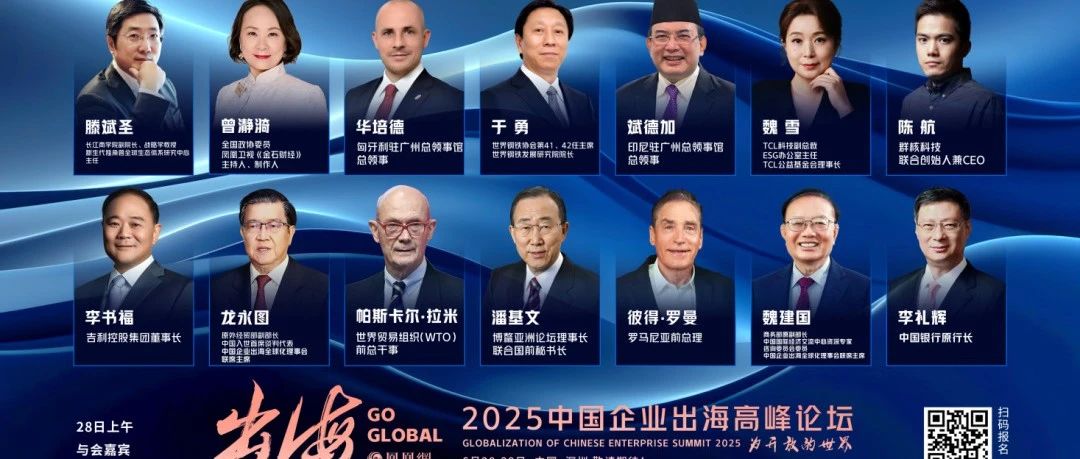
Core Viewpoint - The article emphasizes the necessity for Chinese companies to expand globally despite the challenges posed by geopolitical tensions and complex compliance requirements, highlighting the importance of a comprehensive risk management system in the face of evolving global trade dynamics [1][2]. Group 1: Policy Insights - The current global situation presents multiple pressures and uncertainties for companies looking to expand internationally, necessitating clear macro policy guidance [2]. - Key speakers at the forum include influential figures such as Ban Ki-moon, who will discuss the "global governance deficit," and experts like Long Yongtu, who will share insights on the restructuring of global rules [2][3]. Group 2: Practical Experience Sharing - The forum will feature practical experiences from leading companies, such as Geely's global expansion journey and TCL's regional operational strategies, providing actionable insights for other enterprises [6][7]. - Notable speakers include executives from Tencent Cloud and Gree Electric, who will share their experiences in navigating international markets and building global brands [7][8]. Group 3: Regional Resource Gathering - The forum will facilitate direct engagement with regional leaders and investment representatives to address specific operational challenges faced by companies in international markets [9][10]. - The Asia-Pacific region is highlighted as a critical area for growth, with over 60% of the global population residing there, making it a key target for international expansion [10]. Group 4: Overall Mission and Values - The forum aims to foster collaboration and mutual growth through technological innovation and cultural understanding, reflecting the evolving mission of global engagement for Chinese enterprises [11][12].





那些成功出海的企业,都做对了哪些事?
梧桐树下V· 2025-06-27 15:30
当前,中国已全面进入企业大航海时代。 根据《2025中国中小企业出海蓝皮书》数据显示: 可见无论是大型企业还是中小微企业,出海热情都空前高涨。然而,光有热情是不够的, 实际上许 多企业在出海过程中, 都因为准备不足而遭遇文化冲突、政策壁垒、资源错配等, 最终导致出海 折戟。 那么,企业出海具体是怎么操作的?需要做好哪些准备工作?又会有哪些风险需要注意并提前做好 应对措施?对此,我们精心筹备了 《企 业出海3周训练营(奖学金班)》 ,带领大家全面了解出 海过程中的实务要点! ● 大型企业中, 30% 已实施出海战略, 20% 有出海意向或计划。 ● 中型企业中, 39% 已实施出海战略, 37% 有出海意向或计划。 ● 小型企业中, 18% 已实施出海战略, 29% 有出海意向或计划。 ● 微型企业中, 14% 已实施出海战略, 14% 有出海意向或计划。 扫码报名训练营 企业出海13h全套瑞程 到手仪¥199(日常价¥998) 结营后课程永久保留 学习收获 21天线上 视频学习 每日1篇 拓展阅读 群内交流 共享知识 5位资深嘉宾 分享经验 1次测试 查漏补缺 训练营课程 永久保留 匿日剃出1份 课后笔记 完 ...

120万充电宝被召回,无3C标识将禁上飞机
凤凰网财经· 2025-06-27 12:45
Core Viewpoint - The Civil Aviation Administration of China has issued an emergency notice prohibiting passengers from carrying non-compliant power banks on domestic flights due to safety risks associated with lithium battery products [1][2]. Summary by Sections Emergency Notice - The notice, effective from June 28, highlights the increase in incidents of power banks catching fire or smoking on flights, prompting stricter regulations [2]. Incident Reports - A fire incident on a flight from Hangzhou to Hong Kong was attributed to a power bank overheating, specifically a Romoss brand with a capacity of 20,000 mAh, which met the airline's carry-on standards [3]. - Following this, Romoss and Anker Innovation announced recalls of over 1.2 million units due to safety risks associated with their products [3][8]. Supplier Issues - Anker Innovation confirmed that the problematic battery cells were supplied by Amperex Technology Limited (ATL), and they have ceased collaboration with the previous supplier, Amperes (Wuxi) Co., Ltd. [12]. - The recall involved multiple models from Romoss and Anker, with Romoss recalling specific models due to potential fire risks from battery materials [3][8]. Market Impact - The market for power banks in China was valued at approximately $1.046 billion in 2022, accounting for 30.48% of the global market, and is projected to reach $1.087 billion by 2029 [15]. - The suspension of 3C certification for several brands, including Romoss and Anker, has raised concerns about product safety and compliance [13][14]. Regulatory and Quality Control - Industry experts suggest that existing safety standards may be insufficient, and there is a need for stricter quality control measures and compliance with consumer protection laws [14][15]. - Anker Innovation plans to enhance product safety through better battery design, rigorous testing, and improved monitoring of the production process [16].


在海外击溃中国企业的,竟然往往不是友商
凤凰网财经· 2025-06-27 07:13
Core Viewpoint - Chinese companies are increasingly successful in international markets by understanding and catering to specific consumer needs, leading to the emergence of "invisible champions" in various sectors [1][2][5]. Group 1: Successful Case Studies - TYMO, a personal care brand, targets specific demographics such as Latinx and African descent consumers with its hair styling products, priced at $70 to $80, achieving significant sales in North America and Europe [2]. - Carote, a cookware brand, capitalizes on the aesthetic preferences of young consumers in developed markets by offering colorful, visually appealing products, leading to its dominance on platforms like Amazon [2]. - Govee, a lighting brand, focuses on DIY culture by allowing consumers to customize their lighting setups, successfully tapping into the desire for personalization in the European market [3][4]. Group 2: Market Entry Strategies - Companies should tailor their market entry strategies based on specific consumer segments rather than broad demographics, as seen in the example of a pet apparel brand targeting high-end winter clothing for pets in Northern Europe [5][6]. - Understanding the local consumer base is crucial; for instance, targeting immigrant communities in Germany can be more effective than focusing solely on native Germans [6]. - Companies must recognize that entering a market is akin to a second startup, requiring a deep understanding of local needs and preferences [19]. Group 3: Common Pitfalls - Misunderstanding consumer needs can lead to product failures, as illustrated by a failed product that added unnecessary features, causing consumer confusion rather than meeting their relaxation needs [7][8]. - Chinese companies often apply a "multi-functional" mindset, which may not resonate with Western consumers who prefer specialized products [8]. - Competing solely on price can lead to unsustainable business practices, as companies may struggle to differentiate themselves in the long term [9][10]. Group 4: Future Trends - The "Great Wealth Transfer" is expected to create a new generation of consumers with significant purchasing power, emphasizing the need for companies to engage with younger demographics now [14][15]. - Companies should adapt to changing lifestyles and preferences, as younger consumers prioritize experiences and outdoor activities over traditional consumption patterns [15][16]. - The emergence of new brands will depend on their ability to lead lifestyle changes rather than merely following existing trends [16]. Group 5: Talent and Cultural Understanding - Companies need talent that understands both the destination market and their own capabilities, as language skills and cultural sensitivity are critical for building trust [17][18]. - Cultural differences cannot be bridged solely through translation; a deeper understanding of local customs and consumer behavior is essential for success [17].

济宁兖州:打造企业出海“共享服务平台”
Zhong Guo Fa Zhan Wang· 2025-06-27 06:33
Group 1 - The company Shandong Jindafeng Machinery Co., Ltd. is expanding into international markets, particularly in the Middle East and South America, while maintaining its domestic market presence [1] - The partnership with Yiyunying has significantly aided Jindafeng in accessing overseas markets, with 25% of the orders in the previous year attributed to this collaboration, and expectations for a higher percentage this year [1] - Yiyunying provides comprehensive services for over 3,000 enterprises, employing nearly 200 staff across various roles to support small and medium-sized enterprises in their international ventures [1] Group 2 - Yiyunying has developed a comprehensive information platform to enhance operational efficiency, which has reduced project delay rates by approximately 30% and improved decision-making timelines by over one day [2] - The platform includes a "map customer acquisition" feature, allowing manufacturers to easily access potential customer contacts in targeted regions [2] - Despite having access to customer information, manufacturers face challenges in convincing overseas clients to purchase agricultural machinery without seeing the products first [2] Group 3 - Yiyunying has established its first overseas warehouse in Italy, resulting in a significant increase in sales for excavator products from around 1 million yuan to approximately 20 million yuan [3] - The company is currently advancing nine additional overseas warehouse projects and is exploring credit guarantee financing services to facilitate the international expansion of quality "Shandong manufacturing" [3]
风暴眼|在海外击溃中国企业的,竟然往往不是友商
Feng Huang Wang Cai Jing· 2025-06-27 00:26
Core Insights - Chinese companies are successfully entering international markets by addressing specific consumer needs and preferences, leading to the emergence of world-class enterprises in various sectors [1][2][3] Group 1: Successful Case Studies - TYMO, a personal care brand, targets specific demographics such as Latinx and African descent consumers with its hair styling products, priced at $70 to $80, achieving significant sales in North America and Europe [2] - Carote, a cookware brand, capitalizes on the trend of aesthetically pleasing kitchenware, offering products in pastel colors that have become bestsellers on global platforms like Amazon [2] - Govee, a lighting brand, focuses on DIY culture by allowing users to customize their lighting setups, successfully tapping into the demand for personalized home decor in Western markets [3] Group 2: Market Entry Strategies - Companies should tailor their overseas strategies based on specific market demands rather than generalizing about entire countries, as demonstrated by a pet apparel brand that found success in Europe by catering to high-end winter clothing needs [4][5] - Understanding the target consumer group is crucial; for instance, marketing to immigrant communities in Germany can be more effective than targeting the broader German population [5] Group 3: Common Pitfalls - Misunderstanding consumer needs can lead to product failures, as seen with a product that added unnecessary features, causing consumer confusion rather than meeting their relaxation needs [6] - Companies often face challenges not just from competitors but also from local industry associations that may resist foreign entrants disrupting established markets [8] Group 4: Cultural Considerations - There is a significant cultural difference in consumer behavior between Eastern and Western markets, with Chinese companies often adopting a multifunctional approach while Western consumers prefer specialized products [7] - Effective communication and cultural understanding are essential for success in foreign markets, as relying solely on translation tools may not bridge the cultural gaps [15] Group 5: Future Trends - The "Great Wealth Transfer" is expected to create a new generation of consumers with significant purchasing power, emphasizing the need for companies to engage with younger demographics now to build long-term relationships [13][14] - Companies must adapt to changing lifestyles and consumer preferences, as the current generation values experiences and aesthetics, which can influence product development and marketing strategies [14]
A股十年变迁: 扬帆出海结硕果 中国智慧重塑全球产业新格局
Zheng Quan Shi Bao· 2025-06-26 17:49
Core Insights - The article emphasizes that going global is a key strategy for companies to enhance competitiveness and achieve high-quality development in the context of accelerated globalization and industrial chain restructuring [1] Group 1: Growth of Overseas Business - In 2024, the number of A-share listed companies with overseas operations exceeds 3,560, accounting for 66.37% of the total, both figures reaching historical highs [2] - A-share companies' overseas business revenue surpasses 10 trillion yuan, a 2.8 times increase compared to ten years ago; overseas revenue accounts for 14.28% of total revenue, up 4.65 percentage points from a decade ago [2] - The gross profit from overseas business reaches 1.63 trillion yuan, an 8.33 times increase over ten years, with its share of total gross profit rising to 14.71%, marking the first time gross profit from overseas exceeds revenue from overseas [2] Group 2: Factors Driving Internationalization - The continuous development of overseas business reflects substantial breakthroughs in internationalization strategies, driven by factors such as domestic market slowdown, opportunities in emerging markets, enhanced competitiveness in key sectors, and supportive national policies [3][5] - Emerging markets like Southeast Asia, the Middle East, Latin America, and Africa present strong economic growth and demand, providing vast opportunities for Chinese companies [3] - National strategies like the "Belt and Road" initiative and "dual circulation" encourage companies to leverage domestic and international resources to enhance competitiveness [3] Group 3: Industry-Specific Trends - The electronics industry has become the largest contributor to overseas revenue among A-share companies, surpassing the oil and petrochemical sector, which has seen a significant decline in its share [4] - In 2024, the electronics sector's overseas revenue reaches 1.39 trillion yuan, accounting for 13.58% of A-share revenue, while the automotive sector's overseas revenue rises to 9.88% [4] - Traditional industries like oil and petrochemicals have seen a decline in their overseas revenue share, indicating a shift in comparative advantages as global industrial structures evolve [4] Group 4: Transformations in Overseas Operations - The data indicates a fourfold transformation in overseas business: a shift in industrial competitiveness, the emergence of new growth drivers, changes in global demand structures, and the effectiveness of national strategic guidance [5] - Companies are transitioning from merely exporting products to establishing brand presence and deepening market integration, reflecting a higher stage of internationalization [5] Group 5: Successful Case Studies - Leading companies like BYD and Luxshare Precision have successfully expanded their global market presence, significantly enhancing their international competitiveness and brand influence [6][8] - BYD's overseas revenue has grown from 7.46 billion yuan in 2014 to 221.88 billion yuan in 2024, marking a 28.7 times increase, while Luxshare Precision's overseas revenue reaches 235.47 billion yuan, a 37.2 times increase [8][7] Group 6: Evolving Business Models - Chinese companies are moving beyond traditional export models to a more diversified approach that emphasizes technology leadership, ecological collaboration, and compliance adaptability [9][10] - Companies like CATL and Mindray are establishing regional technical standards and licensing technologies, reflecting a shift from being mere participants to defining international standards [10]
新人不会培养,老人不愿出去,出海人才难题何解?
吴晓波频道· 2025-06-26 16:47
Core Insights - The article emphasizes the urgent issue of talent mismatch in the context of Chinese companies going global, highlighting a significant gap between the rapid expansion of overseas operations and the availability of qualified talent [3][4][10]. Group 1: Current State of Overseas Talent - Data from the Ministry of Commerce indicates a nearly 20% year-on-year increase in the number of non-financial overseas enterprises directly invested by China from 2021 to 2024 [6]. - A survey shows that 34% of companies heavily rely on overseas markets, with 52% reporting that over 40% of their revenue comes from abroad [7]. - In the 2024 fiscal year, over 10% of overseas companies experienced revenue growth exceeding 10%, with 11% achieving a doubling of revenue [8]. - The talent gap in China's manufacturing sector is reported at 48%, meaning for every two hires, one position remains unfilled [11]. - Over 50% of Chinese companies view talent shortages as one of the most significant challenges in their internationalization efforts [12]. Group 2: Talent Structure and Recruitment - The talent structure of Chinese companies abroad shows a predominance of Chinese employees in senior management roles, while middle management is more balanced between Chinese and local employees, and local employees dominate at the grassroots level [13]. - There is a notable trend towards local hiring for marketing roles, while manufacturing and R&D positions see a mix of expatriate and local hires [15][16]. - The stability of expatriate teams is higher in senior management, while local teams show stability in high-level and marketing roles, but middle management is less stable [18]. Group 3: Cost and Support for Talent - More than half of overseas regions have higher labor costs than domestic levels, with North America being the most expensive and Africa the least [21]. - Companies that have already gone global invest more in talent support, focusing on training, compensation, and promotion mechanisms, although a significant portion of companies lack established overseas talent support systems [23][24]. Group 4: Challenges in Talent Acquisition - A major challenge for Chinese companies going global is the low efficiency of collaboration between Chinese and local employees, with only 9% of companies reporting high efficiency in this area [29]. - Key barriers to effective collaboration include differences in values, management styles, language barriers, and religious backgrounds [30]. - Both companies that have gone global and those planning to do so face three main pain points in talent acquisition: difficulty in finding suitable candidates, mismatched skills, and high external recruitment costs [35]. Group 5: Training and Development Initiatives - Companies express a willingness to invest in professional training to address talent challenges, with a preference for business school training and internal training for those already abroad, while those planning to go global favor a combination of on-site support and training [39][40]. - The article outlines a structured approach to talent development for Chinese companies, focusing on various training programs tailored to different roles and stages of internationalization [48][51][53][55].

这一晚,资本市场的大佬们正在疯狂抄底
梧桐树下V· 2025-06-26 09:55
Core Viewpoint - The article highlights various educational products and services offered at discounted prices, emphasizing their value and relevance for professional development in the corporate sector. Group 1: Membership and Courses - The "Wutong Academic Excellence Membership" offers a two-year card at a promotional price of ¥3299, providing significant savings compared to annual renewals [4][3] - The membership allows unlimited access to courses and resources, enhancing work-related skills and knowledge [3] - A seasonal card is also available for ¥999, providing a cost-effective option for short-term learning [22] Group 2: Books and Guides - The "Corporate Mergers and Acquisitions Practical Manual" is available for ¥99.5, featuring 17.3 million words and over 100 case studies to clarify the M&A process from various perspectives [8][9] - The "China Enterprises Going Global Guide" is priced at ¥99.5, offering comprehensive insights into key considerations for companies expanding internationally [19][20] Group 3: Training Programs - The "Three-Week Training Camp for Enterprises Going Global" is priced at ¥699, including 13 hours of video content and a cash rebate of ¥600 upon completion [25] - The "Hong Kong IPO Pathway for Tech Companies" course is available for ¥134.5, covering essential planning and regulatory aspects for tech firms seeking to list [28][27] Group 4: Specialized Courses - The course on "15 Methods for Acquiring Control of Listed Companies" is offered at ¥64.5, providing insights into various acquisition strategies through case studies [30][31] - The "Bankruptcy Reorganization of Listed Companies" course, priced at ¥299.5, includes 81 case studies and a detailed examination of reorganization processes [33][34]

临港新片区已备案非金融类对外直接投资项目450个
Guo Ji Jin Rong Bao· 2025-06-26 09:15
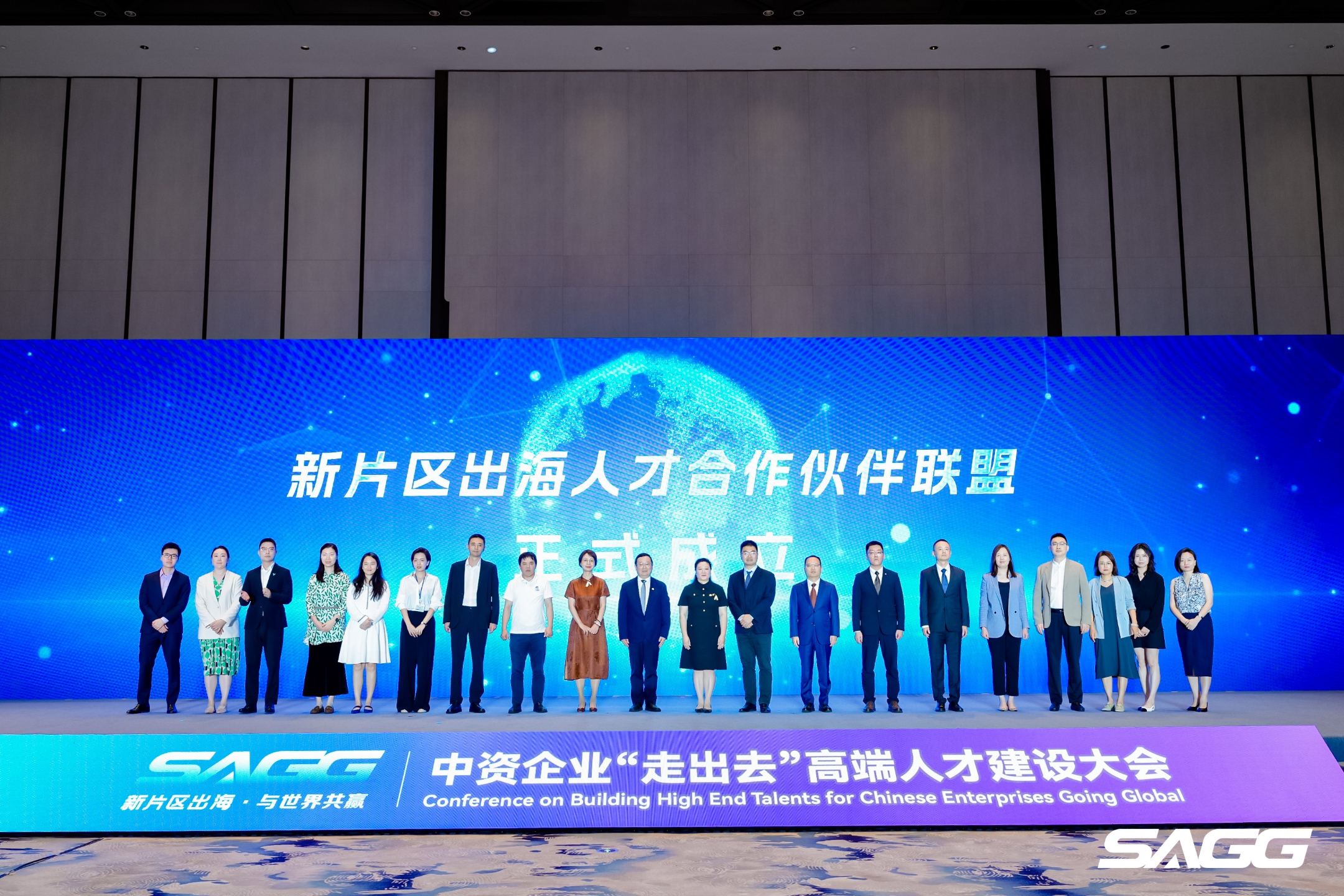
Core Insights - The conference on high-end talent development for Chinese enterprises going global was held in Shanghai, announcing the establishment of a talent training base, an alliance, and a series of training programs [1][3] Group 1: Talent Development Initiatives - The "New Area Going Global Talent Training Base" will be located in the financial service hub of the Lingang New Area, serving as a physical platform for government and professional services related to international expansion [1] - The "New Area Going Global Talent Partner Alliance" was formed in collaboration with 20 prestigious universities and service institutions, focusing on integrating resources and building an ecosystem for international talent supply [3] - The first phase of the high-end talent training project has been initiated with top institutions such as Peking University and Shanghai Jiao Tong University participating [3] Group 2: Service Platform and Ecosystem - Since its establishment, the Lingang New Area has recorded 450 non-financial foreign direct investment projects with a total investment of $6.96 billion [4] - The "Going Global" comprehensive service platform will officially operate in August 2024, providing specialized services across 20 areas including human resources, cross-border finance, and legal support [4] - The platform has gathered nearly 500 professional service institutions and established 23 service branches nationwide, creating a comprehensive support system for enterprises going global [4][5] Group 3: Strategic Goals and Future Plans - The service ecosystem aims to create a virtuous cycle of strategic talent incubation, professional service implementation, and overseas business expansion [5] - The conference signifies a systematic breakthrough in talent development for international expansion, with plans for continued institutional innovation and optimization of the business environment [5] - The "SAGG New Area Going Global" brand is positioned as a core support for Chinese enterprises in international competition, injecting long-term momentum into their global development [5]