可持续发展

Search documents
2025绿金论坛|聚焦全球机遇与创新实践,共探企业高质量发展新路径
Zhong Guo Jin Rong Xin Xi Wang· 2025-12-26 13:23
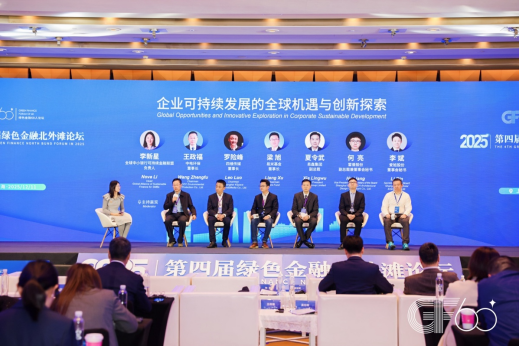
Core Viewpoint - The forum highlighted the importance of sustainable development and the integration of green finance, technology, and industry, emphasizing that green development is now a critical dimension of global competition [1][21]. Group 1: Company Insights - China Electric Environmental Protection (CEEP) focuses on large-scale industrial water treatment and municipal water environment governance, emphasizing the importance of water conservation and environmental technology innovation [5][6]. - Four Dimensions Media has integrated green and sustainable development into its operations, achieving over 70% of its business in the European and American markets, and is preparing for the EU's upcoming "Zero Deforestation Regulation" [8]. - Easy Money Fund emphasizes active equity investment based on industry chain research, aiming to inject financial capital directly into industries to enhance the marginal value of the real economy [10][11]. - Easy Car Group, as an AI-driven automotive financial service provider, has increased its new energy vehicle financing from 27% in 2023 to 58%, focusing on inclusive and green finance [13][14]. - Hope Co., Ltd. has transitioned from traditional building design to green zero-carbon services, focusing on community, factory, and park scenarios, and aims to provide comprehensive zero-carbon solutions [16]. - Aishuo Co., Ltd. has achieved a battery production efficiency of over 27.3% and is the first company to scale produce silver-free photovoltaic products, addressing raw material price volatility [19][20]. Group 2: Industry Trends - The integration of finance, technology, and the real economy is crucial for achieving sustainable development, requiring long-term commitment and systematic innovation breakthroughs [21]. - The forum featured discussions on the role of financial institutions in providing foundational financing services for green industries and optimizing costs for green technologies [11].


华润万象生活30个项目获WELL HSR健康安全评价
Xin Jing Bao· 2025-12-26 13:09
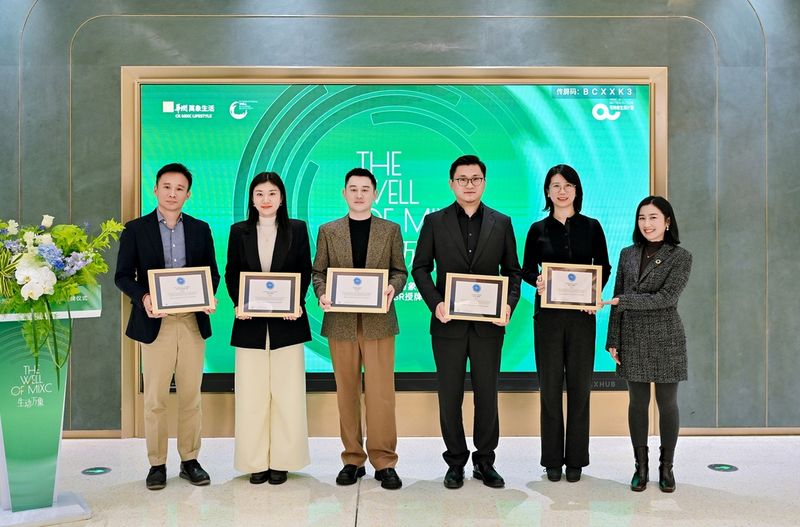
Core Viewpoint - The "WELL HSR" certification ceremony for China Resources Mixc Life was held in Tianjin, marking significant progress in health and wellness initiatives within the company's shopping centers and office buildings [1] Group 1: WELL HSR Certification Achievements - By the end of 2025, China Resources Mixc Life will have 30 shopping centers and office projects certified with WELL HSR, covering a total area of 7.527 million square meters and benefiting 328,000 people [1] - All extraordinary luxury shopping centers currently in operation have received the WELL HSR certification, along with 12 high-quality office projects [1] Group 2: Sustainable Development Commitment - The company adheres to a sustainable development path focused on high-quality service and long-termism, integrating a "people-oriented" philosophy into its operations across commercial, office, community, and public spaces [1] - The sustainable development approach has evolved from compliance management to an ecological leadership phase, aiming to collaborate with more partners for deeper, multi-field cooperation [1] Group 3: Industry Collaboration and Trends - The IWBI's China Executive Vice President emphasized the importance of collaboration among stakeholders in the value chain to address challenges and achieve mutual benefits [3] - Industry experts shared insights on themes such as health spaces, social responsibility, sustainability, and green buildings during the event [3] Group 4: Innovative Initiatives - The "WELL EAT" initiative was launched in collaboration with the WELL Living Lab, featuring nearly 20 healthy dishes from 10 restaurants in Tianjin Mixc, extending health principles into dining experiences [10] - Other Mixc projects in cities like Changchun, Jinan, Nanning, Fuzhou, Shenzhen, and Chengdu will also initiate unique sustainable consumption activities to enhance public awareness and participation in sustainability [12] Group 5: Integration of Technology and Sustainability - The integration of AI technology in building management is being explored to enhance sustainability practices, aligning with WELL's health building standards to improve the well-being of consumers, tenants, and employees [8]
赋能绿色酿造 | 舍得酒业光伏项目顺利并网发电
Xin Lang Cai Jing· 2025-12-26 12:23
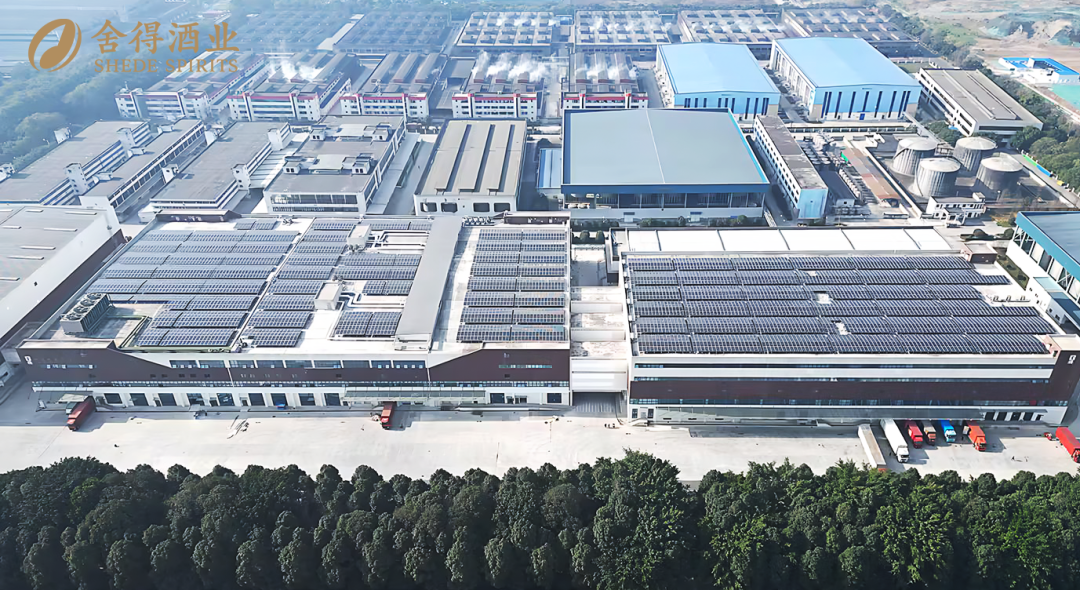
Core Viewpoint - Shede Liquor has successfully completed and connected its distributed photovoltaic power generation project, marking a significant step in its efforts towards energy conservation, carbon reduction, and sustainable development [1][2][3]. Group 1: Project Details - The distributed photovoltaic project covers an area of 25,000 square meters and has an installed capacity of 5.5 megawatts, with an expected annual power generation of 4.5 million kilowatt-hours [3][5]. - The project is anticipated to reduce carbon emissions by 240 metric tons of CO2 equivalent per year [3][5]. Group 2: Strategic Integration - Shede Liquor has integrated green development into its strategic planning and daily operations, establishing a clear path for carbon peak and carbon neutrality [3][5]. - Initiatives include the installation of solar street lights within the factory area and the promotion of electric vehicles, showcasing the company's commitment to exploring and applying green energy [3][5]. Group 3: Future Commitment - The company aims to continue embedding sustainable development principles into every aspect of its production and operations, focusing on ecological priority and high-quality green low-carbon development [3][5]. - Shede Liquor intends to contribute more "Shede wisdom" and "Shede strength" to the industry's green transformation and to create more green products for a better life [3][5].

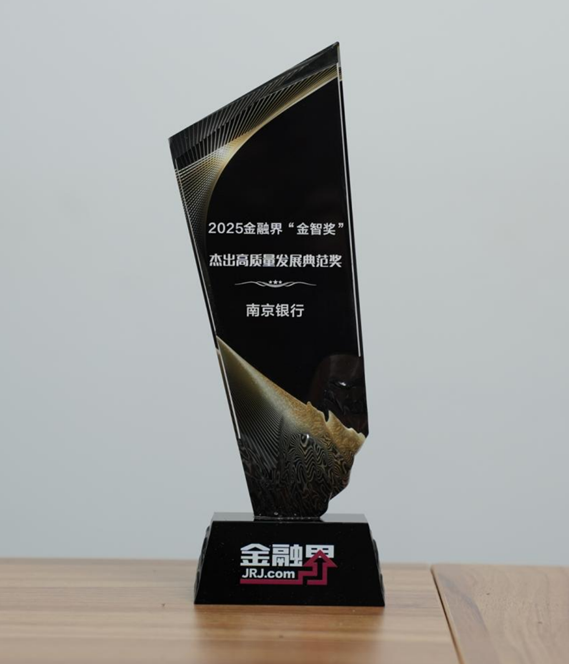
锚定服务实体经济的核心使命,南京银行荣获第十四届金融界“金智奖”杰出高质量发展典范奖
Jin Rong Jie· 2025-12-26 12:07
Core Viewpoint - The "Qihang·2025 Financial Summit" held in Beijing highlighted the importance of high-quality development in the financial sector, with Nanjing Bank receiving the "Outstanding High-Quality Development Model Award" for its exemplary performance in aligning with national strategies and economic development [1][3]. Group 1: Award and Evaluation - The "Jinzhi Award" aims to set benchmarks for high-quality development, guiding listed companies to focus on their core businesses, innovate continuously, and fulfill social responsibilities [3]. - The evaluation criteria for the award include social responsibility, contribution to the real economy, investment returns, growth prospects, innovation efficiency, and brand excellence, covering over 8,000 companies [3]. Group 2: Nanjing Bank's Performance - As of the end of Q3 2025, Nanjing Bank's total assets reached 2.96 trillion yuan, a year-on-year increase of 14.31%, demonstrating a balance between scale and efficiency [4]. - The bank reported operating income of 41.949 billion yuan and a net profit attributable to shareholders of 18 billion yuan, reflecting year-on-year growth of 8.79% and 8.06%, respectively [5]. - The cost-to-income ratio improved to 23.27%, a decrease of 4.81 percentage points from the previous year, indicating effective cost management [5]. Group 3: Strategic Focus and Services - Nanjing Bank effectively meets the credit needs of the real economy, with a significant 31.56% increase in medium to long-term loans to the manufacturing sector, outperforming the industry average [5]. - The bank emphasizes inclusive finance, pension finance, and digital finance, with retail financial assets reaching 968.7 billion yuan, a 17.1% increase since the beginning of the year [5]. Group 4: Sustainability and Governance - Nanjing Bank has a strong ESG performance, maintaining a non-performing loan ratio of 0.83% and a provision coverage ratio of 313.22%, indicating robust risk management [6]. - The bank's governance is efficient, with a stable dividend policy, distributing 3.062 yuan per 10 shares in cash dividends, totaling 3.7857 billion yuan, which is 30% of its net profit [6]. - Major shareholders have increased their stakes, reflecting confidence in the bank's long-term development [6]. Group 5: Future Outlook - Nanjing Bank is committed to its high-quality development mission, focusing on optimizing financial resource allocation to support sustainable economic growth [6].

金风科技(002202) - 2025年12月26日投资者关系活动记录表
2025-12-26 10:08
附件二:投资者关系活动记录表格式 证券代码: 002202 证券简称:金风科技 | | 编号: | | --- | --- | | 投资者关系活动类别 | 特定对象调研 □分析师会议 | | | □媒体采访 □业绩说明会 | | | □新闻发布会 □路演活动 | | | □现场参观 □其他(请文字说明其他活动内容) | | 参与单位名称及人员 | 西部证券 邓宇轩 中金公司 车昀佶 天风证券 杨志芳 东吴证券 胡隽颖 | | 姓名 | 中信证券 林劼 | | 时间 | 2025年12月26日 | | 地点 | 线上会议 | | 上市公司接待人员姓 | 投资者关系经理 于洋 | | 名 | 投资者关系主管 刘茜 | | | 公司在智慧运维方面有何布局? | | | 答:新能源发电项目全面参与电力市场交易,显著提升了行业对电力交易 | | | 相关产品与服务的需求。"数智化"转型作为应对市场变革、提升竞争力 | | | 的核心路径,持续引领行业发展。在"无人化"场站建设方面,公司通过 | | | 智慧运营平台建设提升故障预警效率与实时监测能力,加速场站"无人化" | | | 进程,运维人效平均提升25%以上。2 ...

蒙牛集团“三位一体”打造新质生产力,引领产业跨越升级
Huan Qiu Wang· 2025-12-26 08:20
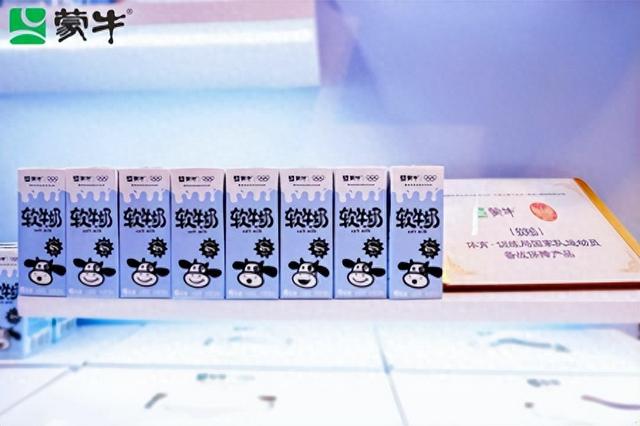
Core Viewpoint - The sixth Global Trends Conference highlighted "new quality consumption" and "enterprise going global," with Mengniu Group sharing its innovative practices for high-quality development amidst industry changes [1] Group 1: R&D Innovation and Industry Upgrade - Mengniu focuses on developing more nutritious products to meet consumer health needs, investing heavily in R&D with a team of 15 academicians and over 100 scientists [2] - The company has established a comprehensive quality management system across the entire supply chain, ensuring product safety and quality, surpassing EU standards in key metrics [4] - Mengniu has developed customized products addressing specific consumer needs, such as lactose intolerance and sports nutrition, launching innovative products like "soft milk" and the "Maisen" sports nutrition brand [4][5] Group 2: Smart Manufacturing and Digital Transformation - Mengniu is leveraging digital and intelligent technologies to reshape its entire supply chain, establishing smart factories and farms [7] - The Ningxia factory was recognized as a "lighthouse factory" by the World Economic Forum, achieving a production capacity of 1 million tons and an annual output value of 10 billion yuan [7] - The Wuhan factory was certified by Forbes as the world's largest single low-temperature yogurt factory, showcasing efficient production and supply chain management [7] Group 3: Sustainable Development Initiatives - Mengniu is committed to a "GREEN" sustainable development strategy, integrating ecological restoration with industry development in its upstream operations [11] - The company has built 37 national-level green factories and two zero-carbon factories, promoting green packaging and waste recycling initiatives [12] - Mengniu has maintained an AA rating in MSCI ESG ratings for three consecutive years, leading the industry in sustainable practices [12]

【碳路司南·ESG圆桌会】ESG评价:如何构建标准、数据与价值的闭环联动,赋能企业可持续发展?
Xin Hua Cai Jing· 2025-12-26 06:35
Core Insights - The article emphasizes the growing importance of ESG (Environmental, Social, and Governance) ratings in assessing corporate sustainability and the need for alignment between local ESG evaluations and international standards [1] Group 1: ESG Ratings and Their Role - ESG ratings are becoming essential for investment decisions, with a shift from companies as mere information providers to strategic leaders in the market [2][3] - MSCI ESG ratings measure a company's resilience to sustainability risks and opportunities, with over 3,000 institutional investors relying on MSCI's sustainability data, and assets tracking MSCI sustainability indices expected to exceed $1 trillion by the end of 2024 [2] Group 2: Potential Value of ESG Ratings - ESG ratings help quantify non-financial information, enabling investors to assess long-term value and risks that traditional financial analysis may overlook [3] - The ratings guide capital allocation towards sustainable sectors and provide companies with a roadmap for improving management and transparency, thus enhancing competitive advantage and rebuilding public trust [3] Group 3: Avoiding "Greenwashing" Risks - To mitigate "greenwashing," companies should shift from compliance-based disclosures to strategic tools, with 64% of leading companies having climate transition plans aligned with the 1.5°C target [4] - Leading companies show significant differences in practices, such as 40% implementing internal carbon pricing compared to only 20% in the overall sample [4] Group 4: Current State of China's ESG Rating Market - China's ESG rating market is transitioning from concept awareness to standardized development, driven by policy and increasing market demand [8] - The number of Chinese companies rated AA and AAA by MSCI increased by 66% from 2023 to 2024, indicating a growing integration of sustainability into corporate strategies [7] Group 5: Enhancing ESG Information Disclosure - Chinese companies are encouraged to improve disclosure quality, with 87% of responding companies aligning with international sustainability disclosure standards [12] - Collaboration across the value chain is essential, particularly in managing "Scope 3" emissions, which are significantly higher than operational emissions [13] Group 6: Future Directions for ESG Ratings - Future ESG ratings will increasingly emphasize the financial impact of ESG factors, incorporating climate scenario analysis and industry-specific transition risks [14] - Companies should proactively integrate ESG into their core strategies, using rating results as diagnostic tools to identify and manage risks, thereby gaining long-term trust from capital markets [14]
广州白云化妆品产业将强化出海培训等!建成最大香氛博物馆
Nan Fang Du Shi Bao· 2025-12-26 05:52
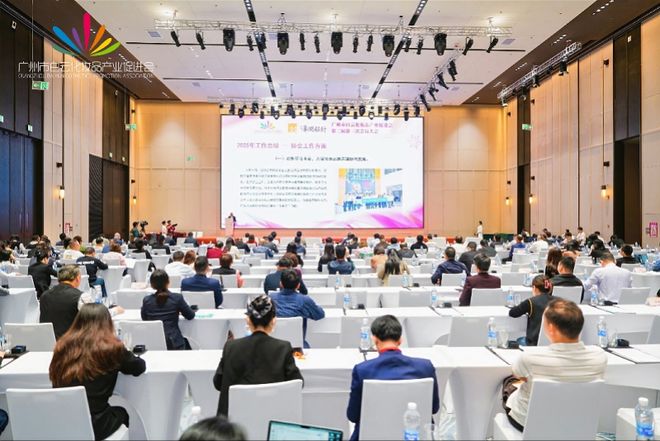
Core Viewpoint - The Guangzhou Baiyun Cosmetics Industry Promotion Association held its third member conference, focusing on key topics such as policy interpretation, brand building, consumer trends, and foreign trade innovation [1][3]. Group 1: Conference Highlights - The president of the association, Weng Zhengguo, presented a work report for 2025, reviewing the achievements in building a government-enterprise communication platform and promoting industry collaboration [3]. - The association plans to continue enhancing the government-enterprise communication platform and will focus on collecting enterprise needs for more precise training in areas like transformation, overseas exhibitions, and legal regulations [3]. - A signing ceremony was held between the association and the Guangzhou Baiyun District Energy Conservation and Carbon Reduction Association to collaborate on green production and energy-saving initiatives [3]. Group 2: Industry Development Goals - Baiyun District aims to support the cosmetics industry in reaching a target of becoming a trillion-level pillar industry through improved business environment, policy support, and complete industrial chain [3]. - The district's deputy secretary emphasized the importance of the association in leading member enterprises towards high-quality development [3]. Group 3: Cultural Impact - The Snow Lei Fragrance Museum in Guangzhou received a Guinness World Record for being the largest fragrance museum, showcasing the city's historical background in spice trade and cultural confidence [4][5]. - The museum is seen as a benchmark for cultural innovation, enhancing Guangzhou's influence in culture, creativity, and consumption [5].
“人工智能+可持续发展”带来哪些新机遇?这场高端会计人才交流研讨会带来解读
Zhong Guo Fa Zhan Wang· 2025-12-26 05:03
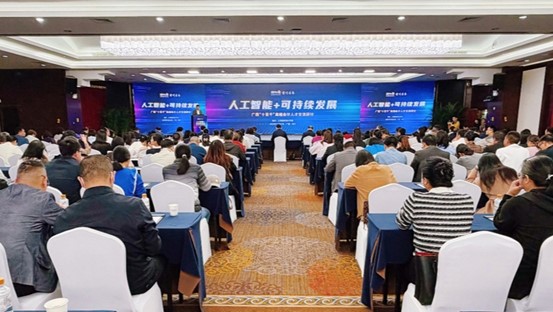
Core Insights - The seminar on "Artificial Intelligence + Sustainable Development" aims to explore how accounting talent can leverage new opportunities and tools to address challenges, providing intellectual and talent support for the high-quality development of Guangxi's economy [1][3] Group 1: Government and Institutional Perspectives - The Ministry of Finance emphasizes that artificial intelligence is fundamentally reshaping the accounting profession and is a key driver for sustainable development [3] - The establishment of a unified sustainable disclosure standard system is underway to guide enterprises in better practicing sustainable development principles [3][5] - The Guangxi Finance Department is actively supporting the high-quality development of artificial intelligence, aligning with the region's ecological goals [3][5] Group 2: Educational and Talent Development - The Shanghai National Accounting Institute focuses on cultivating application-oriented and practice-oriented accounting talent, adapting teaching methods to meet the evolving demands of the industry [4] - The seminar aims to enhance high-end accounting talent's ability to serve national strategies and regional development in the context of AI and sustainability [4][6] Group 3: Industry Trends and Future Directions - The intersection of artificial intelligence and sustainable development presents unprecedented opportunities for the accounting industry [5] - The Ministry of Finance is working towards a complete sustainable disclosure standard system by 2030, which will reflect both international best practices and Chinese characteristics [5][6] - Financial professionals are encouraged to embrace continuous learning and adapt to the rapid changes in knowledge and practices driven by AI and sustainability [6]
余辉:上市公司高质量发展与资本市场赋能的内在联系
Zheng Quan Ri Bao Zhi Sheng· 2025-12-26 03:56
尊敬的各位领导、各位来宾,各位上市公司同仁,大家上午好! 非常高兴与各位嘉宾相聚在2025证券市场年会,共话发展、凝聚共识、携手启程。在此,我谨代表中国 上市公司协会,对本次年会的召开表示热烈祝贺!向莅临会议的各位领导、专家学者、企业家朋友和媒 体朋友们,致以诚挚的欢迎和衷心的感谢! 今年以来,在中国证监会的坚强领导下,我国资本市场经受住了多重考验,市场功能有效发挥,市场韧 性持续增强,抗风险能力显著提升,实现了规模有序增长与发展质量跃升,有力支撑了经济社会发展大 局。作为国民经济的"基本盘"和科技创新的"主力军",上市公司群体展现出强大的发展活力与制度韧 性。从规模看,境内上市公司数量(含北交所)已突破了5400余家,较十年前实现翻番,总市值与产业 覆盖面不断扩大;从质量看,行业结构持续优化,盈利能力稳步提升,融资结构更趋合理,高质量发展 的成色愈发鲜亮。 第二,固根基:以治理创新与股东回报,夯实长期发展信任基石。卓越的创新离不开卓越的治理。当 前,上市公司治理正从"形式合规"全面迈向"实质效能"。新修订的《上市公司治理准则》着力构建健 全、有效、透明的治理机制,推动上市公司通过优化董事会职能、强化内控体系 ...