
城市更新

Search documents
2026买房逻辑变了!住建部一份文件,说透未来5年方向
中指研究院· 2026-01-18 06:01
Investment Rating - The report indicates a positive investment outlook for the real estate industry, emphasizing a shift towards quality improvement as a core focus for 2026 [3]. Core Insights - The Ministry of Housing and Urban-Rural Development released a document outlining the direction for housing construction over the next five years, aiming to enhance housing quality and establish clear pathways for high-quality development in the real estate sector [3][4]. - The report highlights the importance of integrating national and local standards to promote differentiated housing quality, catering to diverse regional needs and preferences [5]. - It emphasizes the need for optimizing building design and technology applications to enhance the long-term value of housing, addressing traditional pain points such as maintenance and adaptability [6]. - The report discusses the push for urban renewal and the transformation of existing housing, indicating a new phase in quality enhancement for urban development [7]. - It outlines the establishment of a comprehensive lifecycle management mechanism for housing, transitioning from a focus on construction to a balanced approach that includes maintenance and service quality [8][9]. - The report advocates for the cultivation of new productive forces in the industry, promoting an integrated approach across the real estate value chain and encouraging the adoption of green building practices [10]. Summary by Sections 1. Housing Construction Standards - The report calls for the improvement of housing construction standards and encourages local adaptations to meet specific regional conditions [4][5]. 2. Building Design and Technology - It stresses the importance of advanced building design techniques to enhance durability and adaptability, thereby increasing the long-term value of housing [6]. 3. Urban Renewal Initiatives - The report outlines strategies for the renovation of existing housing and urban areas, indicating a significant focus on quality improvements in urban settings [7]. 4. Lifecycle Management - It proposes the establishment of a long-term safety management mechanism for housing, emphasizing the importance of maintenance and service quality in enhancing living conditions [8][9]. 5. Industry Transformation - The report highlights the need for the real estate sector to transition towards integrated, high-quality, and sustainable practices, fostering innovation and collaboration across the industry [10].
政策要闻丨住建部部署2026年工作,北京放松限购政策(12.22-12.28)
中指研究院· 2026-01-18 03:33
Policy Overview - The Ministry of Housing and Urban-Rural Development (MOHURD) has outlined four key tasks for 2026, focusing on stabilizing the real estate market and promoting urban renewal[4] - The People's Bank of China (PBOC) emphasizes the integration of incremental and stock policies to enhance monetary policy effectiveness, aiming for a balance between social financing and economic growth[5] Local Policy Adjustments - Beijing has relaxed home purchase restrictions for non-residents and families with multiple children, reducing the social security or tax payment requirement from 3 years to 2 years within the Fifth Ring Road[9] - Shanghai's Putuo District has introduced a "housing ticket reward" for residents affected by urban renewal projects, offering 1,000 RMB per square meter for eligible home purchases[11] Housing Quality Improvement Initiatives - The MOHURD is seeking public input on a draft aimed at improving housing quality by 2030, with a focus on enhancing construction standards and promoting better materials[8] - Nanjing's Qixia District has launched a talent housing ticket policy, providing up to 200 million RMB in subsidies for qualified individuals[12] Financial Policy Enhancements - Recent adjustments in housing provident fund policies in cities like Xuzhou allow for the withdrawal of funds to cover property management fees, with a cap of 8,000 RMB[13] - The report indicates a trend of increasing housing policy frequency, with 52 policies introduced in December alone, reflecting a proactive approach to market stabilization[17]
多元主体共建 古城焕新启程
Su Zhou Ri Bao· 2026-01-18 01:14
昨天(1月17日),昆山市重点片区联创工作营启动暨玉山历史文化片区规划发布大会举行,国家 顶级规划机构、知名建筑设计事务所的专家学者,以及国内一流的城市运营、商业开发和文旅融合的先 锋力量汇聚玉山片区核心区,为昆山历史文化传承与城市更新起笔绘图。 每一次对历史的凝视,都是对未来的眺望。以玉山为核心的片区焕新,不仅是昆山空间的升级、功 能的再造,也是文化的延续、民生的关怀与消费场景的创新探索。昆山正在开启一场以文化为魂、以人 民为中心的城市更新与复兴实践。 打破壁垒探索多元共创机制 在玉山片区核心区,高不足百米的玉峰山孤峰独秀,见证昆山2200多年建城史的"原点"。在2.8平 方公里的老城区内,宋代街巷肌理清晰可见,道路水网格局千年未变。 这里是烟火人间的生动舞台。亭林园中晨练身影与昆曲清音交织,柴王弄转角面包与咖啡香弥漫, 是市井诗意生活的注脚;百年奥灶馆的一碗热汤面,温暖了几代人的味蕾记忆。 与许多历史老城一样,玉山也面临物质空间老化、功能滞后、活力不足的挑战。面对产权复杂、主 体多元的更新难题,昆山创新推出"联创工作营"机制,既搭建政府、市场、社会、专家、市民协同平 台,又实现"规划—设计—运营—治理"全 ...
【进一步推动长江经济带高质量发展】尾水化清波 湿地景如画
Xin Lang Cai Jing· 2026-01-17 23:55
Core Viewpoint - The construction of the Zhujiqiao Tail Water Purification Ecological Park in Wuhu represents a successful integration of urban renewal and ecological restoration, transforming a previously neglected area into a vibrant ecological space that benefits both the environment and the community [1][2][3]. Group 1: Project Overview - The Zhujiqiao Tail Water Purification Ecological Park was developed to utilize tail water resources effectively, serving as a model project for Wuhu's "urban renewal + ecological restoration" initiative since 2019 [2]. - The project incorporates the "sponge city" concept, focusing on source reduction and integrated management of sewage and flooding, and employs a "micro-renovation" approach for ecological restoration [2]. Group 2: Environmental Impact - The park features a complex of facilities, including subsurface wetlands and enhanced artificial wetlands, capable of purifying approximately 120,000 tons of tail water daily, which is about one-third of the discharge from the Zhujiqiao sewage treatment plant [2]. - After purification, the water quality of the tail water improved from Class A to Class IV surface water standards, contributing around 43 million cubic meters of clean water to the urban river system annually, saving approximately 3.5 million yuan in ecological replenishment costs [2][3]. Group 3: Social and Economic Benefits - The park not only enhances ecological functions but also serves as a recreational area for citizens, attracting over 20,000 visitors daily during holidays [3]. - The successful establishment of the park exemplifies the harmonious relationship between humans and water, improving urban ecological conditions and elevating the quality of urban functions, thus becoming a significant representation of Wuhu's commitment to ecological civilization [3].
中共辽宁省委辽宁省人民政府关于推动城市高质量发展的实施意见
Xin Lang Cai Jing· 2026-01-17 23:54
Overall Requirements - The implementation opinions aim to promote high-quality urban development in Liaoning, guided by Xi Jinping's thoughts and the spirit of the 20th National Congress of the Communist Party of China [2] Urban System Optimization - The plan emphasizes the construction of modern urban clusters and metropolitan areas, enhancing collaborative mechanisms and accelerating urban integration [3] - It supports the dual-core development of Shenyang and Dalian, positioning them as key centers for advanced manufacturing and international trade [3][4] Innovation-Driven Development - The strategy focuses on fostering new productive forces by optimizing traditional industries and promoting emerging sectors such as biomanufacturing and intelligent technologies [5] - It aims to enhance urban renewal through sustainable models and activate existing urban resources [5][6] High-Quality Living Environment - The initiative includes improving housing conditions and urban infrastructure, with a target to build 200 complete communities by 2030 [7] - It emphasizes enhancing public service levels, including healthcare and education, to support urban residents [8] Green and Low-Carbon Development - The plan promotes green production and the development of zero-carbon parks, with a goal to establish 10 such parks by 2030 [9] - It encourages the adoption of green buildings, aiming for 40% of new constructions to be star-rated green buildings by 2030 [9] Urban Safety and Resilience - The strategy includes strengthening safety management for buildings and urban infrastructure, with a focus on disaster prevention and emergency response [11][12] - It aims to enhance public health emergency response capabilities and improve overall urban safety resilience [12][13] Cultural Prosperity - The plan emphasizes the protection and utilization of historical and cultural heritage, supporting cities in applying for national historical cultural city status [14] - It aims to cultivate urban cultural identity and promote public cultural spaces [15] Governance Improvement - The initiative seeks to enhance urban governance systems and promote digital transformation for better urban management [16] - It emphasizes community engagement and social governance to improve public safety and social stability [17][18] Implementation and Evaluation - The plan calls for a unified leadership structure and a comprehensive evaluation system to ensure effective implementation of urban development strategies [19]
手握老房 = 躺赚?2026 年新规让核心区老房要贵 20%
Xin Lang Cai Jing· 2026-01-17 14:40
二、核心区老房逆袭:比新房贵 20% 的三大底气 2025 年前 10 月全国新房销售面积下降 6.8%,而二手房网签面积逆势增长 4.7%,上海、深圳等城市二 手房成交增速超 10%,这种 "新房遇冷、老房走俏" 的分化,在核心区域表现尤为突出。核心区老房能 实现 20% 的价值跃升,源于不可复制的三大优势: 2026 年,中国房地产市场正经历一场深刻的价值重构。随着《城市更新行动实施意见》的全面落 地,"买新不买旧" 的传统逻辑被彻底颠覆,核心区老房从 "贬值资产" 摇身变为 "增值标的"。市场数据 显示,2019-2024 年全国已改造老旧小区 28 万个,惠及 4800 万户居民,核心区二手房价格平均提升 15%-20%,部分优质项目涨幅甚至超越新房。这场由政策驱动的价值重估,究竟是全民红利还是精准筛 选?手握老房真能实现 "躺赚" 吗? 一、政策组合拳:老房增值的底层逻辑 2026 年的老房升值潮,本质是城市发展阶段转型的必然结果。我国常住人口城镇化率已达 67%,9.4 亿 人生活在城镇,大规模新建住房时代基本结束,"存量提质" 成为城市发展核心任务。中央层面构建的 "财政补贴 + 金融支持 + ...

光大地产板块及重点公司跟踪报告:《求是》集中刊文,地产情绪迎曙光
EBSCN· 2026-01-17 14:30
Investment Rating - The report maintains an "Accumulate" rating for the real estate sector, indicating a positive outlook for the industry in the coming months [5]. Core Insights - Recent publications in "Qiushi" magazine emphasize the importance of managing expectations in the real estate market, suggesting that a comprehensive policy approach is necessary to stabilize the market [1][2]. - The central bank has lowered the re-lending rate for affordable housing to 1.25% and reduced the minimum down payment for commercial properties to 30%, aiming to support the real estate market [3]. - There is a notable divergence in the real estate market, with high-quality core cities and leading real estate companies performing better in sales [4]. Summary by Sections Section 1: Policy and Market Sentiment - "Qiushi" magazine's articles highlight the need for effective expectation management in the real estate sector, stressing that policies should be decisive rather than incremental to avoid market-policy conflicts [1]. - The shift in urbanization from rapid growth to stable development is noted, with a focus on optimizing existing urban structures and enhancing quality [1]. Section 2: Financial Support Measures - The central bank's decision to lower the re-lending rate to 1.25% is aimed at facilitating the acquisition of existing properties for affordable housing, while the down payment for commercial properties has been reduced to 30% to help alleviate inventory issues [3]. Section 3: Market Performance - The report indicates that the sales performance in the core 30 cities is declining, with a total transaction value of 3.12 trillion yuan in 2025, down 18.7% year-on-year. However, the average price of residential properties in these cities has increased by 0.7% [4]. - Leading real estate companies with strong brand recognition are showing better sales performance, with China Jinmao achieving 78.3 billion yuan in sales, up 15.5% year-on-year [4]. Section 4: Investment Recommendations - The report suggests focusing on three main investment lines: 1. Stable leading companies with strong credit and product reputation, such as China Jinmao and China Merchants Shekou [5]. 2. Public REITs with rich resources and operational brand strength, recommending China Resources Land and Shanghai Lingang [5]. 3. Long-term growth potential in the property service sector, with recommendations for companies like China Merchants Jiyu and China Resources Mixc Life [5].
倪虹:高质量推进城市更新|宏观经济
清华金融评论· 2026-01-17 10:35
Core Viewpoint - The article emphasizes the importance of high-quality urban renewal as a strategic initiative to achieve modern urbanization in China, aligning with the central government's directives and addressing the evolving needs of the population [3][5]. Group 1: Urban Renewal as a Strategic Focus - The Central Urban Work Conference in July 2025 highlighted urban renewal as a key focus for building modern, resilient, and beautiful cities [3]. - Urban renewal is seen as essential for optimizing urban structure, enhancing quality, and ensuring safety in cities, which is crucial for high-quality urban development [5][6]. Group 2: Addressing Population and Infrastructure Needs - Over 940 million people live in urban areas in China, leading to a shift in public expectations from mere availability of services to quality and safety [7]. - The changing demographic landscape, including declining birth rates and an aging population, necessitates urban renewal to better allocate resources and services [7]. Group 3: Economic and Investment Implications - Urban renewal is identified as a key driver for economic transformation, shifting from resource-driven growth to innovation-driven development [8]. - The "14th Five-Year Plan" includes significant investments in urban renewal projects, which are expected to stimulate substantial economic activity and consumption [8]. Group 4: Enhancing Urban Resilience and Safety - The article stresses the need for urban renewal to address aging infrastructure and safety risks, with a focus on improving the resilience of urban spaces and facilities [9]. - Urban renewal is positioned as a means to systematically eliminate safety hazards and enhance the overall safety of urban environments [9]. Group 5: Comprehensive Urban Development Strategy - Urban renewal is described as a complex system engineering task that requires a coordinated approach across various sectors, including housing, community, and public services [20]. - The article outlines the necessity of integrating cultural heritage preservation with urban renewal efforts to maintain the historical and cultural identity of cities [13]. Group 6: Sustainable Urban Renewal Models - Current policies in urban renewal need to adapt to the changing landscape, focusing on sustainable practices that address quality rather than just quantity [15]. - The article calls for innovative financing mechanisms and community involvement to ensure the long-term success of urban renewal projects [17][18].

我们与上海不可分割
Xin Lang Cai Jing· 2026-01-17 07:28
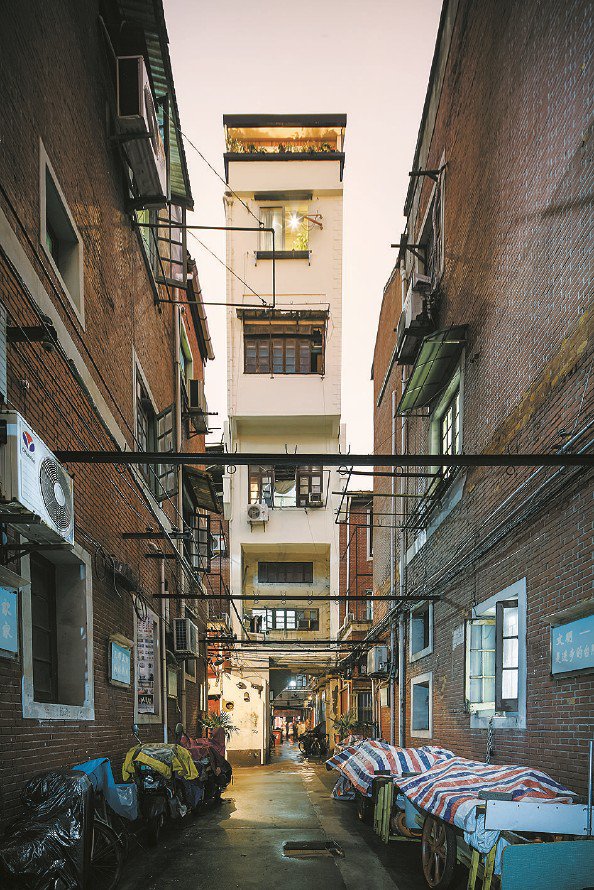
Core Viewpoint - The article discusses the complexities of urban renewal in Shanghai, emphasizing the need for a deeper understanding of the city's cultural and social fabric rather than merely focusing on technical metrics and superficial upgrades [10][11][12]. Group 1: Urban Renewal Challenges - Urban renewal has become a frequently discussed public issue, often associated with progress and prosperity, but it may not always lead to improved living conditions for residents [11]. - Many urban renewal projects prioritize technical indicators like building density and investment returns, potentially overlooking the fundamental question of who benefits from these updates [11][12]. - The article questions whether Shanghai's urban renewal should follow the same path as other cities, suggesting that a one-size-fits-all approach may not be effective [11][12]. Group 2: Shanghai's Unique Characteristics - Shanghai is characterized by a complex blend of traditional and modern elements, making it difficult to apply urban renewal models from other cities directly [11][12]. - The city's unique structure includes a mix of alleyways, apartments, and skyscrapers, which reflects its diverse cultural and economic landscape [11][12]. Group 3: Practical Insights from Experience - The author shares insights from nearly a decade of urban micro-renewal practice, highlighting that understanding the city's cultural structure and social psychology is crucial for effective renewal [12]. - The article emphasizes that urban renewal efforts often fail to resonate with residents if they do not consider their lived experiences and historical context [12]. Group 4: Spatial Design and Human Experience - The author reflects on childhood experiences in a small living space, illustrating how spatial arrangements can shape emotions and relationships [13]. - A proposed spatial prototype, the 9-square-meter home, encapsulates the practical and aesthetic needs of Shanghai residents, showcasing their utilitarian approach to living spaces [14][15]. Group 5: Emotional and Cultural Dimensions - Despite living in constrained spaces, Shanghai residents maintain a sense of optimism and aesthetic appreciation, as seen in their small personal touches like flowers and books [16][17]. - The article identifies four key attitudes of Shanghai residents towards urban renewal: practicality, rationality, optimism, and romanticism, which guide their expectations and experiences [18]. Group 6: Idealism and Realism in Urban Renewal - Shanghai residents exhibit a form of idealism grounded in daily practices rather than grand narratives, focusing on meaningful engagement with their environment [19]. - The article concludes that genuine urban renewal in Shanghai can only be achieved by those who understand the city's complexities and choose to remain committed to its development [20]. Group 7: Exhibition as a Methodology - The exhibition "I and Shanghai are Indivisible" serves as a spatial dissection of the city, exploring seven spatial prototypes that reflect the essence of Shanghai [21][22]. - This approach aims to inspire possibilities for urban renewal that are unique to Shanghai, rather than replicating existing templates from other cities [22].
北京一季度将开工160个重点项目
Xin Lang Cai Jing· 2026-01-17 06:24
Core Viewpoint - The city plans to commence 160 major investment projects in the first quarter, with a total investment of approximately 518.8 billion yuan, which is expected to positively influence economic recovery and market confidence [1] Group 1: Investment Projects Overview - A total of 160 key projects will be initiated, focusing on significant investment and demonstration effects, as well as strong regional driving forces [1] - The total investment for these projects is around 518.8 billion yuan [1] Group 2: Focus Areas of the Projects - The projects are concentrated in four main areas: - Modern industrial system construction, including 36 projects such as the Haibo Sichuang energy storage system super factory and AI innovation district [1] - Modern infrastructure system construction, with 55 projects like the Fengtai 500 kV transformer substation and the overall enhancement of the road network in Zhongguancun Science City [1] - Livelihood improvement initiatives, featuring 45 projects such as Beijing Sixth Experimental School and Xuanwu Hospital Fangshan District [1] - Urban renewal actions, including 24 projects like the protective renovation of Yinzha Hutong in Dongcheng District and the shantytown renovation in Yuegezhuang Village, Fengtai District [1] Group 3: Future Investment Plans - By 2026, the city will continue to implement the "3 100" key engineering projects, with a total investment exceeding 1.4 trillion yuan for 300 key projects [1] - An investment of approximately 312.8 billion yuan is planned for completion in 2026, which will support over 30% of the city's total investment [1]