通用人工智能(AGI)

Search documents
马斯克万亿美元薪酬方案遇阻,特斯拉重要股东反对
Sou Hu Cai Jing· 2025-10-31 15:36
Core Viewpoint - The California Public Employees' Retirement System (CalPERS) plans to vote against Elon Musk's proposed $1 trillion compensation package from Tesla, which poses a significant obstacle to the company's efforts to grant Musk one of the largest compensation plans in U.S. corporate history [2][3]. Group 1: Compensation Proposal - CalPERS holds approximately 5 million shares of Tesla stock and believes the proposed CEO compensation is significantly larger than that of peers in the industry [2]. - The compensation plan is a 10-year agreement that requires Musk to meet specific performance targets to receive full rewards, potentially increasing his shareholding to at least 25% if targets are met [3]. Group 2: Market Reaction - If the compensation proposal is rejected, Morgan Stanley predicts Tesla's stock could drop by over 10% immediately, reflecting a potential loss of confidence in Musk's leadership [4]. - The rejection of the compensation plan may be interpreted as a "vote of no confidence" in Musk, leading to a significant market reaction and casting doubt on the company's strategic future [4]. Group 3: Leadership and Talent Retention - Tesla's chairman, Robyn Denholm, warned that a rejection of Musk's compensation could lead to his departure, which would cast a shadow over the company's future [4]. - The ability to attract and retain top talent in AI and engineering is closely tied to Musk's leadership, and a failed compensation plan could create serious recruitment challenges for the company [5].

OpenAI与微软的博弈
虎嗅APP· 2025-10-31 13:50
Core Insights - OpenAI has completed a restructuring to become a public benefit corporation (PBC), with its non-profit entity now named OpenAI Foundation, which holds equity in the for-profit organization valued at approximately $130 billion [4][5] - The mission of ensuring that general artificial intelligence (AGI) benefits all humanity will be pursued jointly by the company and the foundation [4] - OpenAI plans to invest $25 billion initially in healthcare and AI resilience technology solutions, including creating open-source health datasets and building AI resilience systems [5] Restructuring and Governance - The restructuring followed constructive dialogues with the California and Delaware Attorney General's offices, aiming to maintain mission-driven governance [5] - The non-profit entity's control over the underlying technology, including future AGI developments, remains a point of concern for stakeholders [5][6] Microsoft Partnership - Microsoft supports OpenAI's transition to a PBC and holds an investment value of approximately $135 billion in OpenAI Group PBC, representing about 27% ownership [8] - Microsoft retains exclusive intellectual property rights and Azure API operating rights until AGI is achieved, with a share of 32.5% in the for-profit entity [8][9] Intellectual Property and Development - New agreements extend Microsoft's intellectual property rights until 2032, covering models developed post-AGI announcement, with safety measures in place [9][10] - OpenAI is now allowed to collaborate with third parties on product development, while Microsoft can independently pursue AGI [10][11] Future Directions - OpenAI is focusing on developing consumer-grade AI hardware, aiming to create a personal AGI device that can assist in daily tasks [11] - An IPO is anticipated in the second half of 2026, marking a significant milestone in the company's evolution [11] - The restructuring outlines a framework for governance and power dynamics in the AGI era, balancing public mission with commercial expansion [11]



OpenAI明年上市,万亿美元估值将成史上最大IPO
36氪· 2025-10-31 13:36
Core Viewpoint - OpenAI is preparing for a monumental IPO, potentially valued at $1 trillion, marking its transition from a non-profit to a major AI player [2][3][7] Group 1: IPO Preparation - OpenAI aims to raise at least $60 billion through the IPO, with actual fundraising potentially higher [6] - The company is targeting a listing as early as the second half of 2026, with some advisors suggesting it could happen by the end of 2026 [4][10] - OpenAI's CFO has indicated that the company is focused on a 2027 IPO, although the official stance remains cautious [9][12] Group 2: Structural Changes - OpenAI has undergone a significant restructuring to reduce its dependency on Microsoft, facilitating its path to the public market [15][16] - The non-profit organization has been restructured to allow for a for-profit subsidiary, balancing its mission with commercialization [24][25] - Microsoft has invested approximately $13 billion in OpenAI and holds about 27% of its shares, but the new agreement allows OpenAI to operate more independently [29][31] Group 3: Financial Performance - OpenAI's annual revenue is projected to reach around $20 billion by the end of this year, but it is also facing significant operational losses [19][20] - The CEO has acknowledged that the company's substantial capital needs make an IPO the most likely path forward [21][22] Group 4: Market Context - The timing of OpenAI's IPO coincides with a surge in interest in AI-related companies, with notable market performances from firms like CoreWeave and Nvidia [51][52] - OpenAI's potential IPO could set a new benchmark for valuations in the AI sector, reflecting investor optimism about the future of AI [54][71] Group 5: Competitive Landscape - The race for AGI (Artificial General Intelligence) remains a central focus for OpenAI, with various industry leaders expressing differing timelines for its realization [56][58] - OpenAI's restructuring and upcoming IPO are expected to intensify competition in the AI space, particularly against rivals like Google DeepMind and Anthropic [78][80] Group 6: Implications of IPO - The IPO will transform OpenAI into a publicly traded company, increasing transparency and accountability while posing challenges to maintain its foundational mission [73][75] - The unique governance structure involving a non-profit foundation aims to ensure that safety and ethical considerations remain a priority as the company commercializes [76] - OpenAI's IPO could widen the resource gap between industry leaders and newcomers, enabling it to accelerate research and development [79][82]
马斯克万亿美元薪酬方案遇阻,特斯拉重要股东反对
华尔街见闻· 2025-10-31 12:00
Core Viewpoint - CalPERS plans to vote against Elon Musk's $1 trillion compensation package for Tesla, which poses a significant obstacle to the company's attempt to grant one of the largest compensation plans in U.S. corporate history [2][3]. Group 1: Compensation Plan Details - CalPERS holds approximately 5 million shares of Tesla stock and believes the proposed CEO compensation is significantly larger than that of peers [3]. - The $1 trillion compensation plan is a 10-year proposal that requires Musk to meet specific performance targets to receive full rewards, potentially increasing his shareholding to at least 25% if targets are met [4]. Group 2: Market Reactions and Predictions - Tesla's stock price fell over 4.6%, underperforming the broader U.S. market and most large tech companies [4]. - Morgan Stanley warns that if Musk's compensation plan is rejected at the upcoming shareholder meeting, Tesla's stock could face an immediate drop of over 10%, casting a shadow over the company's strategic future [7][8]. Group 3: Leadership and Talent Implications - The failure of the compensation plan may be interpreted as a "vote of no confidence" in Musk's leadership, potentially leading to significant market reactions and strategic uncertainties for Tesla [8][9]. - There are concerns that Musk might choose to leave Tesla if the plan is rejected, which could severely impact the company's future and its ability to attract and retain top talent in AI and engineering [9][11].

估值853亿,黄仁勋被曝又要投一家AI企业
3 6 Ke· 2025-10-31 09:53
Core Insights - Nvidia plans to invest up to $1 billion (approximately 7.1 billion RMB) in the AI startup Poolside, potentially increasing Poolside's valuation to $12 billion (approximately 85.3 billion RMB) [1][3] - Poolside was founded in early 2023 by former GitHub CTO Jason Warner and entrepreneur Eiso Kant, focusing on AI programming [1][3] - Nvidia previously participated in Poolside's $500 million Series B funding round, which valued the company at $3 billion (approximately 21.3 billion RMB) [1][3] Funding and Valuation - Poolside is negotiating to raise $2 billion at a $12 billion valuation, with Nvidia expected to invest between $500 million and $1 billion in this round [3] - The company has already secured over $1 billion in investment commitments for this round, including approximately $700 million from existing investors [3] - In August 2023, Poolside completed a $126 million seed funding round led by billionaire Xavier Niel and Felicis Ventures [3] Product and Technology - Poolside has launched a coding assistant for software engineers in government and defense sectors, set to debut in October 2024 [4] - The company offers two models, Point and Malibu, with Point being approximately 10 times faster than comparable models [4] - Poolside employs innovative technology called "Learning through Code Execution Feedback" (LCE) to train models to think like developers [4] Strategic Partnerships and Infrastructure - Poolside is collaborating with CoreWeave to build a large data center in Texas as part of its "Project Horizon," with an expected capacity of 2 gigawatts, sufficient to power around 1.5 million homes [5] - The company aims to use part of the new funding to purchase Nvidia's GB300 chips, indicating a strategic partnership [4][5] - Poolside intentionally avoided participation from major tech companies like Google, Microsoft, and Amazon in its previous funding rounds to maintain independent growth [5]


如果马斯克的“万亿薪酬”被否,特斯拉立刻跌超10%?
Hua Er Jie Jian Wen· 2025-10-31 06:37
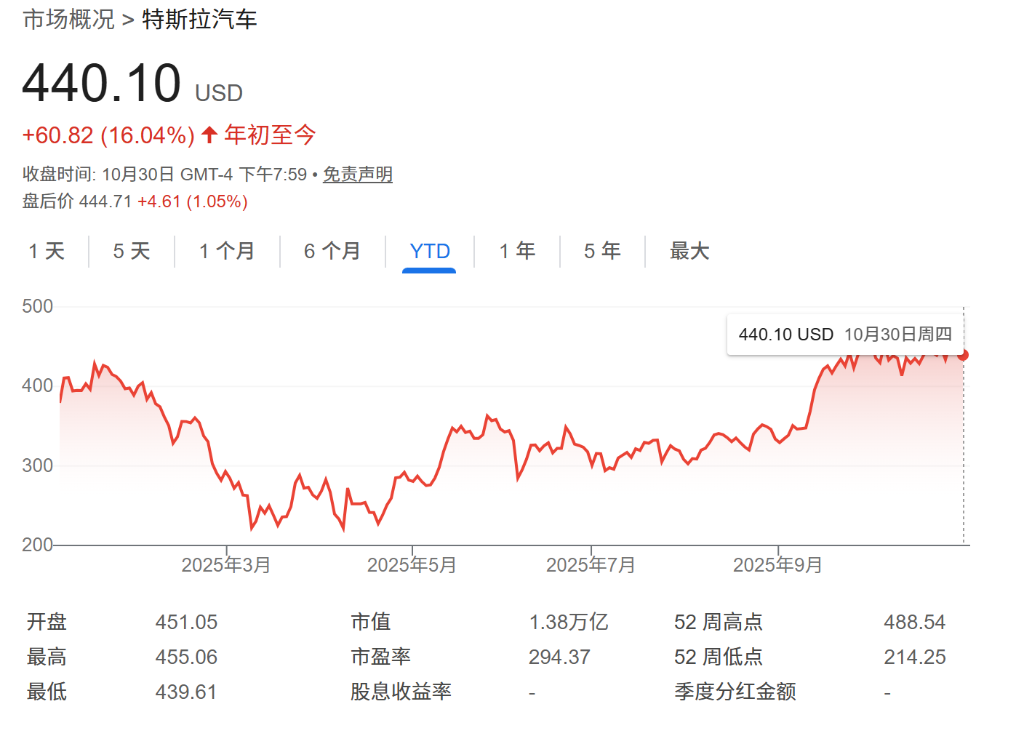
摩根士丹利认为,如果马斯克的薪酬方案在股东大会上被否决,特斯拉股价可能立即遭遇超过10%的抛售,并给公司的战略未来蒙上阴影。 据追风交易台,在资深分析师Adam Jonas于2025年10月30日发布的这份报告中,摩根士丹利对即将到来的11月6日特斯拉股东大会进行了风险预 警。尽管市场普遍预期马斯克的巨额薪酬方案将获通过,但该报告为投资者揭示了"万一失败"的严重后果,堪称对一项重大尾部风险的量化分 析。 截至发稿,特斯拉股价为444.71美元,今年涨幅逾15%。 "投资者应预见到,马斯克先生将重申其对于在没有获得 blocking minority(即25%)话语权的情况下,继续领导特斯拉进入军民两用 机器人和通用人工智能(AGI)领域的保留意见……(方案被否)可能给公司带来严重的招聘'挑战'。" 不信任投票与股价暴跌 报告的核心论点是,薪酬方案的失败将被市场解读为对马斯克领导力的"不信任投票",并可能立即引发资本市场的剧烈反应。摩根士丹利明确警 告,这场看似简单的投票,实则是一场关乎公司未来的豪赌。 "薪酬方案的失败可能被视为对埃隆·马斯克领导特斯拉的'不信任投票'……股价可能立即出现抛售(可能超过10%) ...
前阿里、字节大模型带头人杨红霞创业:大模型预训练,不是少数顶尖玩家的算力竞赛|36氪独家
36氪· 2025-10-30 13:37
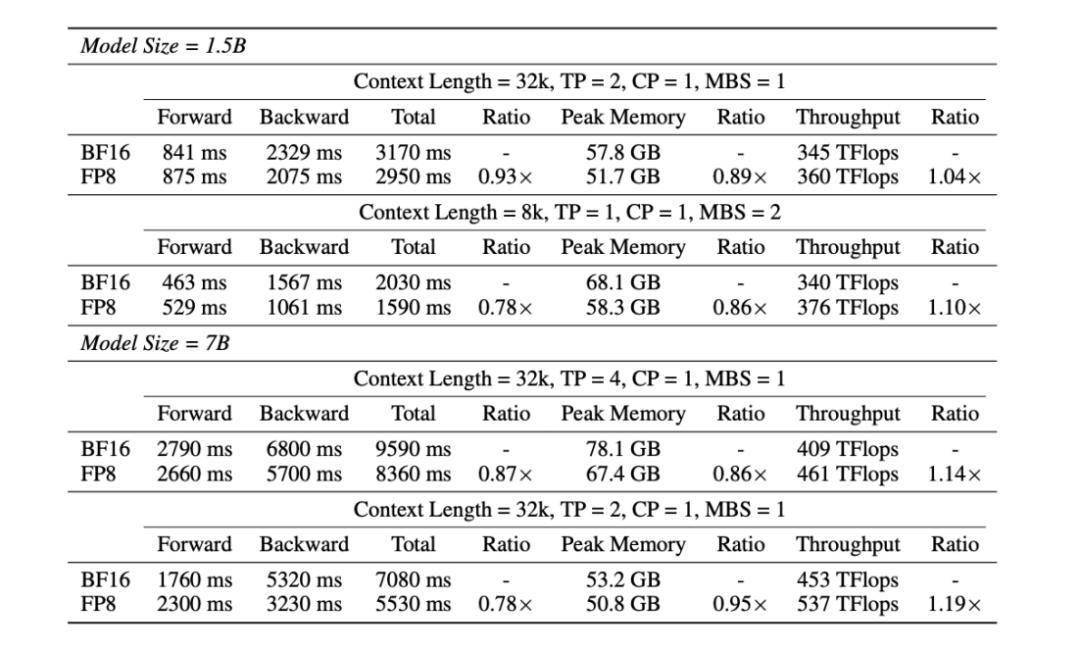
Core Viewpoint - The article discusses the emergence of a new AI paradigm led by Yang Hongxia, who aims to decentralize model training, contrasting with the centralized approaches of major companies like Alibaba and ByteDance [4][12][27]. Group 1: Yang Hongxia's Background and Vision - Yang Hongxia has over seven years of experience in large model research at Alibaba and ByteDance, where she contributed to the development of significant models like M6 and Tongyi Qianwen [5][6]. - After leaving ByteDance in July 2024, she founded InfiX.ai, focusing on model-related technologies and aiming to challenge existing centralized models [7][10]. - Yang's vision includes creating a decentralized model training framework that allows small and medium enterprises, research institutions, and individuals to participate in model training [13][16]. Group 2: Technical Innovations and Frameworks - InfiX.ai has recently open-sourced the world's first FP8 training framework, which enhances training speed and reduces memory consumption compared to the commonly used FP16/BF16 [17][18]. - The company has developed a model fusion technology that allows different domain-specific models to be combined, avoiding resource wastage from redundant training [20][21]. - The InfiMed framework enables the training of small-scale models with strong reasoning capabilities across various medical tasks, particularly in cancer detection [22][26]. Group 3: Market Position and Future Outlook - Yang believes that the future of AI will involve a collaborative approach where every company and institution can have its own expert model, leading to a globalized foundational model for various fields [30][31]. - The article highlights the growing acceptance of decentralized model training in the U.S., with significant funding being raised for companies pursuing this approach [28][29]. - InfiX.ai's focus on challenging fields like healthcare, particularly cancer, is seen as a strategic move to demonstrate the model's capabilities and differentiate it from competitors [72][73].

OpenAI欲冲击万亿美元IPO,最快2026年底上市?
Sou Hu Cai Jing· 2025-10-30 13:13
Group 1 - OpenAI is preparing for an IPO potentially by the end of 2026, with a valuation that could reach $1 trillion, making it one of the largest IPOs in history [2] - The company is considering a minimum fundraising target of $60 billion, although the actual amount may be higher, and discussions are still in early stages [2] - OpenAI's CFO indicated plans for a 2027 IPO, but some advisors believe it could happen as early as late 2026 [2] Group 2 - OpenAI's annualized revenue is expected to reach approximately $20 billion by the end of the year, but the company is also experiencing increasing losses, with a current valuation around $500 billion [3] - The company was initially founded as a non-profit in 2015 and later restructured to ensure the safe development of AI technology rather than focusing solely on profit [3] Group 3 - OpenAI underwent another restructuring, with the non-profit organization now called the "OpenAI Foundation," holding 26% of OpenAI Group's shares and having rights to additional shares upon reaching specific milestones [4] - If the IPO is successful, it could yield significant returns for investors such as SoftBank, Thrive Capital, and Abu Dhabi's MGX, with Microsoft being a major shareholder having invested $13 billion for approximately 27% ownership [4] - The preparations for the IPO coincide with a surge in global stock markets driven by AI advancements, exemplified by CoreWeave's recent IPO at a $23 billion valuation and Nvidia's market capitalization surpassing $5 trillion [4]
Meta(META.US)2025Q3业绩会:预计未来两个财年广告表现将延续强劲势头
Zhi Tong Cai Jing· 2025-10-30 08:56
Core Insights - Meta expects strong advertising performance to continue over the next two fiscal years, driven by improvements in AI advertising systems and the efficiency of its recommendation systems [1][3]. Group 1: AI Model Development and User Engagement - The company plans to continuously iterate on its Meta AI models, with regular releases of enhanced versions of the Frontier series, which are expected to significantly improve user engagement and interaction time [1][15]. - Meta AI currently has over 1 billion monthly active users, and improvements in model performance are directly correlated with increased user activity [5][15]. Group 2: Advertising System Enhancements - The introduction of the unified architecture Lattice in 2023 has integrated approximately 100 smaller models into a more efficient general model, resulting in a 3% increase in advertising conversion rates [2]. - The company employs a "knowledge transfer" method in its advertising systems, allowing large training models to guide lightweight inference models, which enhances performance while keeping costs manageable [6]. Group 3: Capital Expenditure and Infrastructure Investment - Meta is adopting a "front-loaded" strategy for compute investments to ensure sufficient resources for AI model expansion, with significant capital expenditures expected in 2026 primarily for GPU cluster expansion and new data center construction [4][12]. - Despite the increase in capital expenditures, the company anticipates maintaining healthy free cash flow due to strong advertising growth and improved operational efficiency [12]. Group 4: Future Product Development and Commercialization - The company aims to automate the advertising process, allowing advertisers to input business goals and budgets, with the system generating advertising materials and plans automatically [10]. - Meta's Reality Labs is focused on developing AI-enabled smart glasses and mixed reality experiences, with a long-term vision of creating a strong competitive advantage in social, creative, and work scenarios [13].

前阿里、字节大模型带头人杨红霞创业:大模型预训练,不是少数顶尖玩家的算力竞赛|智能涌现独家
Sou Hu Cai Jing· 2025-10-30 08:35
Core Insights - Yang Hongxia, a key figure in large model research from Alibaba and ByteDance, has launched a new AI company, InfiX.ai, focusing on decentralized model training and innovation in the AI space [1][15][36] - InfiX.ai aims to democratize access to large model training, allowing small and medium enterprises, research institutions, and individuals to participate in the process [4][16][19] Company Overview - InfiX.ai was founded by Yang Hongxia after her departure from ByteDance, with a focus on model-related technologies [1][15] - The company has quickly assembled a team of 40 people in Hong Kong, leveraging the region's strong talent pool and funding opportunities [3][15] Technological Innovations - InfiX.ai is developing a decentralized approach to large model training, contrasting with the centralized models dominated by major institutions [4][16] - The company has released the world's first FP8 training framework, which enhances training speed and reduces memory consumption compared to the commonly used FP16/BF16 [7][10] - InfiX.ai's model fusion technology allows for the integration of different domain-specific models, reducing resource waste and enhancing knowledge sharing [10][16] Market Positioning - The company is targeting challenging fields, particularly in healthcare, with a focus on cancer detection, to demonstrate the capabilities of its models [15][41] - InfiX.ai's approach is gaining traction, with increasing interest from investors and a shift in perception towards decentralized model training in the industry [15][36] Future Vision - Yang Hongxia envisions a future where every organization has its own expert model, facilitated by model fusion across different domains and geographical boundaries [16][19] - The company aims to make model training accessible and affordable, fostering a collaborative environment for AI development [16][19]