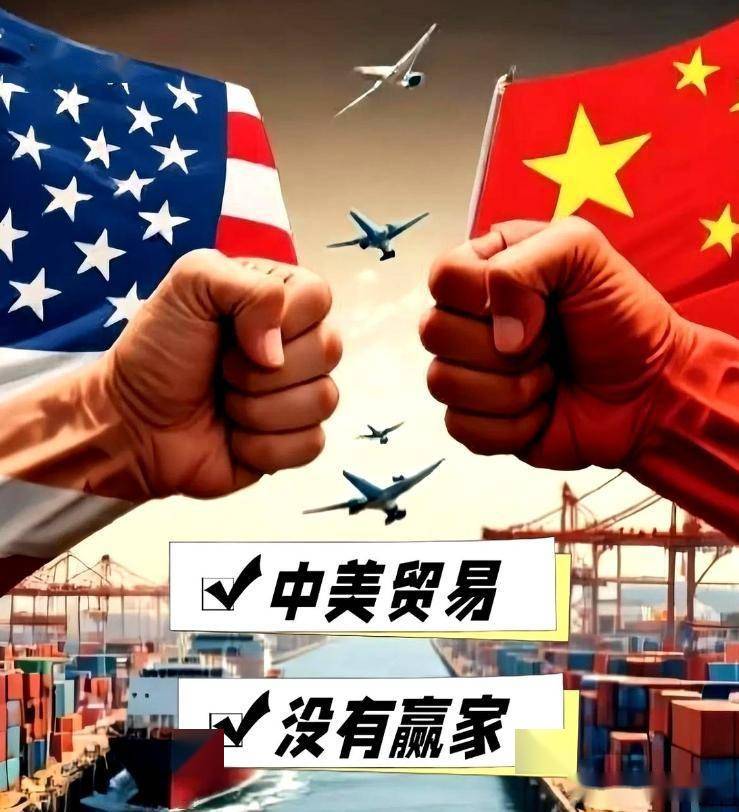
单边主义

Search documents
美国科学家缺席的背后
Xin Hua She· 2025-06-21 22:32
Group 1 - The article highlights the impact of recent U.S. policies on the National Oceanic and Atmospheric Administration (NOAA), leading to a 25% budget cut and the dismissal of over 1,500 employees, which severely hampers marine research and international cooperation [2] - The absence of several NOAA scientists, including Sarah Kully, from the "One Ocean Science Conference" in Nice, France, illustrates the direct consequences of these budget cuts on scientific collaboration [1][2] - The article emphasizes that the current U.S. policy environment has diminished international expectations regarding U.S. participation in global marine initiatives, as evidenced by the limited representation at the United Nations Ocean Conference [2] Group 2 - The article discusses the broader implications of U.S. policies on global marine protection and sustainable resource management, indicating that the chaos in the federal scientific sector is undermining multilateral cooperation essential for these efforts [2] - Key international figures, including French President Macron and Brazilian President Lula, stress the importance of multilateralism in addressing ocean-related challenges, highlighting the risks of unilateralism in international trade and marine affairs [3] - The need for the U.S. to recognize its shared responsibility for the planet is underscored by experts, indicating a call for greater accountability in global environmental stewardship [3]
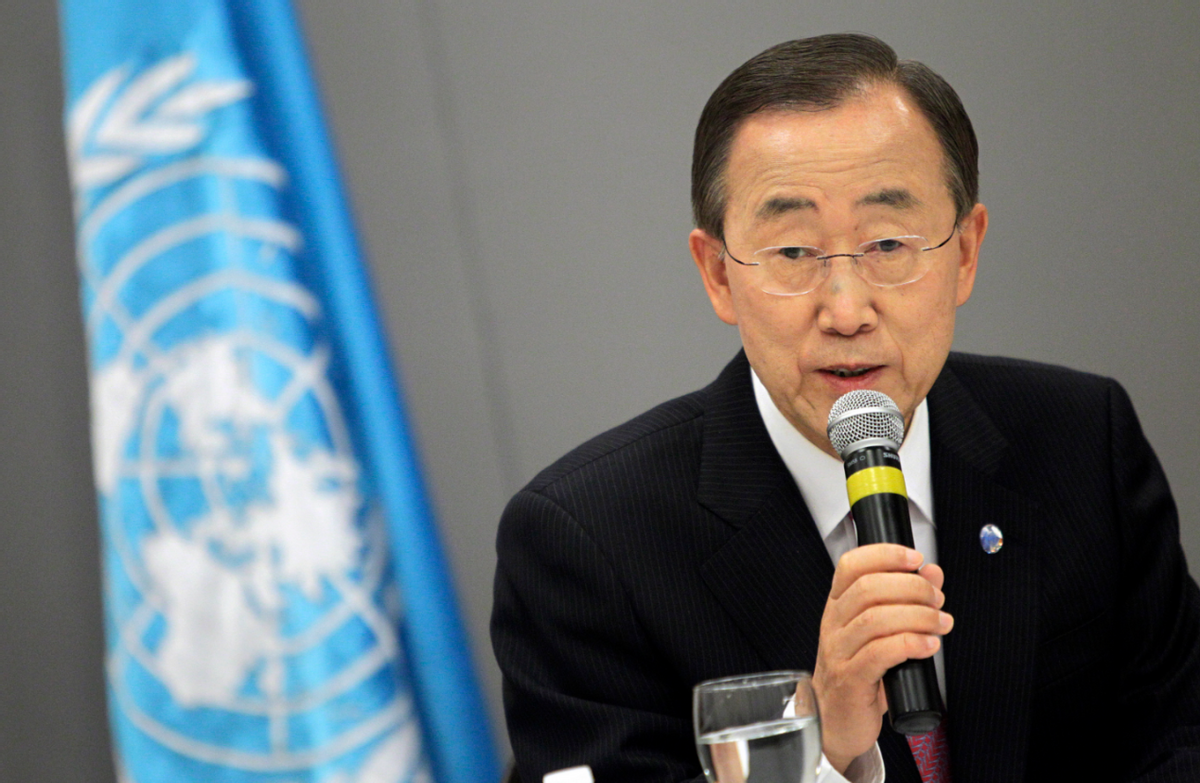
联合国前秘书长潘基文将出席2025中国企业出海高峰论坛
Feng Huang Wang Cai Jing· 2025-06-20 12:47
面对单边主义阴云笼罩全球供应链、技术封锁与碳壁垒等新型贸易摩擦加剧的严峻挑战,潘基文始终如一地发出警示:人类正面临"日益扩大的全球治理赤 字"。在动荡与分化加剧的时代,他掷地有声地重申"多边主义是应对共同挑战的有效途径"。本届论坛上,世界期待这位联合国前秘书长以更具魄力的行动 号召,推动国际社会弥合分歧—— 全球化困局下的破局宣言 当前,一幅空前复杂的全球图景正徐徐展开:地缘政治冲突多点爆发、气候危机步步紧逼、经济复苏前景晦暗不明。重重危机交织叠加,给全球治理体系带 来巨大压力。尤其令人忧心的是,以联合国为基石的多边治理框架,正遭遇前所未有的严峻挑战——部分国家公然倒行逆施,大行单边主义,以邻为壑,筑 起贸易壁垒,拒绝履约担当。这股逆流不仅严重侵蚀了国际合作的政治土壤,更对凝聚共识、协同应对的全球化进程造成沉重打击。在如此波诡云谲的全球 变局之中,人类对全球治理的未来路径充满了深刻的反思和广泛的探讨。 在联合国成立80周年的全球格局关键节点,联合国第八任秘书长、博鳌亚洲论坛理事长潘基文将亮相2025年6月28日于深圳开幕的凤凰网"2025中国企业出海 高峰论坛"。 "加强本地区团结合作,以更高水平的互联互通和 ...

中欧就电动汽车反补贴案等议题进行了磋商,为中欧今年重要议程做好准备
Di Yi Cai Jing· 2025-06-20 11:56
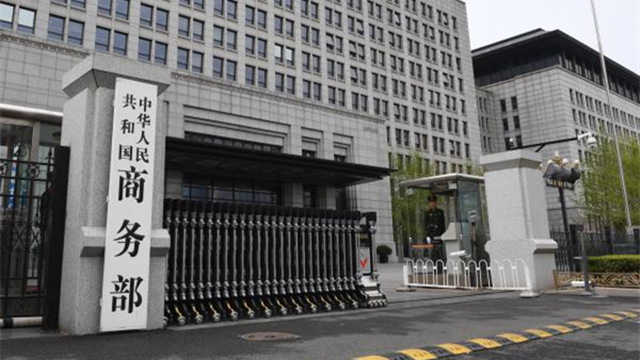
Group 1 - The core viewpoint emphasizes the need for China and the EU to work together to prepare for important economic and trade agendas, promoting a healthy and stable development of their economic relationship [1][3] - The Chinese Ministry of Commerce has maintained close communication with the EU at all levels, focusing on enhancing bilateral trade and investment cooperation, and addressing trade disputes through dialogue [3][4] - China is committed to high-level openness and aims to provide European companies with a broad market and development opportunities, while opposing any actions that undermine China's development rights [5][6] Group 2 - The EU has been implementing various industrial policies and providing substantial subsidies to support European companies, with over €1.44 trillion in subsidies planned from 2021 to 2030, and more than €300 billion already disbursed by 2024 [4][6] - The Chinese government criticizes the EU's protectionist measures, which it views as a double standard, and calls for a fair, transparent, and non-discriminatory business environment for Chinese enterprises [6][7] - The EU's recent decision to restrict Chinese companies from participating in public procurement projects over €5 million has raised concerns about fairness and the impact on long-standing cooperation in the medical sector [7][8]
周密:维护贸易规则需要勇气和责任
Sou Hu Cai Jing· 2025-06-18 23:09
Group 1 - The U.S. is pressuring Vietnam to reduce reliance on Chinese technology in equipment assembled and exported to the U.S., indicating a broader strategy to decouple from China in high-tech sectors [1] - Since April, the U.S. has been using "reciprocal tariffs" as a tool to exert unilateral pressure on trade partners, significantly impacting the international trade system and increasing economic pressures on export-oriented economies [1][2] - Historical examples, such as Canada's concessions in the past, illustrate that appeasement does not guarantee protection from U.S. tariffs, as the U.S. continues to impose additional tariffs regardless of prior agreements [2] Group 2 - The unilateral concessions by trade partners do not lead to U.S. economic prosperity, as high tariffs negatively affect both supply and demand, ultimately increasing costs for U.S. suppliers and reducing global competitiveness [2][3] - The World Trade Organization (WTO) has played a crucial role in maintaining a multilateral trade system based on mutual respect and equal benefits, and any unilateral concessions could undermine this foundational principle [3] - Countries are prioritizing the maintenance of a stable international order and enhancing supply chain resilience, recognizing that the U.S. market, while important, is not the only option for export-oriented economies like Vietnam [4]
深夜!商务部,最新发声!
券商中国· 2025-06-17 14:39
Core Viewpoint - China is willing to implement a 100% zero-tariff policy on products for 53 African countries with diplomatic relations, through the signing of a Joint Development Economic Partnership Agreement, as part of efforts to enhance economic cooperation and respond to global trade challenges [1][2]. Group 1: Joint Development Economic Partnership Agreement - The Joint Development Economic Partnership Agreement is an innovative free trade agreement between China and African countries, aimed at promoting economic cooperation and implementing the zero-tariff policy [1]. - This initiative reflects the spirit of the 20th National Congress of the Communist Party of China and aims to expand autonomous opening-up, serving as a concrete action to further the outcomes of the Beijing Summit of the Forum on China-Africa Cooperation [1][2]. - The agreement is expected to provide institutional guarantees for deepening economic and trade cooperation between China and Africa, setting a new benchmark for South-South cooperation [2]. Group 2: Implementation and Future Steps - The Ministry of Commerce will collaborate with relevant departments to promote the signing of the agreement based on principles of equality and mutual benefit, considering the specific needs of African countries [2]. - The agreement will focus on facilitating trade, inclusive growth, resilient supply chains, and modern development areas, aiming for a swift conclusion that aligns with World Trade Organization rules [2]. - As of December 1, 2024, China has already granted 100% zero-tariff treatment to products from 33 African countries and other least developed countries with diplomatic relations with China [3].
习近平:关税战、贸易战没有赢家,单边主义、保护主义、霸权主义注定伤人害己
news flash· 2025-06-17 13:14
Core Viewpoint - The statement emphasizes that there are no winners in trade wars and that unilateralism, protectionism, and hegemonism ultimately harm all parties involved [1] Group 1 - The current global situation is characterized by accelerated changes and a new period of turmoil and transformation [1] - The importance of fairness, justice, and mutual benefit is highlighted as essential for maintaining world peace and achieving common development [1] - The call for unity and the rejection of a return to the "law of the jungle" is made, advocating for the construction of a community with a shared future for mankind [1]
商务部有关负责人解读中国愿通过商签共同发展经济伙伴关系协定落实对53个非洲建交国实施100%税目产品零关税举措
news flash· 2025-06-17 12:52
Group 1 - The core viewpoint of the article emphasizes the significance of the Economic Partnership Agreement as an innovative free trade agreement between China and African countries, aiming to implement zero tariffs on 100% of products for 53 African countries that have diplomatic relations with China [1] - This agreement is a concrete action to expand autonomous opening-up and reflects the spirit of the 20th National Congress of the Communist Party of China, further promoting the outcomes of the China-Africa Cooperation Forum Beijing Summit [1] - The initiative is a response to the rising trends of unilateralism and protectionism, showcasing the determination of China and Africa to jointly address challenges and inject stability and positive energy into global trade development [1] Group 2 - The agreement aligns with the direction of economic globalization, meets the expectations of African countries, and complies with World Trade Organization rules [1]
习近平会见吉尔吉斯斯坦总统扎帕罗夫
证监会发布· 2025-06-17 09:40
新华社阿斯塔纳6月17日电 当地时间6月17日上午,国家主席习近平在阿斯塔纳出席第二届 中国-中亚峰会期间会见吉尔吉斯斯坦总统扎帕罗夫。 习近平指出,建交33年来,中吉关系实现跨越式发展,处于历史最好时期。今年2月我 们在北京举行富有成果的会晤,达成一系列重要共识,为两国合作注入新的强劲动力。中方 愿同吉方一道,持续深化发展战略对接,在涉及彼此核心利益和重大关切问题上继续坚定相 互支持,维护好双方共同和长远利益。 习近平强调,中吉合作大有可为。双方要扩大贸易和投资规模,深化金融合作;完善互 联互通网络,高质量推进中吉乌铁路建设;拓展新兴领域合作,在清洁能源、绿色矿产、人 工智能等方面培育新的增长点;深化文化、旅游、教育、卫生等领域交流,实施更多惠民项 目。中吉两国都是经济全球化的受益者,要共同反对单边主义,坚定维护国际经贸秩序,推 动构建更加公正合理的全球治理体系。双方将先后担任上海合作组织轮值主席国并主办峰 会,中方愿同吉方相互支持,共同推动上合组织取得更大发展。 扎帕罗夫表示,在习近平主席卓越领导下,中国沿着繁荣富强的道路奋力前行,取得伟 大发展成就,在国际舞台上发挥着关键引领作用。吉方高度重视发展对华关 ...
欧盟取消中欧高层经济对话?外交部:加强战略沟通有利于世界
news flash· 2025-06-17 07:36
Core Viewpoint - The EU has canceled the high-level economic dialogue with China due to perceived lack of progress on trade issues, which raises concerns about the future of China-EU relations [1] Group 1: China-EU Relations - This year marks the 50th anniversary of diplomatic relations between China and the EU, highlighting the historical significance of their partnership [1] - The current international situation is characterized by increased instability, unilateralism, and economic bullying, which underscores the need for strengthened strategic communication and cooperation between China and the EU [1] - China expresses willingness to work with the EU to implement important consensus reached by both leaders and to enhance high-level exchanges and dialogue cooperation, aiming for stable and long-term relations [1]
东方大国怒了,美国对等关税忽悠人
Sou Hu Cai Jing· 2025-06-16 14:01
Core Viewpoint - The article critiques the United States' approach to trade, particularly its emphasis on "reciprocal tariffs," which the author argues is a double standard that overlooks the significant service trade surplus the U.S. enjoys [3][5]. Trade Balance - The U.S. service trade surplus is projected to reach nearly $300 billion in 2024, highlighting a significant imbalance in how the U.S. discusses its trade position, focusing on goods trade deficits while ignoring service trade advantages [3]. - The U.S. often claims to be at a disadvantage in goods trade, yet fails to acknowledge its substantial gains in service trade, which is seen as a selective narrative [3][5]. Global Trade Dynamics - The global service industry now accounts for over two-thirds of GDP, with high-value services like finance and IT predominantly controlled by the U.S. and other developed nations, raising questions about the fairness of the U.S. trade narrative [5]. - The article suggests that the U.S. is not genuinely advocating for free trade but rather seeks to maintain a system that benefits itself while imposing restrictions on others [7]. International Reactions - The European Union, particularly Germany, is expressing concerns over unilateral trade actions and the need for stronger multilateral coordination to avoid a trade war, indicating a shift in sentiment among global partners [7]. - China's recent statements at the WTO are framed as a call for a more equitable global trade environment, challenging the notion that might makes right in international trade [9]. Future Implications - The article raises concerns about the sustainability of the U.S. trade strategy, questioning how long it can continue to operate under a logic that demands reciprocity while maintaining flexibility for itself [9].