双碳目标

Search documents
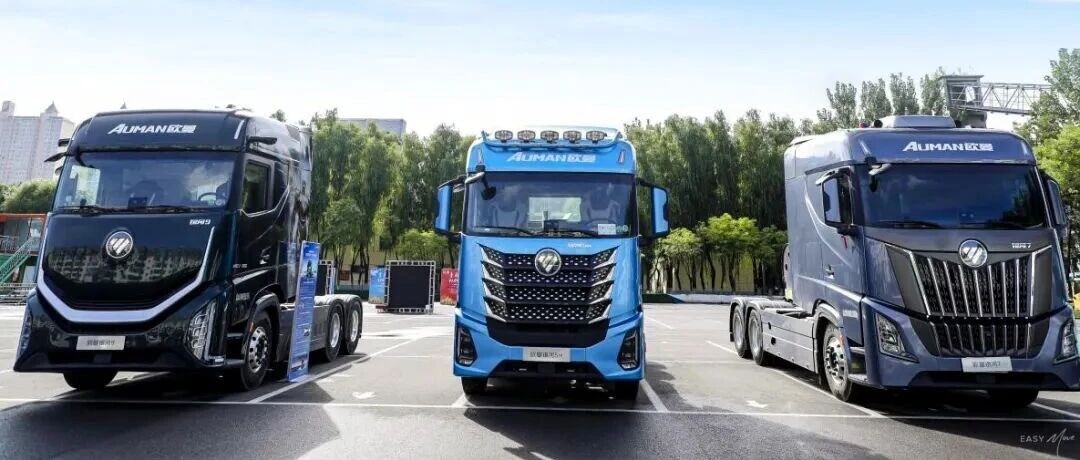
科华数能荣获储能行业两大奖项
Zhong Guo Neng Yuan Wang· 2026-01-19 09:24
在源网侧储能领域,科华数能凭借全域构网型储能技术创新构建了差异化竞争优势。其核心产品2.5MW储能PCS、5MW储能变流升压一体机与S 液冷储能系 统,构建了"高效集成、安全可靠、成本更优"的源网侧构网型储能解决方案。在内蒙古阿荣旗1GW/4GWh电网侧储能项目中,该方案展现出超强环境适应 性,-35℃低温下仍能安全运行,为电网稳定运行与清洁能源消纳提供了有力支撑。 1月14日,第四届"光能杯"储能行业颁奖盛典在苏州顺利举行。科华数能凭借在储能技术创新领域的深厚积淀与构网储能技术上的卓越突破,荣获"中国储能 产业卓越源网侧储能解决方案"、"中国储能产业优秀用户侧应用场景创新项目"双项奖项。 作为全球领先的智慧光储解决方案提供商,科华数能深耕电力电子技术领域37年,始终以创新驱动发展,坚持长期主义理念,用先进技术赋能行业生态。据 标普全球报告显示,科华数能在500kW以上功率段储能PCS市场稳居全球首位;据中关村储能产业技术联盟发布的2025年度中国储能企业系列榜单显示,科 华数能蝉联中国市场储能PCS出货量第一,截至2024年底,科华数能全球储能装机规模达30GW/12GWh,产品与服务覆盖超100个国家和地 ...


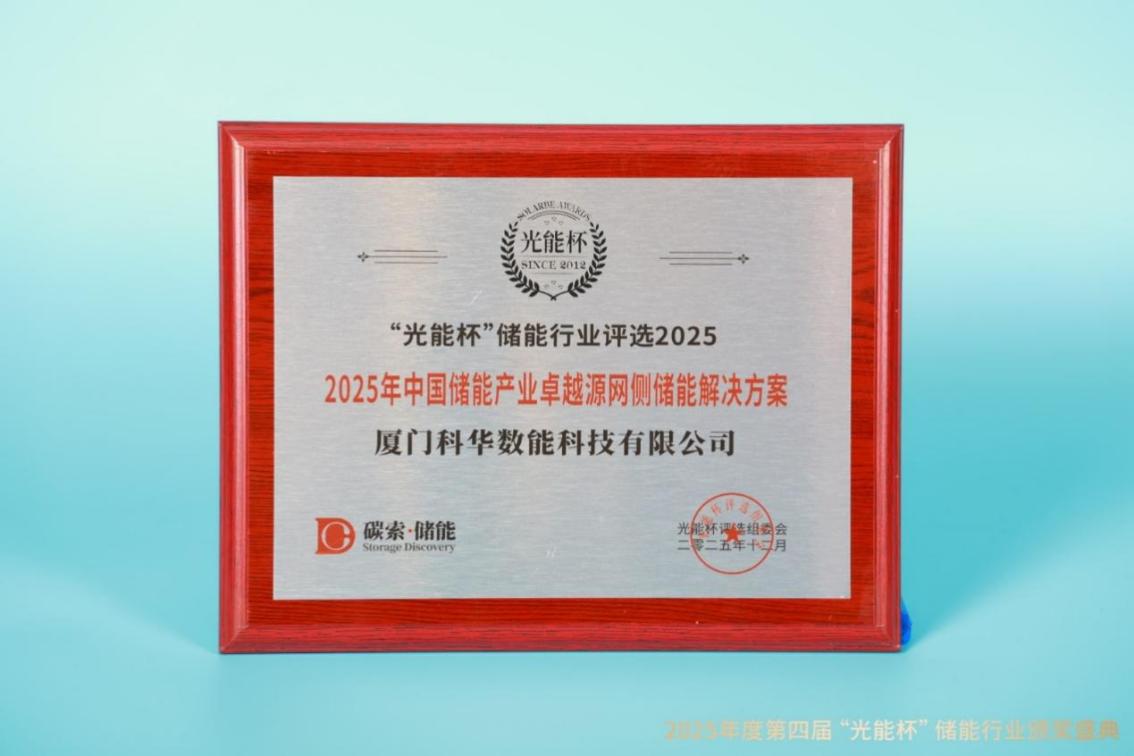
【行业政策】一周要闻回顾(2026年1月12日-1月18日)
乘联分会· 2026-01-19 09:07
Core Viewpoint - The article discusses the implementation of the "Administrative Penalty Discretionary Power Benchmark Table" for the road motor vehicle production sector, aimed at standardizing administrative penalties and ensuring fair enforcement in accordance with relevant laws and regulations [3][4]. Group 1: Administrative Penalty Discretionary Power - The benchmark table will be effective from February 1, 2026, and addresses various violations such as providing false materials for vehicle production permits and unauthorized production or sale of vehicles [3][4]. - Specific violations include concealing relevant information, using improper means to obtain permits, and failing to accept supervision from the Ministry of Industry and Information Technology [3][4]. Group 2: Non-Punishment and Mitigation Circumstances - Certain circumstances can lead to non-punishment, such as minor violations corrected promptly, or if the offender can prove a lack of subjective fault [5]. - Mitigating circumstances for penalties include being a minor, actively reducing harm from the violation, or cooperating with authorities [5]. Group 3: Electric Vehicle Standards - The article also mentions the solicitation of opinions on the "Technical Requirements for Interchangeability of Battery Swap Systems for Pure Electric Commercial Vehicles," which aims to establish standards for battery swap systems to promote the electric vehicle industry [6][8]. - The standard is intended to facilitate seamless interchangeability between vehicles and battery swap stations, contributing to the growth of the electric commercial vehicle sector [9]. Group 4: Gasoline Engine Standards - A draft for the "Gasoline Engine High-Pressure Fuel Supply Connection Part 2: Fuel Pipe Assembly" standard has been released for public comment, with a deadline of March 14, 2026 [10][12]. - This standard aims to regulate the design and manufacturing of high-pressure fuel pipes used in gasoline engines, addressing the need for technical specifications to enhance product quality and reduce trade barriers [13][14].

生态向美,产业向绿,绘就绿色转型广西新图景
Zhong Guo Fa Zhan Wang· 2026-01-19 08:01
Core Viewpoint - The article emphasizes the importance of comprehensive green transformation in Guangxi as a key strategy for sustainable development, highlighting the region's achievements in ecological protection and economic growth through innovative practices. Group 1: Ecological Protection and Achievements - Guangxi has achieved a clean energy generation share of 66.3% and surpassed a total output value of over 1 trillion yuan in the forestry and grassland industry [1] - The region boasts a forest coverage rate of 62.5%, with 98.1% of days having good air quality and 100% of surface water meeting quality standards, placing it among the top in the country [1] - Guangxi is recognized as a global biodiversity hotspot, with over 30 endangered species and four internationally important wetlands [2] Group 2: Innovative Economic Models - The "Ecological+" model in Guangxi promotes a circular agricultural system, integrating photovoltaic power generation, water management, and ecological farming, leading to a 20% increase in aquaculture output [3] - The region has created various ecological brands, enhancing its agricultural supply chain and achieving a total ecological value assessment exceeding 8 trillion yuan [3] Group 3: Forestry and Economic Development - Guangxi's forest stock volume is 930 million cubic meters, with innovative economic models in forest management contributing to sustainable development and rural revitalization [4] - The province has implemented a forestry reform mechanism that has led to over 15 million acres of collective forest land being managed, benefiting nearly 70,000 farmers [5] Group 4: Green Industry and Low-Carbon Transition - Since the 14th Five-Year Plan, Guangxi has focused on increasing the "green content" of its industries, establishing a comprehensive carbon peak and carbon neutrality policy framework [7] - The region's renewable energy capacity has seen an annual growth of 40%, with a total installed capacity of 113 million kilowatts by October 2025, and a significant increase in green electricity trading [8] Group 5: Future Plans and Goals - Guangxi aims to enhance its circular economy planning and expand green electricity trading, targeting a non-fossil energy share of over 50% by 2030 [10]
国家统计局:新型储能装机全球占比超40%、居世界首位!
Guo Jia Tong Ji Ju· 2026-01-19 07:53
Group 1 - In 2025, China's energy supply continues to grow steadily, supporting stable economic and social operations, with record production levels in coal, oil, gas, and electricity [1][2] - The energy supply security foundation is being strengthened, with coal production reaching 4.83 billion tons, an increase of 1.2% year-on-year, and oil production at 21.6 million tons, up 1.5% [2] - Natural gas production also increased to 261.9 billion cubic meters, marking a 6.2% year-on-year growth [2] Group 2 - Electricity generation in 2025 reached 97,159 billion kilowatt-hours, a 2.2% increase from the previous year, with significant growth in renewable energy sources [3] - Wind power generation grew by 9.7% to 10,531 billion kilowatt-hours, while solar power saw a remarkable increase of 24.4% to 5,726 billion kilowatt-hours [3] Group 3 - The construction of clean energy is accelerating, with renewable energy capacity surpassing that of coal-fired power for the first time, and new energy storage capacity exceeding 100 million kilowatts [4] - Clean energy sources accounted for 35.2% of total industrial electricity generation, an increase of 2.1 percentage points year-on-year [4] Group 4 - Under the "dual carbon" goals, China's energy structure is optimizing, with non-fossil energy consumption rising to become the second-largest energy type, surpassing oil [5] - Total energy consumption is projected to grow by 3.5% in 2025, with a reduction of over 5% in energy consumption per unit of GDP [5]
超临界二氧化碳发电技术实现商业应用
Ren Min Ri Bao· 2026-01-19 07:52
Core Viewpoint - The successful commercial operation of the "Super Carbon No. 1" project, the world's first 2*15 MW supercritical carbon dioxide waste heat power generation system, marks a significant advancement in energy conversion technology in China, utilizing supercritical carbon dioxide instead of steam for power generation [1][4]. Group 1: Technology Overview - The "Super Carbon No. 1" system replaces traditional steam-based power generation with supercritical carbon dioxide, which operates at temperatures above 31 degrees Celsius and pressures around 7.38 MPa, allowing for more efficient energy conversion [2][3]. - This technology offers several advantages, including no water consumption, reduced wastewater generation, a more compact design, and the ability to utilize lower temperature waste heat (350-600 degrees Celsius) effectively [3][6]. Group 2: Economic and Environmental Benefits - The implementation of "Super Carbon No. 1" can increase net power generation efficiency by 20% to 50% compared to traditional steam systems, significantly enhancing the profitability of steel and cement industries by converting waste heat into electricity [3][6]. - The technology is projected to save approximately 4.83 million tons of standard coal and reduce carbon dioxide emissions by 12.85 million tons annually if widely adopted across similar projects in China, contributing to the country's dual carbon goals [6][7]. Group 3: Energy Security and Future Applications - The technology can diversify China's energy supply pathways and can be integrated with renewable energy sources like wind and solar power, addressing the instability issues of these energy forms [7][8]. - The establishment of a comprehensive domestic industrial chain for supercritical carbon dioxide power generation positions China to leverage this technology across various sectors, including steel, chemical, cement, and glass industries, enhancing overall energy efficiency [8].
供需格局重塑 多晶硅大概率延续区间震荡
Sou Hu Cai Jing· 2026-01-19 07:18
Core Viewpoint - The multi-crystalline silicon market experienced a two-phase price trend in 2025, with initial declines followed by a recovery driven by policy changes and demand surges in the photovoltaic sector [1][2]. Phase One: Price Decline and Stabilization - In the first phase, market sentiment was pessimistic, leading to a decline in both spot and futures prices, approaching the cash cost line of leading companies [1]. - A consensus on production cuts was reached in December 2024, which slowed the price decline and stabilized the market [1]. - Key policies implemented in February 2025, such as the management measures for distributed photovoltaic power generation, triggered a "rush to install" in the first half of 2025, temporarily boosting supply and demand [1]. - By April 2025, as the rush subsided, futures prices stabilized but faced downward pressure due to tariff policies [1]. Phase Two: Price Recovery - The second phase saw a reversal in industry expectations due to a series of "anti-involution" policies, leading to a strong increase in spot prices and an upward trend in futures prices [2]. - By December 2025, the average transaction price for N-type multi-crystalline silicon had reached 53,900 yuan per ton, significantly up from early July [2]. - The cost range for the industry in 2025 was between 40,300 to 42,900 yuan per ton, with current spot prices exceeding this range, indicating a strong support level for prices [2]. 2026 Outlook: Supply and Demand Dynamics - Global photovoltaic installations are expected to grow in 2025, with an estimated total demand for multi-crystalline silicon of approximately 114,350 tons, despite a supply surplus of about 17,650 tons due to a projected production of 132,000 tons [4]. - The domestic photovoltaic demand is anticipated to stabilize, with new installations likely not exceeding the levels of 2024 and 2025, shifting focus towards high-quality development rather than rapid growth [5][6]. - The 2026 demand scenarios suggest a range of 48,750 to 60,940 tons for domestic multi-crystalline silicon, depending on various assumptions about installation levels [6]. Industry Development Trends - The photovoltaic industry is facing significant supply-demand mismatches, with upstream price pressures from multi-crystalline silicon affecting the midstream and downstream segments [7]. - A coordinated reduction in production across the entire supply chain, from silicon materials to components, is necessary to achieve overall market balance [7]. - Current multi-crystalline silicon inventory stands at around 400,000 tons, indicating that the market has not yet reached equilibrium [9]. - The industry is expected to transition towards a healthier and more orderly development phase, focusing on sustainable growth aligned with carbon neutrality goals [9].
市场监管总局2025年发布国家计量技术规范213项
Xin Hua Cai Jing· 2026-01-19 06:57
市场监管总局将加快推进国家计量技术规范的更新迭代,加强新兴战略领域、新型测试方法等重点领域 国家计量技术规范制定,加大宣贯和实施力度,为实现中国式现代化提供计量支撑。 新华财经北京1月19日电(记者孙广见)市场监管总局最新统计数据显示,2025年发布国家计量技术规 范213项,较2024年增长63.8%,总量达2273项。 (文章来源:新华财经) 市场监管总局坚持需求导向,着力加强新型国家计量技术规范供给。2025年,在保障民生福祉方面,发 布电子计价秤、验光镜片箱、数字化交流电能表、体重秤等一批国家计量技术规范,保障了交易公平, 提升了群众的获得感;在支撑制造强国方面,发布卫星导航干扰模拟源、计量器具软件标识、蓝牙测试 仪等国家计量技术规范,支撑了高端制造业的发展;在服务绿色发展方面,发布公共机构重点用能单位 能源资源计量审查规范、零碳建筑计量评价规范、汽车排放气体测试仪等国家计量技术规范,助推"双 碳"目标的实现。 ...
国网计划“十五五”投资固定资产4万亿元,多省明确天然气关键战略能源定位 | 投研报告
Zhong Guo Neng Yuan Wang· 2026-01-19 04:03
Market Performance - The public utility sector increased by 0.1% as of January 16, outperforming the broader market, with the electricity sector rising by 0.20% and the gas sector declining by 1.17% [2][8]. Electricity Industry Data Tracking - The price of thermal coal at Qinhuangdao Port rose by 1 CNY/ton week-on-week, reaching 697 CNY/ton as of January 16. Meanwhile, Indonesian coal prices fell by 5.71 CNY/ton to 735.71 CNY/ton, and Australian coal prices decreased by 6.53 CNY/ton to 740.51 CNY/ton [3]. - Coal inventory at Qinhuangdao Port increased by 150,000 tons week-on-week, totaling 5.5 million tons as of January 16. Inland power plants' daily coal consumption rose by 96,000 tons/day to 4.147 million tons, a week-on-week increase of 2.37% [3]. - The outflow from the Three Gorges Dam increased by 19.22% year-on-year and 23.55% week-on-week, reaching 9,180 cubic meters/second as of January 16 [4]. Natural Gas Industry Data Tracking - The LNG ex-factory price index in Shanghai was 3,854 CNY/ton as of January 15, showing a week-on-week increase of 1.29% but a year-on-year decrease of 13.53% [5]. - The European TTF spot price rose by 18.6% week-on-week to 11.4 USD/million BTU, while the US HH spot price increased by 2.8% to 2.95 USD/million BTU [5]. - Domestic natural gas consumption in November was 36.280 billion cubic meters, a year-on-year increase of 4.1%, with production at 21.880 billion cubic meters, up 5.9% year-on-year [6]. Key Industry News - The State Grid Corporation plans to invest 4 trillion CNY in fixed assets during the 14th Five-Year Plan, a 40% increase from the previous plan, focusing on green transformation and enhancing grid functionality [7]. - Multiple provinces have highlighted natural gas as a key strategic energy source in their 14th Five-Year Plans, emphasizing its role in connecting traditional and new energy systems without setting consumption caps [7]. Investment Recommendations - The electricity sector is expected to see profit improvements and value reassessment due to ongoing supply-demand tensions, with a focus on coal power companies like Guodian Power and Huaneng International [8]. - The natural gas sector is anticipated to benefit from stable margins in city gas businesses and opportunities for traders with low-cost long-term gas sources [8].



市场监管总局:2025年发布国家计量技术规范213项
Yang Shi Xin Wen· 2026-01-19 03:29
Core Viewpoint - The State Administration for Market Regulation has reported that the number of national metrology technical standards will increase to 2,273 by 2025, representing a growth of 63.8% compared to 2024 [1] Group 1: Supporting Public Welfare - The release of national metrology technical standards for electronic weighing scales, optical lens boxes, digital electric energy meters, and weighing scales aims to ensure fair transactions and enhance public satisfaction [1] Group 2: Supporting Manufacturing Strength - New national metrology technical standards for satellite navigation interference simulation sources, metrology instrument software identification, and Bluetooth testing instruments are designed to support the development of high-end manufacturing [1] Group 3: Promoting Green Development - The introduction of national metrology technical standards for energy resource measurement reviews in key public institutions, zero-carbon building measurement evaluations, and vehicle emission gas testing instruments will facilitate the achievement of carbon neutrality goals [1]
全年销9.3万辆行业增速第一!欧曼重卡硬核实力刷新纪录 | 头条
第一商用车网· 2026-01-19 03:18
Core Viewpoint - In 2025, the domestic heavy truck market experienced a strong recovery, achieving total sales of 1.145 million units, a 27% year-on-year increase, marking a four-year high, driven by favorable policies and industry transformation [1] Group 1: Performance Highlights - The heavy truck segment of the company achieved sales of 93,000 units in 2025, leading the industry with a 107% year-on-year growth rate, significantly surpassing the industry average growth of 26% [3] - The company excelled in three major segments: fuel, gas, and new energy, demonstrating a comprehensive breakthrough across technology, growth, green initiatives, and application scenarios [3] Group 2: Technological Advancements - The company's AMT heavy trucks have maintained the top position in industry sales for seven consecutive years, establishing itself as a technical benchmark in the heavy truck market [4] - The combination of the Fokang engine and ZF AMT transmission provides significant advantages in fuel efficiency, reliability, and convenience, reducing overall fuel consumption by 5%-7% [4] Group 3: Market Growth and Segmentation - The gas vehicle segment led the industry with a 45% year-on-year growth, while the 12-18 ton cargo vehicle market saw a remarkable 300% increase, also leading the industry [6] - The new energy heavy truck segment achieved over 300% year-on-year growth, with the Galaxy 5M electric truck serving as a flagship model, addressing various transportation challenges [6] Group 4: User-Centric Approach - The company emphasizes a user-centric innovation system and comprehensive service support, ensuring that products meet diverse operational needs through over 50 core technology iterations [7] - Positive feedback from users highlights the reliability and efficiency of the company's heavy trucks, reinforcing its reputation in the market [7] Group 5: Strategic Partnerships - The company has secured significant orders from major logistics firms, including 202 units of the Galaxy new energy heavy truck, showcasing its brand strength and market influence [9] - A robust service network and tailored operational solutions contribute to reducing user operational costs and enhancing profitability [9] Group 6: Future Outlook - The impressive performance in 2025 reflects the company's technological strength and positive market reputation, with a commitment to driving high-quality development in the heavy truck industry [10]