耐心资本

Search documents
脑机接口公司何时才能有收入?马斯克的公司最新计划披露
Di Yi Cai Jing· 2025-07-24 04:15
Core Insights - Neuralink aims to achieve at least $1 billion in annual revenue by 2031, with plans to implant brain-machine interface devices in 20,000 patients each year [1][3] - The company plans to operate five large clinics within the next six years and will offer three versions of brain implant devices [1] Group 1: Product Development - Neuralink announced a roadmap for three versions of its brain-machine interface products, targeting "full-brain machine interface" integration with AI by 2028 [3] - The devices include Telepathy for communication between the brain and machines, Blindsight for vision restoration, and Deep for treating tremors and Parkinson's disease [1][3] Group 2: Clinical Trials and Revenue Projections - As of now, seven clinical trial patients have received brain implants, with five severely paralyzed patients using the device to control digital and physical devices through thought [3] - Telepathy is expected to receive regulatory approval by 2029, with plans for 2,000 surgeries per year generating $100 million in revenue; Blindsight is projected to be approved by 2030, expanding to 10,000 surgeries annually and over $500 million in revenue [3] Group 3: Financial Overview - Neuralink recently completed a funding round of approximately $600 million, bringing its valuation to around $10 billion, with total funding exceeding $1.3 billion since its inception in 2016 [3] - Notable investor Chen Tianqiao commented on the need for "patient capital" in brain-machine interface investments, highlighting the company's journey to revenue generation [3]


长坡厚雪,怎样发挥“耐心资本”优势?——省战略性新兴产业母基金一周年观察(下)
Xin Hua Ri Bao· 2025-07-23 23:50
Core Insights - The Jiangsu Provincial Strategic Emerging Industry Fund has become a benchmark for capital layout in strategic emerging industries nationwide after one year of operation [1] - The fund aims to support technological innovation and industrial upgrading, providing tangible benefits to many enterprises [1] - Future strategies include enhancing mechanisms to better cultivate local innovation ecosystems while continuing to play a guiding role [1] Group 1: Investment Strategy - The Jiangsu Huanghai Financial Holdings Group is actively planning its first direct investment project in the green low-carbon sector, indicating a clear focus on strategic emerging industries [1] - The Suzhou AI industry has developed into a trillion-level industry, with over 2,000 AI companies, showcasing the city's commitment to this sector [1] - Selecting potential enterprises requires high professional insight and industry judgment due to the increasing difficulty in accurately assessing emerging technologies [1][2] Group 2: Fund Operations and Support - Companies receiving fund support express a desire for more precise and comprehensive assistance, particularly in market expansion and resource connections [3][4] - There is a call for more diverse special funds to accompany enterprises through various financing cycles, emphasizing the need for tailored support [4] - Fund management faces challenges in cross-regional resource coordination and must optimize resource allocation and service response speed [4] Group 3: Long-term Vision and Ecosystem Development - The fund emphasizes a "long-termism" approach, focusing on nurturing a healthy industrial innovation ecosystem [5] - The fund aims to guide capital towards strategic areas and weak links, willing to bear necessary risks to support innovation [5] - Future plans include enhancing investment strategies by building industry maps with leading enterprises to improve early project selection accuracy [6] Group 4: Fund Cluster Effect - The revised management measures for the Jiangsu Provincial Strategic Emerging Industry Fund encourage collaboration with state-owned enterprises and international investment institutions to attract quality capital [7] - The signing of a 10 billion yuan fund indicates the integration of central enterprise resources into Jiangsu's industrial layout [7] - The fund cluster is expected to significantly contribute to the development of emerging industry ecosystems in Jiangsu [7]
2025第六届中国母基金峰会即将在北京盛大启幕
母基金研究中心· 2025-07-23 10:17
Group 1 - The equity investment industry has received numerous policy benefits since 2025, with government reports emphasizing the need to strengthen differentiated regulatory systems for venture capital funds and enhance policy financial support [1][2] - The recent policies aim to support the development of private equity and venture capital, addressing industry pain points and optimizing the fundraising, investment, management, and exit systems [1][2] - The government encourages the development of private equity secondary market funds and supports venture capital and industrial investment through bond financing [1][2] Group 2 - The equity investment industry is focusing on early-stage, small-scale, long-term investments in hard technology, fostering technological innovation through patient capital [2] - Local governments are creating distinctive mother fund models, evolving from a "rough" development phase to a more refined and industrialized approach, establishing fund clusters with clear industry direction [2][3] - The upcoming 2025 Sixth China Mother Fund Summit will gather over 300 representatives from mainstream mother funds and top investment institutions to discuss industry development [3][4] Group 3 - The Sixth China Mother Fund Summit will take place in Shunyi District, Beijing, which has made significant progress in developing private equity funds [4] - The summit will focus on the opportunities and challenges faced by the mother fund industry, featuring keynote speeches and roundtable discussions to explore industry trends and LP investment strategies [4] - A comprehensive report on the first half of 2025 regarding the mother fund landscape will be released at the summit, addressing key questions about market positioning and GP evolution [4]

陈天桥罕见公开呼吁: 科创投资不要沿用互联网套路
Sou Hu Cai Jing· 2025-07-23 09:43
Group 1 - Chen Tianqiao, a prominent entrepreneur and philanthropist, emphasizes the rapid development of the brain-computer interface (BCI) industry in China, particularly in Shanghai, which is becoming a technology center for this field [2][3] - Brain Tiger Technology, founded by Tao Hu, is recognized as a leading company in China's invasive BCI sector, having received significant support from local government and institutions [3][8] - The company has achieved notable accolades, including the highest award at the World Artificial Intelligence Conference, highlighting its impact in the industry [3] Group 2 - Chen Tianqiao advocates for a patient investment approach in the hard technology sector, contrasting it with the fast-paced returns typical of internet investments [4][5] - He cites Neuralink as an example of a company that took years to generate revenue, underscoring the need for long-term support in BCI development [4] - The investment community is encouraged to provide stable backing for innovative companies like Brain Tiger, focusing on understanding the industry and technology rather than seeking immediate returns [4][5] Group 3 - The rise of hard technology has brought attention to scientists starting their own ventures, although some face challenges in commercialization and management [6][7] - Chen Tianqiao highlights the importance of a supportive innovation ecosystem for scientists transitioning to entrepreneurship, beyond just financial backing [9] - Recent breakthroughs by Brain Tiger in real-time language and motion decoding have been recognized internationally, showcasing the company's technological advancements [8][9]
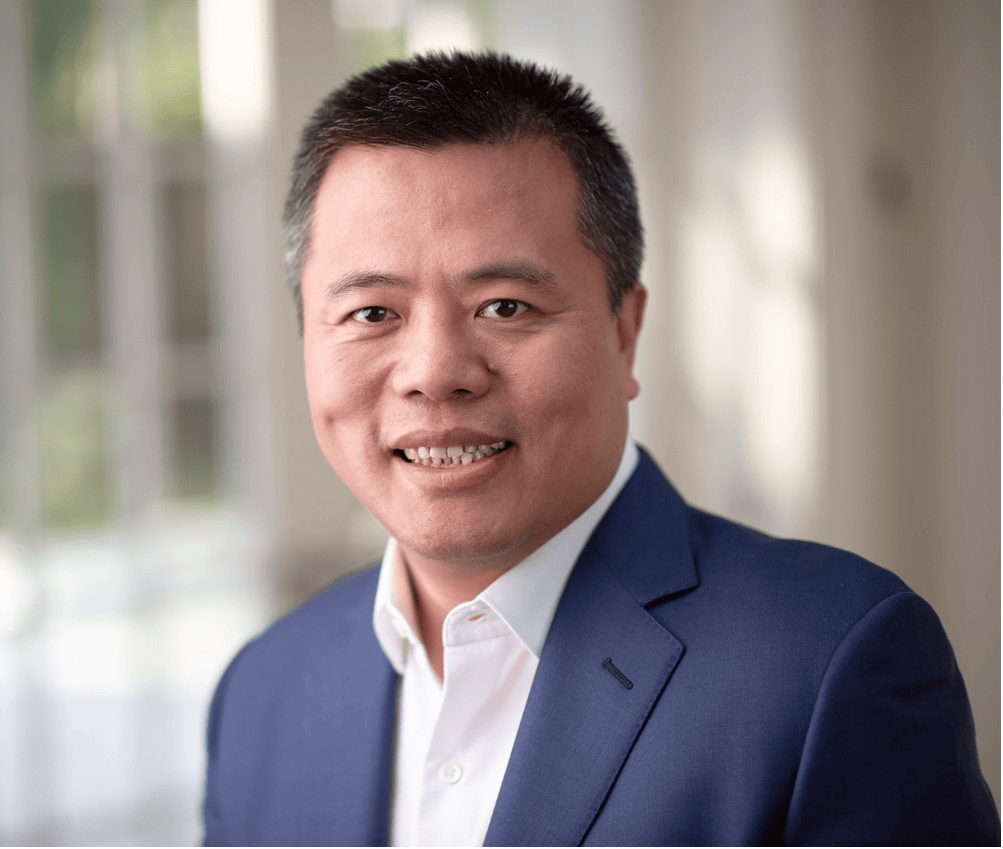
陈天桥:互联网套路要投出Neuralink很难,鼓励中国企业直接竞争
Di Yi Cai Jing· 2025-07-23 04:50
Core Insights - The development of hard technology innovations, such as brain-computer interfaces (BCIs), requires patient capital that is willing to support long-term research and commercialization efforts, rather than expecting quick returns typical of the internet industry [1][3] - Notable investor Chen Tianqiao emphasizes that the BCI sector in China has seen significant investment growth and impactful results over the past four years, with Shanghai emerging as a global technology hub for BCIs [1][3] Investment Landscape - Shanghai-based JieTi Medical announced a B-round financing of 350 million yuan, which enabled the initiation of China's first invasive BCI clinical trial [3] - Another company, QiangNai Technology from Hangzhou, has raised over 200 million USD, significantly boosting the valuations of BCI firms [3] Investment Philosophy - Chen Tianqiao warns against treating BCIs merely as a profit-making opportunity, stressing that the hard technology sector cannot be evaluated using the short-cycle, quick-return models of the internet industry [3][4] - He argues that the BCI field requires long-term, stable support to navigate the lengthy processes of technology validation and market cultivation [3][4] Company Development - Brain Tiger Technology, founded with the goal of becoming China's equivalent to Neuralink, faces challenges due to the long development timelines, which can extend beyond 10 years [4] - The founder, Tao Hu, has transitioned from a prestigious academic career to fully commit to the startup, highlighting the dedication required for scientific entrepreneurship [4] Technological Advancements - Brain Tiger Technology has achieved breakthroughs in real-time language decoding and motor decoding, gaining attention from top scientific journals [4] - Chen Tianqiao emphasizes the need for a robust innovation ecosystem and technical platform to support scientific entrepreneurship, advocating for competition with established players like Neuralink [4]
落子”有力,机制创新“密钥”何在?——省战略性新兴产业母基金一周年观察(中)
Xin Hua Ri Bao· 2025-07-22 23:48
Core Insights - Jiangsu Province's strategic emerging industry mother fund aims to drive the development of emerging industries and future industrial layout, serving as a strong support for the integration of technological and industrial innovation [1][2] - The fund operates under a three-tier "pyramid" structure, which includes a provincial mother fund, industry-specific funds, and sub-funds, facilitating collaboration between government, enterprises, and various capital sources [2][3] - The fund is characterized as "patient capital," focusing on nurturing strategic emerging industries and providing long-term support for innovation and development [3][4] Fund Structure and Operation - The future industry angel fund is a key component of the provincial mother fund's structure, focusing on cultivating cutting-edge technologies [2] - The fund ecosystem is designed to be efficient and unified, with provincial and municipal collaboration, and the involvement of state-owned enterprises and various capital sources [2][5] - The Jiangsu Provincial High-tech Investment Group is responsible for the management and operation of the mother fund under the guidance of provincial government departments [2][3] Investment Strategy and Impact - The fund has successfully invested in 89 projects, with nearly half being early-stage and smaller market capitalization projects, indicating a strategy of investing early and small [4][5] - The total scale of the fund cluster has reached 1,749 billion yuan, with the provincial mother fund contributing 500 billion yuan, and various industry-specific funds and sub-funds making up the remainder [4][5] - The fund has demonstrated a "leveraging effect," attracting additional social capital through policy guidance and public selection of quality investment institutions [5][6] Talent and Ecosystem Development - The fund emphasizes building a professional talent ecosystem, with over 50 dedicated staff and a strong investment team to support its operations [7][8] - The fund has created platforms for collaboration and communication, facilitating deep engagement among investment institutions, enterprises, and government departments [8] - The support for "early, small, and hard technology" enterprises contributes to a virtuous cycle of technology, industry, and finance, providing a model for other regions [8]
基金“起跳”,“逆势”创投的成效如何
Xin Hua Ri Bao· 2025-07-21 21:59
Core Insights - Jiangsu Province signed a framework cooperation agreement with China Chengtong Holdings Group for a 10 billion yuan investment fund, marking the launch of the third batch of strategic emerging industry mother funds, totaling over 100 billion yuan [1] - The strategic emerging industry mother fund has successfully supported the development of new industries in Jiangsu, with a total of 914 billion yuan raised across 36 specialized funds [2] - The fund cluster has effectively identified and supported innovative projects, demonstrating a commitment to nurturing early-stage technology companies [3][4] Fund Performance and Impact - The strategic emerging industry mother fund has established a total of 36 specialized funds with a combined scale of 914 billion yuan, covering all 13 districts in Jiangsu [2] - The third batch of specialized funds, totaling 155 billion yuan, was officially launched in early July [2] - Over 89 projects have received investment decisions, with more than 2.6 billion yuan directed towards emerging industries, with over 80% of the invested companies based in Jiangsu [2] Investment Strategy and Approach - The fund cluster employs a "patient capital" approach, allowing for long-term investment in innovative projects [2][9] - The funds focus on early-stage investments, particularly in hard technology sectors, utilizing a team with industry expertise to identify potential projects [3][5] - Flexible investment terms are designed to reduce risks for early-stage projects, allowing for a more supportive environment for innovation [7][8] Collaboration and Resource Integration - The fund cluster integrates various resources, including financial capital and local industry connections, to support the commercialization of technology [5][6] - Innovative financial service models, such as "investment-loan combination" products, have been introduced to provide flexible support for technology companies [6] - The establishment of specialized funds for technology transfer from universities aims to enhance the commercialization of academic research [8][9]
媒体看国寿 | 保险投资服务民生保障
Sou Hu Cai Jing· 2025-07-21 05:36
Core Viewpoint - China Life Insurance is committed to the "333 strategy" and aims to enhance its role in supporting the economy and improving people's livelihoods through long-term investments in infrastructure and green finance [1][3]. Group 1: Investment Activities - The event held in Qinghai from June 18 to 20 was part of the "One China Life, One Life Protection" series, focusing on how insurance funds can better support the development of the real economy [3][4]. - China Life has invested a total of 170 billion yuan in the Qinghai Yellow River Company, with 80 billion yuan in 2017 and 90 billion yuan in 2019, to support various infrastructure projects [12][70]. - As of June 2025, China Life Asset Management Company manages over 6.5 trillion yuan in assets, with more than 4 trillion yuan directly supporting the real economy [12][78]. Group 2: Impact on Local Economy and Environment - The Dragon Yuxia Hydropower Station, known as the "First Dam of the Yellow River," generates an average of 6 billion kWh annually and significantly reduces flood risks for downstream areas [10][17]. - The irrigation guarantee rate for downstream areas has increased from 56% to 80% due to the regulation provided by the Dragon Yuxia Reservoir, benefiting food supply across nine provinces [11][66]. - The Qinghai Yellow River Company has developed a "photovoltaic + ecological" model, transforming barren land into productive grazing areas, which has improved local livelihoods [44][91]. Group 3: Regulatory and Strategic Framework - The State Council's guidelines emphasize enhancing the insurance industry's service quality to the real economy, focusing on major national strategies and key areas [12][18]. - China Life is actively involved in various sectors, including renewable energy, infrastructure, and social welfare, aligning its investments with national development goals [54][60]. - The company has established a comprehensive investment mechanism to ensure that insurance funds are directed towards social welfare projects, aiming for both social and economic benefits [55][78].

耐心资本与民企成长同频共振
Su Zhou Ri Bao· 2025-07-21 00:19
Core Viewpoint - Suzhou Rural Commercial Bank has established a long-term partnership with private enterprises, demonstrating a commitment to supporting their growth through various stages of development, from initial funding to overcoming operational challenges and facilitating generational transitions [1][2][3]. Group 1: Financial Performance - As of the end of 2024, Suzhou Rural Commercial Bank's total assets reached 213.36 billion, with deposits of 170.25 billion and loans of 129.32 billion [1]. - Nearly 90% of the bank's loans support the real economy, with over 60% directed towards private enterprises and more than 30% towards the manufacturing sector, maintaining the highest proportion of manufacturing loans among listed banks for several consecutive years [1]. Group 2: Support for Startups - The bank has a history of providing crucial initial loans, exemplified by a nearly 400,000 loan issued 28 years ago that helped a now-prominent enterprise in the silk industry [2]. - The concept of "patient capital" has been a long-standing practice for the bank, focusing on early, small, and growth-oriented loans to foster long-term relationships with businesses [2]. Group 3: Relationship with SMEs - Suzhou Rural Commercial Bank benefits from its familiarity with local businesses, resulting in high loyalty among SMEs, which is difficult for other banks to replicate [3]. - The bank maintains close ties with over 90% of the textile enterprises in the region, with more than 600 loan clients, including two Fortune 500 companies [3]. Group 4: Crisis Management - During the textile industry's crisis from 2012 to 2014, the bank played a crucial role in stabilizing the local economy by helping 664 enterprises navigate challenges through various financial solutions [5]. - The bank's proactive approach includes restructuring loans and providing tailored repayment plans to support businesses facing temporary financial difficulties [5]. Group 5: Generational Transition Support - The bank emphasizes the importance of supporting the transition of second-generation entrepreneurs, ensuring continuity and growth in family businesses [7]. - A recent project focused on low-carbon transformation in the textile industry showcases the bank's commitment to innovation and sustainability, helping local enterprises achieve international certification [8]. Group 6: Future Outlook - The bank aims to continue its role as a "benchmark bank" and "value bank," focusing on long-term partnerships and innovative financial solutions to support local economic development [8].
AIC基金跑步进场,是挤出吗?
母基金研究中心· 2025-07-20 08:50
Core Viewpoint - The article discusses the expansion of the pilot program for Asset Investment Companies (AICs) in China, highlighting their shift from market-oriented debt-to-equity swaps to direct equity investments, which is expected to enhance capital market support for technological innovation and industrial upgrading [2][3][11]. Group 1: Expansion of AICs - In September 2024, the National Financial Supervision Administration announced the expansion of AICs' direct equity investment pilot program from Shanghai to 18 major cities, increasing the proportion of equity investment from 4% to 10% of total assets [2]. - By the end of 2024, five AICs had established over 30 new equity investment funds, with a total signed fund intention amount exceeding 4,200 billion yuan [2]. Group 2: Transition to Equity Investment - AICs were initially established in 2017 to engage primarily in market-oriented debt-to-equity swaps, with total assets reaching 5,869.90 billion yuan by June 2024 [3][4]. - In 2020, AICs began exploring pure equity investment business, establishing subsidiary institutions to manage these investments [6]. Group 3: Role of Patient Capital - AICs are becoming a significant source of patient capital, which is essential for long-term investments in high-tech enterprises, aligning with government policies encouraging the development of such capital [11][12]. - The funding sources for AICs include capital contributions, targeted reserve requirements, interbank loans, and issuance of financial bonds, indicating a robust financial backing for their investment activities [12]. Group 4: Focus on Strategic Emerging Industries - AICs are focusing their equity investments on strategic emerging industries such as integrated circuits, new energy, and high-end equipment, contributing to the advancement of China's semiconductor industry [14][15]. - New funds established in cities like Shenzhen and Wuhan are targeting sectors like artificial intelligence and new materials, reflecting a strategic alignment with national priorities [15][16]. Group 5: Investment Ecosystem Dynamics - AICs leverage their parent banks' resources to identify quality investment targets and provide integrated financial services, creating a closed-loop ecosystem of data, capital, and industry [20]. - While AICs' entry into the investment market may initially pressure private capital, a long-term differentiation between "short money" and "long money" is expected to emerge, allowing both to coexist and thrive in different investment tracks [20][21].