
降本增效

Search documents
2025年逾1万家银行网点关闭 降本增效同时还需做好服务
Zhong Guo Zheng Quan Bao· 2026-01-12 23:20
Core Insights - The number of bank branches in China is projected to decrease by over 2,000 in 2025, with more than 11,000 branches approved for closure and over 8,400 new branches approved for establishment [1][2]. Group 1: Bank Branch Reductions - The reduction in bank branches is primarily driven by the reform of small financial institutions and the proactive closure of inefficient branches by banks [1]. - Rural credit cooperatives and village banks are the main contributors to the decline, with approximately 2,200 rural credit cooperative branches and nearly 1,000 village bank branches closing [2]. - The ongoing reform of provincial rural commercial banks and the consolidation of small financial institutions are significant factors in the branch reductions [2]. Group 2: Large Bank Branch Changes - Both state-owned and joint-stock banks have experienced a net decrease in branch numbers, with state-owned banks opening around 300 new branches while closing over 700, and joint-stock banks opening over 200 while closing more than 300 [3]. - The decline in physical branches is attributed to the shift in customer behavior towards digital banking, with over 90% of basic services now conducted online, leading to a significant drop in counter service demand [3]. Group 3: Operational Costs and Efficiency - The operational costs of bank branches are notably high, with annual costs in third-tier cities reaching several million yuan [4]. - Many secondary branches, which primarily handle liabilities and personal business, have limited profitability but still incur average operational costs, often resulting in losses [4]. Group 4: Service Optimization and Social Responsibility - While closing inefficient branches can enhance profitability, banks must also consider the hidden value of branches in brand representation and customer service [5]. - To address the challenges posed by branch closures, banks are encouraged to develop a comprehensive service network that includes online, offline, and mobile services, particularly for elderly and rural customers [5][6]. - Recommendations include creating user-friendly apps for older adults, establishing financial service points in communities, and ensuring that essential services remain accessible to vulnerable groups [5][6].
莲花控股股份有限公司 2025年年度业绩预告
Zhong Guo Zheng Quan Bao - Zhong Zheng Wang· 2026-01-12 22:58
Core Viewpoint - The company, Lianhua Holdings Co., Ltd., forecasts a significant increase in net profit for the year 2025, projecting a rise of 43.15% to 62.90% compared to the previous year, driven by strong performance in its core business and new product launches [1][2]. Performance Forecast - The company expects to achieve a net profit attributable to shareholders of between 290 million to 330 million yuan for the year 2025, an increase of 87.42 million to 127.42 million yuan from the previous year [1]. - The net profit excluding non-recurring gains and losses is projected to be between 280 million to 320 million yuan, reflecting an increase of 76.72 million to 116.72 million yuan year-on-year [1]. Previous Year Performance - In 2024, the company reported a total profit of 277.81 million yuan and a net profit attributable to shareholders of 202.58 million yuan [2]. - The earnings per share for 2024 were 0.12 yuan per share [2]. Reasons for Profit Increase - The company has established a "dual-engine" development model of consumption and technology, leading to significant operational improvements and revenue growth from core products like amino acid seasonings and new products such as chicken essence and soy sauce [2]. - The "Lianhua" brand has a strong reputation built over 40 years, which has been leveraged to enhance new product introductions and sales performance [2]. - Internal management initiatives, including cost reduction and efficiency improvement measures, have contributed to enhanced profitability and high-quality development [2].

莲花控股:预计2025年归母净利润同比增长43.15%—62.9%
Bei Jing Shang Bao· 2026-01-12 13:33
Core Viewpoint - Lianhua Holdings (600186) expects a net profit attributable to shareholders of 290 million to 330 million yuan for 2025, representing a year-on-year growth of 43.15% to 62.9% [1] Group 1: Performance Drivers - The significant increase in expected profit is attributed to the successful implementation of operational development and deepening reforms in 2025 [1] - The company's core business remains solid, with revenue from amino acid seasonings continuing to grow [1] - New products such as chicken essence, matsutake fresh, and soy sauce are rapidly gaining market traction [1] Group 2: Sales and Market Strategy - The company is leveraging both online and offline channels to synergize efforts and further expand sales scale [1] - The strong performance of several new products in the new retail business, combined with the advantages of domestic brands, is contributing to overall growth [1] - Continuous implementation of cost reduction and efficiency enhancement measures is boosting team motivation and overall profitability [1]
销量增长难抵猪价、鸡价齐跌 温氏股份2025年净利预减
Bei Jing Shang Bao· 2026-01-12 11:40
Core Viewpoint - Wens Foodstuff Group has projected a significant decline in net profit for 2025, primarily due to falling prices of livestock products impacting its breeding business [2][3] Financial Performance - The company expects a net profit attributable to shareholders of 5 billion to 5.5 billion yuan for 2025, representing a year-on-year decrease of 40.73% to 46.12% [2] - The non-recurring net profit is forecasted to be between 4.8 billion and 5.3 billion yuan, down 44.64% to 49.86% compared to the previous year [2] - In 2025, Wens sold 40.4769 million pigs, exceeding its initial target of 33 million to 35 million [2] - The average selling price of pigs dropped by 17.95% to 13.71 yuan per kilogram [2] - The company sold 1.303 billion chickens in 2025, a slight increase from 1.208 billion the previous year, but the average selling price fell by 9.8% to 11.78 yuan per kilogram [2] Industry Context - The Chinese pig industry is currently in its sixth "pig cycle," with prices expected to decline throughout 2025 [3] - According to research, pig prices are projected to drop from 15-16 yuan per kilogram at the beginning of the year to around 11-12 yuan per kilogram by the fourth quarter [3] Strategic Outlook - Analysts suggest that Wens should deepen its "pig-chicken industry hedging" strategy to smooth out earnings and implement market strategies like "volume compensating for price" and "fresh sales transformation" [4] - The company is focusing on optimizing production capacity and stocking rhythm between its two main business segments to mitigate losses in the pig sector [4] Cost Management - Wens reported that the comprehensive cost of pig farming dropped to 6 yuan per jin in November 2025, with an expected average cost of 5.9 yuan per jin for the entire year of 2026 [5] - The complete cost for chicken farming is noted to be 5.7 yuan per jin [5] - The company believes there is significant potential for further cost reduction and efficiency improvement [5] Future Considerations - Cost control is identified as a critical capability for the company to navigate through market cycles [6] - Digital transformation and iterative breeding models are seen as key drivers for future cost reductions [6] - Exploring overseas markets and building a full industry chain ecosystem are recommended strategies to reduce operational costs [6]


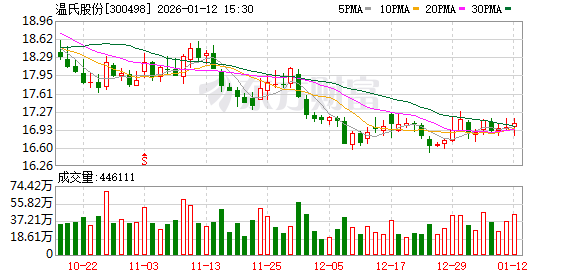
金螳螂:2025年公司围绕战略方向有序推进各项业务与管理工作
Zheng Quan Ri Bao· 2026-01-12 11:39
Core Viewpoint - The company is focused on high-quality development and strategic business management, with plans to enhance operational efficiency and explore new growth opportunities by 2026 [2] Group 1: Business Development - The company is advancing its core market layout and steadily developing sectors such as urban renewal, clean technology, and overseas business [2] - The company has established capabilities in cleanroom system integration and has successfully completed several benchmark projects, including the Nanjing Integrated Circuit Industry Service Center and the North China Lithium Battery Cleanroom [2] - The company aims to enhance its technical research and market expansion efforts in the cleanroom business while continuously improving its service system [2] Group 2: Digital Management and Cost Efficiency - The company is implementing digital management upgrades and ongoing cost reduction and efficiency enhancement initiatives across its operations [2] - The overall operational performance is maintaining a steady trend, indicating effective management practices [2] Group 3: Aerospace Construction - The company has gained experience in aerospace-grade engineering delivery and clean control through the Hainan Commercial Space Launch Site project [2] - The company plans to leverage its existing technical advantages and project experience to capture market opportunities in the aerospace sector [2]

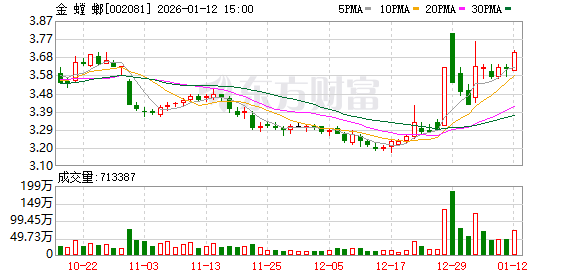
销量增长难抵猪价、鸡价齐跌,温氏股份2025年净利预减
Bei Jing Shang Bao· 2026-01-12 11:37
Core Viewpoint - Wens Foodstuff Group has projected a significant decline in net profit for 2025, primarily due to falling prices of livestock products, which has adversely affected the profitability of its breeding business [2][3]. Financial Performance - The company expects a net profit attributable to shareholders of 5 billion to 5.5 billion yuan for 2025, representing a year-on-year decrease of 40.73% to 46.12% [2]. - The non-recurring net profit is forecasted to be between 4.8 billion and 5.3 billion yuan, reflecting a decline of 44.64% to 49.86% compared to the previous year [2]. - In 2025, Wens sold 40.4769 million pigs, exceeding its initial sales target of 33 million to 35 million pigs [2]. - The average selling price of live pigs dropped by 17.95% to 13.71 yuan per kilogram [2]. - The company sold 1.303 billion chickens in 2025, a slight increase from 1.208 billion in the previous year, but the average selling price fell by 9.8% to 11.78 yuan per kilogram [2]. Industry Context - The Chinese pig industry is currently experiencing its sixth "pig cycle," with prices expected to decline throughout 2025, dropping from 15-16 yuan per kilogram at the beginning of the year to around 11-12 yuan per kilogram by the fourth quarter [3]. - Historical data shows that Wens has faced significant losses in previous years due to price fluctuations, including a loss of 13.404 billion yuan in 2021 and 6.39 billion yuan in 2023 [3]. Future Outlook - Analysts predict that while pig prices may recover slightly from their lowest points in 2025, they will remain at historical lows, with potential seasonal demand increases around the Spring Festival [4]. - Wens is advised to enhance its "pig-chicken industry hedging" strategy to smooth out earnings and optimize production capacity and stocking rhythms [4]. - Cost control is identified as a critical focus area, with the company reporting a reduction in comprehensive breeding costs to 6 yuan per jin for 2025, and an expected average cost of 5.9 yuan per jin for 2026 [4][5]. - The company is exploring digital transformation and overseas market opportunities to further reduce costs and improve operational efficiency [5].
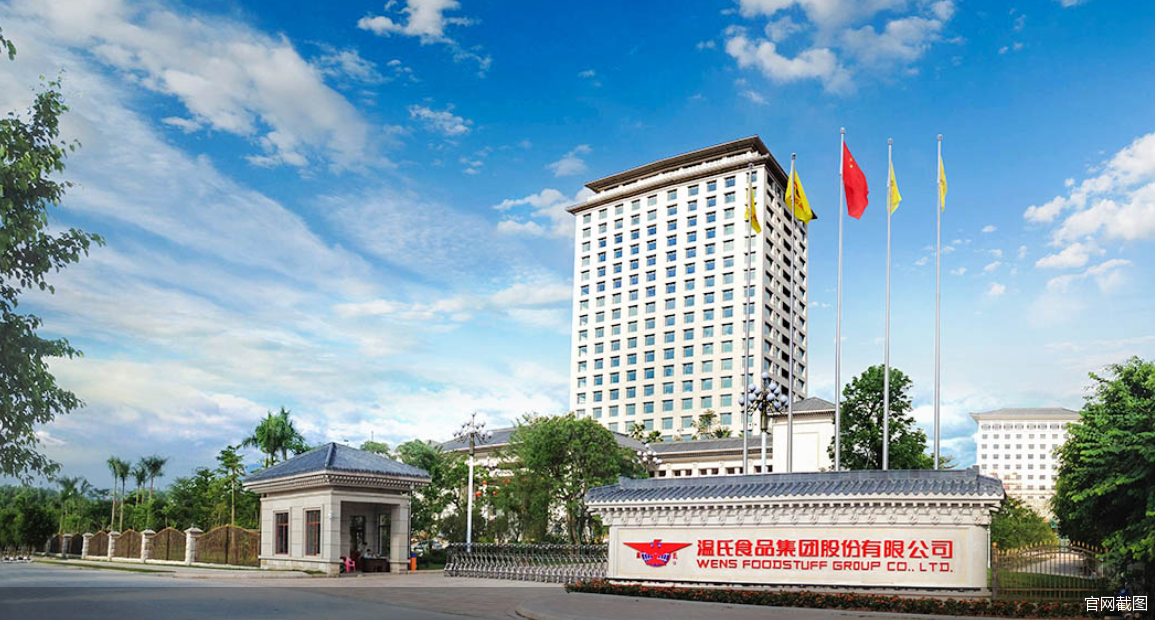
消费+科技“双轮驱动”莲花控股2025年归属净利润同比预增至多62.9%
Zheng Quan Shi Bao Wang· 2026-01-12 11:06
Core Viewpoint - Lianhua Holdings (600186) forecasts a significant increase in net profit for 2025, driven by strong performance in its core business and new product launches, indicating a robust growth trajectory in both traditional and new retail sectors [1][2]. Financial Performance - The company expects a net profit attributable to shareholders of between 290 million to 330 million yuan for 2025, representing a year-on-year increase of 87.42 million to 127 million yuan, or a growth of 43.15% to 62.9% [1]. - The forecasted non-net profit is projected to be between 280 million to 320 million yuan, reflecting an increase of 76.72 million to 117 million yuan, or a growth of 37.74% to 57.42% compared to the previous year [1]. Business Development - The company has established a "dual-driven" development model focusing on consumption and technology, which has led to significant operational improvements and reform achievements [1]. - Lianhua Holdings has seen steady growth in its core amino acid seasoning products, with new products like chicken essence, matsutake fresh, and soy sauce contributing to revenue growth [1]. - The company has effectively expanded its sales scale through a coordinated effort between online and offline channels [1]. Brand Strength - With over 40 years of experience in the basic seasoning field, the "Lianhua" brand enjoys high recognition and reputation, which has been leveraged to support new product introductions [1]. - The company has successfully revitalized its brand presence in the domestic market since 2023, enhancing its competitive edge [1]. Cost Management and Team Motivation - Lianhua Holdings continues to implement cost reduction and efficiency enhancement measures, alongside an employee stock ownership plan to boost team motivation and support overall profitability [2]. Growth in New Business Segments - The company has made significant strides in its second growth curve, particularly in the construction of intelligent computing centers and business expansion, with its computing service revenue reaching 97.67 million yuan in the first three quarters of 2025, a year-on-year increase of 75.32% [2]. - As of December 28, 2025, the company reported a total of 13.76 million yuan in receivables from signed contracts related to its computing service business [2]. Strategic Transactions - Lianhua Holdings has signed a product sales contract with EⅫ Company for the purchase of 4,000 acceleration cards valued at 200 million yuan, with the first payment of 120 million yuan already made [3]. - This acquisition is aimed at enhancing the market competitiveness of its subsidiary, Lianhua Zixing, in the intelligent computing business, and is aligned with the company's long-term development strategy [3].
实控人控股超7成,负债率曾达91.59%!江松科技IPO闯关,订单下滑胜算几何?
Hua Xia Shi Bao· 2026-01-12 07:37
Core Viewpoint - Jiangsong Technology's IPO status has shifted from suspension to inquiry, marking a critical phase for the company in the photovoltaic equipment sector, despite challenges such as overcapacity and declining orders [1][2]. Company Overview - Jiangsong Technology, established in 2007, specializes in high-end intelligent automation equipment for photovoltaic cells and has become a leading player in the industry, serving major clients like Longi Green Energy and Tongwei Co. [3][1]. - The company has shown rapid revenue and profit growth from 2022 to 2024, with revenues increasing from 807 million to 2.019 billion yuan, a 150% growth, and net profits rising from 88.35 million to 184 million yuan [3][4]. Financial Performance - Despite revenue growth, accounts receivable have increased significantly, with balances rising from 297 million to 823 million yuan, representing 69.68% of revenue in the latest period [3][4]. - The company reported a decline in backlog orders from 5.175 billion to 2.491 billion yuan, influenced by accelerated capacity clearance in the photovoltaic sector [5][6]. Cash Flow and Liquidity - Jiangsong Technology's net cash flow from operating activities has been inconsistent, with negative cash flow reported in 2024 due to increased procurement and reduced customer prepayments [8][12]. - The company's liquidity ratios, including current and quick ratios, are below industry averages, indicating potential short-term solvency issues [12][11]. Debt and Financial Risks - The company's debt-to-asset ratio has been high, peaking at 91.59%, raising concerns about financial stability and investor confidence [11][9]. - The high level of contract liabilities, driven by increased prepayments from customers, has contributed to the elevated debt ratio [11][12]. Governance and Control - The ownership structure is highly concentrated, with the controlling shareholder holding 71.28% of the voting rights, which may raise governance concerns during the IPO review process [15][16]. - The company faces pressure from a performance-based agreement with investors, which could influence its IPO timeline and strategy [16][17]. Industry Context - The photovoltaic industry is experiencing rapid growth, with global installations projected to reach approximately 530 GW in 2024, but challenges such as overcapacity and supply-demand imbalances are emerging [17][18]. - Technological advancements in solar cell technology present both opportunities and risks, as the company must adapt to potential shifts in industry standards [17][18].
琏升科技:已建立专班推进P型异质结研发和生产,以解决太空光伏特殊应用场景下产品的可靠性等问题
Ge Long Hui· 2026-01-12 07:21
Core Viewpoint - Liansheng Technology (300051.SZ) has been recognized for its product quality and technological innovation, being listed as one of the 25 new industrial tracks in Sichuan Province for 2024, indicating its role in new productive forces [1] Group 1: Company Achievements - The company has established a 2.8GW high-efficiency heterojunction (HJT) production line in Meishan and has received accolades such as the title of National High-tech Enterprise and Sichuan Innovative Small and Medium-sized Enterprise [1] - Liansheng Technology has been recognized as a green factory and an engineering technology research center in Meishan, showcasing its commitment to sustainability and innovation [1] Group 2: Technological Advancements - The company focuses on cost reduction and efficiency improvement through technological research and process upgrades, achieving significant enhancements in power, conversion efficiency, reliability, and system cost optimization [1] - The development of low silver content technology allows the company to effectively manage cost pressures from silver price fluctuations, further solidifying its competitive edge in the HJT sector [1] Group 3: Future Plans - Liansheng Technology is advancing the research and production of P-type heterojunctions to address reliability, stability, and thin-film issues in special applications such as space photovoltaics [1] - The company is actively expanding its domestic and international markets, with ongoing construction of heterojunction module production lines to provide comprehensive solutions and services to customers [1]

物美调改后价格涨了吗?用事实拆解价稳质升的真相
Jin Rong Jie· 2026-01-12 06:56
Core Viewpoint - Wumart's recent transformation focuses on optimizing operations and maintaining stable prices without increasing costs, emphasizing consumer benefits and affordability [1][2][9] Group 1: Transformation Strategy - The core of Wumart's transformation is optimization rather than price increases, aiming for "everyday low prices" through efficiency improvements [2] - The transformation involves a deep restructuring of six key areas: products, supply chain, and operational processes [2] Group 2: Price Stability Evidence - Wumart has maintained stable prices and sufficient supply for essential goods, with many items priced below market averages, such as 30 anti-drug eggs at 13.9 yuan and 12 bottles of mineral water at 5.5 yuan [3] - The introduction of products from the "Fat Donglai" brand at synchronized prices ensures consumers can access quality goods without additional costs [4] Group 3: Continuous Discounts - Wumart has eliminated frequent promotional gimmicks, focusing instead on consistent low pricing and multiple ongoing discounts, such as a 938 yuan voucher for 1000 yuan purchases [5] - The "Wumart Super Value" stores implement a "year-round low price without promotions" strategy, offering products like non-GMO soybean milk at 5.9 yuan [5] Group 4: Systematic Support for Low Prices - The ability to maintain low prices stems from three systematic optimizations: supply chain improvements, operational efficiency, and digital empowerment [6][7] - Over 60% of products are self-branded, allowing direct factory connections and reducing costs for consumers [6] Group 5: Consumer Response and Growth - Post-transformation, Wumart has seen a significant increase in daily sales and customer traffic, with some stores experiencing sales growth of over 250% [8] - Customer feedback indicates satisfaction with stable prices and quality, reinforcing the effectiveness of the transformation [8] Group 6: Commitment to Consumer Value - Wumart's transformation is characterized as a self-innovation focused on cost reduction and quality enhancement, with a commitment to maintaining low prices and high quality [9] - The company plans to continue enhancing its supply chain and digital capabilities to uphold its promise of affordability and quality [9]