高端化

Search documents
华为苹果发新品 深圳电子厂忙翻:面试第二天即上班 时薪涨到23元
2 1 Shi Ji Jing Ji Bao Dao· 2025-09-10 13:12
Core Insights - The recent product launches by Apple and Huawei are expected to drive innovation and demand upgrades in the consumer electronics industry, particularly benefiting the supply chain related to OLED panels, camera modules, and other components [3][5]. Group 1: Product Launches - Apple officially launched the iPhone 17 series on September 10, featuring four new models, while Huawei unveiled its Mate XTs foldable phone a week earlier, marking a competitive landscape in the high-end smartphone market [2][5]. - Huawei's Mate XTs is the second commercial foldable phone, achieving a historical high market share of 75% with 3.74 million units shipped in the first half of 2025 [5]. - The iPhone 17 series includes innovations such as a new aluminum alloy body and a 120Hz high refresh rate screen, catering to consumer demands for design and lightweight experiences [6]. Group 2: Market Trends - CounterPoint Research indicates that global high-end smartphone sales are projected to grow by 8% year-on-year in the first half of 2025, reflecting a strong trend towards premium devices [2]. - The global smartphone shipment volume increased by 3% year-on-year in Q2 this year, with market revenue rising by 10%, surpassing $100 billion for the first time in Q2 history [6]. Group 3: Shenzhen's Role - Shenzhen is highlighted as a major hub for the consumer electronics industry, with numerous companies involved in various production stages, from chip manufacturing to assembly [7][8]. - The job market in Shenzhen has become increasingly competitive, with hourly wages for factory workers rising to as high as 33 yuan, reflecting the demand for labor in response to the new product launches [8][9]. Group 4: Financial Performance - Companies in Shenzhen's supply chain, such as Luxshare Precision and Lens Technology, reported strong financial results, with Luxshare achieving a revenue of 124.5 billion yuan and a net profit increase of 23.13% [10]. - The overall performance of Shenzhen's consumer electronics sector saw a 35% increase in stock prices, with total revenue reaching 579.72 billion yuan and net profit growing by 17.4% in the first half of the year [11]. Group 5: Strategic Developments - Many companies are actively enhancing their technological capabilities and diversifying into new markets such as automotive electronics and AI products, aiming to leverage their manufacturing expertise [13]. - The shift towards AI and smart ecosystems is seen as a strategic move to build competitive barriers and drive the industry towards higher-end and intelligent development [13].

金九银十至,赛力斯前8月下滑,M7 43分钟10万单能逆转?
3 6 Ke· 2025-09-10 11:11
Core Insights - The sales data for the first eight months of the year shows a total of 296,202 units sold, representing a year-on-year decline of 9.21%, with August sales at 45,818 units, down 10% [2] - To match last year's total sales of 497,008 units, the company needs to achieve at least 40% of that target in the remaining four months, indicating significant pressure to exceed last year's performance [2] - The recent pre-order success of the new AITO M7, which surpassed 100,000 units in just 43 minutes, provides a boost of confidence for the company [2][5] Sales Performance - The company reported a total revenue of 624.02 billion yuan for the first half of 2025, a decrease of 4.06% year-on-year, but net profit increased by 81.03% to 29.41 billion yuan [2] - The second quarter showed particularly strong performance with total revenue of 432.55 billion yuan, a year-on-year increase of 12.4% and a quarter-on-quarter increase of 130% [3] - The new AITO M8 model contributed significantly to this growth, with second-quarter sales reaching 130,000 units, a year-on-year increase of 7% and a quarter-on-quarter surge of 90% [3][4] Product Development and Market Positioning - The average selling price (ASP) of AITO models reached 371,000 yuan, reflecting a year-on-year increase of 1,300 yuan [4] - The gross margin for the second quarter rose to 29.5%, an increase of 2 percentage points year-on-year, indicating improved profitability [4] - The company has invested heavily in R&D, with a 154.9% year-on-year increase in R&D spending, supporting the development of new models and enhancing production capabilities [6] Strategic Initiatives - The launch of the new M7 is expected to drive sales growth in the coming months, with the model's pre-order performance exceeding expectations [6][8] - The company is also focusing on building its own sales channels to reduce reliance on partners, with plans to establish exclusive channels starting in 2024 [7] - The introduction of the lower-priced AITO H5 model aims to capture the budget market segment, potentially impacting the sales of higher-end models [9][10] Future Outlook - Analysts have raised profit forecasts for the company, projecting net profits of 10.3 billion, 14.3 billion, and 16.8 billion yuan for 2025-2027 [8] - The company is expected to benefit from the growing demand for high-end SUVs, with new model launches anticipated to enhance sales and profitability [8] - The competitive landscape in the mid-to-high-end market is expected to intensify, necessitating continuous innovation and product differentiation from the company [11]


珠江啤酒(002461):高档啤酒销量增速亮眼,盈利能力稳步提升
Wanlian Securities· 2025-09-10 09:43
Investment Rating - The investment rating for the company is "Add" [4] Core Views - The company has shown impressive growth in high-end beer sales, with a significant increase in profitability. The revenue for the first half of 2025 reached 3.198 billion yuan, a year-on-year increase of 7.09%, while the net profit attributable to shareholders was 612 million yuan, up 22.51% year-on-year [1][11] - The gross margin and net margin have steadily improved, with the gross margin for the first half of 2025 at 51.85%, an increase of 2.81 percentage points year-on-year, and the net margin at 19.44%, up 2.34 percentage points year-on-year [2][11] - The company is focusing on enhancing its product matrix and brand presence through various cultural and promotional events, which is expected to strengthen its market position [10][11] Summary by Sections Financial Performance - In the first half of 2025, the company achieved a revenue of 3.198 billion yuan, with a net profit of 612 million yuan, reflecting a year-on-year growth of 7.09% and 22.51% respectively. The second quarter saw revenues of 1.971 billion yuan, up 4.96% year-on-year, and a net profit of 455 million yuan, an increase of 20.17% year-on-year [1][2] - The company’s beer sales volume reached 734,100 tons in the first half of 2025, representing a year-on-year growth of 5.10% [3] Cost and Margin Analysis - The gross margin for the first half of 2025 was 51.85%, with a net margin of 19.44%. The second quarter saw a gross margin of 56.11% and a net margin of 23.35% [2][11] - The company’s selling, administrative, and research expenses showed slight declines, contributing to an overall decrease in the expense ratio [2] Sales Channel Performance - The company’s revenue from different sales channels in the first half of 2025 was as follows: traditional channels 2.903 billion yuan, supermarkets 126 million yuan, night venues 38 million yuan, and e-commerce 33 million yuan. The growth rates were 6.57%, 49.29%, -14.58%, and 47.72% respectively [3] - High-end products accounted for 76.25% of total revenue, with a year-on-year growth of 15.86%, indicating a strong market demand for premium offerings [3] Future Outlook - The company is expected to maintain steady growth in net profit, with forecasts of 951 million yuan for 2025, 1.021 billion yuan for 2026, and 1.110 billion yuan for 2027, reflecting growth rates of 17.43%, 7.29%, and 8.72% respectively [11] - The company is actively enhancing its product offerings and brand engagement through various cultural initiatives, which is anticipated to further boost its market presence and profitability [10][11]

小米突发!泄密风波背后的“沉默危机”
Xin Lang Cai Jing· 2025-09-10 08:24
Core Viewpoint - The dismissal of Wang Teng, the general manager of Xiaomi's China market, due to serious violations such as leaking company secrets and conflicts of interest, highlights the challenges faced by Xiaomi in its smartphone business amid intense competition and internal transformation [3][5][11]. Group 1: Wang Teng's Background and Impact - Wang Teng was a prominent figure within Xiaomi, known for his rapid career progression since joining in 2016, where he played a key role in developing successful products like the K40 series [5][7]. - His high-profile social media presence, with over 1.8 million followers, contributed to Xiaomi's visibility but also set the stage for potential risks associated with personal conduct [7][11]. - Previous incidents, such as being penalized for leaking information about product launches, indicate a pattern of behavior that may have contributed to his eventual dismissal [7][11]. Group 2: Xiaomi's Financial Performance - Xiaomi reported a total revenue of 227.25 billion RMB for the first half of 2025, a year-on-year increase of 38.2%, with gross profit rising by 46.2% to 51.51 billion RMB [8][9]. - The smartphone segment generated 45.52 billion RMB, accounting for 39.3% of total revenue, but showed a decline in growth, with a 2.1% year-on-year decrease in the second quarter [8][9]. - The company's efforts to penetrate the high-end market have faced challenges, as indicated by a drop in smartphone gross margin from 12.1% to 11.5% year-on-year, reflecting increased competition and reliance on lower-margin products [11][12]. Group 3: Internal Management and Governance Issues - The incident involving Wang Teng underscores a broader issue of governance within Xiaomi, as the company struggles to adapt its management practices to its rapid growth and the complexities of a larger organization [11][12]. - Despite having strict internal regulations, the rapid expansion has led to increased management challenges, highlighting the need for a balance between internal discipline and business development [12]. - The reliance on charismatic leadership and social media engagement, while beneficial in early stages, poses risks as the company scales and faces intensified competition [11][12].


手机、汽车、家电齐战:小米的增长会见顶吗?
Xin Lang Cai Jing· 2025-09-10 07:08
Core Viewpoint - The article discusses Xiaomi's recent performance and challenges in the smartphone and electric vehicle markets, highlighting its growth trajectory, competitive pressures, and strategic shifts towards high-end products and ecosystem expansion [1][3]. Group 1: Growth and Performance - Xiaomi achieved a revenue of 1159.6 billion RMB in Q2, marking a 30.5% year-on-year increase, and a net profit of 108.3 billion RMB, up 75.4%, both reaching historical highs [1][3]. - The company's market share in the online air conditioning sector reached 16.71%, surpassing Gree for the first time [1]. - Since the launch of the Xiaomi 15 Ultra and SU7 Ultra, Xiaomi's market capitalization has surged by 1.3 trillion HKD, reaching 1.46 trillion HKD [3]. Group 2: Challenges in Smartphone Business - Xiaomi's smartphone revenue in Q2 2025 was 455 billion RMB, with a gross margin of 11.5%, reflecting a 2.1% year-on-year decline in revenue despite a slight increase in shipment volume [7][10]. - The global smartphone market is experiencing saturation, with a 2.7% decline in shipments, and Xiaomi's growth rate is lagging behind competitors like Apple and Samsung [10][11]. - The average selling price of Xiaomi smartphones decreased by 2.7%, attributed to intense competition and promotional activities [7]. Group 3: Electric Vehicle Business - Xiaomi's electric vehicle segment reported a revenue of 213 billion RMB, a 233.9% increase year-on-year, with 206 billion RMB coming from automotive sales, although it still incurred a loss of 3 billion RMB [14][15]. - The company delivered 81,300 electric vehicles in Q2, a 197.7% increase from the previous year, but faces significant competition in the Chinese EV market [14][15]. - Xiaomi's automotive strategy emphasizes not engaging in price wars, focusing instead on scaling production and securing delivery orders [15][16]. Group 4: Ecosystem Expansion - Xiaomi's air conditioning sales exceeded 5.4 million units in Q2, with a year-on-year growth of over 60%, while refrigerator and washing machine sales also saw significant increases [17][18]. - The company aims to become a leading player in the home appliance market by 2030, competing against established brands like Midea and Gree [18]. - Xiaomi's reliance on third-party manufacturing and its need to enhance brand perception and technological differentiation are highlighted as challenges in the home appliance sector [17][18].

宠物经济黄金时代,强者更强
2025-09-07 16:19
Summary of Conference Call on Pet Economy Industry Overview - The pet economy in China has reached nearly 1 trillion RMB, indicating a large market size but low market concentration, with leading companies like Guobao Pet generating only over 5 billion RMB in revenue, significantly lower than international giants like Mars and Nestlé, suggesting substantial growth potential in the Chinese market [1][2] - The global pet market is valued at approximately 200 billion USD, with pet food accounting for 130 billion USD, highlighting the lucrative nature of the industry [2] Key Trends and Characteristics - The pet economy exhibits long-term growth characteristics, with the compound annual growth rate (CAGR) in the US and Japan exceeding GDP growth over the past 20 years, indicating resilience during economic fluctuations [1][2] - The Chinese pet market is characterized by three major trends: - **Cat Economy**: The number of cats has surpassed dogs since 2021, with cats showing a higher demand for premium food due to their sensitive digestive systems [4] - **Online Sales**: Online sales account for 68% of pet food sales, benefiting from the rise of interest e-commerce platforms like Douyin [4] - **Premiumization**: The trend towards high-end products is evident, with leading companies like Guobao achieving a net profit margin of 12% and a return on equity (ROE) expected to rise further [4][5] Market Dynamics - The pet food market has seen a slowdown in growth, with a CAGR of 25% from 2016 to 2021, dropping to around 6% in recent years, but is projected to stabilize at 10% over the next five years [7] - The pet medical market is still in a high-growth phase, with a market size nearing 100 billion RMB, but profitability is still developing [7][15] - The penetration rate of professional pet food in China is about 30%, significantly lower than the 80%-90% seen in mature overseas markets, indicating a major growth driver as consumers shift from leftovers to specialized pet food [8][9] Competitive Landscape - The competitive landscape in China is less concentrated compared to the US, where the top five companies hold 65% of the market share, while in China, it is only 25% [5][10] - Domestic brands are rising due to improvements in product quality, channel strategies, and brand strength, with companies like Guobao leveraging e-commerce and brand upgrades to capture market share [11][14] Investment Opportunities - The current phase of the pet economy in China is described as a "golden era," characterized by resilient growth and market optimization, presenting significant investment opportunities for leading companies [5][16] - Investors are encouraged to focus on leading and emerging companies within the sector, taking advantage of cyclical opportunities in this thriving market [16] Additional Insights - The rise of domestic brands is attributed to their ability to cater to local needs and preferences, with successful examples in both the pet food and medical sectors [14][15] - The pet medical sector is evolving, with increasing demand for comprehensive care as pets age, necessitating improvements in veterinary training and supply chain management [15]
周观点 | 海内外龙头共振 机器人催化可期【民生汽车 崔琰团队】
汽车琰究· 2025-09-07 14:51
Core Viewpoint - The automotive sector is experiencing growth driven by new policies and increasing demand for electric vehicles, with a focus on intelligent and globalized development of domestic brands [4][12][15]. Group 1: Weekly Data - In the week of August 25-31, 2025, passenger car sales reached 523,000 units, up 4.2% year-on-year and 9.5% month-on-month; new energy vehicle sales were 290,000 units, up 13.9% year-on-year and 8.1% month-on-month; new energy penetration rate was 55.3%, down 0.7 percentage points month-on-month [2][47]. - The automotive sector in A-shares rose by 1.0% from September 1 to September 5, outperforming the Shanghai and Shenzhen 300 index, which increased by 0.6% [3][30]. Group 2: Investment Recommendations - Recommended companies include Geely Automobile, Xiaopeng Motors, Li Auto, BYD, Xiaomi Group, Berteli, Top Group, Xinquan Co., Hu Guang Co., and Chuncheng Power [4][7][15]. - In the parts sector, focus on intelligent driving companies such as Berteli, Horizon Robotics, and Kobot; for new forces in the industry chain, recommend H-chain companies like Xingyu Co. and Hu Guang Co. [7][17]. Group 3: New Models and Orders - New model orders are performing well, with weekly sales for August showing a positive trend; Geely's merger with Zeekr received strong shareholder approval, marking a significant step in the "One Geely" strategy [6][13]. - The new Aion M7 model has started pre-orders, with over 150,000 orders in 24 hours, indicating strong market interest [6][13]. Group 4: Policy Impact - The continuation of the vehicle replacement policy is expected to stimulate demand; the new policy includes subsidies for scrapping older vehicles, which is anticipated to stabilize demand for 2025 [14][39]. - The expansion of the subsidy range to include vehicles meeting the National IV emission standards is expected to further boost the market [39][41]. Group 5: Motorcycle and Heavy Truck Market - The motorcycle market is expanding rapidly, with significant growth in large-displacement motorcycles; sales in July 2025 for motorcycles over 250cc reached 88,000 units, up 21.7% year-on-year [21][23]. - Heavy truck sales in July 2025 were 85,000 units, up 45.6% year-on-year, supported by policies encouraging the replacement of older vehicles [24][26].


我国提前完成“十四五”油气管网建设目标
Yang Shi Wang· 2025-09-07 11:46
Core Viewpoint - The National Pipeline Group of China has completed the construction target of 16,500 kilometers of oil and gas pipelines ahead of schedule during the 14th Five-Year Plan period, enhancing the security, stability, and flexibility of energy supply [1] Group 1: Pipeline Construction and Capacity - The "National Unified Network" has been largely established, with significant progress in major energy channels and interconnectivity projects [1] - The West-to-East Gas Pipeline Phase IV from Turpan to Zhongwei has been put into operation, and the first tunnel of the second and third lines of the Guozi Pass pipeline project has been completed [1] - The first section of the second phase of the Sichuan-to-East Gas Pipeline has also commenced operations, with a total of over 18,000 kilometers of pipelines now in operation, surpassing the planned target for the 14th Five-Year Plan [1] - The annual capacity for natural gas transmission has increased from 260 billion cubic meters in 2021 to 412 billion cubic meters [1] Group 2: Cost Savings and Pricing - The unified management of resources has led to a 5% decrease in cross-province natural gas transmission prices compared to five years ago, resulting in an annual savings of 12 billion yuan in social energy costs [1] Group 3: Technological Innovation and Green Development - The domestic production rate of key equipment has risen to 97.5%, with established standards for hydrogen transport and carbon dioxide storage technologies [1] - Approximately 42% of pipeline operation areas have achieved digital monitoring, facilitating the transition of energy supply towards high-end, intelligent, and green development [1]
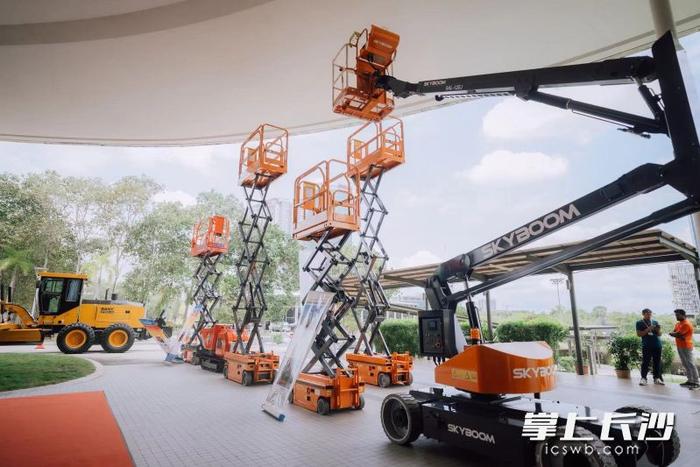
长沙工程机械扬帆出海势头劲 近三年出口总额增速达77.52%
Chang Sha Wan Bao· 2025-09-06 10:24
Core Viewpoint - The third Southeast Asia sub-exhibition of the Changsha International Engineering Machinery Exhibition concluded with significant contracts signed, highlighting the robust growth and international competitiveness of Changsha's engineering machinery industry [1] Group 1: Industry Growth and Performance - Changsha's engineering machinery exports surged from 16.37 billion to 29.06 billion, achieving a cumulative growth rate of 77.52% over the past three years [1] - Leading companies like SANY Heavy Industry and Zoomlion reported impressive international revenue, with SANY's overseas revenue reaching 3.69 billion USD, accounting for 60.26% of total revenue, and a year-on-year growth of 14.96% in revenue and 46% in net profit [3] - Zoomlion's overseas revenue also showed strong performance, with 13.81 billion CNY in revenue, a year-on-year increase of 14.66%, representing 55.58% of total revenue [3] Group 2: Market Expansion and Opportunities - Southeast Asia has emerged as a key market for Changsha's engineering machinery, with exports to ASEAN countries reaching 3.03 billion CNY, a year-on-year growth of 28.3% [4] - The establishment of a collaborative export model among companies, led by Hunan Construction Investment International Trade, has resulted in significant equipment orders and a more integrated approach to international markets [4] Group 3: Innovation and Product Development - The competitive edge of Changsha's engineering machinery lies in its focus on high-end, intelligent, and green technologies, with notable products showcased at the exhibition [5] - SANY launched over 30 new energy engineering machinery products, aligning with global low-carbon development trends, while Zoomlion developed the world's largest hybrid mining truck, filling a gap in the international market [5] - Iron Construction Heavy Industry's intelligent shield machine set a world record for monthly advancement, showcasing the technological prowess of Changsha's products in international infrastructure projects [5] Group 4: Policy Support and Future Outlook - Local policies and services have significantly supported the export growth of Changsha's engineering machinery, with measures to stabilize foreign trade and provide comprehensive support to key foreign trade enterprises [7] - The implementation of a remanufacturing system for engineering machinery has also contributed to export growth, with remanufactured equipment exports reaching 1.6 billion CNY, a year-on-year increase of 15% [7] - Future prospects indicate a synergistic growth between domestic recovery and international expansion, with ongoing support for enterprises to participate in international exhibitions and investment cooperation [7]



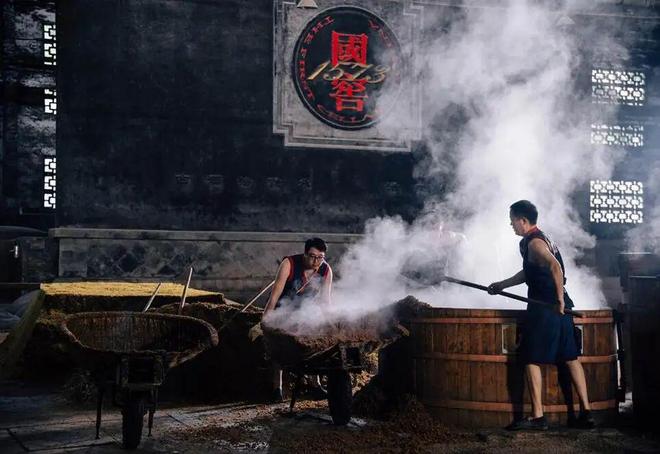
高端化稳健、年轻化领跑,泸州老窖打造酒业穿越周期的“老窖样本”
2 1 Shi Ji Jing Ji Bao Dao· 2025-09-06 00:08
Core Viewpoint - The article emphasizes that in the face of a new round of deep adjustments in the liquor industry, companies like Luzhou Laojiao are focusing on internal strengths to navigate through cycles, showcasing their resilience and strategic foresight in product innovation and market expansion [1][3]. Financial Performance - Luzhou Laojiao reported a revenue of 16.454 billion yuan and a net profit of 7.663 billion yuan for the first half of 2025, with a stable gross margin of 87.1% [1]. - The company's contract liabilities continue to grow, indicating strong capabilities to withstand cyclical pressures [1]. Product Strategy - The company has been deeply engaged in high-end product development, with its mid-to-high-end products, such as Guojiao 1573, leading revenue contributions and maintaining high gross margins [4]. - Luzhou Laojiao is pioneering low-alcohol products, successfully launching the 38-degree Guojiao 1573, which has become the first low-alcohol liquor product to exceed 10 billion yuan in sales [5][7]. Market Expansion - Luzhou Laojiao is implementing strategies like the "Hundred Cities Plan" and "East China Strategy 2.0" to deepen market penetration, both domestically and internationally [4]. - The company is actively expanding its presence in overseas markets, leveraging its high-end positioning and low-alcohol products to appeal to international consumers [17]. Consumer Trends - The company recognizes the rising influence of Generation Z in the liquor market, focusing on health-conscious, easy-to-drink products that fit into younger consumers' lifestyles [8][12]. - Luzhou Laojiao is innovating marketing strategies, such as the "Jiao Master Festival," to engage younger consumers through immersive experiences and social interactions [12][14]. Digital Transformation - Luzhou Laojiao is advancing its digital transformation, with new channel operations showing a revenue increase of 27.55% year-on-year in the first half of 2025 [15]. - The implementation of a "five-code integration" product traceability system enhances operational efficiency and consumer engagement [15][16]. Production Efficiency - The company has established an automated production line capable of packaging 15,000 bottles per hour, significantly improving efficiency and quality control [16]. - Luzhou Laojiao's smart production capabilities allow for flexible manufacturing, enabling quick adjustments to meet market demands [16]. Future Outlook - With a focus on high-end quality, low-alcohol innovation, and digital transformation, Luzhou Laojiao is well-positioned to lead the liquor industry into a new era of high-quality development [17].