产业集群

Search documents
“广货行天下”春季行动灯饰专场促销活动在中山古镇举行
Nan Fang Ri Bao Wang Luo Ban· 2026-01-27 09:03
Core Insights - The "Guanghuo Hang Tianxia" Spring Action promotional event in Zhongshan, Guangdong, showcased over 100 companies participating in live streaming sales, significantly boosting daily exposure by 70%-80% and increasing single-session transaction volume by approximately 120% [1][2] - Guangdong's lighting industry is transitioning towards high-end, intelligent, and green manufacturing, moving from traditional production to a comprehensive solution model that integrates design and smart manufacturing [1][3] - The province's lighting industry is projected to generate revenues of 177.146 billion yuan in 2024, accounting for about 70% of the national market share, with exports valued at 54.92 billion yuan, representing 52% of the national total [3] Industry Development - The event featured major companies like Opple Lighting and Mulin Sen, with 20 premium exhibition booths and 80 quality enterprises conducting live streams, highlighting the shift from selling products to offering solutions and experiences [2] - Guangdong's lighting industry has established a robust ecosystem with a complete supply chain, leading to a competitive advantage in both domestic and international markets [2][3] - The region is developing a world-class lighting industry belt, with a focus on rapid response and one-stop procurement capabilities, attracting global buyers and capital [4][5] Future Outlook - The industry is evolving towards a model that emphasizes system solutions rather than just product sales, with Guangdong lighting companies participating in large-scale projects and establishing overseas warehouses and service centers [5] - The collaborative regional model, known as "1+1+N," is enhancing competitiveness, with Shenzhen focusing on high-end LED technology and Zhongshan serving as the largest production base for lighting fixtures globally [4][5] - The Guangdong lighting sector is leveraging its strong cluster foundation and growing international capabilities to expand its global market presence and pursue high-quality development [5]
海南自贸港的“十四五”:GDP连跨3个千亿级台阶
Zhong Guo Xin Wen Wang· 2026-01-27 08:23
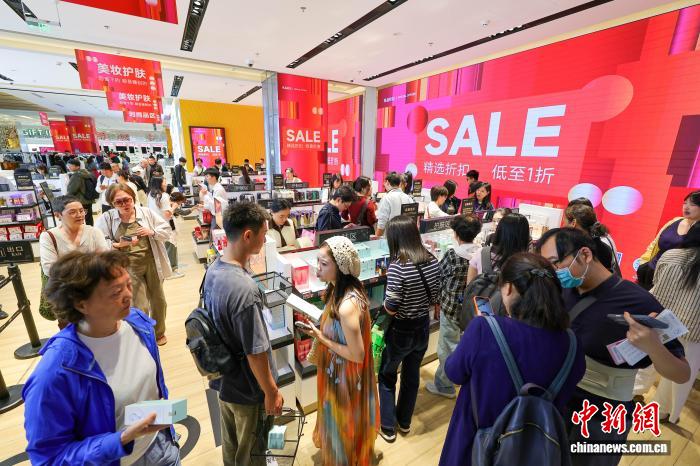
Core Insights - During the "14th Five-Year Plan" period, Hainan Free Trade Port's economic strength has significantly improved, with the province's GDP crossing three thresholds of 1 trillion yuan [1][2]. Economic Growth - By 2025, Hainan's GDP is projected to reach 810.885 billion yuan, reflecting a 4.0% increase from the previous year [2]. - The average annual economic growth rate for Hainan during the "14th Five-Year Plan" is expected to be 5.7%, which is 0.3 percentage points higher than the national average [2]. Industrial Development - The added value of Hainan's industrial enterprises above designated size is anticipated to grow by 9.9%, ranking second nationally [2]. - The contribution of the four leading industries—tourism, modern services, high-tech industries, and tropical agriculture—to GDP has increased by approximately 14 percentage points compared to 2020 [2]. Tourism and Services - Hainan's tourism sector is projected to receive over 100 million visitors, with a comprehensive contribution rate to GDP of 33.4% [2]. - The opening of the world's largest single-duty-free shop has led to duty-free sales accounting for over 8% of the global duty-free market [5]. Healthcare and Education - The Boao Lecheng International Medical Tourism Pilot Zone has become a hub for advanced medical technologies, with 540 licensed medical products and 39 medical institutions established [5]. - The Lingshui Li'an International Education Innovation Pilot Zone has signed agreements with 26 renowned domestic and international universities, with a total of 10,000 teachers and students [5]. Infrastructure and Logistics - Hainan has accelerated its energy transition, with significant developments in offshore wind power, marine engineering, and new energy vehicles [5]. - By 2025, Hainan is expected to operate 75 container shipping routes and 99 international air cargo routes, with express delivery volume growing at an annual rate of over 21% [5]. Industrial Clusters - Over the past five years, Hainan has successfully established three industrial clusters with a value exceeding 100 billion yuan each, including petrochemical new materials and modern finance [6]. - The revenue of 13 key free trade port parks is projected to exceed 2.5 trillion yuan by 2025 [6].

标准化生产 全链条配套 多要素协同 兰州牛肉拉面产业园区集群效应凸显
Xin Lang Cai Jing· 2026-01-27 01:13
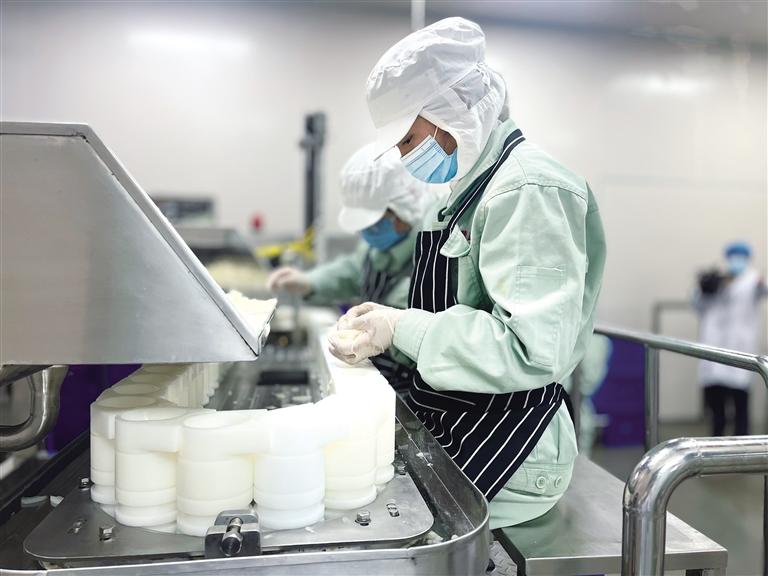
标准化生产 全链条配套 多要素协同 兰州牛肉拉面产业园区集群效应凸显 "蘭啵旺"智能化生产基地 一碗牛肉拉面,承载着兰州的城市记忆;一片产业园,孕育着千亿级产业的未来。近年来,我市以七大产业 园区为核心载体,推动生产研发、供应链配套、市场拓展等资源要素向园区集聚,形成标准化生产、全链条 配套、要素协同高效的产业集群生态,让这碗传承百年的地方风味,在现代化园区的赋能下,焕发出现代产 业的强劲活力。 园区为基:打造产业集聚"强磁场" 近日,走进树屏兰州牛肉拉面产业园,只见标准化厂房鳞次栉比。生产设备有序运转,产品展示中心汇聚了 多家兰州企业的特色食品。生产车间内,机械臂精准完成物料转运,自动化生产线流畅衔接和面、熬汤、封 装等工序,金属传送带载着半成品匀速前行,勾勒出忙碌而有序的生产图景。 据了解,兰州树屏食品产业园立足交通发达、基础设施完善、产业体系健全等优势条件,采用园中园模式, 建设了8万平方米的兰州牛肉拉面产业园。目前,已签约入驻企业15家,拥有思泊湖、金城虎等多个预包装牛 肉拉面品牌,生产品类涵盖了面饼、辣椒油、调料包、产品包装等上下游产品,形成了较为完整的产业链 条。同时,园区追加投资,建设2万平方米 ...
破局与重构——解码重庆上市公司转型升级新路径
Zheng Quan Ri Bao Zhi Sheng· 2026-01-26 16:38
本报记者 冯雨瑶 "十四五"期间,重庆上市公司从57家升至78家,总市值突破万亿元。在此期间,重庆资本市场以坚实的 步伐勾勒出区域经济转型升级的生动图景——从传统产业到高端装备、新能源、新材料等战略性新兴产 业的崛起,一条以新旧动能转换为核心的产业演进主线日益清晰。 Wind资讯数据显示,截至2025年12月末,重庆上市公司总市值约1.21万亿元。2025年上半年,重庆上市 公司研发投入合计147.68亿元,同比增长42.10%,增幅居全国第一。2025年前三季度,重庆上市公司合 计实现营业收入5721.85亿元,归母净利润319.58亿元,分别较2020年同期增长57.64%、15.34%。 深处内陆的重庆,如何突破地理与产业结构的双重约束,实现产业跃迁?近日,《证券日报》记者采访 多家企业,试图从它们各自的实践中,梳理出共性经验与模式。这条兼顾基础升级与前沿布局的发展路 径,正为全国同类地区的产业变革提供一份具有参考意义的"重庆方案"。 纵向升级 重庆是制造业重镇。2023年,重庆吹响制造业高质量发展的号角,提出要着力打造"33618"现代制造业 集群体系,迭代升级制造业产业结构。其中,智能网联新能源汽车 ...

“迅猛增长”“进口+产业”“零突破”,活力涌动!从关键词里解码区域外贸亮点
Yang Shi Wang· 2026-01-26 08:49
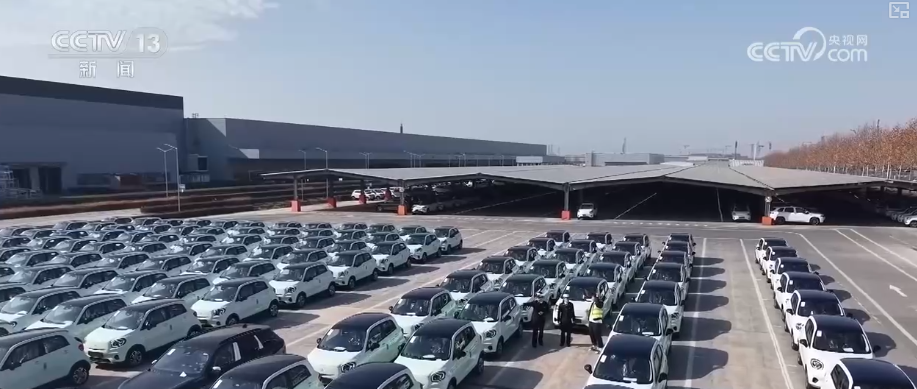
Group 1 - The core viewpoint of the article highlights the significant growth in China's foreign trade in 2025, with the Yangtze River Delta region emerging as a key contributor, accounting for nearly 40% of the national export value at 10.84 trillion yuan [1] - The Yangtze River Delta's total import and export value reached 17.02 trillion yuan in 2025, marking a year-on-year increase of 6.3% and enhancing its share of China's foreign trade to 37.4% [17] - Zhejiang's focus on the new energy vehicle (NEV) sector is evident, with a production line yielding an average of 42 NEVs per hour and a monthly output exceeding 20,000 units [3] Group 2 - The NEV company in Zhejiang reported that 65% of its core components are self-developed, leading to a projected annual delivery of nearly 600,000 new vehicles in 2025, representing a 103% year-on-year growth [5] - The logistics model has evolved to accommodate the rising export demand, with the introduction of roll-on/roll-off shipping significantly improving loading efficiency and space utilization [8][11] - The export of NEVs from Zhejiang is expected to exceed 200,000 units in 2025, with electric vehicles making up over 60% of this total, reflecting a robust growth trajectory [14] Group 3 - The Yellow River Basin's import and export value reached a historic high of 6.49 trillion yuan in 2025, accounting for 14.3% of the national total, showcasing significant improvements in scale, structure, and efficiency [19] - The Yellow River Basin's trade performance has been bolstered by the development of unique industrial clusters that enhance export growth, with a notable increase in trade with countries along the Belt and Road Initiative [28] - The western region of China achieved a record import and export value of 4.4 trillion yuan in 2025, reflecting an 8.7% increase from 2024 and a rising share of 9.7% of the national total [29] Group 4 - The import of timber at the Rizhao Port in Shandong reached over 10 million cubic meters in 2025, accounting for one-third of the national total, with a focus on retaining and processing these resources locally [24] - The timber industry in Rizhao has developed a comprehensive supply chain that enhances processing depth and product value, contributing to a significant annual processing output of 15 billion yuan and creating over 20,000 jobs [27] - The export of live fish from Guizhou reached 1,281.6 tons in 2025, with a total value of 42.1 million yuan, marking a year-on-year growth of 192.7% [37]
链聚新动能 质筑新未来
Xin Lang Cai Jing· 2026-01-25 19:17
Core Insights - The article highlights the significant advancements in the industrial transformation of Wuhai City, focusing on the development of new energy and materials sectors, particularly solid-state batteries and biodegradable materials, which are driving the city's economic growth and transition towards a modern industrial system [4][5][6]. Group 1: Emerging Industries - Wuhai City is witnessing the emergence of two major industrial clusters: solid-state battery materials and biodegradable materials, which are becoming core engines for urban transformation and high-quality development [5][6]. - The leading company, Qingtao (Kunshan) Energy Development Group, is investing 5 billion yuan to establish a solid-state battery materials production facility, which includes a 10 GWh solid-state battery and energy storage system project [5]. - The complete industrial ecosystem is being built with companies like Wuhai Baoqi Carbon Materials Co., which has developed a full production chain for high-end anode materials, achieving significant performance improvements over traditional materials [6]. Group 2: Technological Innovation - Wuhai City emphasizes technological innovation as a key driver for development, fostering collaboration between local enterprises and external innovation hubs, such as the partnership with Zhongguancun Development Group [7][8]. - Local companies are demonstrating innovation capabilities, such as the resource recycling project by Guoneng Longyuan Inner Mongolia Environmental Protection Co., which has achieved a 100% resource utilization rate and significantly reduced energy consumption and emissions [7][8]. Group 3: Policy Support and Recognition - The city is implementing comprehensive policy measures to support industrial upgrades, including optimizing the business environment and enhancing funding support for technological innovation [8][9]. - Several companies have received national and regional honors, indicating the rising level of industrial cluster development and the recognition of Wuhai's enterprises in smart manufacturing and innovative practices [8][9]. Group 4: Traditional Industry Upgrades - Wuhai City is accelerating the transformation of traditional industries, focusing on smart, green, and integrated upgrades, particularly in coal, coke, and chemical sectors [10][11]. - The city has successfully completed ultra-low emission upgrades for all eight coking enterprises, with significant investments in industrial technology improvements [12]. - Future plans include further enhancing the value-added capabilities of traditional industries and developing high-end chemical products, ensuring a robust foundation for sustainable industrial growth [12].

批量生产IPO:江苏全国第一,苏州第三丨投中嘉川
投中网· 2026-01-25 07:05
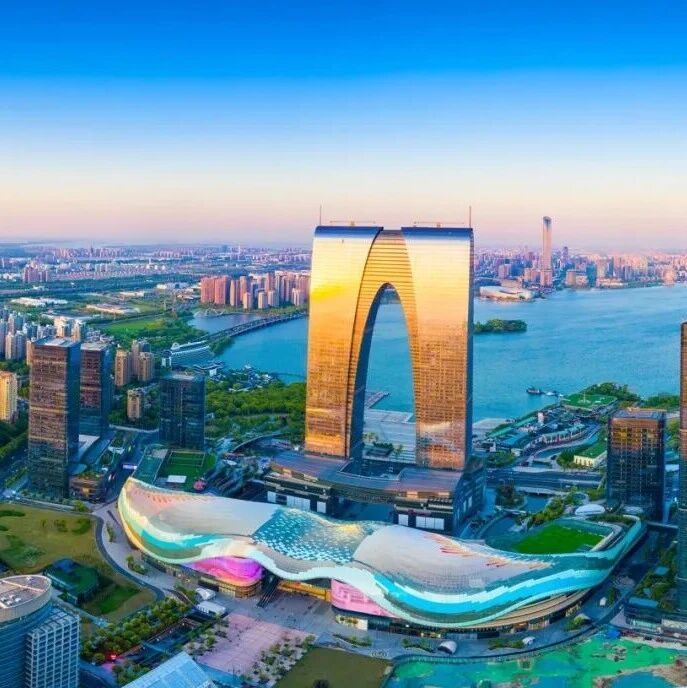
Core Insights - The article highlights that Jiangsu Province led the nation in IPOs in 2025, with 46 companies listed, accounting for 15% of the national total [5][6][11] - The report emphasizes the long-term development of Jiangsu's capital efficiency and industrial ecosystem, which has resulted in a significant increase in IPO activity [6][19] Summary by Sections IPO Data Overview - In 2025, a total of 294 IPOs occurred nationwide, with Jiangsu Province achieving the highest number [5] - The total IPO amount for Jiangsu reached 40.858 billion yuan, more than doubling from the previous year [6] Industry Distribution - The majority of IPOs in Jiangsu were concentrated in advanced manufacturing, healthcare, and energy/mining, which together accounted for 71.8% of the total [8] - Notable companies include Jiangsu's largest IPO, United Power, valued at approximately 66 billion yuan, and Qiangyi Co., valued at 48 billion yuan [10] Regional Insights - Suzhou emerged as the leading city in Jiangsu with 19 IPOs, representing 41.3% of the province's total [11] - Jiangsu's IPOs were distributed across 11 cities, with significant contributions from cities like Wuxi and Changzhou [11][13] Long-term Trends - Over the past five years, Jiangsu has facilitated the listing of 265 companies, establishing itself as a key player in the capital market [18][21] - The province's investment events have increased significantly, from 272 in 2013 to nearly 2000 in recent years, indicating a robust investment environment [20] Role of Venture Capital - A high percentage of IPO companies in Jiangsu (87%) had received VC/PE investment, surpassing the national average of 57.8% [19] - Local investment institutions have been active, with five of the top ten direct investment institutions in China based in Jiangsu [25] Future Outlook - Jiangsu has launched several large-scale investment funds, including a 50 billion yuan mother fund, which is expected to sustain investment activity in the coming years [26] - The province's entrepreneurial landscape is characterized by a high number of engineers as founders, focusing on practical industrial opportunities [34][36]
数+智,如何强健苏州制造筋骨
Su Zhou Ri Bao· 2026-01-23 23:50
Core Insights - Suzhou's manufacturing sector is robust, with a leading number of global lighthouse factories and national-level 5G factories, indicating a strong industrial foundation and a high level of integration between information technology and industrialization [1][2] - The government work report emphasizes strengthening the real economy and building a modern industrial system as key priorities for 2026, focusing on enhancing competitive advantages in industrial clusters and promoting smart manufacturing [1][2] Group 1: Industrial Clusters and Economic Foundation - Suzhou has developed three trillion-level industries: electronic information, equipment manufacturing, and new materials, with manufacturing value added consistently accounting for over 40% of GDP [2] - The city aims to advance its industrial clusters towards higher value chains, particularly in biomedicine, electronic information, and new energy sectors, while also promoting the establishment of over 3,500 smart factories [2][3] Group 2: AI Integration in Manufacturing - Artificial intelligence is positioned as a key driver for upgrading Suzhou's manufacturing, with over 3,000 AI-related companies and initiatives to integrate AI into manufacturing processes [3][4] - The government is focusing on high-end chips, algorithms, and intelligent equipment innovation, with the local robot industry valued at over 160 billion yuan, accounting for one-seventh of national production [4] Group 3: Modern Service Industry Development - The modern service industry is seen as essential for supporting industrial growth, with plans to enhance the quality and capacity of production services, targeting an 8% revenue growth by 2026 [5] - Proposals include providing comprehensive services such as consulting and training to facilitate the upgrade of small and medium enterprises through collaborative platforms [5][6] Group 4: Talent Development - Talent is identified as a critical factor for industrial upgrading, with a strong demand for engineers and skilled technicians capable of addressing complex engineering challenges [6] - Suggestions include establishing specialized programs in universities to align educational outcomes with industry needs, ensuring a continuous supply of practical talent for industrial development [6]
湖北汉川 新型工业化之路越走越宽
Jing Ji Ri Bao· 2026-01-23 22:23
Core Insights - The article highlights the rapid industrial development in Hanchuan, Hubei, focusing on the growth of various sectors, particularly in manufacturing and textiles, driven by technological upgrades and strategic planning [1][2][3][4]. Group 1: Manufacturing and Production - The Baofeng Industrial base in Hanchuan is the world's largest single-site production facility for aluminum pull-tabs, with a production capacity of 85 million pieces per day, contributing to 40% of the national market [1]. - Hanchuan's industrial strategy emphasizes the development of a "3+X" industrial system, which includes three main industries: textile and apparel, food processing, and equipment manufacturing, along with several advantageous industries [1][2]. - The Shufeng Line Industry has doubled its annual production capacity to nearly 110,000 spindles through technological upgrades, with over 90% of textile enterprises in the city implementing technology transformations [2]. Group 2: Emerging Industries - Wuzhou Special Paper Industry's PM21 production line, capable of producing 300,000 tons annually with a projected output value of 3 billion yuan, represents a significant advancement in the paper industry [2][3]. - Hanchuan is developing a packaging and printing industry cluster, leveraging partnerships with leading companies to enhance the entire supply chain from paper production to printing [3]. - The city is also focusing on future-oriented industries such as information technology, new materials, and energy, establishing innovation and research bases to support these sectors [3][4]. Group 3: Economic Growth and Investment - Hanchuan has attracted over 516 projects with investments exceeding 100 million yuan in the past five years, with 225 high-tech enterprises and 148 specialized "little giant" companies currently operating in the city [3][4]. - The local government aims to optimize the industrial structure by enhancing primary, secondary, and tertiary industries, with a focus on developing seven major industrial parks [4].
“中欧班列+”效应:一条铁路“链”起产业集群
Xin Lang Cai Jing· 2026-01-21 18:32
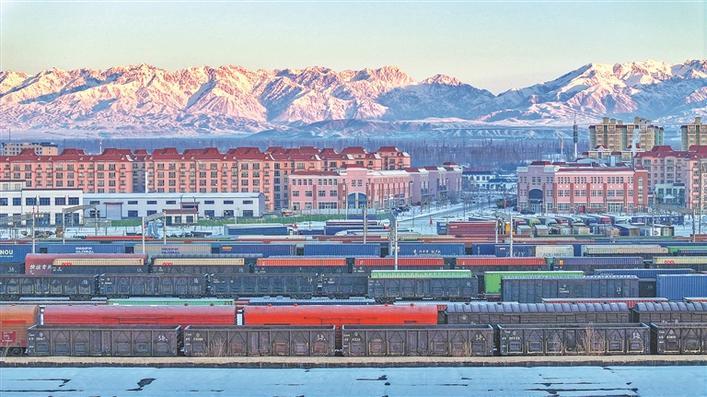
Core Insights - The introduction of the "smart railway port + local rapid customs clearance" model at the Horgos port in Xinjiang has significantly reduced the import and export processing times, enhancing the efficiency of logistics and trade across the Eurasian continent [2][3]. Group 1: Logistics and Transportation Efficiency - The Horgos port has reduced the import cargo transit time from 2-3 days to under 16 hours, while local export processing time has been cut down to 1 hour, showcasing a remarkable improvement in logistics efficiency [2][3]. - The application of technologies such as Beidou positioning, 5G, and electronic sealing has enabled full visibility tracking of goods throughout the transportation process, further enhancing operational efficiency [3]. Group 2: Industry Integration and Development - The "China-Europe Railway Express" has evolved from a simple cross-border logistics channel to a multifaceted ecosystem integrating "trains + hubs + industries + trade," fostering the development of distinct industrial clusters along the route [2]. - New business models such as "train + cross-border e-commerce," "train + order agriculture," and "train + green manufacturing" are emerging, expanding the boundaries of industrial integration [3][4]. Group 3: Economic Impact and Opportunities - The establishment of a green cross-border e-commerce train has reduced transportation costs to one-fifth of air freight, promoting the scaling of the cross-border e-commerce industry [4]. - The China-Europe Railway Express has become a new economic engine for regions like Ulanqab and Erenhot, driving growth in import-export trade and related services [4]. Group 4: International Collaboration - The China-Europe Railway Express is not only beneficial for China but also provides unique opportunities for countries along the route, such as Bulgaria, which plans to establish a regional distribution center to enhance market access for local businesses [4][5].