
人工智能治理

Search documents
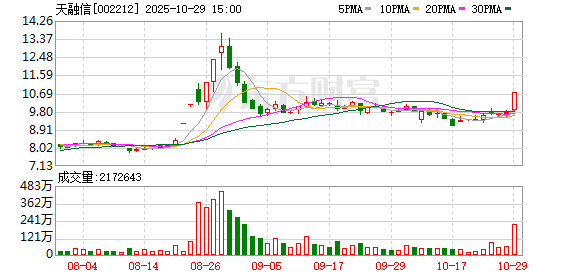
天融信前三季度实现营收12.02亿元 多元布局打造第二增长极
Zheng Quan Ri Bao· 2025-10-29 12:45
Core Viewpoint - Tianrongxin Technology Group Co., Ltd. reported a stable financial performance in Q3 2025, with a focus on cost reduction and diversification strategies to enhance growth potential in various sectors [2][3]. Financial Performance - For the first three quarters of 2025, the company achieved a revenue of 1.202 billion yuan, with Q3 revenue at 377 million yuan [2]. - The gross profit margin remained stable year-on-year, while total operating expenses decreased by 11.13% during the same period [2]. - Research and development expenses fell by 15.05%, management expenses decreased by 17.23%, and sales expenses dropped by 6.48% [2]. Project Acquisition - Tianrongxin has secured several large-scale projects worth tens of millions and numerous projects worth millions across various sectors, including government, finance, education, power, and satellite internet, ensuring a robust order backlog for long-term performance [2]. Business Diversification - The company's intelligent computing cloud business is showing growth, with its revenue contribution increasing from 7.43% in 2023 to 12.40% in the first half of 2025, indicating a potential new growth driver [2]. Quantum Technology Investment - The company has been investing in quantum technology since 2018, collaborating with Anhui Wentiang Quantum, a pioneer in quantum information technology commercialization, holding multiple patents in quantum communication [3]. Cybersecurity Sector Outlook - The recent amendment to the Cybersecurity Law, effective January 1, 2026, is expected to boost the cybersecurity industry, reflecting strong growth momentum [3]. - Tianrongxin is focusing on artificial intelligence governance, launching products like the large model security gateway and data security monitoring systems to manage risks throughout the model lifecycle [3].


OpenAI转型为公益型公司(PBC),强化微软协同并提升资本弹性
Haitong Securities International· 2025-10-29 05:13
Investment Rating - The report does not explicitly provide an investment rating for the industry or specific companies involved. Core Insights - OpenAI's transition to a Public Benefit Corporation (PBC) enhances its capital flexibility and valuation, now estimated at approximately US$135 billion, significantly up from US$80-90 billion in mid-2023, establishing it as a leading player in the AI sector [2][8]. - Microsoft increases its stake in OpenAI to 27%, solidifying its strategic partnership and maintaining its role as a primary cloud provider, which is expected to bolster its position in the enterprise AI services market [4][9]. - The restructuring allows OpenAI to collaborate with other cloud providers, enhancing its supply chain flexibility and reducing reliance on a single vendor, which may mitigate risks associated with GPU shortages [3][10]. Summary by Sections Corporate Restructuring - OpenAI has completed its restructuring into a PBC, allowing it to attract external capital while balancing public benefit and commercial goals [1][7]. - The new structure removes previous profit limitations, enabling more flexible financing options [4][14]. Microsoft Partnership - The increased ownership stake gives Microsoft greater influence over OpenAI, ensuring continued access to AI models and integration across its products [4][9]. - This partnership is expected to enhance the visibility of AI revenue streams for Microsoft, particularly in its Azure and Copilot ecosystems [12]. Market Position and Strategy - OpenAI's new governance model provides a template for balancing ethical considerations with capital efficiency, potentially attracting sovereign funds and strategic investors [11][14]. - The removal of Microsoft's compute exclusivity clause allows OpenAI to engage with other cloud vendors, which could optimize operational costs and reduce risks associated with supply chain dependencies [3][10].

“创新·开放·共享发展”全球对话会美国专场在华盛顿举行
Zhong Guo Xin Wen Wang· 2025-10-25 16:09
Core Viewpoint - The dialogue emphasizes the importance of cooperation between China and the United States, highlighting that protectionism and unilateralism will harm global supply chains and economic growth [1] Group 1: Economic and Trade Relations - Chinese Ambassador to the U.S. Xie Feng stressed that trade wars and tariffs will disrupt global supply chains and negatively impact economic growth [1] - The 20th Central Committee's Fourth Plenary Session conveyed a message of openness, cooperation, and mutual benefit, indicating China's willingness to share opportunities with the world, including the U.S. [1] Group 2: Global Challenges and Cooperation - Dennis Simon, President of the Global Talent Organization Alliance, noted that no country can tackle major global challenges alone, emphasizing the necessity of U.S.-China cooperation in areas like climate change and public health [1] - The dialogue highlighted the potential for transforming tensions into trust and competition into results through partnership [1] Group 3: Perspectives from Academia - Young representatives from U.S. universities praised the rapid development achievements of Chinese-style modernization based on their experiences in China [1]
第十一届中国—中东欧国家高级别智库研讨会在克罗地亚首都萨格勒布成功举办
人民网-国际频道 原创稿· 2025-10-25 02:19
Group 1: Event Overview - The 11th China-Central and Eastern European Countries (CEEC) High-Level Think Tank Seminar was successfully held in Zagreb, Croatia, focusing on "A World at a Crossroads: Cooperation between China and CEEC" [1] - The seminar attracted over 100 participants, including government officials, think tank leaders, experts, industry representatives, and media from China and various CEEC countries [1] Group 2: Key Insights from Speakers - Zhao Zhimin highlighted the resilience of China-CEEC relations over the past 50 years, emphasizing the significant contributions of CEEC to the development of China-Europe relations since the establishment of the cooperation mechanism in 2012 [2] - Ivo Josipović noted that the cooperation mechanism has led to substantial connectivity and investment collaborations, enhancing the "Belt and Road" initiative, with projects like the Pelješac Bridge showcasing China's engineering capabilities [2] - Emil Constantinescu emphasized the historical ties and mutual benefits between China and Romania, advocating for deeper cultural exchanges and the establishment of a "Civilizational Silk Road" [3] - Qi Qianjin pointed out the current global uncertainties and the importance of China-CEEC cooperation in providing stability and vitality to regional and global development [3] Group 3: Future Cooperation Directions - Chen Guoyou mentioned the steady development of the China-CEEC cooperation mechanism over the past 13 years, achieving fruitful results in connectivity, trade, cultural exchanges, and local cooperation [3] - Feng Zhongping stated that both China and Europe advocate for multilateralism and aim to enhance cooperation, which benefits not only their relations but also global stability [4] - Mato Niyafro emphasized the need for international collaboration to address issues like climate change and AI governance, with a focus on promoting higher education exchanges between China and Croatia [4] Group 4: Forum Discussions - The sub-forum discussions involved in-depth exchanges on practical cooperation between China and CEEC, think tank collaboration, and the current situation in CEEC countries [5] - Participants summarized the development experiences of China-CEEC cooperation and analyzed new characteristics in various fields, providing valuable insights for innovative cooperation mechanisms [5]
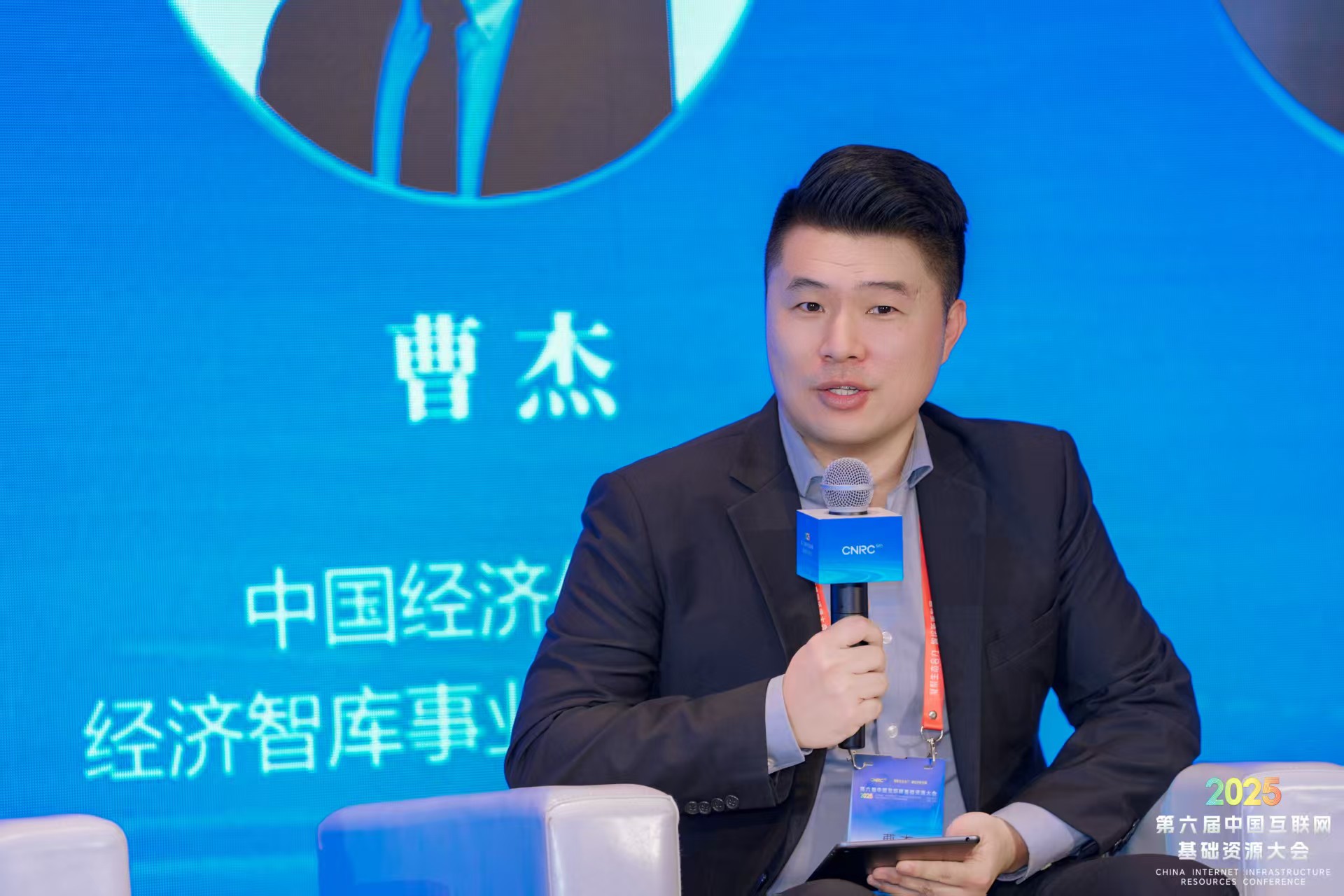
中经社曹杰:我国人工智能治理政策体系为中小企业发展带来四重红利
Xin Hua Cai Jing· 2025-10-22 13:42
Core Insights - Artificial intelligence is a significant driving force in the new technological revolution and industrial transformation, leading various sectors from digitalization and networking to intelligence [1] Group 1: Policy and Governance - The policy framework for AI governance in China provides four major benefits for SMEs, offering comprehensive support in strategic direction, application implementation, foundational support, and risk management [1][3] - The Chinese government has included "AI+" in its work reports for two consecutive years, with 23 provinces explicitly deploying "AI+" in their government work reports during this year's local two sessions [3] Group 2: Market Opportunities - The government is opening high-value scenarios, significantly lowering the entry barriers for enterprises into the "AI+" field and guiding them towards the core paths of technology commercialization [3][4] - There are approximately 400,000 data companies in China, with around 60% engaged in data mining, analysis, and security, indicating substantial growth opportunities in the data industry for SMEs [4] Group 3: Compliance and Innovation - Regulatory innovation is a key approach for local governments to promote "AI+", with cities like Beijing and Shenzhen exploring regulatory sandbox mechanisms, which help define innovation boundaries and reduce compliance costs for enterprises [4]
全球大学齐聚北京,对话推动《未来契约》落实
Xin Jing Bao· 2025-10-17 07:48
Core Points - The event "Implementation of the Future Pact University Dialogue" was successfully held in Beijing, marking the 80th anniversary of the United Nations, focusing on the role of universities in promoting the Future Pact and accelerating the 2030 Sustainable Development Agenda [1][2] - The dialogue attracted representatives from universities worldwide, discussing how educational cooperation, research innovation, and policy advocacy can drive sustainable development goals [1][2] - A significant outcome of the dialogue was the release of the "University Implementation of the Future Pact Action Plan," which aims to establish mechanisms for systematic implementation of the Future Pact in talent cultivation, research collaboration, and policy advocacy [3] Group 1 - The dialogue emphasized the importance of multilateralism in a chaotic and uncertain era, with universities playing a crucial role in translating words into action [2] - The Chinese Ministry of Education expressed support for deepening cooperation between universities and international partners, highlighting the proactive role of Beijing Foreign Studies University in the Future Pact [1][2] - The dialogue included discussions on artificial intelligence governance, interdisciplinary collaboration, and changes in research paradigms, addressing challenges faced by future universities [2] Group 2 - The "Future University Alliance" and "Future Learning Excellence Center" are proposed as part of the action plan to enhance collaboration among universities [3] - The event also initiated the preparation process for the "Sustainable Development Goals Series Dialogue," showcasing the youth's creativity and concern for sustainable development through performances [3] - The dialogue marked a significant step for global higher education in multilateral cooperation and sustainable development, aiming to create a more inclusive, equitable, and resilient future [3]
美中关系全国委员会:世界依赖稳定的美中关系
Xin Hua Wang· 2025-10-15 12:31
Core Viewpoint - The stability of US-China relations is crucial for both countries and the world, and there is a collective call to promote a stable and healthy relationship between the two nations [1][2]. Group 1: Importance of US-China Relations - Over 300 attendees at the annual awards dinner emphasized the world's reliance on stable US-China relations, which align with the interests of both nations [1]. - Stephen Orlins, President of the US-China Relations National Committee, highlighted the importance of cooperation in addressing issues faced by both countries and the world, particularly in trade, healthcare, AI governance, and cultural exchanges [1]. - Former US Trade Representative Charlene Barshefsky noted the recent escalation of trade tensions but acknowledged ongoing diplomatic efforts to foster communication and negotiation between the two countries [1]. Group 2: Economic Interdependence - Greenberg, Executive Vice Chairman of the US-China Relations National Committee, stressed the need for mutual dependence and opposed the notion of "decoupling" between the US and China, asserting that true separation is not feasible [2]. - He pointed out that trade and investment between the two nations create a mutually beneficial relationship that acts as a stabilizing force for US-China relations [2]. - Greenberg expressed the belief that both countries must seek positive ways to coexist for security and economic prosperity [2].
20家银行参与香港金管局第二期生成式人工智能沙盒
Zhong Guo Xin Wen Wang· 2025-10-15 10:52
Core Insights - The Hong Kong Monetary Authority (HKMA) and Hong Kong Cyberport announced the second phase of the Generative Artificial Intelligence (GenA.I.) sandbox, inviting 27 use cases from 20 banks and 14 technology partners for technical testing expected to start in early 2026 [1][2] Group 1: GenA.I. Sandbox Overview - The second phase of the GenA.I. sandbox focuses on enhancing AI governance, with several use cases employing an "AI against AI" strategy for automated quality detection of AI-generated content [1] - The sandbox serves as a testing ground for developing innovative defense mechanisms against the rising risk of deepfake fraud, with participants conducting simulated attack and defense tests to strengthen systems against sophisticated digital scams [1] Group 2: Participant Contributions - Bank of China (Hong Kong) Limited aims to deepen fraud detection technology, enabling GenA.I. to continuously learn and address new deepfake text and voice technologies, thereby enhancing its risk prevention system [1] - Industrial and Commercial Bank of China (Asia) Limited will focus on three major scenarios for in-depth research and testing, including using AI technology for customer risk rating updates and blacklist identification to improve customer protection and banking risk control capabilities [1] Group 3: Industry Implications - HKMA's Vice President, Yuen Kwok-hang, stated that the second phase of the GenA.I. sandbox marks a significant step towards safer and more robust AI applications, reflecting the transformative potential of AI across different types of banks [2] - The collaboration between HKMA and Hong Kong Cyberport aims to launch the GenA.I. sandbox in August 2024, providing banks with a controlled environment to develop and test AI solutions tailored to the banking sector, thereby promoting innovation in the industry [2]
前英国首相“跳槽”美国硅谷,欧洲AI可能真没救了
3 6 Ke· 2025-10-14 00:59
Core Insights - Former UK Prime Minister Rishi Sunak has accepted a part-time senior advisor position with Microsoft and AI startup Anthropic, raising concerns about the implications for Europe's AI industry [3][4] - The appointment symbolizes a troubling trend where political assets are being absorbed by American tech giants, rather than benefiting local European innovation [4] - Europe's AI industry faces significant challenges, including a lack of competitive capital and regulatory burdens that hinder innovation [5][7][10] Group 1: Economic Context - The EU's GDP in Q1 2025 is projected to be approximately $4.85 trillion, significantly lower than the US's $7.32 trillion, highlighting a growing economic gap [4] - The EU's share of global generative AI patent applications is only 6.7%, compared to 74.96% for the US and China, indicating a structural lag in innovation [5] - Europe's AI chip market is dominated by Nvidia, which holds 80% of the global market, while Europe accounts for only 4.8% of AI computing power [5] Group 2: Regulatory Challenges - The EU's AI Act, while establishing ethical standards, has created a "Brussels Paradox" where regulatory compliance becomes a costly burden for local startups [7] - European startups must prioritize compliance over innovation, leading to a competitive disadvantage against more agile US counterparts [7][10] - The fragmented nature of European markets complicates capital flow and investment, further stifling innovation [11] Group 3: Talent and Capital Issues - The European venture capital landscape is characterized by conservatism and fragmentation, making it difficult for startups to secure necessary funding [11] - The lack of a unified exit mechanism for tech stocks in Europe hampers the growth of a robust investment ecosystem [11] - The talent drain from Europe to the US is exacerbated by the disparity in compensation and resources available to AI professionals [11] Group 4: Ethical Concerns in AI Development - Mistral AI, a promising European startup, faces allegations of unethical practices, which could undermine trust in the European AI sector [12][16] - The controversy surrounding Mistral highlights the potential risks of knowledge transfer and ethical breaches within the industry [12][16] Group 5: Comparative Analysis with China - The contrasting paths of Europe and China in AI development reveal Europe's regulatory strengths but market fragmentation, while China benefits from a unified digital market [16][17] - China's rapid advancement in AI applications contrasts with Europe's struggle to translate academic prowess into commercial success [16][17] - The need for China to engage actively in global AI governance is emphasized, as it seeks to balance its technological advancements with ethical considerations [17]

环球圆桌对话:欧盟为何在AI领域“亮旗”?
Huan Qiu Wang Zi Xun· 2025-10-13 23:09
Core Viewpoint - The European Union (EU) is prioritizing the development of artificial intelligence (AI) strategies in response to increasing global competition, particularly from the US and China, aiming to enhance its technological sovereignty and competitiveness in the AI sector [1][2][6]. Group 1: EU AI Strategy Development - The EU has shifted its AI strategy from a focus on regulatory frameworks to a more comprehensive approach that includes capability building and systemic innovation across research, industry, investment, and regulations [2][3]. - The newly introduced "Application AI Strategy" and "Scientific AI Strategy" are seen as specific policy frameworks to implement the "Continental AI Action Plan," aiming to establish Europe as the world's first "AI continent" [2][3]. Group 2: Competitive Landscape - The EU acknowledges its lag in AI technology and infrastructure compared to the US and China, particularly in areas such as AI computing power, storage, and talent development [3][4]. - The EU's strategy emphasizes the need for differentiated competition rather than direct competition with the US and China, suggesting a focus on leveraging its own strengths and addressing resource constraints [3][4]. Group 3: Governance and Regulation - The EU aims to position itself as a "third pole" in global AI governance, leveraging its existing strengths in data governance and privacy protection to influence international standards [6][7]. - The EU's "AI Act," set to take effect in August 2024, is the world's first comprehensive regulatory framework for AI, which could enhance its role as a rule-maker in the global AI landscape [7][11]. Group 4: Challenges and Opportunities - The EU faces significant challenges in achieving its AI ambitions, including a lack of innovation investment, internal coordination difficulties among member states, and the need for a more flexible regulatory approach [8][9][12]. - Despite these challenges, there is potential for collaboration with other regions, particularly in addressing data privacy and security concerns, which could enhance the EU's position in the global AI market [15].