
价值回归

Search documents
华泰证券:看好券商业绩成长性和高性价比机会
Mei Ri Jing Ji Xin Wen· 2025-11-03 23:53
Core Insights - The capital market is undergoing profound changes in its underlying logic, with a significant increase in the attractiveness of equity assets in a low-interest-rate environment, indicating a positive development cycle ahead [1] - Brokerage firms are highly correlated with capital market activities, and there is optimism regarding their performance growth potential and value recovery in the new cycle [1] - Current valuations for A-shares and H-shares remain at mid to low levels, suggesting opportunities for investment [1] Summary by Categories - **Market Environment** - The low-interest-rate environment enhances the appeal of equity asset allocation, leading to a sustainable influx of new capital [1] - The market is entering a favorable upward development cycle [1] - **Brokerage Sector Outlook** - Brokerage firms are expected to benefit from the positive market trends, with strong growth potential in their performance [1] - There is a high cost-performance value recovery space for brokerage firms in the new cycle [1] - **Investment Recommendations** - Focus on stocks with better valuations in the Hong Kong market, which also have smaller circulation [1] - Consider leading A-share companies that offer valuation cost-performance advantages [1] - Pay attention to distinctive mid-sized brokerage firms [1]

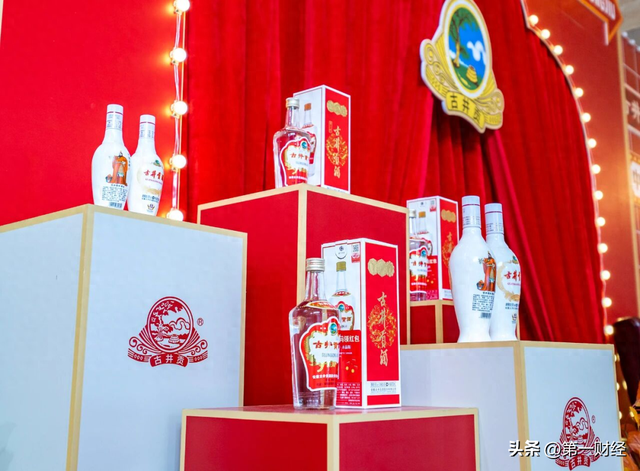
古井贡酒:以质为舟,行业深度调整中的“定”与“进”
第一财经· 2025-11-03 02:42
Core Viewpoint - The Chinese liquor industry is undergoing a profound "value return," shifting focus from "speed and scale" to "quality and health" due to changes in the macro environment and consumer structure [1] Group 1: Company Performance - Gujinggong Liquor reported a total revenue of 16.425 billion yuan and a net profit of approximately 3.96 billion yuan for the first three quarters of 2025, demonstrating resilient growth despite market challenges [1] - The company is recognized as one of the most stable brands in the industry, actively adjusting its strategy to focus on "driving sales, reducing inventory, expanding channels, and stabilizing prices" [3][5] Group 2: Market Environment - The liquor industry is still in a deep adjustment phase, with a reported 15% to 20% decline in domestic liquor sales during the recent holiday season, indicating a slow recovery in the consumption market [3] - The current adjustment is primarily driven by demand-side factors, necessitating a slowdown to adapt to the new environment influenced by uncertainties and changing consumer demographics [5] Group 3: Strategic Initiatives - Gujinggong has implemented the "Three Connections Project" (road connection, store connection, and person connection) to enhance market control and channel depth, effectively addressing competition in a saturated market [5] - The company is leveraging digital transformation to gain precise insights into market dynamics, enabling "demand-based production and precise delivery" to avoid excessive inventory and price erosion [5] Group 4: Marketing and Brand Strategy - Gujinggong is enhancing product competitiveness and channel efficiency through refined "terminal collaboration," which helps distributors and stores improve sales capabilities while protecting brand value from excessive promotions [7] - The company is embracing new retail and e-commerce channels, achieving a 160% year-on-year growth in GMV during promotional events on platforms like JD and Tmall, thus expanding its reach to new consumer groups [8][9] Group 5: Product Innovation - The company has introduced a "light" concept in response to the trend towards lower alcohol content, successfully integrating modern lifestyle elements into traditional liquor [11] - Gujinggong is also reviving classic products to evoke nostalgia, strengthening emotional connections with both existing and younger consumers [11] Group 6: Industry Outlook - The deep adjustment in the liquor industry presents opportunities for reshaping and reconfiguring the market landscape, with Gujinggong demonstrating strategic resilience and a commitment to steady growth [11]



期货市场中,什么才是顺势而为?
Sou Hu Cai Jing· 2025-10-31 18:12
Core Viewpoint - OPEC+ has reached a historic production cut agreement of 9.7 million barrels per day, signaling an end to the oil price war and leading to a rebound in international oil prices [1] Oil and Chemical Industry - The recent production cut is expected to create a buying opportunity for crude oil and chemical products, as prices have reached a low point and are likely to recover [1] - The statement emphasizes that the value of oil will eventually return, suggesting that the current price disparity between oil and water is unsustainable [1] Market Conditions - Global market volatility has led to a decline in A-shares, indicating the need for asset allocation to hedge against market risks [1] - The agricultural sector is also experiencing price increases due to the intensifying pandemic, highlighting broader inflationary pressures across various commodities [1]
古井贡酒:以质为舟,行业深度调整中的“定”与“进”
Di Yi Cai Jing· 2025-10-31 07:41
Core Viewpoint - The Chinese liquor industry is undergoing a significant "value return," shifting focus from "speed and scale" to "quality and health" due to changes in the macro environment and consumer structure [1] Group 1: Company Performance - Gujinggong Liquor reported a revenue of 16.425 billion yuan and a net profit of approximately 3.96 billion yuan for the first three quarters of 2025, demonstrating resilient growth despite market challenges [1] - The company is recognized as one of the most stable brands in the industry, actively adjusting its strategy to focus on "driving sales, reducing inventory, expanding channels, and stabilizing prices" [3] Group 2: Market Environment - The liquor industry is still in a deep adjustment phase, with domestic liquor sales declining by 15% to 20% during the recent holiday season, indicating a slow recovery in the consumption market [3] - The current adjustment is primarily driven by demand-side factors, necessitating a slowdown to adapt to the new market environment influenced by uncertainties and changing consumer preferences [5] Group 3: Strategic Initiatives - Gujinggong Liquor has implemented the "Three Connections Project" (road connection, store connection, and person connection) to enhance market control and respond to real market demands, effectively addressing competition in a saturated market [5] - The company is leveraging digital empowerment to gain precise insights into market dynamics, allowing for "demand-based production and precise delivery," which helps control inventory and pricing risks [5] Group 4: Brand and Marketing Strategies - Gujinggong Liquor is embracing new retail and e-commerce channels, achieving a 160% year-on-year growth in GMV during a promotional event on JD.com, indicating successful brand penetration into new consumer segments [7] - The company is focusing on enhancing product competitiveness and channel efficiency through refined terminal collaboration, while also engaging in "hard marketing" to boost channel confidence during challenging times [8] Group 5: Product Innovation - The company has introduced a "light" concept in response to the trend towards lower alcohol content, successfully integrating modern lifestyle elements into traditional liquor offerings [10] - Gujinggong Liquor is reviving classic products to evoke nostalgia, strengthening emotional connections with both existing and younger consumers, thereby achieving intergenerational resonance [10] Group 6: Industry Outlook - The deep adjustment in the liquor industry presents opportunities for reshaping the market landscape, with Gujinggong Liquor demonstrating strategic resilience and a commitment to steady growth [10]
暴跌!曾炒到1600元,1粒难求,济南商家:现在降至六七百元,一个月也卖不了几粒……
Qi Lu Wan Bao· 2025-10-28 05:29
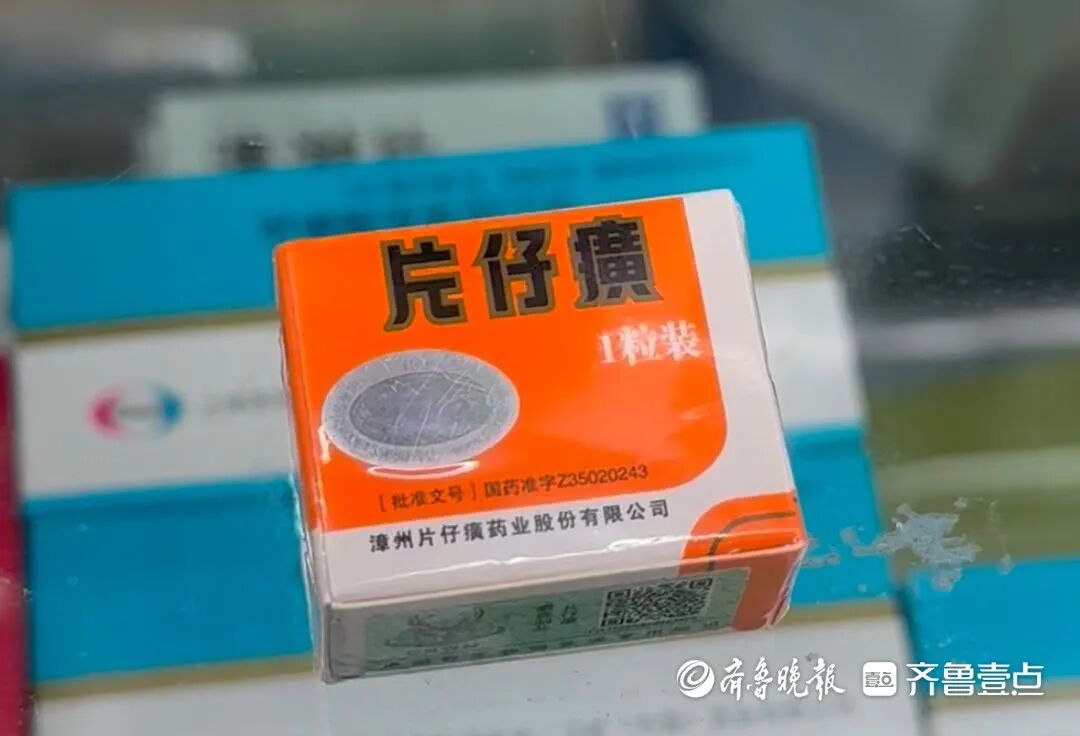
Core Insights - The company, Pianzaihuang, reported its first decline in both revenue and net profit in nearly a decade for Q3 2025, indicating a significant downturn in performance [3][4] - The price of Pianzaihuang pills has dropped significantly from a peak of 1600 yuan to below the official retail price of 760 yuan, leading to poor sales performance [1][2] Financial Performance - For the first three quarters of 2025, the company reported revenue of 7.442 billion yuan, a year-on-year decrease of 11.93%, and a net profit of 2.129 billion yuan, down 20.74% [3] - In Q3 2025 alone, revenue was 2.064 billion yuan, a decline of 26.28%, with a net profit of 688 million yuan, down 28.82% [3] - The company's inventory increased to 6.16 billion yuan, up 24.02% from the beginning of the year and 34.9% from the same period last year [3] Business Segments - The company's main business segments include pharmaceutical manufacturing, pharmaceutical distribution, and cosmetics, contributing 4.016 billion yuan, 2.887 billion yuan, and 400 million yuan in revenue respectively, with declines of approximately 13%, 8.45%, and 23.82% [4] - The core product, Pianzaihuang pills, generated 3.880 billion yuan in revenue, a decrease of 9.41% year-on-year [4] Market Dynamics - The price of Pianzaihuang pills has seen 21 price increases since 1999, rising from 110 yuan to 760 yuan in May 2023, but the market is now experiencing a shift from scarcity to oversupply [5][6] - The high cost of raw materials, such as natural musk and cow bile, has led to a situation where raw material prices are rising while finished product prices are falling, squeezing profit margins [6] Consumer Behavior - Sales of Pianzaihuang pills have significantly decreased, with some stores reporting monthly sales of only two to three pills, compared to dozens during peak demand [1][2] - The consumer base has shifted, with older customers making up the majority of current sales, and the product's appeal as a gift or social item has diminished [6][7] Strategic Outlook - Industry experts suggest that Pianzaihuang is undergoing a structural adjustment from a marketing-driven approach to a focus on value, emphasizing the need to strengthen clinical value and explore new consumer scenarios for sustainable growth [7]

从上千元一粒骤降至六七百元,片仔癀为何“卖不动”了
Qi Lu Wan Bao· 2025-10-28 03:27
Core Insights - The company Pizhou Huang has reported its first decline in both revenue and net profit in nearly a decade for Q3 2025, indicating a significant downturn in performance [5][7] - The price of Pizhou Huang's product has dropped significantly from a peak of 1600 yuan per unit to below the official retail price of 760 yuan, leading to poor sales performance [1][4] Financial Performance - For the first three quarters of 2025, the company's revenue was 7.442 billion yuan, a year-on-year decrease of 11.93%, and net profit was 2.129 billion yuan, down 20.74% [5] - In Q3 2025 alone, revenue fell to 2.064 billion yuan, a decline of 26.28%, with net profit at 688 million yuan, down 28.82% [7] - The company's inventory has increased to 6.16 billion yuan, up 24.02% from the beginning of the year and 34.9% year-on-year [7] Market Dynamics - The product's sales have significantly decreased, with many pharmacies reporting monthly sales of only two to five units, despite the product's historical popularity [1][3][4] - The price of the product has been stable around 720-760 yuan in various pharmacies, with some online platforms offering even lower prices [4][8] Industry Trends - The company is facing a structural adjustment from a marketing-driven approach to a value-driven one, as consumer behavior shifts towards more rational purchasing decisions [8][9] - Rising raw material costs, particularly for key ingredients like natural musk and cow bile, have pressured profit margins, contributing to the decline in sales [8][9]

富士曼PLUS系列地暖空调震撼上市,以“6重+法”引领价值回归
Sou Hu Wang· 2025-10-23 06:36
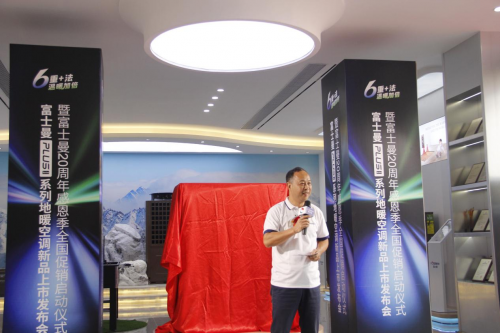
Core Insights - Fujiman launched its PLUS series of floor heating and air conditioning products, marking a significant milestone in its 20-year history, emphasizing a strong value proposition in the industry [1][4][16] Group 1: Product Launch - The online launch event for the Fujiman PLUS series was held at the company's headquarters in Foshan, attended by key industry figures and media representatives [1] - The PLUS series is positioned as a benchmark for industry value return, showcasing 20 years of technological innovation and expertise [4][16] - The product features a "6重+法" technology core, focusing on reliability, energy efficiency, speed, quiet operation, intelligence, and aesthetic design [15] Group 2: Industry Perspective - Industry leaders discussed the shift in the air energy sector from price competition to value competition, highlighting the importance of user experience over mere product specifications [10] - The PLUS series aims to provide smarter and more environmentally friendly heating solutions for both residential and commercial applications [7][9] - The event underscored the industry's collective move towards a value-centric ecosystem, with Fujiman leading this transformation [16] Group 3: Future Outlook - Fujiman plans to collaborate with more partners in the industry to create a user value-centered ecosystem, offering extraordinary products and services to discerning consumers [16] - The company aims to redefine warmth as an essential companion rather than a luxury, promoting a rational and value-driven lifestyle through its products [15]
2025年中国媒体市场发展趋势报告
Sou Hu Cai Jing· 2025-10-21 07:17
Core Insights - The report outlines three major trends in the Chinese media market for 2025: emotional resonance, value return, and global connection [1] Group 1: Emotional Resonance - The media is becoming a "barometer" for emotional value, reflecting the growing demand for emotional connection in society [2][3] - By August 2025, content related to emotional healing on platforms like Douyin and Kuaishou has reached 709.7 billion views, indicating a significant shift towards emotional economy [2][11] - Media serves as a "laboratory" to validate and optimize emotional communication, using data from likes and shares to gauge audience sentiment [3][19] Group 2: Value Return - The fragmentation of media consumption has led to a resurgence in demand for high-quality content, with over half of users expressing dissatisfaction with algorithmic recommendations [4][5] - The media is transitioning from a "traffic era" to a "value era," focusing on structured, serialized, and thematic content to build long-term value [5] Group 3: Global Connection - As Chinese brands expand internationally, media plays a crucial role in global storytelling, with over 85 international communication centers established and 2,300 domestic media accounts operating overseas [6][7] - The media is adopting a dual approach of "localization" and "in-situ" strategies to bridge cultural gaps, using relatable narratives and local influencers to enhance engagement [7]
阶级跃迁的幻觉,破灭了
Hu Xiu· 2025-10-21 00:35
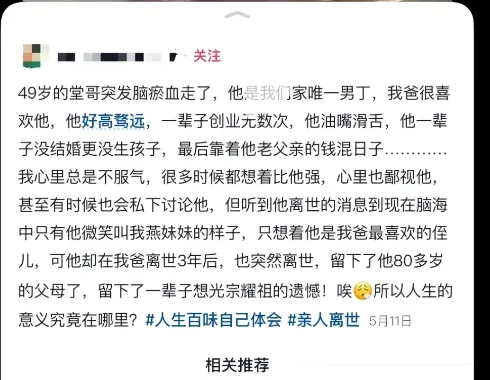
Core Insights - The article discusses the illusion of easy class mobility created by rapid economic growth over the past two decades, highlighting that while some individuals have achieved significant success, this is not the norm for the majority [1][16][34] Group 1: Class Mobility and Economic Growth - The past two decades have led to a perception that class mobility is easily achievable, with numerous success stories in the tech and entrepreneurial sectors [1][16] - Many individuals have witnessed rapid success, such as going from teaching English to ringing the bell at Nasdaq, which reinforces the belief that hard work can lead to significant financial success [2][3][4] - The article emphasizes that while these success stories are real, they represent a small fraction of the population, leading to unrealistic expectations among the general public [5][6] Group 2: Cultural Reflections in Media - The Chinese entertainment industry reflects this narrative of class mobility, with characters often depicted as wealthy and successful, contrasting with the more modest portrayals in Western media [8][10][11] - The portrayal of middle-class characters in Western dramas versus the depiction of "tycoons" in Chinese dramas illustrates the cultural differences in perceptions of success and class [9][12][13] Group 3: Challenges of Real Class Mobility - The article argues that true class mobility is rare and difficult, as many individuals remain in low-income jobs despite changes in job types due to economic development [19][34] - It highlights the challenges faced by individuals from working-class backgrounds in achieving upward mobility, emphasizing that many still struggle to afford housing in major cities [19][34] - The narrative of entrepreneurship is complicated by the reality that many aspiring business owners lack the necessary knowledge and experience, leading to high failure rates [21][22][29] Group 4: The Role of Guidance and Mentorship - Effective guidance from successful individuals is crucial for navigating the complexities of entrepreneurship and career advancement, as many traditional advice from older generations may not be applicable [27][28] - The article stresses the importance of having mentors who have successfully navigated similar paths, as they can provide valuable insights and strategies for success [28][32] - The failure of a family member in business can have a significant impact on the family's future opportunities and perceptions of success [31][34]
资本市场价值回归,ESG扮演关键角色
Di Yi Cai Jing· 2025-10-20 12:12
Group 1 - The core viewpoint is that ESG is becoming a crucial tool for driving capital market value return and achieving high-quality development, especially in the context of a shift from short-term profit focus to long-term value assessment [2][5] - The recent significant drop in cryptocurrency prices, particularly Bitcoin, highlights the volatility and speculative nature of such assets, contrasting with traditional assets that rely on cash flow predictions and valuation models, including ESG risk assessments [1][2] - The global ESG investment assets are projected to reach $53 trillion by 2025, representing one-third of total global managed assets, indicating a growing trend towards sustainable investment [3] Group 2 - The transition towards value return in capital markets is driven by the need to address global challenges such as climate change and social inequality, emphasizing the importance of non-financial risks in assessing long-term corporate value [3][4] - ESG is not merely a moral addition but a strategic tool embedded in the corporate value chain, focusing on environmental, social, and governance dimensions that translate into investment decision-making [4] - Research shows that holding stocks of companies in the top 30% of ESG rankings resulted in an average annual excess return of 12.8% over three years, demonstrating the financial performance linked to non-financial factors [4]