
协同创新

Search documents
聚焦转型创新,深化多链合作——2025两岸企业家峰会年会综述
Xin Hua Wang· 2025-12-18 02:56
Group 1 - The 2025 Cross-Strait Entrepreneurs Summit focused on "transformation and innovation, deepening multi-chain cooperation," with around 800 participants discussing industrial development and economic growth [1] - The summit highlighted the importance of collaboration in various sectors such as new energy, smart manufacturing, information technology, cultural creativity, and biotechnology [2] - Companies emphasized the advantages of supply chains, industrial chains, and talent chains in fostering competitive environments, particularly in mainland China [2] Group 2 - Strategies for promoting cross-strait multi-chain cooperation were discussed, including policy guidance and collaboration in emerging industries [3] - The summit's participants expressed optimism about the opportunities presented by the "14th Five-Year Plan," which outlines key areas for industrial development and cooperation [4] - The plan is seen as a "opportunity list" for cross-strait enterprises, encouraging them to align with the identified industrial directions for mutual growth [4] Group 3 - The emphasis on technological innovation and investment in mainland China is expected to provide greater opportunities for Taiwanese entrepreneurs [5] - Participants underscored the importance of enhancing cross-strait economic cooperation for high-quality development, advocating for stronger ties despite external challenges [6] - The summit served as a platform for fostering understanding and collaboration among businesses, with a focus on sectors like artificial intelligence [6] Group 4 - The summit's leaders called for the business community to take on a proactive role in contributing to the economic revitalization of the Chinese nation [7] - The integration of cross-strait industries is viewed as a pathway to achieving greater economic synergy and resilience [7]
粤港澳大湾区协同创新格局正加速形成(湾区观潮)
Ren Min Ri Bao Hai Wai Ban· 2025-12-17 22:49
以"智创湾区 产研共融"为主题的2025大湾区科学论坛近日举办。作为一场覆盖前沿科技与产业融 合的"头脑风暴",论坛聚焦协同创新议题,从人才高地到绿色能源,从低空经济到海洋科技,描绘出欣 欣向荣的湾区科研景象,标志着粤港澳大湾区在国际科技创新中心建设进程中又迈出了坚实一步。 自2021年创办至今,大湾区科学论坛的"朋友圈"持续扩大,国际化程度不断提升。群贤毕至,思想 汇聚,论坛的吸引力何在? 鼓励创新的环境,成为吸引国内外院士和"科研大牛"们来到粤港澳大湾区进行"脑力激荡"的首要因 素。根据有关统计,广东区域创新综合能力连续9年位居全国首位,"深圳—香港—广州"创新集群已跃 居全球创新指数第一位,"澳门—珠海"集群也连续两年入围全球百强。有了大环境的衬托,科学论坛在 众多科研从业人员的眼中分量越来越重。高端智力的汇聚,自然是水到渠成。 "头脑风暴"的汇聚,离不开创新平台与大国重器的鼎力支持。科技发展必须在前沿源头创新上发 力。当前,加速器驱动嬗变研究装置、散裂中子源二期项目、先进阿秒激光设施等5个重大科技基础设 施正在大湾区加速建设,共同构成了探索前沿科技的国家级实验场,为关键核心技术的突破与从0到1的 原始 ...

五年翻番 “十四五”时期北京输出津冀技术合同成交额超2300亿元
Bei Jing Shang Bao· 2025-12-17 15:22
据介绍,自协同发展战略实施以来,京津冀三地合力打造协同创新共同体,加快构建"六链五群"产业布局,共同做大产业"蛋糕"。数据显示,2024年京津冀 经济总量达11.5万亿元,三地GDP增速均超全国平均水平;今年1—3季度,三地GDP同比增长5.4%,区域经济发展势头持续向好,高质量发展动力源作用进 一步显现。 会上,北京市发展改革委党组成员、市协同办副主任、京津冀联合办副主任周浩透露,下一步,京津冀三地将坚持创新驱动,聚焦"六链五群"主阵地,推动 形成一批标志性成果,筑牢高质量发展动力源根基。打造更加紧密的协同创新共同体。同时,三地将共同建设北京(京津冀)国际科技创新中心,发挥在京 国家实验室、科研院所、高校等功能作用,持续提升重大原创性成果产出和转化能力,构建一体化协同创新生态。做强京津冀国家技术创新中心,加快颠覆 性项目在区域转化落地,完善科技成果转化服务体系,提升转化效能。 12月17日,北京市人民政府新闻办公室召开"一张蓝图绘到底 建设国际一流的和谐宜居之都"新闻发布会。会上,北京商报记者了解到,自北京城市总体规 划实施以来,"十四五"时期北京输出津冀技术合同成交额超2300亿元,较"十三五"实现翻番。 ...
全场景+智能体双轮驱动,金融创新大展“鸿”图
第一财经· 2025-12-17 13:21
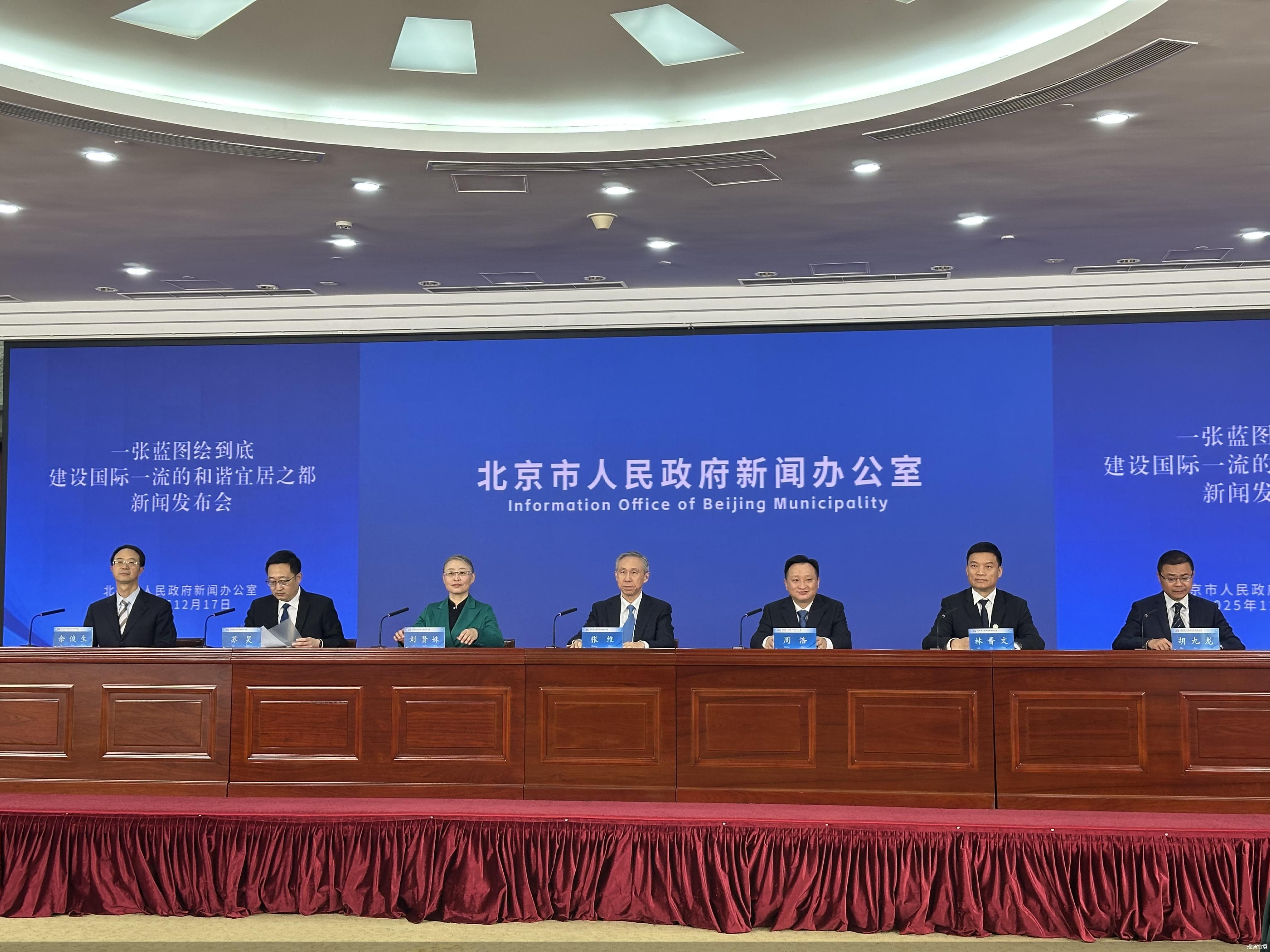
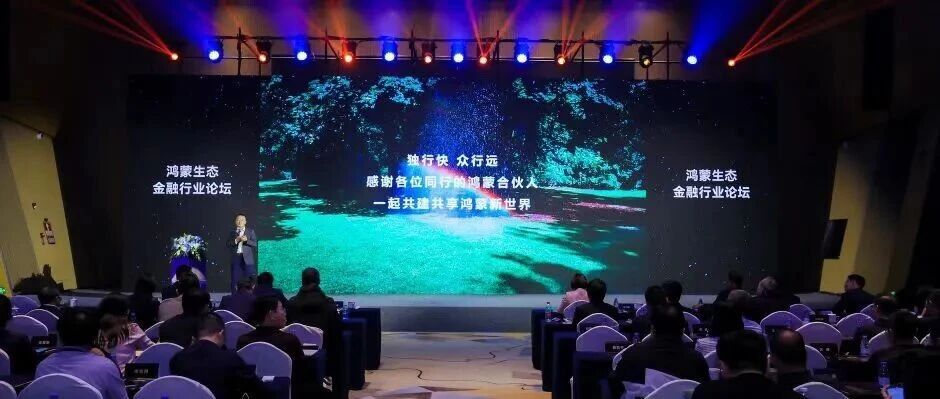
Core Viewpoint - The financial industry is facing unprecedented challenges and opportunities due to the digital wave, with increasing user demands for convenience, security, and intelligence, while traditional service models struggle to meet market expectations [1] Group 1: Collaboration with Harmony OS - Since the release of Harmony OS 5, it has collaborated with financial partners to address industry pain points, with experts sharing insights on its advantages and prospects during a recent forum [2] - Financial institutions express strong confidence in the technological and market benefits brought by Harmony OS, anticipating a second growth curve in financial services through collaboration and innovation [2] Group 2: Seamless Financial Service Experience - Users desire personalized financial services across multiple devices, and Harmony OS's "1+8+N" strategy enables seamless collaboration across devices, addressing the challenges of multi-terminal application development [4] - The introduction of Harmony OS applications on devices like smartwatches allows users to manage stock dynamics effortlessly, breaking the limitations of investment scenarios [5] Group 3: Intelligent Financial Services - Traditional service models often require multiple steps to access core services, leading to inefficiencies; thus, the shift towards intelligent services is crucial for enhancing user engagement and operational efficiency [9] - Harmony OS's intelligent assistant, "Xiao Yi," enables personalized services and improves user experience by allowing voice commands to access core financial functions [10] Group 4: Collaborative Innovation for Competitive Advantage - The open and inclusive nature of the Harmony ecosystem provides a platform for financial institutions to explore new service models and gain a competitive edge [13] - Early adopters of Harmony OS have reported significant improvements, with institutions like Zhongjin Wealth and Industrial and Commercial Bank of China achieving high customer satisfaction and enhanced capabilities through collaboration [16][18] Group 5: Opportunities for Small and Medium Financial Institutions - Harmony OS offers rich development tools and technical support, reducing costs for small and medium financial institutions, enabling them to enhance their digital capabilities and service levels [17] - The ecosystem's growth presents a unique opportunity for these institutions to achieve breakthroughs in multi-terminal coverage and intelligent services, positioning themselves advantageously in the market [17]
系统革命:大湾区科学论坛如何用生态思维重构全球创新棋局?
Feng Huang Wang Cai Jing· 2025-12-17 13:18
Core Insights - The 2025 Greater Bay Area Science Forum concluded with a focus on deep industrial collaboration, highlighting the need for innovation at both ends of the industrial chain [1][2][3] Group 1: Strategic Vision and Goals - The forum emphasized the transformation of institutional advantages into innovative momentum for the Guangdong-Hong Kong-Macau Greater Bay Area [2] - Key leaders called for a focus on foundational research and the establishment of a robust innovation ecosystem to drive future industrial competitiveness [2][3] Group 2: Collaborative Initiatives - Twelve universities from Hong Kong and Macau signed a joint initiative to address cross-border innovation challenges [3] - The establishment of a "results supermarket" by the Chinese Academy of Sciences aims to facilitate the commercialization of over 3,200 research outcomes [9] Group 3: Sector-Specific Discussions - The low-altitude economy forum shifted focus from technical feasibility to the safe and efficient large-scale operation of aerial vehicles [5] - The artificial intelligence forum highlighted the importance of data governance and practical applications over mere computational power [6] - The hydrogen energy forum showcased cross-border collaboration between Chinese and Korean companies, emphasizing supply chain integration [7] Group 4: Financial and Talent Ecosystem - The technology finance forum introduced mechanisms to direct financial resources towards early-stage hard technology projects [8] - The education forum stressed the need for aligning vocational training with industry demands, particularly in AI and advanced manufacturing [8] Group 5: Systemic Innovation and Ecosystem Resilience - The forum's discussions illustrated a systemic approach to innovation, integrating technology breakthroughs, standard-setting, and financial support [12][14] - The collaborative environment fostered by the forum is expected to reshape the industrial landscape in China and globally, emphasizing resilience and adaptability [14]
全场景+智能体双轮驱动,金融创新大展“鸿”图
Di Yi Cai Jing· 2025-12-17 13:09
Core Insights - The financial industry is facing unprecedented challenges and opportunities due to the digital wave, with increasing user demands for convenience, security, and intelligence [1] - The HarmonyOS 5 has been collaborating with financial partners to address these challenges, with experts expressing strong confidence in its potential to create a second growth curve for financial services [2] Group 1: Full-Scene Adaptation - Users desire seamless financial services across multiple devices, but traditional financial service models struggle to meet these demands due to information silos and fragmented experiences [3] - HarmonyOS employs a "1+8+N" full-scene strategy, enabling seamless collaboration across devices like smartphones, computers, and wearables, thus enhancing the efficiency of financial decision-making [3][4] - Financial applications are rapidly adapting to HarmonyOS, with several major financial software and online banking platforms already launching HarmonyOS versions [4][5] Group 2: Intelligent Services - The traditional service model is being transformed by intelligent assistants like "Xiao Yi," which streamline user interactions and provide personalized services [6][7] - Financial institutions are leveraging intelligent agents to enhance customer service experiences, allowing users to access core functionalities through simple voice commands [7][8] - The continuous learning capability of these intelligent systems helps financial institutions stay aligned with market changes and user preferences, enhancing service quality [8] Group 3: Collaborative Innovation - The open and inclusive nature of the Harmony ecosystem provides a platform for financial institutions to collaborate and innovate, allowing them to share technological benefits and explore new service models [9][10] - Early adopters of HarmonyOS have reported significant improvements in customer satisfaction and operational efficiency, indicating the potential for long-term partnerships [12][13] - Smaller financial institutions can also benefit from the ecosystem, as it offers tools and support to enhance their digital capabilities and service levels [13][14] Group 4: Future Outlook - Financial institutions are encouraged to view HarmonyOS adaptation as an opportunity to acquire scarce assets rather than merely a cost [14] - The ongoing development of the Harmony ecosystem is expected to attract more financial institutions, enabling them to become co-builders and beneficiaries of the ecosystem [15] - Embracing HarmonyOS is seen as a critical decision for financial institutions to seize future growth opportunities and enhance their competitive edge in an increasingly intelligent and personalized market [15]
视频丨明年经济工作到底怎么做?听专家为你详细解读→
Yang Shi Xin Wen Ke Hu Duan· 2025-12-15 13:14
Group 1 - The central economic work conference has outlined the overall requirements and policy direction for next year's economic work, focusing on eight key tasks, including innovation-driven development and strengthening the role of enterprises in innovation [1] - The conference emphasizes the establishment of three major international technology innovation centers in Beijing (Jing-Jin-Ji), Shanghai (Yangtze River Delta), and the Guangdong-Hong Kong-Macao Greater Bay Area, highlighting their differences and complementary roles [2][10] - The Beijing center is positioned as a source of original innovation, focusing on basic research and key core technologies, while Shanghai is designated as an application innovation leading area, emphasizing high-end manufacturing and open innovation [6][8] Group 2 - The Guangdong-Hong Kong-Macao Greater Bay Area is identified as a cross-border collaboration hub and a base for emerging industries, focusing on rapid industrialization of technological achievements and exploring innovative governance aligned with international standards [10] - The national strategy aims to enhance regional collaboration by establishing a coordinated mechanism for knowledge sharing, talent mobility, and industrial chain cooperation among the three centers, promoting a dual flow of innovation resources [12][18] - The conference also highlights the need to develop a service industry expansion and quality improvement action plan, focusing on enhancing the development level of the service sector and promoting high-quality development [19][21] Group 3 - The conference includes a focus on deepening and expanding "Artificial Intelligence+" as a key deployment, marking a new stage in the development of artificial intelligence [30][32] - The goal is to embed artificial intelligence into key industrial chains to enhance productivity and create competitive manufacturing clusters, while also improving service quality through innovative applications [37] - A new round of high-quality development actions for key industrial chains will be implemented, emphasizing the importance of enhancing the self-controllability of industrial chains and optimizing supply chain layouts [38][44]
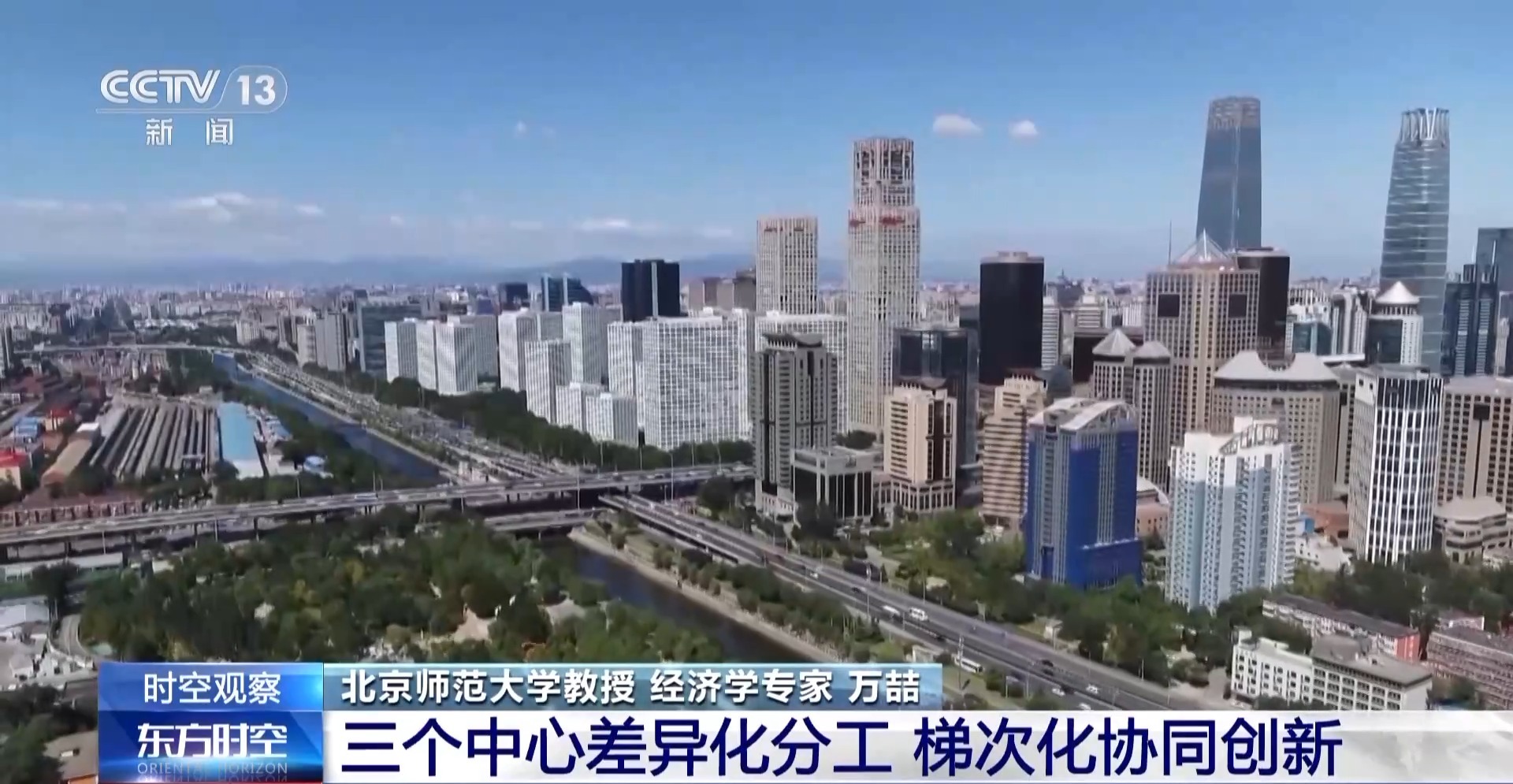
中央明确北京、上海国际科创中心扩围
第一财经· 2025-12-14 12:22
Core Viewpoint - The article emphasizes the growing significance of three major international science and technology innovation centers in China: Beijing, Shanghai, and the Guangdong-Hong Kong-Macao Greater Bay Area, which are positioned as strategic hubs for original innovation and technological advancement in the country [3][5]. Group 1: Progress and Rankings - The three international innovation centers have seen significant progress, with their comprehensive indices rising in global rankings, placing them among the top 10 global technology innovation clusters [5]. - According to the 2025 Global Innovation Index by the World Intellectual Property Organization (WIPO), the Shenzhen-Hong Kong-Guangzhou cluster has surpassed the Tokyo-Yokohama cluster to become the top cluster, with Beijing ranked fourth and the Shanghai-Suzhou cluster fifth [6]. - Beijing's original innovation capacity has strengthened, with basic research funding accounting for over 16% of its total R&D expenditure [6]. Group 2: Regional Innovation Dynamics - The collaborative innovation effects among major city clusters have improved, with the Beijing-Tianjin-Hebei region enhancing its collaborative innovation development, and the Yangtze River Delta forming a technology innovation community [6][9]. - Beijing ranks second nationally in comprehensive technology innovation level, maintaining the top position in the innovation environment, while Shanghai has risen to first place in overall ranking [7]. Group 3: Future Directions and Initiatives - The article outlines future initiatives for the three innovation centers, including the establishment of a basic framework for the Beijing International Science and Technology Innovation Center and the deepening of integration between technological and industrial innovation [9][10]. - Shanghai aims to focus on high-risk, high-value basic research and enhance the strategic agility of its technological layout through systemic reforms [10]. - The Guangdong-Hong Kong-Macao Greater Bay Area is set to leverage its unique "one country, two systems" advantage to strengthen its innovation community and optimize its technological innovation spatial layout [10].

世界级高端工业母机在沈阳下线交付
Liao Ning Ri Bao· 2025-12-13 01:34
Core Insights - The collaboration between China General Technology Group and Dongfang Electric Group has led to the successful development and delivery of four high-end five-axis CNC machine tools, marking a significant technological breakthrough and addressing the "disconnection between research and application" in the industry [1][2] Group 1: Collaboration and Innovation - The partnership aims to create a new model for the development of domestic industrial mother machines by integrating research, application, and production [1] - A cooperative innovation paradigm has been established, focusing on "scenario-driven, joint research, shared risks, and shared benefits" to overcome the challenges faced in high-end CNC machine development [1][2] Group 2: Technical Achievements - The delivered products feature autonomous control of the entire machine and core components, achieving key technical indicators such as positioning accuracy and processing efficiency that meet international advanced levels [2] - These machine tools will be directly applied in national key projects, including hydropower and new-generation coal power, supporting the "dual carbon" strategy and ensuring energy security [2] Group 3: Future Plans and Strategic Goals - The collaboration is seen as a strong initiative for central enterprises to lead the industrial chain and build an innovative consortium, with plans to deepen strategic cooperation in core technology challenges and advanced power equipment [2] - A second-phase cooperation agreement has been signed to further explore strategic collaboration in industrial mother machines and international engineering [2]


石墨烯:黄金应用时代来了?
Zhong Guo Hua Gong Bao· 2025-12-09 03:13
Core Insights - The global industry is increasingly focusing on graphene, a two-dimensional material composed of carbon atoms, due to its exceptional electrical, thermal, and mechanical properties, marking the dawn of a golden application era for graphene [1] Group 1: Industrial Applications - Graphene has transitioned from a theoretical material to practical applications, with successful uses in batteries, electronics, thermal management, carbon capture, and hydrogen energy [2] - The versatility of graphene, as a "material family," allows for customization based on different molecular structures and defects, providing vast opportunities for industrial applications [2] - Graphene's role in the industry is evolving from being seen as an "industrial seasoning" to a "vitamin," indicating its deepening application value [3] Group 2: Market Development - The graphene industry is still in its early developmental stage, with a historical timeline of investment enthusiasm from 2013 to 2015, followed by a rational adjustment period until 2018, when practical applications began to emerge [3] - The global graphene industry is witnessing a shift from conceptual applications to real-world products, with advancements in photonics, modulators, and photodetectors [3][4] Group 3: Ecosystem and Collaboration - A healthy development of the graphene industry relies on a supportive ecosystem, with a complete support system from national strategies to local policies [5] - Collaborative innovation among academia, industry, and government is essential for overcoming challenges such as high production costs and low standardization [5][6] - Establishing joint research centers between universities and enterprises can bridge market needs with research resources, accelerating technology and product innovation [6] Group 4: Future Prospects - The next decade is expected to see graphene enter a golden application era, with significant demand projected, particularly in cooling technologies for AI computing and carbon-based chip technologies [7] - The European Union's roadmap anticipates a potential increase in global graphene demand to 170,000 tons annually by 2030, indicating substantial market growth [7] - Key focus areas for graphene in the coming years include sustainable development, healthcare, and communication technologies, particularly in the context of 6G and quantum communication [8]